Last updated: April 21, 2026
The broad flora and fauna of Marion County are covered on the Flora & Plant Communities and Fauna & Wildlife pages. This page focuses on a smaller, narrower list: the species that carry federal status, the ones that are endemic to or characteristic of the southern Cumberland Plateau and the Tennessee River Gorge, and the ecological threats and recovery stories that have reshaped life in the county over the last century.
Some of these are genuine local conservation successes (the gray bat colony at Nickajack Cave; the return of the bald eagle to Nickajack Lake). Some are cautionary tales (the American chestnut; the hemlocks of Prentice Cooper). Some are quiet endemics most residents will never knowingly see (Tennessee cave salamander; large-flowered skullcap). Taken together, they sketch why Marion County matters ecologically, not just scenically.
Federally listed plants
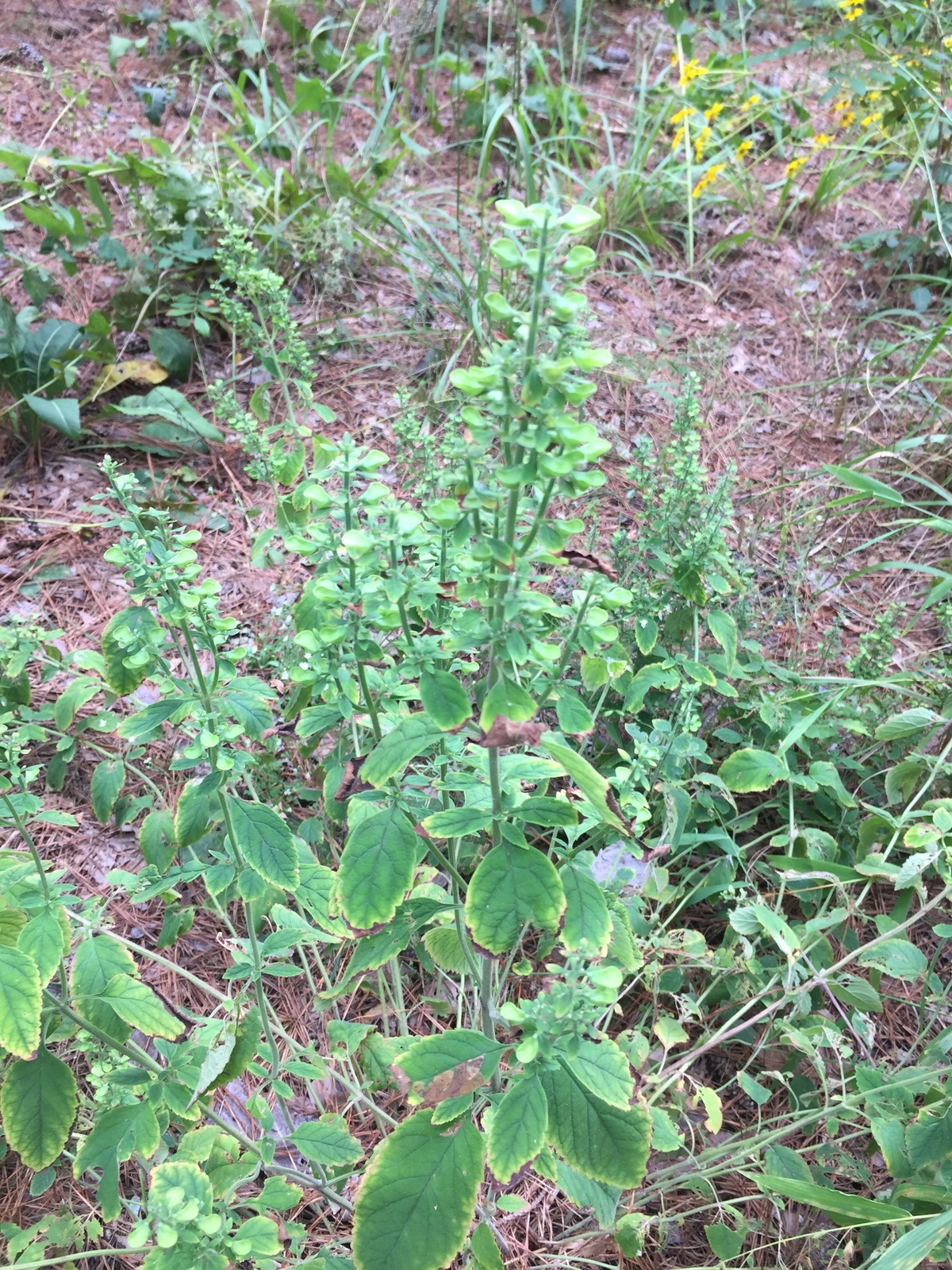
Large-flowered skullcap (Scutellaria montana)
Large-flowered skullcap is a perennial mint with tubular, hooded, deep-blue-violet flowers roughly an inch long. It grows in narrow bands of rich, well-drained soil on limestone and sandstone-over-limestone slopes, typically on mature hardwood hillsides with an open understory. The species is narrowly endemic: its global range covers a strip of Tennessee, Georgia, and northern Alabama, with the Tennessee River Gorge representing the core of its surviving range.
U.S. Fish and Wildlife Service listed the species as federally endangered on June 20, 1986. At listing, fewer than a dozen small populations were known, some with fewer than ten plants. Over the following fifteen years, the Tennessee River Gorge Trust, Tennessee Natural Heritage Program biologists, and private landowners cooperating through conservation easements located and documented new populations, protected critical habitat, and tracked the species' response. By 2002, documented populations totaled roughly 40,000 plants distributed across a dozen sites. On January 14, 2002, USFWS published a final rule reclassifying the species from endangered to threatened. It remains federally protected.
In Marion County, skullcap is known from the Tennessee River Gorge and adjacent slopes protected by TRGT. Specific locations are not published because casual visitation damages the soil and root systems; visitors to TRGT trails are asked to stay on treadway. The species is almost always found in association with mature hardwood canopy; clearing or disturbance of these slopes causes populations to collapse.
Federally listed mammals : the bats
Three bat species with federal endangered status are expected or confirmed in Marion County, and a fourth is under review. All four depend on caves for hibernation, for summer roosts, or for maternity colonies; the county's limestone karst makes its caves among the most biologically important bat habitats in the southeastern United States.
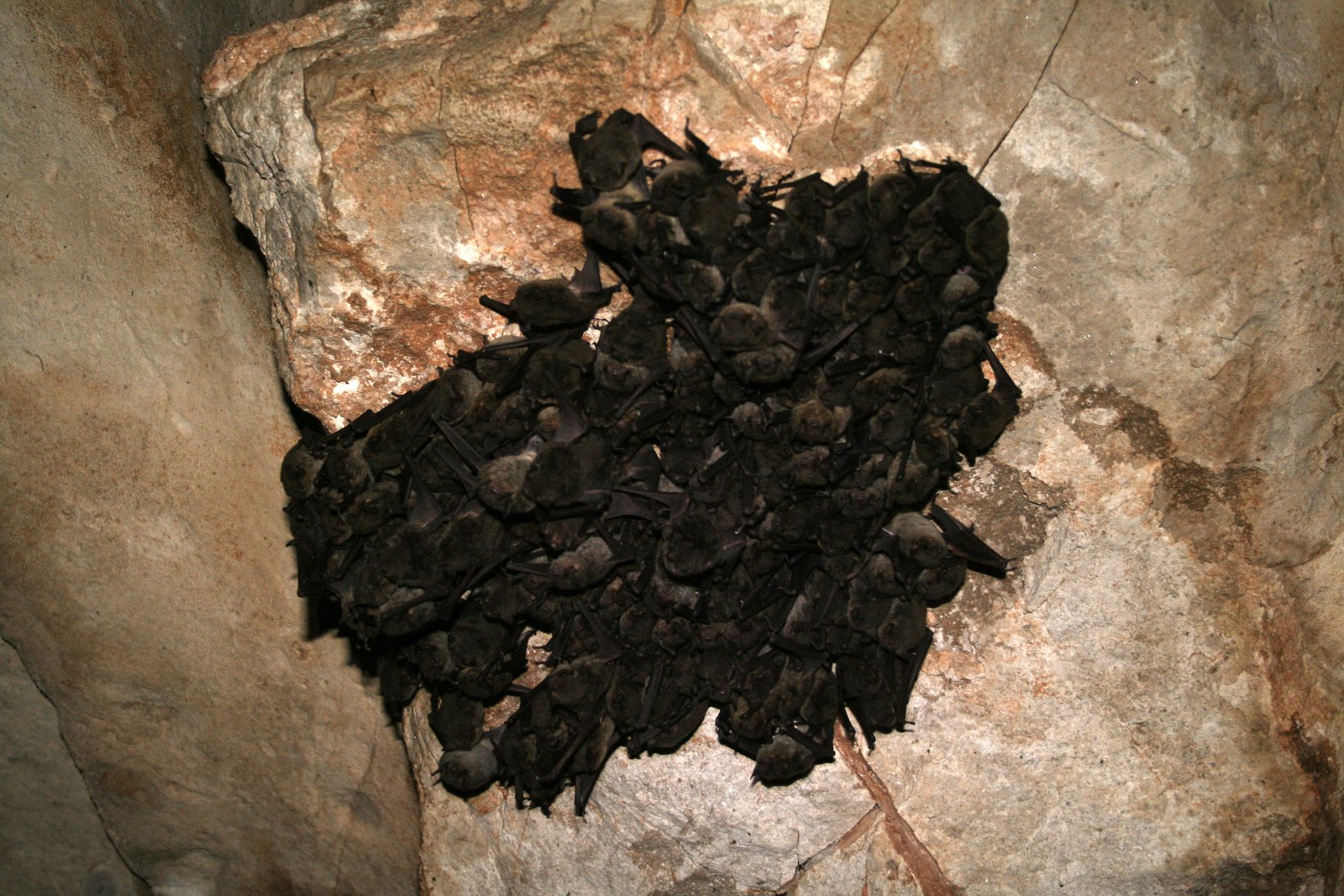
Gray bat (Myotis grisescens)
The gray bat was federally listed as endangered on April 28, 1976. Unlike most bats, it is cave-obligate year-round: gray bats use caves for summer maternity colonies, for winter hibernacula, and for bachelor and transient roosts. Fewer than a dozen caves in North America support summer populations of more than ten thousand gray bats; Nickajack Cave in Marion County is one of them. Estimates for the summer maternity colony at Nickajack have ranged from about 100,000 to well over 200,000 individuals in recent surveys, making it one of the largest known gray bat colonies anywhere.
The 1967 completion of Nickajack Dam raised the level of the Tennessee River and partly flooded Nickajack Cave, truncating the above-water cave volume but preserving a large above-water chamber that continued to serve as a roost. Through the 1970s, the cave's easy accessibility from the reservoir led to human disturbance that pushed bats off the ceiling during their vulnerable rearing period. TVA, TWRA, and USFWS installed a bat-friendly gate at the cave mouth in 1981, closing the cave to unauthorized entry while still allowing bats free passage. Colony counts began to climb and have kept climbing. The Maple View unit of the TWRA Nickajack Cave Refuge now offers a public boardwalk and overlook where visitors can watch the evening emergence from late May through early August.
For more on the cave itself, see the Nickajack Cave & Dam page.
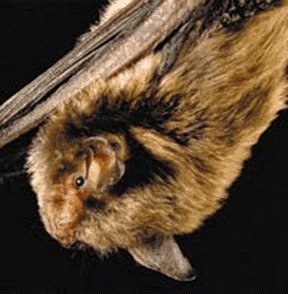
Indiana bat (Myotis sodalis)
The Indiana bat was listed as endangered on March 11, 1967 (one of the original listings under the Endangered Species Preservation Act that preceded the 1973 ESA). Indiana bats form tight winter clusters of up to several hundred individuals per square foot on the ceilings of cold, stable caves, and disperse in summer to tree-roosting maternity colonies beneath flaking bark along streams. Marion County's karst caves and riparian corridors provide suitable habitat; Indiana bats have been confirmed in several counties adjacent to Marion, and acoustic detections within the county are on record.
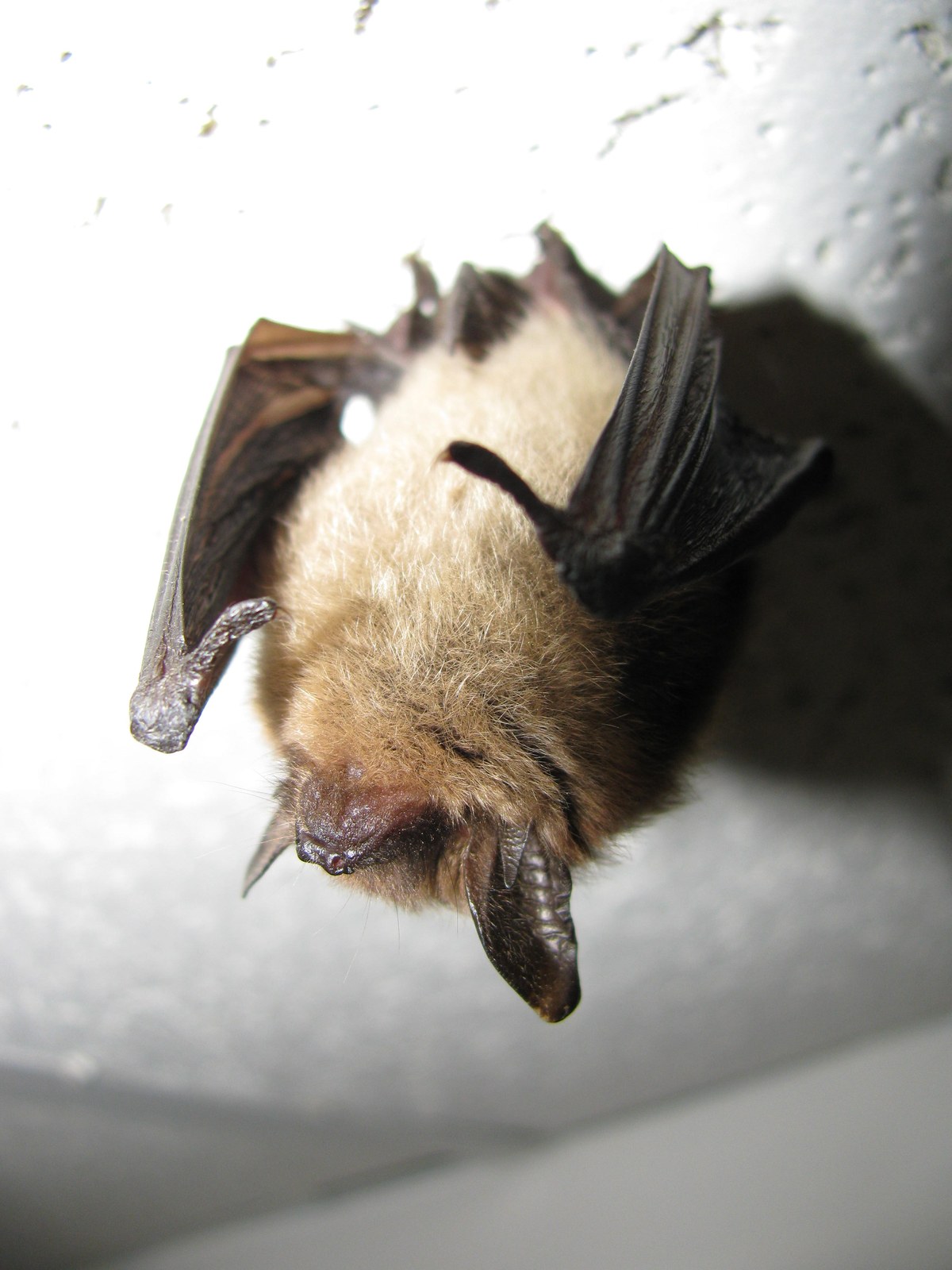
Northern long-eared bat (Myotis septentrionalis)
The northern long-eared bat was originally listed as threatened in 2015. In March 2022, USFWS proposed reclassifying it to endangered after white-nose syndrome caused catastrophic population declines across the species' range. The final rule reclassifying the species to endangered took effect on March 31, 2023. Northern long-eared bats hibernate in caves and summer in tree roosts; they are forest-interior feeders, gleaning insects off leaves and bark under closed canopy. Their presence in Marion County is likely given habitat availability, though post-WNS populations are severely reduced everywhere within the range.
The tri-colored bat (Perimyotis subflavus) was proposed for federal listing as endangered in September 2022, also because of WNS-driven decline. A final rule is still pending. The tri-colored bat has historically been the most common cave-hibernating bat in Tennessee; in several caves surveyed since 2013, populations have dropped by 90 to 99 percent.
Sensitive amphibians of the plateau
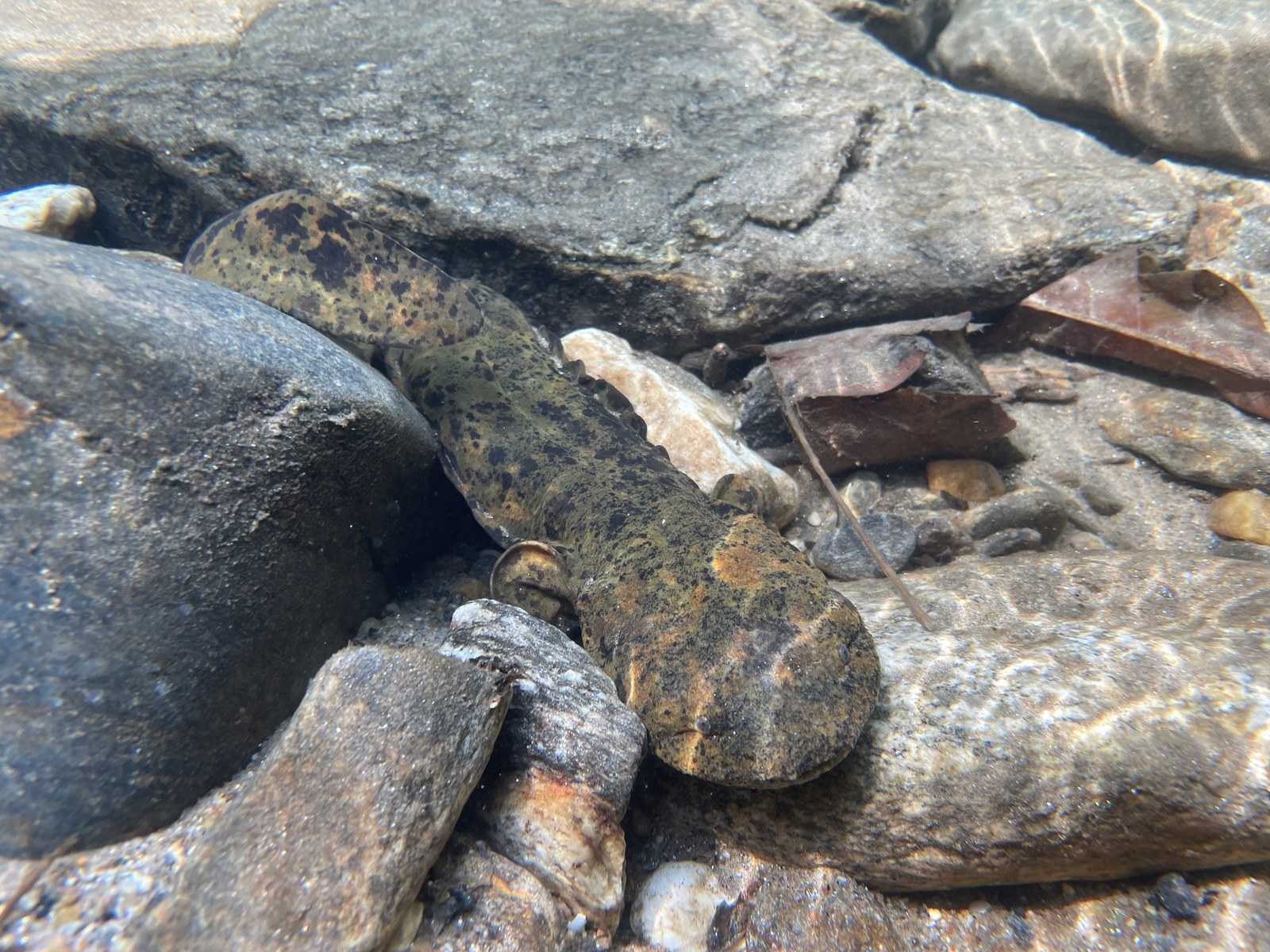
Eastern hellbender (Cryptobranchus alleganiensis)
The eastern hellbender is the largest salamander in North America, reaching lengths over two feet and living up to thirty years in the wild. It is fully aquatic, requires cold, clear, well-oxygenated flowing streams with large flat rocks for shelter and nest sites, and is highly sensitive to silt, pesticides, and changes in stream temperature. The Sequatchie River and its major tributaries fall within the hellbender's documented historical range; Marion records are sparse and the species has been in decline across most of its Tennessee range.
TWRA classifies the eastern hellbender as a Species of Greatest Conservation Need. On December 13, 2024, U.S. Fish and Wildlife Service proposed listing the species as endangered under the Endangered Species Act (distinct from the already-listed Ozark subspecies). The proposal cites stream siltation, channelization, water-quality decline, collection for the pet trade, and low population recruitment as threats. The 60-day public-comment period closed in February 2025 and a final rule was due December 2025; that deadline passed without action, and on February 17, 2026, the Center for Biological Diversity filed suit to compel the listing.
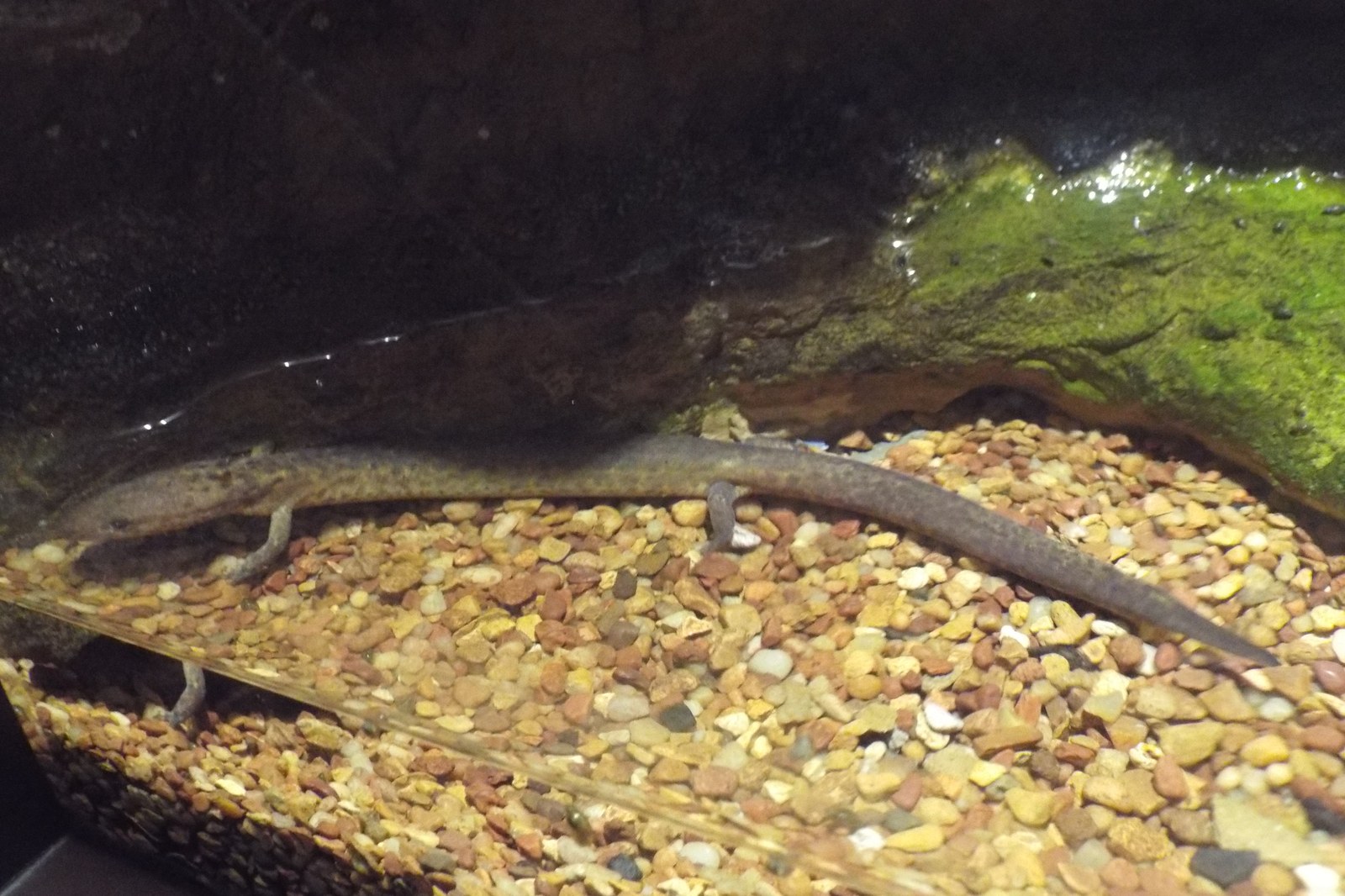
Tennessee cave salamander (Gyrinophilus palleucus)
The Tennessee cave salamander is a permanently aquatic cave-obligate species whose global range covers a small area of the Cumberland Plateau and interior Low Plateau regions of Tennessee, northern Alabama, and northwestern Georgia. Individuals retain larval features (external gills, reduced eyes) throughout life, an adaptation to a dark-water existence. Known populations are clustered in limestone caves with clean groundwater; Marion County's karst caves fall within the documented range, with confirmed records in adjacent counties.
The species is listed by TWRA as “Deemed in Need of Management” and has been evaluated several times for federal listing. Cave access is restricted throughout the regional range to protect populations from disturbance, contamination, and the spread of pathogens such as chytrid fungus and white-nose syndrome (which, while more associated with bats, affects cave ecosystems broadly).
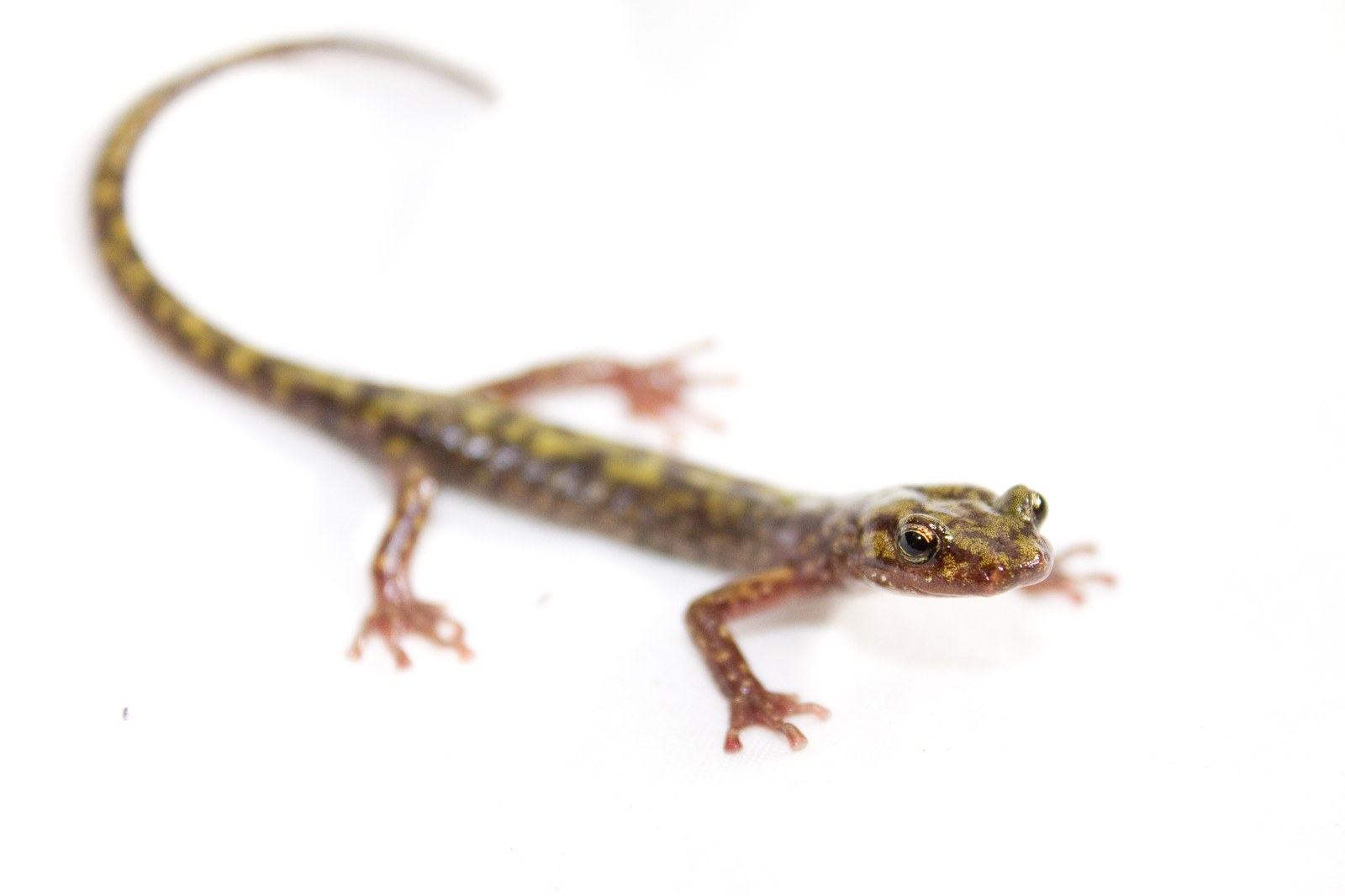
Green salamander (Aneides aeneus)
The green salamander is a flat-bodied climbing lungless salamander that lives its entire life in narrow vertical crevices of sandstone rockhouses, cliff faces, and talus blocks. Its camouflage is extraordinary: green and yellow-green lichen-like blotches on a dark background match mossy sandstone nearly perfectly. Green salamanders are globally vulnerable (NatureServe ranked G3) because of their extreme habitat specialization; small populations are vulnerable to local disturbance, drying of rockhouses, and climate-driven shifts in moisture regime.
The southern Cumberland Plateau is a stronghold. Rockhouses along the Fiery Gizzard Trail in Grundy County just north of Marion's border, in Prentice Cooper State Forest, and at Foster Falls all fall within the species' Tennessee distribution. Because of the sensitivity of rockhouse microclimate, ecologists discourage people from reaching into crevices or disturbing moss mats on rockhouse walls.
Federally delisted: the snail darter
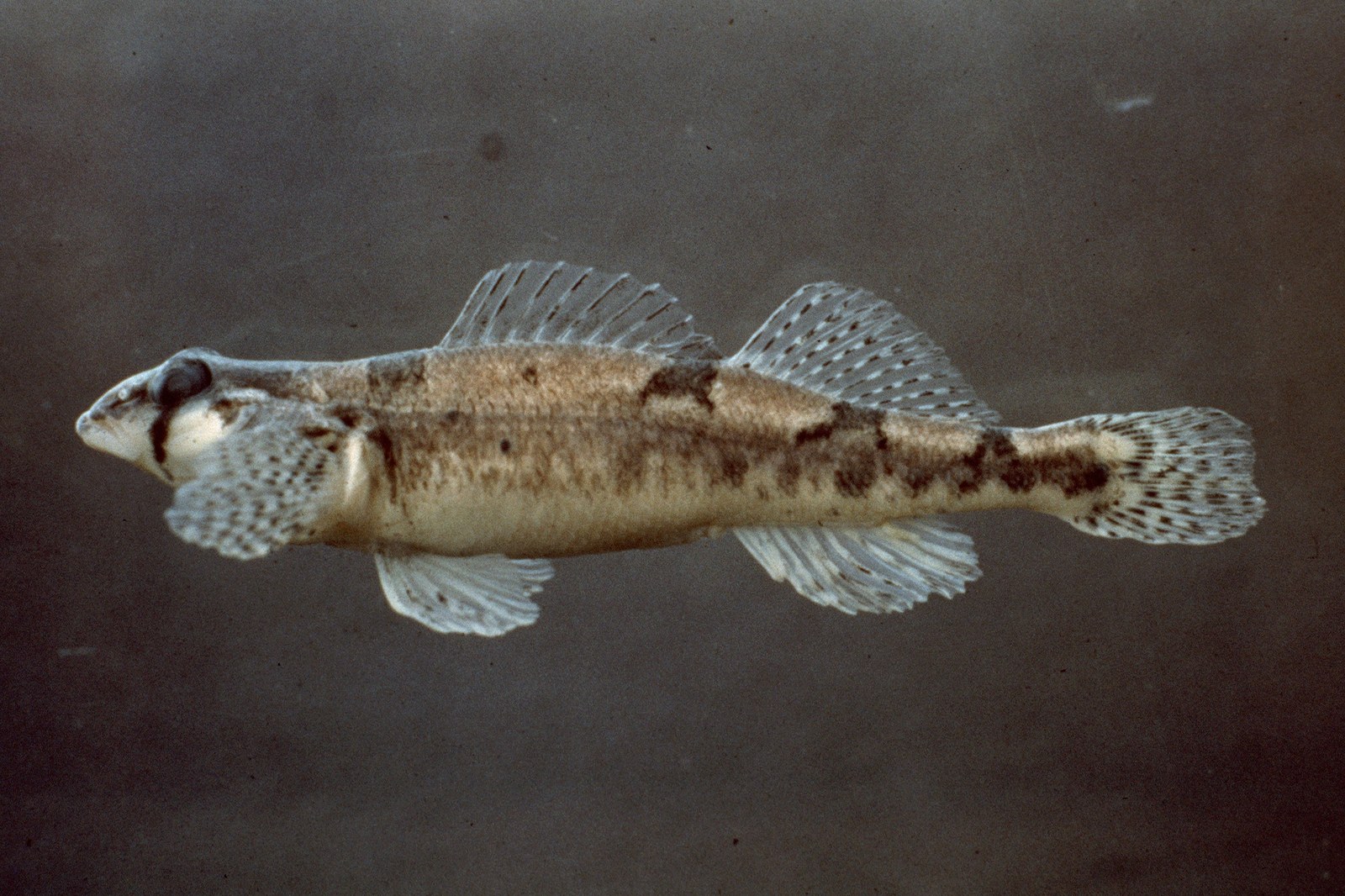
Snail darter (Percina tanasi)
The snail darter is a small (three-inch) bottom-dwelling fish of the genus Percina, described from the Little Tennessee River in 1973 during surveys conducted ahead of Tellico Dam construction. Its discovery led to one of the best-known applications of the Endangered Species Act: the species was listed as endangered on October 8, 1975; litigation reached the U.S. Supreme Court as Tennessee Valley Authority v. Hill (1978), which ruled 6-3 that ESA Section 7 required Tellico Dam construction to be halted; Congress then amended the ESA and exempted Tellico in 1979; and the dam was closed that year.
Translocations to other Tennessee River tributaries took hold, and surveys in the 1980s and 1990s revealed previously unknown populations in the Hiwassee, Sewee, and Sequatchie-Paint Rock drainages. The species was downlisted to threatened on July 5, 1984, and formally delisted on October 5, 2022, after a USFWS five-year review concluded the species had recovered. Snail darters are present today in parts of the Tennessee River main-stem and its tributaries reaching into the Marion County area.
The snail darter story is historically important because it set the legal precedent for environmental review in federal infrastructure projects and because the 1979 exemption was the first time Congress used the ESA's “God Squad” committee provision to override the Act. It is also one of a very small number of species to complete the full arc from listing to delisting due to recovery (rather than extinction).
Sequatchie Valley aquatic endemics
Marion County holds two small aquatic species known from nowhere else on Earth, both tied to the cold karst springs of the Sequatchie Valley. Both depend on unaltered, clean, cold spring flow, and both have ranges so restricted that the loss of any single population would be a significant fraction of the species' total. Sequatchie Cave State Natural Area, on the valley floor in Marion County, harbors three federally and state-listed animal species and three additional species of state concern, and these two endemics are the centerpiece of that designation.
The 133-acre natural area is also the type locality, the place a species was first collected and described to science, for four rare invertebrates. Two are the aquatic endemics treated below: the Royal Snail, collected from Blue Spring and Owen Spring, and the Sequatchie Caddisfly, first described from Owen Spring Branch. The other two are terrestrial cave obligates adapted to life entirely underground. The Blowing Cave beetle (Pseudanophthalmus ventus) is an eyeless, flightless, pale-amber ground beetle described by T. C. Barr in 1981. It belongs to a genus of more than 200 cave-endemic beetles scattered across the eastern United States, each typically restricted to a single cave or a small cluster of connected caves. The cave millipede Scoterpes ventus was described by W. A. Shear in 1972 from Sequatchie Cave specimens. It is a depigmented, slow-moving detritivore that feeds on fungal mats and organic debris washed into the cave by groundwater and by bats and other animals moving between the cave and the surface. Neither the beetle nor the millipede is federally listed, but both are tracked as critically imperiled (NatureServe G1): their entire known ranges are the cave and its immediate subterranean drainage, which means any contamination event at the surface could extinguish the global population.
Royal Snail (Marstonia ogmorhaphe)
The Royal Snail is a freshwater snail under five millimeters long, described by malacologist F. G. Thompson in 1977 from Marion County springs. It lives in fine sediment and diatomaceous ooze in the outflow of cold karst springs, where constant water temperature and clean flow create conditions the species cannot tolerate losing. The Royal Snail is endemic to the Sequatchie River system in Marion County and is known from only two populations: Blue Spring, which supplies the town of Jasper's municipal water, and Owen Spring, roughly four miles away at the mouth of Sequatchie Cave.
USFWS listed the Royal Snail as endangered on April 15, 1994, together with Anthony's Riversnail. A recovery plan followed in 1995, and a five-year review completed in 2011 confirmed the snail was still present at both Marion County sites in numbers sufficient that captive propagation was not pursued. The principal threats are water-quality degradation from watershed land use, surface disturbance at the springs themselves, and any alteration of spring discharge. Conservation work centers on protecting the Sequatchie Cave State Natural Area and monitoring water quality in the Blue Spring and Owen Spring outflows.
Sequatchie Caddisfly (Glyphopsyche sequatchie)
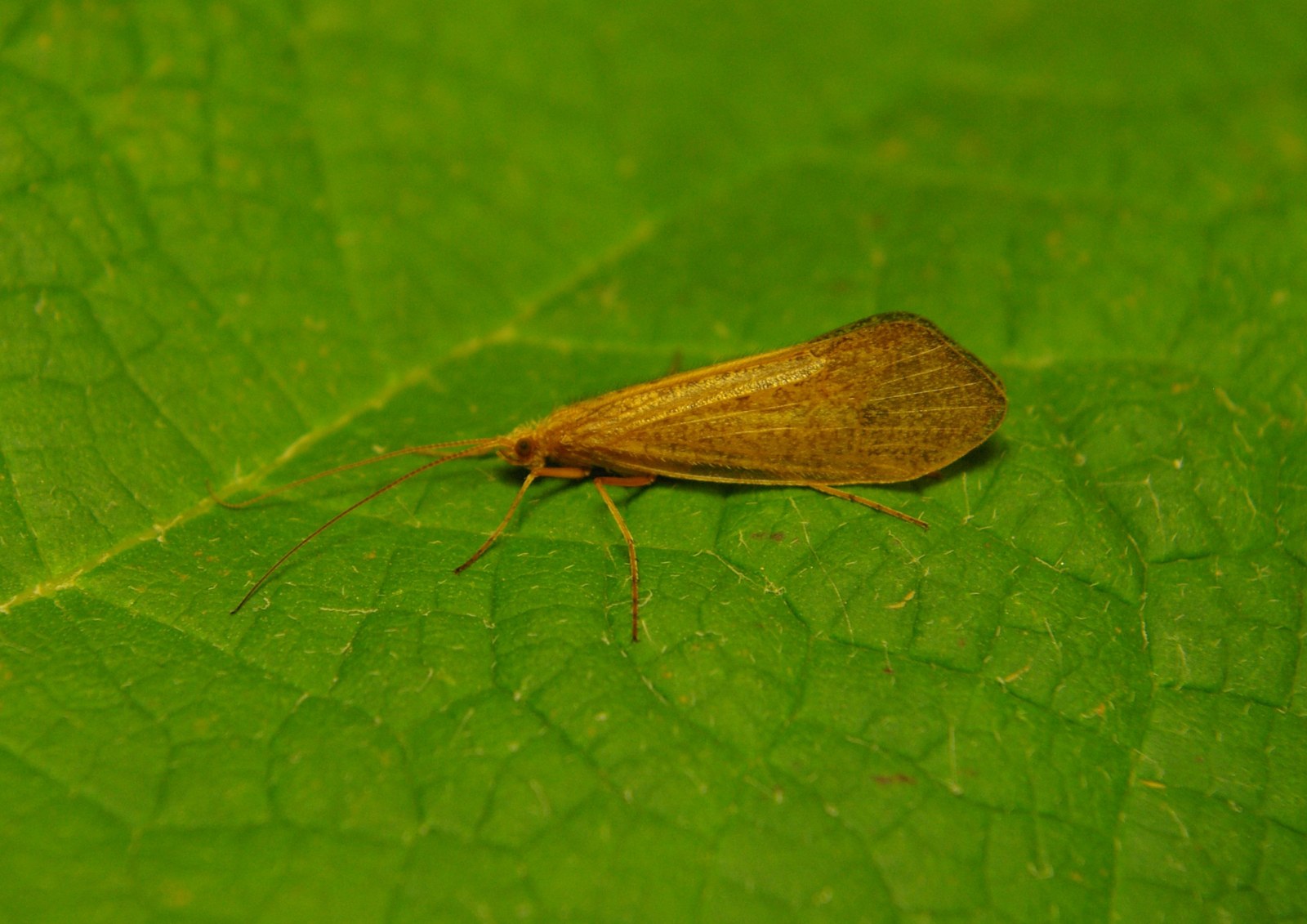
The Sequatchie Caddisfly is an aquatic insect in the northern caddisfly family Limnephilidae. Like other caddisflies, the larvae build protective cases from sand grains, plant debris, and bits of wood, and live among submerged wood and overhanging roots in cold spring-fed streams. Adults are short-lived and lay their eggs on vegetation overhanging the water. The species was first described from Owen Spring Branch at Sequatchie Cave State Natural Area and is known from that type locality and three other spring-fed streams, all in Marion County.
The Sequatchie Caddisfly was a candidate for federal listing under the Endangered Species Act for many years. On October 8, 2015, USFWS issued a twelve-month finding that listing was “not warranted,” removing the caddisfly from the candidate list along with sixteen other species. It remains a Tennessee Species of Greatest Conservation Need and a NatureServe G1 (critically imperiled) taxon. Threats mirror those facing the Royal Snail: any change to spring hydrology, sedimentation from upstream disturbance, chemical contamination, or impoundment (including beaver dams) can eliminate a population, and the species' four-stream distribution means no loss is recoverable by recolonization from another watershed.
Ecological threats : the diseases and pests reshaping Marion forests
The chestnut blight
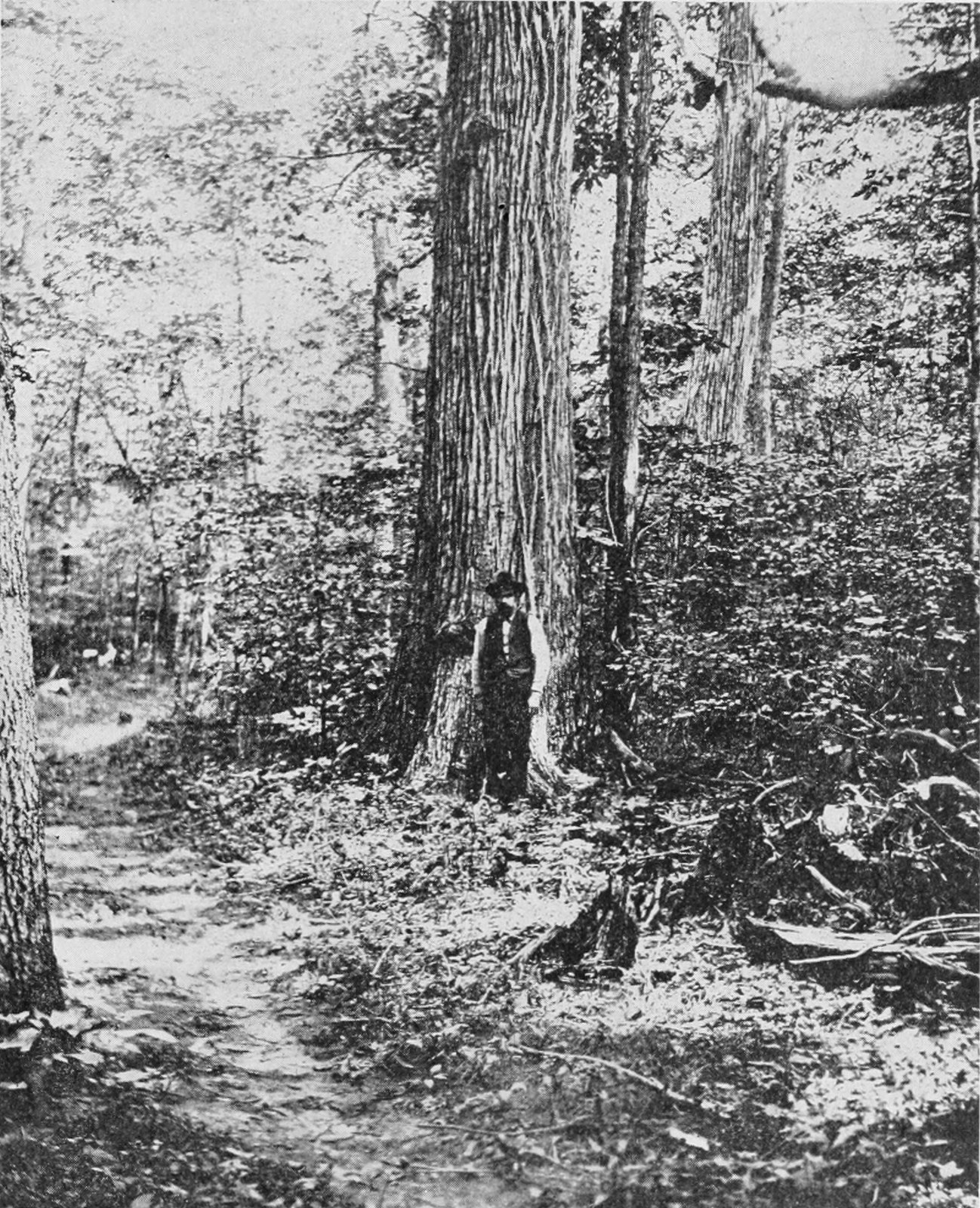
The American chestnut (Castanea dentata) was the dominant canopy tree of the southern Appalachian and Cumberland forests before 1900. Estimates from pre-blight inventories place chestnut at between a quarter and a half of all canopy stems on many plateau and mountain slopes. The tree produced reliable annual mast that supported deer, turkey, bear, squirrels, and a farmer economy of free-range hogs; rot-resistant chestnut lumber built barns, railroad ties, and split-rail fences across the region.
Chestnut blight (Cryphonectria parasitica), an introduced fungal pathogen from Asia, was identified in New York in 1904. It spread south through the Appalachians and reached the southern Cumberland Plateau in the 1920s. By the late 1940s, every mature American chestnut in Marion County was dead or dying. Stump sprouts still persist on plateau slopes because the root systems survive; these sprouts reach pole size before the blight kills them back to the ground, and the cycle repeats. As a reproductive canopy tree, the American chestnut is functionally extinct.
Recovery research through the American Chestnut Foundation and the USDA is ongoing. Two main approaches have been pursued: (1) backcross breeding with Chinese chestnut to introgress blight resistance while retaining the American tree's growth form, and (2) transgenic introduction of a wheat oxalate oxidase gene that detoxifies the fungus's acid. Neither approach has yet produced a tree that can reliably establish as a canopy species in wild forests; field trials continue at multiple sites across the Southeast.
Hemlock woolly adelgid
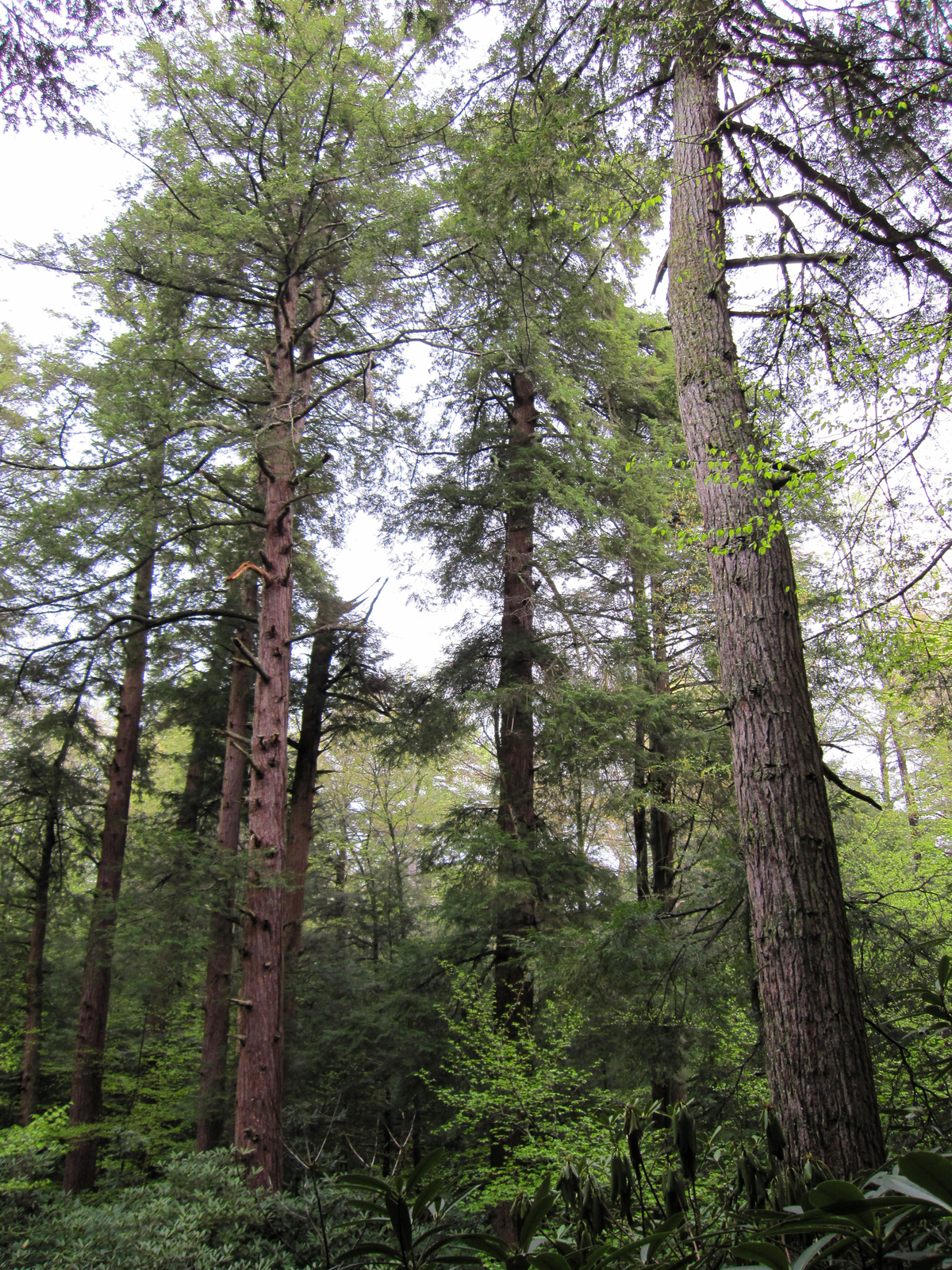
The hemlock woolly adelgid (Adelges tsugae), a tiny sap-sucking insect native to East Asia, arrived in the eastern United States in 1951 and first reached Tennessee in 2002. The insect feeds on the underside of hemlock needles, where white cottony egg masses give the pest its name. Heavily infested trees lose needles, fail to produce new growth, and typically die within four to ten years. Eastern hemlock (Tsuga canadensis) forms cool, shady cove ecosystems that support brook trout, salamanders, ground-nesting songbirds, and a distinctive understory of evergreen shrubs and ferns; losing the hemlock canopy converts these coves to hotter, drier, more open stands of deciduous hardwoods.
In Marion County, hemlock-dominated coves occur in Prentice Cooper, the Tennessee River Gorge, upper Sequatchie tributaries, and small pockets along the Fiery Gizzard Trail. Most untreated hemlocks in these forests have been killed since the mid-2000s. The National Park Service, the Tennessee Division of Forestry, and conservation partners have treated selected high-value trees with systemic insecticides (imidacloprid or dinotefuran) and have released biological-control predator beetles (Laricobius species) and a specialized predatory silver fly. Treated trees in protected areas survive and have formed the backbone of localized recovery efforts, but the broader landscape has already seen large-scale hemlock loss.
Emerald ash borer
The emerald ash borer (Agrilus planipennis), a wood-boring beetle native to East Asia, was detected in Michigan in 2002 and in Tennessee in 2010. Larvae tunnel through the cambium layer of ash trees, girdling and killing them within three to five years of infestation. Nearly every untreated green ash (Fraxinus pennsylvanica) and white ash (F. americana) in the county has either died or is in decline. Pumpkin ash and black ash, less common locally, face the same pressure. Standing dead ash has become a serious hazard-tree problem along trails and power lines. The ecological effects cascade: ash seeds are a common wildlife food, and ash flowers support pollinators in early spring.
White-nose syndrome
White-nose syndrome is a fungal skin disease of hibernating bats caused by Pseudogymnoascus destructans, a cold-adapted soil fungus accidentally introduced from Europe. It was first documented in a cave near Albany, New York, in the winter of 2006 and reached middle Tennessee by 2010. WNS causes bats to rouse more frequently during hibernation, which burns through their winter fat reserves; infected bats emerge too early, starve, or dehydrate. Three Marion-relevant species have crashed because of WNS: the tri-colored bat, the northern long-eared bat, and the little brown bat. Federal listing actions on the last two (reclassification of the NLEB and proposed listing of the tri-colored) have been driven almost entirely by WNS-caused decline.
Gray bats, despite being the most publicly visible bat in the county, have been less affected to date because their maternity caves are warmer than the temperatures P. destructans prefers. Their continued vulnerability to WNS spread through winter roost caves remains an active research question.
Recovery stories
Not every ecological trend in Marion County runs downhill. Several species that were gone from the county through most of the twentieth century have returned, some through deliberate reintroduction and some through natural recolonization once the underlying pressures eased.
Bald eagle return
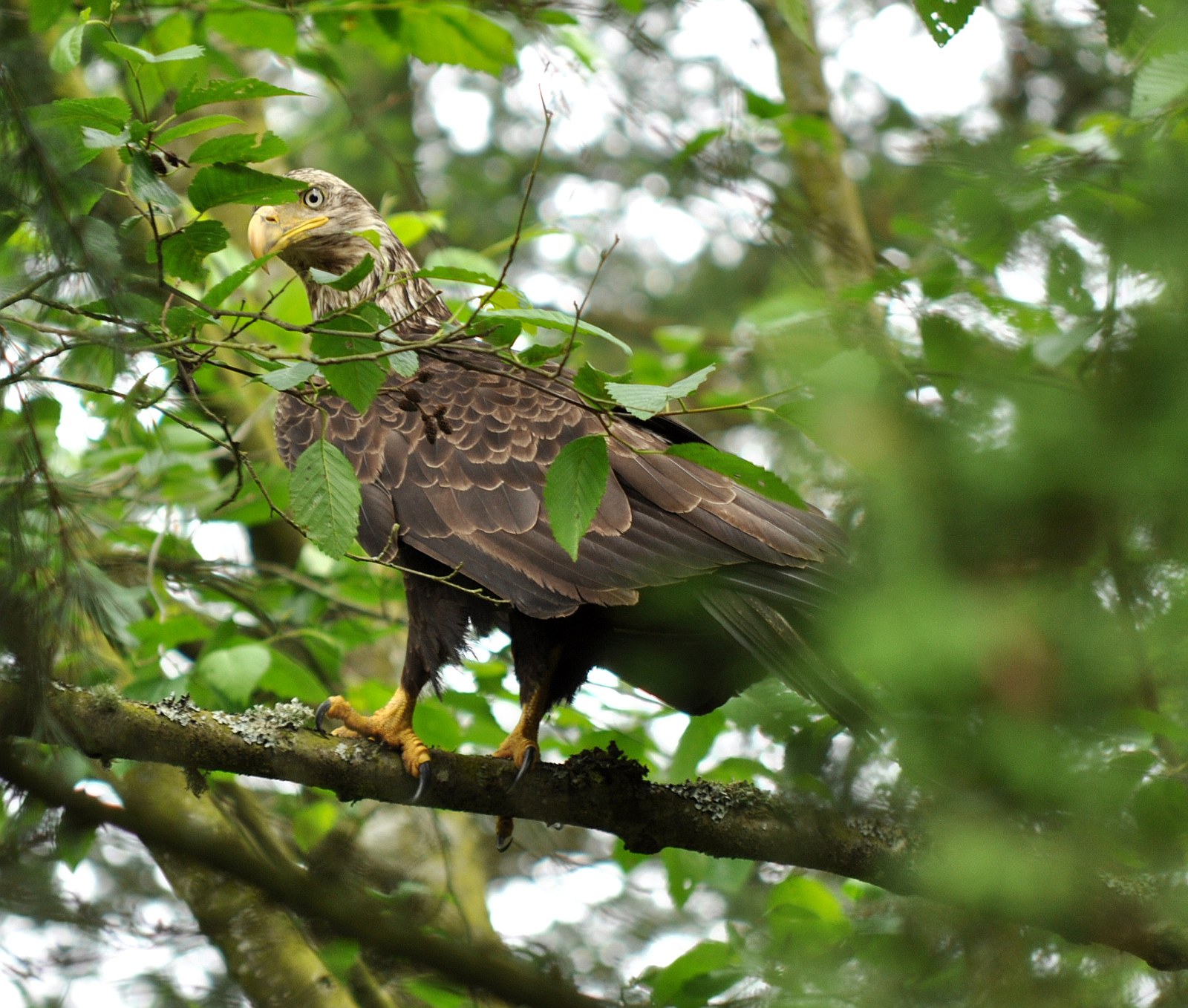
The bald eagle collapsed across the continental United States in the mid-twentieth century because of DDT-induced reproductive failure and direct persecution. Tennessee had essentially no breeding bald eagles by the early 1970s. The 1972 ban on DDT, federal protection under the Endangered Species Act, and targeted hacking programs in the 1980s (including releases at Reelfoot Lake and the Tennessee River lakes) rebuilt the state's breeding population. Bald eagles began nesting on the Tennessee River impoundments by the mid-1990s. Active nests are now present along the Nickajack Lake and Chickamauga Lake shorelines, and wintering eagles are a reliable sight at Nickajack Dam tailwater from December through February. The species was delisted from the federal endangered list in 2007 and remains protected under the Bald and Golden Eagle Protection Act.

River otter return
The North American river otter was extirpated from almost all of Tennessee by the 1950s. TWRA partnered with the Tennessee Valley Authority and with wildlife agencies in states with surviving otter populations to reintroduce otters to Tennessee waterways starting in 1984. Releases on the Nolichucky, Hiwassee, and lower Tennessee Rivers dispersed. By the 2000s, otters were established on Nickajack Lake, the lower Sequatchie River, and smaller tributaries. They are secretive and seen less often than their sign suggests; five-toed webbed tracks, slides down muddy banks, and distinctive scat (often containing fish scales and crayfish parts) on log piles are the most reliable evidence of a thriving population.
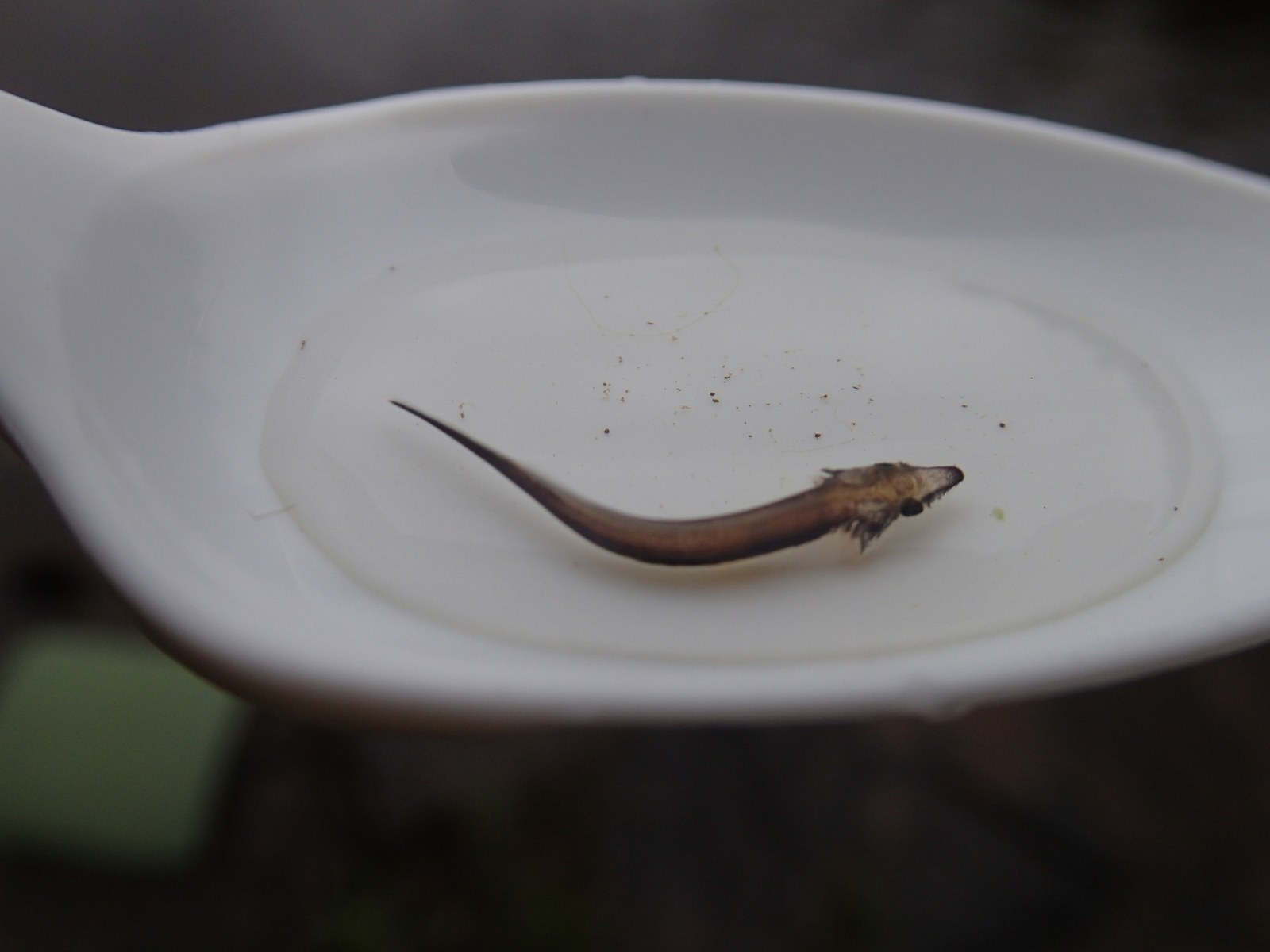
Lake sturgeon reintroduction
The lake sturgeon is a long-lived, slow-maturing bottom fish that was once common in the Tennessee River. Overharvest in the late nineteenth century for meat and caviar, followed by damming and pollution in the twentieth, drove it to extirpation in the basin by the 1960s. In 2000, the Tennessee Lake Sturgeon Working Group (TWRA, USFWS, TVA, the Tennessee Aquarium Conservation Institute, and partner universities) began stocking juvenile sturgeon raised from Wisconsin River broodstock. The first documented recapture of a stocked sturgeon from Nickajack Lake occurred in 2011, more than forty years after the last confirmed wild fish in the reach. Lake sturgeon reach sexual maturity slowly (fifteen to twenty-five years), so a self-sustaining naturally reproducing population will take decades more to establish. All current Tennessee sturgeon are hatchery-origin and are fully protected from harvest.
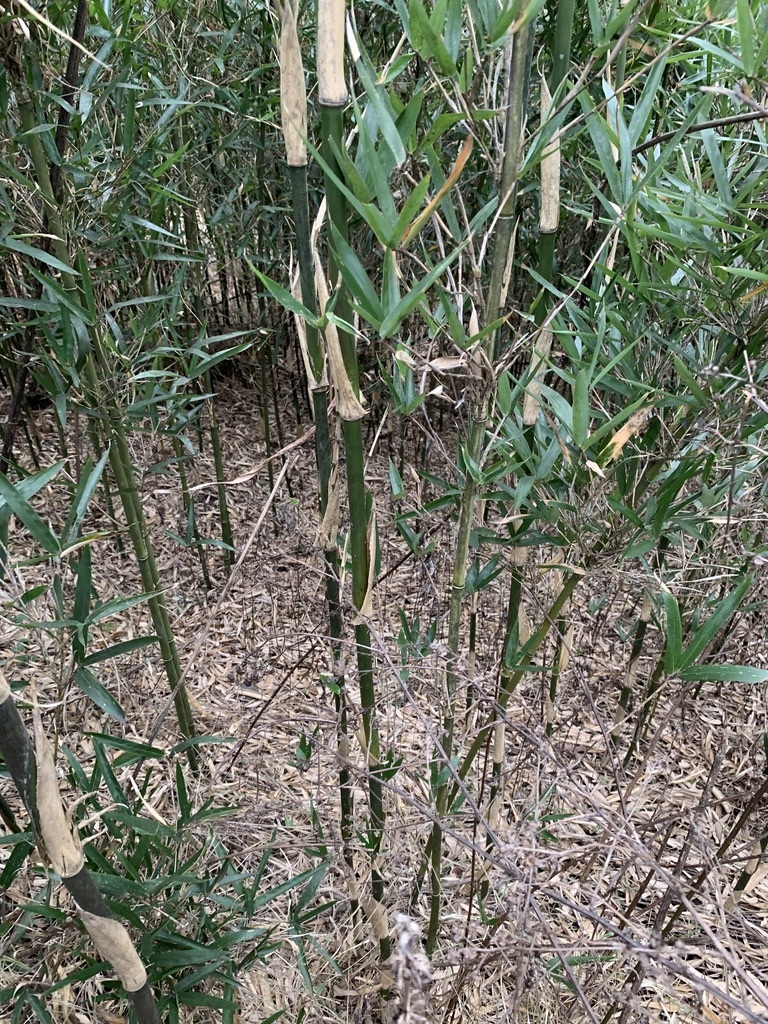
River cane restoration
River cane (Arundinaria gigantea) is North America's only native bamboo and historically formed dense, tall thickets called canebrakes along river and creek bottoms. The Tennessee River Gorge held some of the largest canebrakes in the state before the 1800s; by 1900, cattle grazing, agricultural clearing, and settlement had reduced canebrakes to small remnant patches. Canebrakes are not merely stands of cane: they are a habitat type. Swainson's warbler, Bachman's warbler (now presumed extinct), canebrake rattlesnake (a regional ecotype of the timber rattlesnake), and several butterflies depend on them. Cherokee and pre-contact Indigenous communities used cane for blowguns, baskets, fish traps, and house construction, and cane has cultural as well as ecological importance.
The Tennessee River Gorge Trust has been planting river cane at multiple sites along the Marion County stretch of the gorge since the 2010s, rebuilding canebrake habitat patches that can support the suite of cane-dependent species. Restoration depends on rhizome divisions rather than seed (river cane flowers irregularly and unpredictably, every forty to sixty years, then dies back); TRGT has developed local propagation methods that are being shared with restoration projects elsewhere in the Southeast.
Regional endemics and limestone specialists
Several species found in Marion County are not federally listed but are tightly restricted to specific habitats or to the southern Appalachian and Cumberland region. They contribute to what makes the local flora and fauna distinctive.
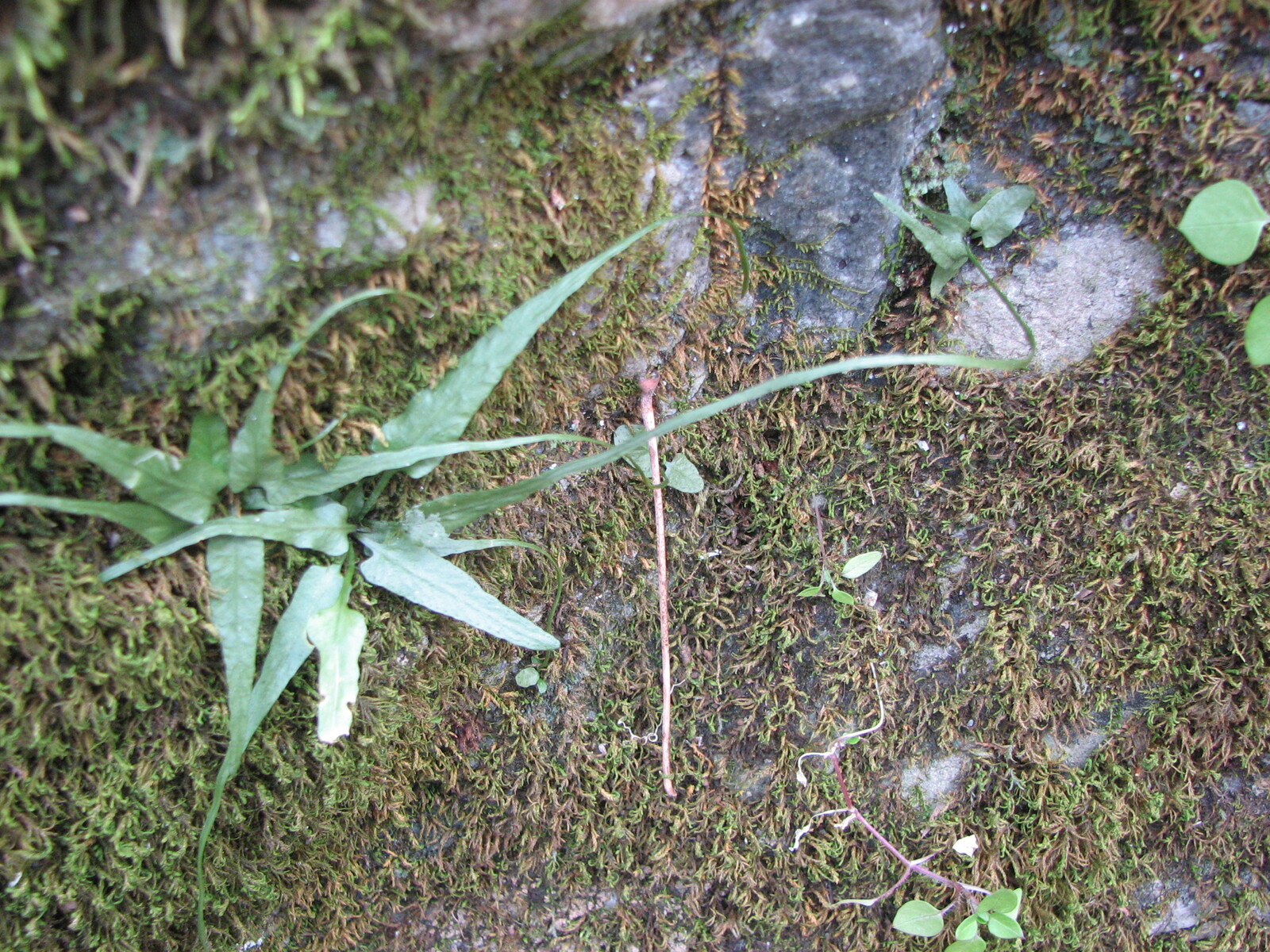
Walking fern (Asplenium rhizophyllum) is a calciphile found on mossy limestone boulders and cliff faces. The long narrow fronds taper to points that root on contact with moss, giving rise to new plants in a small arc around the parent and producing the “walking” pattern. Marion's limestone outcrops in the Sequatchie Valley and the Tennessee River Gorge base support scattered populations; the species is a good indicator of undisturbed carbonate substrate.
Fraser's sedge (Cymophyllus fraserianus), a monotypic southern Appalachian endemic, reaches the western edge of its range near Marion and Grundy counties. Cumberland rosemary (Conradina verticillata), a federally threatened sandstone-gravel-bar shrub, occurs in the Obed and Caney Fork drainages to the north but has not been confirmed in Marion. Mountain witch alder (Fothergilla major) and sweet-shrub (Calycanthus floridus) occur sporadically on plateau escarpment slopes.
In cool, deep ravines on the plateau, the regionally distinctive piratebush (Buckleya distichophylla), a hemiparasitic shrub that attaches its roots to the roots of host trees (often hemlock), occurs near the southwestern edge of its range; Marion records are historic and uncertain. Regional herbarium holdings suggest the species may yet be found in protected plateau ravines within the county.
Cerulean warbler and the gorge forests
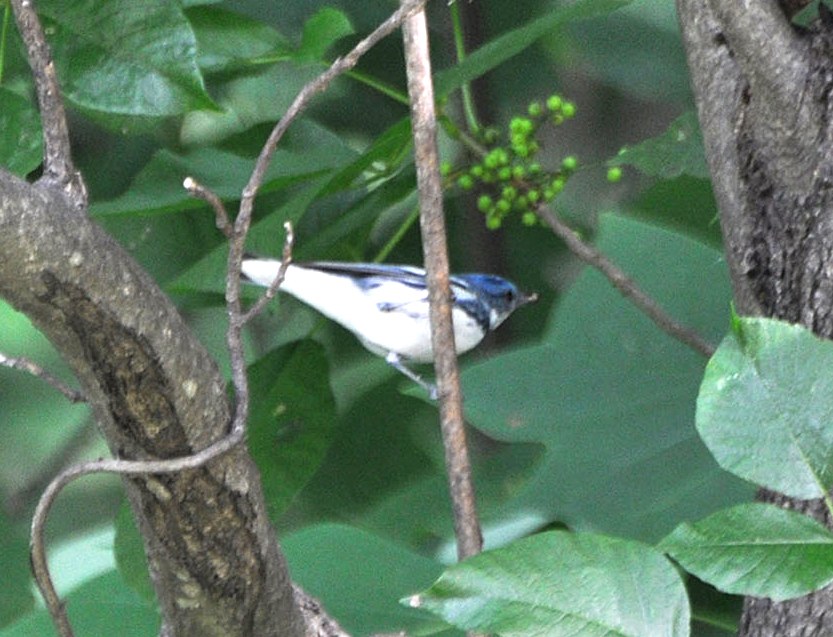
The cerulean warbler (Setophaga cerulea) has declined by roughly 70 percent continent-wide since 1966 and is one of the most rapidly declining warblers in eastern North America. Ceruleans breed in the upper canopy of mature deciduous forest, primarily on steep slopes; they require a closed canopy with a broken subcanopy (gaps for singing and fly-catching). The Tennessee River Gorge's north-facing slopes, partly within Marion County, provide this habitat in quantity. Tennessee River Gorge Trust banding studies on gorge slopes have documented cerulean warbler breeding-season presence for more than two decades, making the Gorge a significant piece of the species' southern Appalachian range. The cerulean warbler card on the fauna page sits within the broader 31-warbler treatment that also covers the worm-eating warbler, Louisiana waterthrush, hooded warbler, and Kentucky warbler, all forest-interior breeders of the same gorge-and-plateau slopes.
The species is not currently federally listed, though it has been petitioned multiple times. International conservation partnerships across the Americas (the Cerulean Warbler Conservation Initiative) have focused on protecting breeding-grounds forest cover and, critically, on preserving shade-coffee habitat in the Andes where the species winters.
Where the work is happening
Most of the species on this page are the subjects of ongoing management and research by some combination of the following organizations. Visitors who want to help do so by supporting these groups, by observing access closures and leash rules on protected lands, and by reporting sightings through iNaturalist or directly to TWRA.
- Tennessee Wildlife Resources Agency (TWRA): state wildlife and fisheries management; hellbender, bat, and sturgeon programs.
- Tennessee Natural Heritage Program: state rare-species tracking; plant element occurrence data.
- U.S. Fish and Wildlife Service: federal listings, recovery planning.
- Tennessee Valley Authority (TVA): reservoir system, mussel recovery, canebrake restoration, eagle monitoring.
- Tennessee River Gorge Trust (TRGT): canebrake restoration, cerulean warbler banding, large-flowered skullcap stewardship, private landowner easements.
- Tennessee Aquarium Conservation Institute: lake sturgeon, mussel, and darter propagation and reintroduction.
- The American Chestnut Foundation: backcross and transgenic chestnut trials.
Related
Flora & Plant Communities of Marion County →
Fauna & Wildlife of Marion County →
Nickajack Cave & Dam →
Tennessee River Gorge →
The Sequatchie Valley →
Sources
- Federal Register: Reclassification of Scutellaria montana (January 14, 2002)
- USFWS: Gray Bat species profile
- USFWS: Indiana Bat species profile
- USFWS: Northern Long-eared Bat (2022 reclassification)
- USFWS: Tri-colored Bat (2022 proposed listing)
- USFWS: Eastern Hellbender (December 2024 proposed listing)
- Federal Register: Snail Darter Delisting (October 5, 2022)
- U.S. Supreme Court: TVA v. Hill, 437 U.S. 153 (1978)
- Federal Register: Royal Snail Endangered Listing (April 15, 1994)
- USFWS ECOS: Royal Snail (Marstonia ogmorhaphe) species profile
- USFWS: Sequatchie Caddisfly species page
- Federal Register: Sequatchie Caddisfly 12-month “not warranted” finding (October 8, 2015)
- TDEC: Sequatchie Cave State Natural Area
- Wikipedia: Pseudanophthalmus (cave ground beetles)
- iNaturalist: Blowing Cave Beetle (Pseudanophthalmus ventus)
- Shear, W. A. (2010). The milliped family Trichopetalidae, Part 2 (Scoterpes revision). Zootaxa 2385.
- The American Chestnut Foundation
- USDA APHIS: Hemlock Woolly Adelgid
- USDA APHIS: Emerald Ash Borer
- White-Nose Syndrome Response Team
- Tennessee River Gorge Trust
- Tennessee Aquarium Conservation Institute
- TDEC Division of Natural Areas (Natural Heritage Inventory Program)
- Tennessee Wildlife Resources Agency