A collection of photographs documenting the places, history, and heritage of Marion County.
Images are grouped thematically: places, historical scenes, and notable figures.
Places
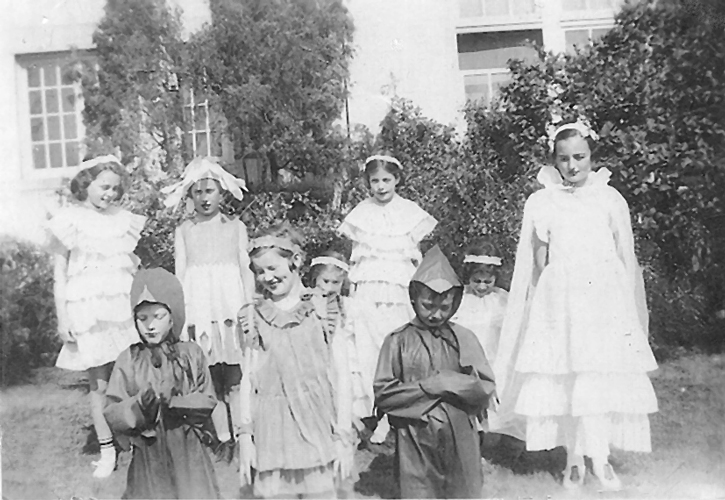
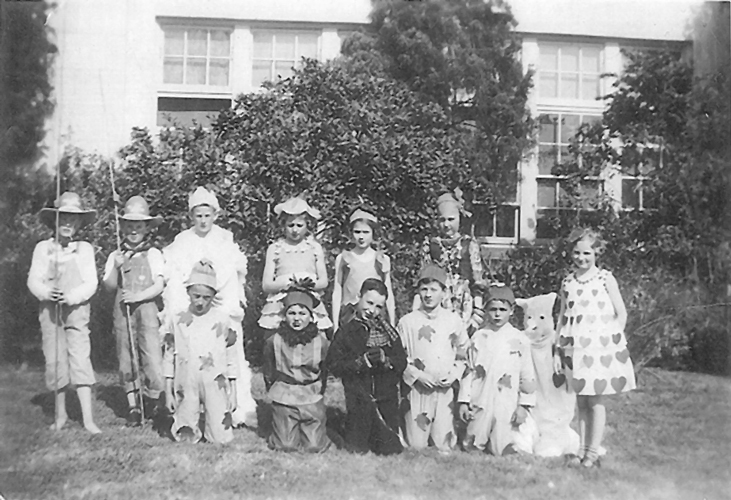
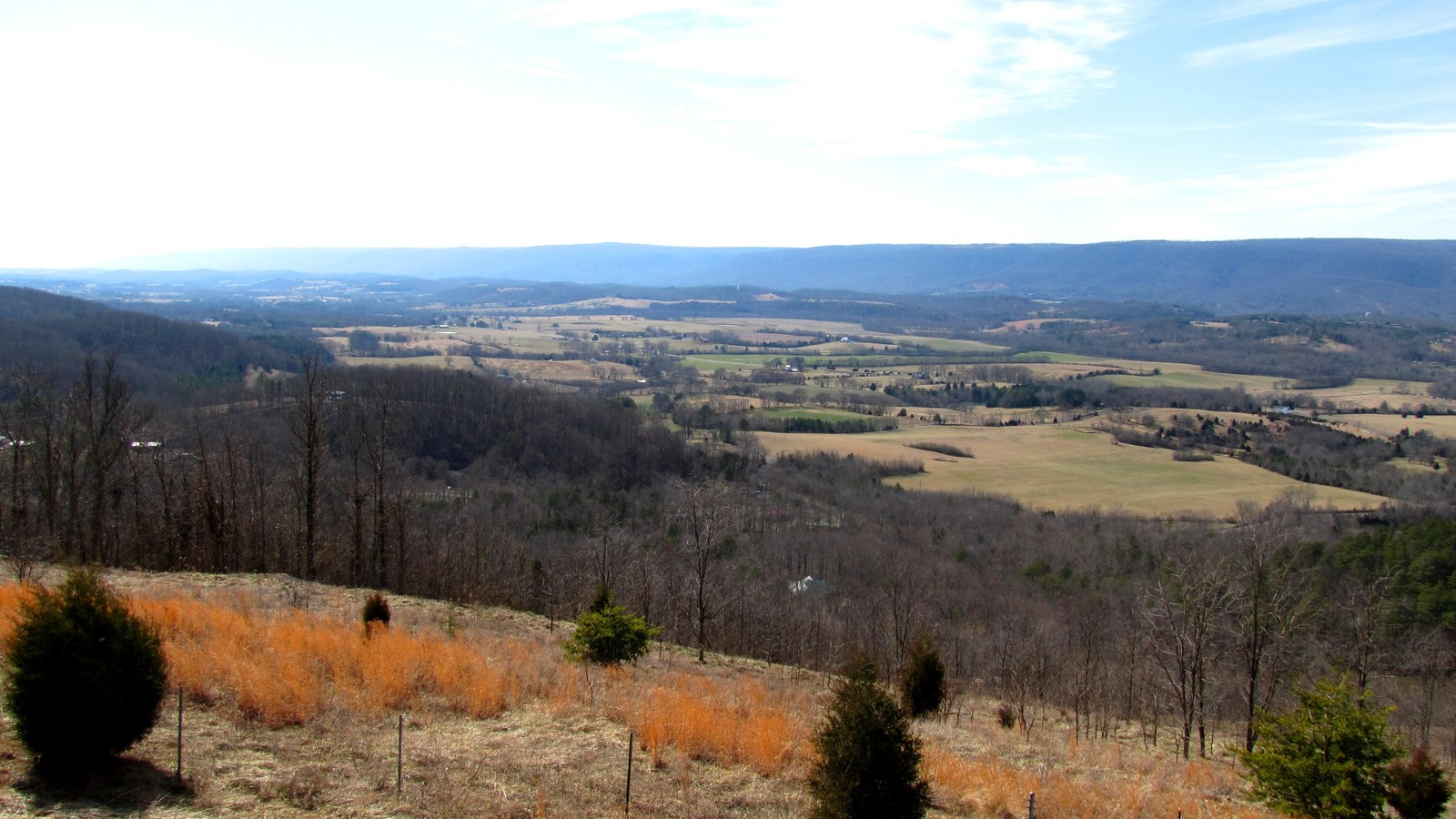
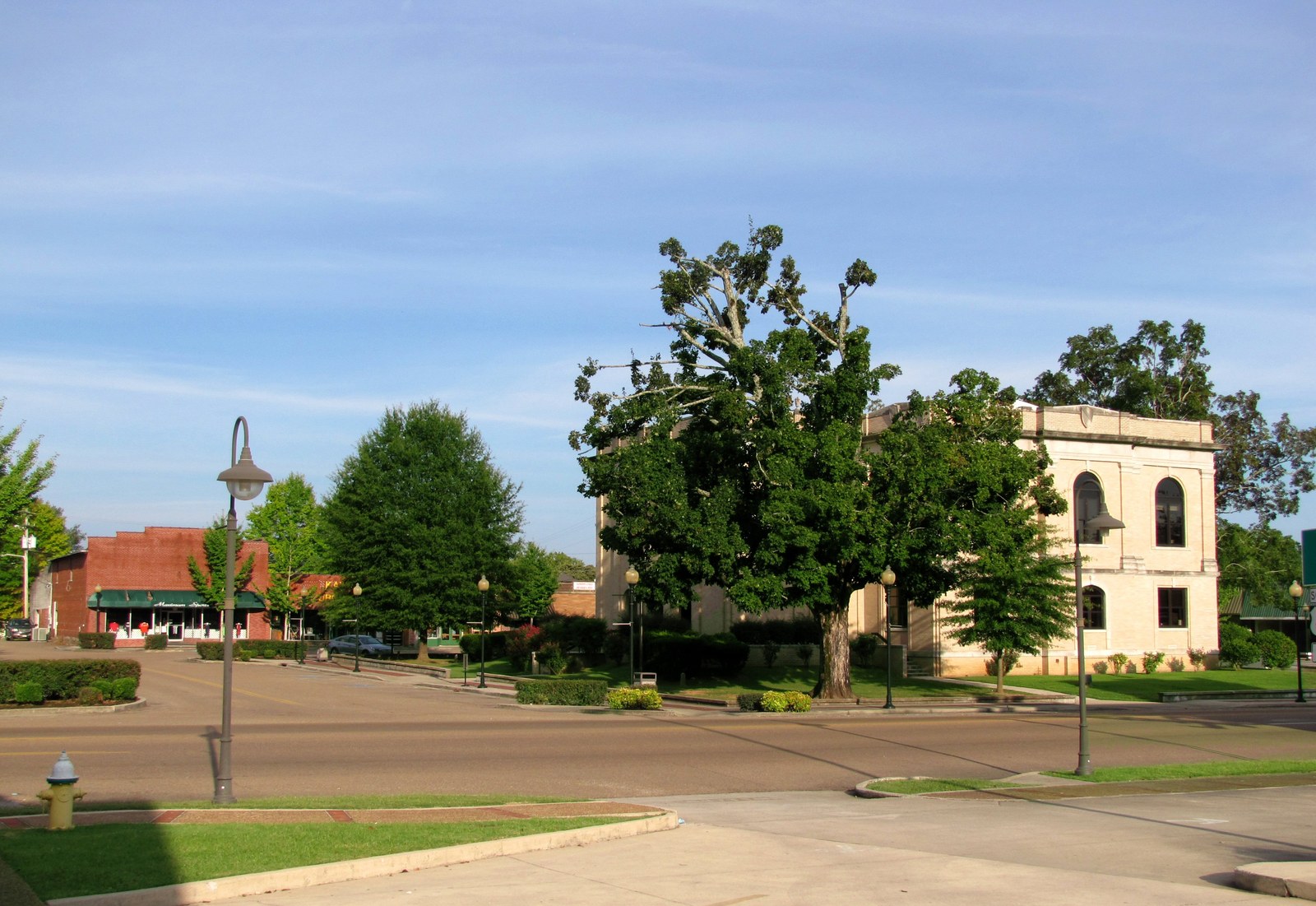
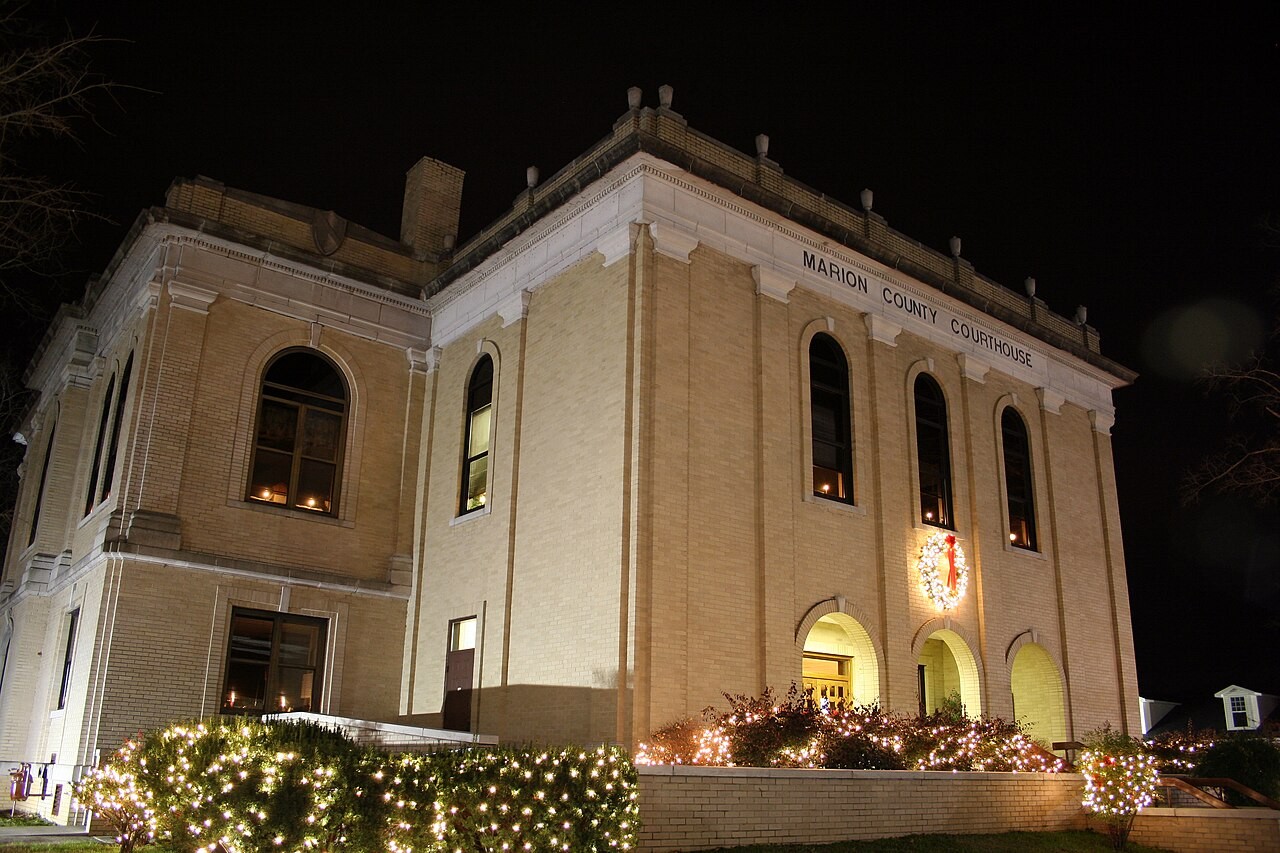
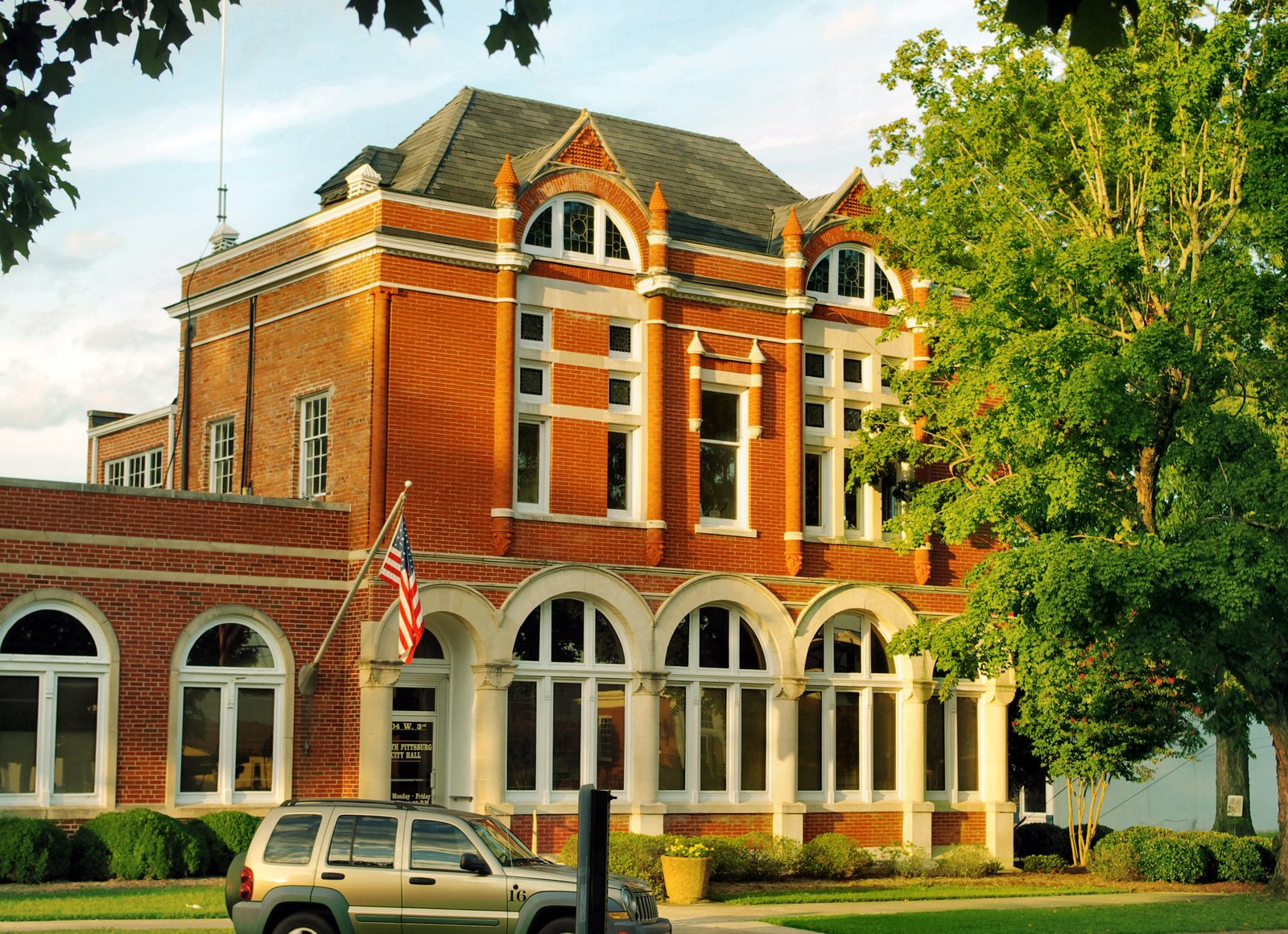
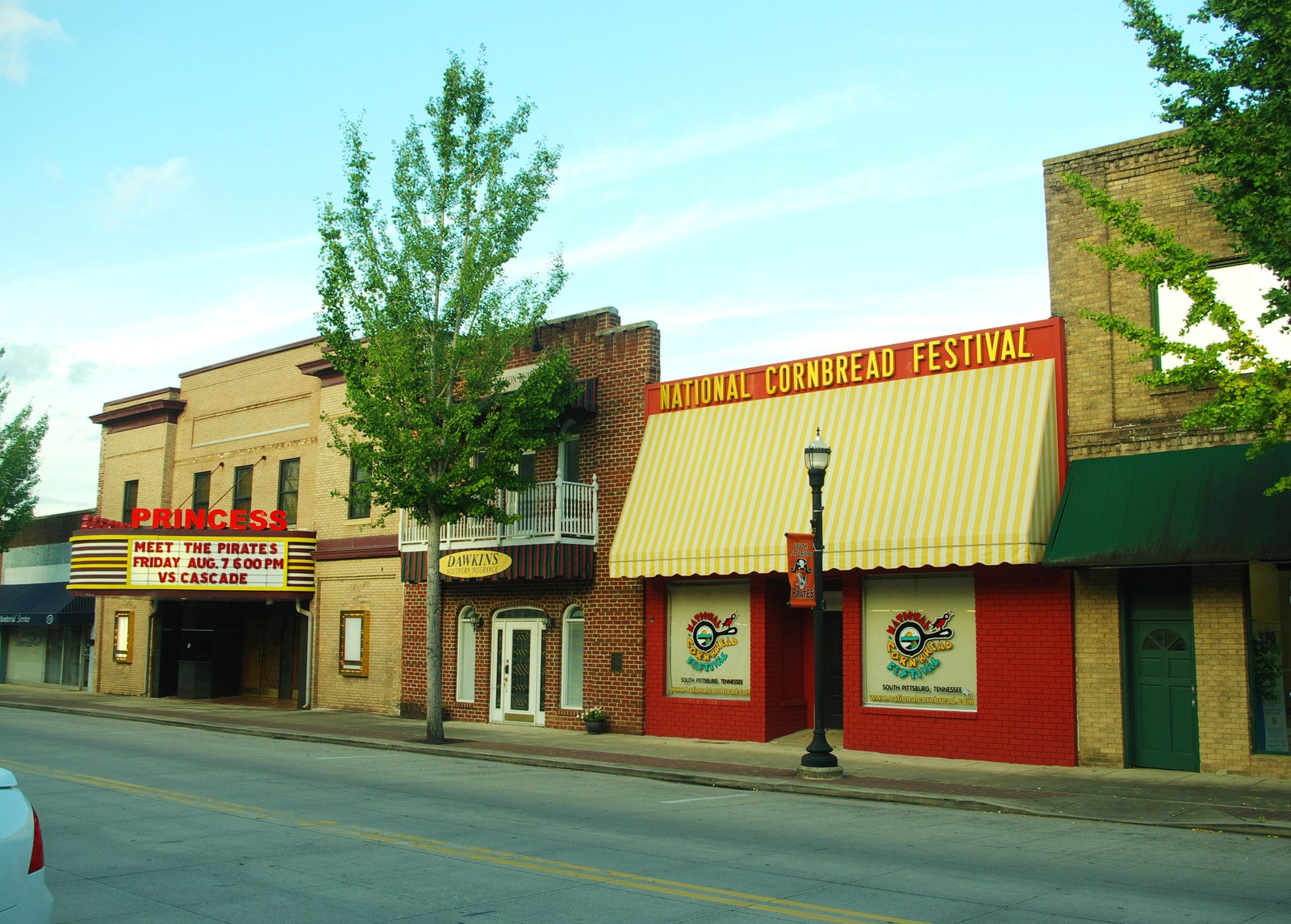
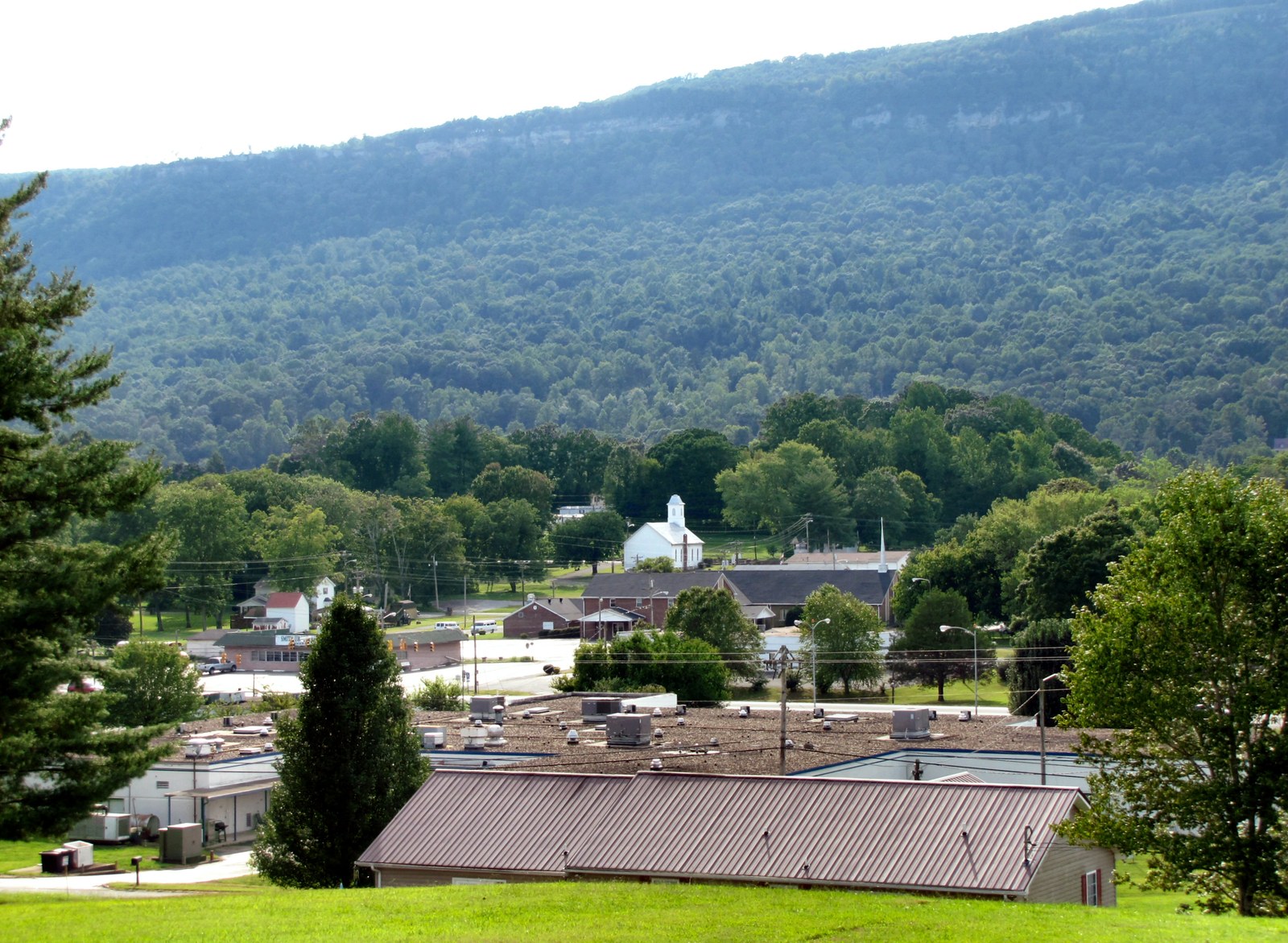
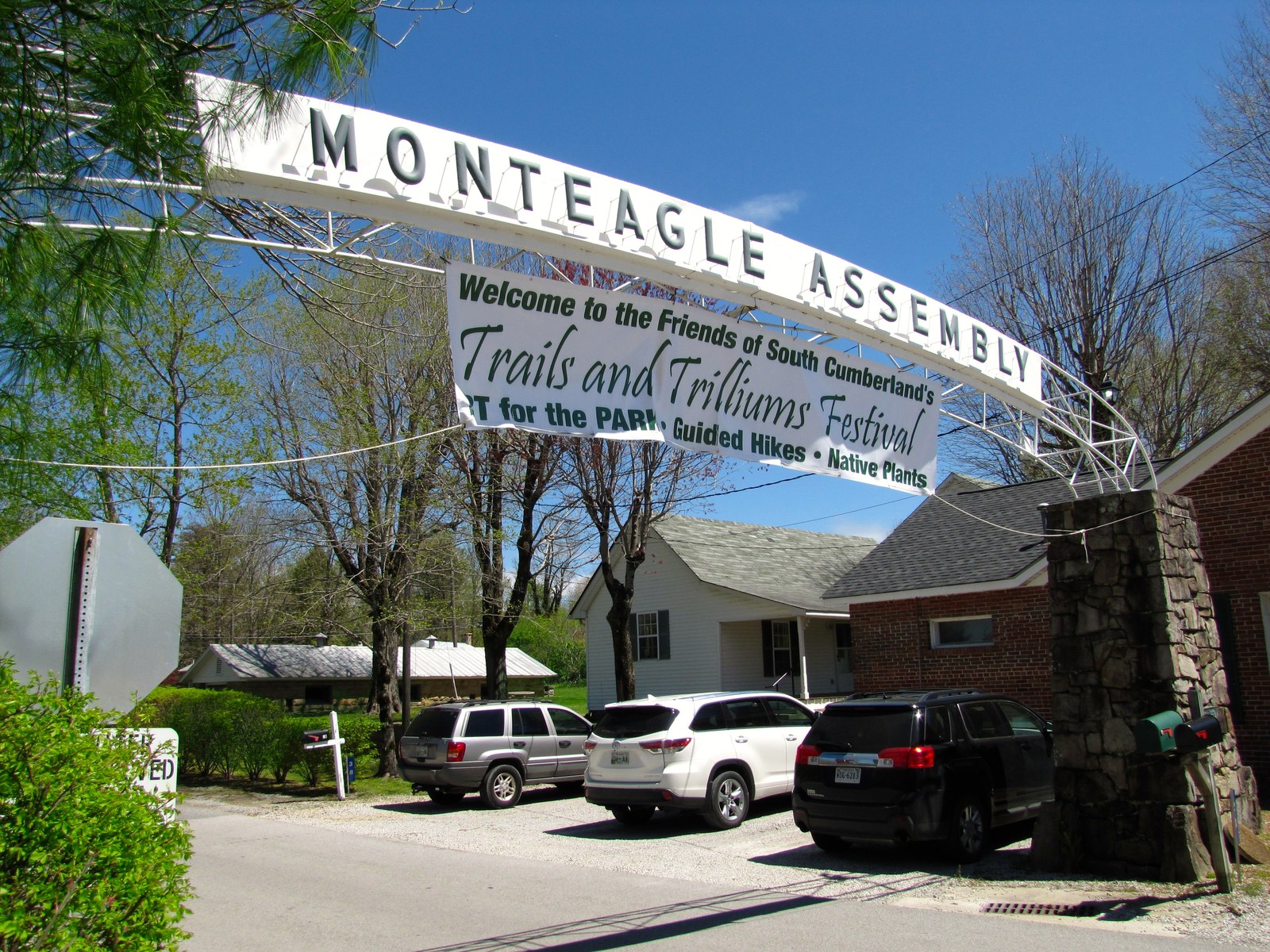
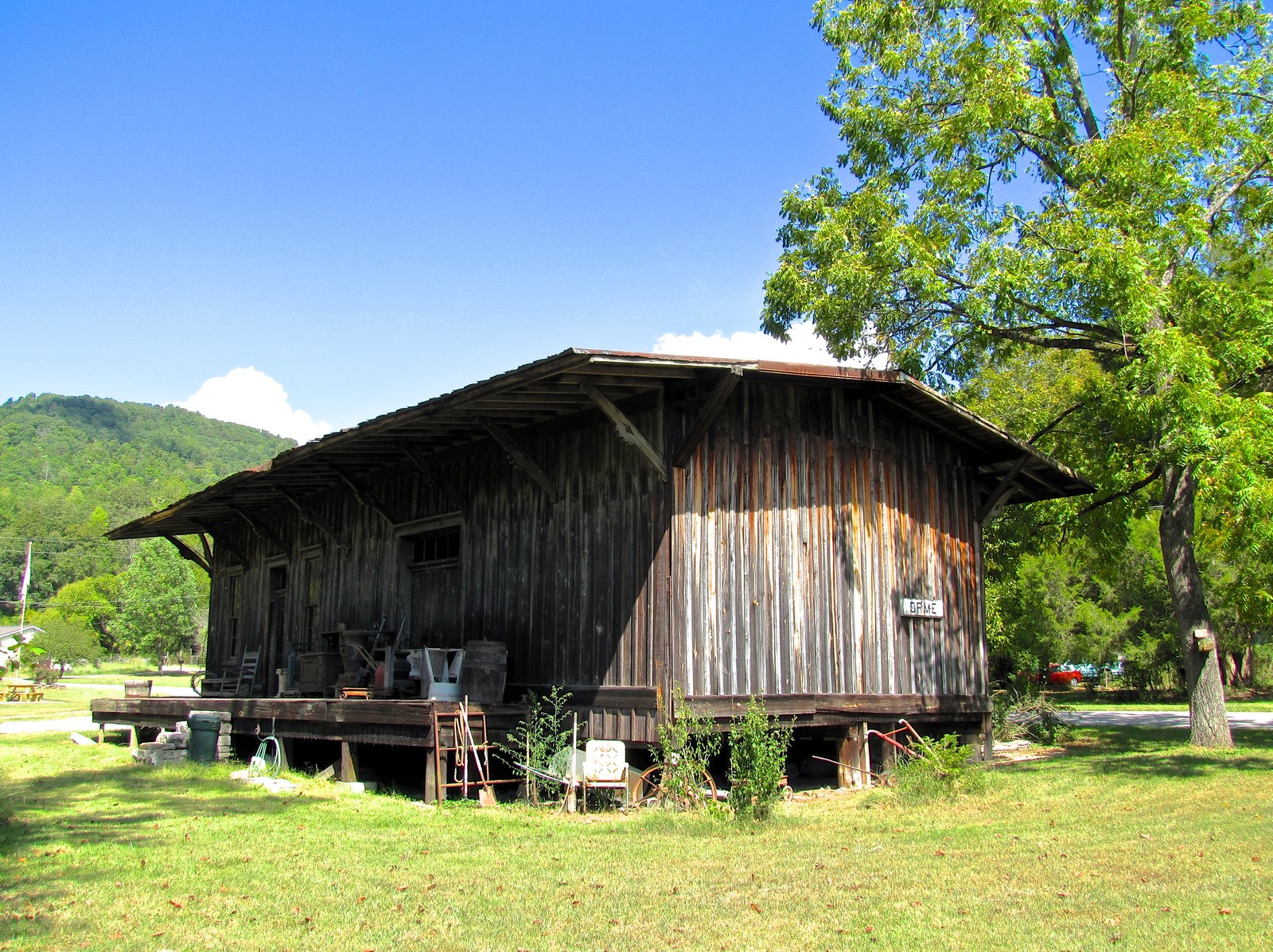
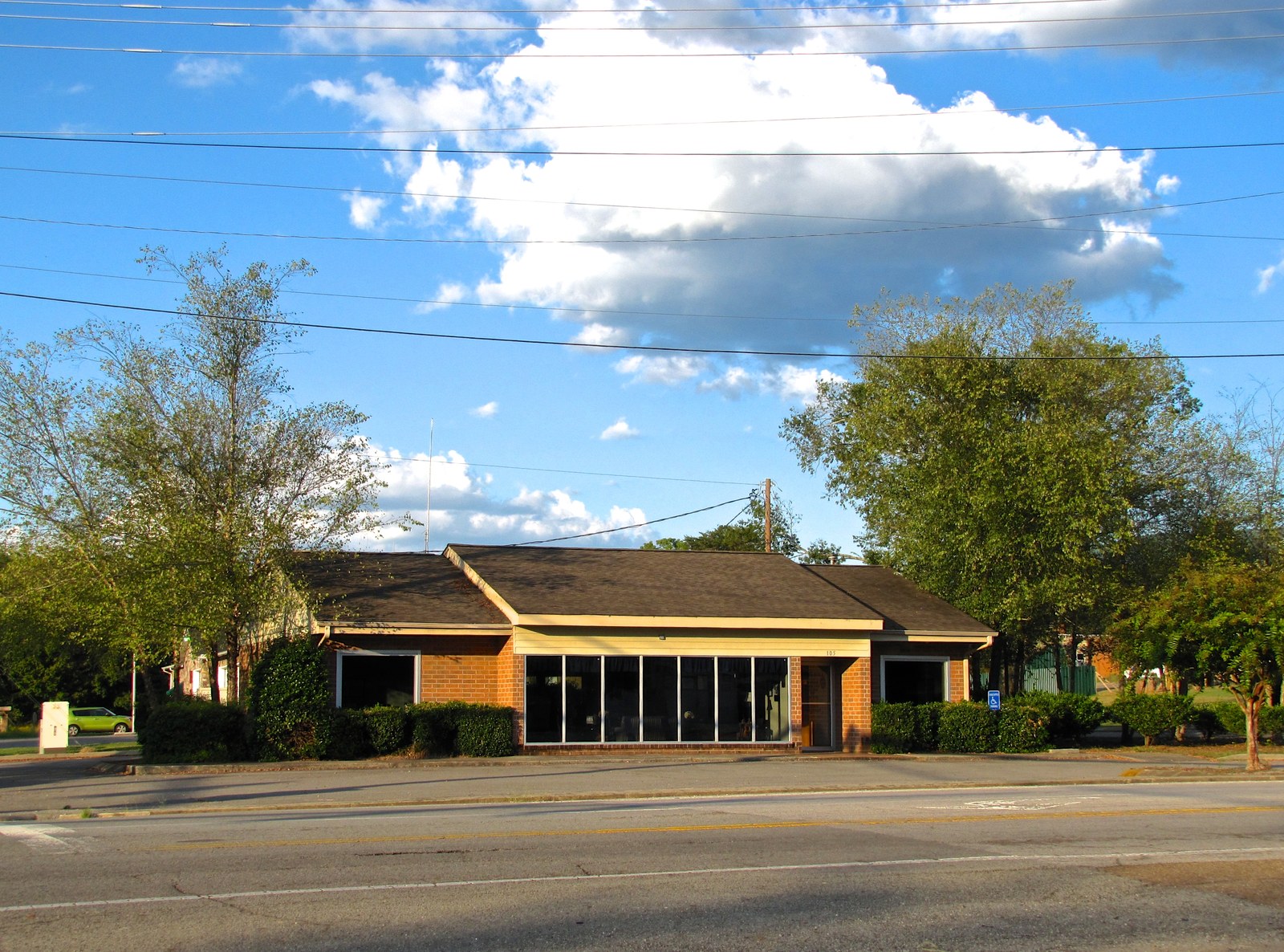
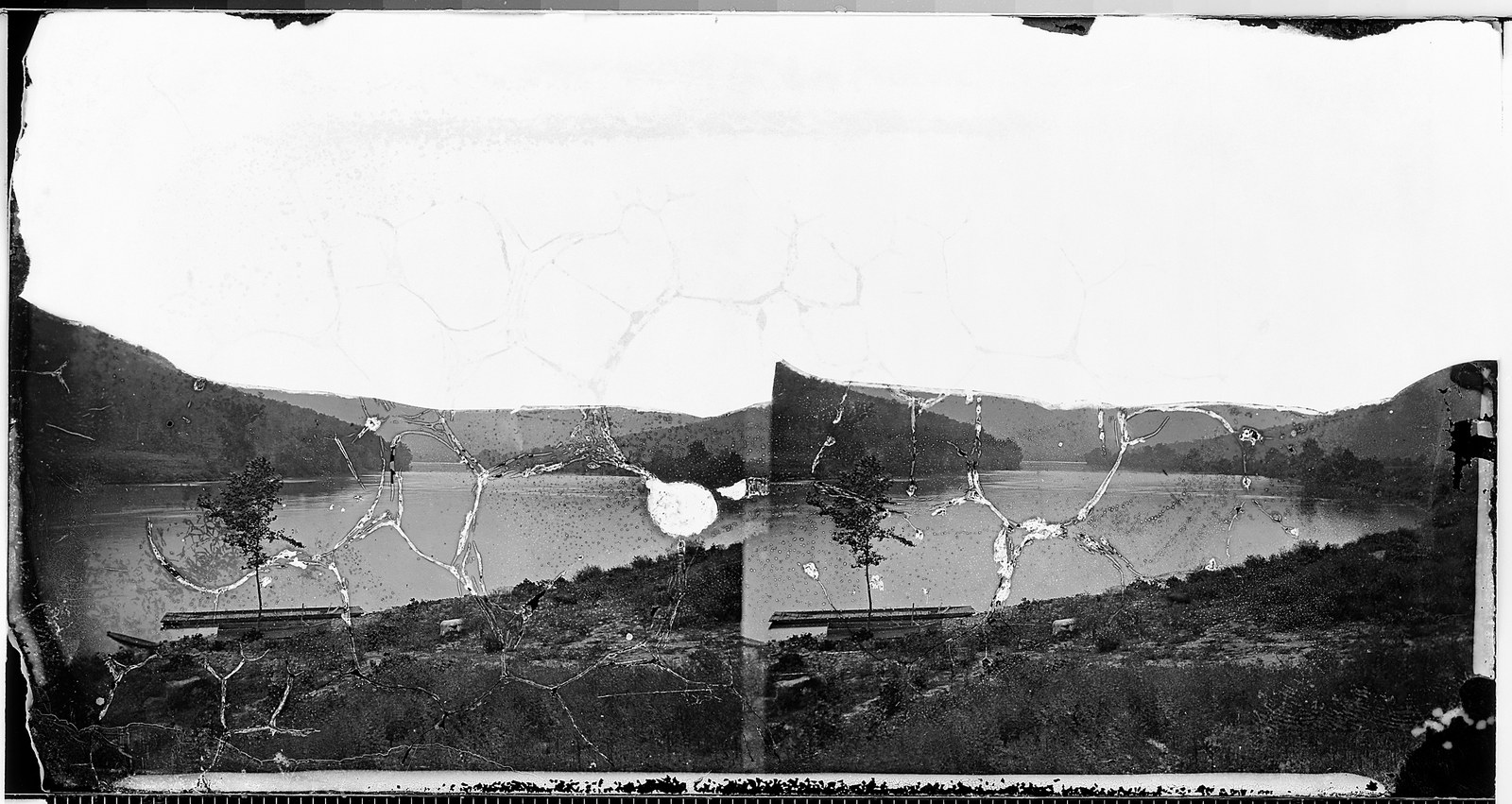
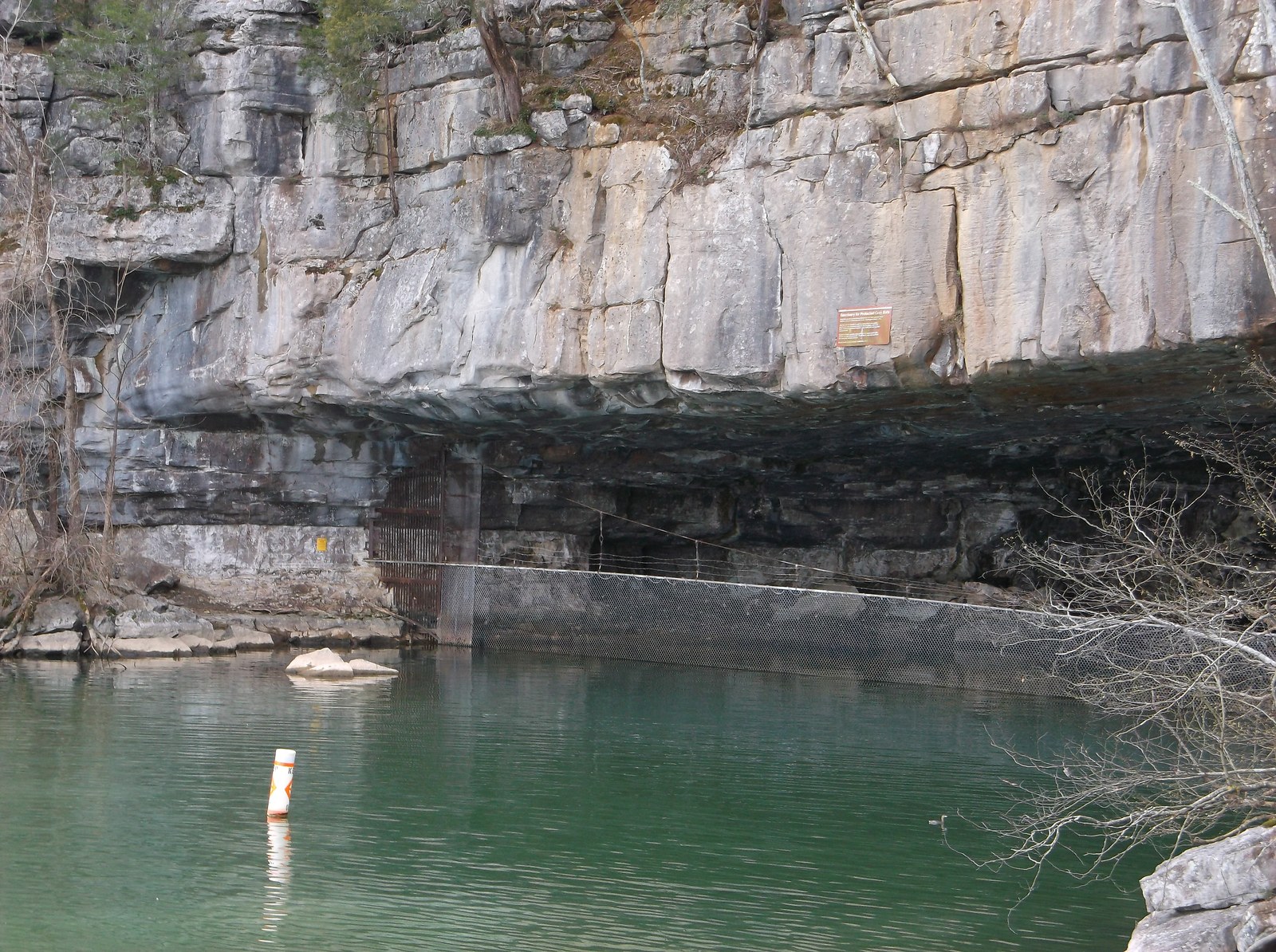
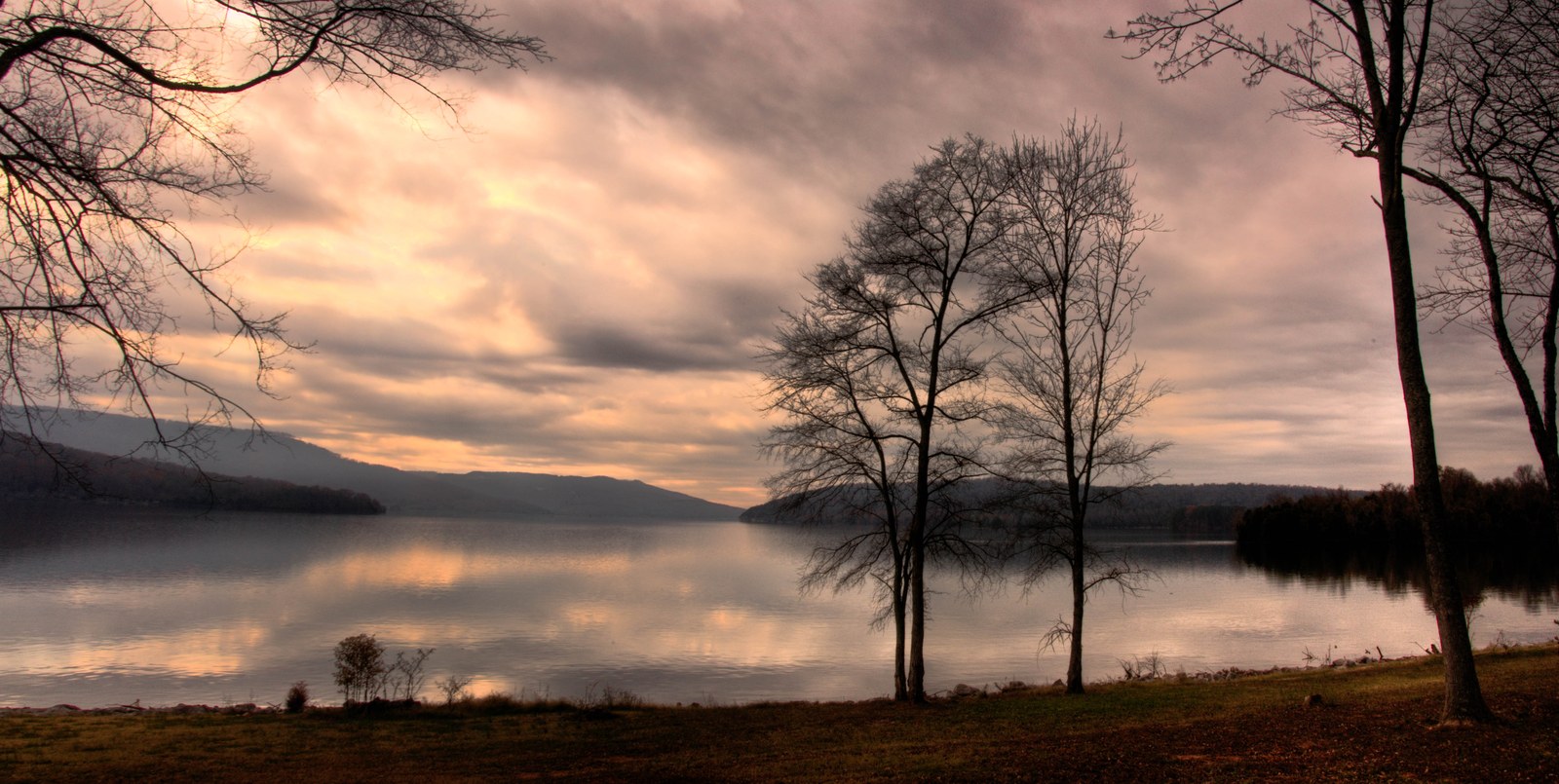
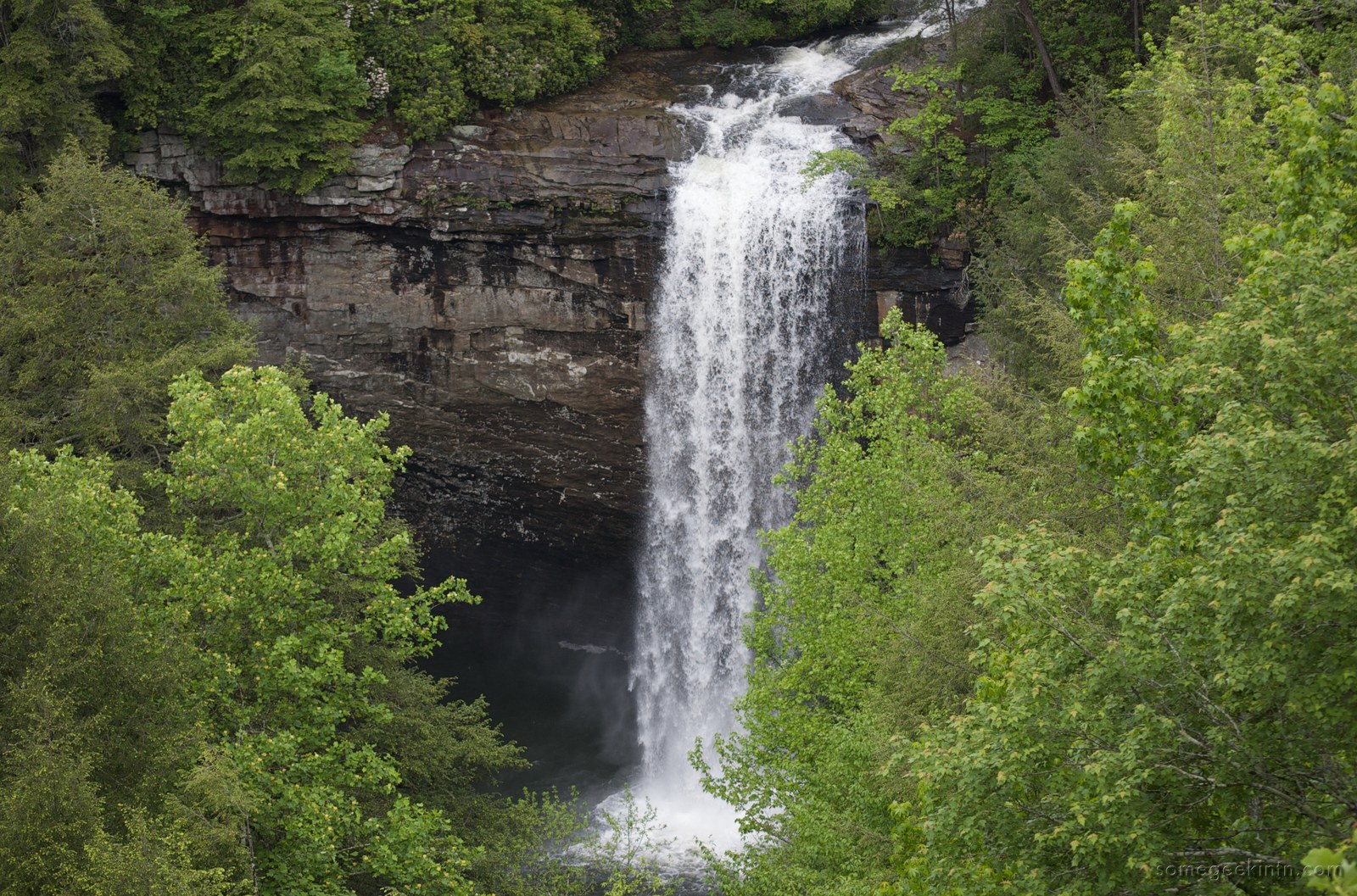
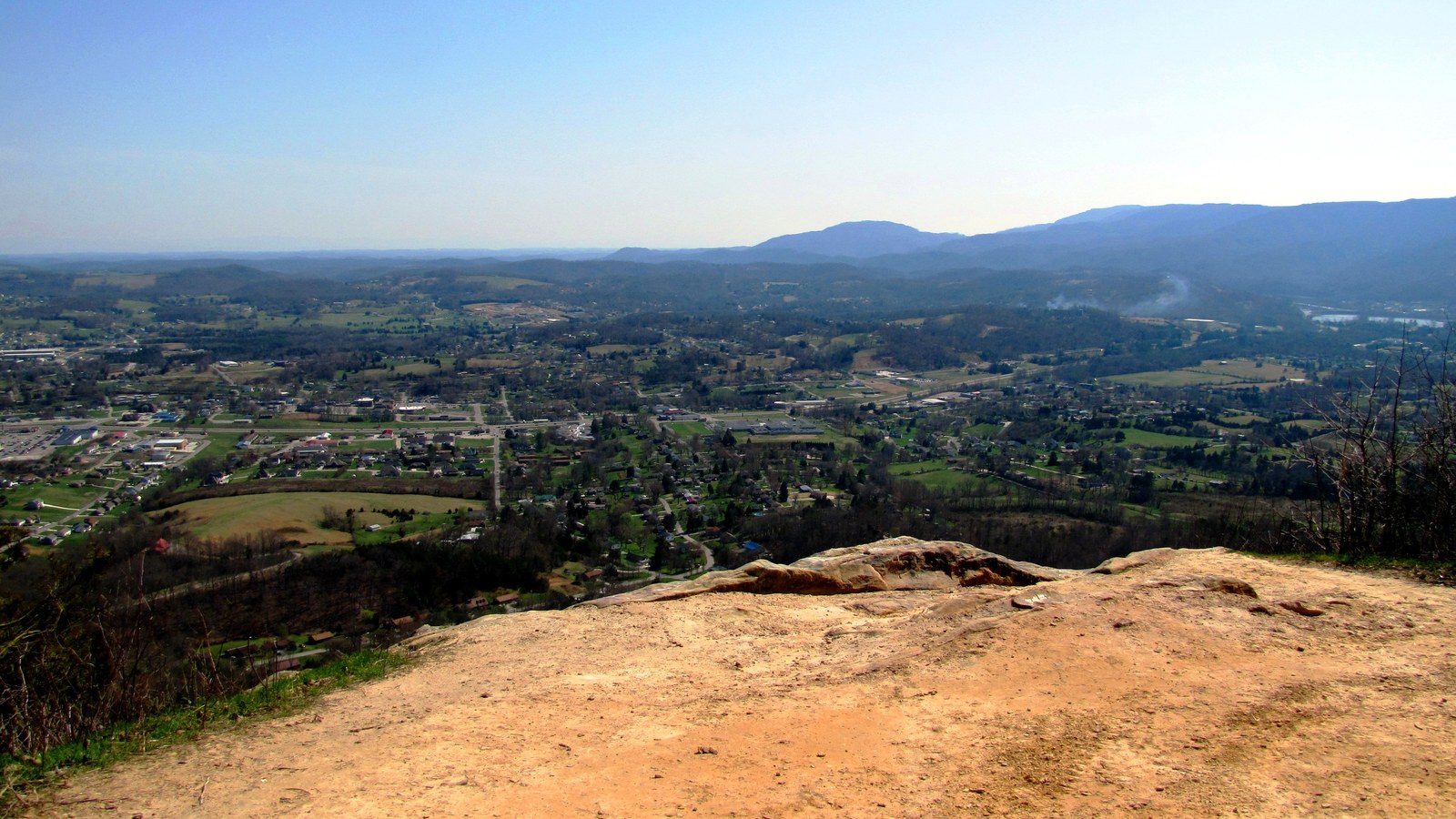
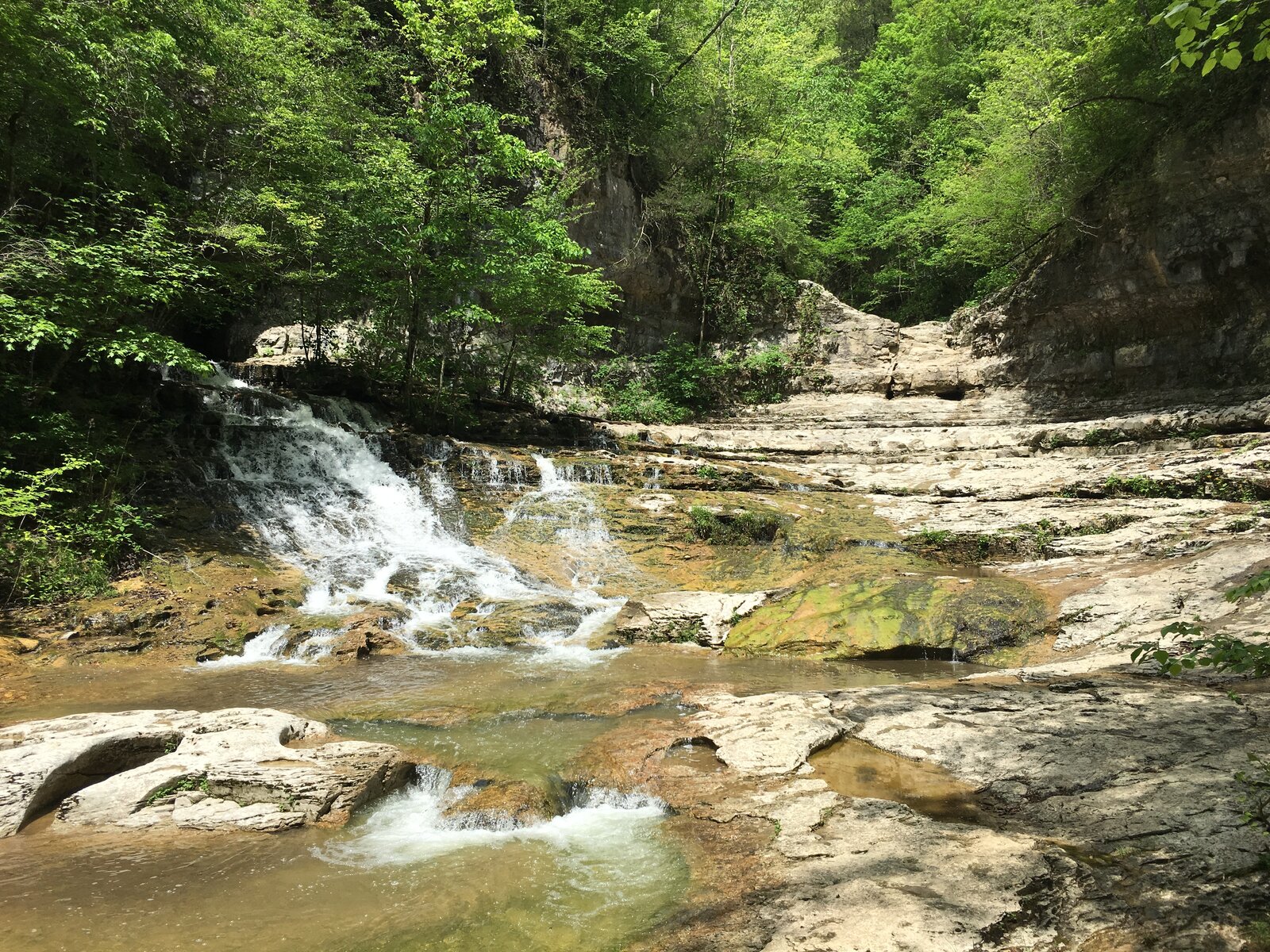
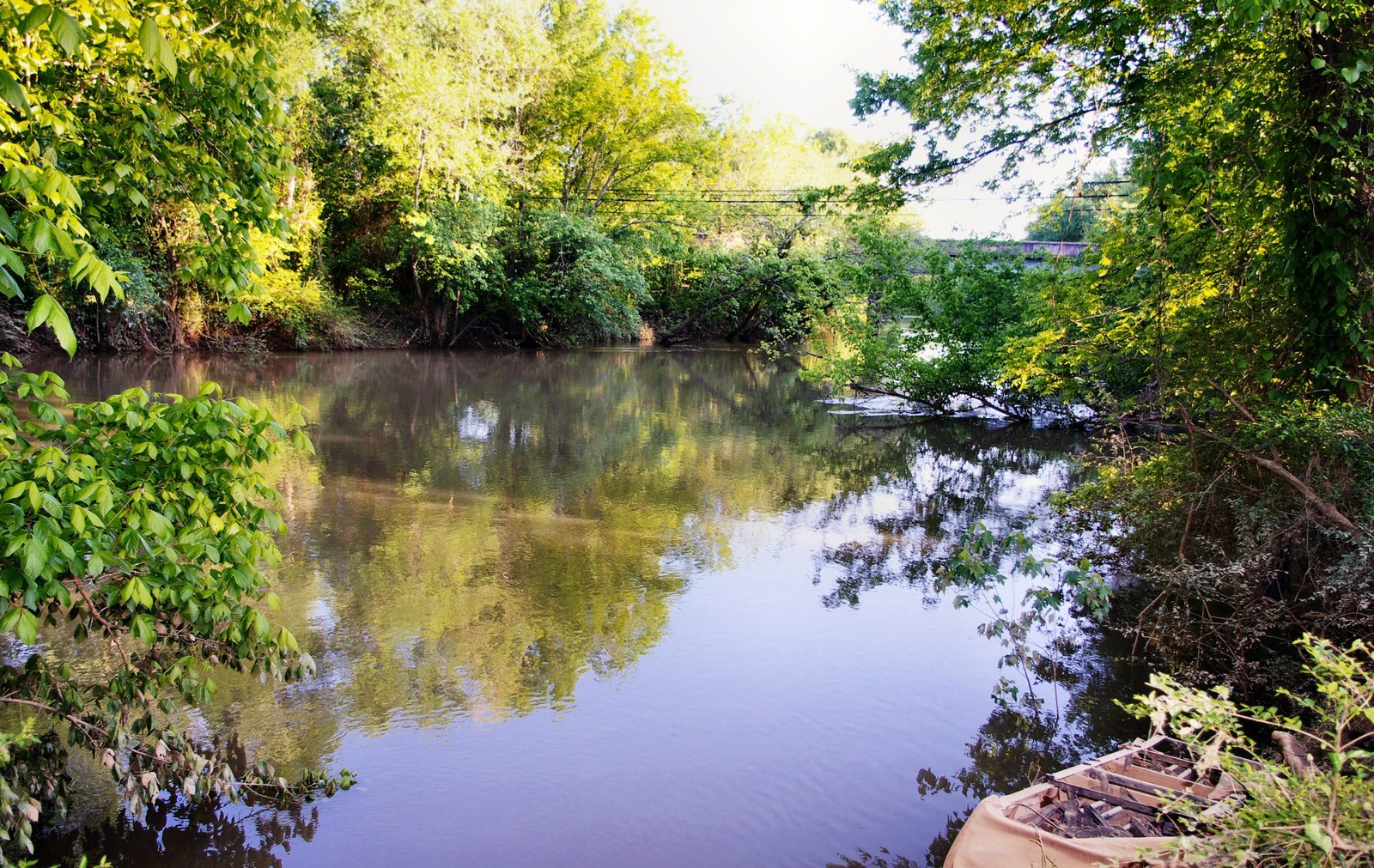
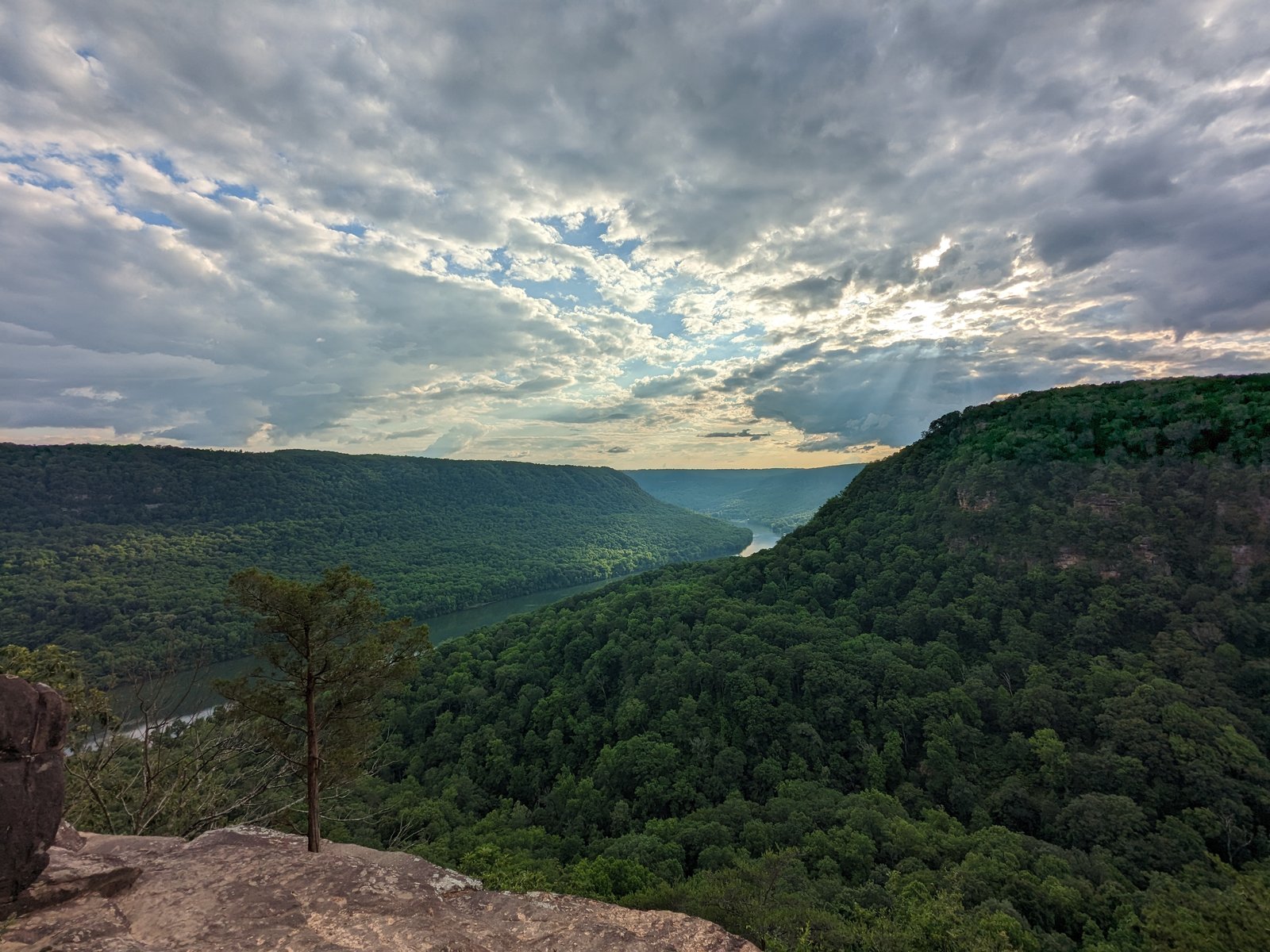
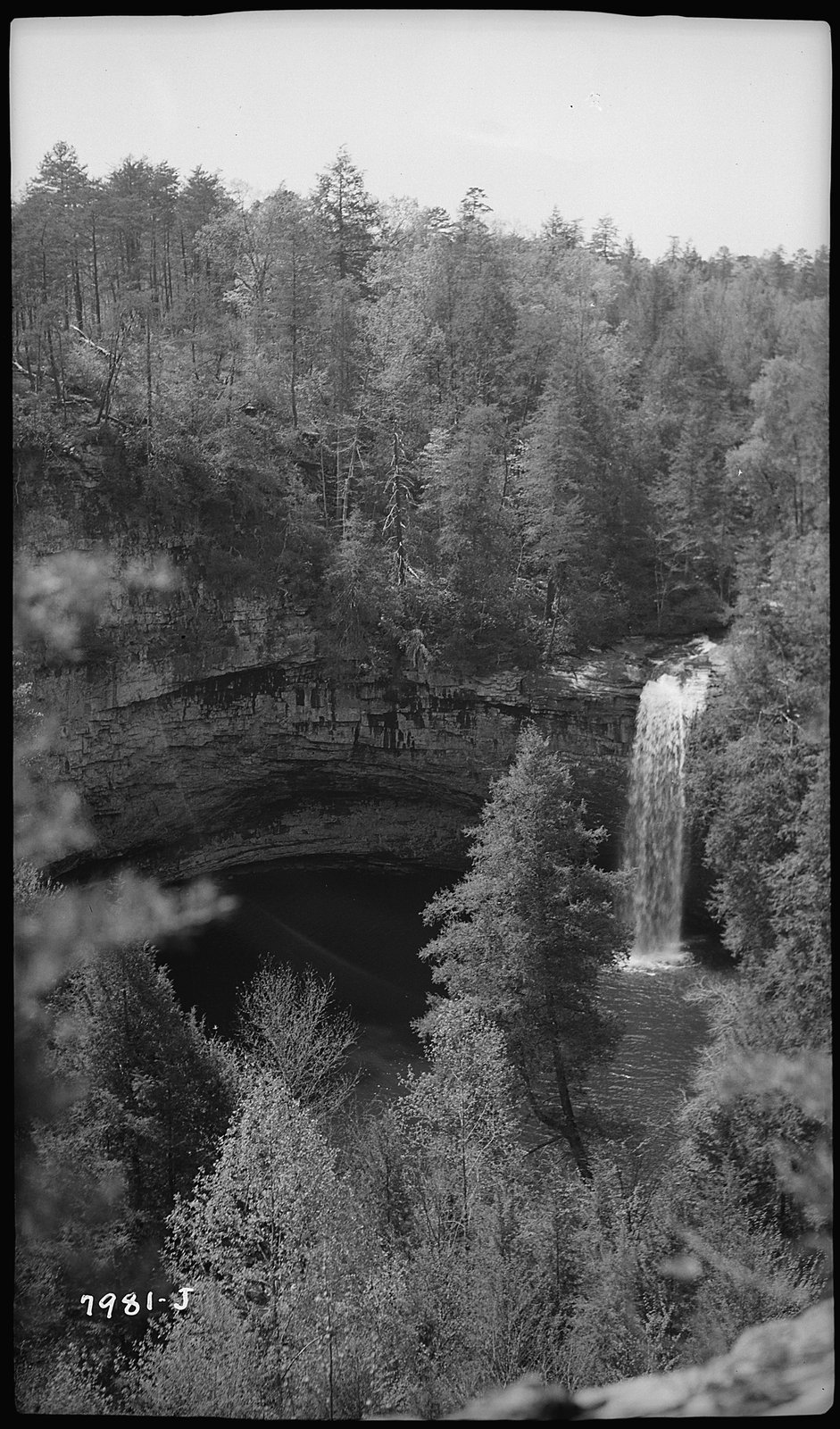
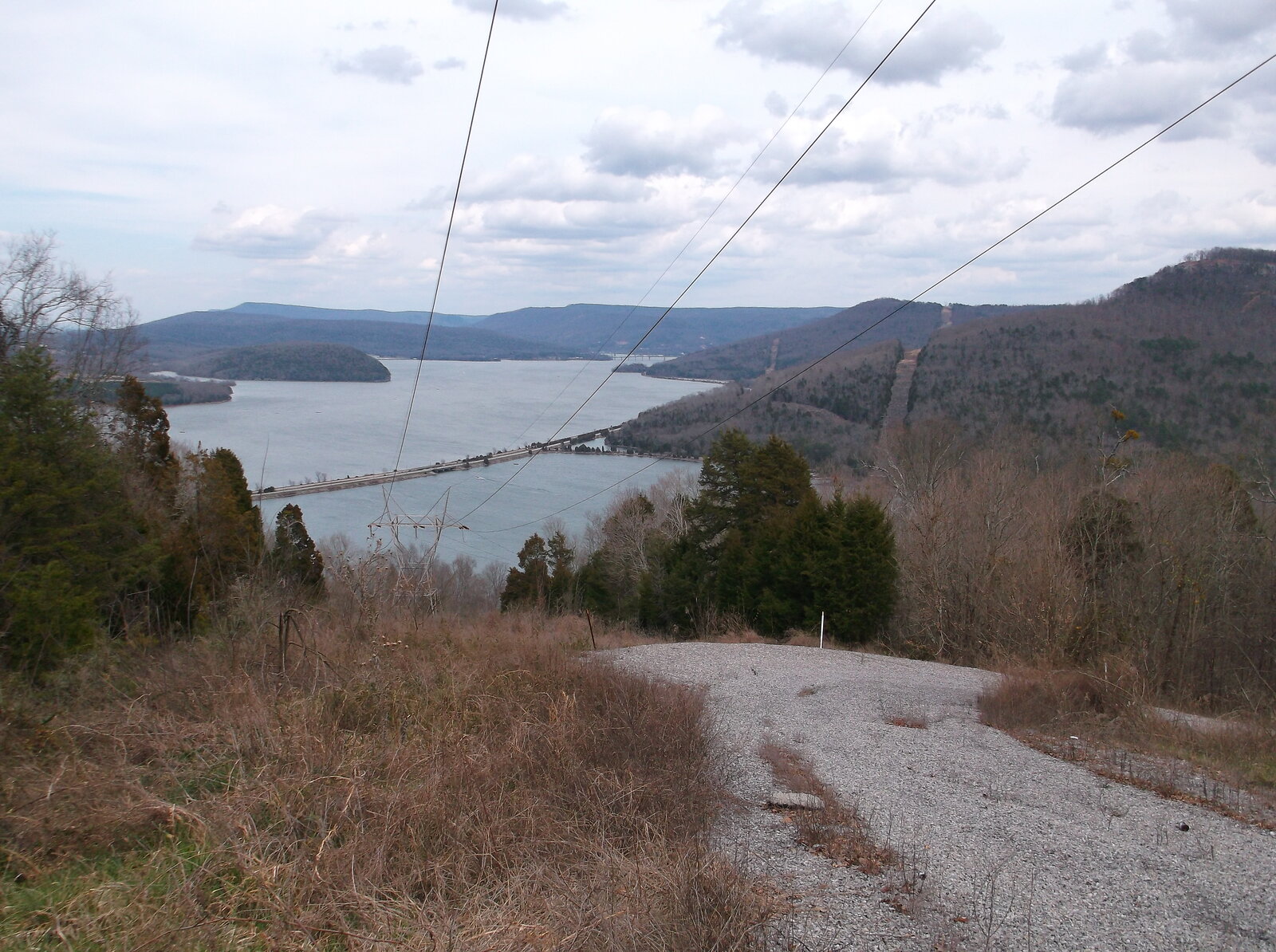
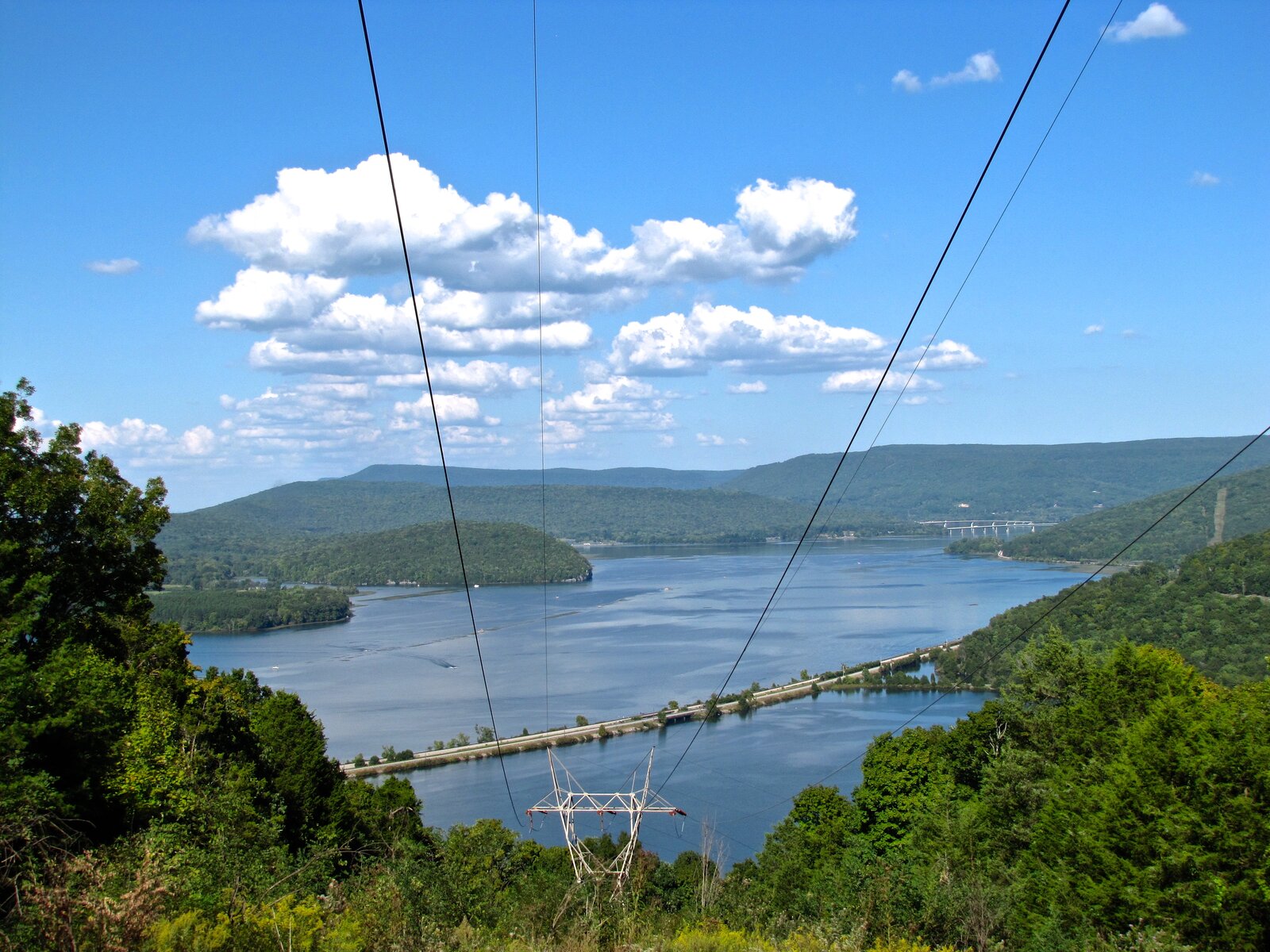
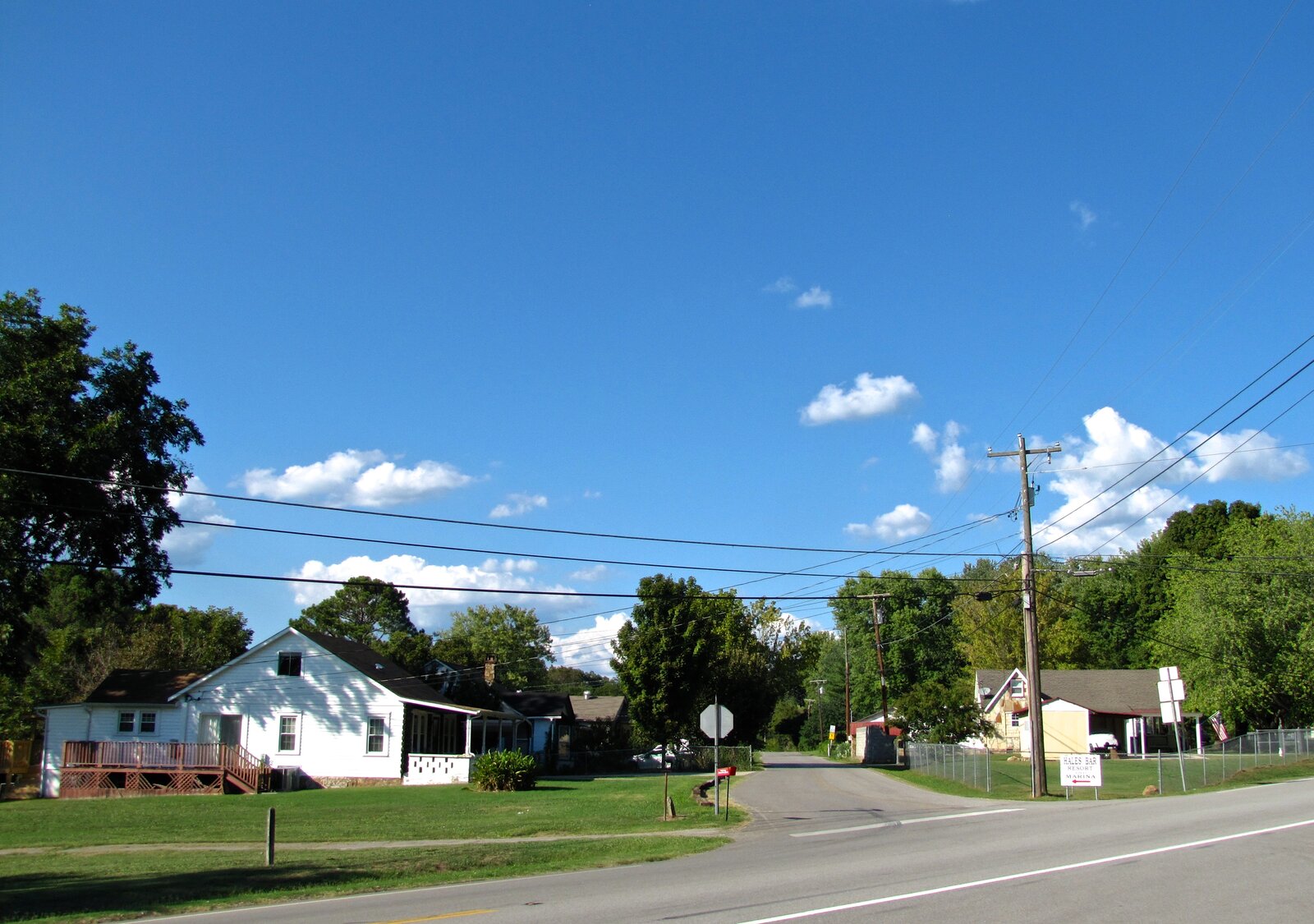
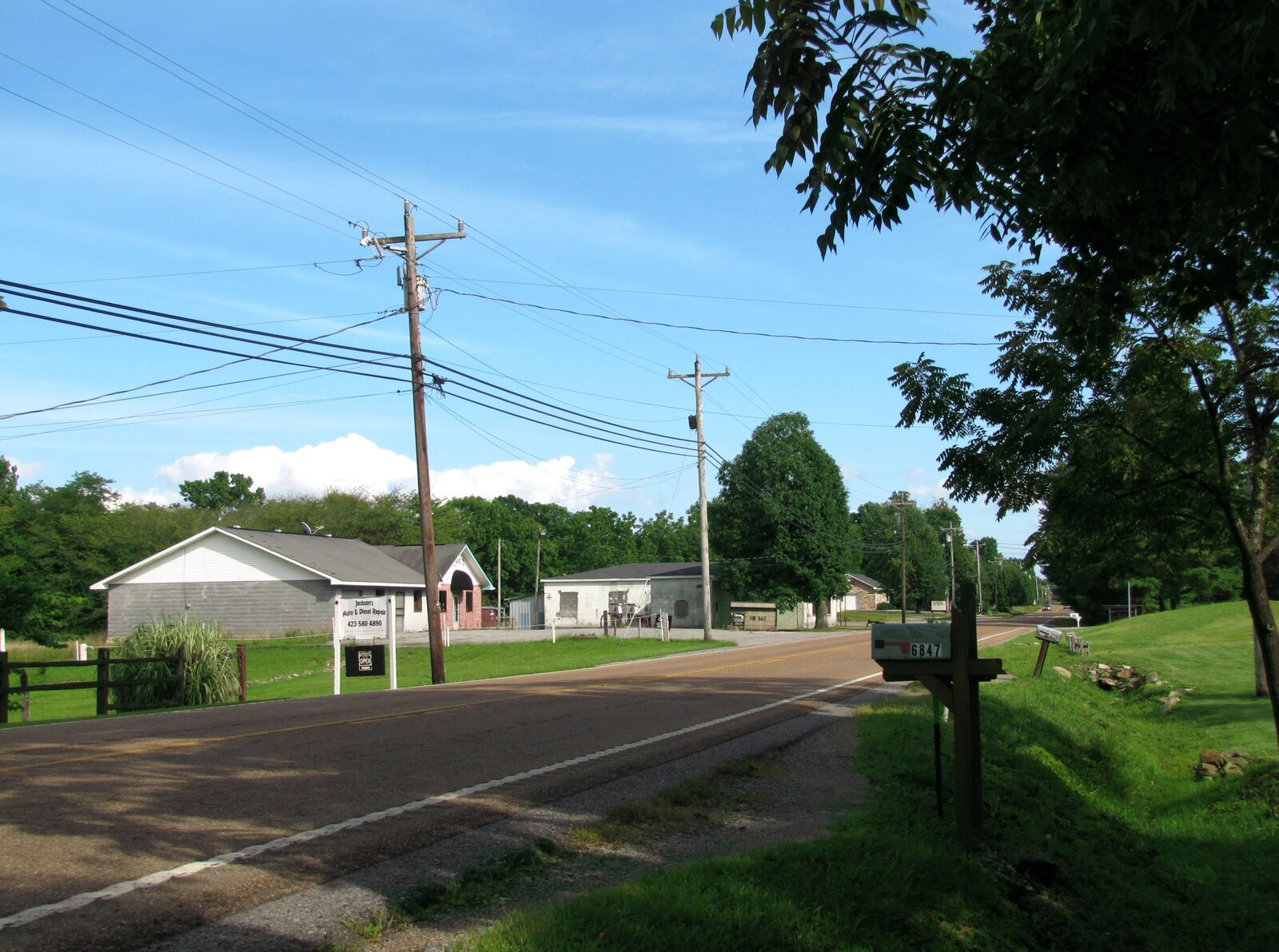
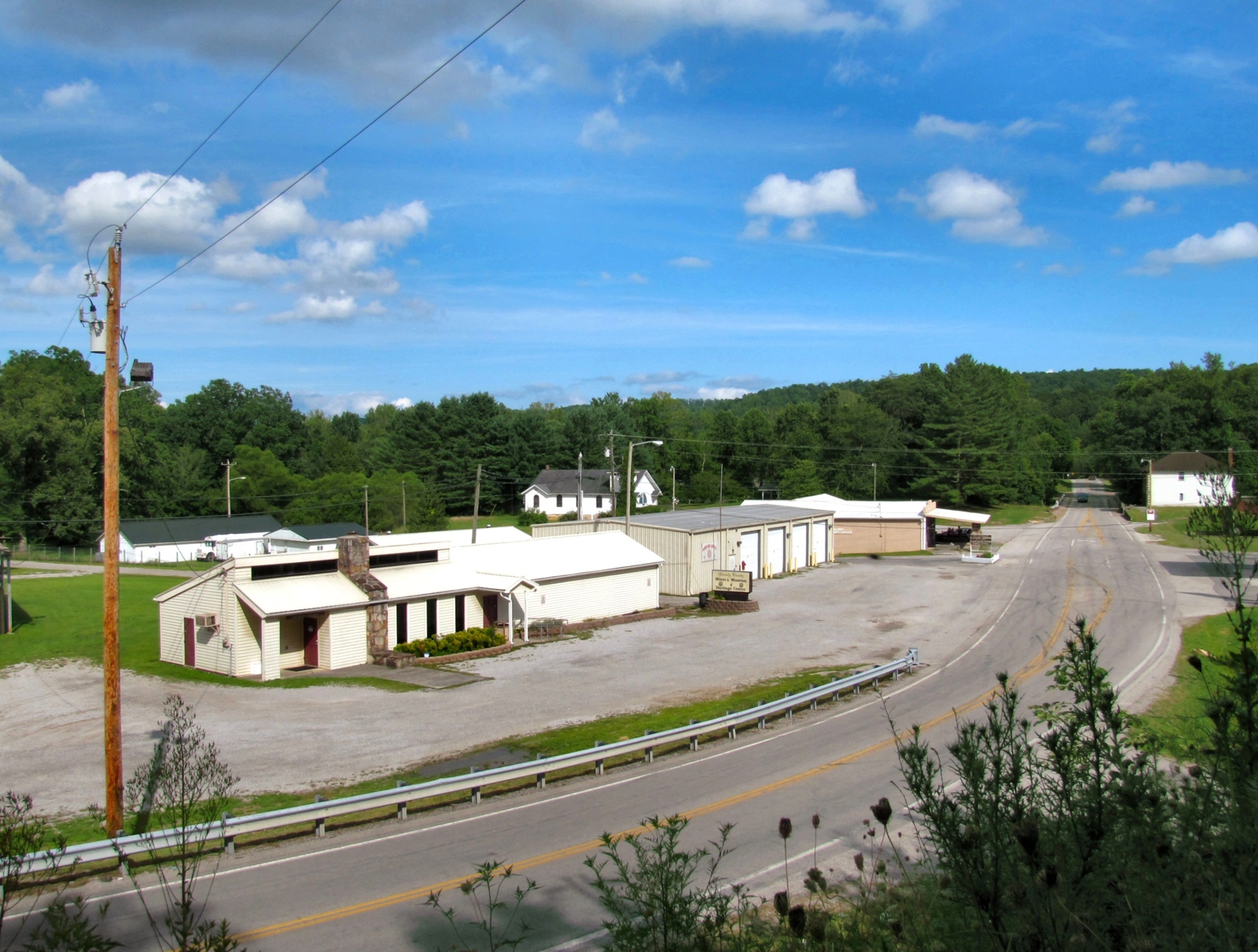
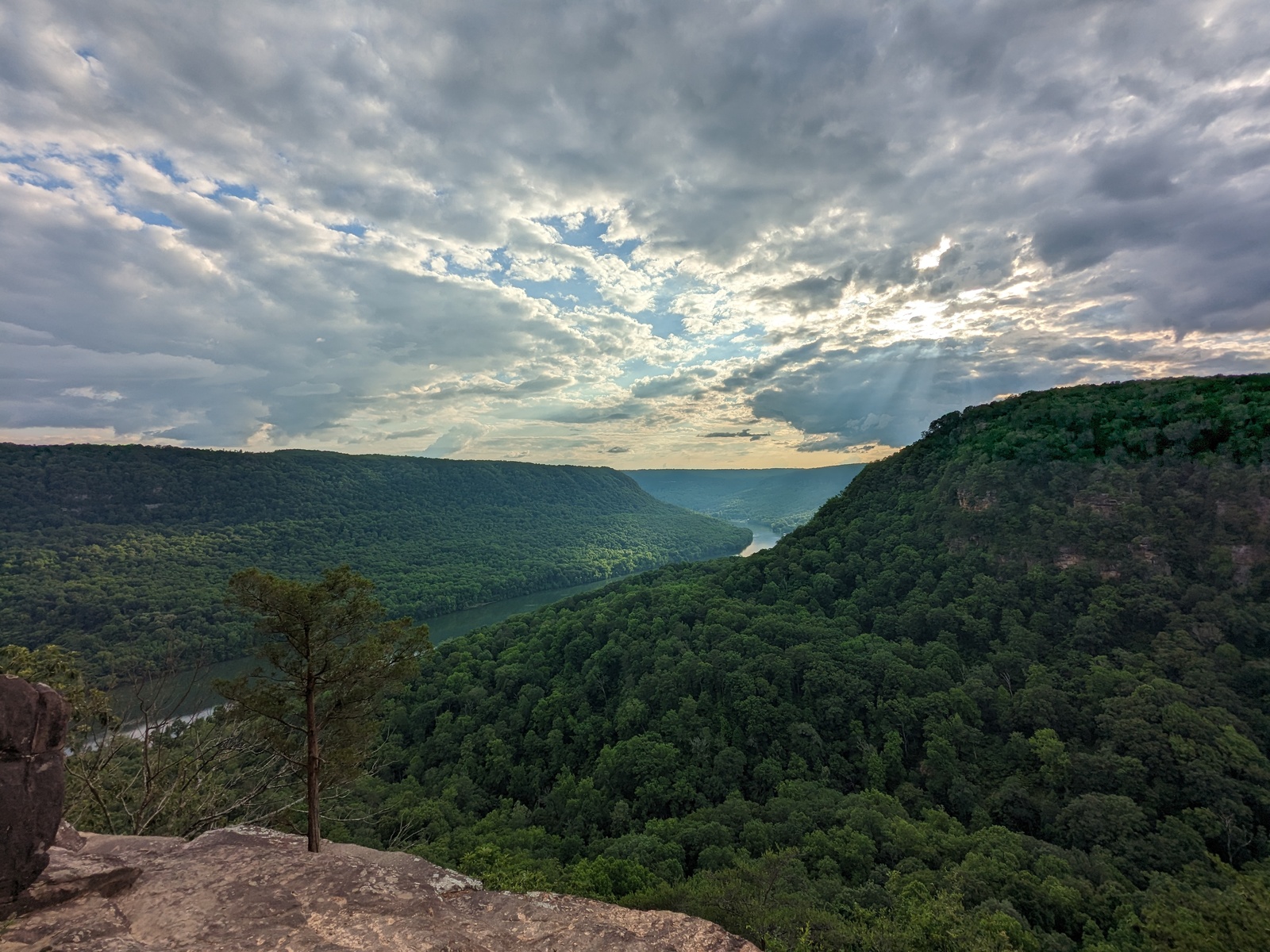
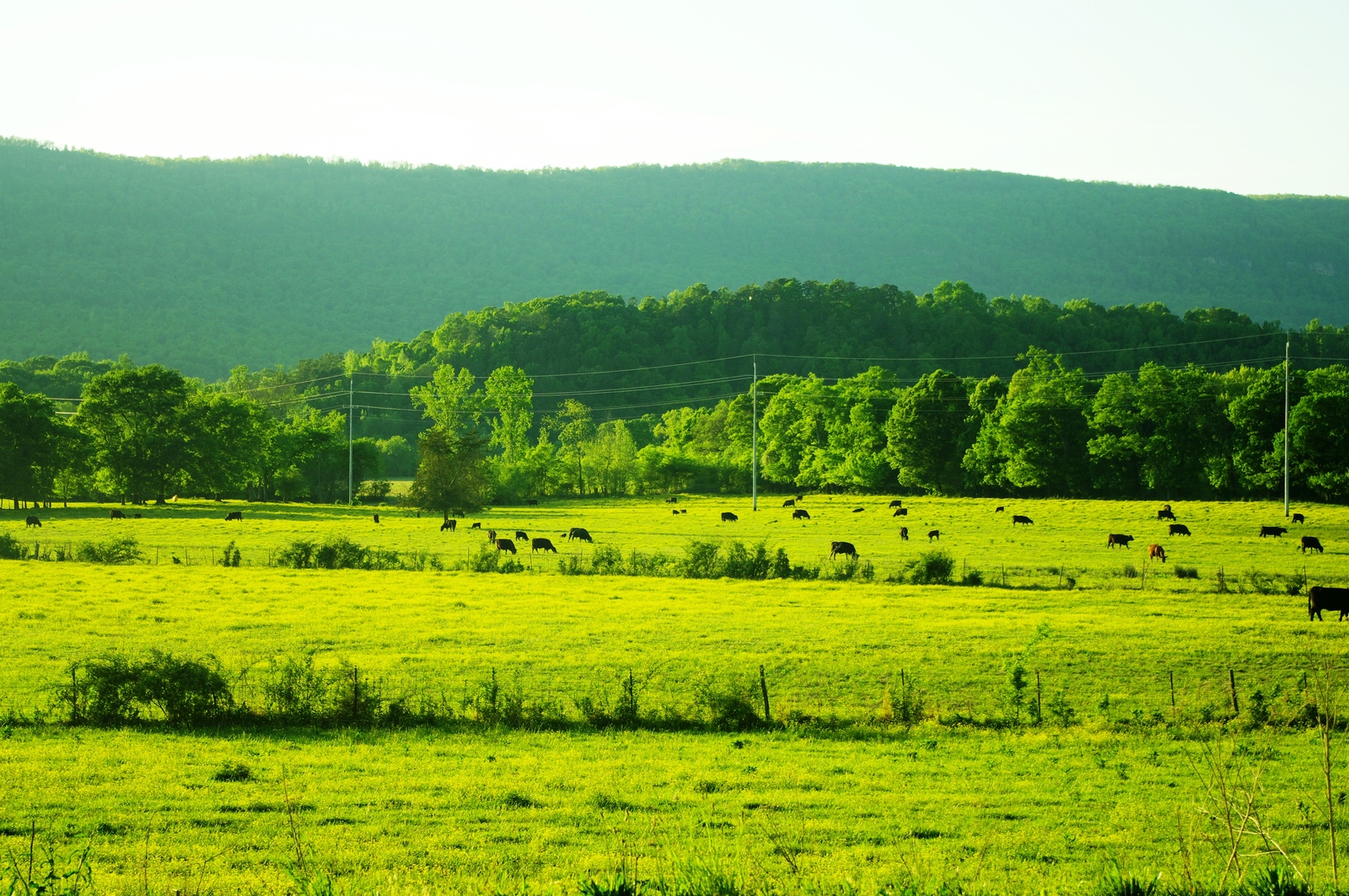
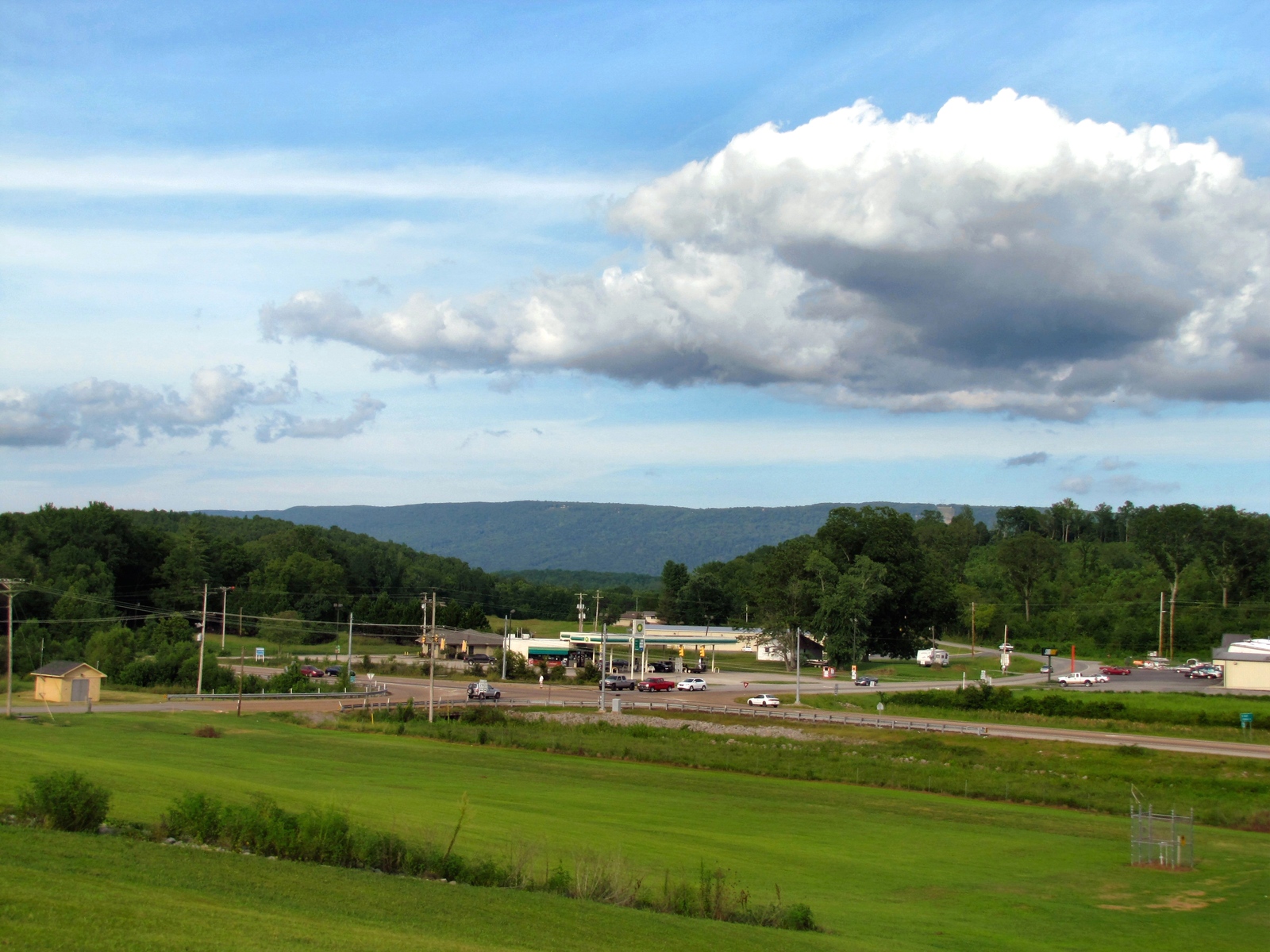
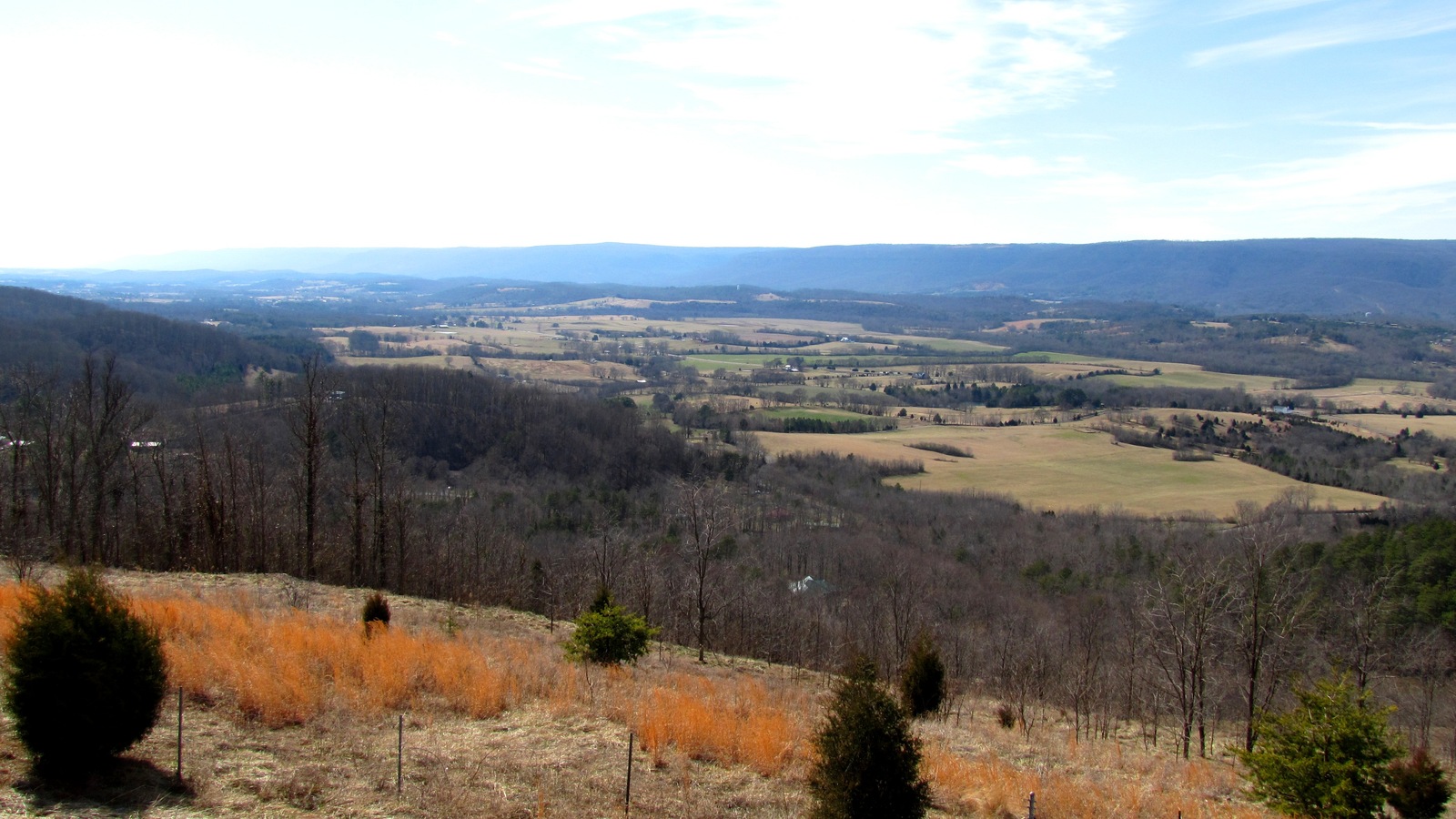
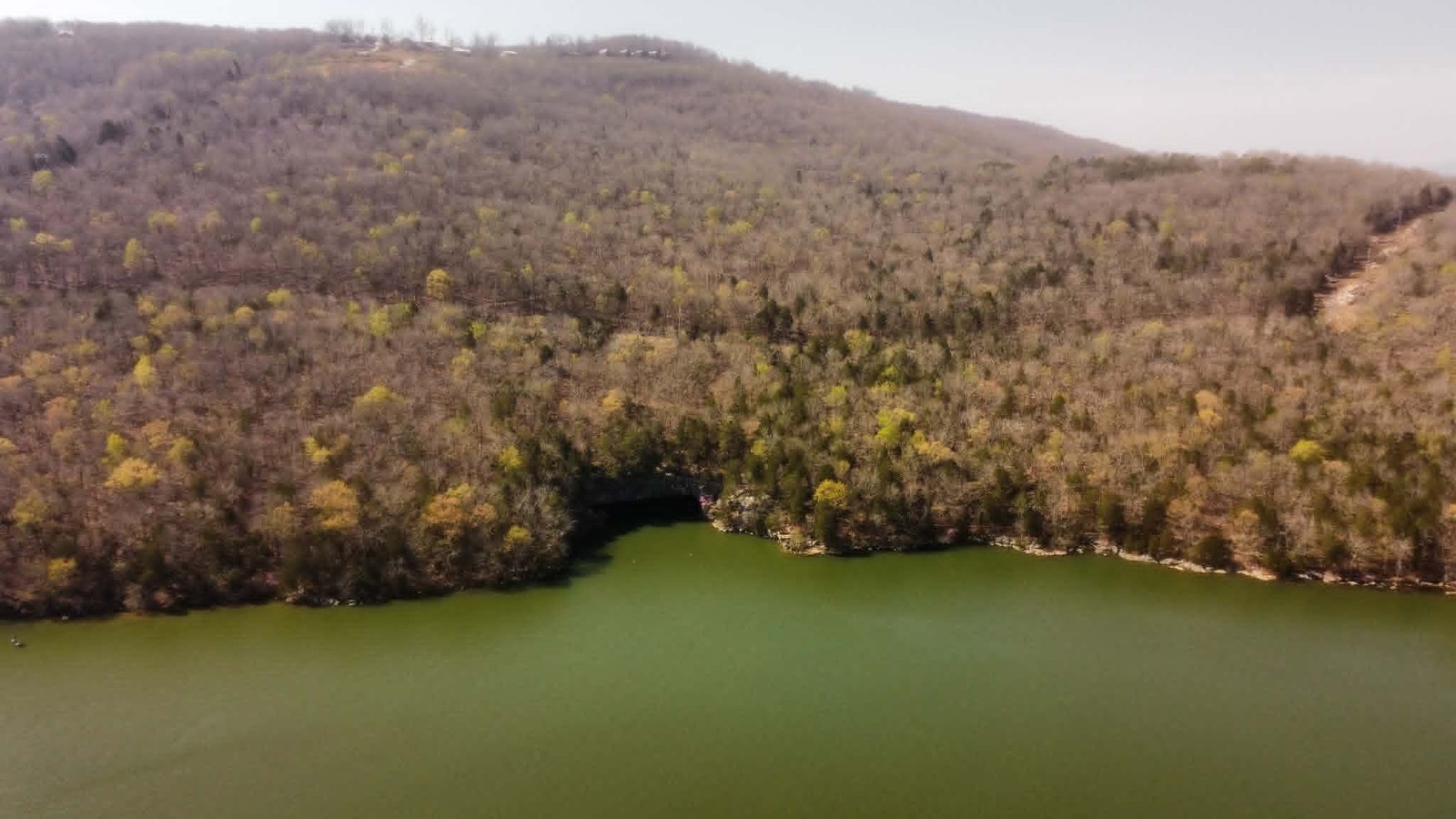
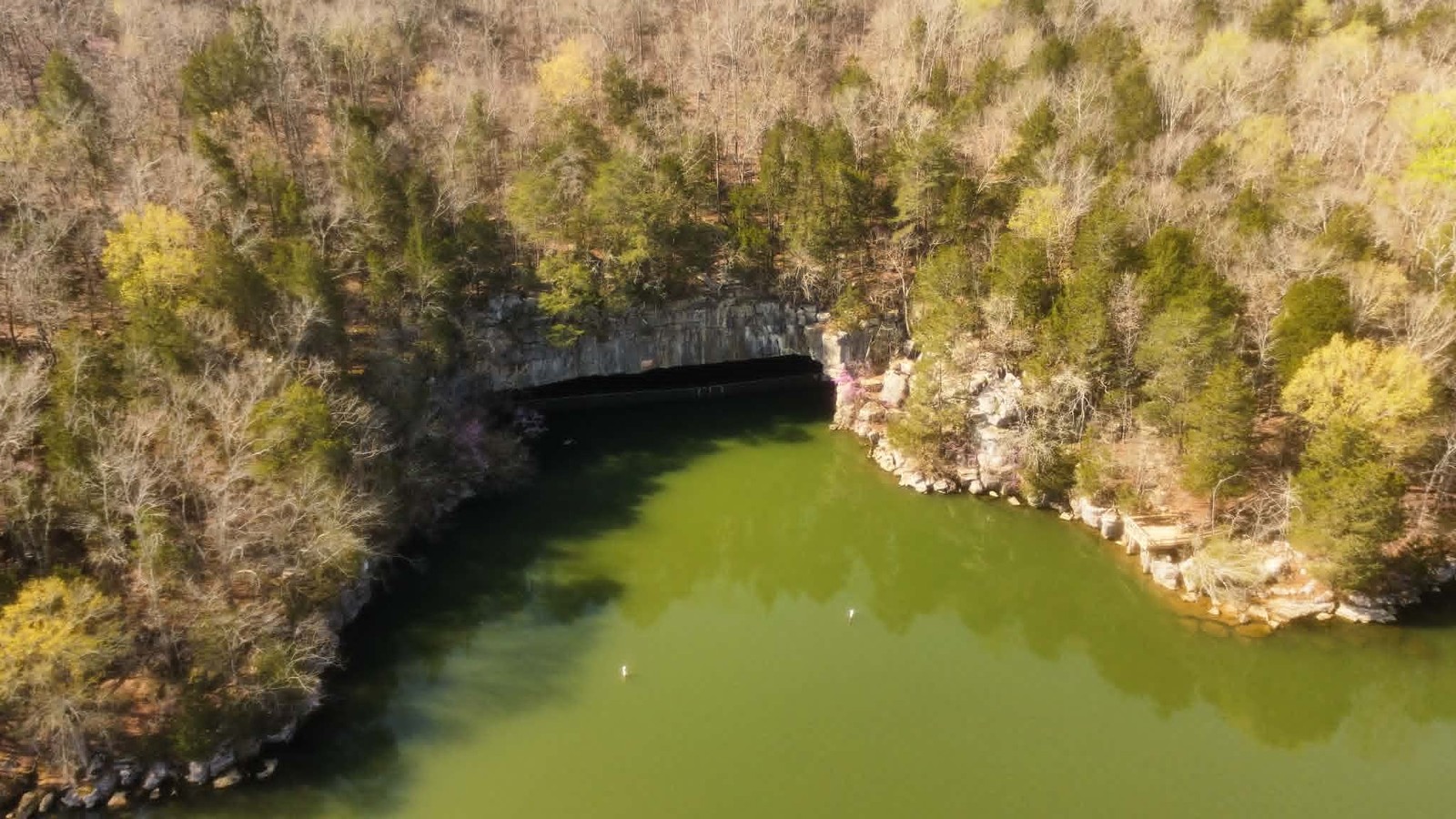
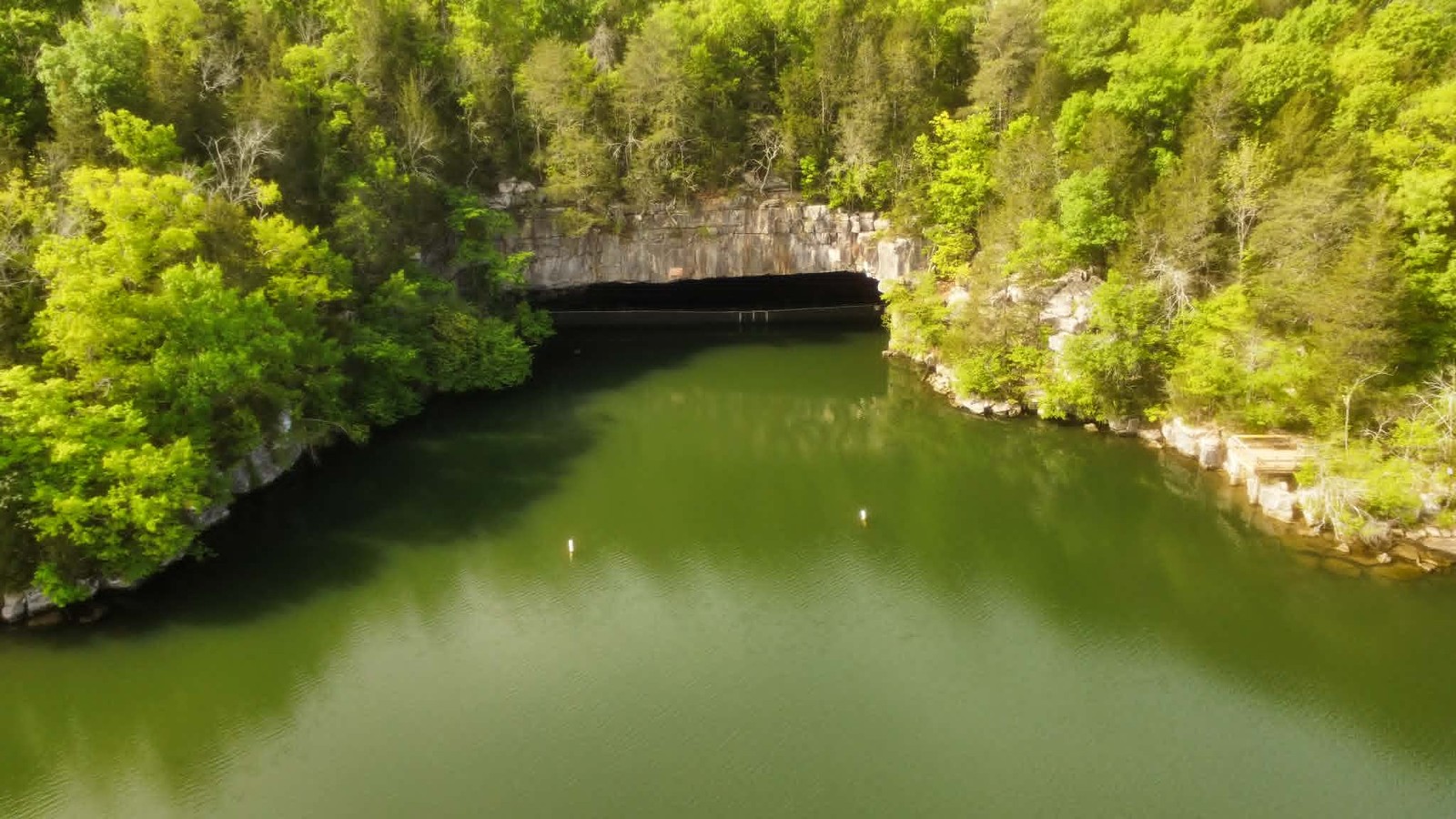
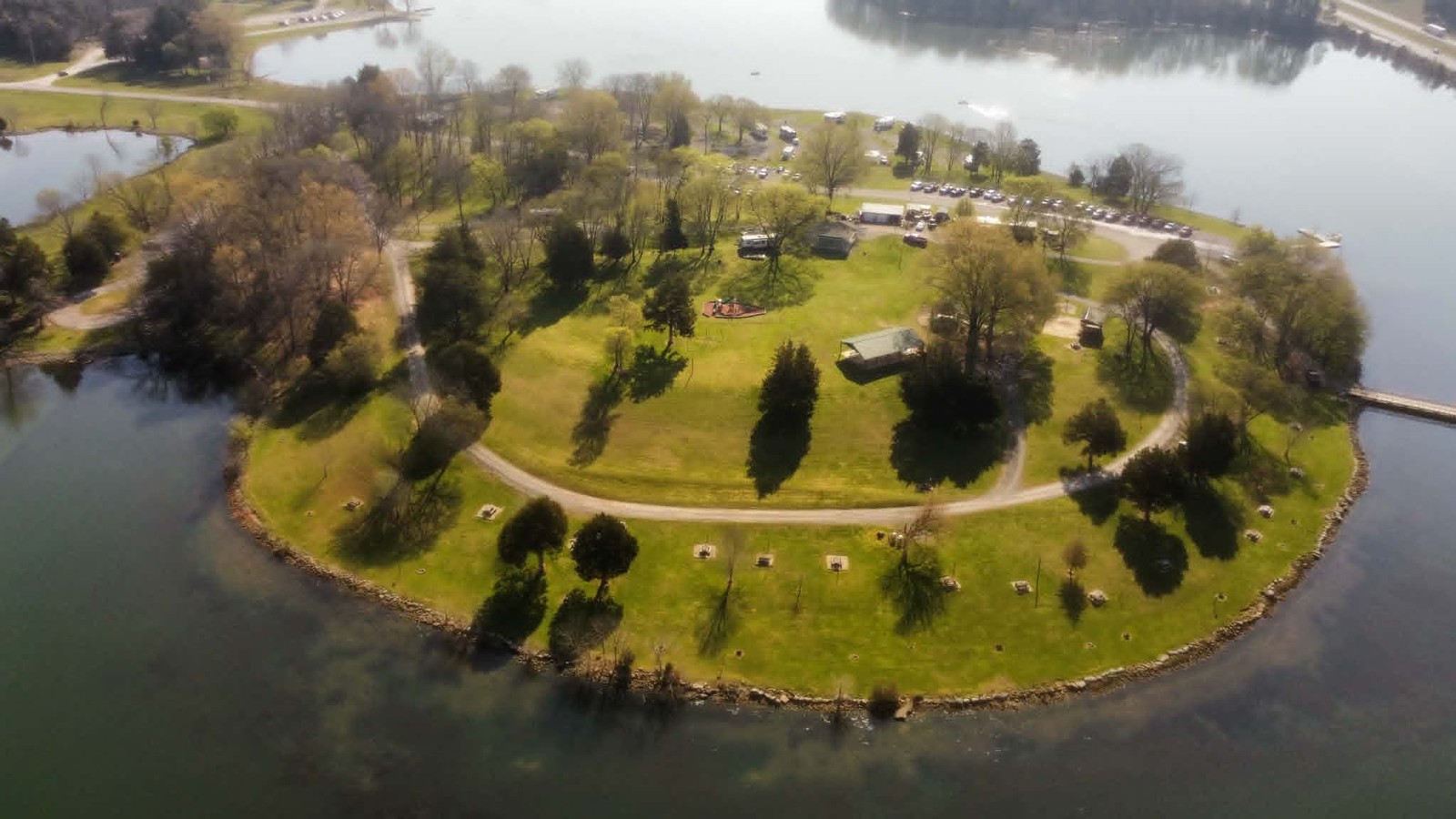
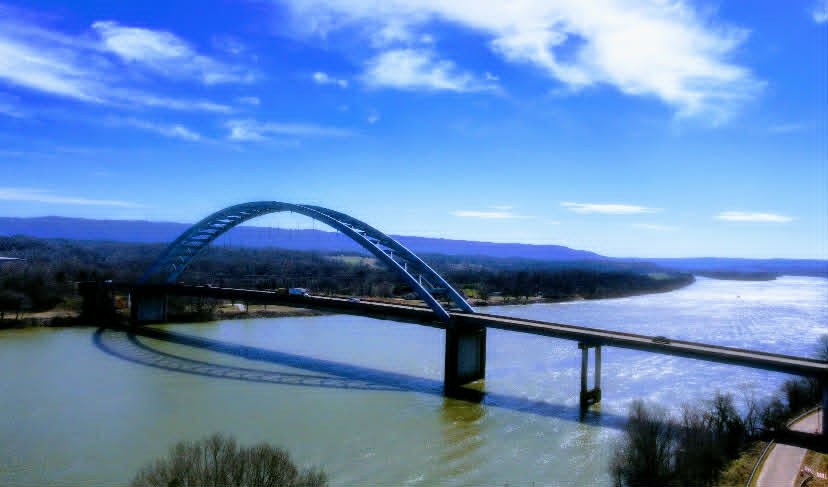
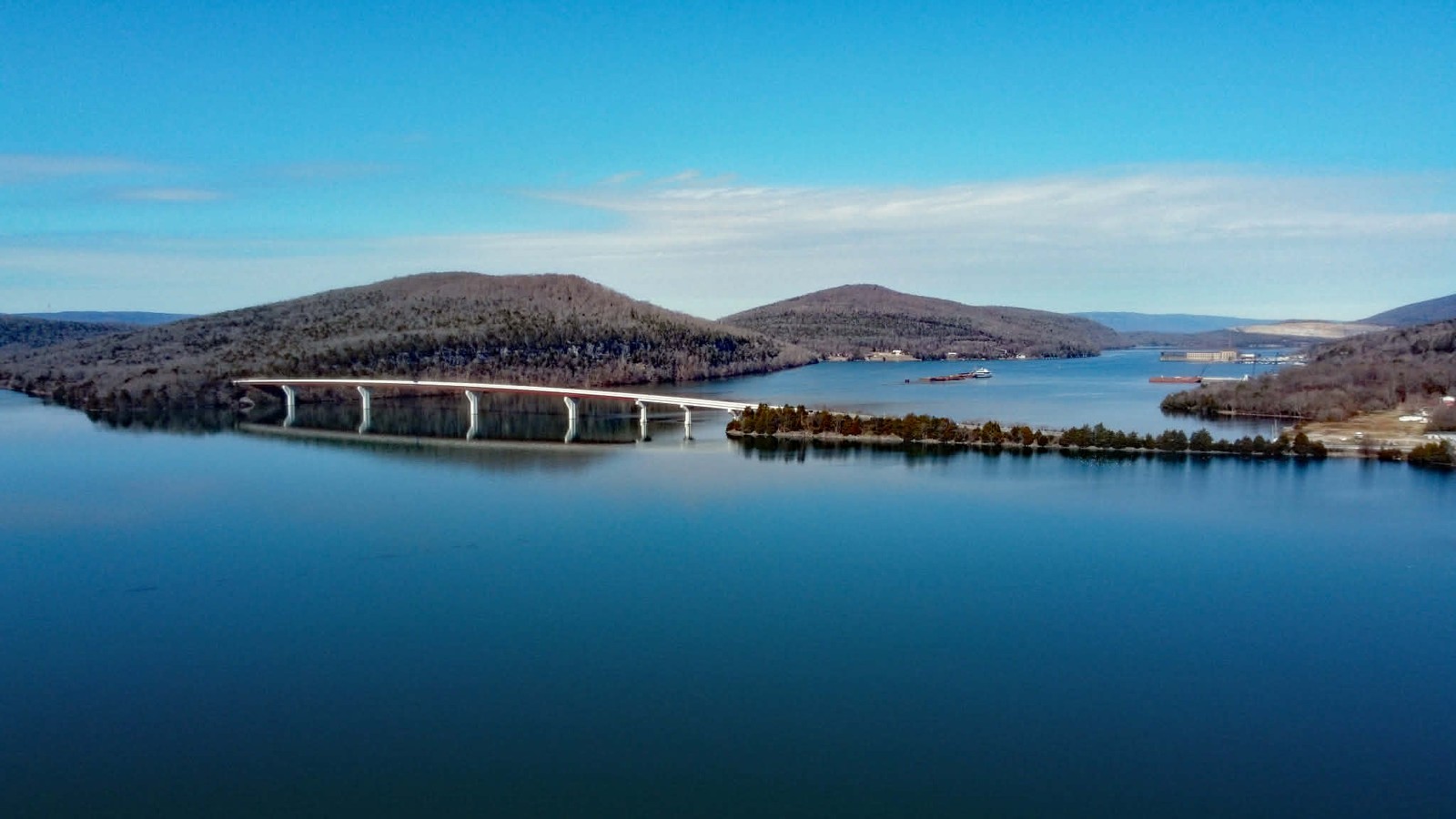
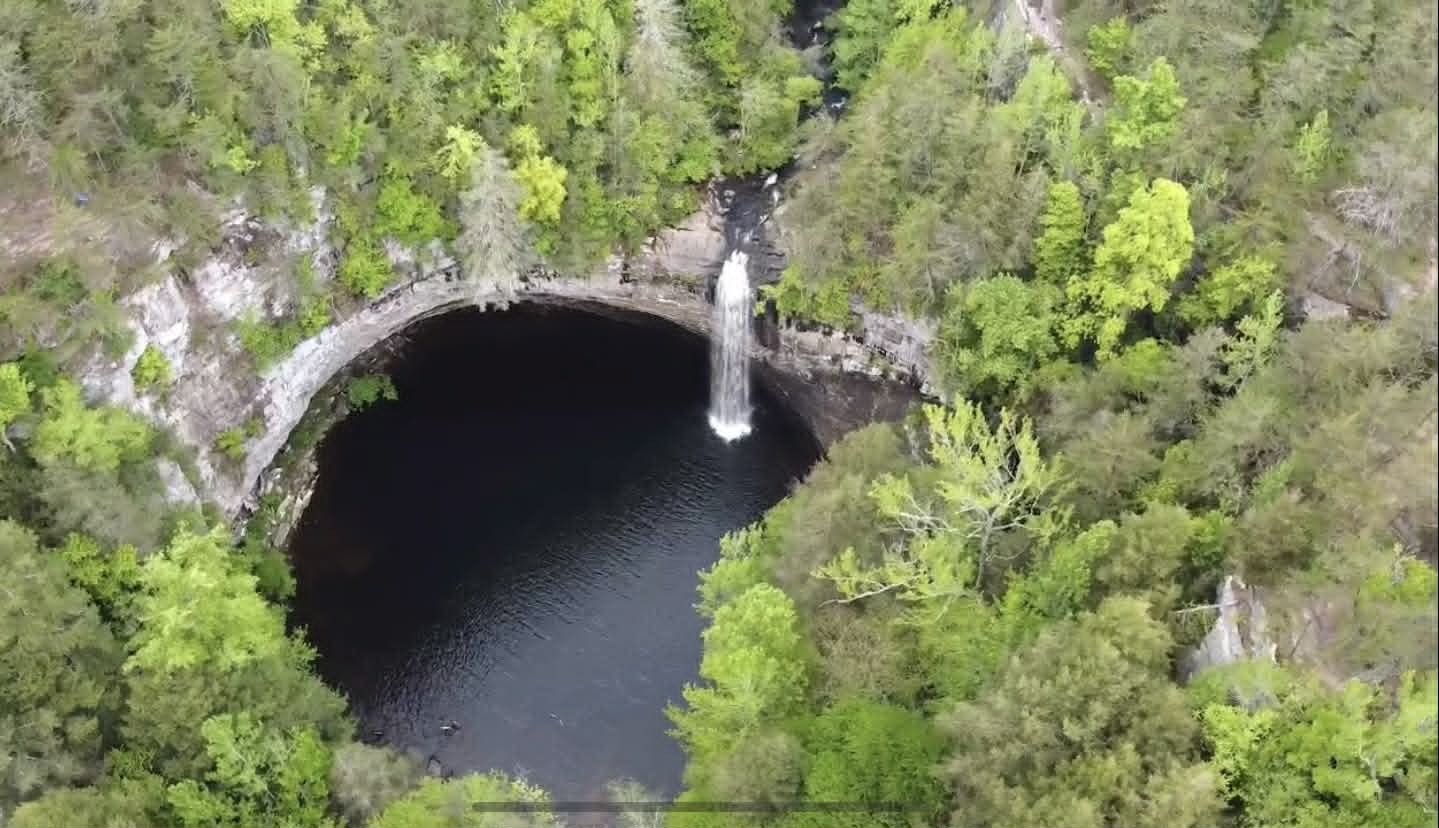
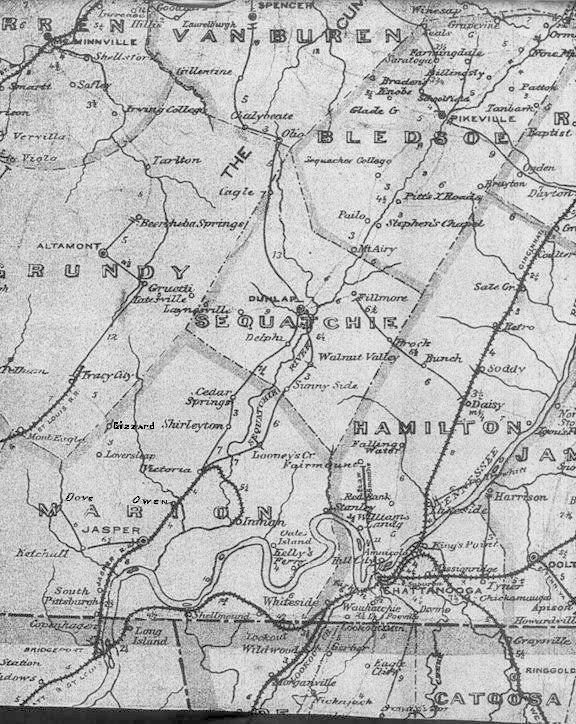
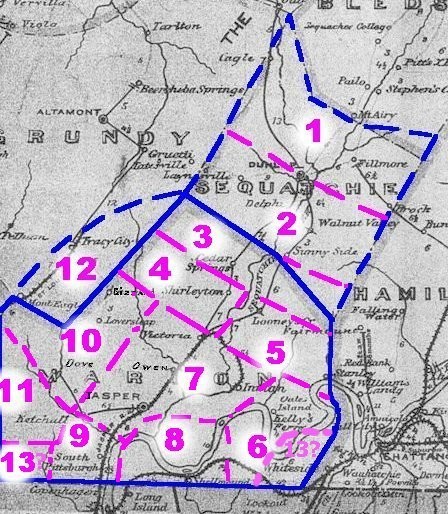
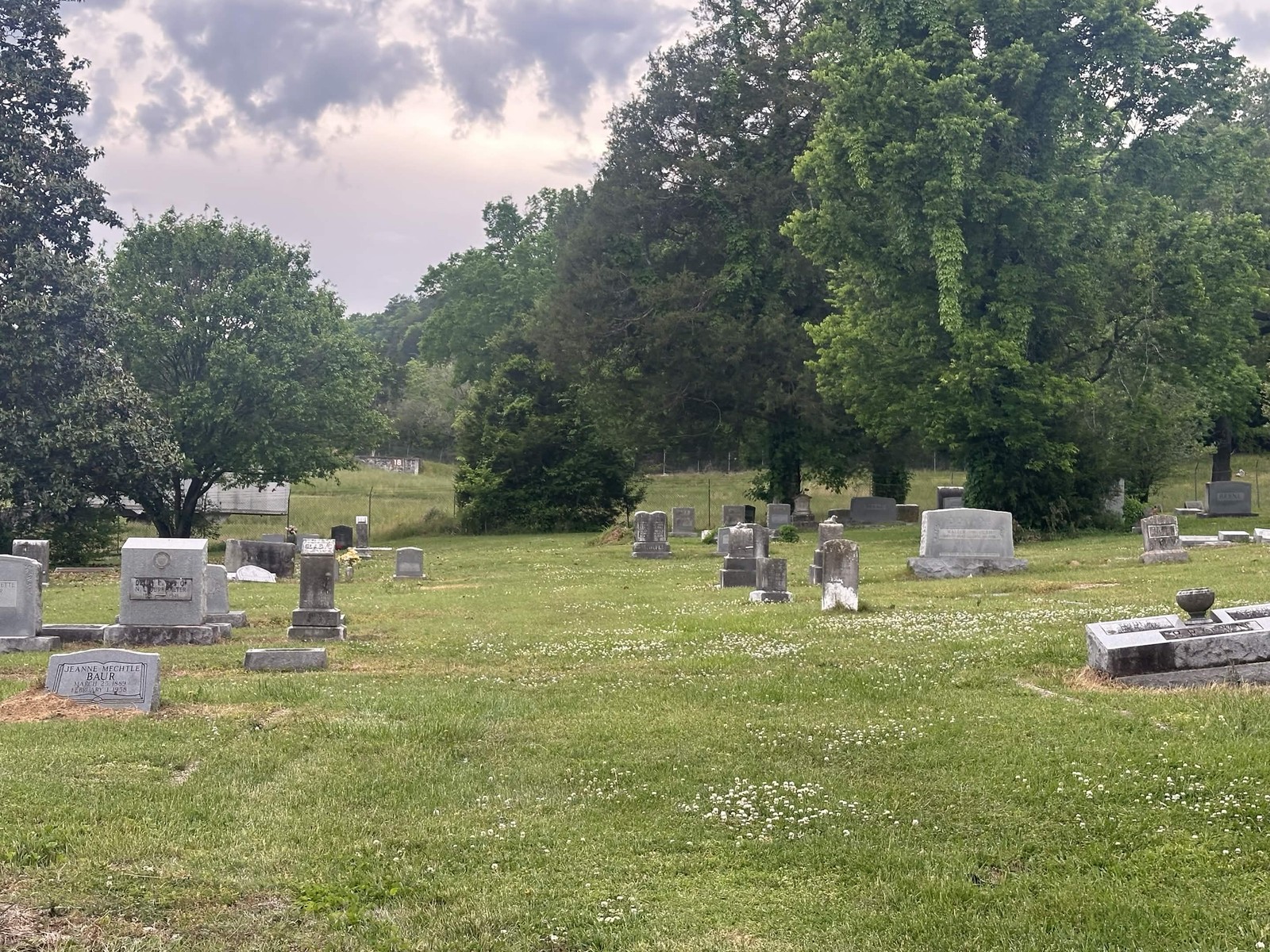
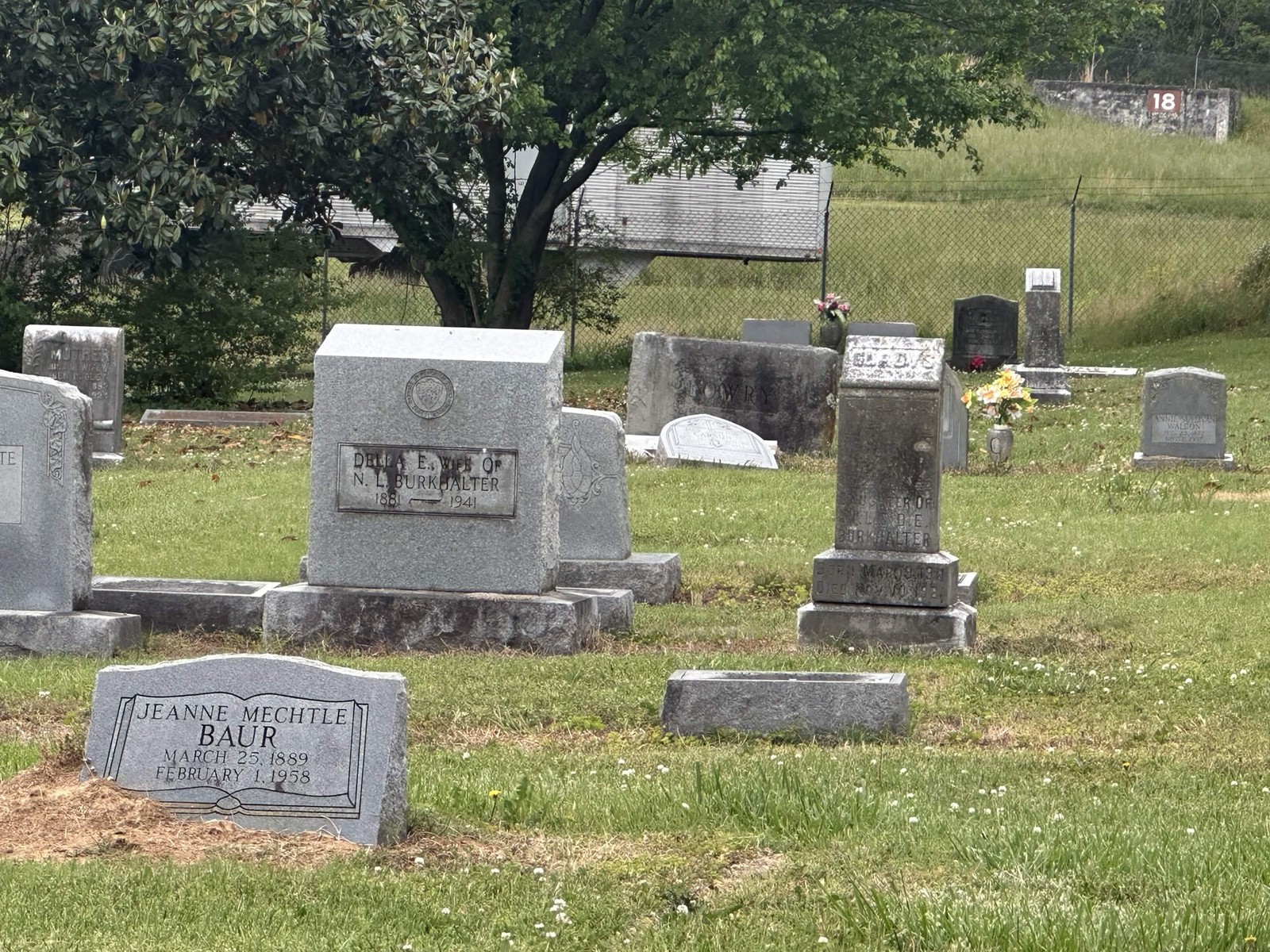
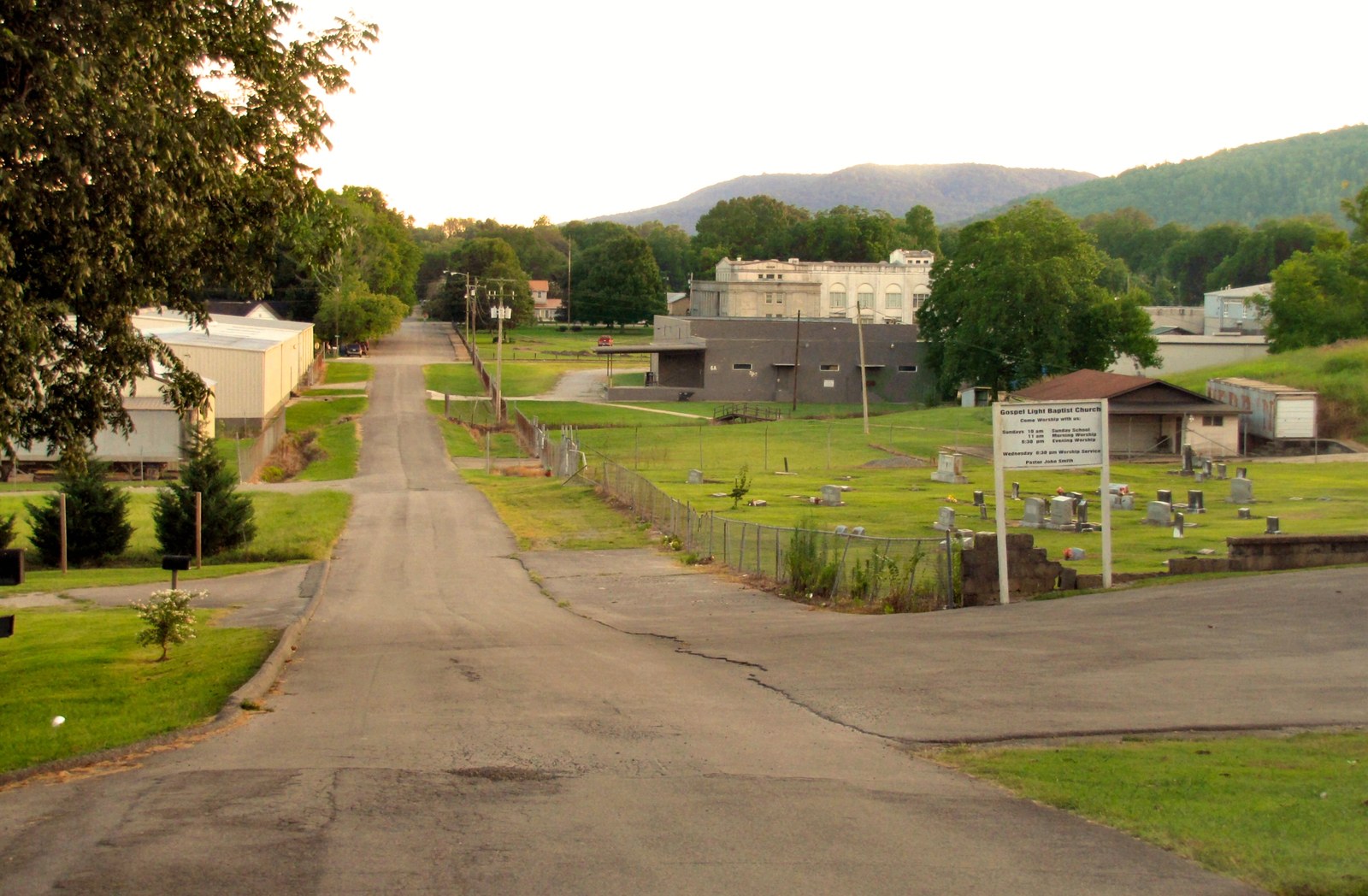
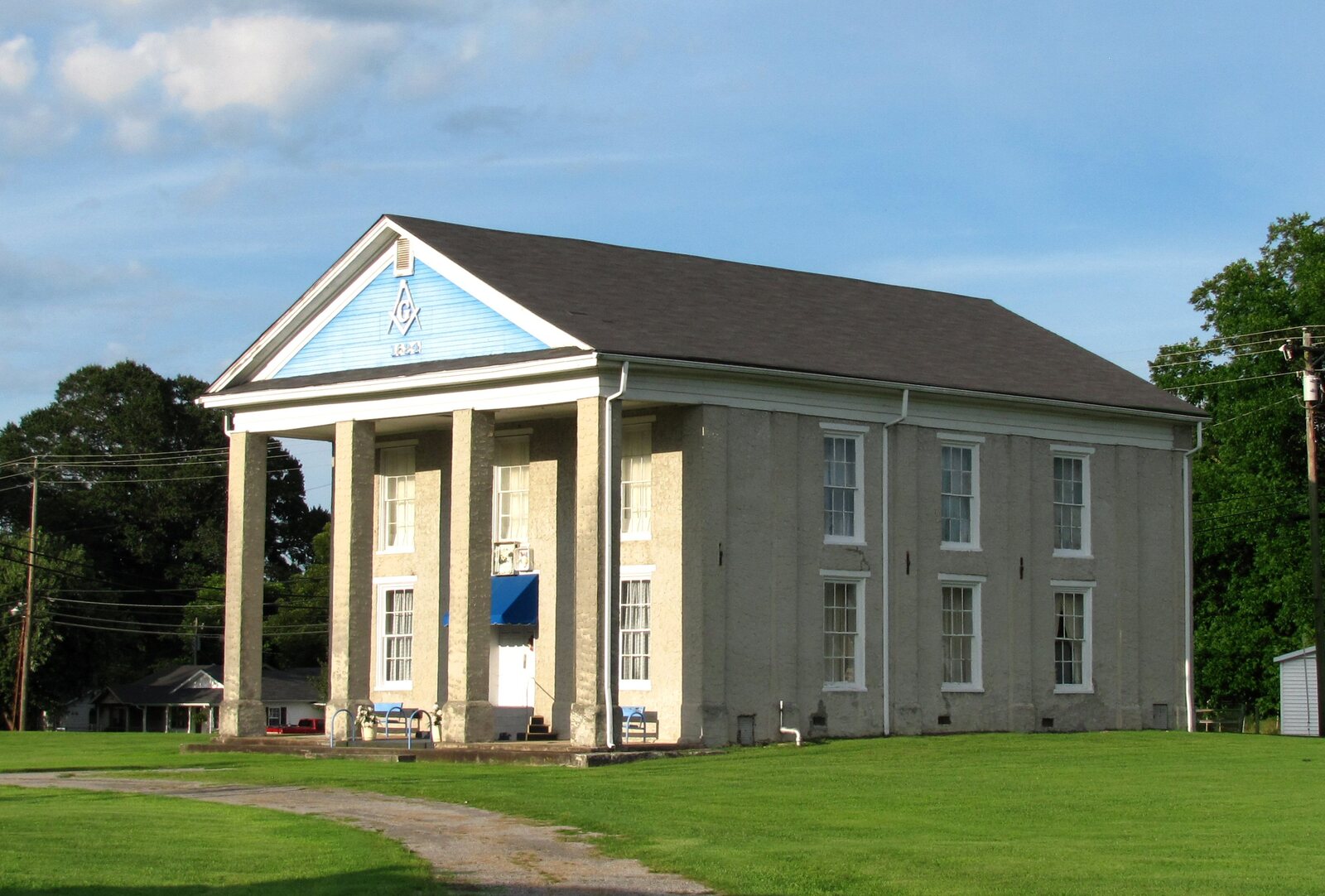
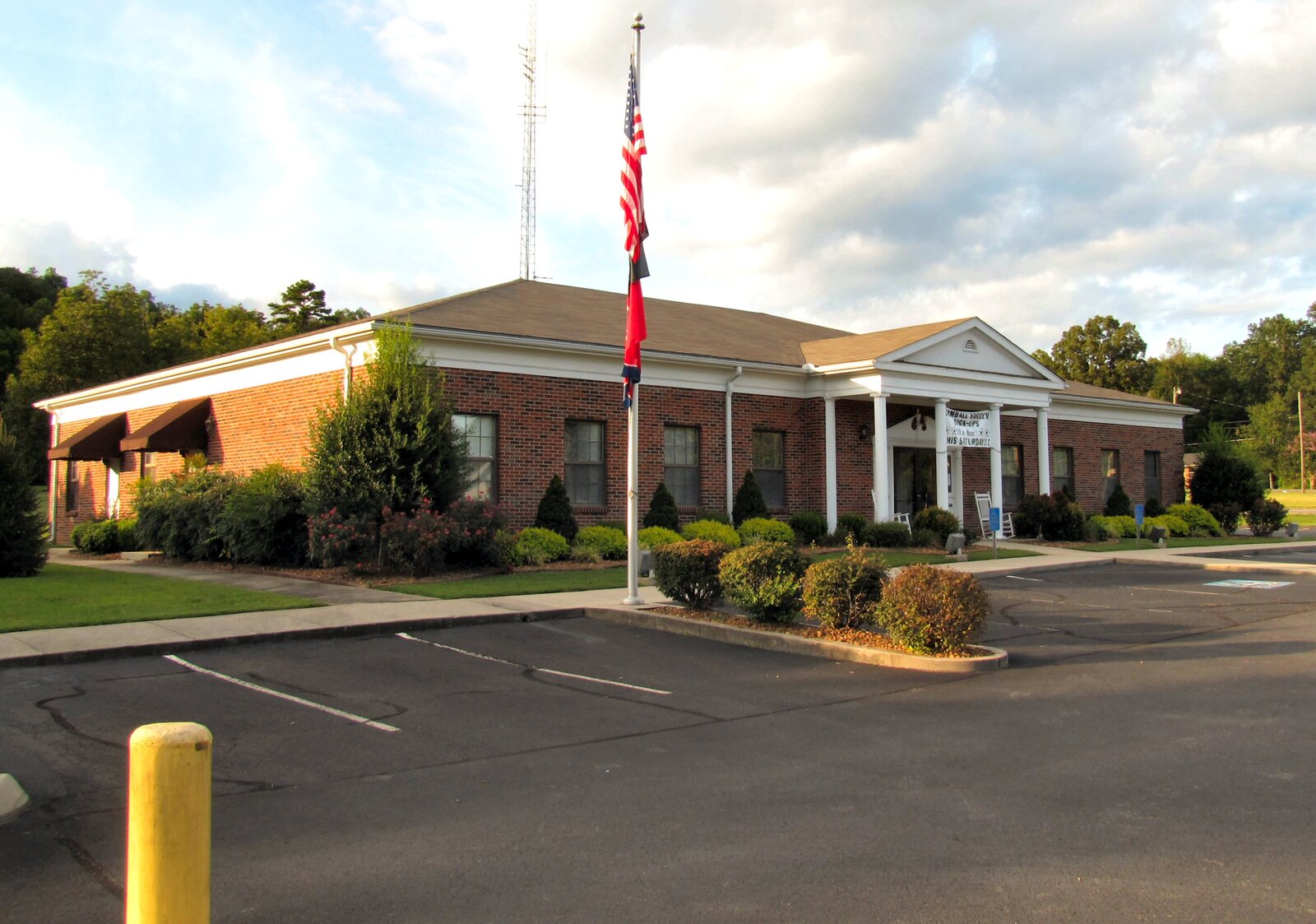
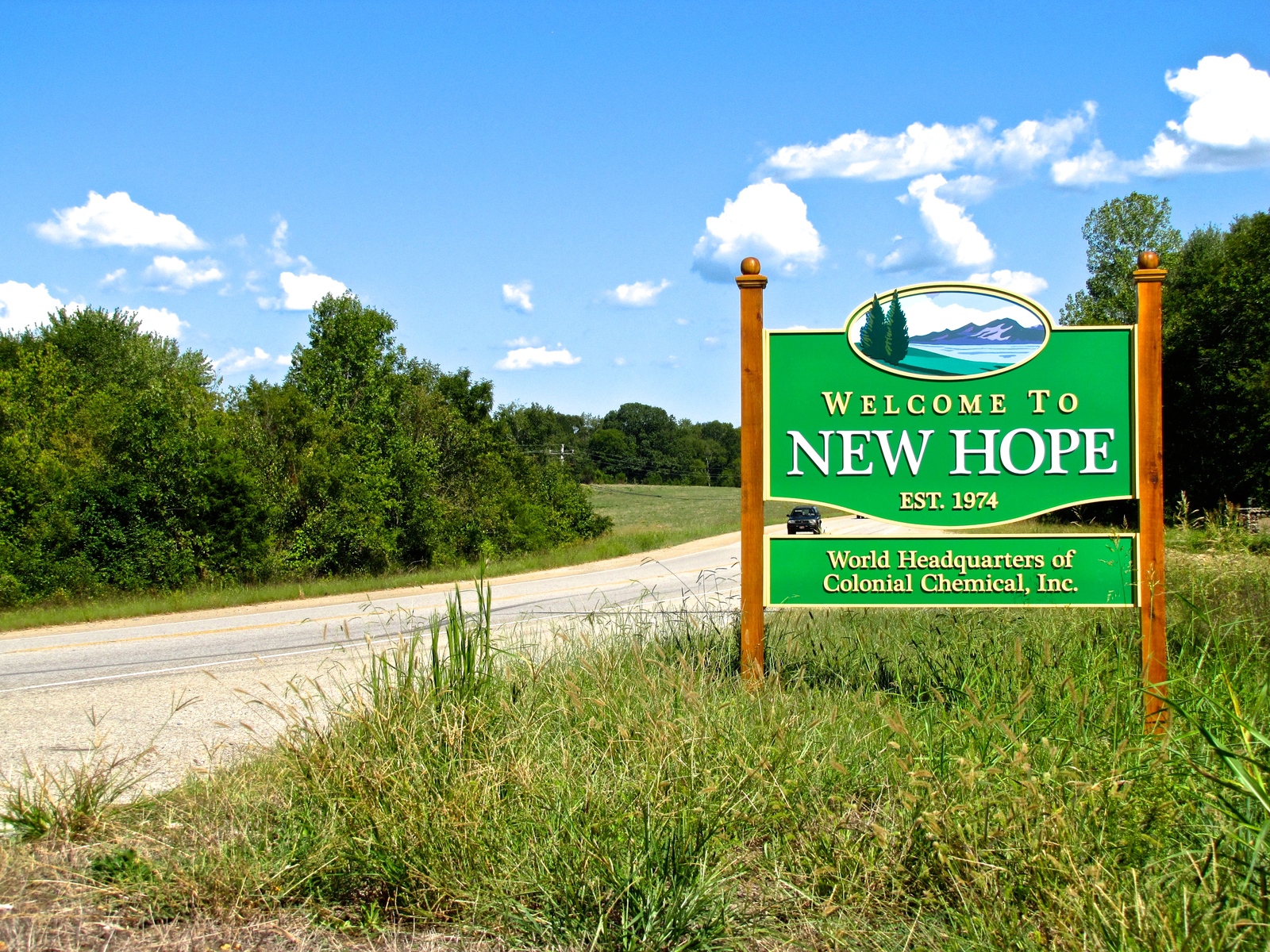
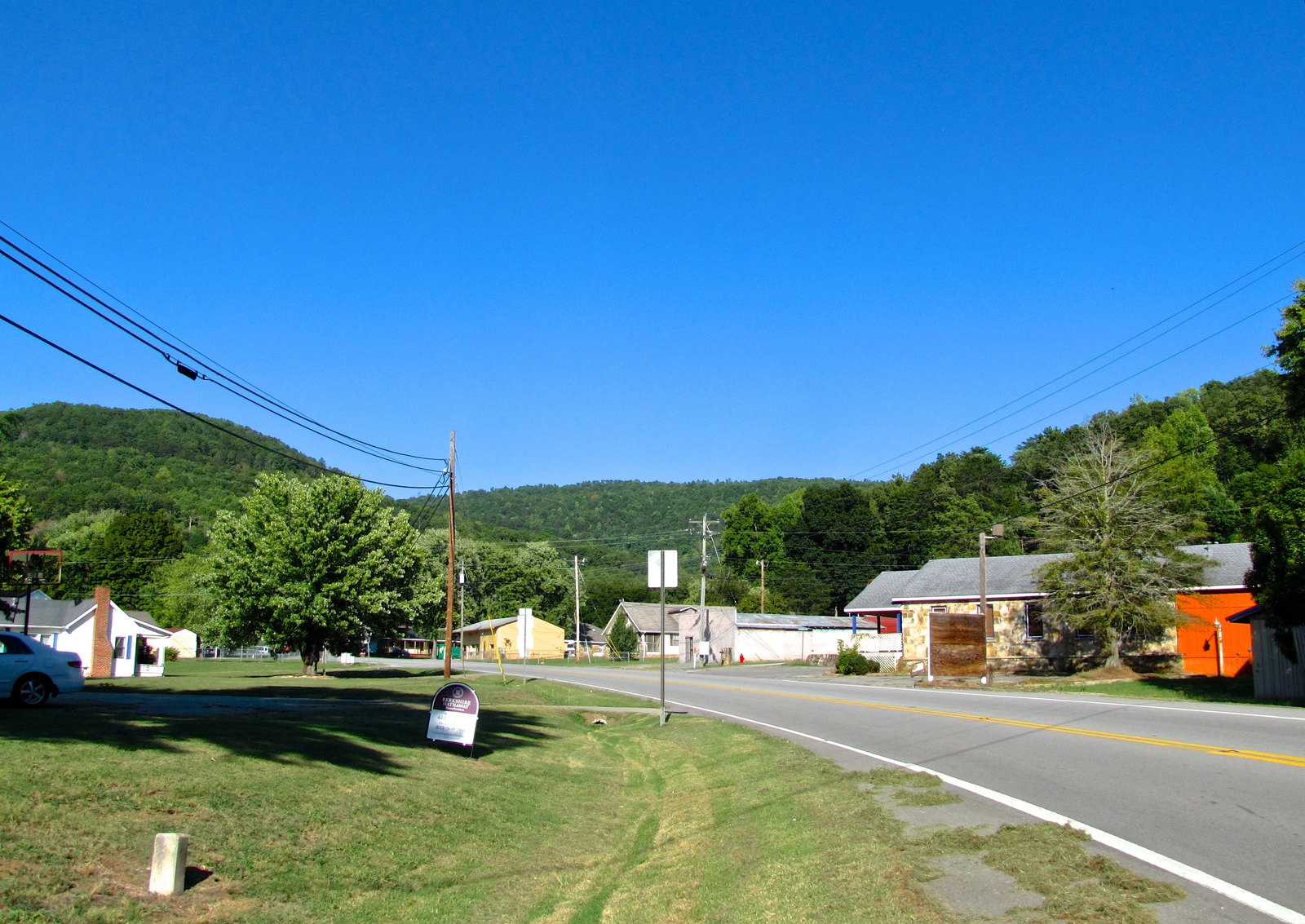
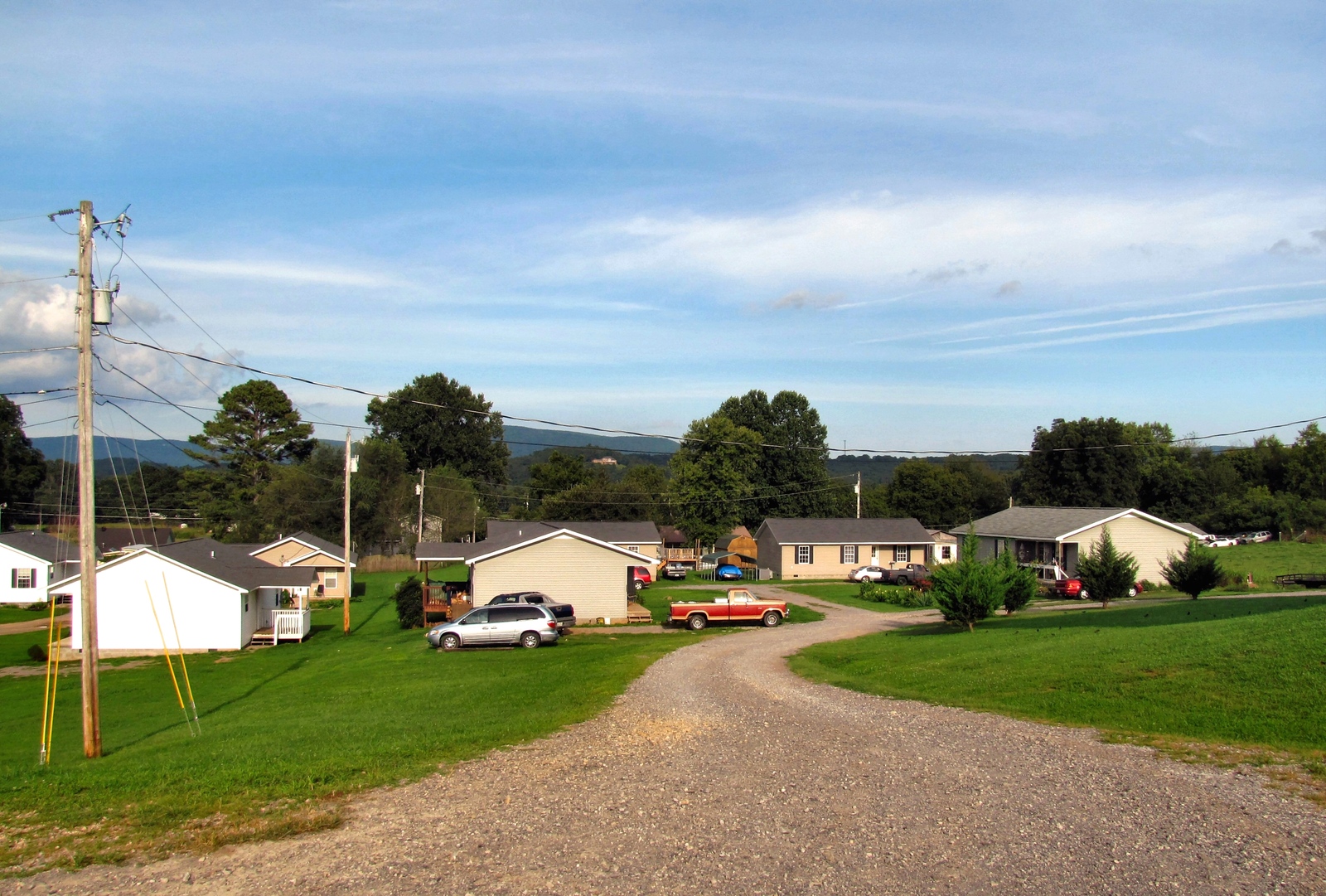
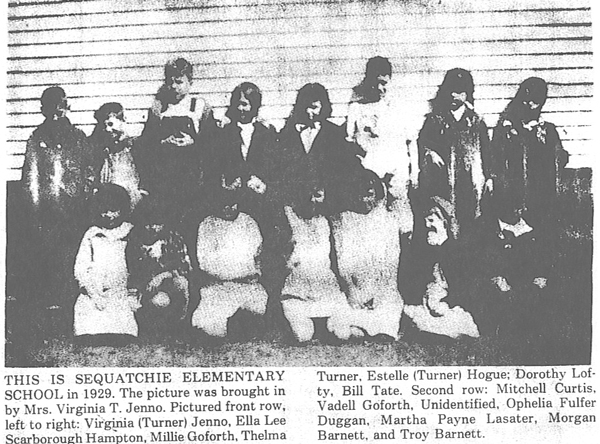
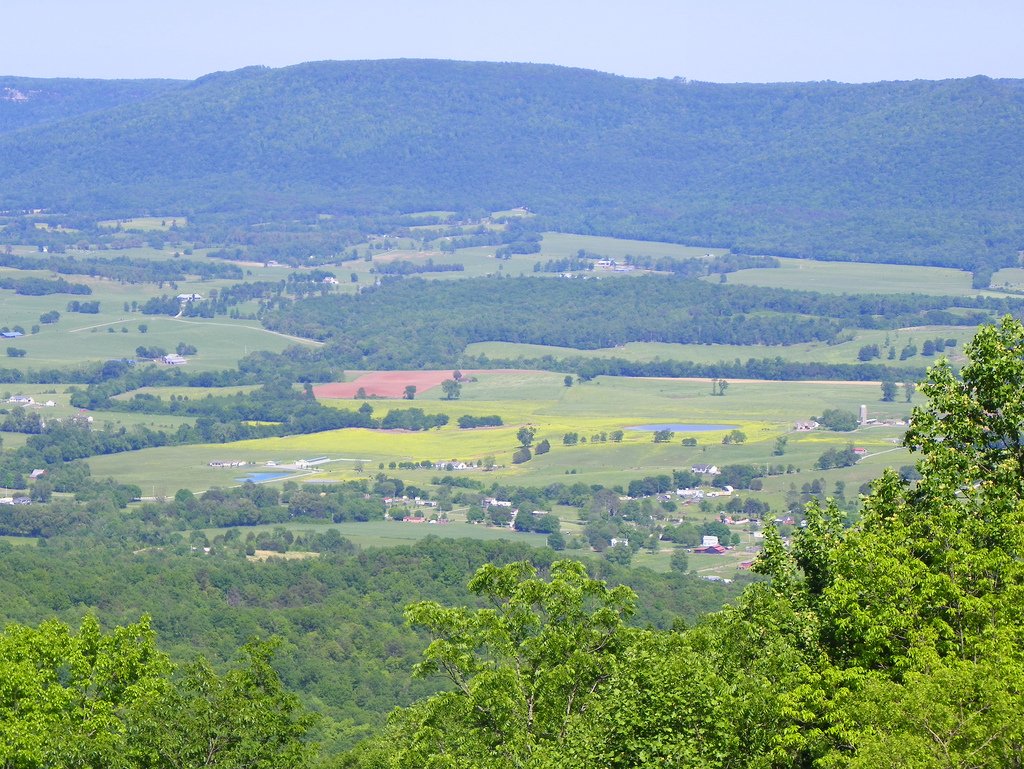
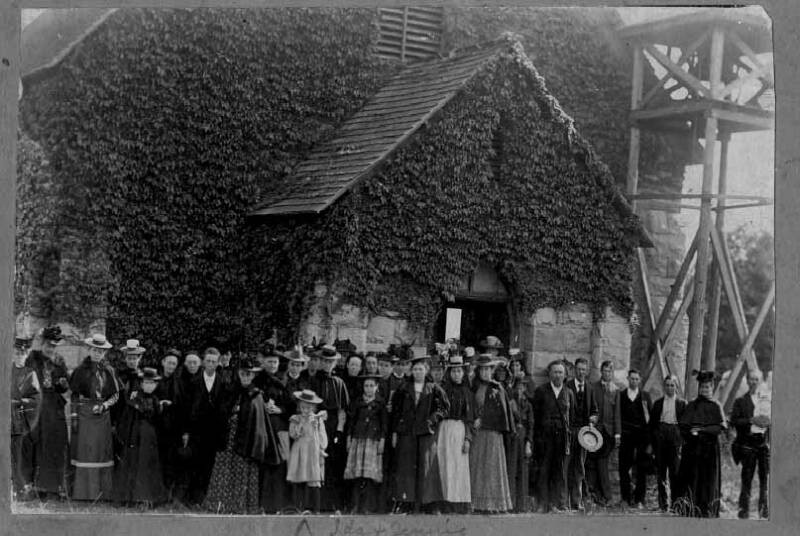
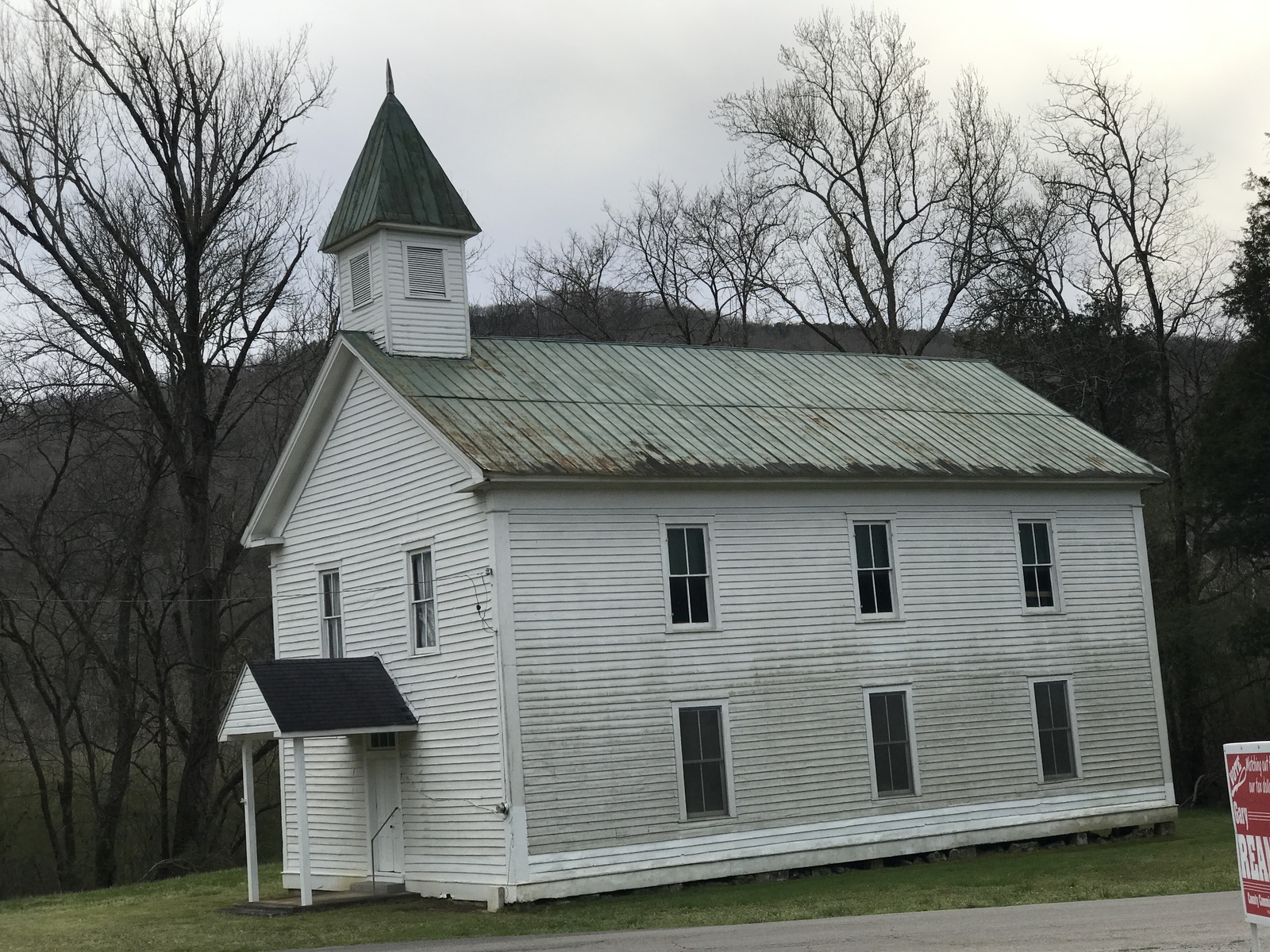
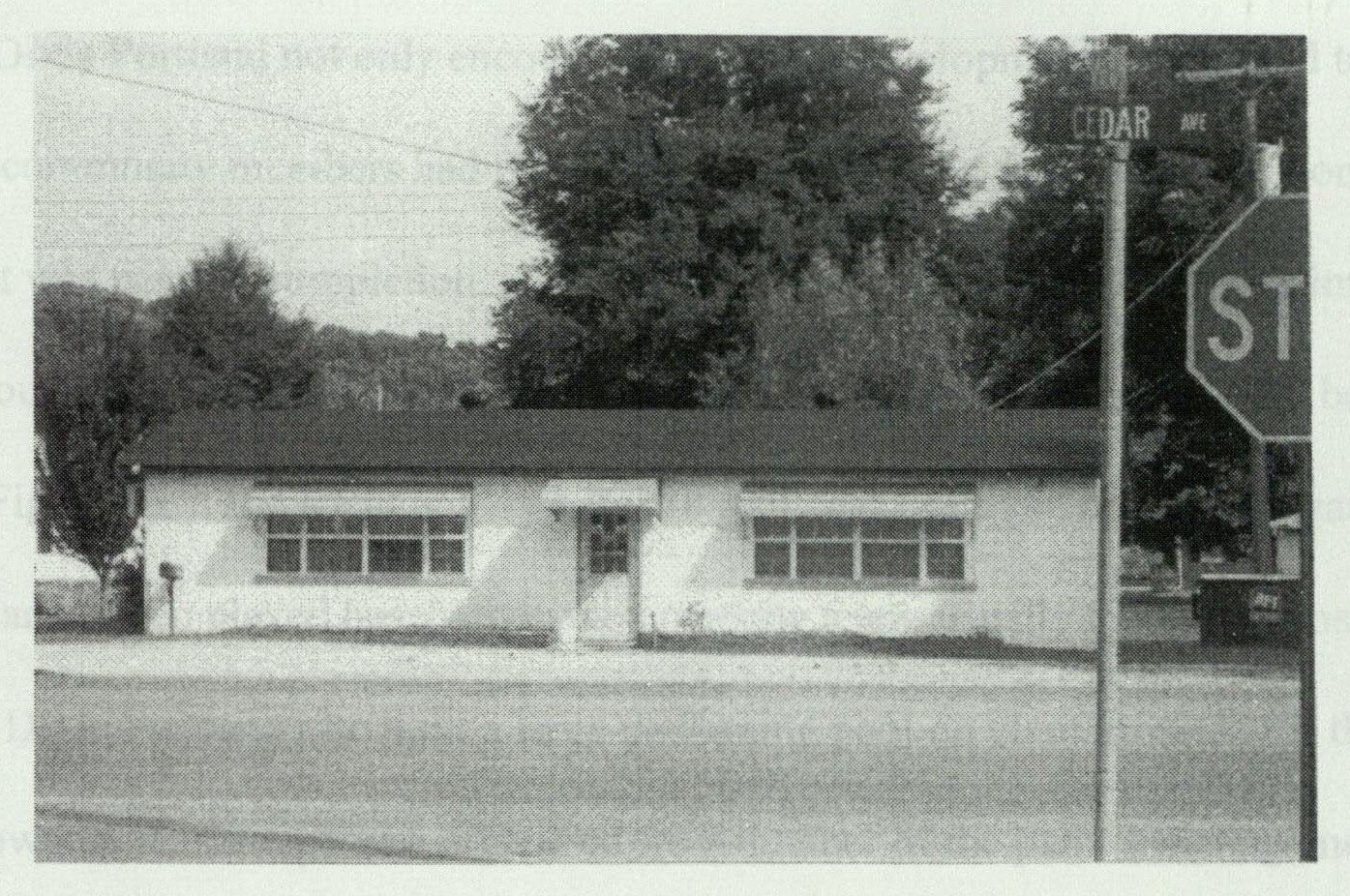
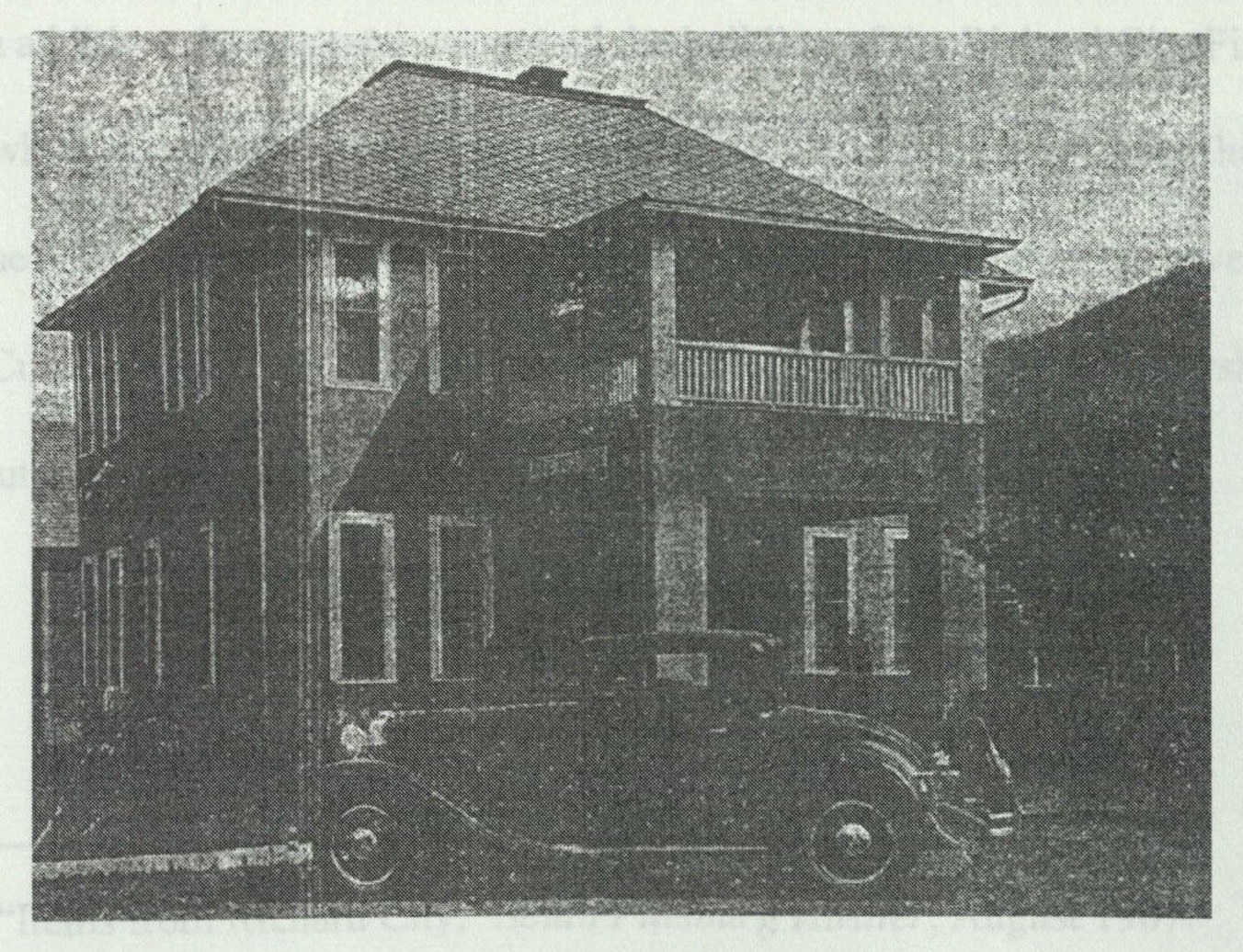
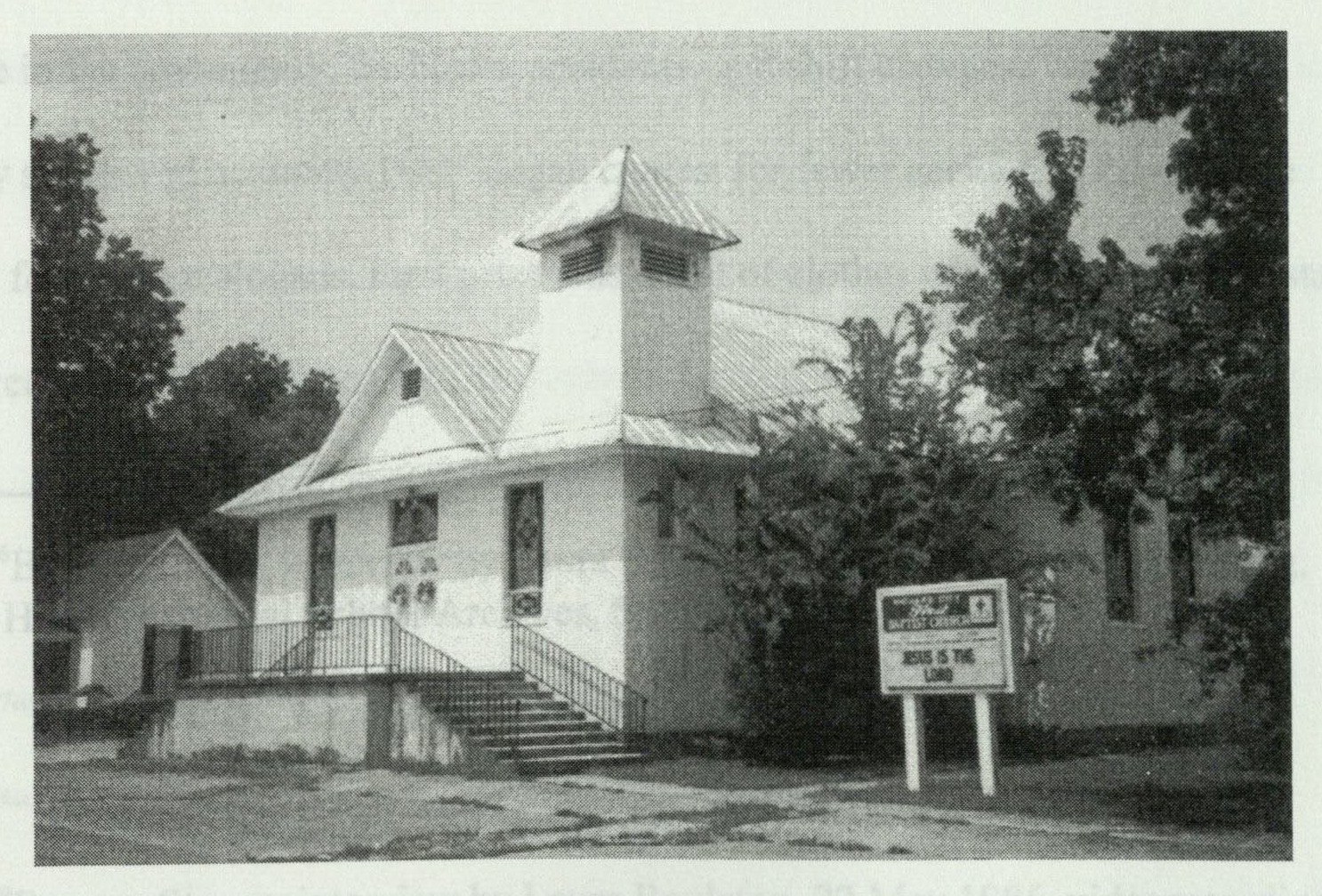
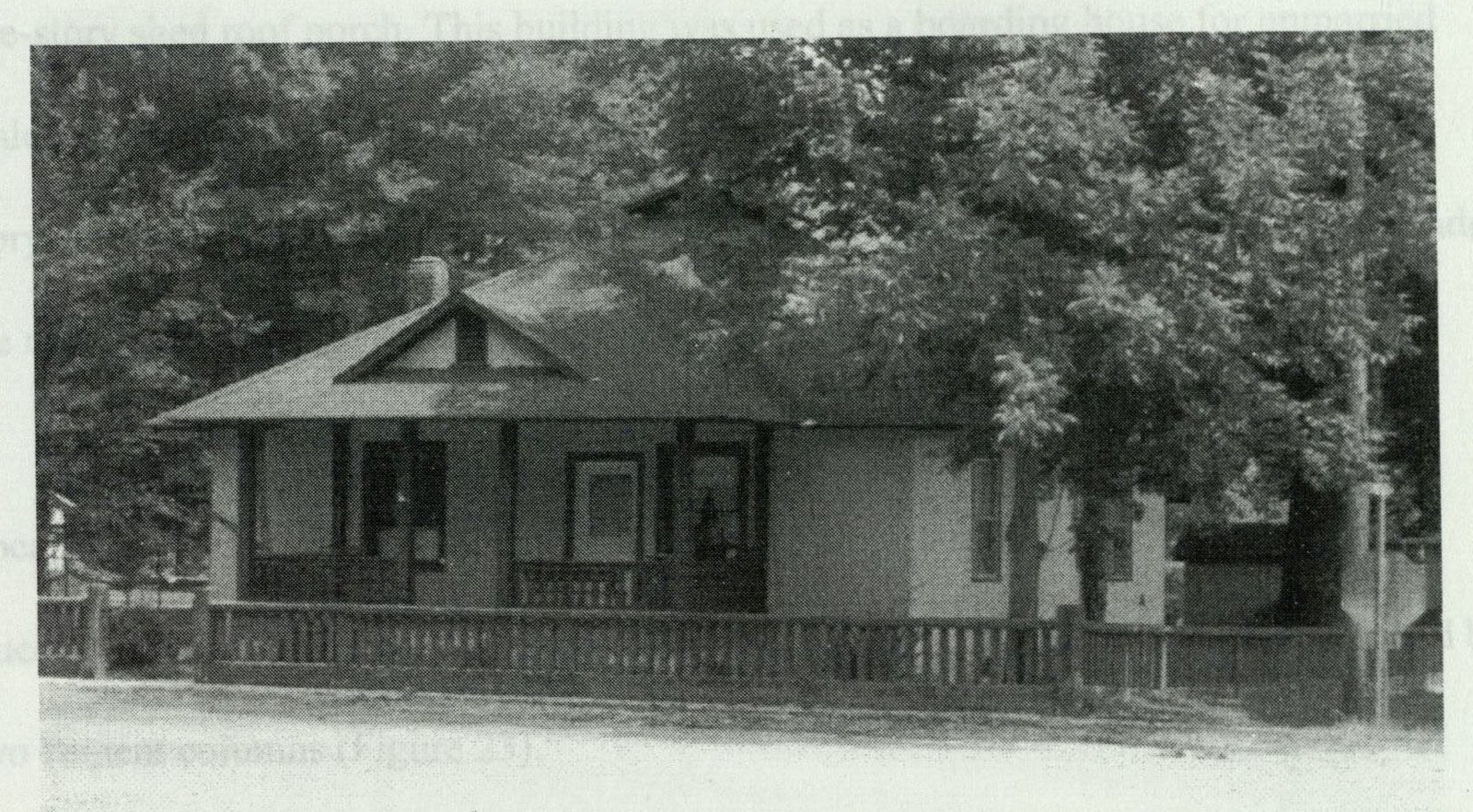
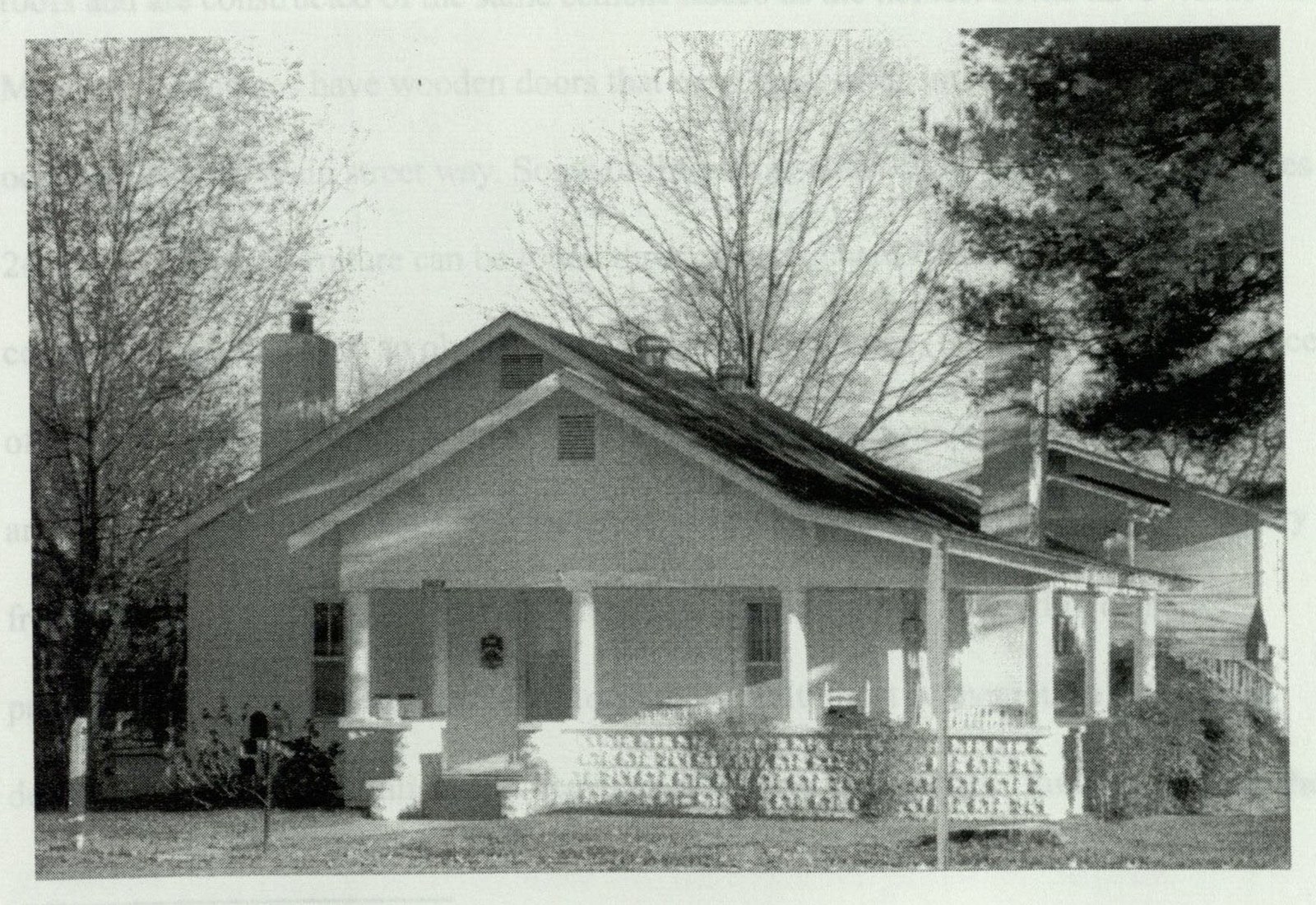
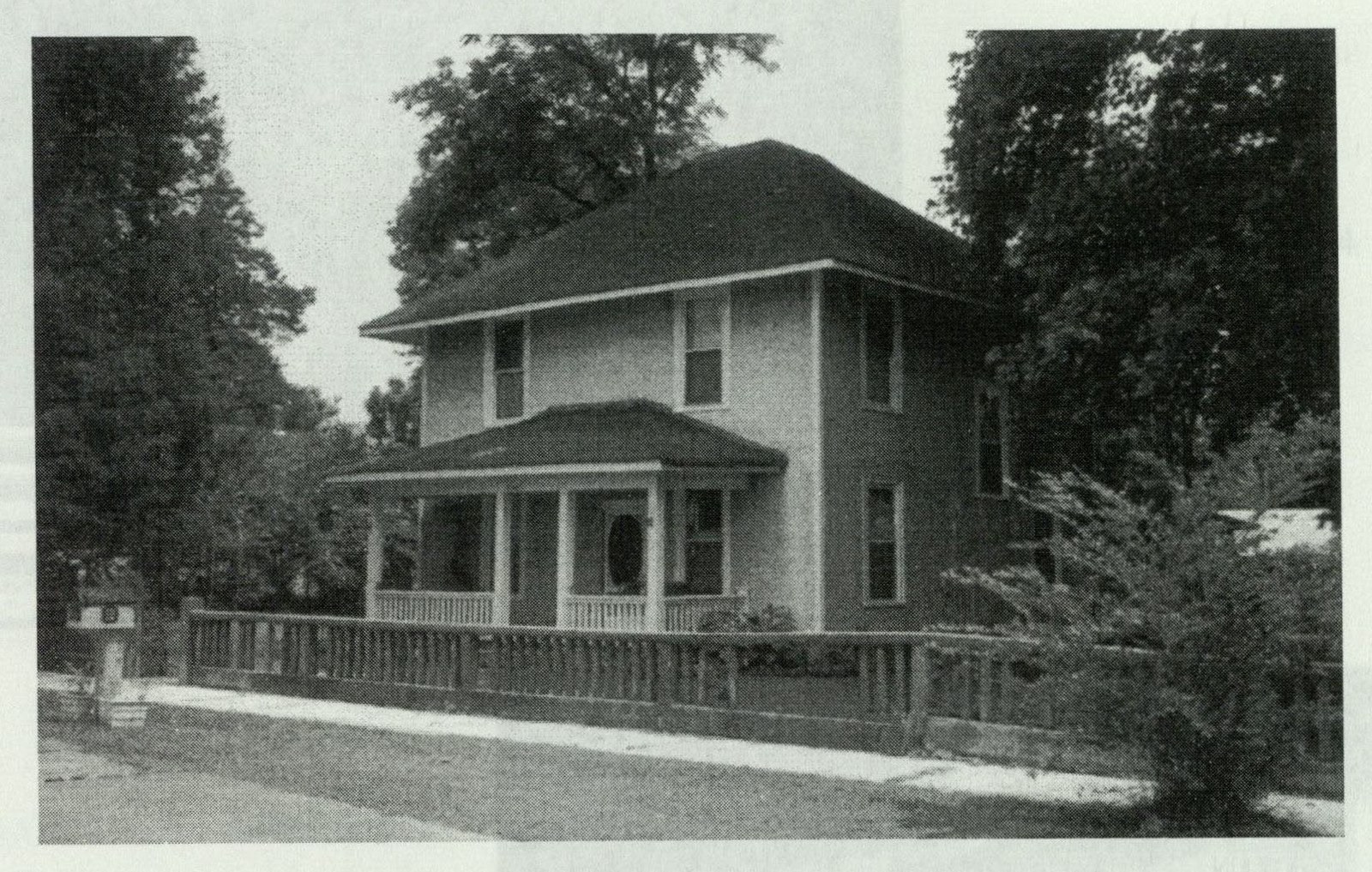
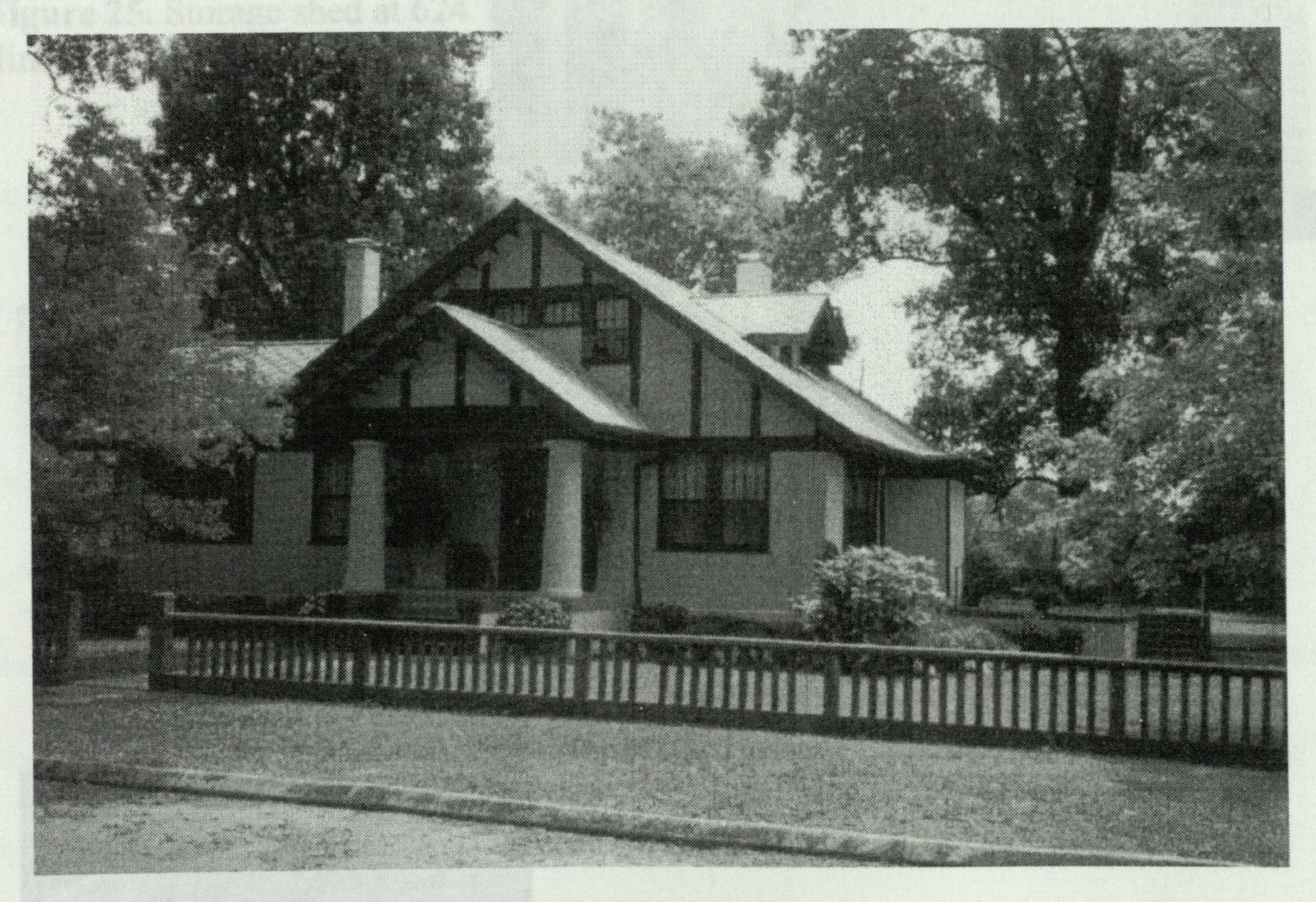
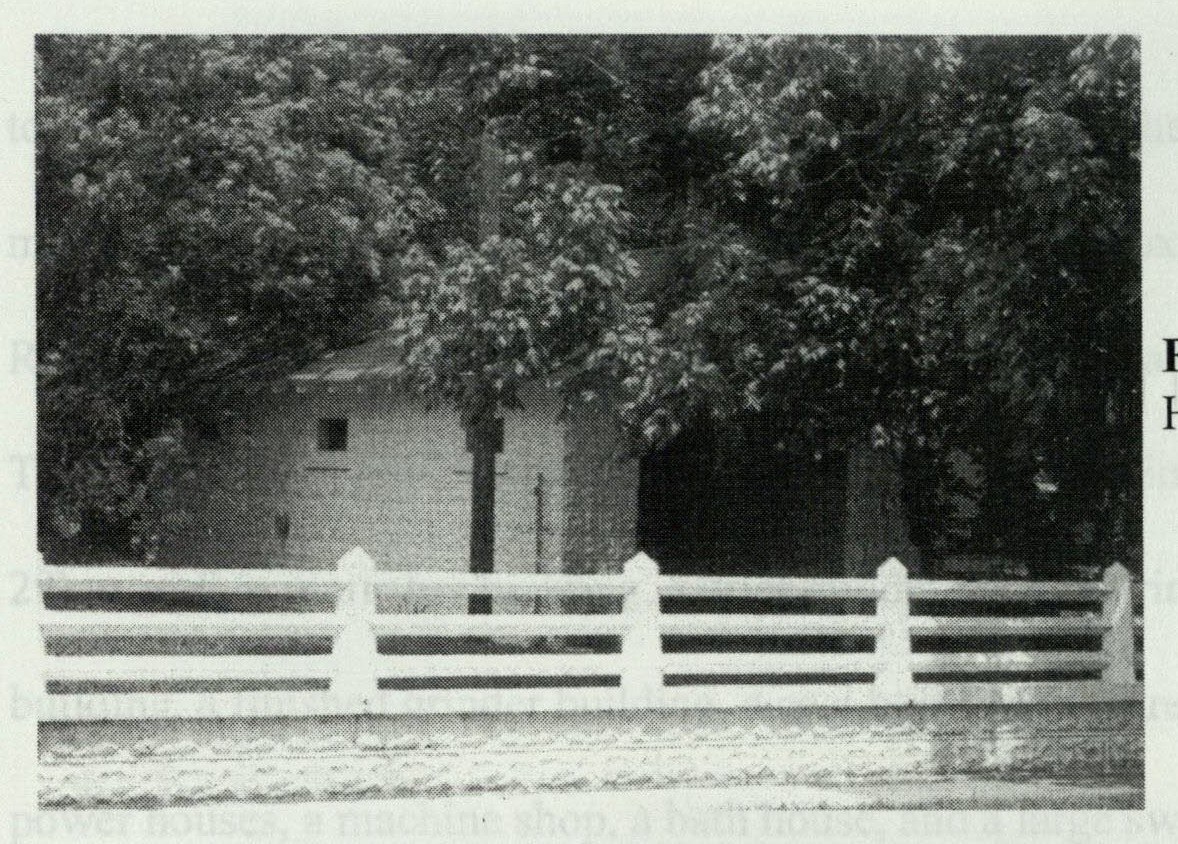
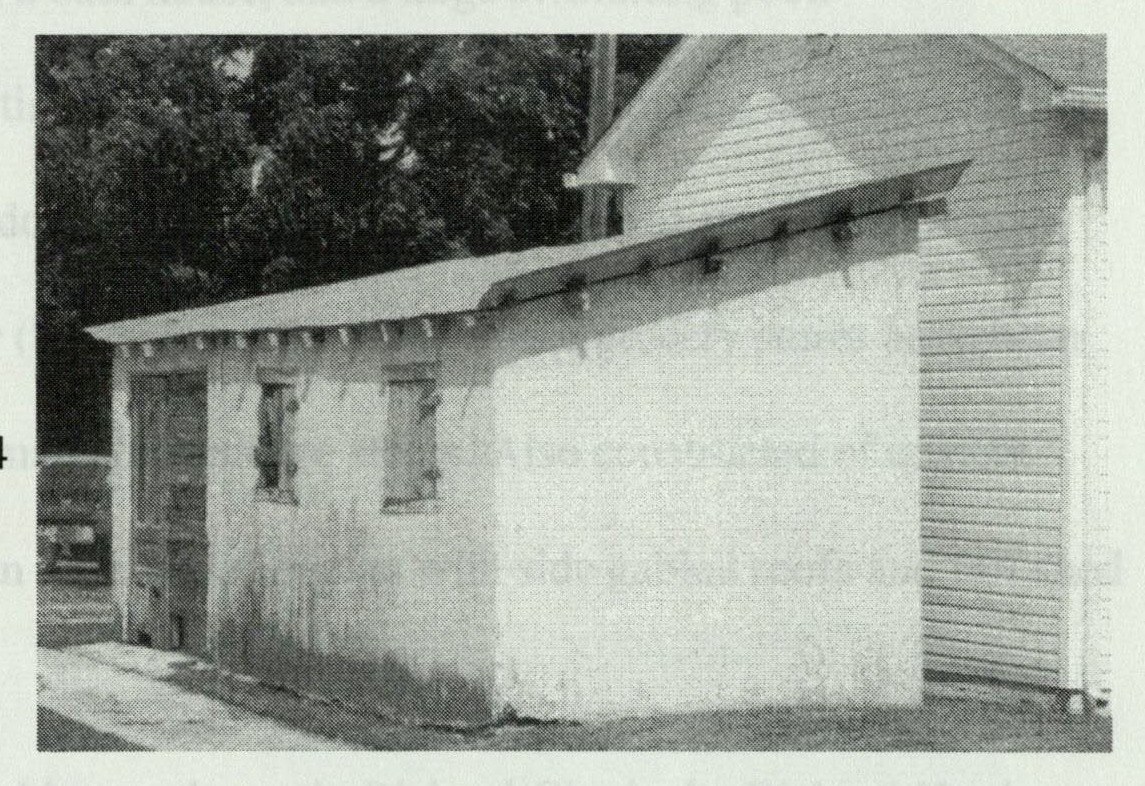
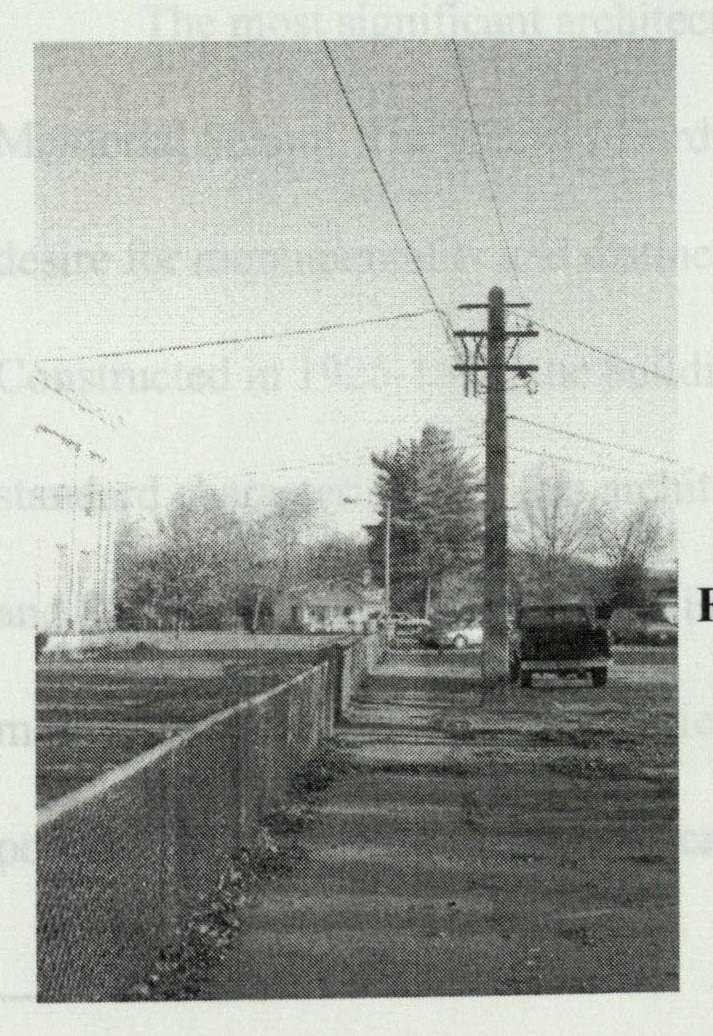
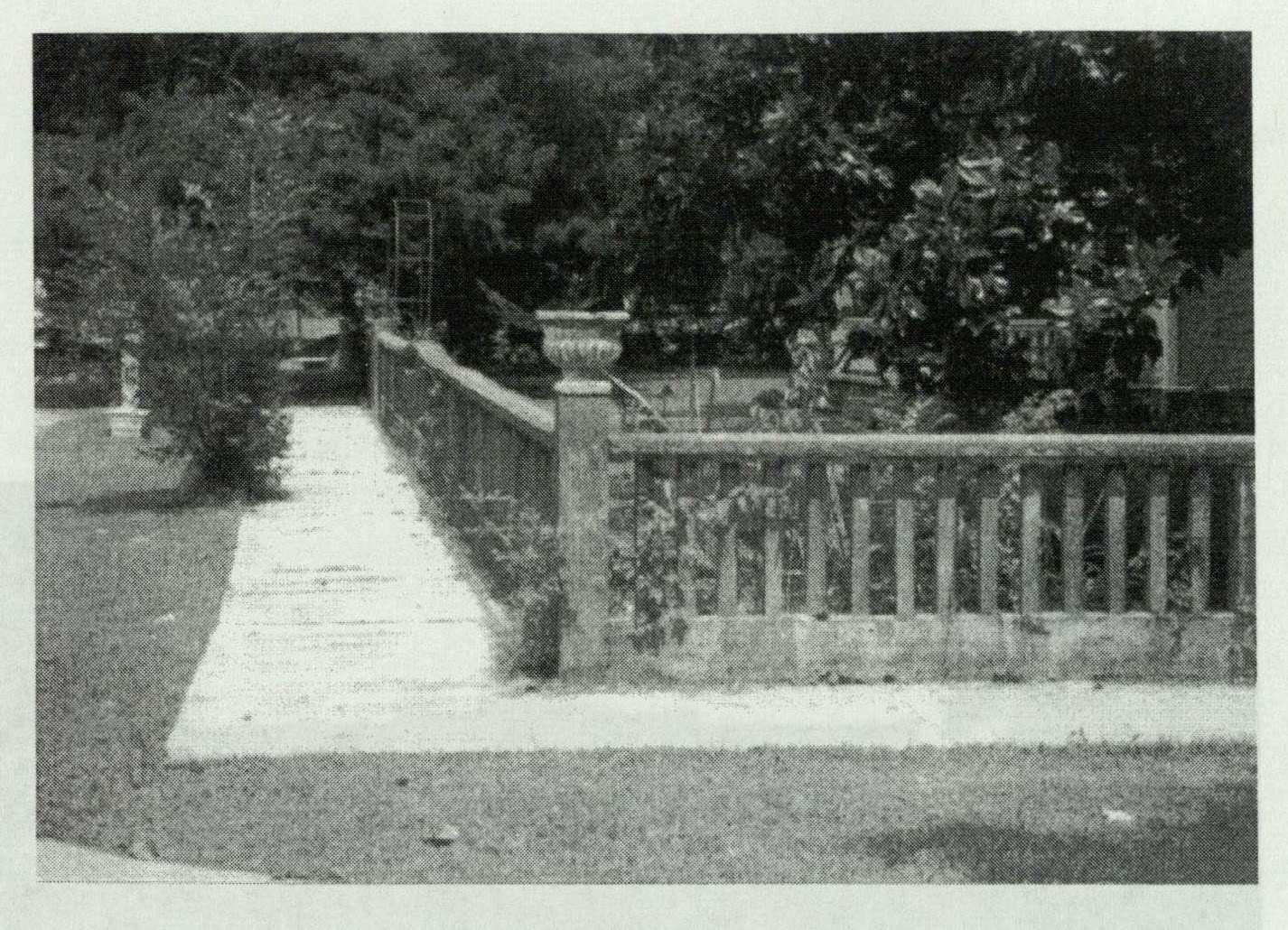
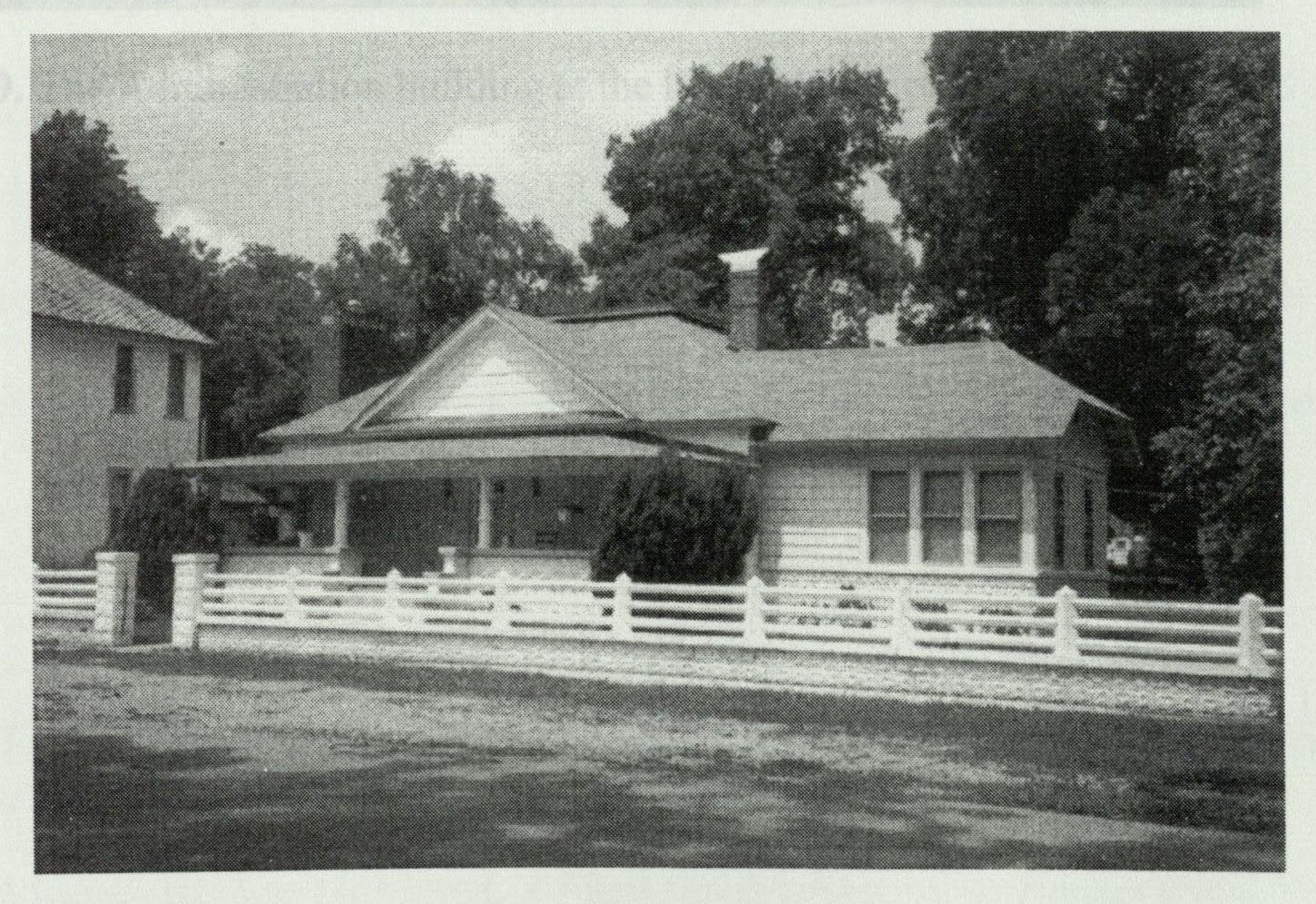
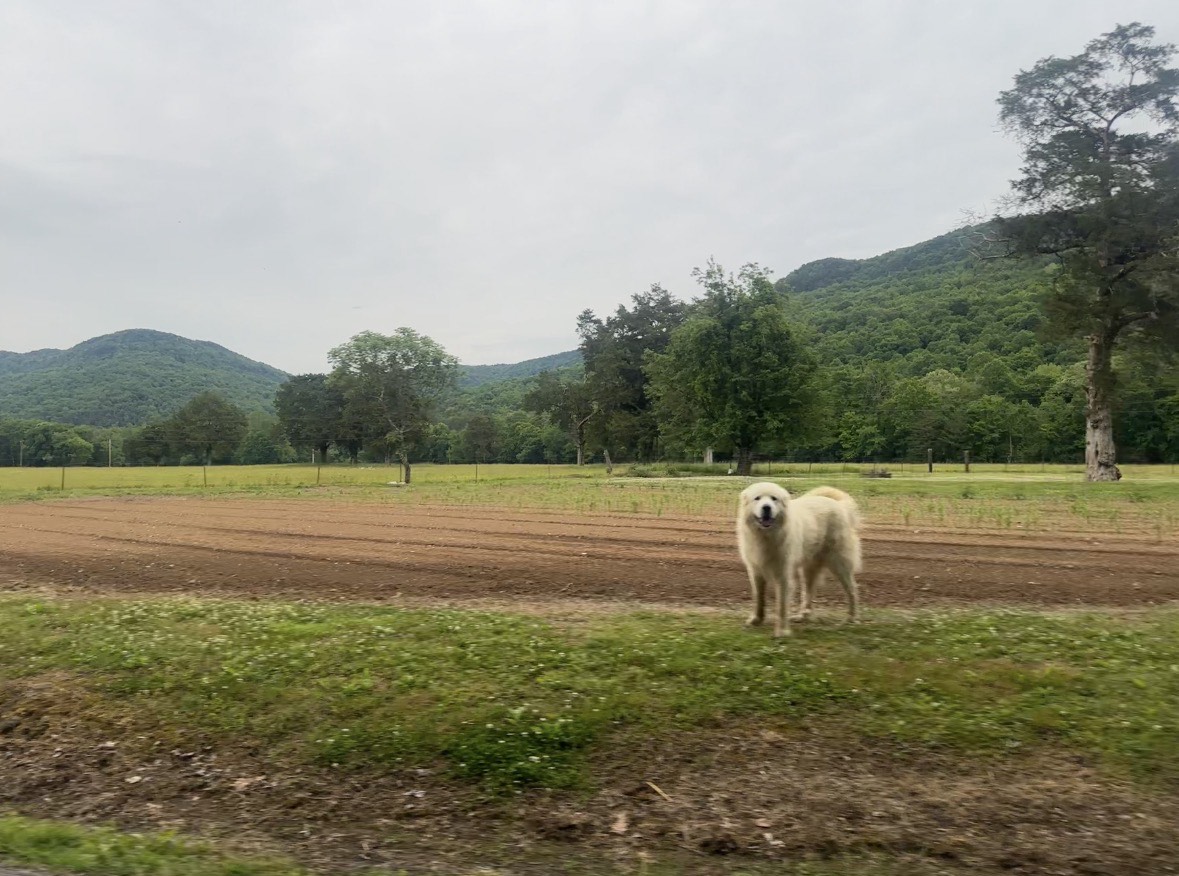
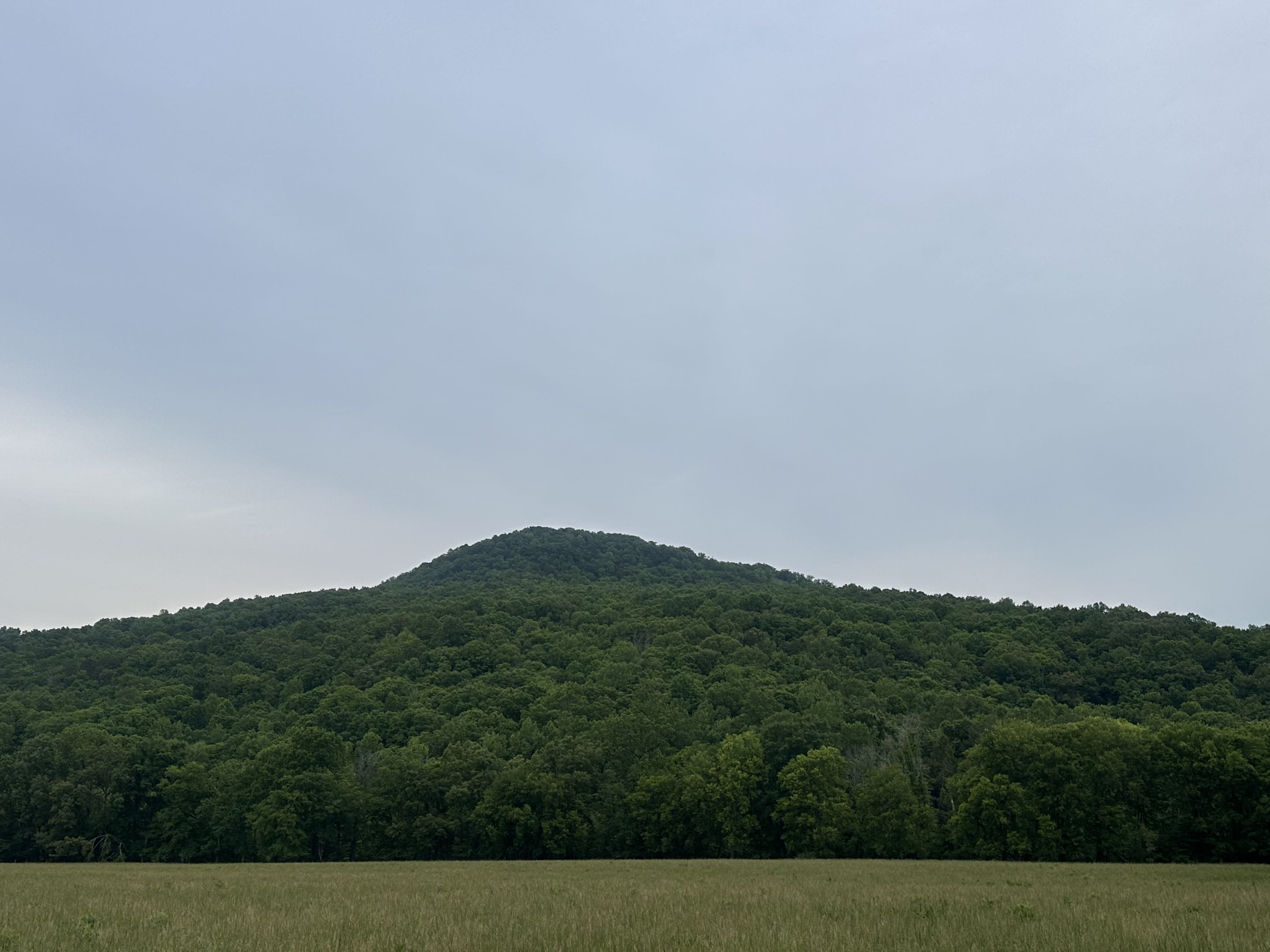
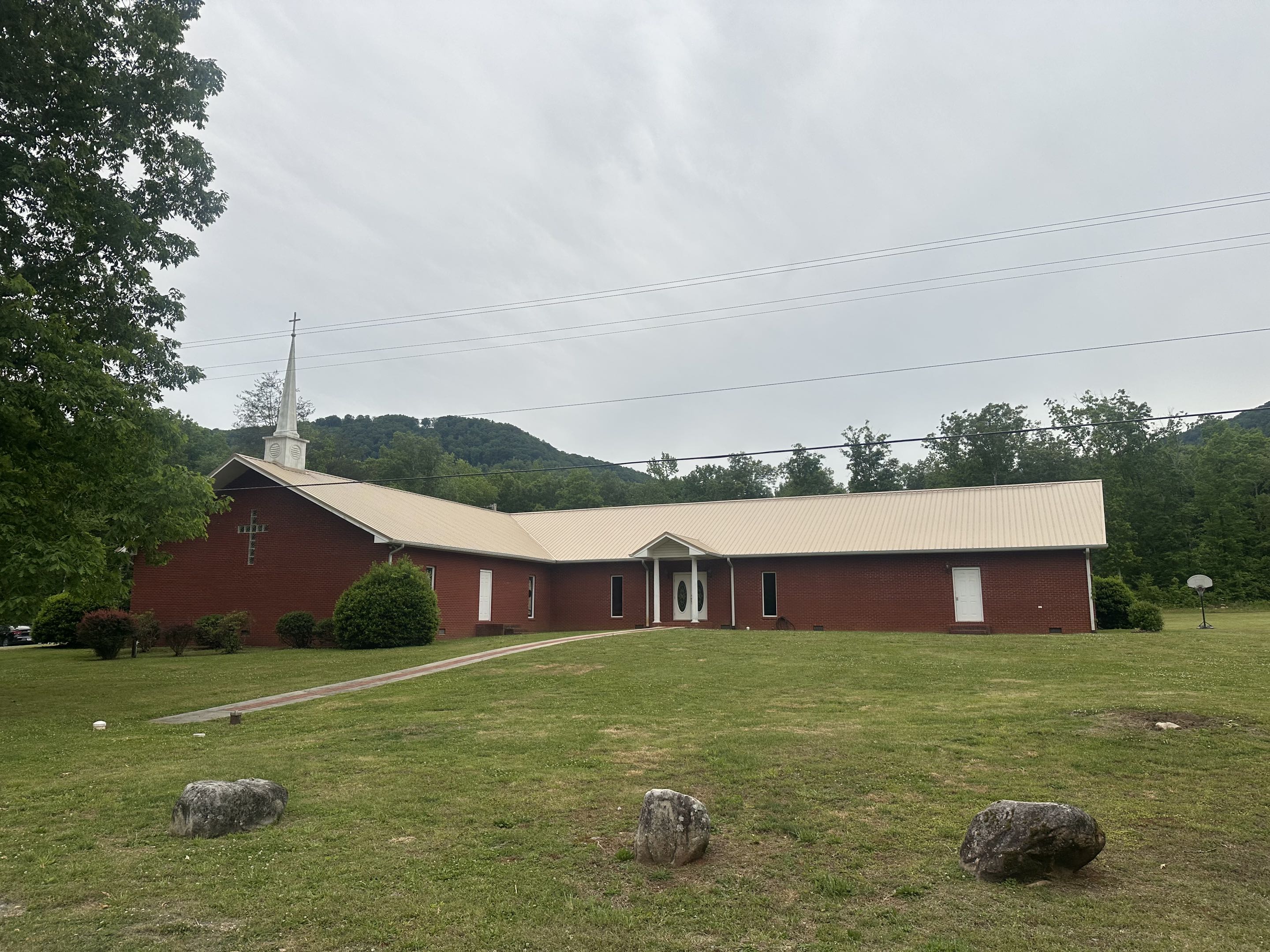
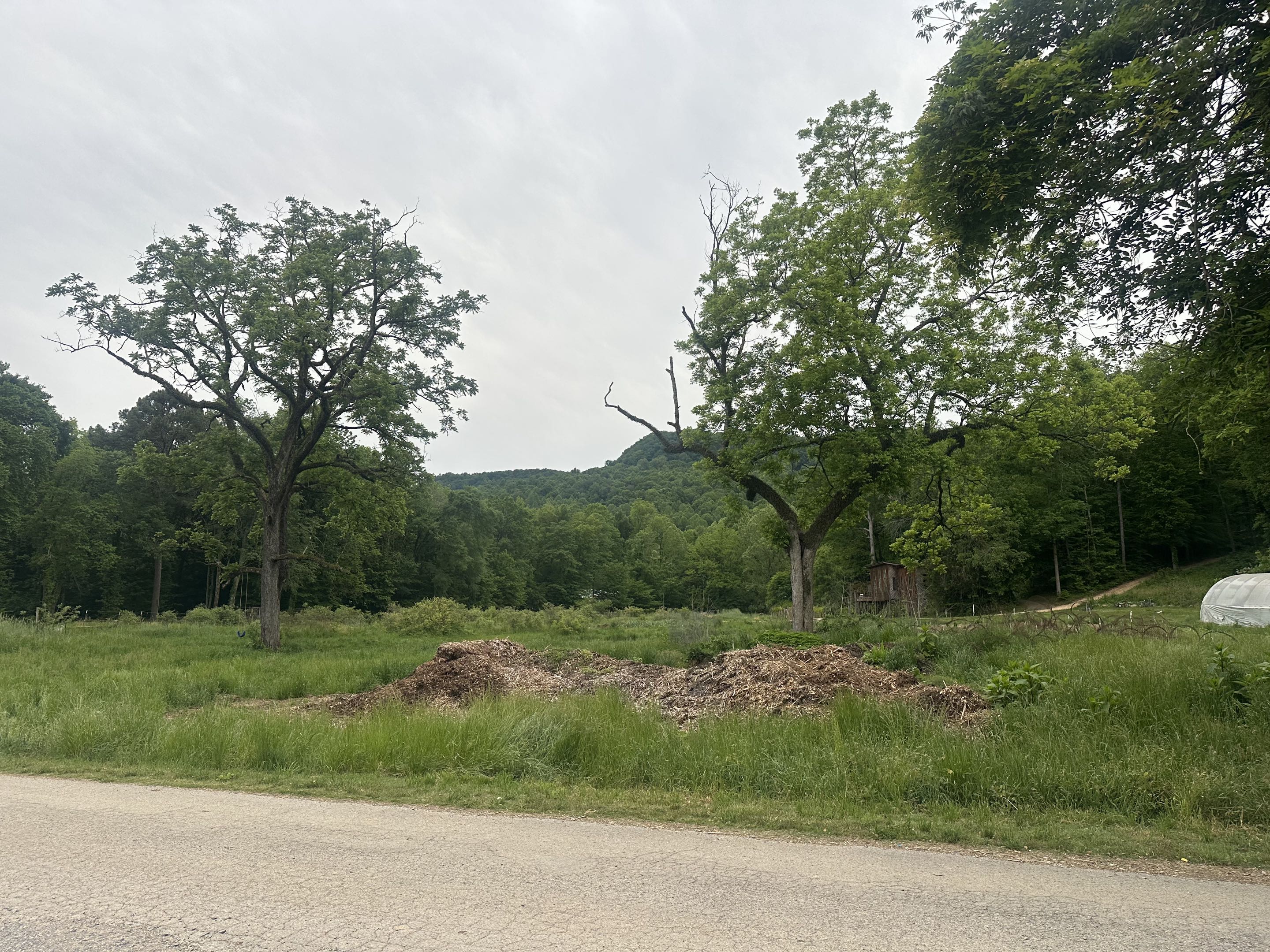
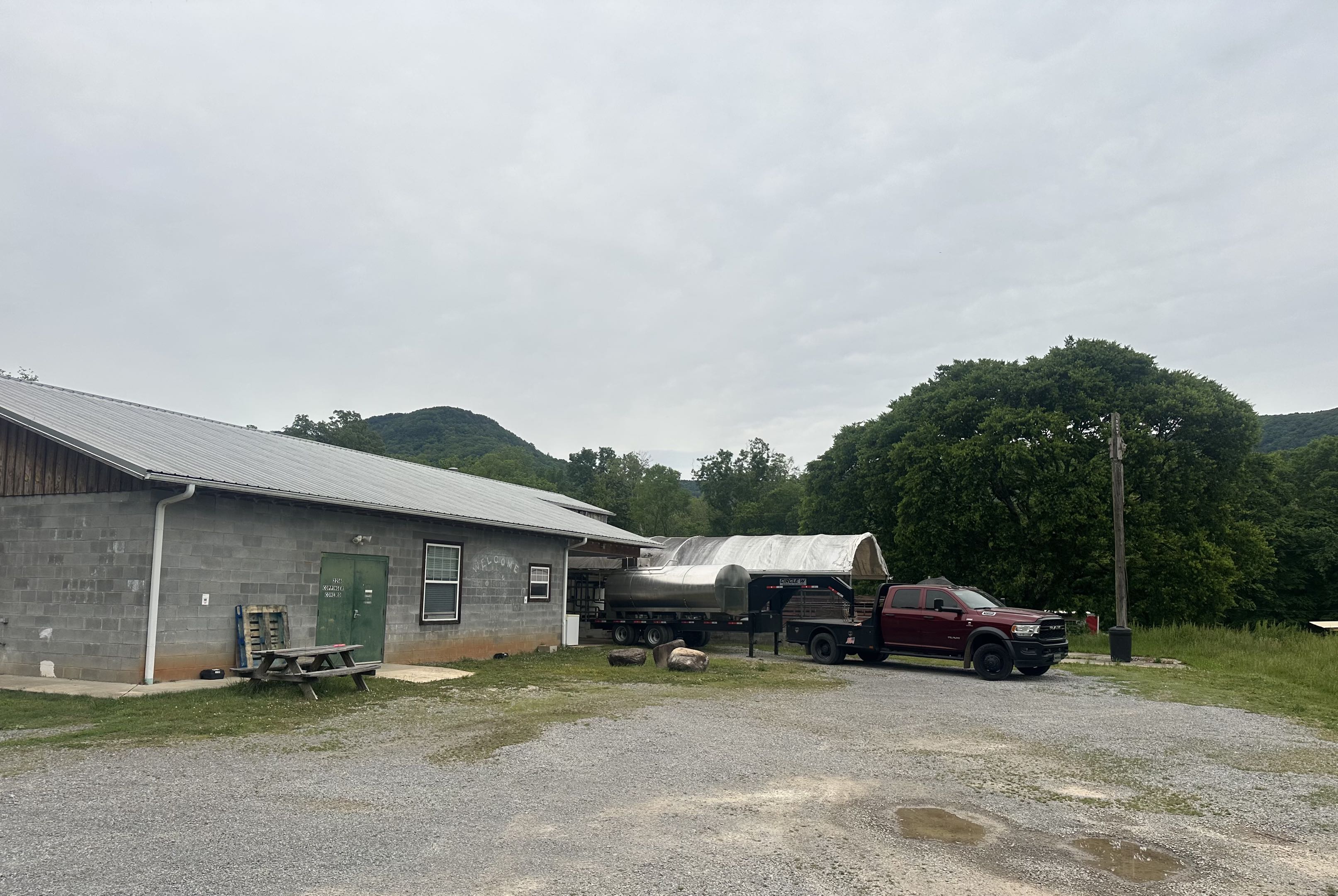
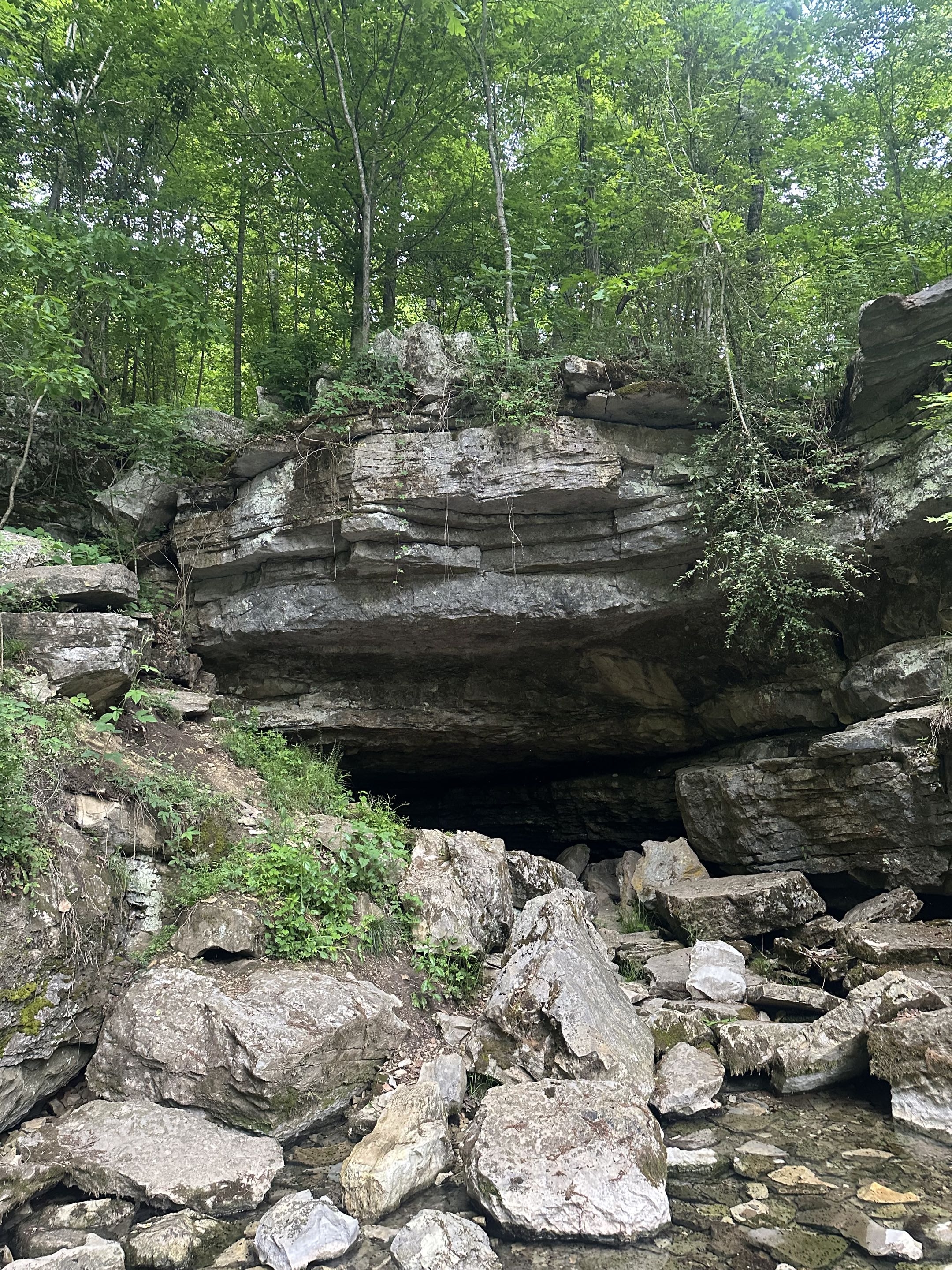
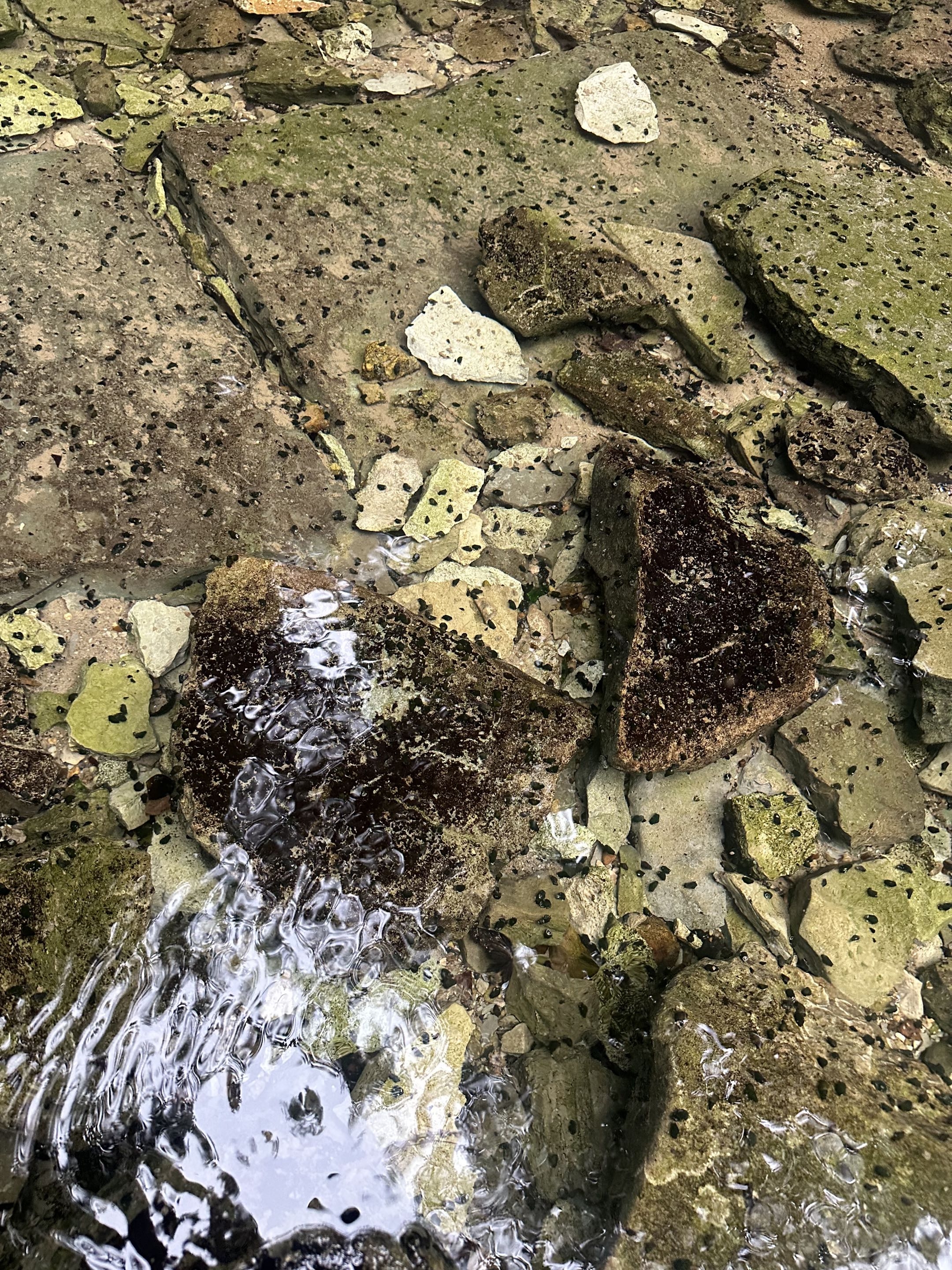
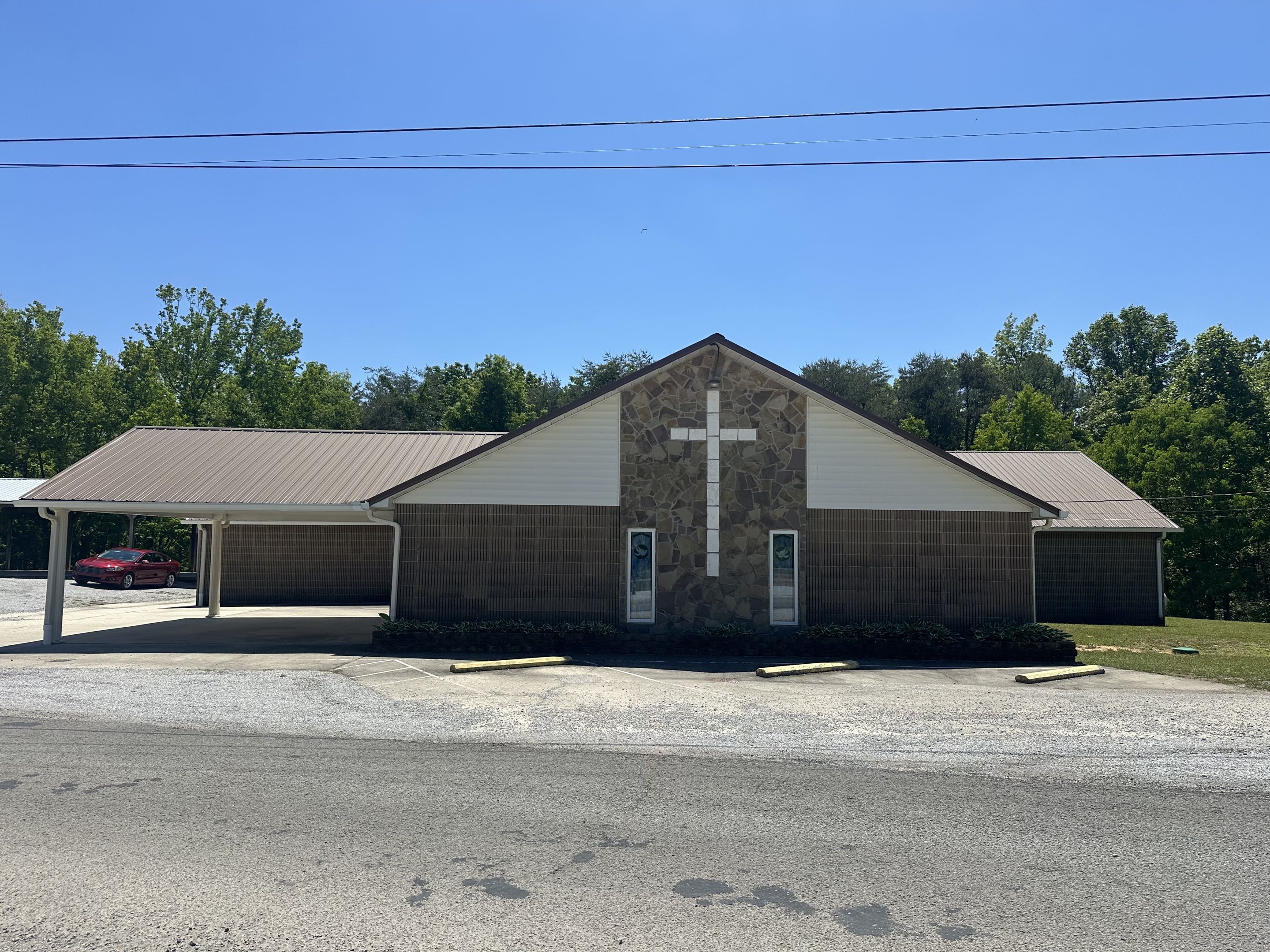
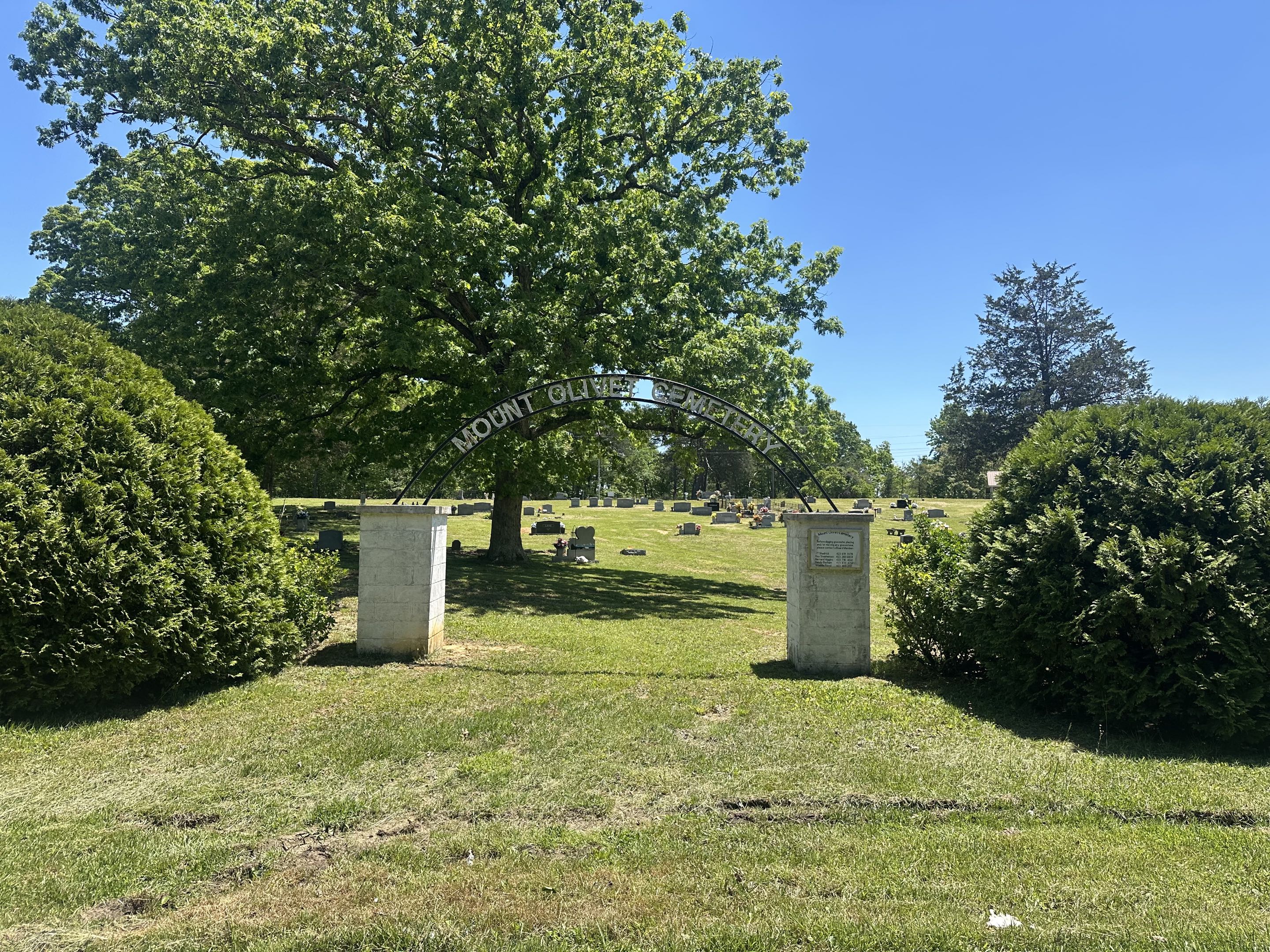
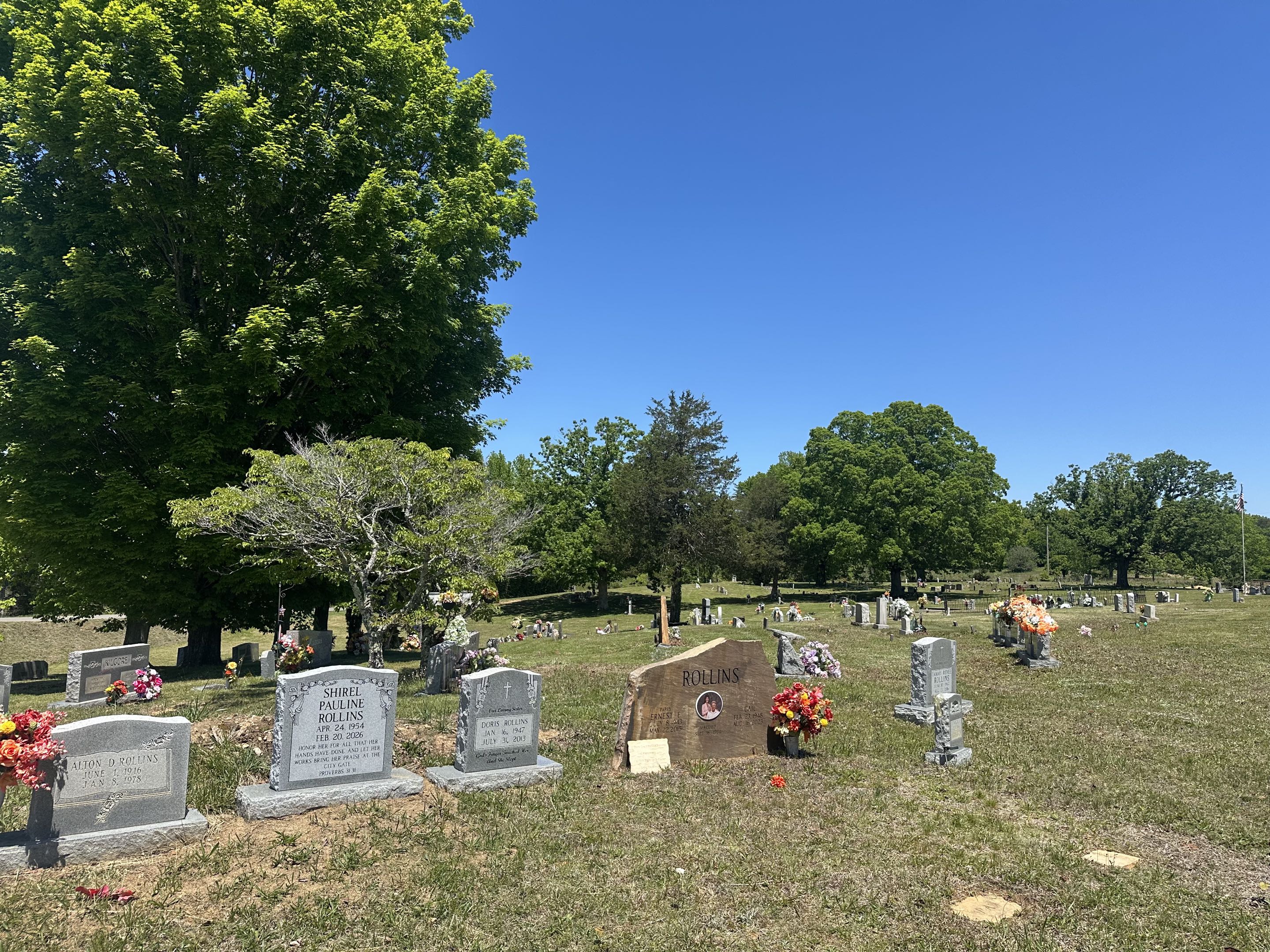
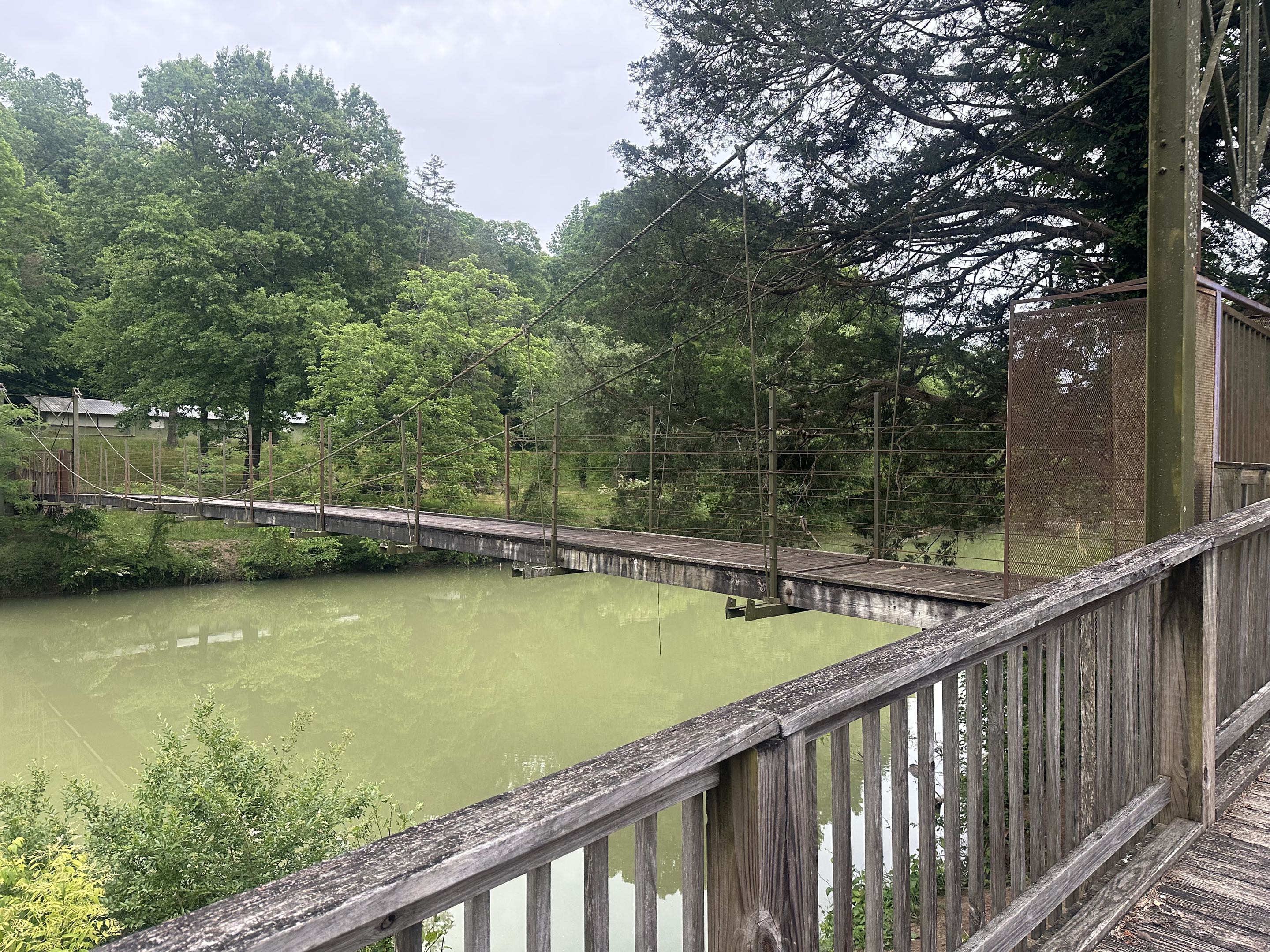
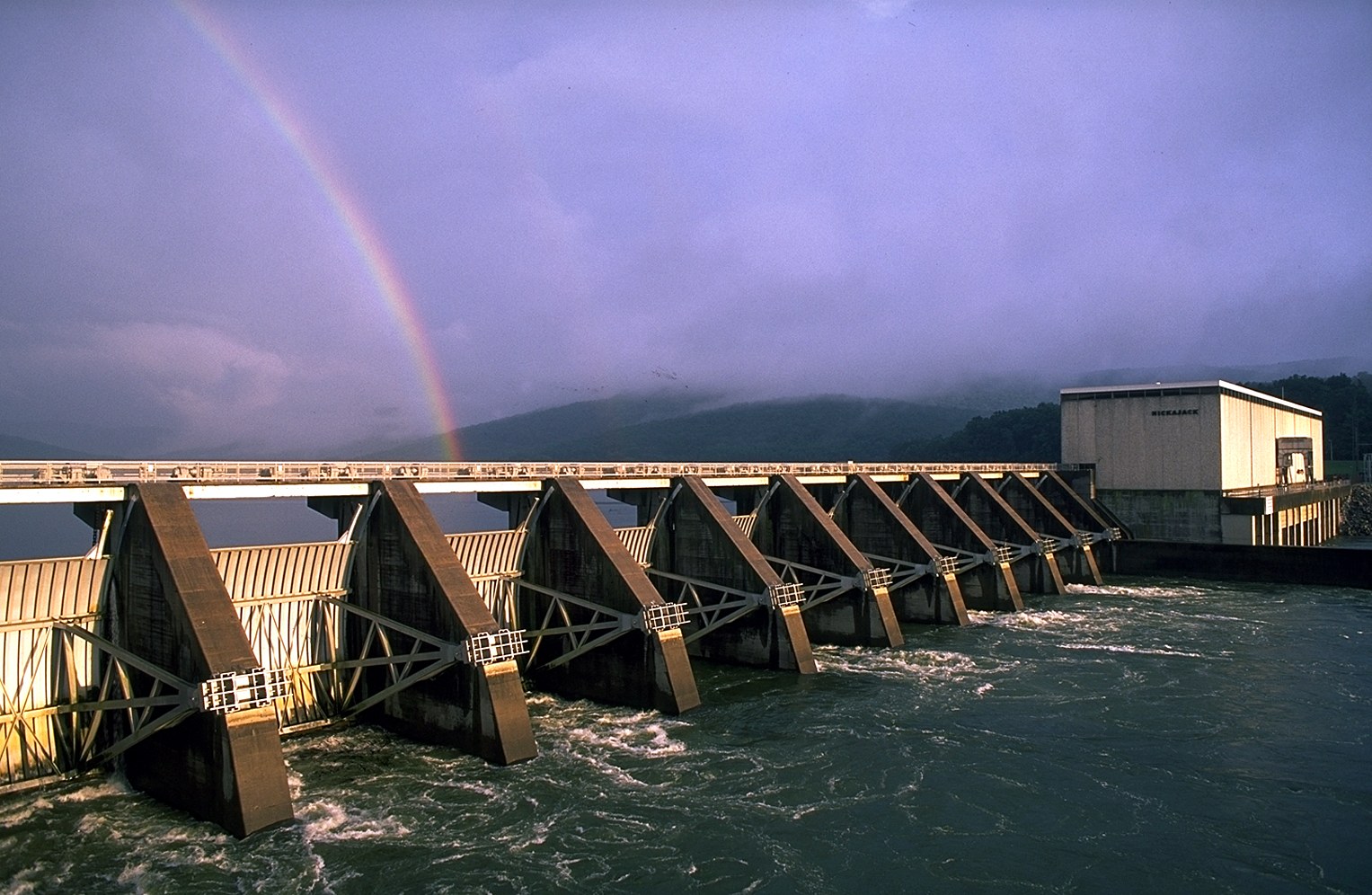
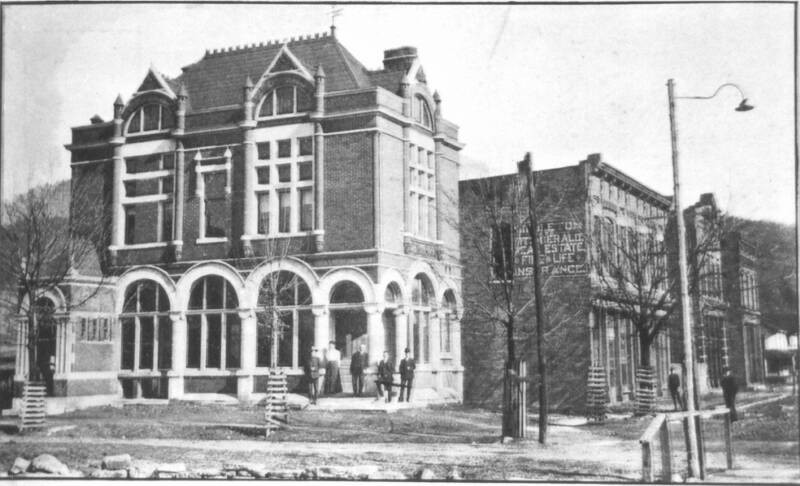
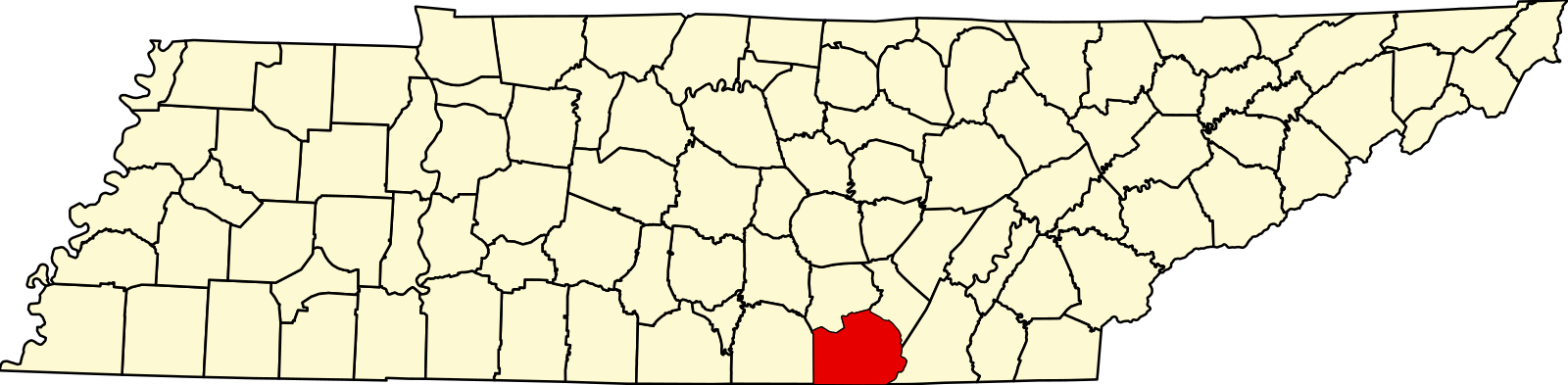
Sequatchie Valley Overlook: The heart of Marion CountyJasper Courthouse Square: County seat and civic centerThe Marion County Courthouse, completed in the mid-1920s after the 1922 fire. Photo: Tholcomb, CC BY-SA 3.0.South Pittsburg City Hall, built in 1887 as the First National Bank. NRHP-listed. Photo: Brian Stansberry, CC BY 3.0.South Pittsburg Princess Theatre: Historic entertainment venueWhitwell & the Cumberland Plateau: Mountain town backdropMonteagle Assembly Entrance: Historic mountain retreatOrme Railroad Depot: Connection to the NC&StL RailwayPowells Crossroads Town Hall: Small-town governanceTennessee River Gorge: Mathew Brady photograph, 1860sNickajack Cave: Historic cave with archaeological and cultural significanceNickajack Lake: TVA reservoir and recreation areaFoster Falls: Waterfall and natural heritage siteCumberland Trail: Long-distance hiking trail through Marion CountyWalls of Jericho (Tennessee side, 2016): The falls at the limestone box canyon at the Tennessee–Alabama line, reached on the TN trailhead in James D. Martin Skyline WMASequatchie River near Whitwell: The valley's namesake waterway in Marion CountyTennessee River Gorge: View from Julia Falls Outlook, 2023Foster Falls (1939): TVA photograph of the 60-foot waterfall on the Cumberland PlateauNickajack Lake from Sand Mountain (2013): Looking across the Tennessee River Gorge toward the north rim, where Mullins Cove lies below Raccoon MountainNickajack Lake from TN-377 (2016): Plateau-rim view of the lake with the Tennessee State Route 156 causeway crossing below; the same ridgeline carries Aetna Mountain Road up to the hamlet inlandHales Bar Road at Haletown (2016): North-bank river road opposite the former Ladd worker village, threading between Nickajack Lake and the gorge wallsGriffith Creek at TN-108 (2015): The plateau-bench creek that gives the small Cumberland Plateau community of Griffith Creek its name, along the TN-108 corridor between Whitwell and PalmerTN-108 near Palmer (2015): The plateau-bench road corridor that carries TN-108 north out of Marion County toward southern Grundy County, threading the small communities of Griffith Creek and PalmerTennessee River Gorge from Julia Falls Outlook (2023, alternate view): A second look down the gorge from the outlook in Prentice Cooper, near the stretch where Suck Creek enters the river from the north bankRural Marion County farm (2014): Small-farm landscape representative of the plateau coves and Sequatchie Valley bottomlands, including the country around Ladds Cove at the Battle Creek headwatersTN-28 and TN-283 at Whitwell (2015): The Sequatchie Valley road corridor through Whitwell, the spine that runs south past Mineral Springs at the lower end of the valleySequatchie Valley from a Marion County ridge (2010): View out over the same Sequatchie Valley that Jasper Highlands fronts from the Jasper Mountain rimNickajack Cave from across the lake (aerial): cave mouth set into the forested hillside above the green water. Community photo: Johnny Byers.Nickajack Cave entrance (close aerial): limestone bluff and cave mouth with the green-tinted lake water. Community photo: Johnny Byers.Nickajack Cave in summer, with buoys visible marking the protected bat habitat. Community photo: Johnny Byers.Marion County Park on Nickajack Lake: the peninsula with loop drive, boat ramp, and picnic areas. Community photo: Johnny Byers.Shelby Rhinehart "Blue Bridge" (aerial): US-72 crossing the Tennessee River at South Pittsburg. Community photo: Johnny Byers.Tennessee River and US-41 bridge near Haletown, with Cumberland Plateau mountains and barge traffic. Community photo: Johnny Byers.Foster Falls (aerial): the waterfall plunging into the dark plunge pool in the forested gorge. Community photo: Johnny Byers.Map of Marion County, Tennessee, and surrounding counties. Public domain, via RootsWeb/TNGenWeb.Marion County census districts, 1830 to 1870s. Public domain, via RootsWeb/TNGenWeb.Cemetery near Richard Hardy Memorial School in Richard City. Photo: Tyce H, 2026.Headstones at the Richard City cemetery, including Della E. Burkhalter (d. 1941). Photo: Tyce H, 2026.Holly Avenue, Richard City. Photo: Brian Stansberry, 2015 (Wikimedia Commons, CC BY-SA 4.0).Masonic Hall in Jasper, one of the town's historic civic buildings.Town Hall in Kimball, a community on the Sequatchie Valley floor.Welcome sign at the entrance to New Hope, a small community in the Sequatchie Valley.US-41 junction at Haletown, near the site of Hales Bar Dam.Houses in the Sequatchie community along the Sequatchie Valley floor.Sequatchie Elementary School class, 1929. Photo brought in by Mrs. Virginia T. Jenno; scan via TNGenWeb Marion County (contributed by Euline Harris, 2006). Public domain (pre-1930 publication).Sequatchie Valley from the Cumberland Plateau rim. Photo: J. Stephen Conn, 2013 (Wikimedia Commons, CC BY-NC 2.0).South Pittsburg Primitive Baptist Church (now Chapel on the Hill), c. 1895. Courtesy of the South Pittsburg Historic Preservation Society.Sweetens Cove Primitive Baptist Church, one of Marion County's historic rural congregations.Dixie Diner (later Richard City Cafe), a cement-stucco building in Richard City. Source: Wilkerson 2003 thesis.Dixie Hospital at Richard City, a multi-story cement-stucco building. Source: Wilkerson 2003 thesis.Richard City First Baptist Church, a cement-stucco church with a bell tower. Source: Wilkerson 2003 thesis.Pyramid cottage in Richard City, cement-stucco construction with steeply pitched roof. Source: Wilkerson 2003 thesis.Dixie cottage in Richard City, one-story cement-stucco with front gable. Source: Wilkerson 2003 thesis.Four Square style home in Richard City, two-story cement-stucco construction. Source: Wilkerson 2003 thesis.Bungalow style superintendent's home in Richard City, cement-stucco with cross-gable roof. Source: Wilkerson 2003 thesis.Cement-stucco garage at 1814 Hamilton Avenue, Richard City. Source: Wilkerson 2003 thesis.Cement-stucco storage shed at 624 Nineteenth Street, Richard City. Source: Wilkerson 2003 thesis.Obelisk-form cement utility pole in Richard City. Source: Wilkerson 2003 thesis.Cement-post-and-rail fencing along a Townsite street in Richard City. Source: Wilkerson 2003 thesis.Cement fencing with rectangular posts at 1814 Hamilton Avenue, Richard City. Source: Wilkerson 2003 thesis.Coppinger Cove, a secluded hollow on the western escarpment of the Cumberland Plateau. Photo: Tyce H, 2026.Looking north from Coppinger Cove toward the Cumberland Plateau escarpment. Photo: Tyce H, 2026.Coppinger Cove Baptist Church, 1365 Coppinger Cove Road, Sequatchie. Photo: Tyce H, 2026.Sequatchie Cove Farm, a 300-acre diversified operation along the Little Sequatchie River. Photo: Tyce H, 2026.Sequatchie Cove Creamery on Coppinger Cove Road, home of the "Coppinger" washed-rind cheese. Photo: Tyce H, 2026.Sequatchie Cave, protected as the Sequatchie Cave State Natural Area. Photo: Tyce H, 2026.Cave snails from the Sequatchie Cave system, home to the federally endangered Royal Snail. Photo: Tyce H, 2026.Cumberland Mountain Church of God, 4902 Mount Olive Road. Photo: Tyce H, 2026.Mount Olive Cemetery, the community burial ground on the ridgetop above Whitwell. Photo: Tyce H, 2026.Headstones at Mount Olive Cemetery. Photo: Tyce H, 2026.The swinging bridge at Camp Glancy, a retreat center on the Little Sequatchie River near the Sequatchie community. Originally a Girl Scout camp (1929 to 1942) on 27 acres donated by Glancy Sherman. Photo: Tyce H, 2026.
History
The replica of the State of Franklin capitol at Greeneville (built 1966). Franklin's wars with the Cherokee fed the conflict at Marion County's Lower Towns. Photo: Brian Stansberry, CC BY 3.0
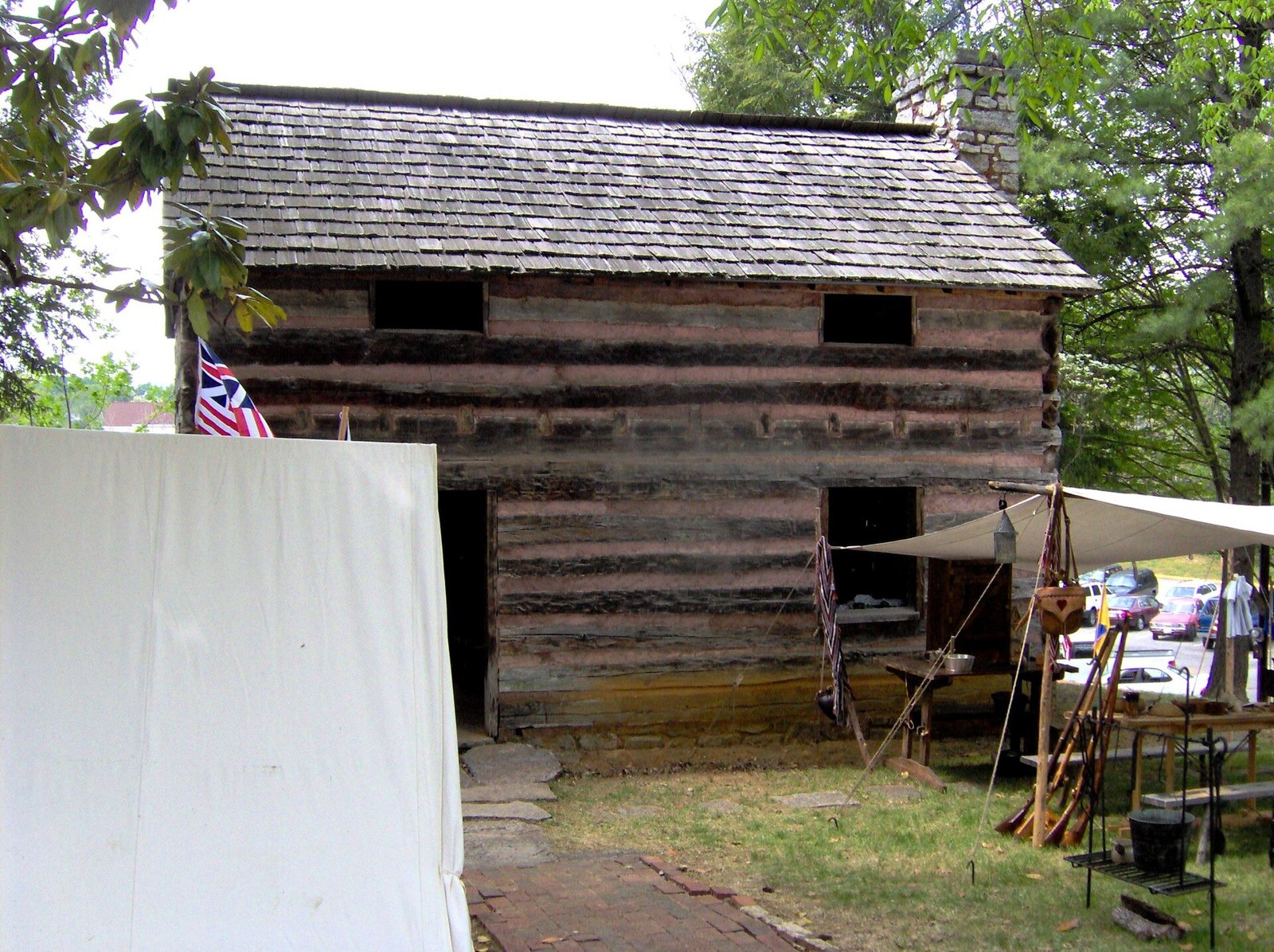
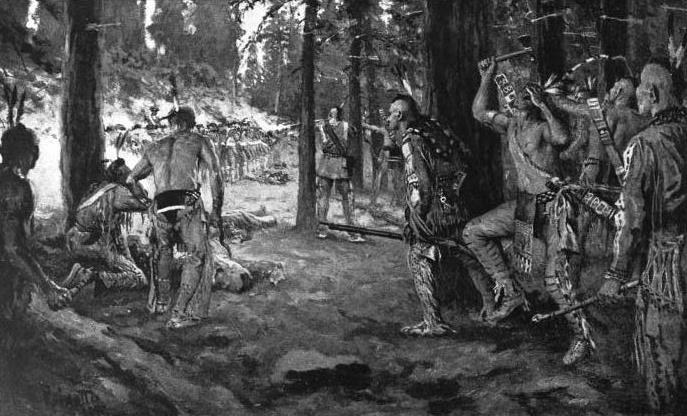
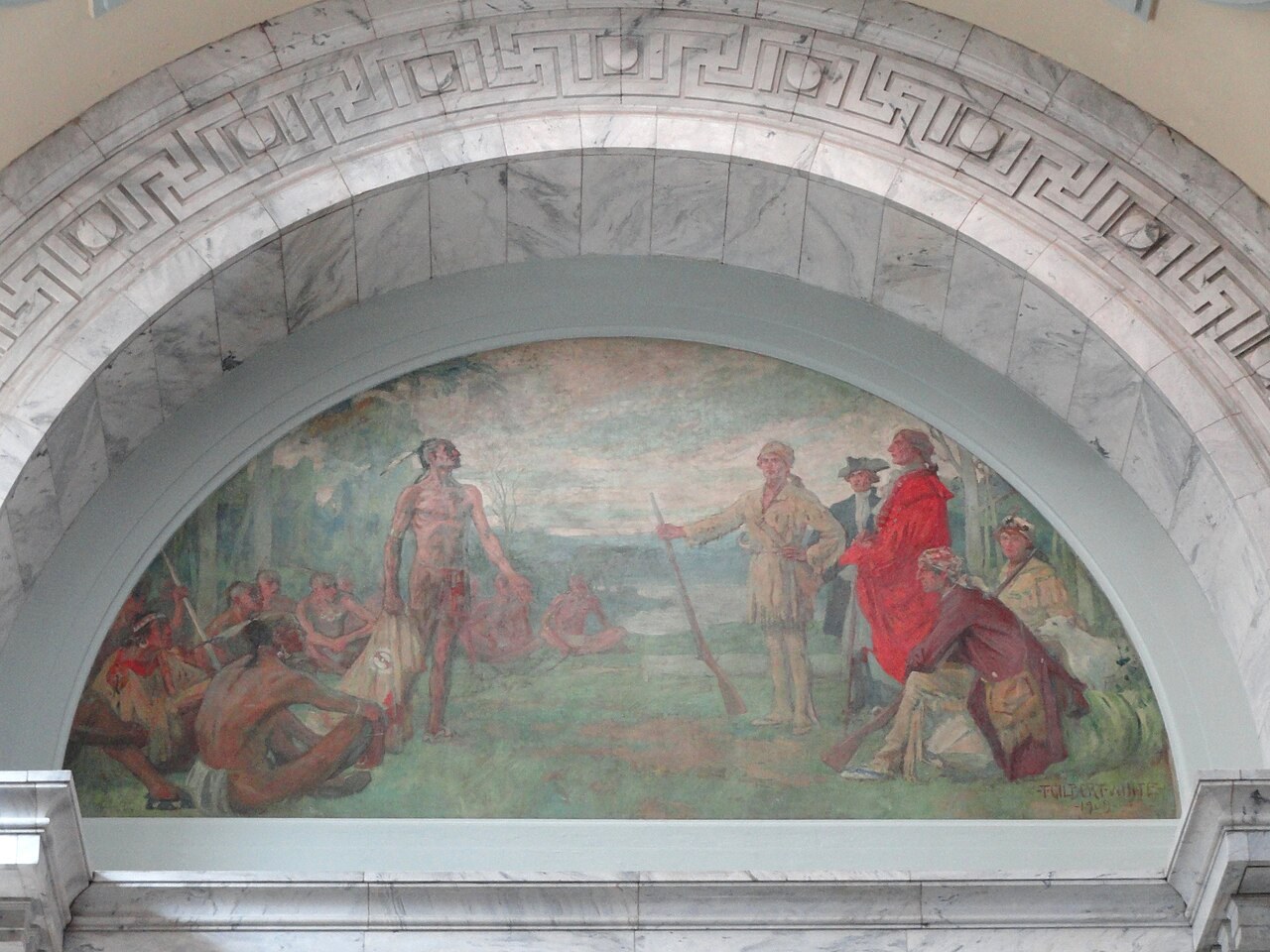
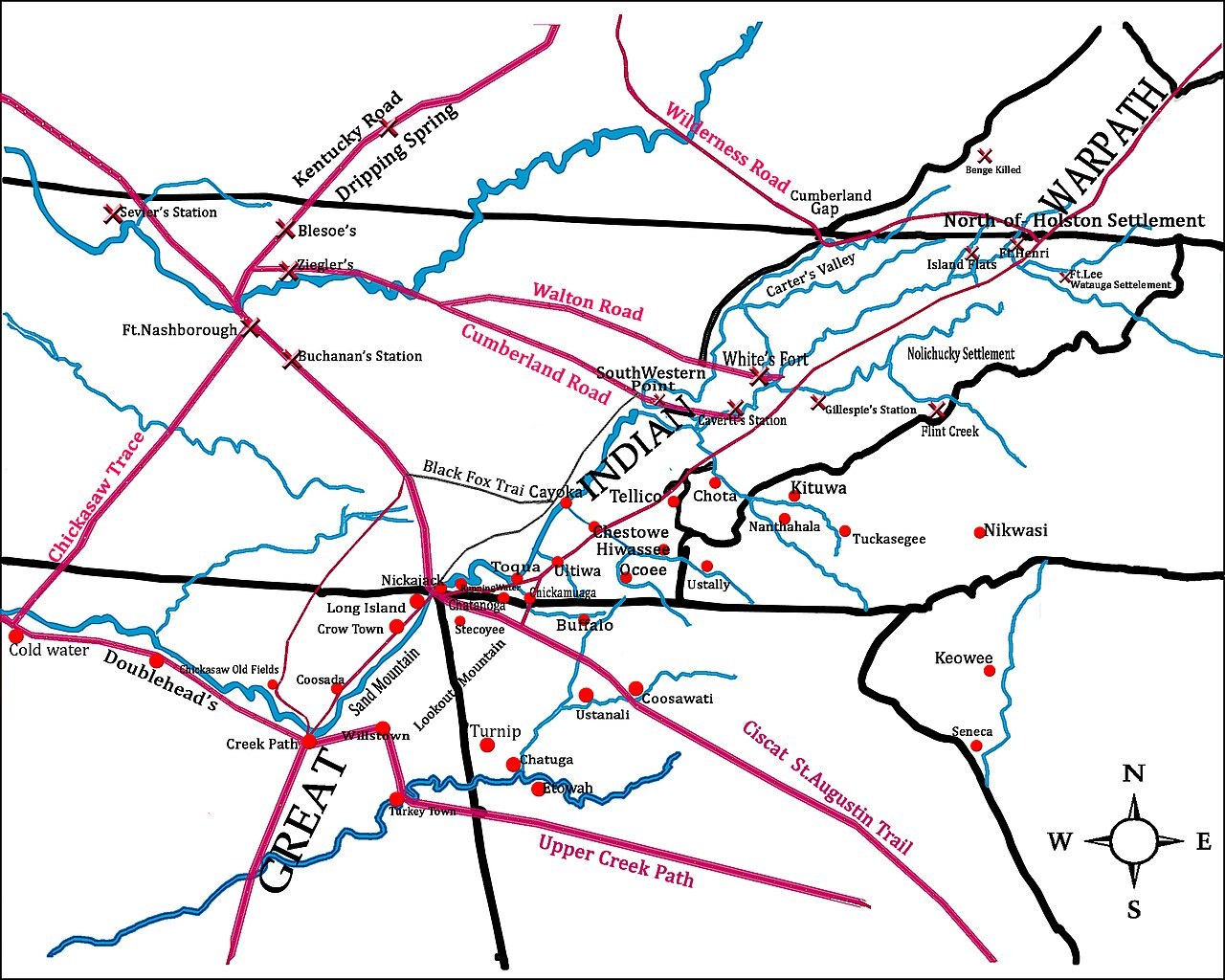
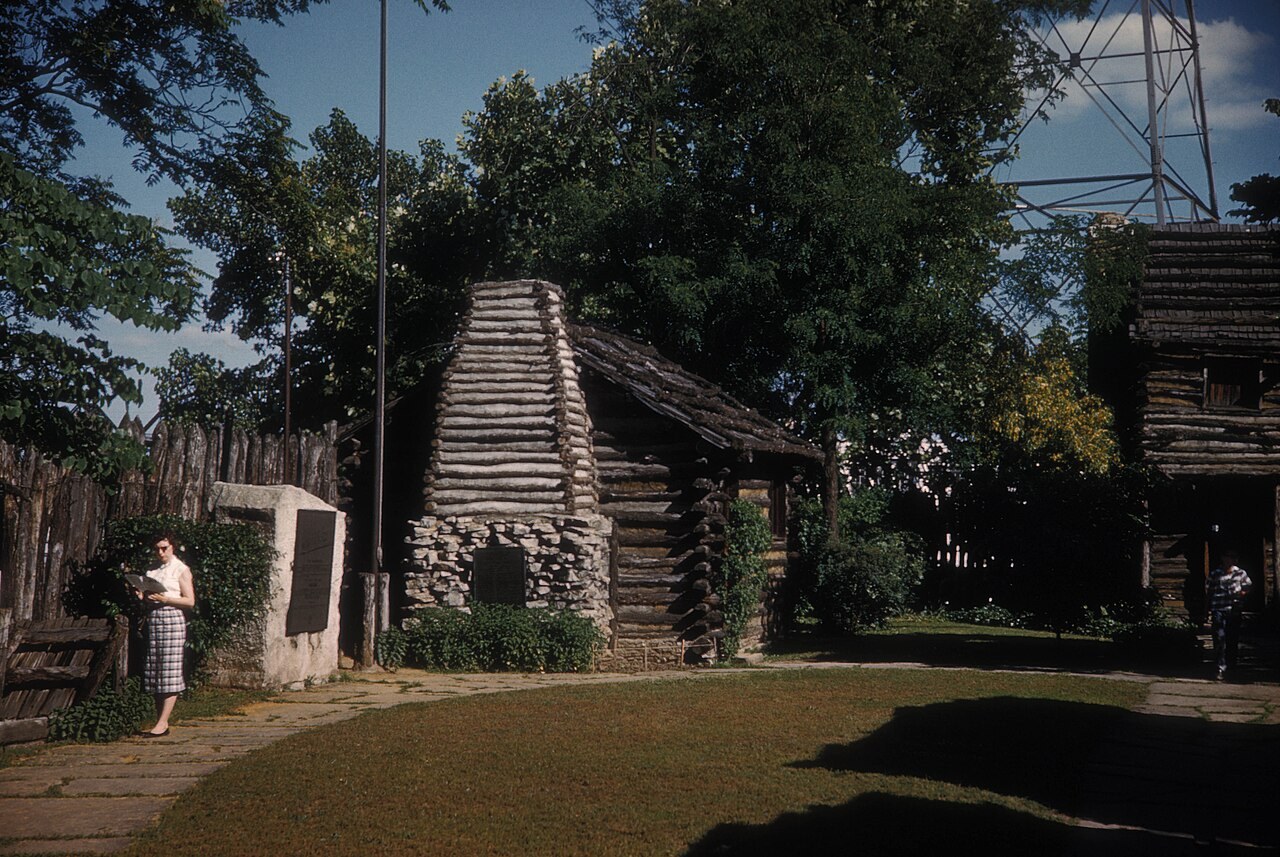
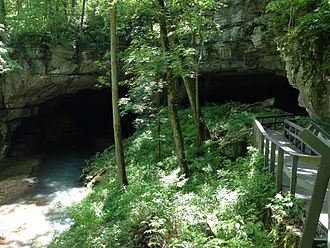
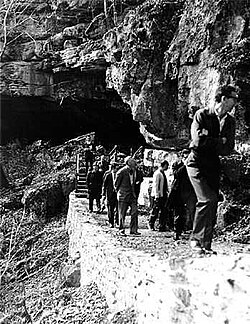
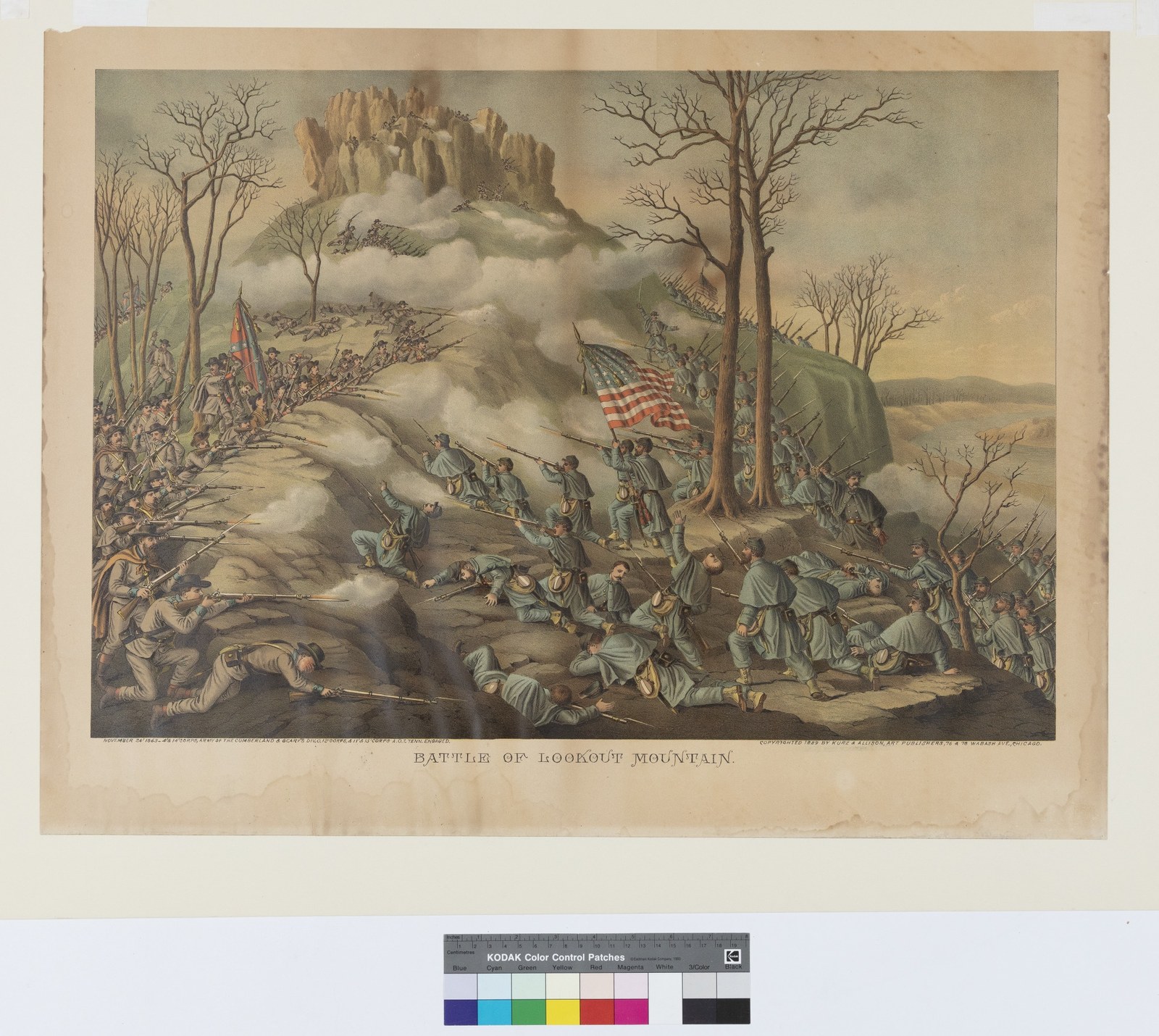
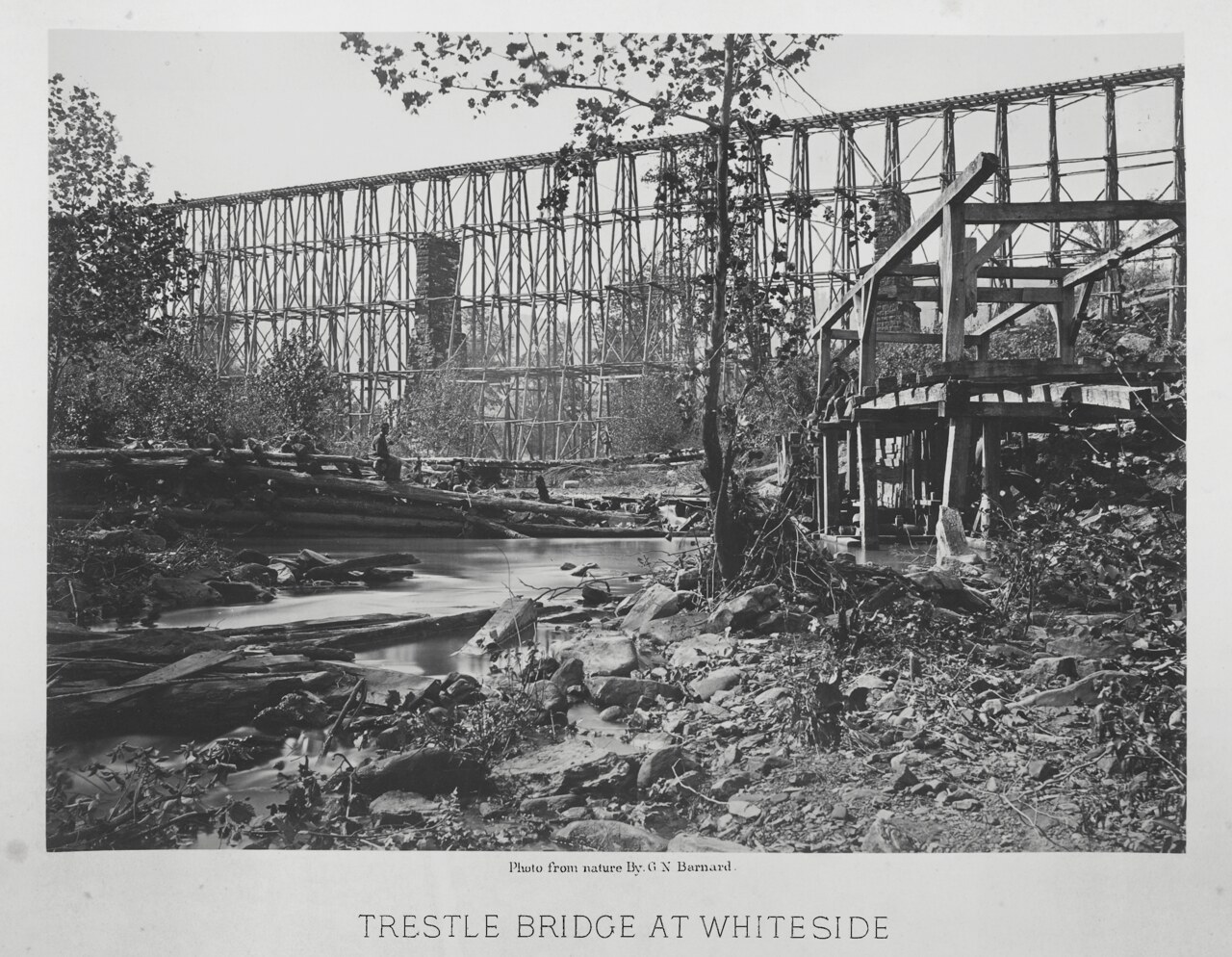
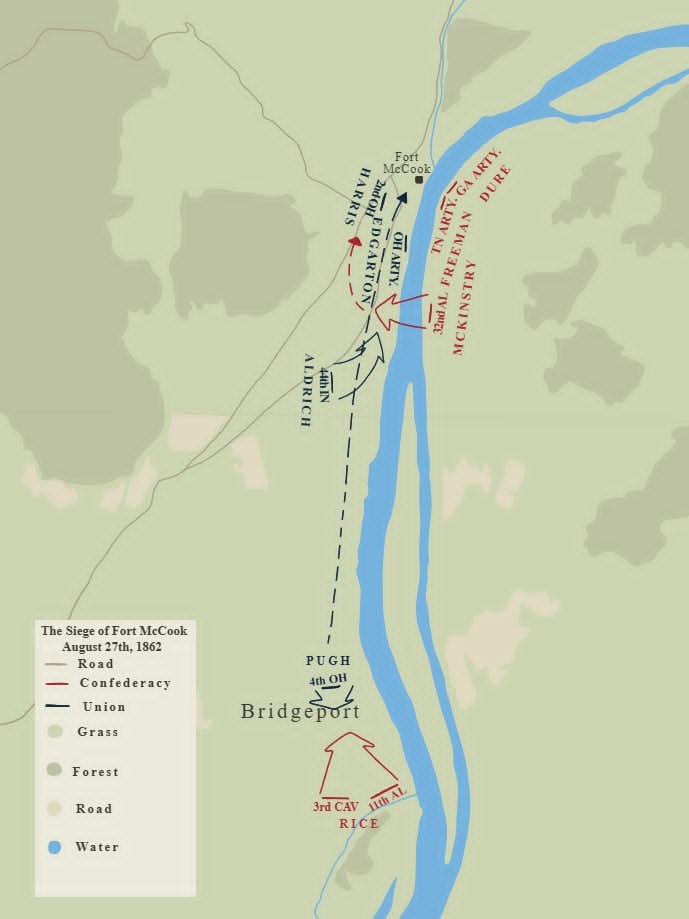
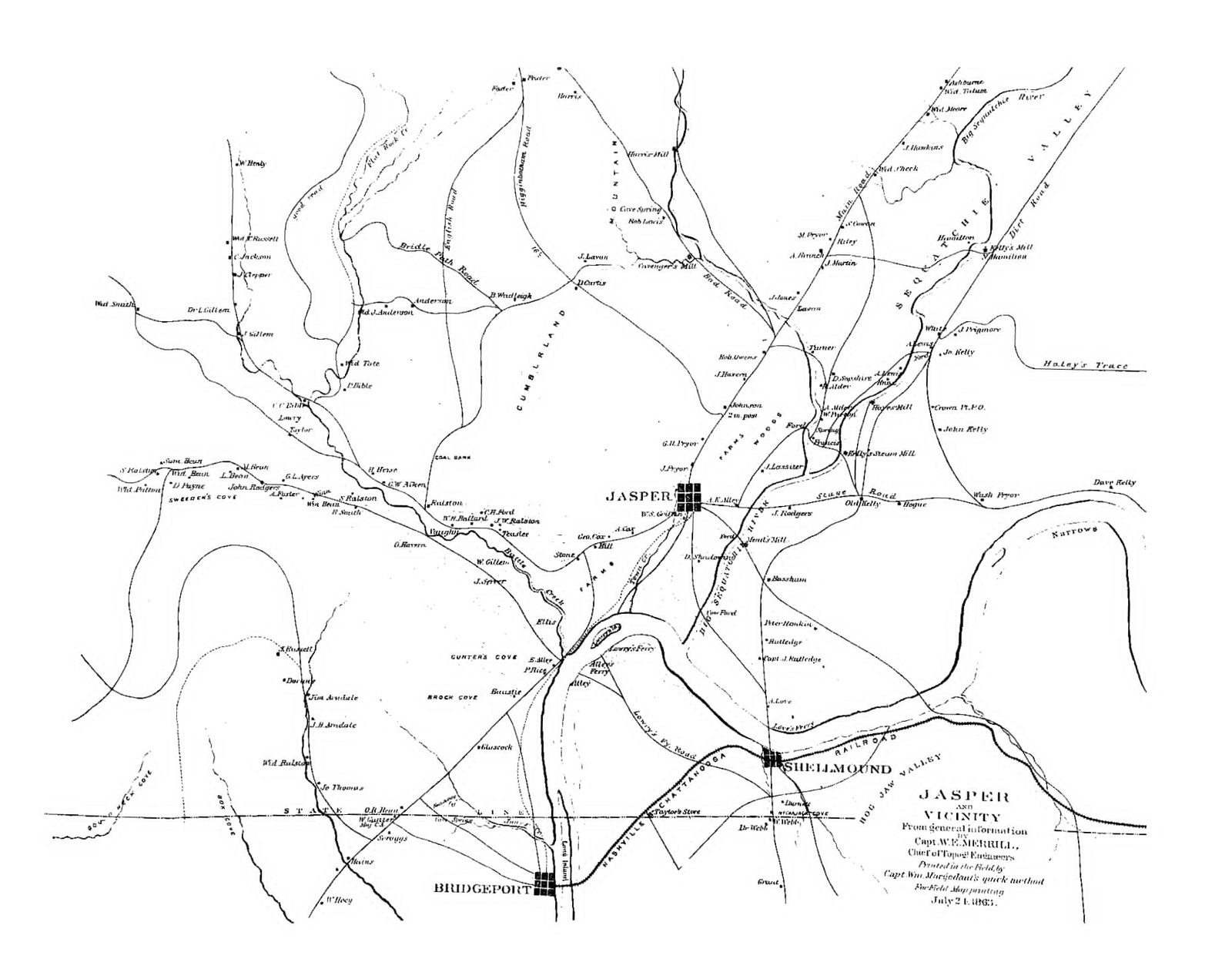
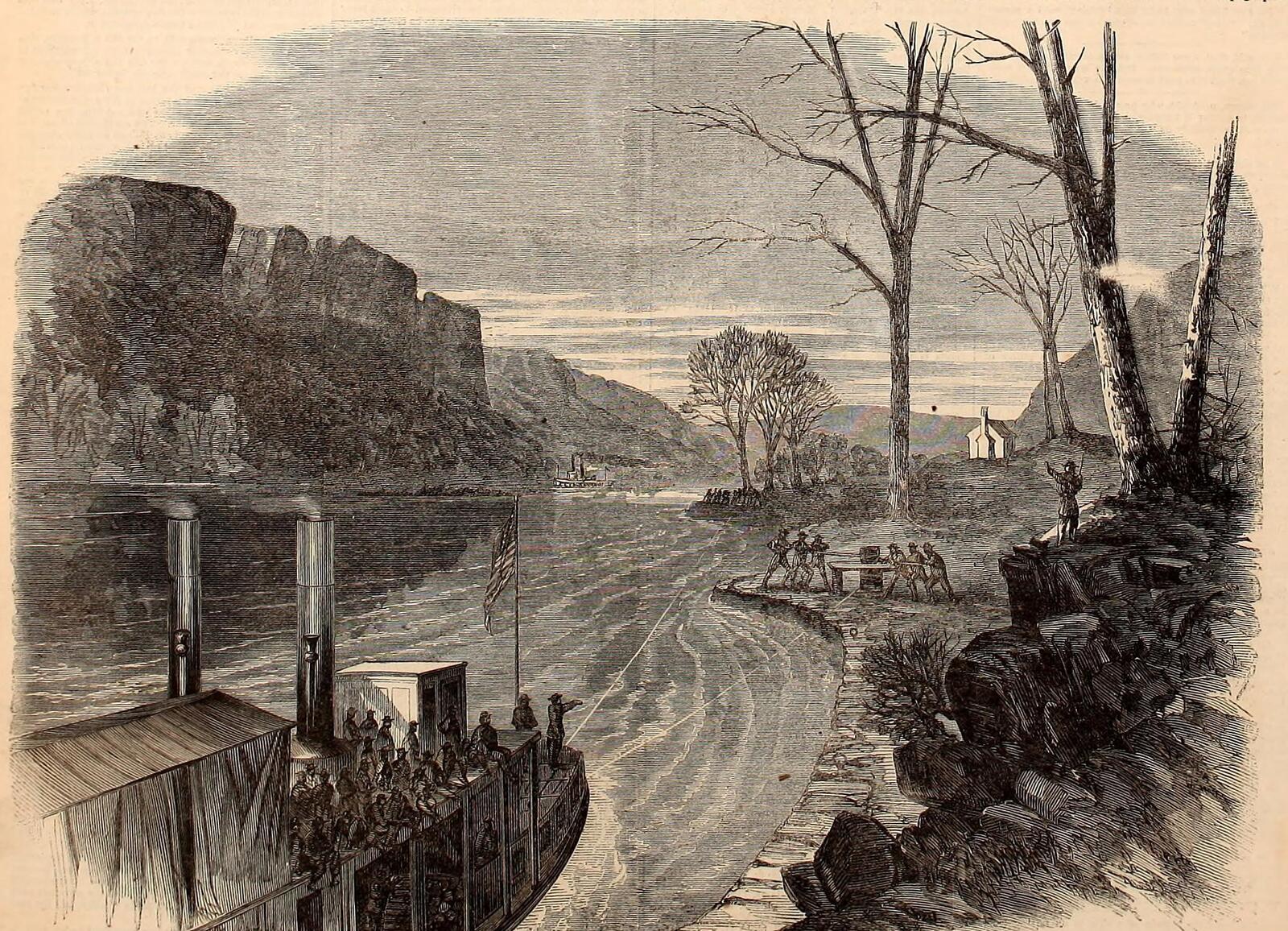
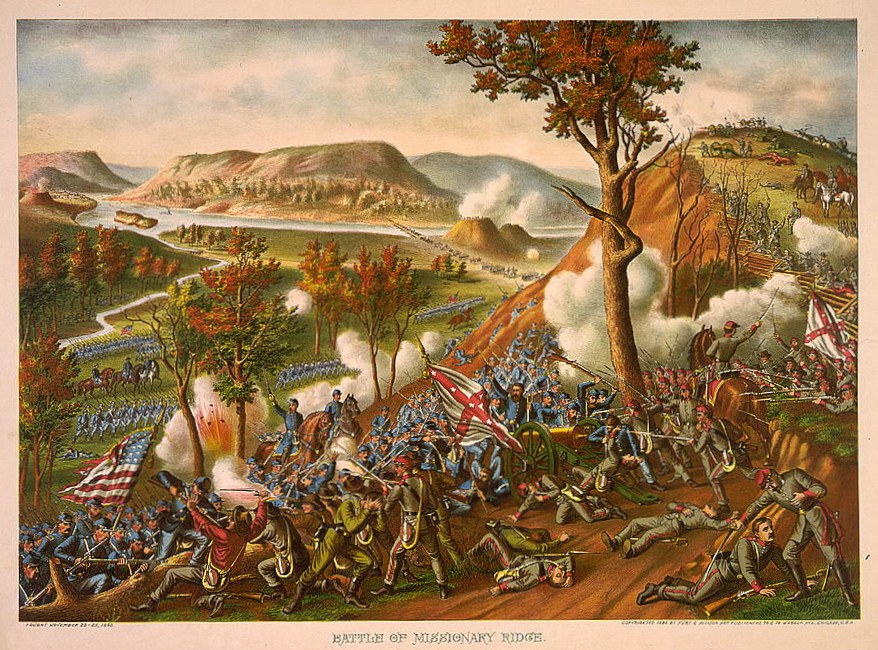
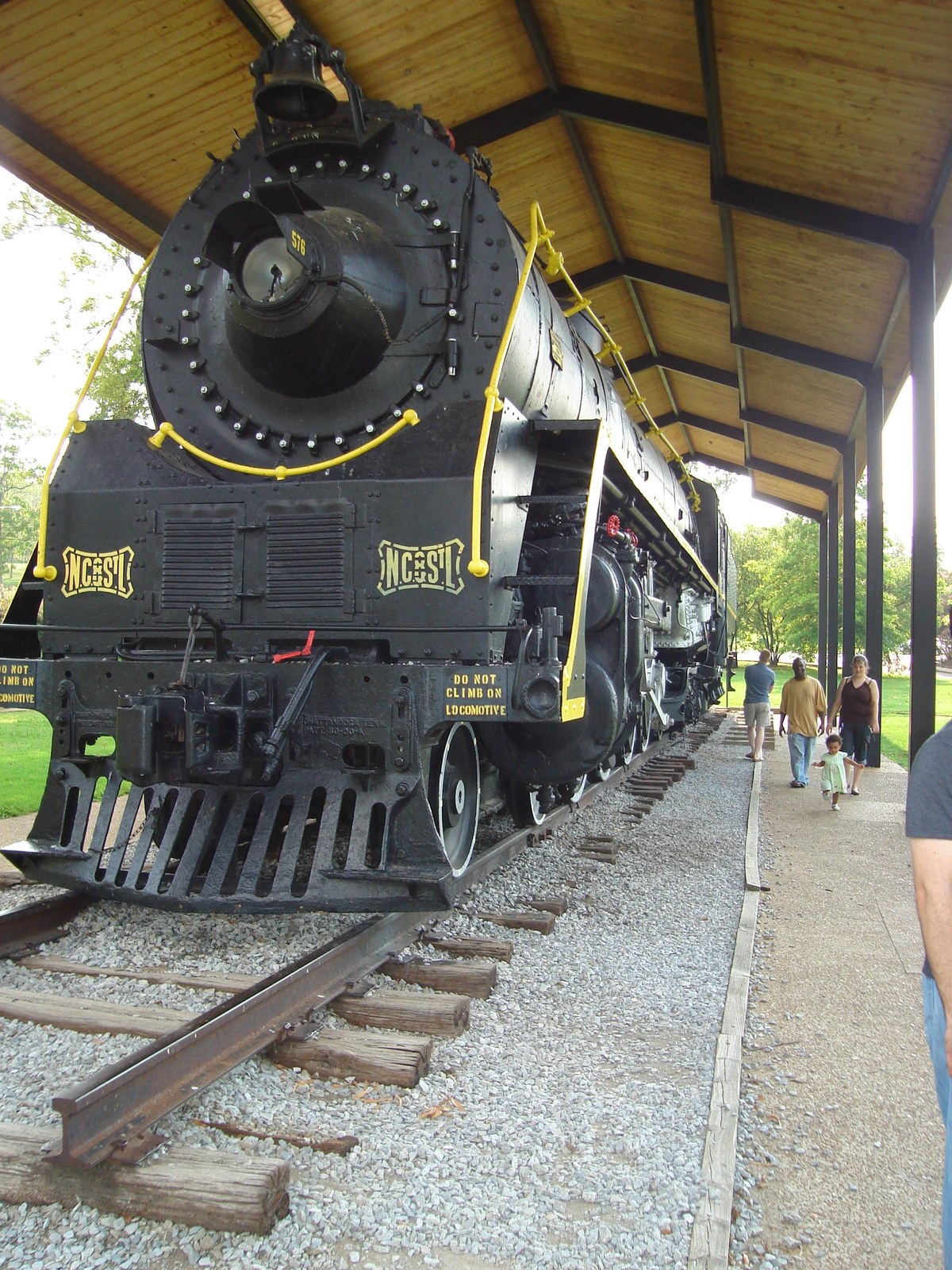
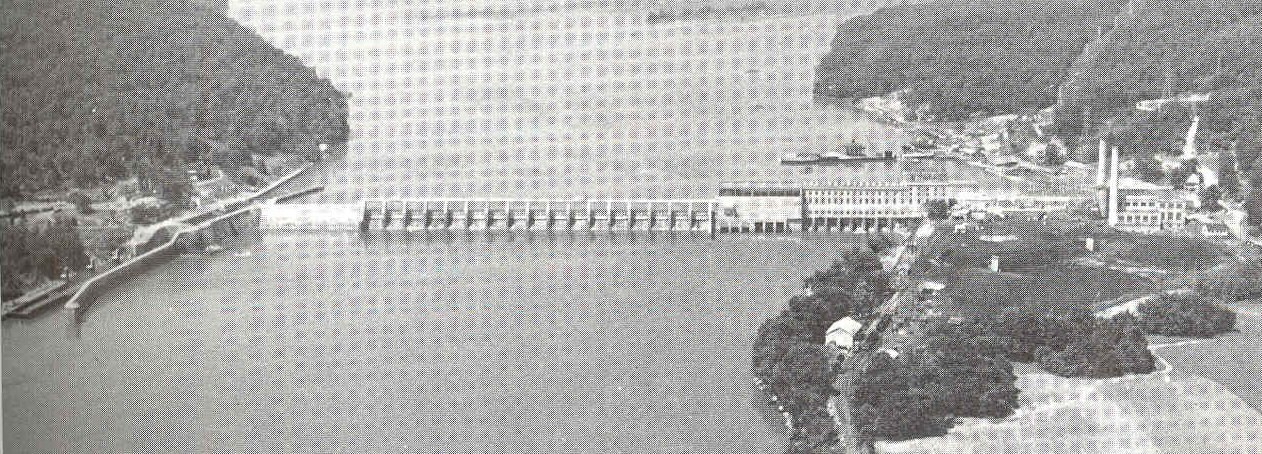
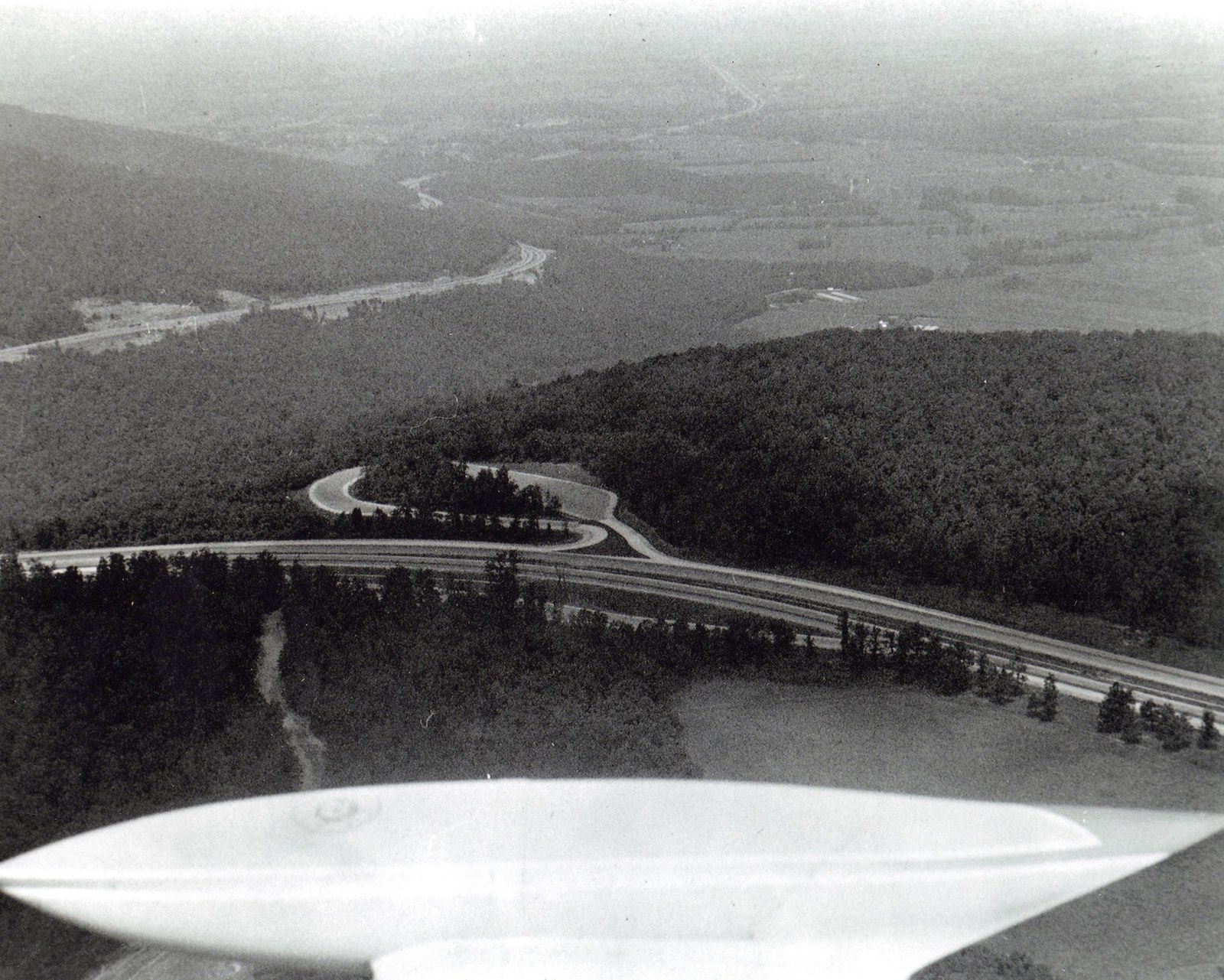
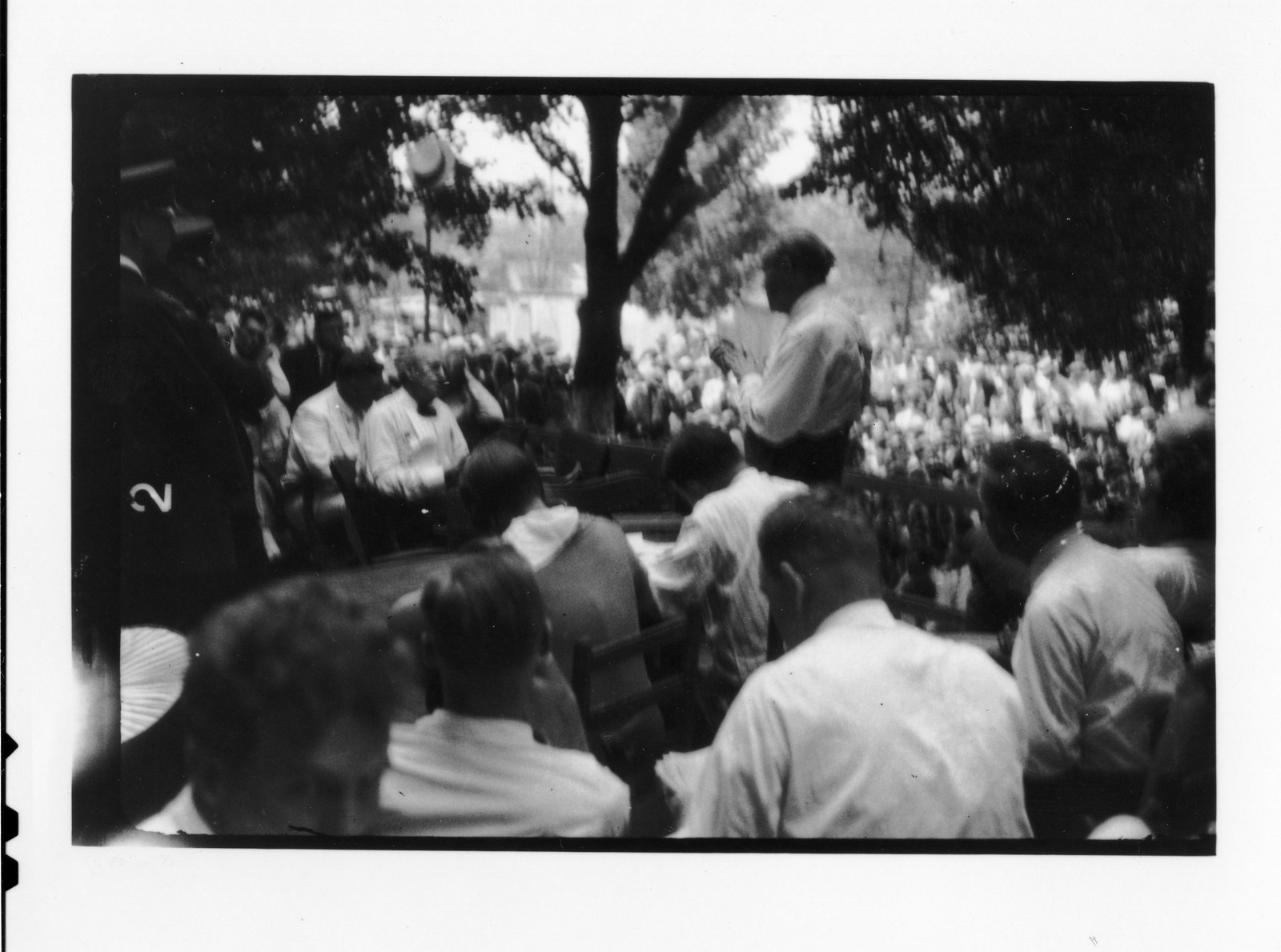
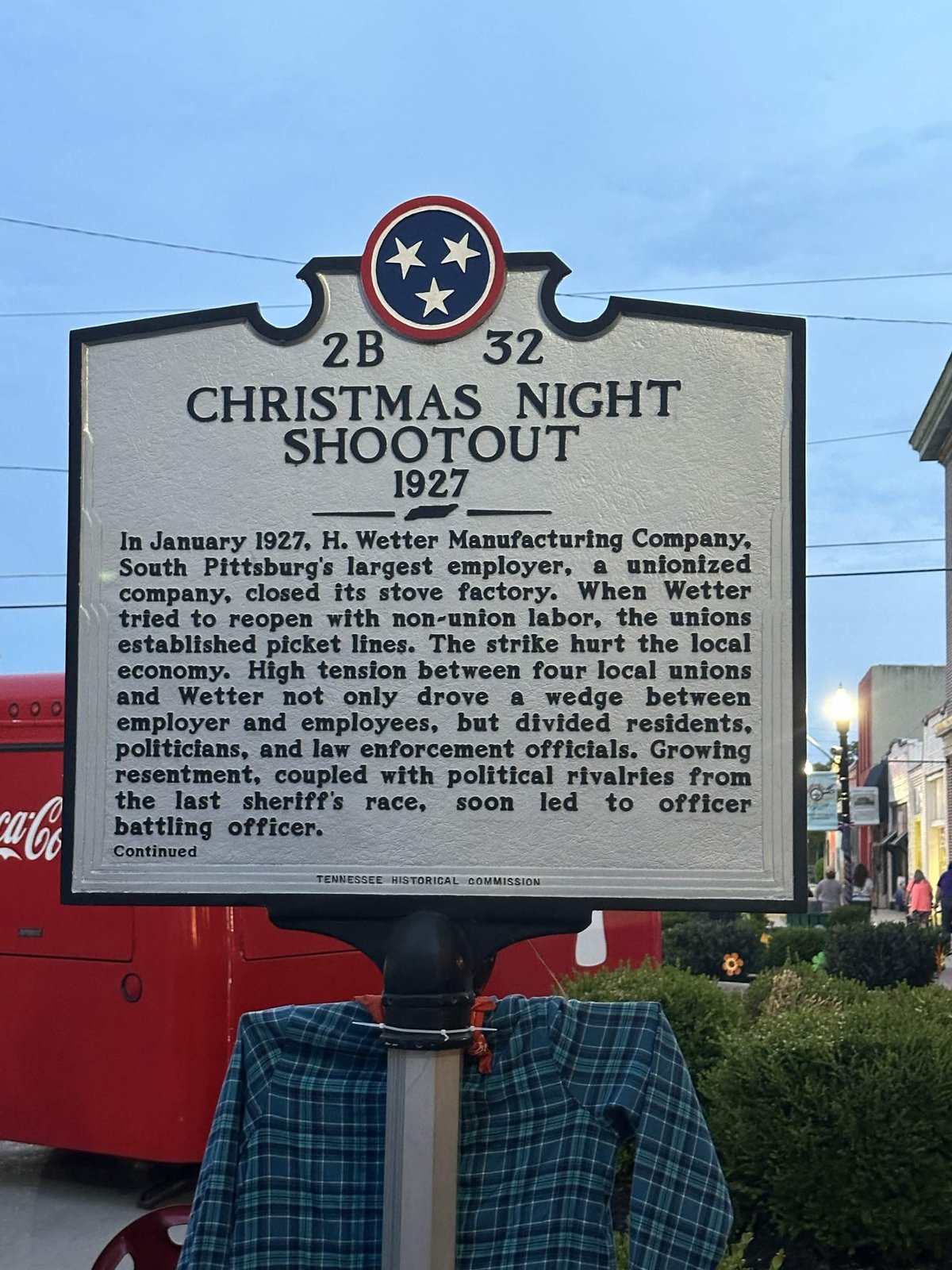
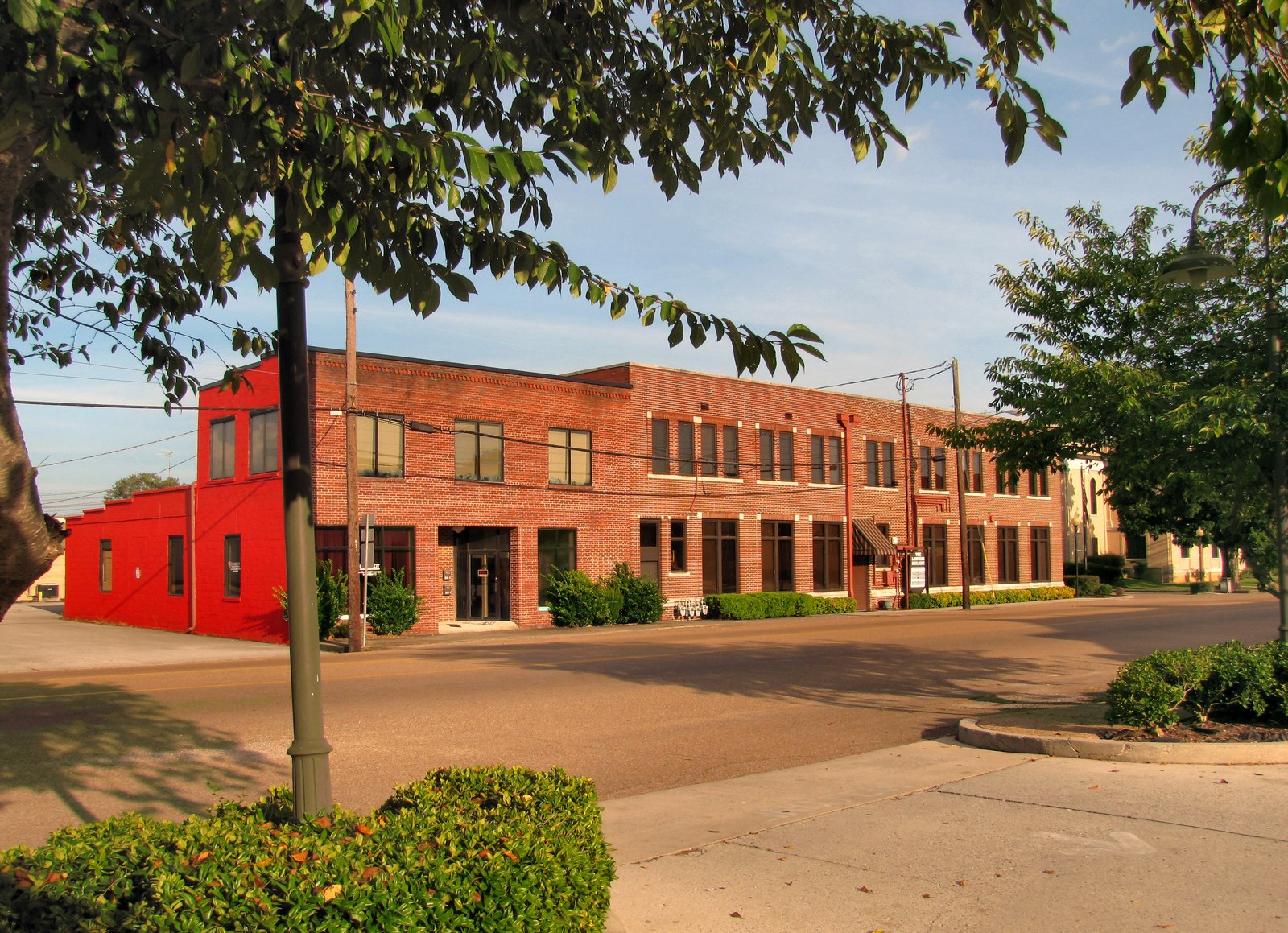
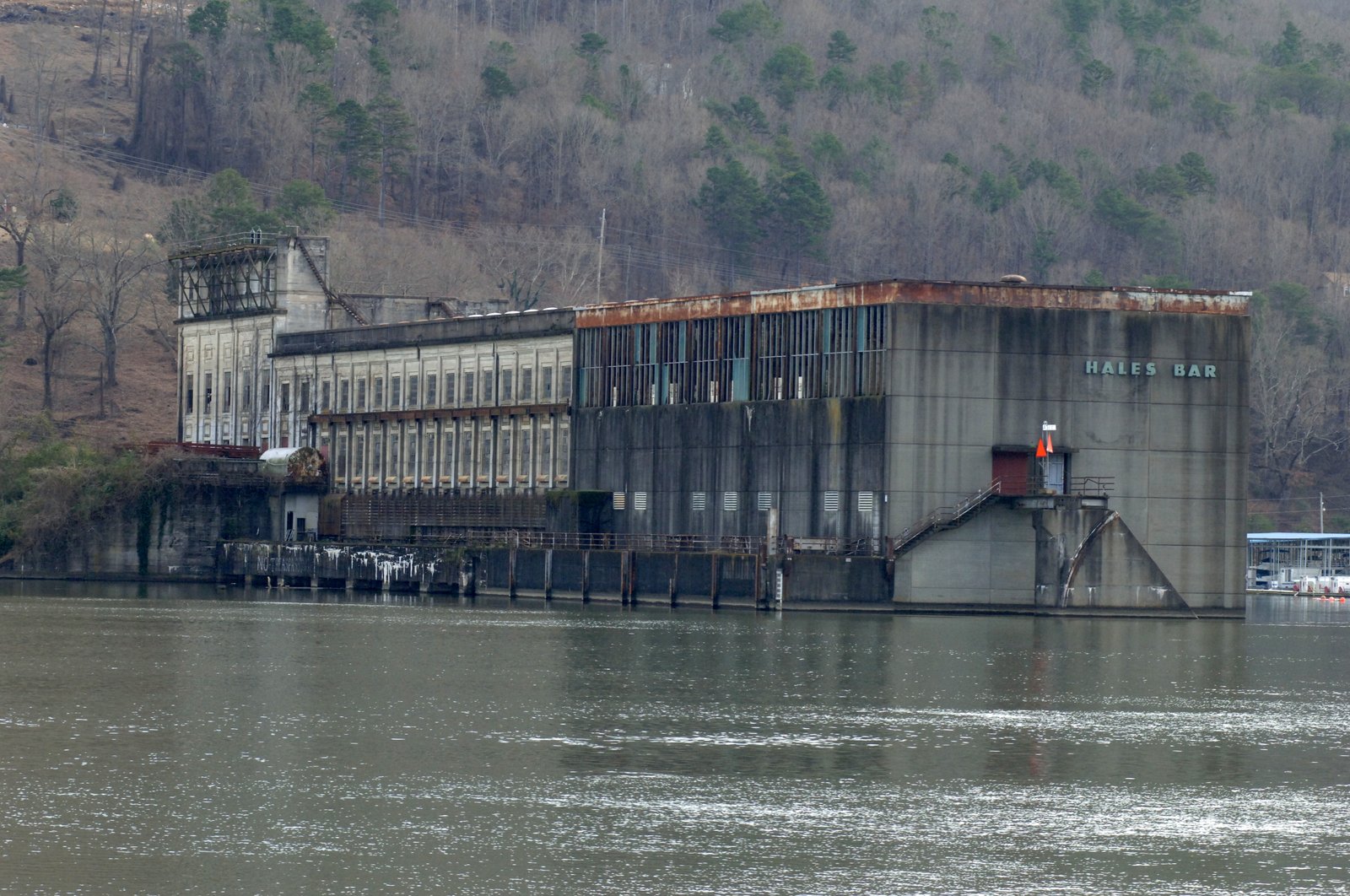
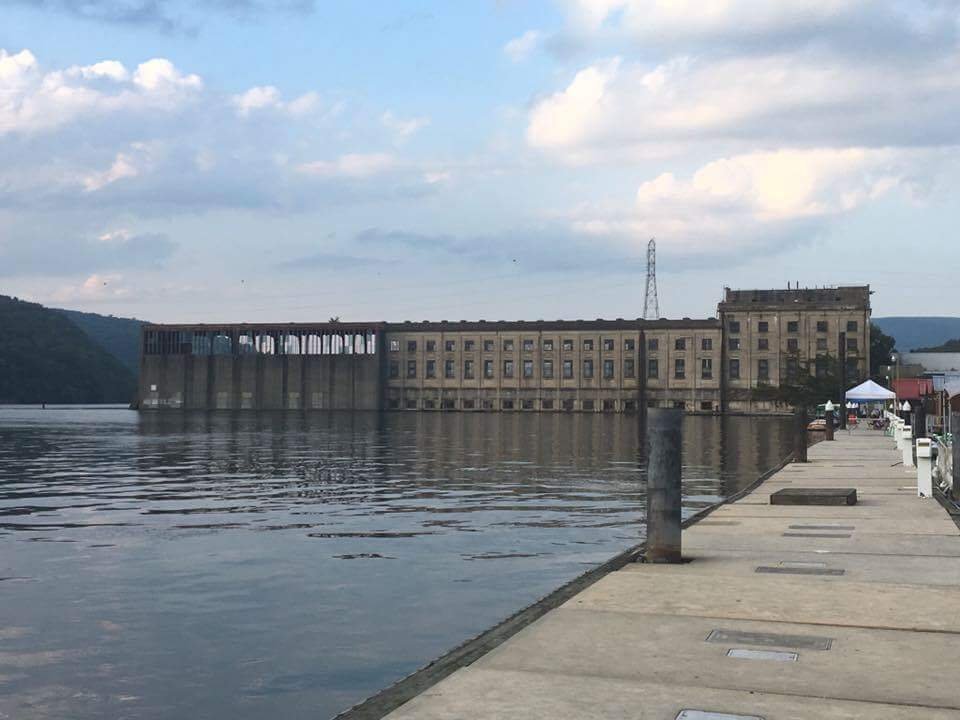
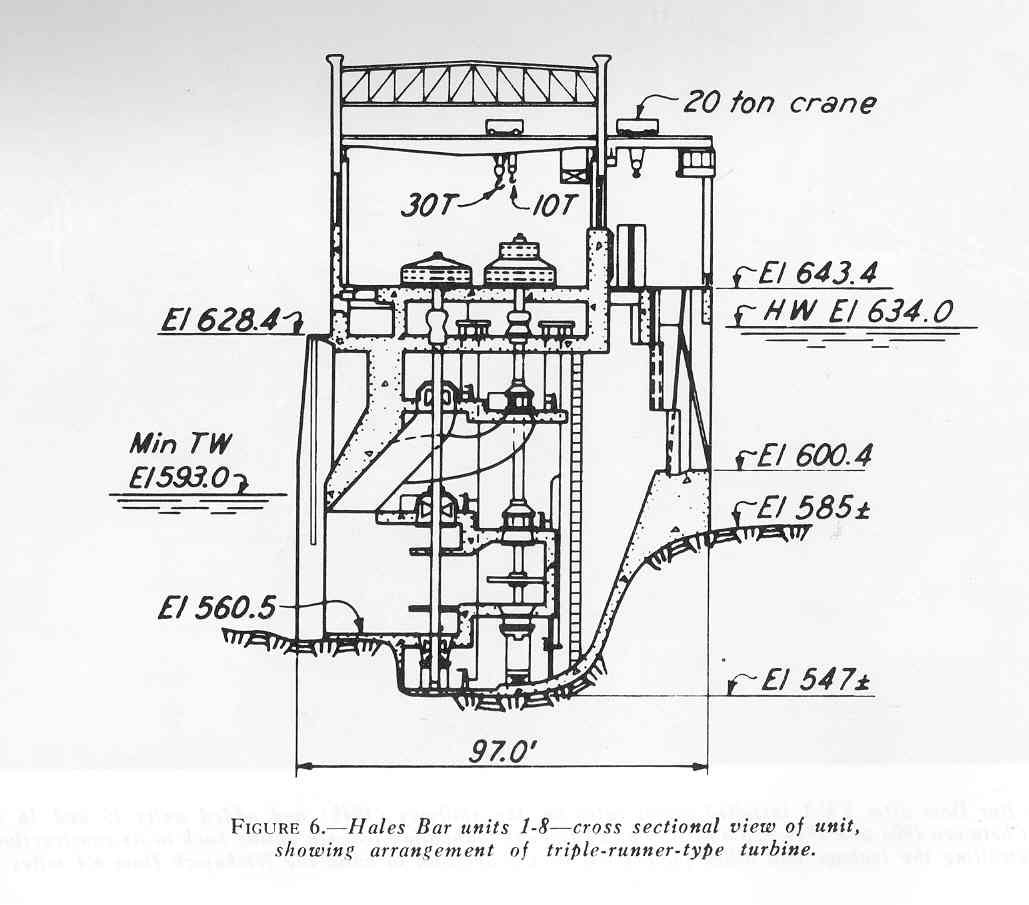
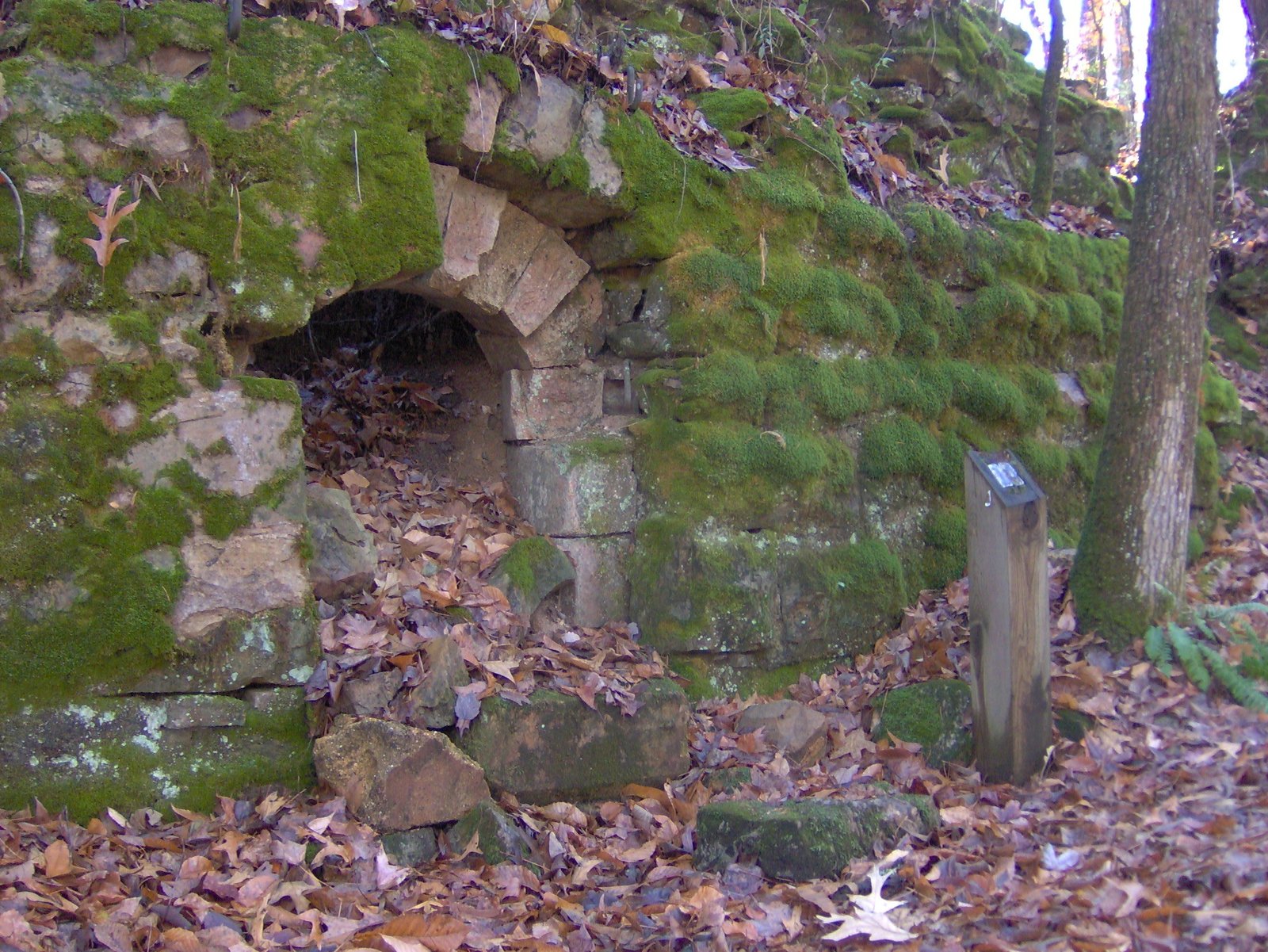
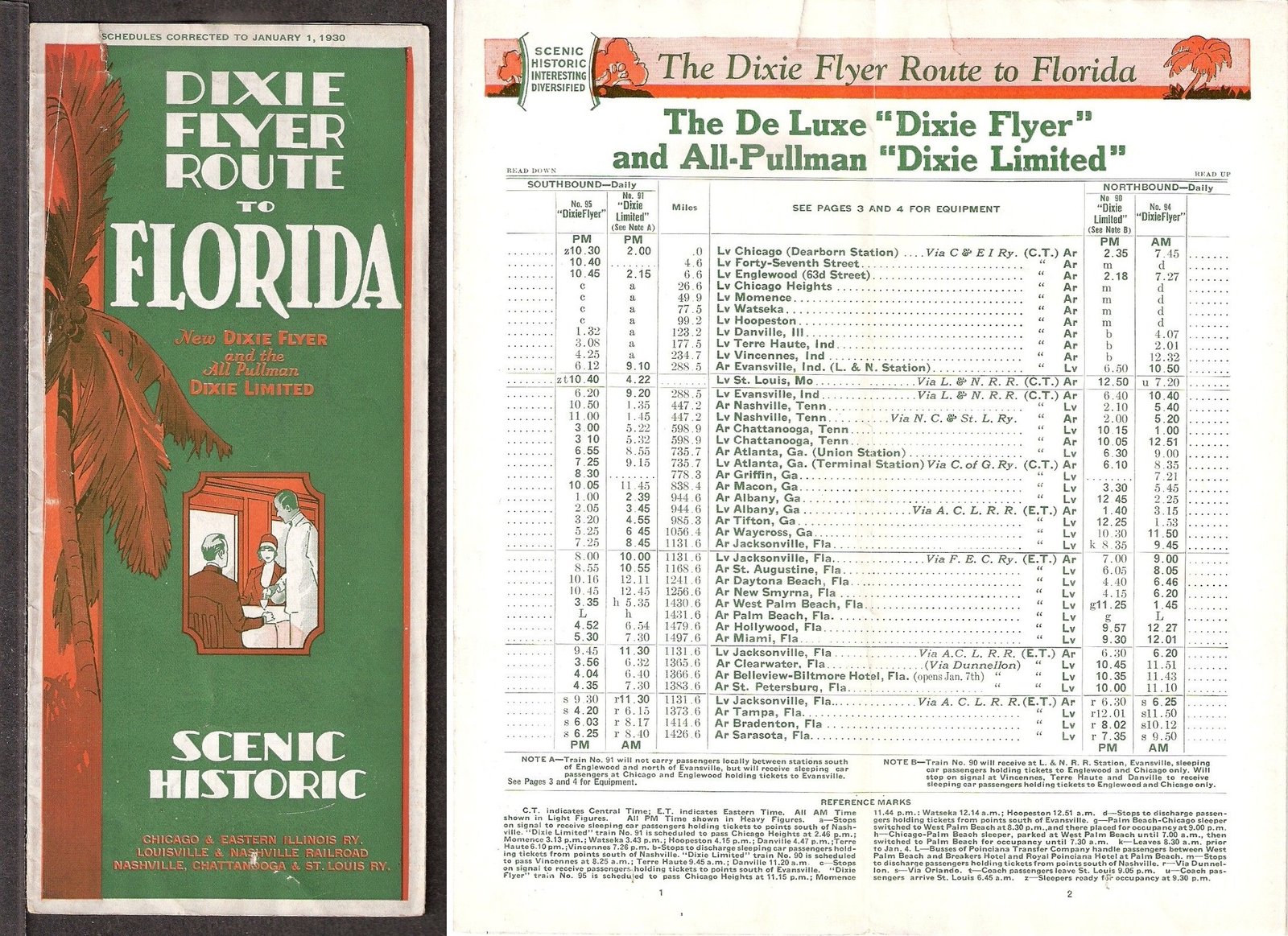
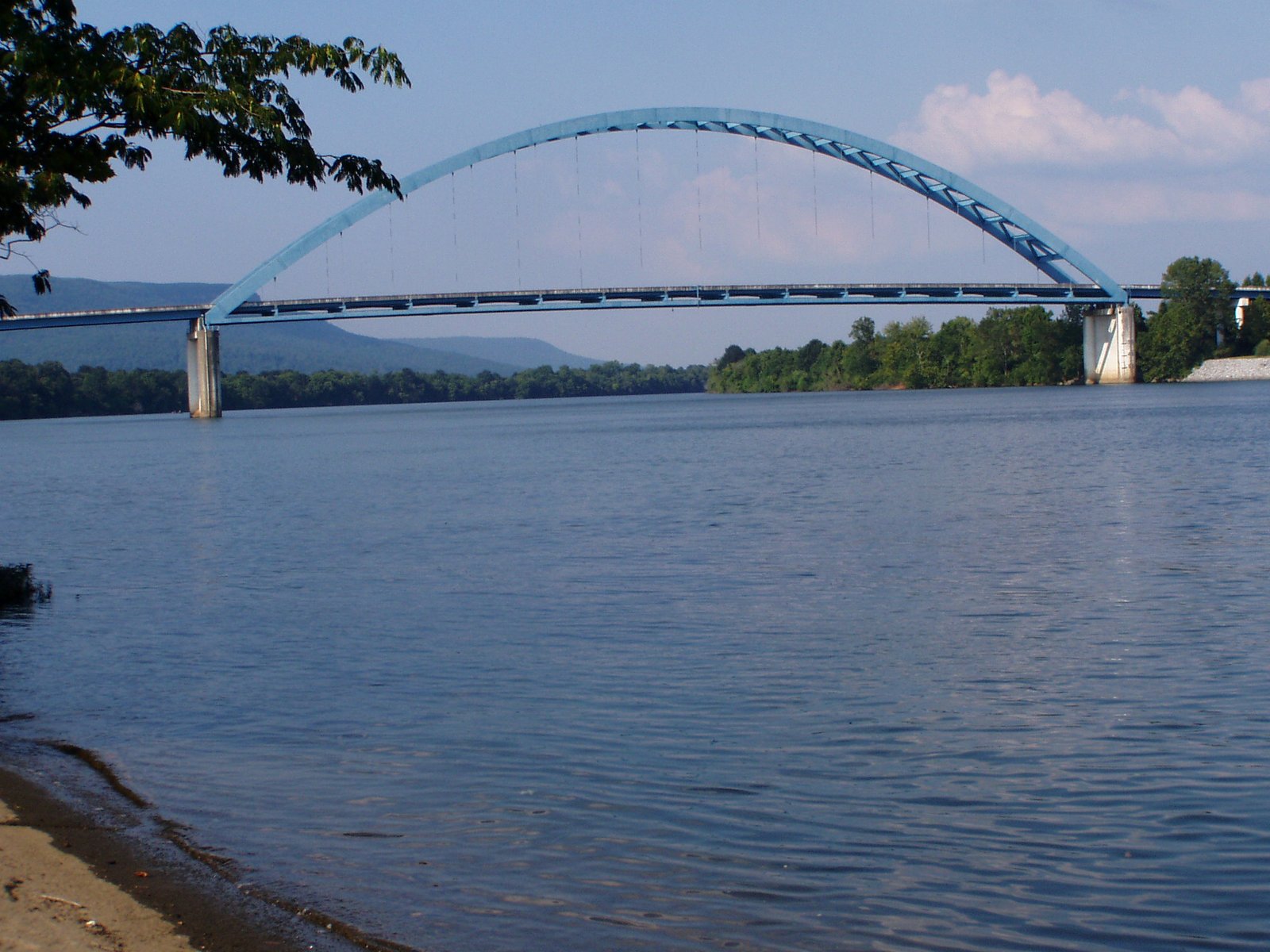
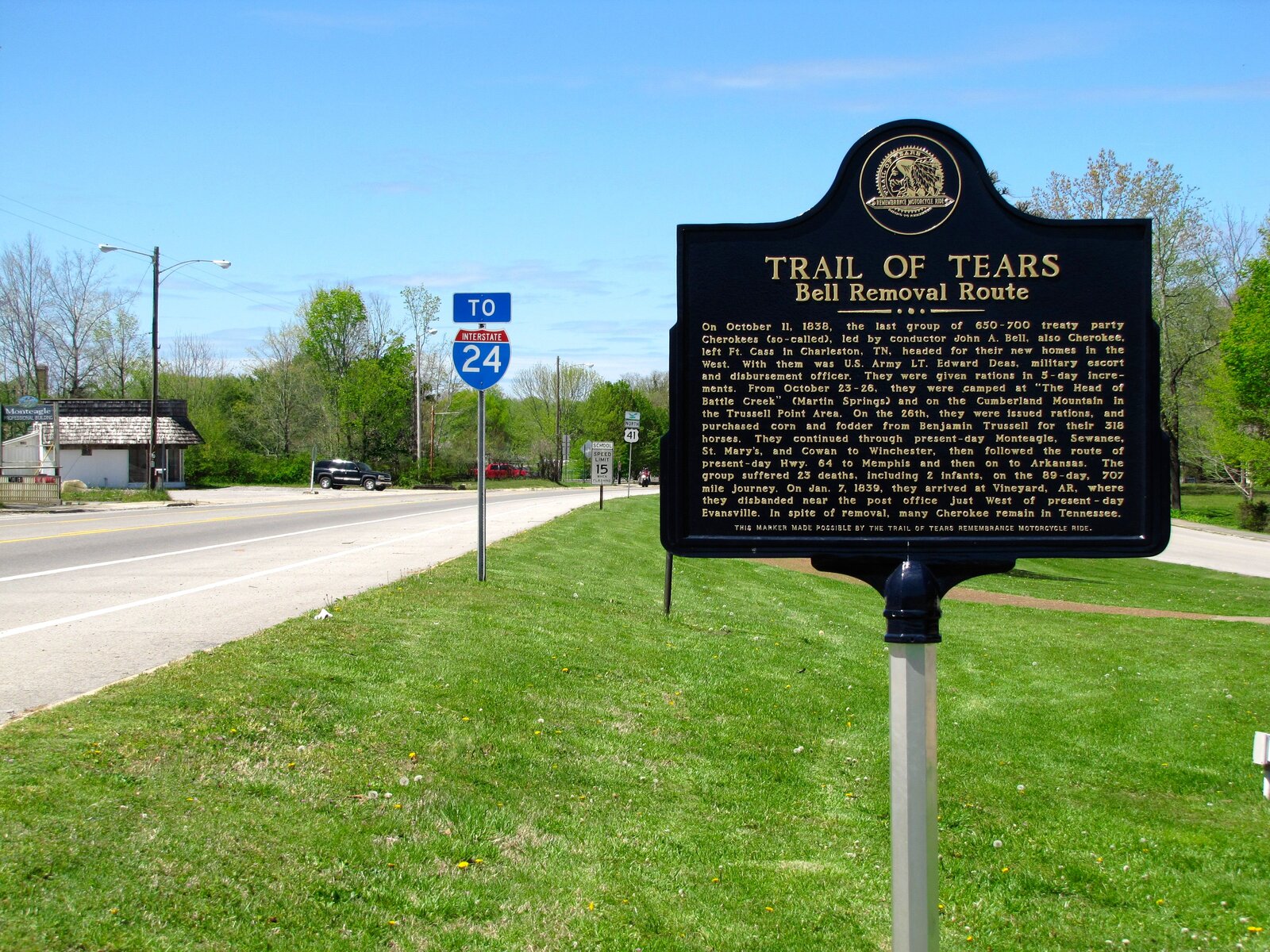
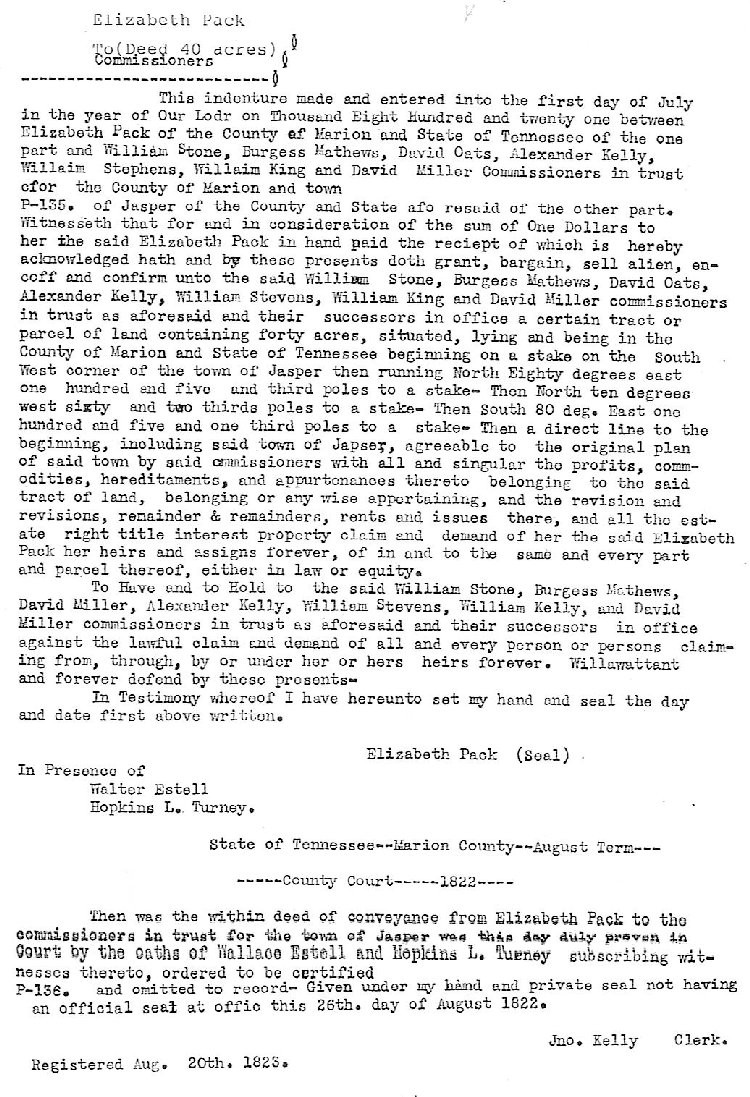
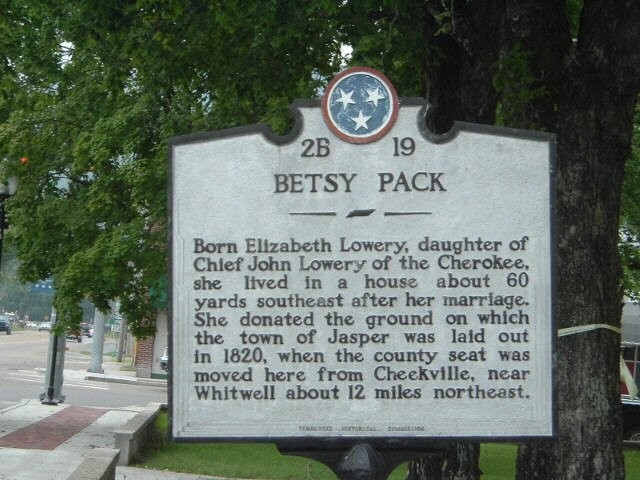
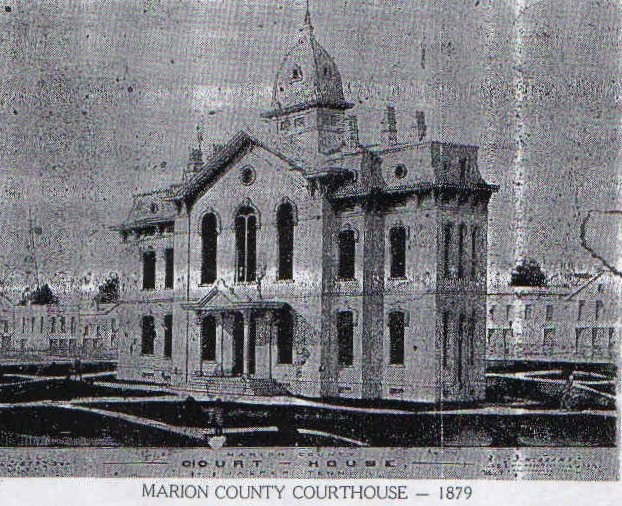
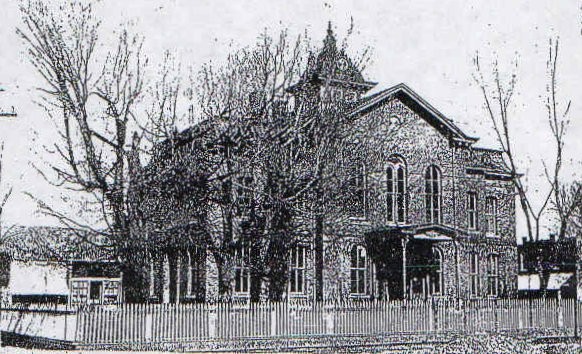
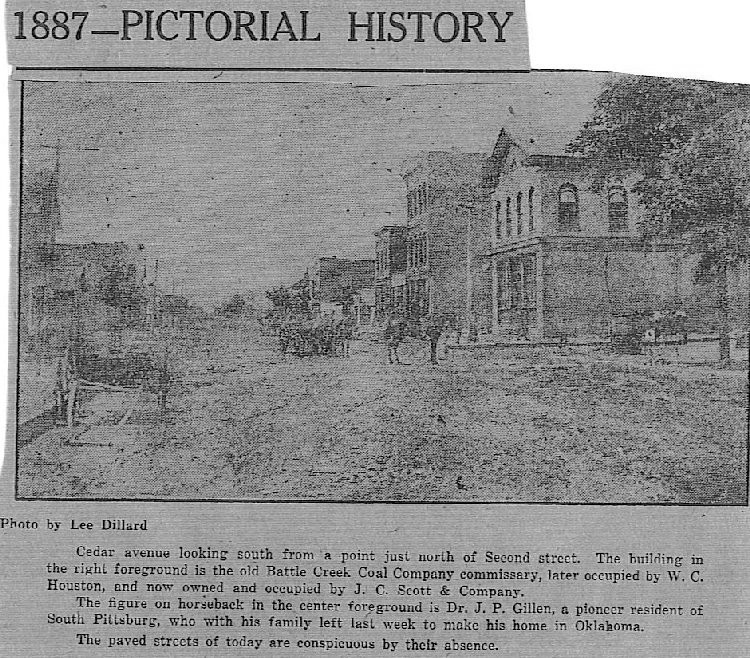
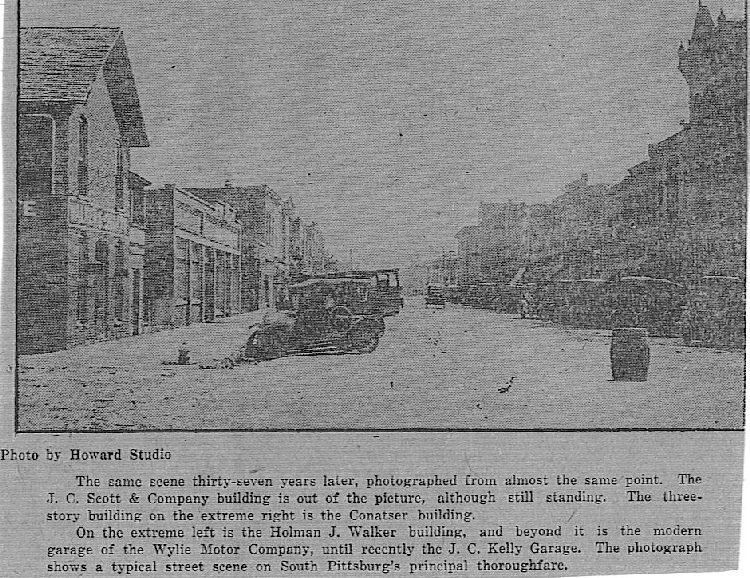
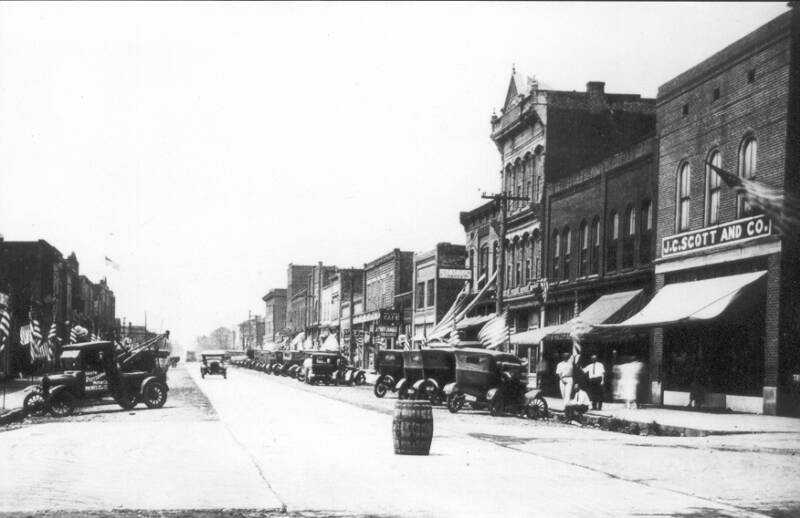
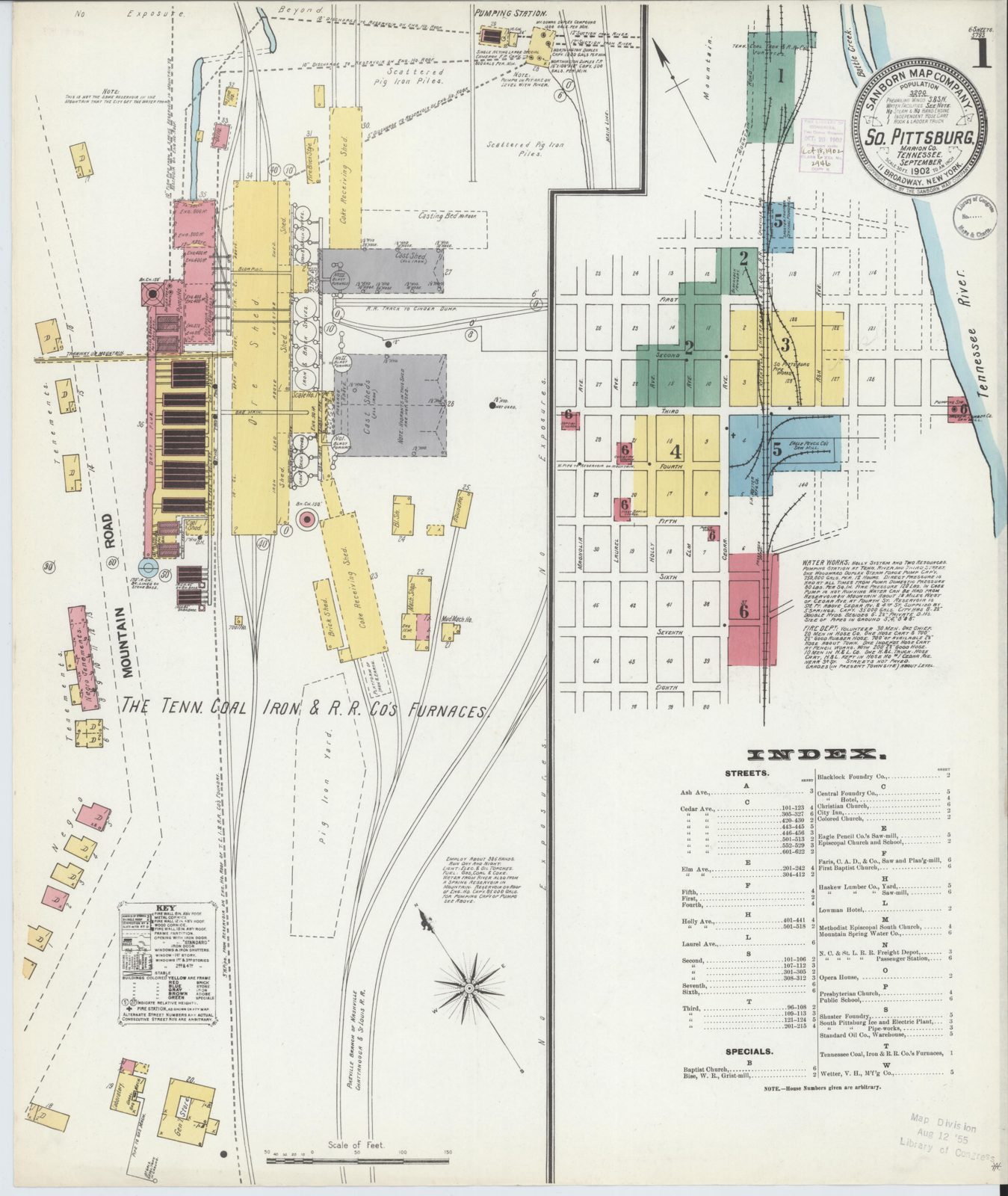
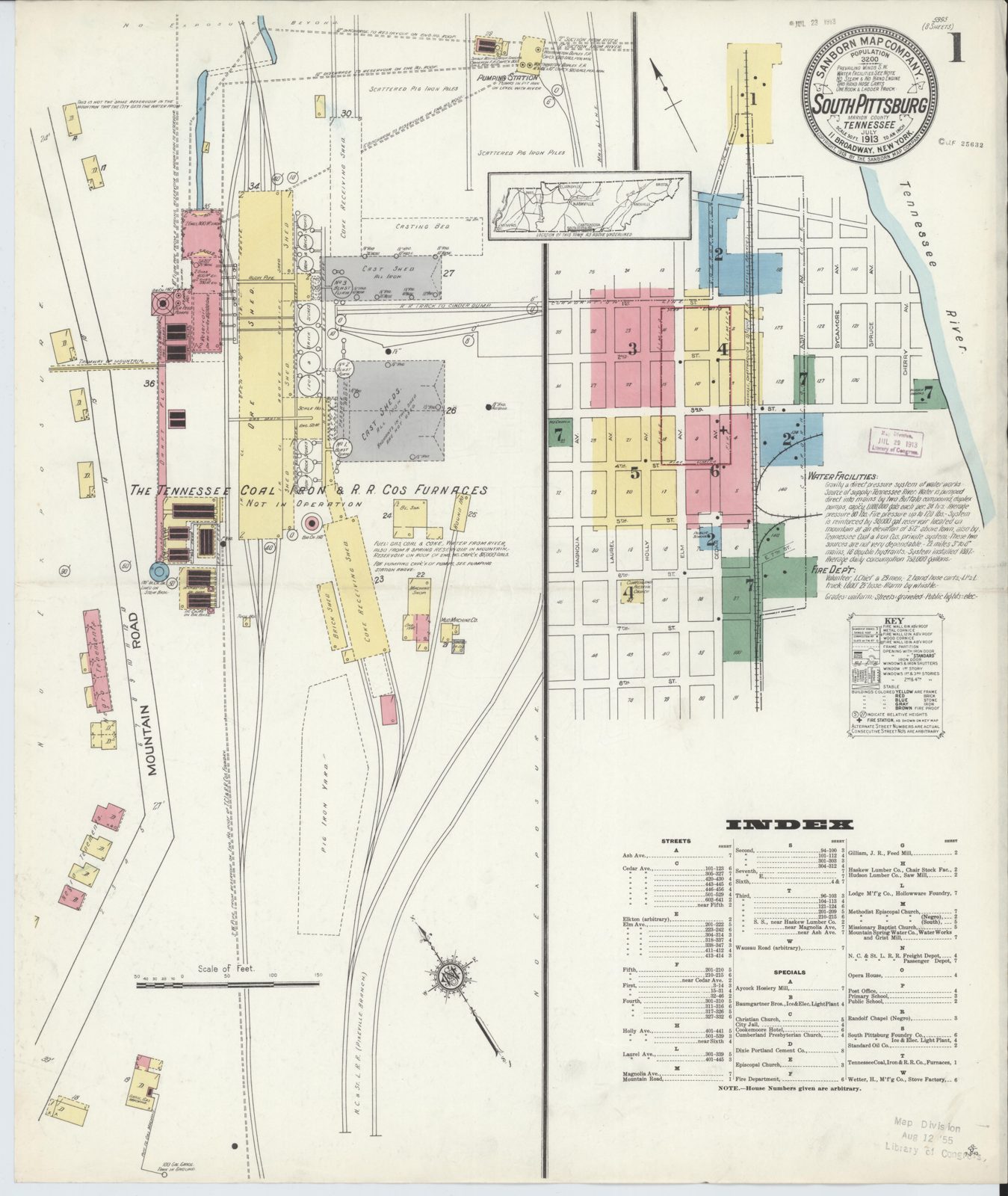
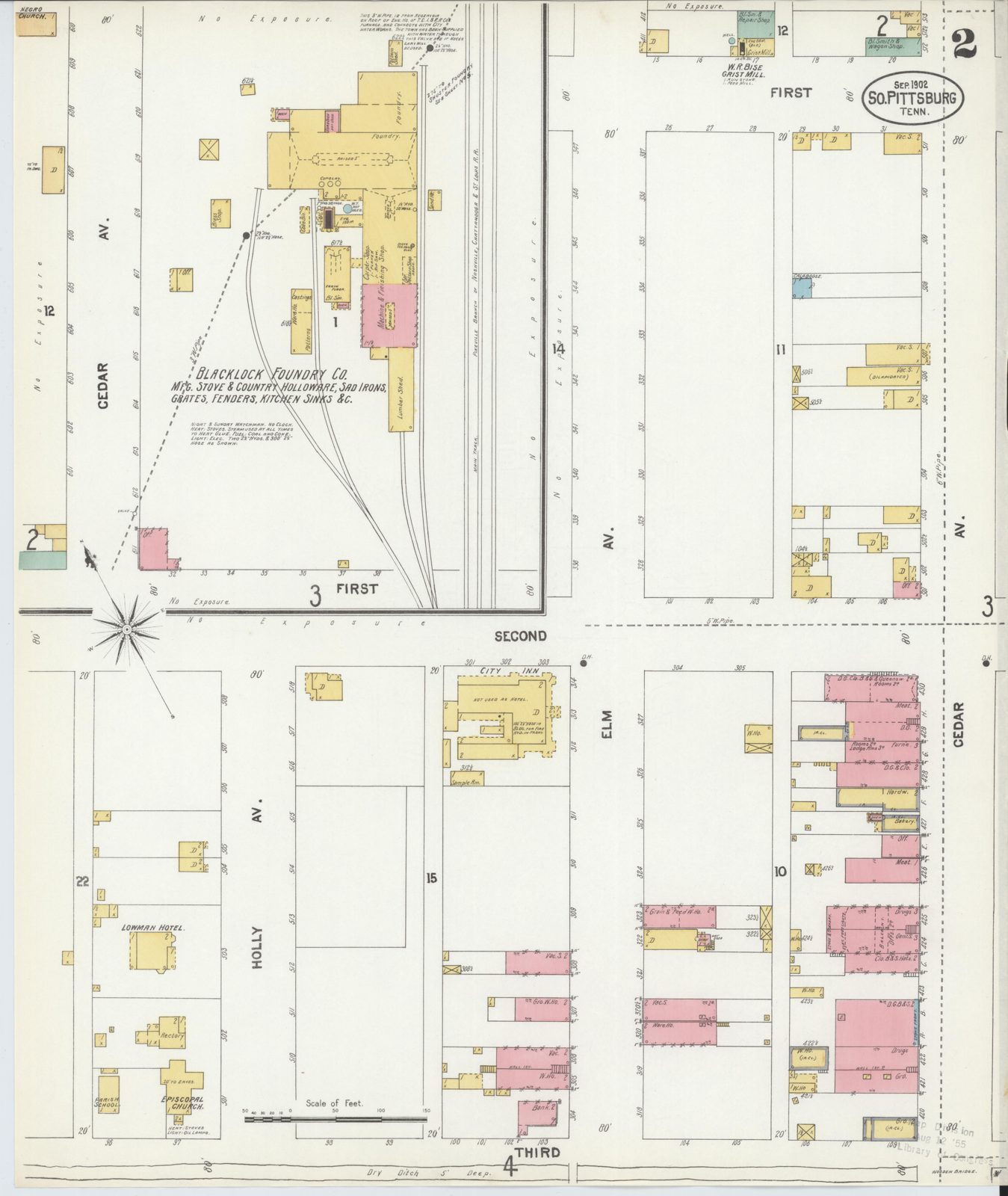
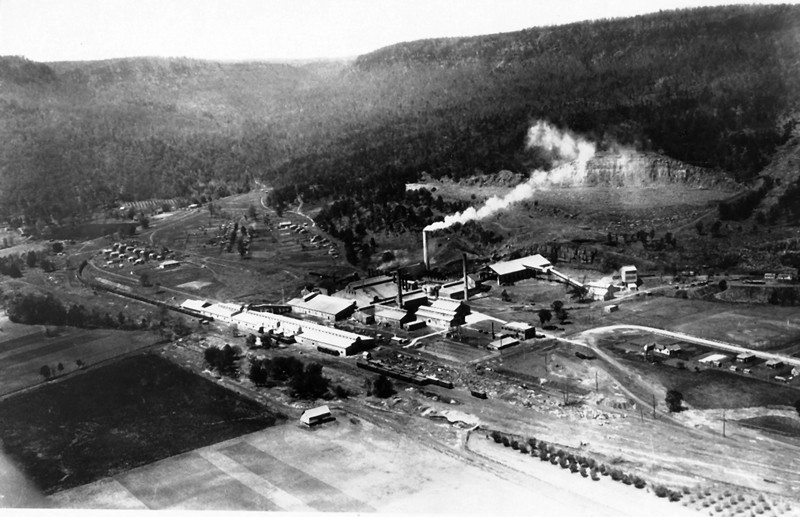
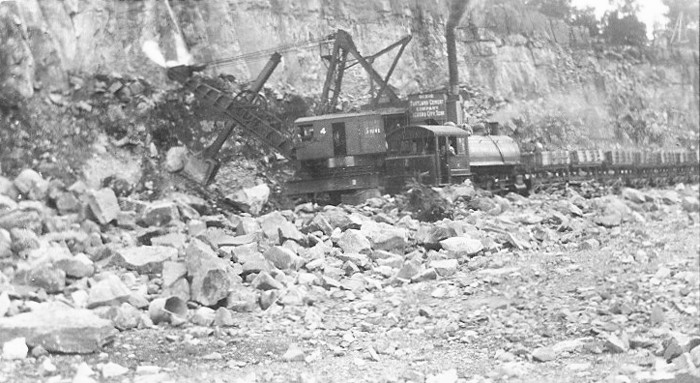
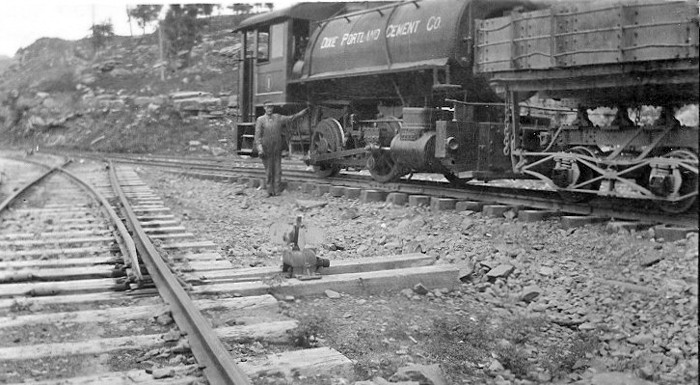
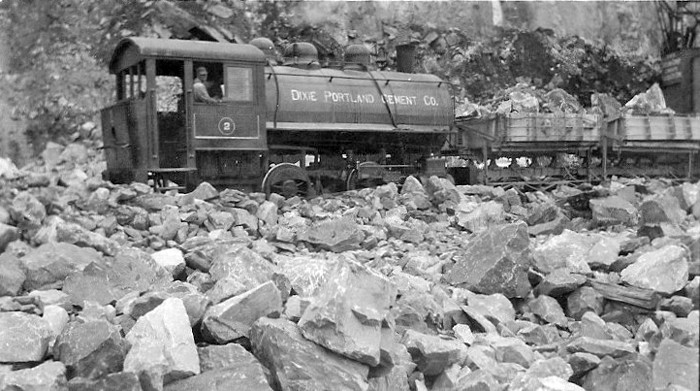
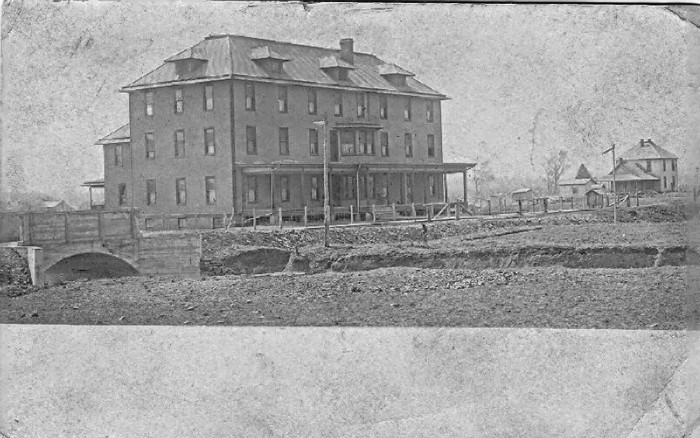
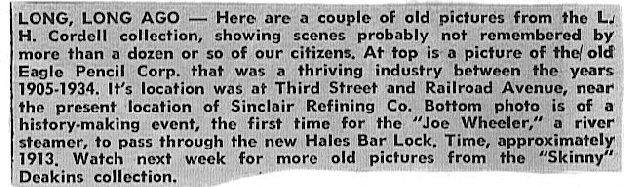
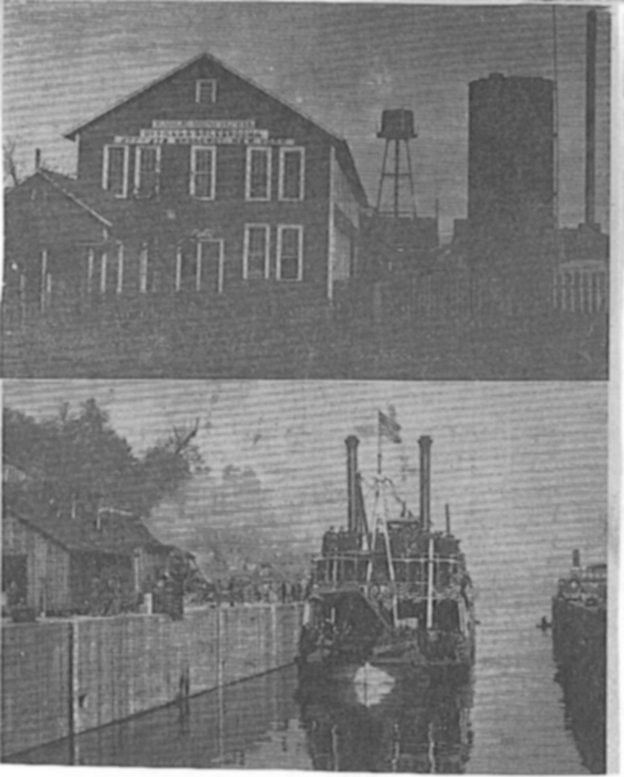
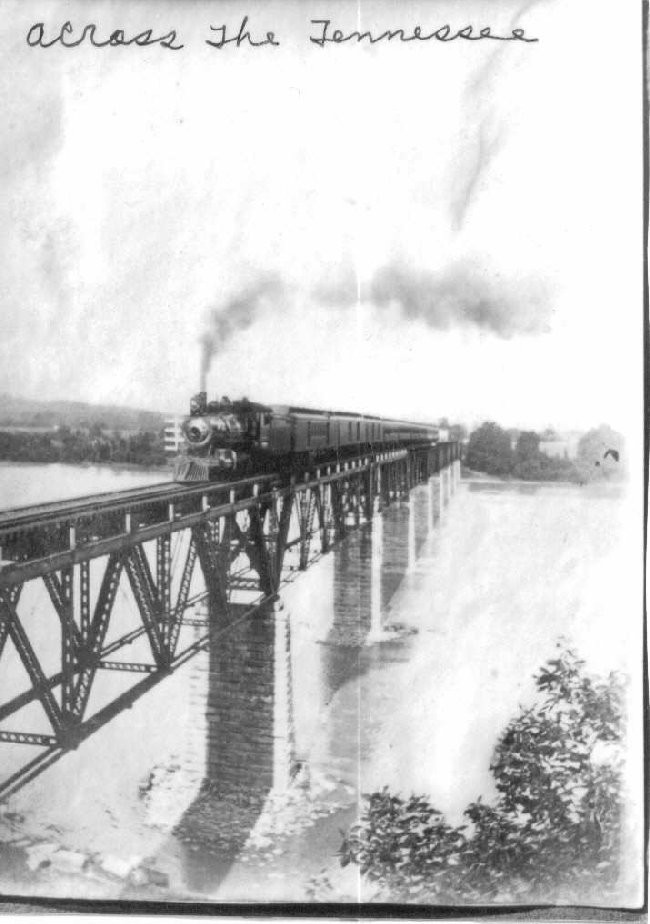
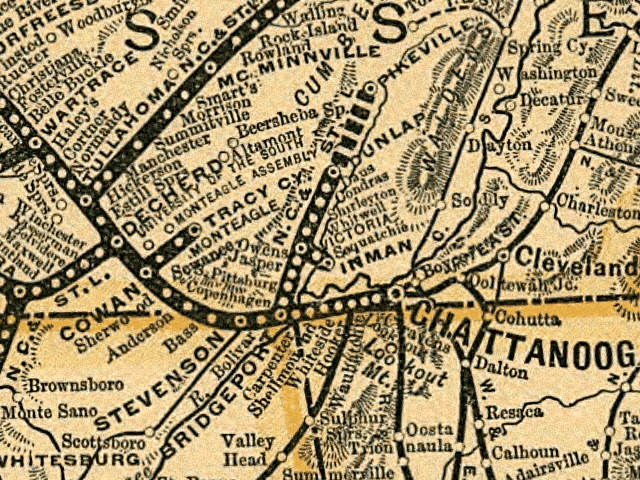
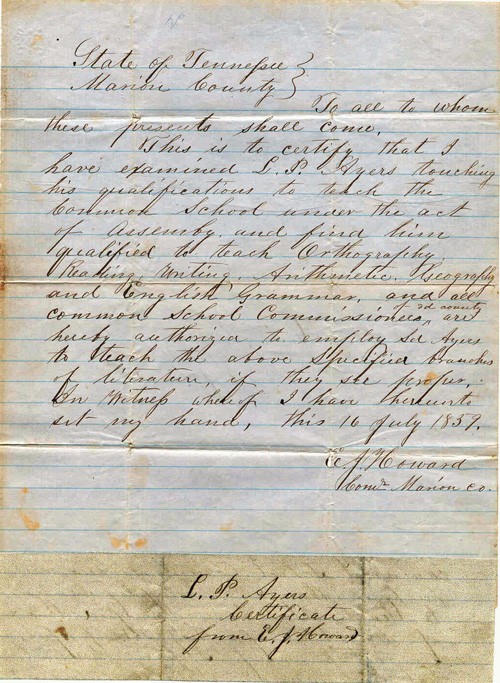
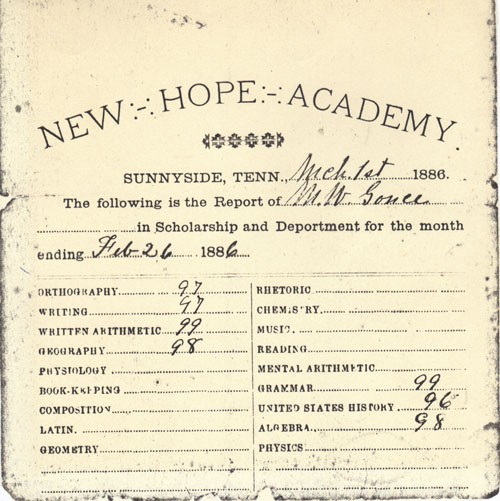
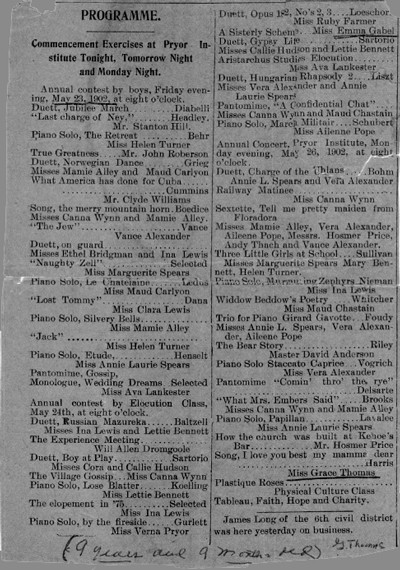
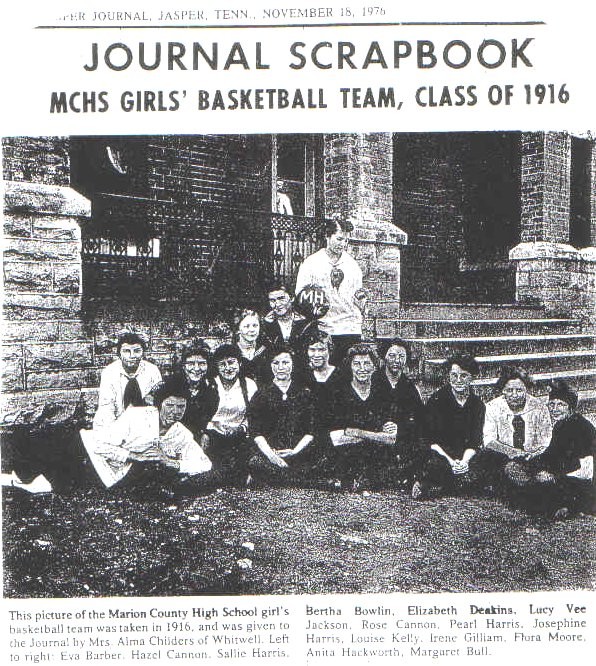
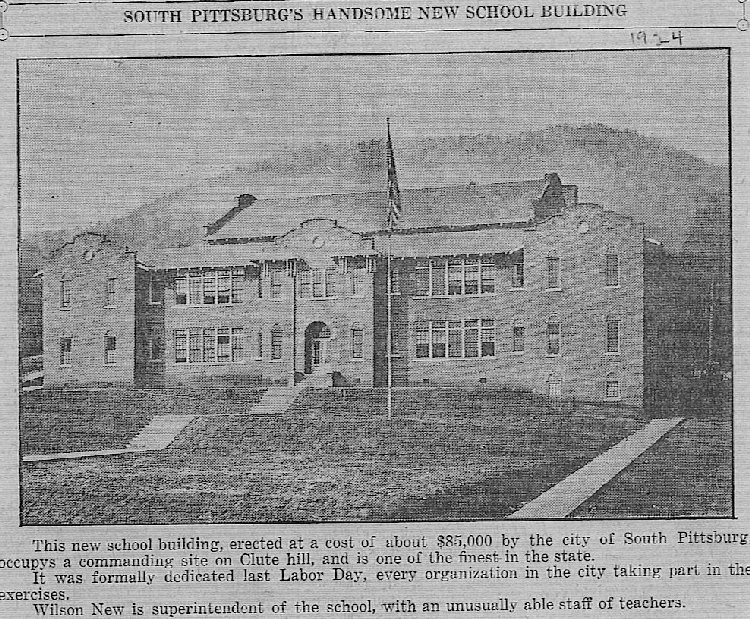
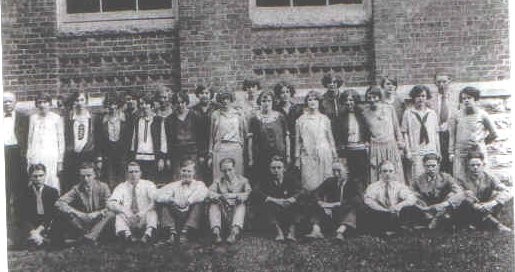
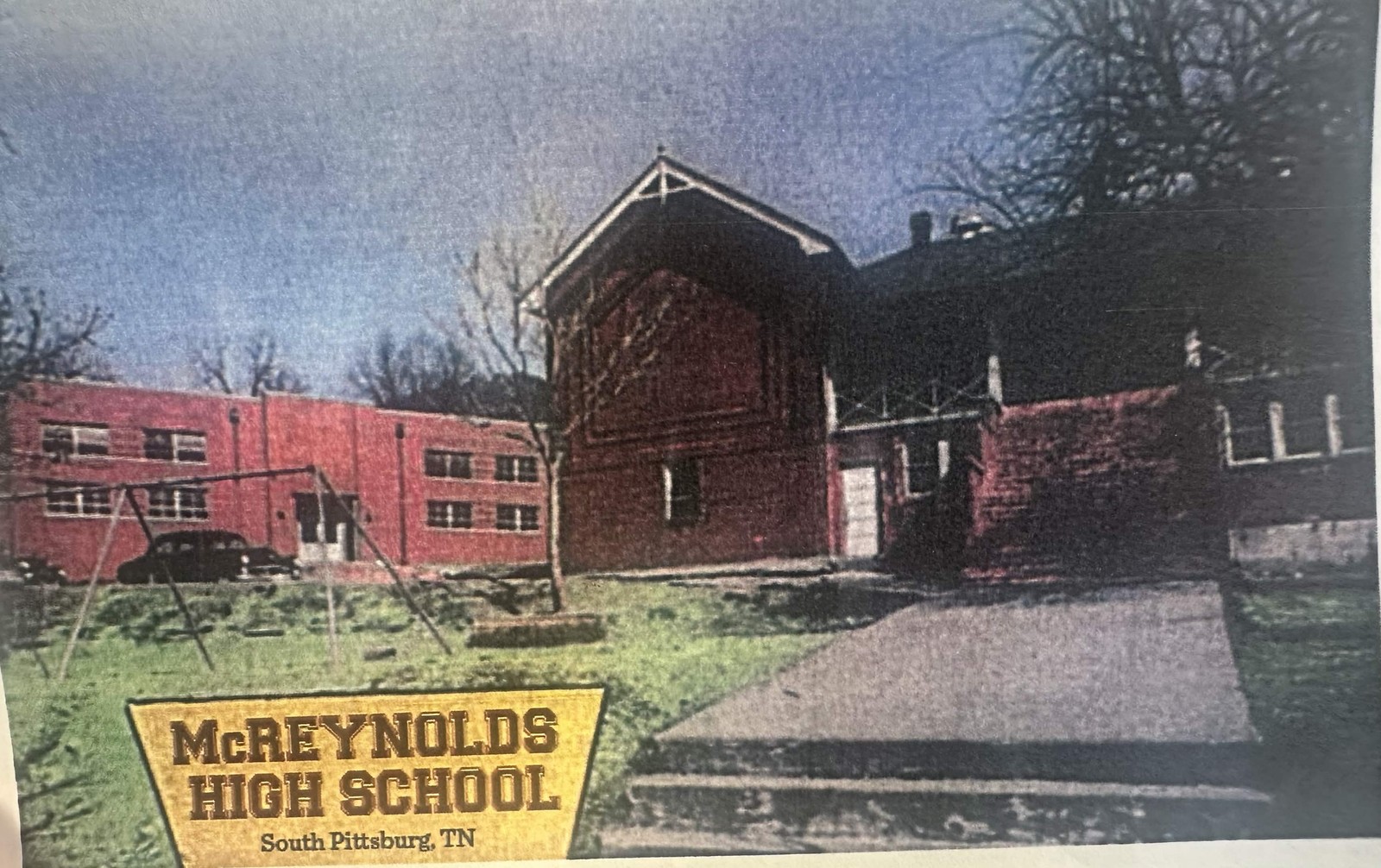
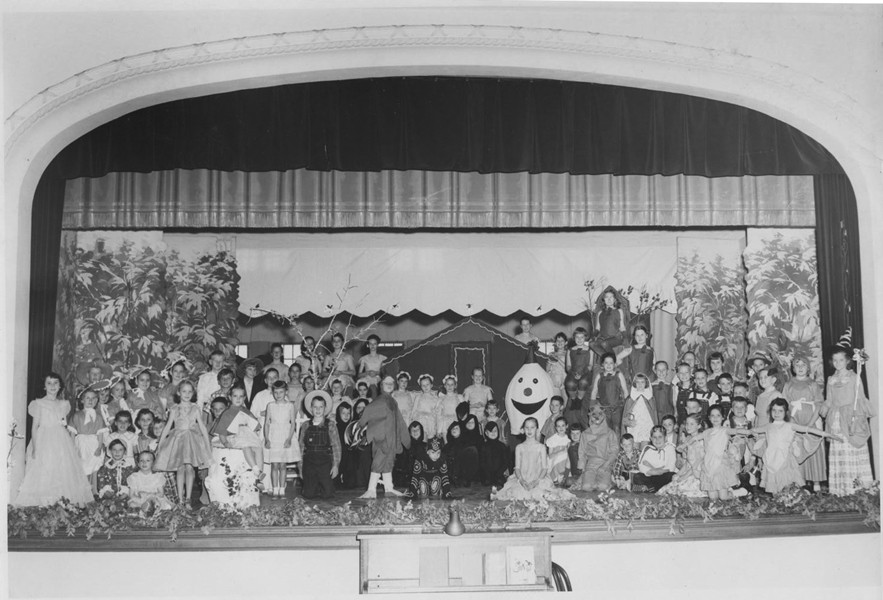
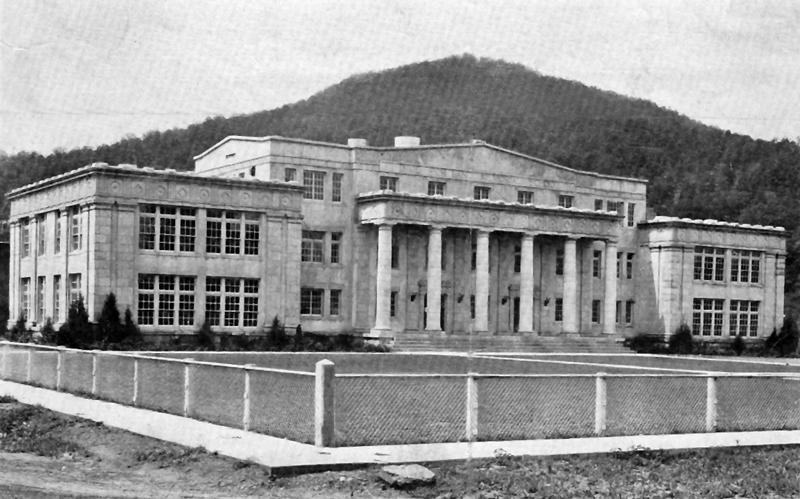
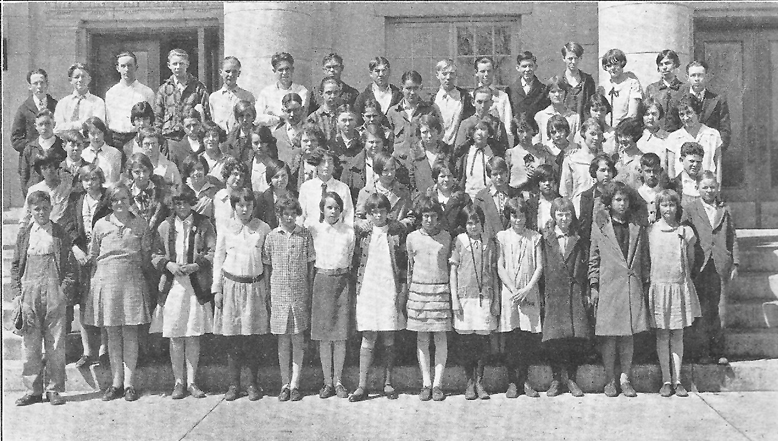
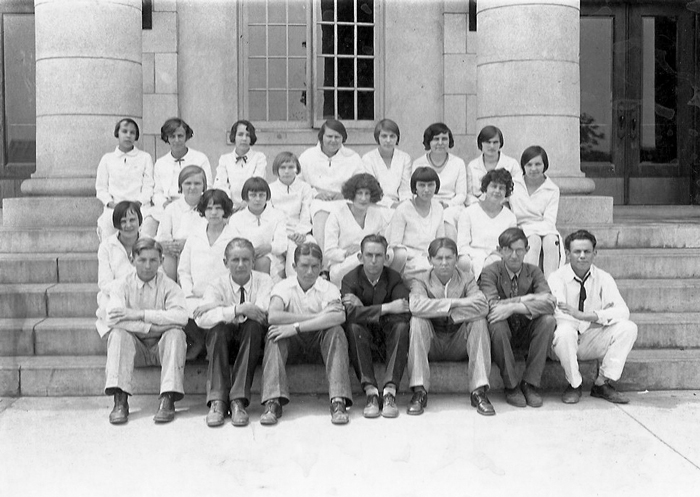
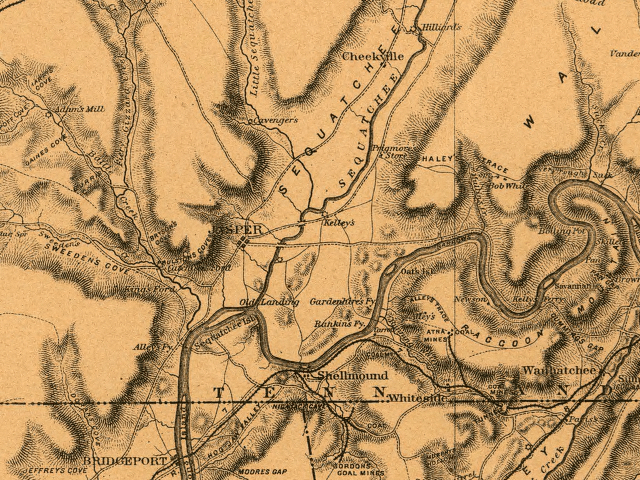
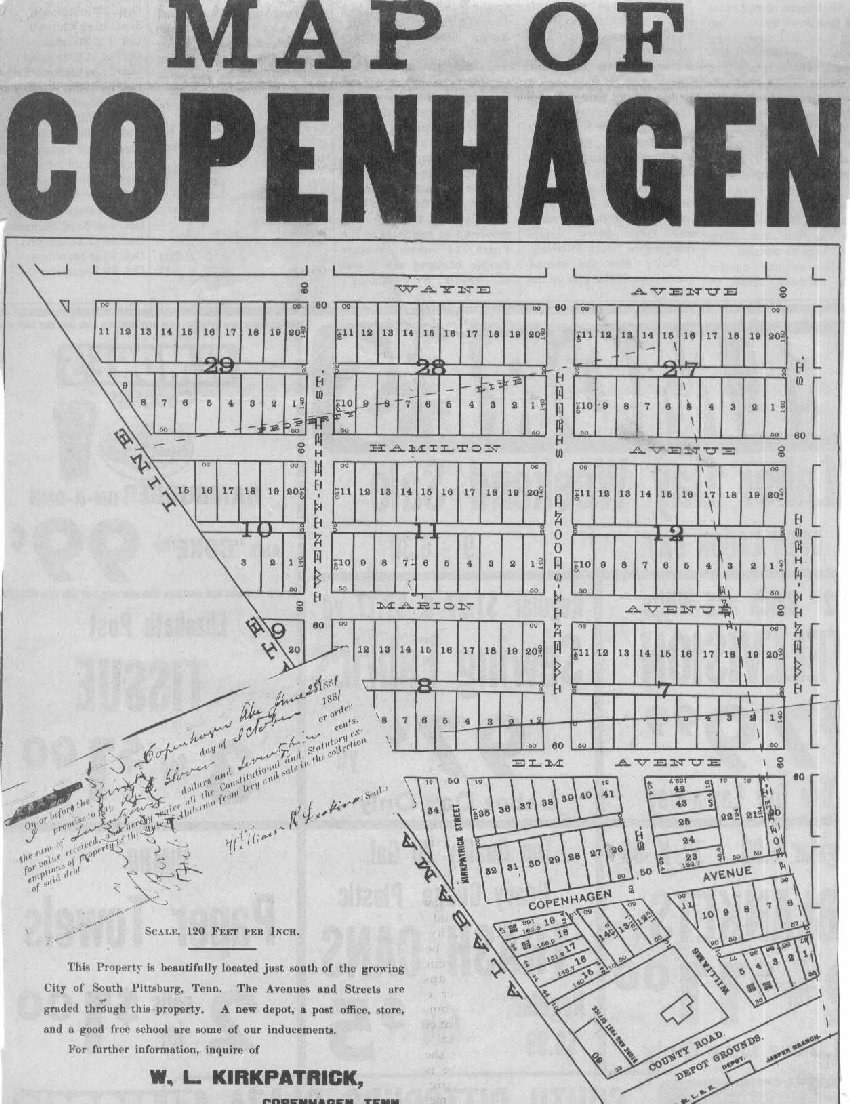
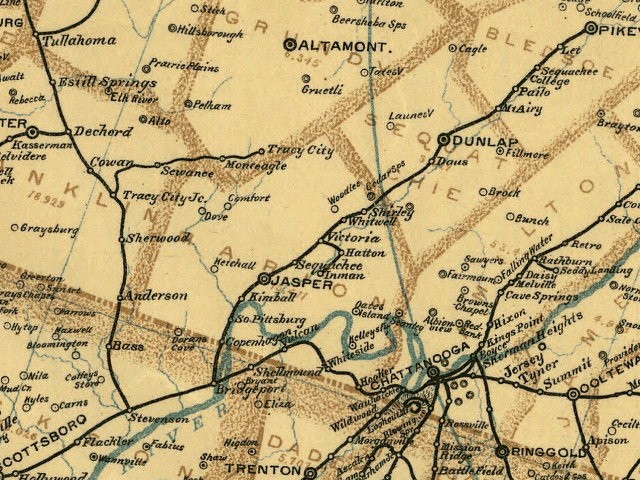
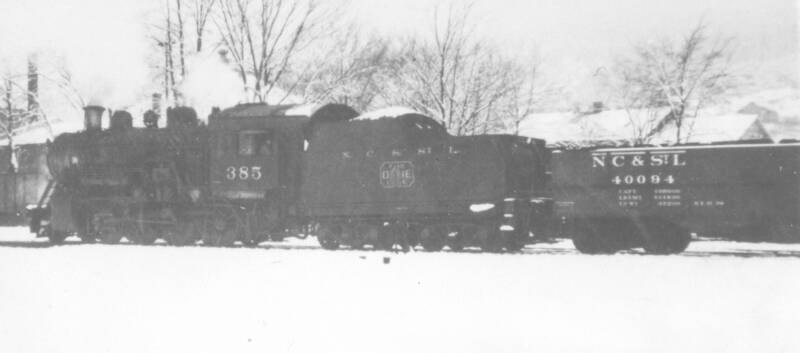
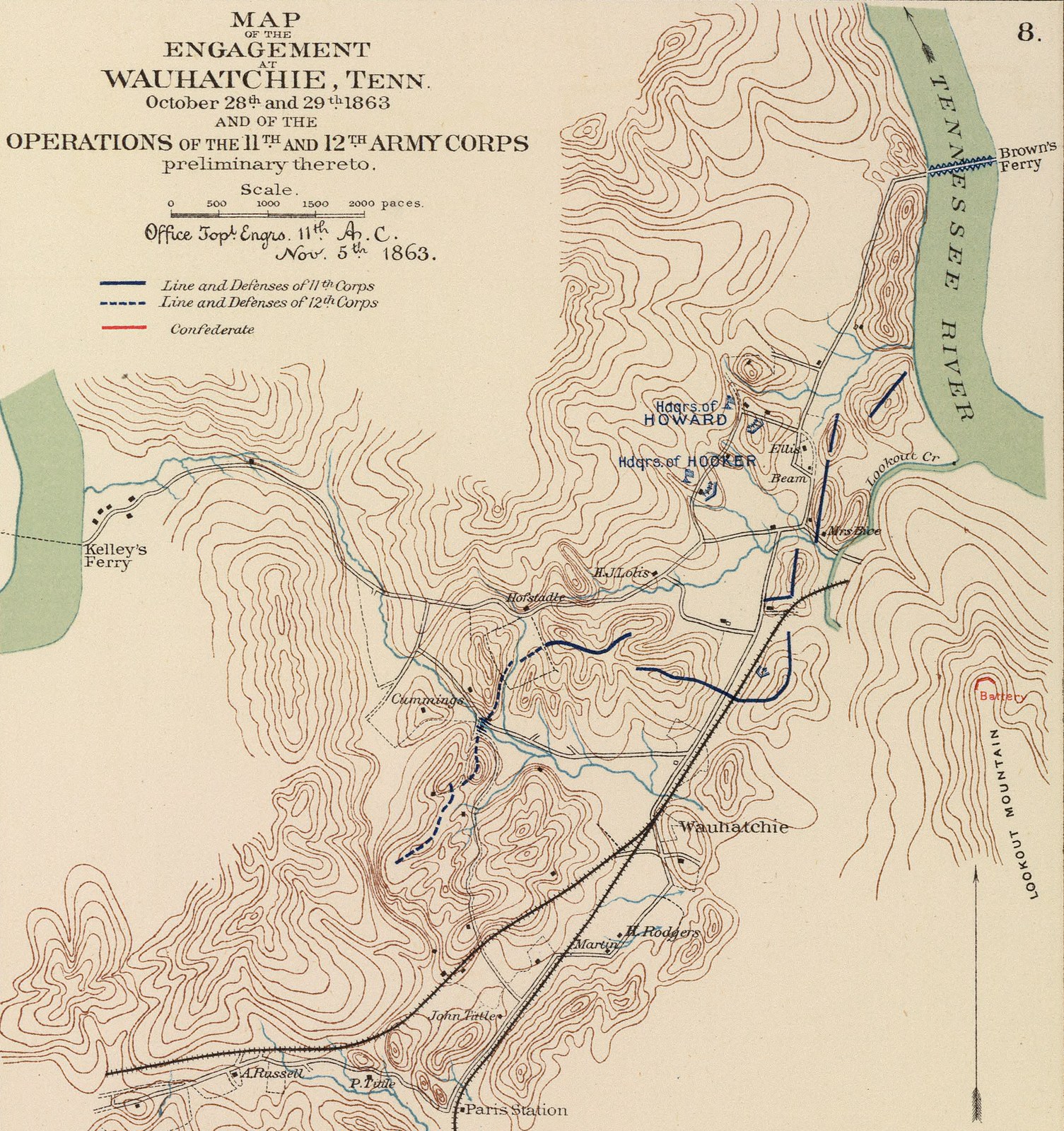
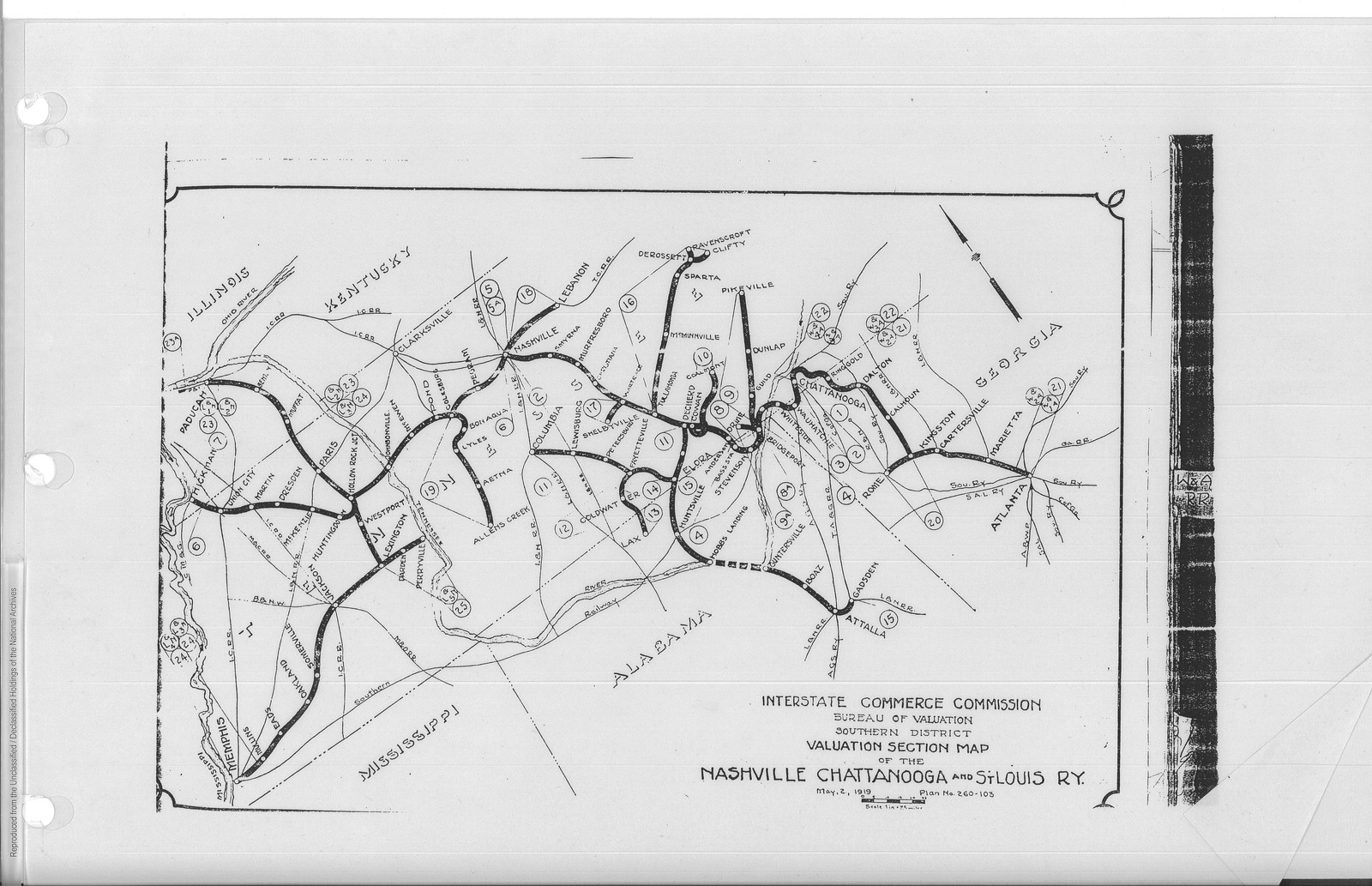
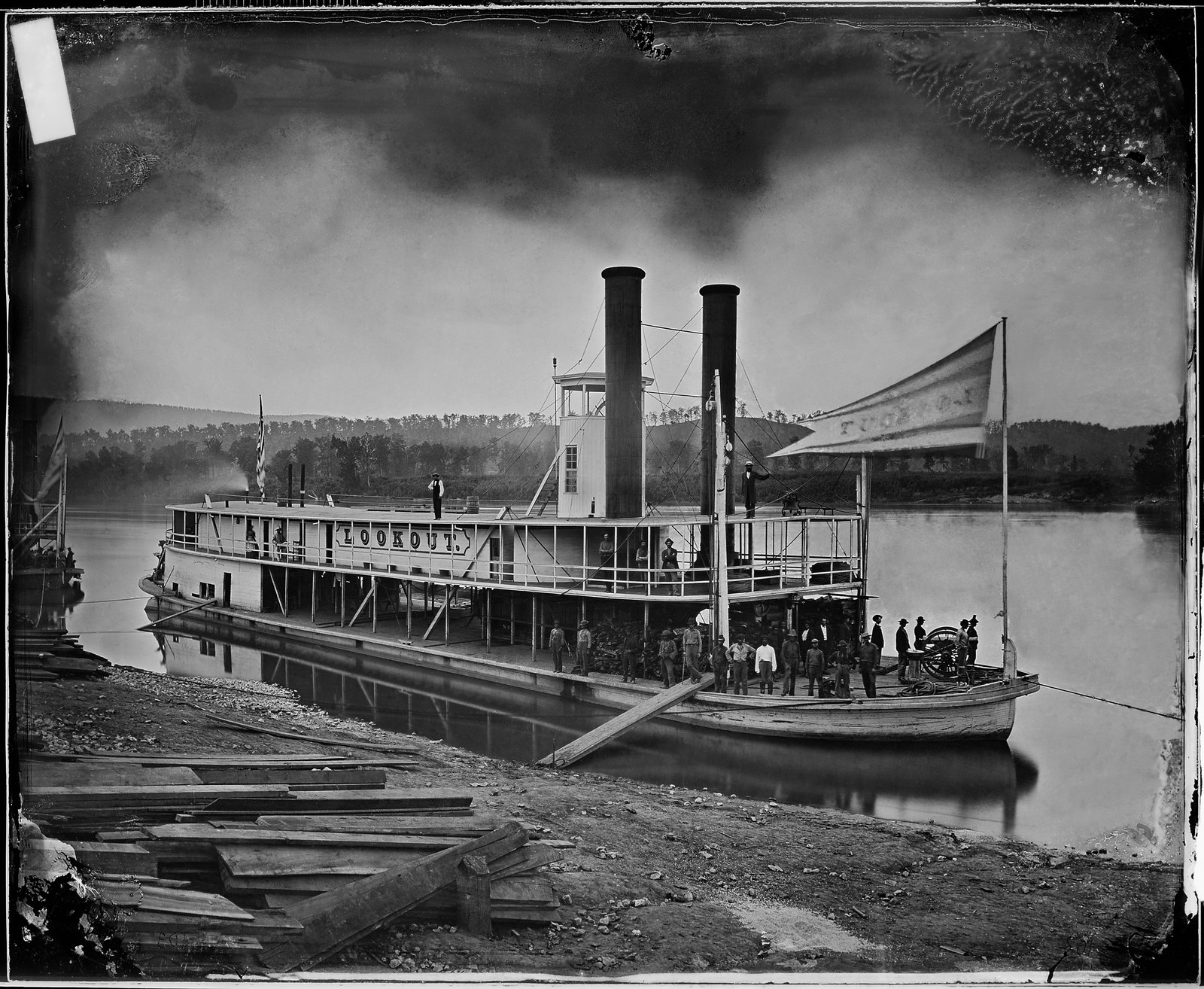
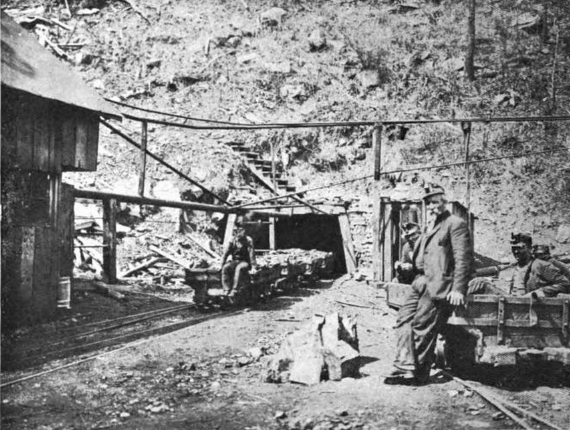
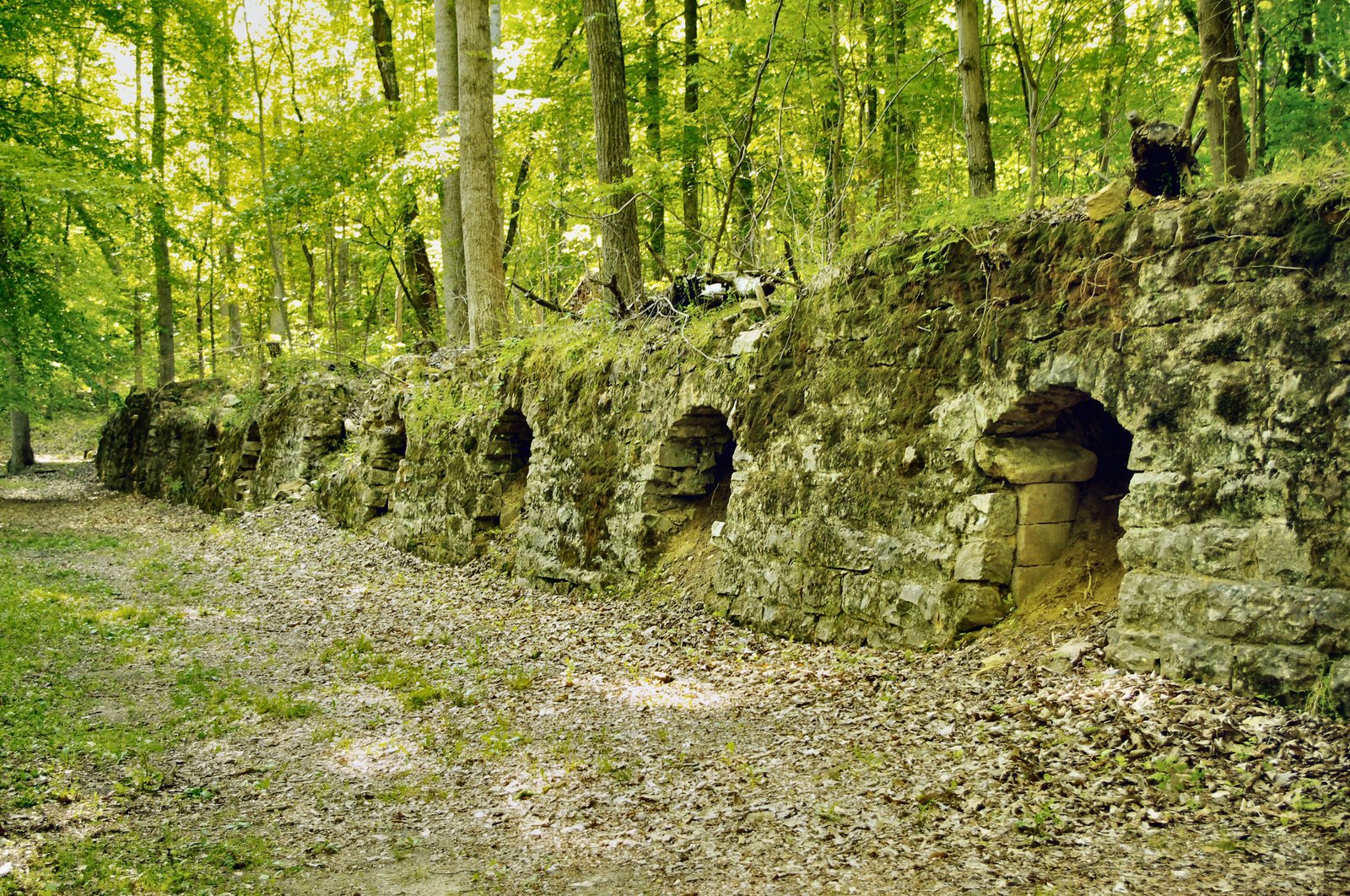
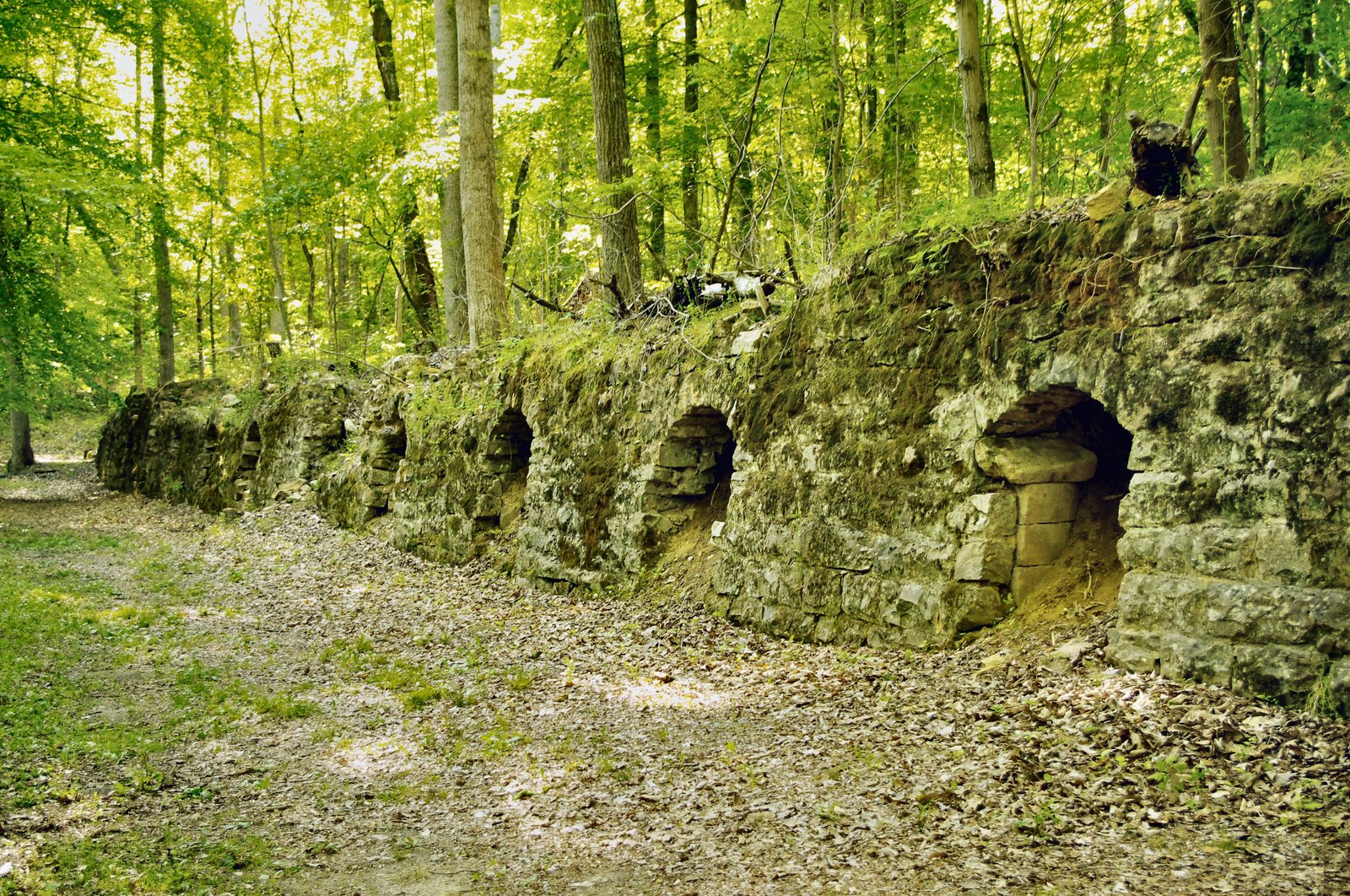
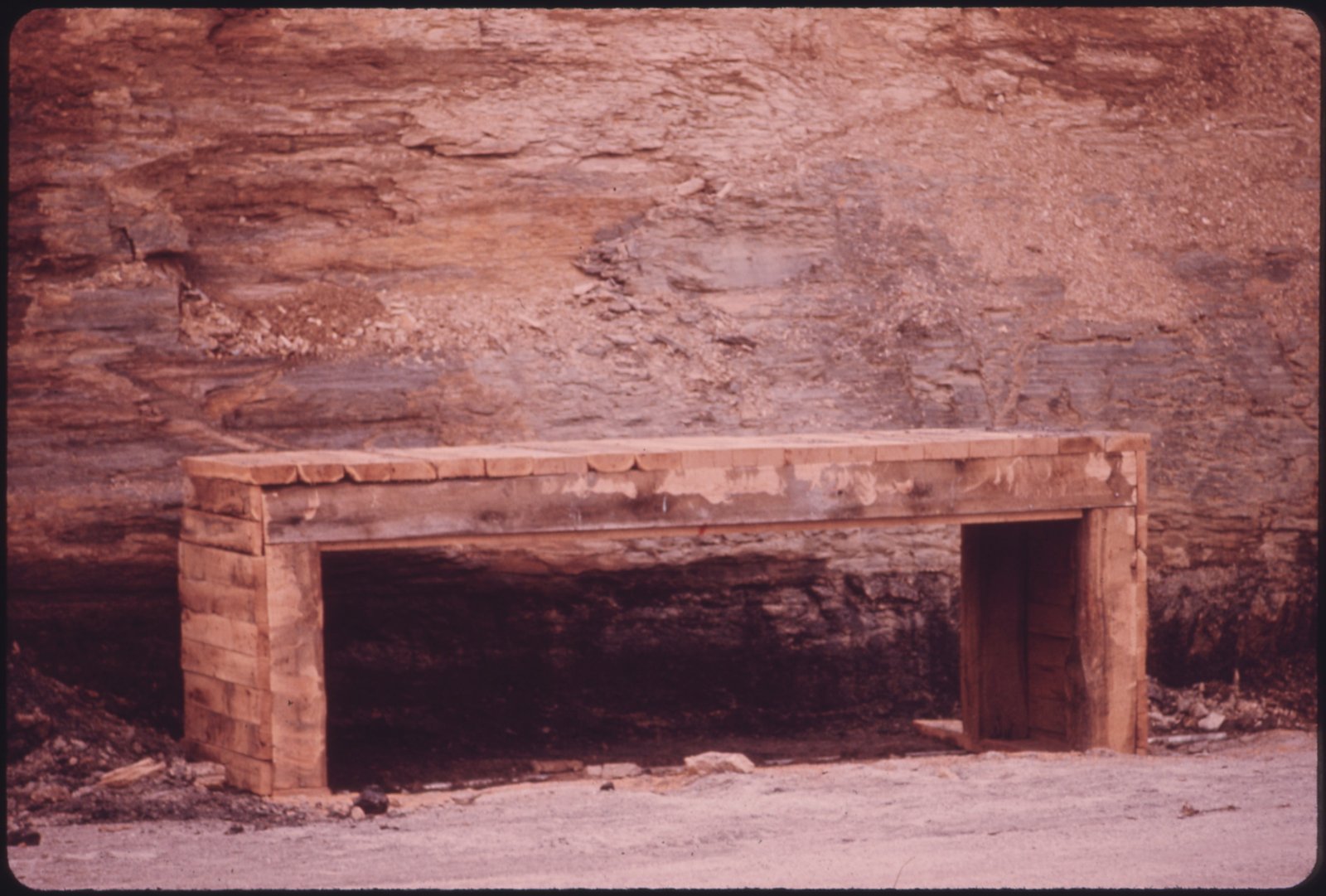
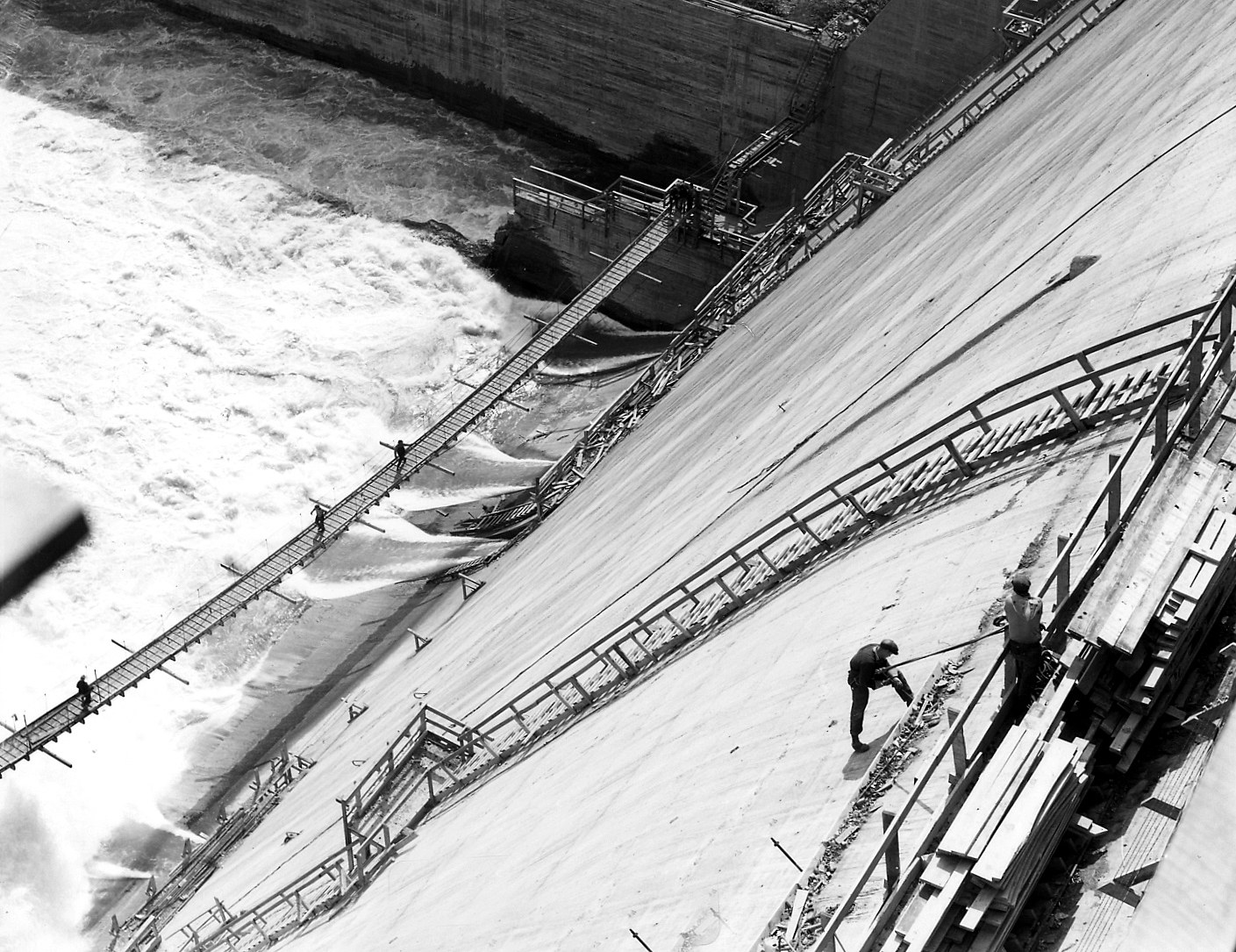
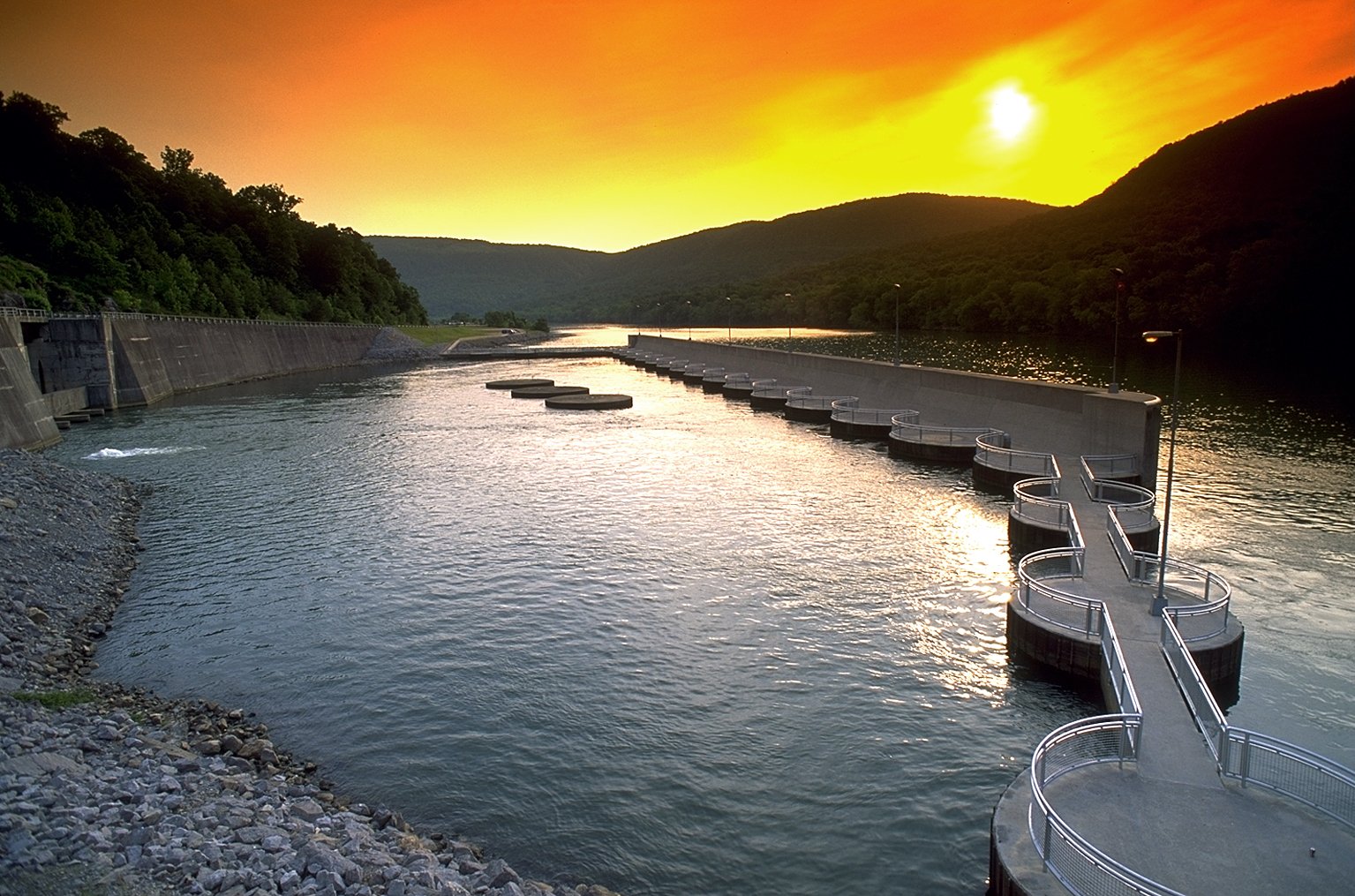
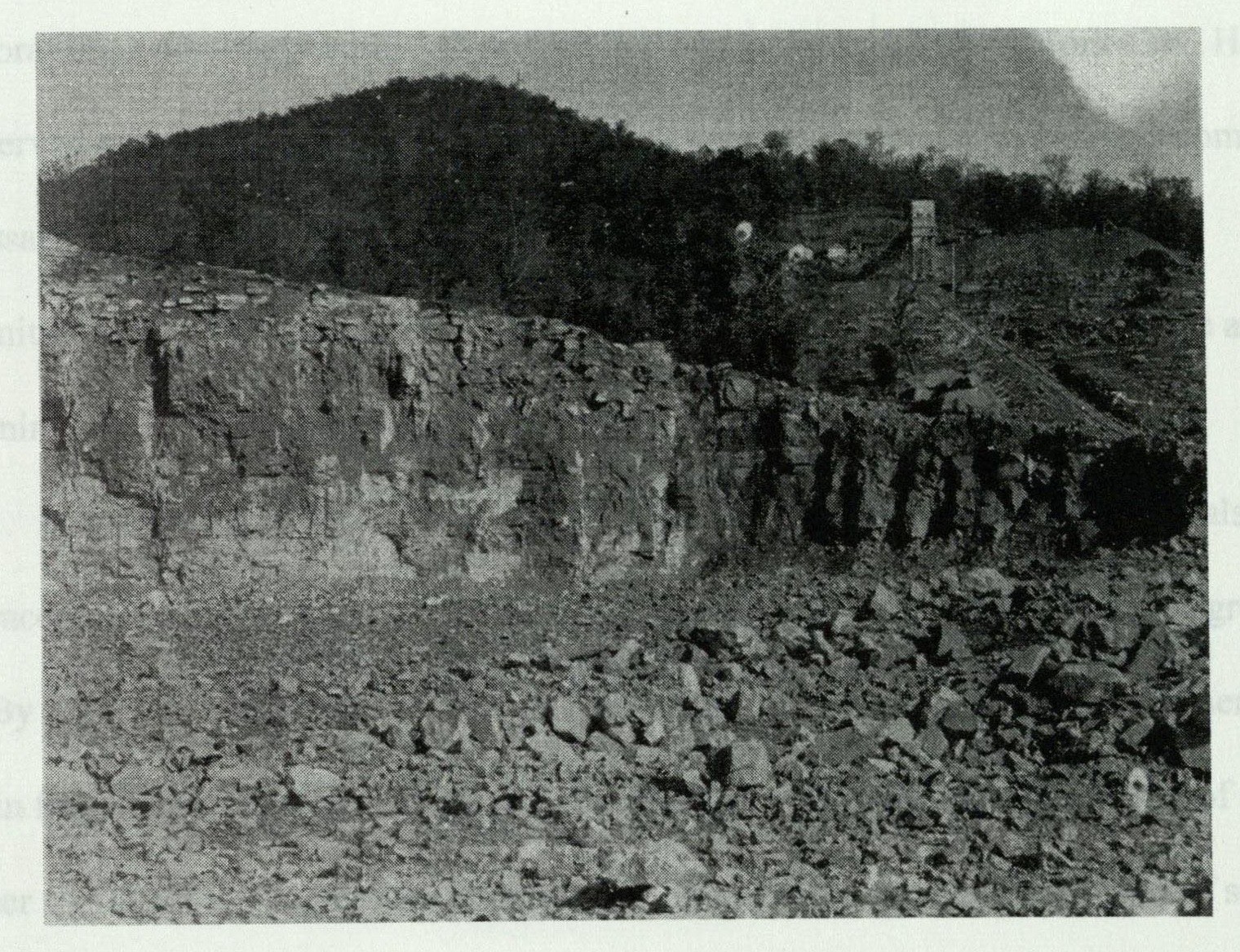
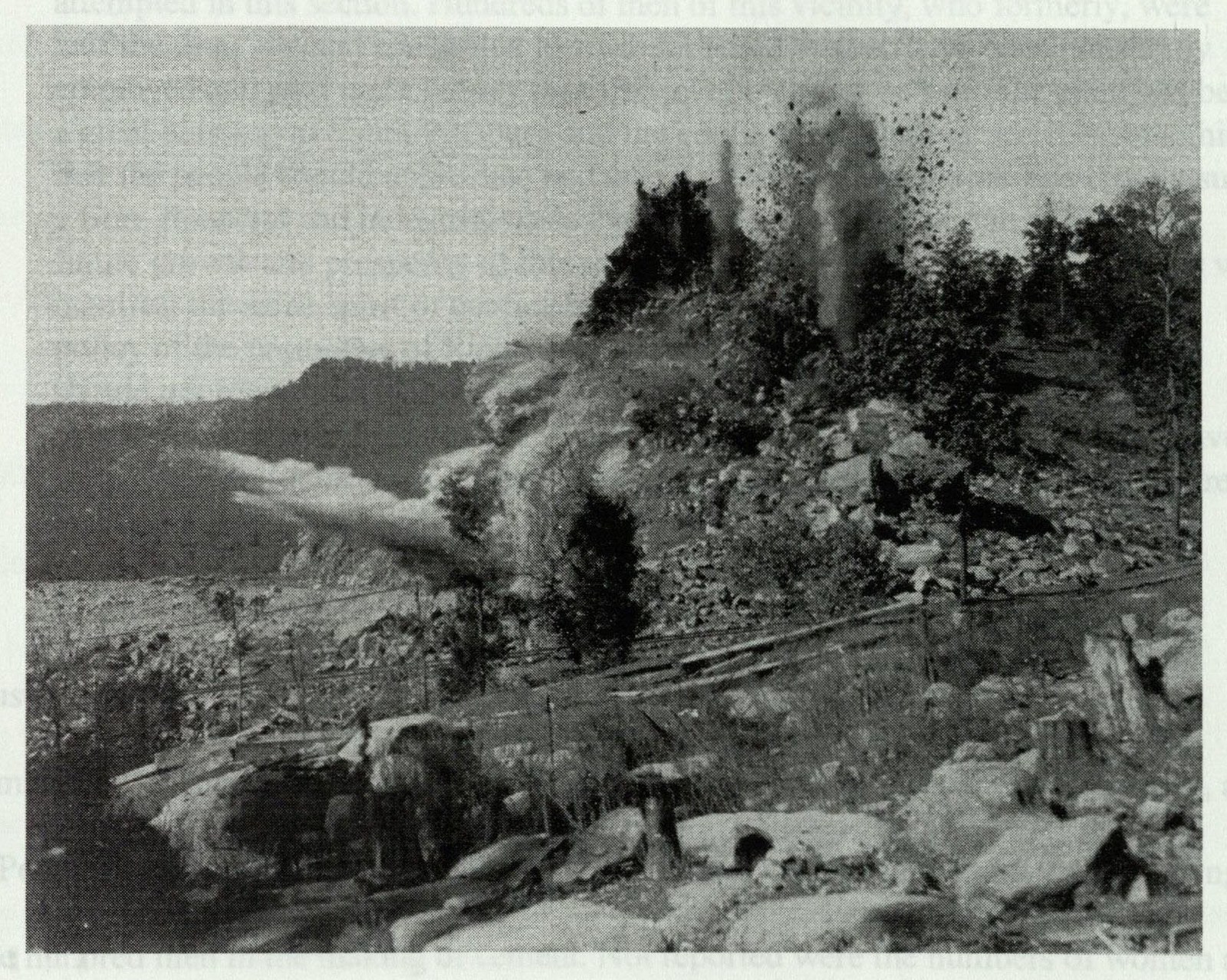
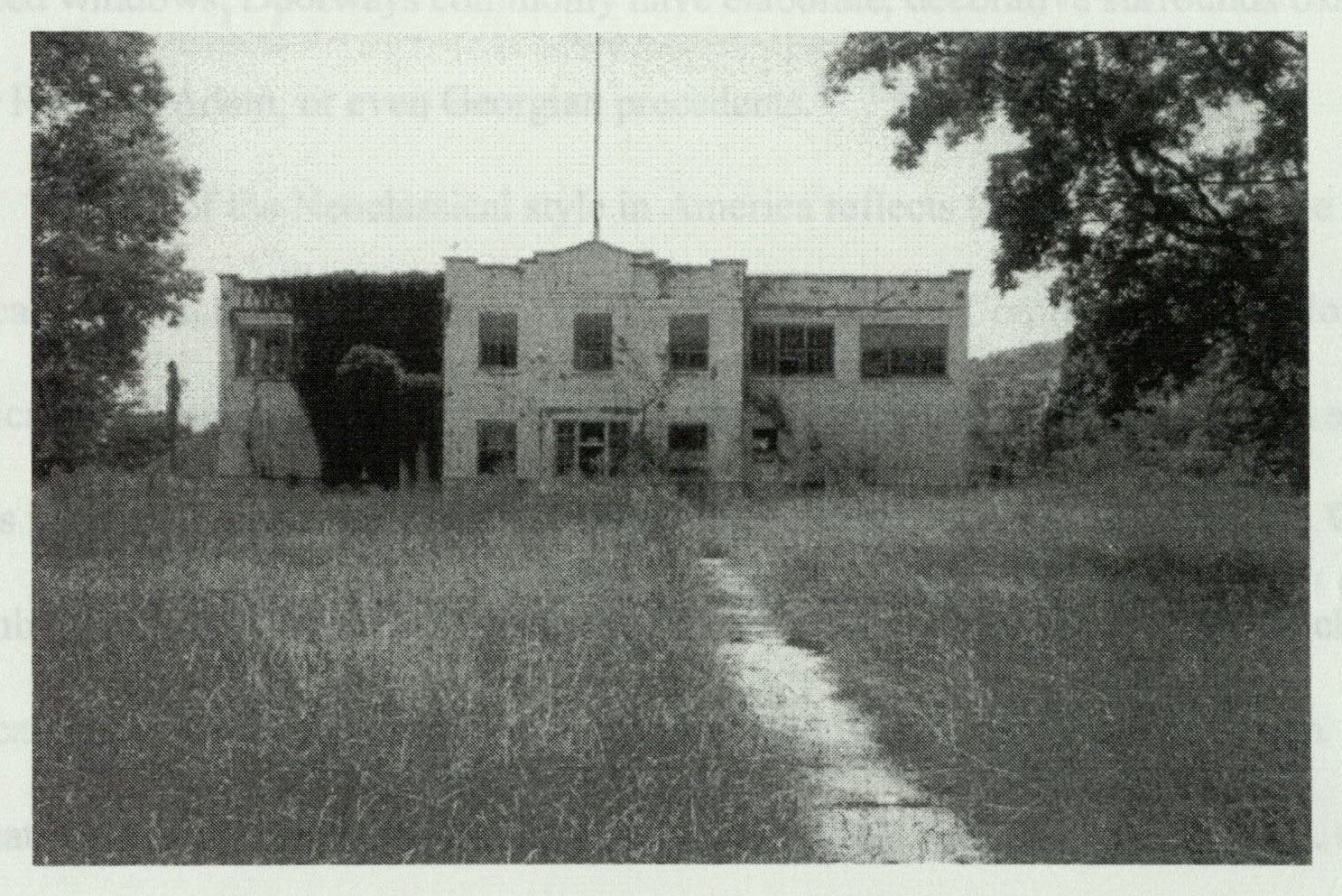
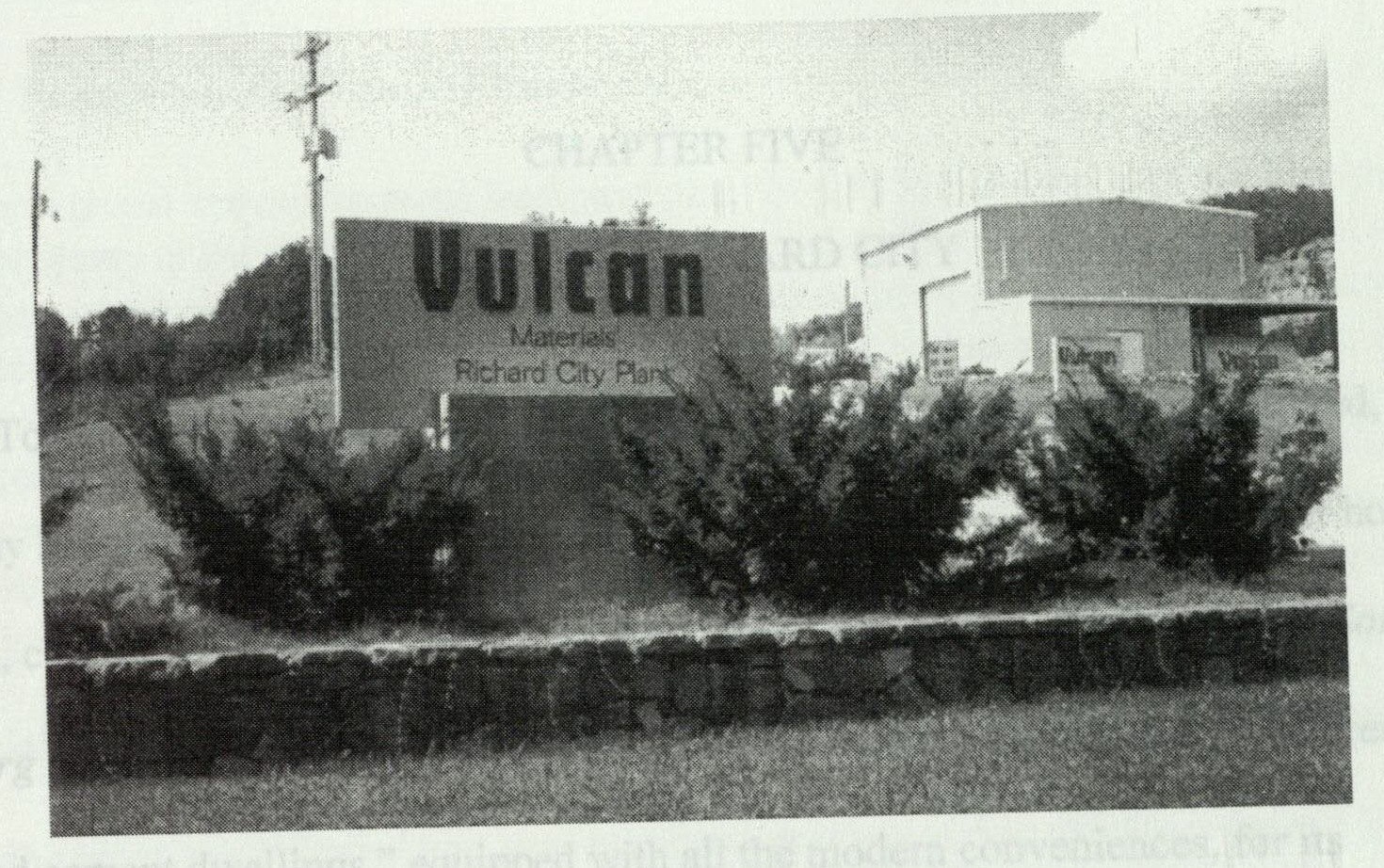
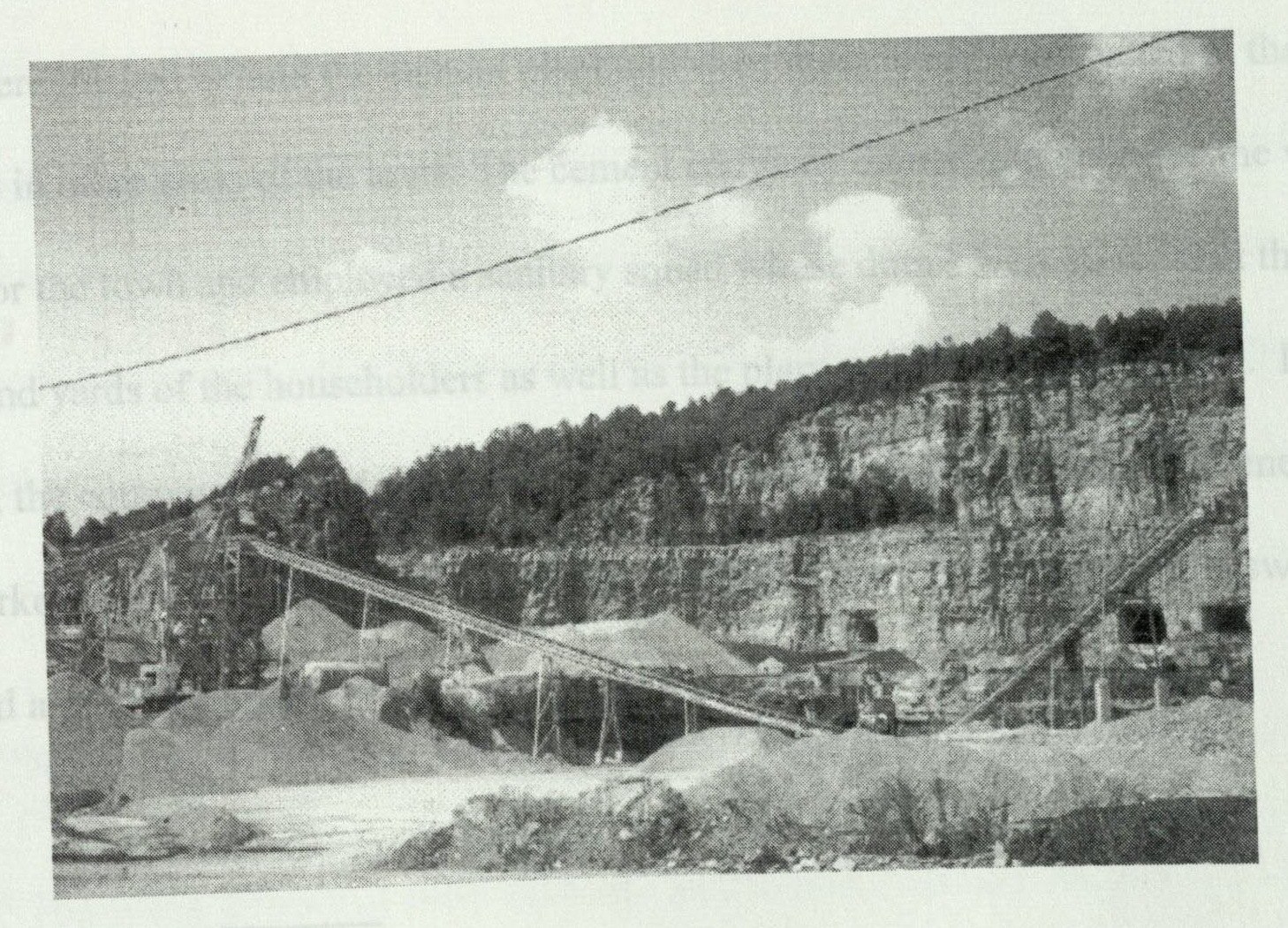
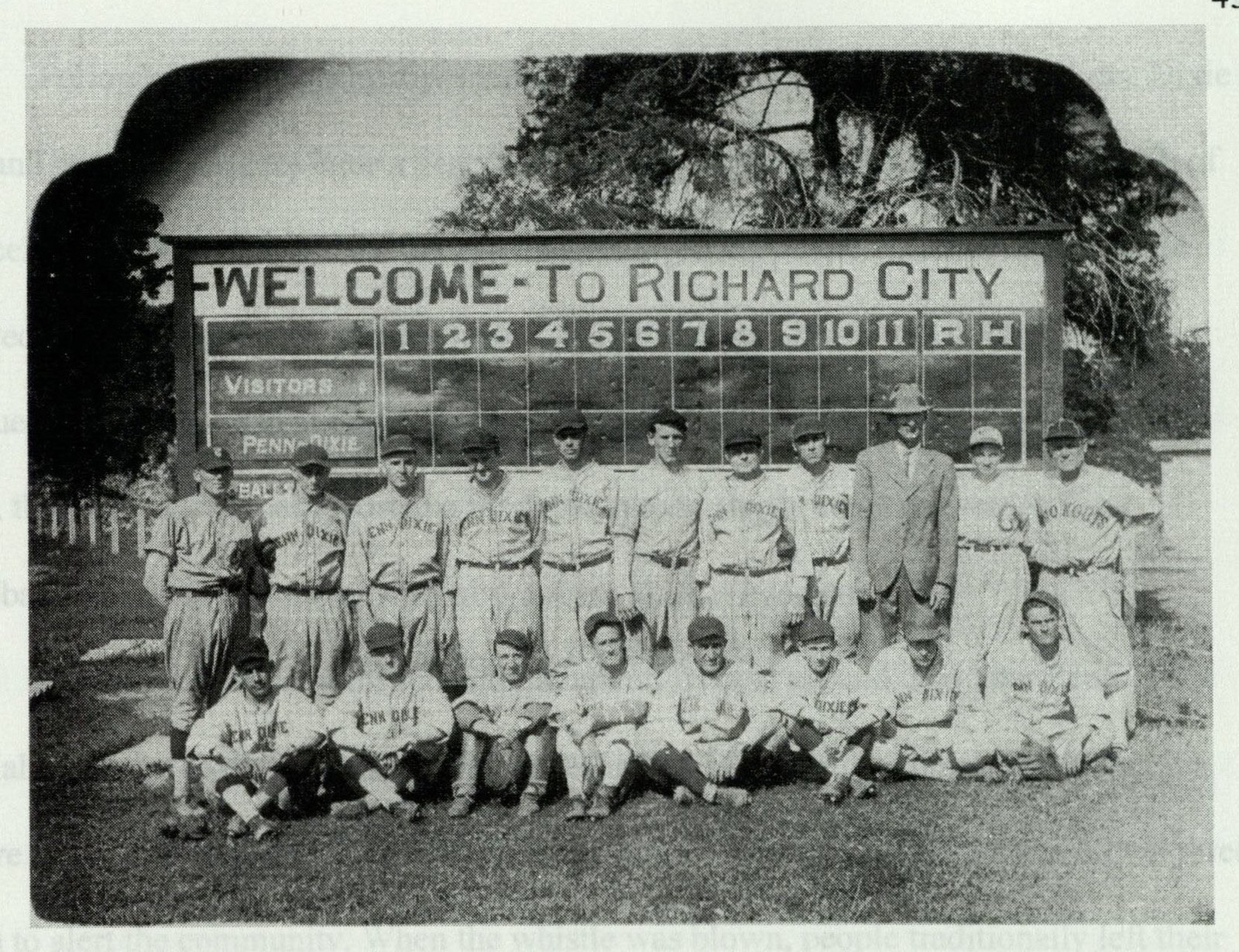
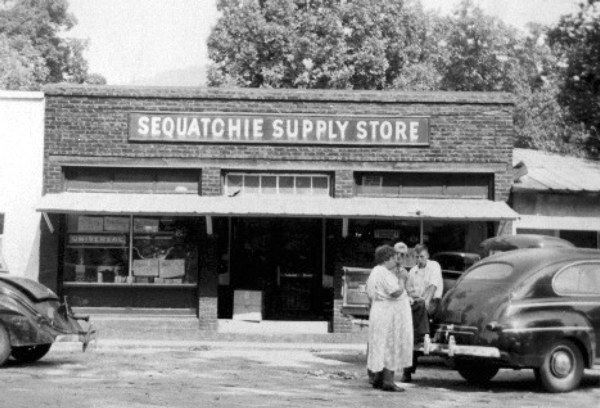
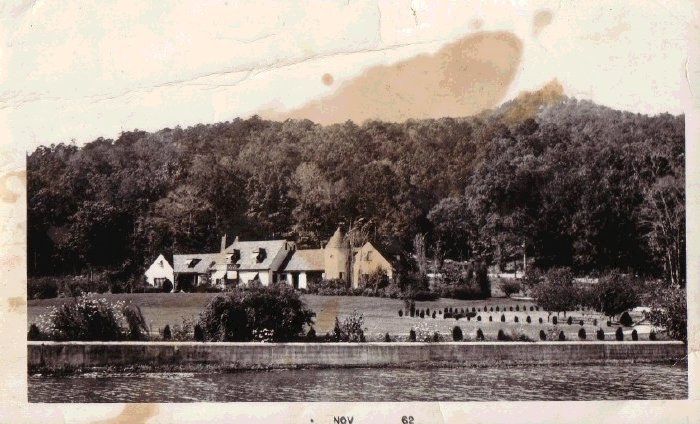
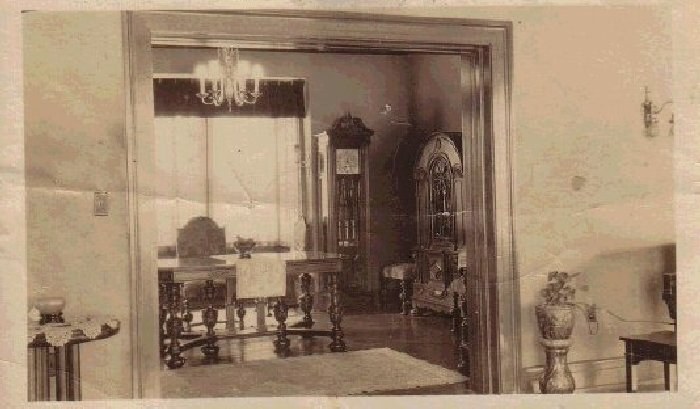
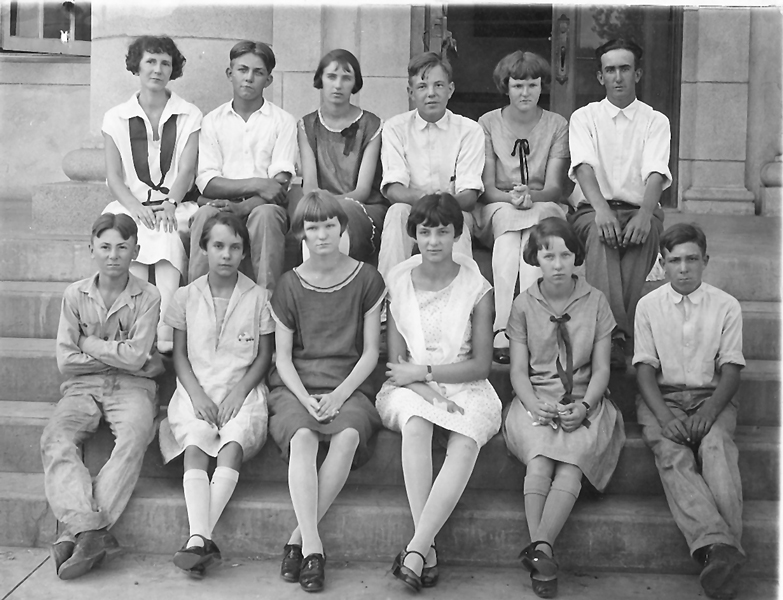
The Cherokee attack on the retreating Fort Loudoun garrison (Aug. 1760): the collapse of British power in the Overhill country that sent a French supply mission up the Tennessee, where it was turned back at the Suck on the edge of the Sequatchie country. Illustration by Ernest Peixotto for The Story of Old Fort Loudon (1913), public domain, via Wikimedia Commons.The Treaty of Sycamore Shoals (March 1775): Richard Henderson's twenty-million-acre Transylvania Purchase, where Dragging Canoe warned of a settlement "dark and bloody." Lunette by T. Gilbert White (public domain) at the Kentucky State Capitol; photo: Daderot (CC0, via Wikimedia Commons).Theater of the Chickamauga Wars (1776–1794): the Lower Towns on the Tennessee at the center of the map, with the Watauga and Holston settlements to the northeast and the Cumberland settlements to the northwest. Map: Natty4bumpo, 2010 (CC BY-SA 3.0, via Wikimedia Commons).Fort Nashborough reconstruction (Nashville): the destination of the Donelson voyage of 1779–1780, which ran the Marion County stretch of the Tennessee under fire in March 1780. Photo: Jerrye & Roy Klotz, MD, 2006 (CC BY-SA 3.0, via Wikimedia Commons).Russell Cave entrance (Doran's Cove, just over the Alabama line): the shelter cave below South Pittsburg whose floor held a roughly 9,000-year record of human occupation, excavated in 1956 by South Pittsburg coal miners for the Smithsonian. Photo: Fredlyfish4, 2014 (CC BY-SA 3.0, via Wikimedia Commons).Russell Cave National Monument (c. 1965): visitors tour the cave shelter along the stone walkway a few years after the 1961 establishment of the national monument. Photo: National Park Service (public domain, via Wikimedia Commons).Battle of Lookout Mountain (Nov. 24, 1863): fought just east of Marion County in Hamilton County; Kurz & Allison lithograph.Whiteside Trestle (Jan. 8, 1864): George N. Barnard photograph of the 780-foot Nashville & Chattanooga Railroad trestle at Whiteside, rebuilt by U.S. Military Railroads as part of the Chattanooga supply line. One of the earliest surviving photographs of Marion County.The Siege of Fort McCook (Aug. 27, 1862): Custom regimental movement map showing the Federal garrison at Fort McCook (44th Indiana, 2nd Ohio Artillery, 9th Brigade under Harris) and the Confederate force that crossed at Bridgeport and shelled the fort from the east bank. Map by Carden Brown, 2026, used with permission.Jasper and Vicinity (July 24, 1863): Federal topographical sketch map by Capt. W. E. Merrill, Chief of Topographical Engineers, drawn in the field weeks before the Chickamauga Campaign. Shows Jasper, Bridgeport, Shellmound, Sweeden's Cove, the Battle Creek road, the Sequatchie Valley road, and Lowry's, Alley's, Lover's, and Kelly's ferries. Public domain (Federal-government work). Contributed by Carden Brown.The Suck (1864): Harper's Weekly engraving of The Suck rapid on the Tennessee River, the obstruction at the head of the Tennessee River Gorge that gave Suck Creek its name. The rapids were drowned in the 20th century by Hales Bar and later Nickajack impoundment.Battle of Missionary Ridge (Nov. 25, 1863): fought just east of Marion County in Hamilton County; Kurz & Allison lithograph.NC&StL Railway Locomotive: Industrial era transportationHales Bar Dam (1949): Hydroelectric infrastructureNickajack Dam: TVA hydroelectric projectInterstate 24 (1967): Modern transportation infrastructure near MonteagleScopes Trial (1925): William Jennings Bryan and Clarence Darrow, at a trial presided over by Marion County–born Judge John T. Raulston (Dayton, Rhea County).1927 Christmas Night Shootout marker: Tennessee Historical Commission marker 2B-32 at the corner of Cedar Avenue and Third Street in South Pittsburg, dedicated July 20, 2014, marking the location of the December 25, 1927 gun battle that killed Marion County Sheriff Wash Coppinger and five other officers. Photo: Tyce H.Jasper Commercial Block: Historic downtown architectureHales Bar Dam Powerhouse (2013): The surviving powerhouse from the 1913 dam, now a marina and event venueHales Bar Powerhouse (2017): View from the marina dock; the only major original structure from the Guild-era worksite still standingHales Bar Dam Turbine: Cross-section diagram of one of the dam's eight original turbines (TVA, 1972)Beehive Coke Oven: Interior view of a Sequatchie Valley coke oven at Dunlap, showing the firebrick liningNC&StL Timetable (1930): Schedules for the Dixie Flyer and Dixie Limited passenger trainsShelby Rhinehart Bridge (1981): The "Blue Bridge" carrying SR-156 over the Tennessee River at South PittsburgTrail of Tears Marker, Monteagle (2016): Bell Route marker along U.S. Route 41 on Monteagle Mountain; John Bell's detachment crossed the plateau here in 1838 and camped near Martin Springs on the descent into the Sequatchie ValleyBetsy Pack's deed donating the Jasper town site (1820). Public domain, via RootsWeb/TNGenWeb.Betsy Pack historical marker in Jasper, honoring the Cherokee woman who donated the land for the county seat. Public domain, via RootsWeb/TNGenWeb.First Marion County Courthouse in Jasper (built 1820s). Public domain, via RootsWeb/TNGenWeb.Second Marion County Courthouse in Jasper (built 1882). Public domain, via RootsWeb/TNGenWeb.Cedar Avenue, South Pittsburg, 1887. Courtesy of the South Pittsburg Historic Preservation Society.First National Bank building, at the corner of Elm Avenue and 3rd Street, South Pittsburg. Courtesy of the South Pittsburg Historic Preservation Society.Cedar Avenue, South Pittsburg, 1924. Public domain (pre-1930), via RootsWeb/TNGenWeb.Cedar Avenue, South Pittsburg, 1928. Courtesy of the South Pittsburg Historic Preservation Society.1902 Sanborn fire-insurance key map of South Pittsburg, showing the Tennessee Coal, Iron and Railroad furnaces in operation, the street grid, and the Tennessee River. Library of Congress, public domain, via Wikimedia Commons.1913 Sanborn fire-insurance key map of South Pittsburg, the TCI furnace complex now labeled “Not in Operation.” Library of Congress, public domain, via Wikimedia Commons.1902 Sanborn fire-insurance plate of the Cedar Avenue commercial core, with the Blacklock Foundry Co. (the future Lodge Manufacturing) at Cedar Avenue and First Street. Library of Congress, public domain, via Wikimedia Commons.Penn-Dixie Cement Corporation plant at Richard City. Public domain (pre-1930), via RootsWeb/TNGenWeb.Dixie Portland Cement quarry at Richard City. Courtesy of the Richard Hardy Memorial School archive.Dixie Portland Cement quarry at Richard City, c. 1927. Courtesy of the Richard Hardy Memorial School archive.Dixie Portland Cement quarry at Richard City, c. 1927 (alternate view). Courtesy of the Richard Hardy Memorial School archive.Dixie Inn at Richard City, c. 1911. Courtesy of the Richard Hardy Memorial School archive.Eagle Pencil Company steamboat on the Tennessee River. Public domain (pre-1930), via RootsWeb/TNGenWeb.Eagle Pencil Company steamboat, alternate view. Public domain (pre-1930), via RootsWeb/TNGenWeb.Railroad bridge at Bridgeport, Alabama, on the Nashville and Chattanooga line. Public domain (pre-1930), via RootsWeb/TNGenWeb.Map of Marion County railroad lines. Public domain, via RootsWeb/TNGenWeb.Teaching certificate issued to Lewis Ayers by Marion County, 1859. Public domain (pre-1930), via RootsWeb/TNGenWeb.New Hope Academy report card, 1886. Public domain (pre-1930), via RootsWeb/TNGenWeb.Pryor Institute commencement program, Jasper, 1902. Public domain (pre-1930), via RootsWeb/TNGenWeb.Marion County High School girls basketball team, 1916. Public domain (pre-1930), via RootsWeb/TNGenWeb.South Pittsburg High School building, 1924. Courtesy of the South Pittsburg Historic Preservation Society.Marion County High School class photo, 1927. Public domain (pre-1930), via RootsWeb/TNGenWeb.McReynolds High School, the Black high school in South Pittsburg during the segregation era. Photo: Tyce H.Richard Hardy Memorial School play cast, 1958. Courtesy of the Richard Hardy Memorial School archive.Dixie Portland Memorial School (later Richard Hardy Memorial School), frontal view. Courtesy of the Richard Hardy Memorial School archive.Faculty of the Dixie Portland Memorial School, 1926-27, with sixteen named staff. Courtesy of the Richard Hardy Memorial School archive.Lanier Literary Society, Dixie Portland Memorial School, May 20, 1927. Courtesy of the Richard Hardy Memorial School archive.4-H Garden Club of Richard City with leader Carl P. Archer. Courtesy of the Richard Hardy Memorial School archive.9th Grade Graduates, May 1928. Courtesy of the Richard Hardy Memorial School archive.Dixie Portland Memorial School Auditorium. Courtesy of the Richard Hardy Memorial School archive.Dixie Portland Memorial School Library. Courtesy of the Richard Hardy Memorial School archive.Pupils and teachers parade from Richard Hardy Memorial to the Penn-Dixie Cement plant. Courtesy of the Richard Hardy Memorial School archive.1865 U.S. Army map of Marion County, Tennessee. Public domain, via RootsWeb/TNGenWeb.1881 map of Copenhagen (now Richard City), Marion County. Public domain, via RootsWeb/TNGenWeb.1896 railroad map of Marion County, Tennessee. Public domain, via RootsWeb/TNGenWeb.A Nashville, Chattanooga & St. Louis Railway train on the Sequatchie Valley line at Whitwell during a snow, 1920s. Carson Camp collection, via the South Pittsburg Historic Preservation Society.Map of the Battle of Wauhatchie (Oct. 28-29, 1863), from an 1895 official record.Nashville, Chattanooga and St. Louis Railway system map showing the main line through Marion County.Union transport steamer Lookout on the Tennessee River. Photograph by Mathew Brady, Library of Congress.Entrance to a Battle Creek coal mine, 1912. Public domain, via RootsWeb/TNGenWeb.Beehive coke ovens in the Sequatchie Valley near Dunlap, representative of the ovens that operated in Marion County.Dunlap Coke Ovens Historic Site. Photo: Brian Stansberry, 2014 (Wikimedia Commons, CC BY-SA 4.0).Tennessee Consolidated Coal Company mine entrance near Jasper. Photo: Jack Corn, 1974 (National Archives, EPA Documerica).Norris Dam under construction, 1936. TVA's first dam, predecessor to the Marion County dams. TVA Archives.TVA's Raccoon Mountain Pumped-Storage Plant, on the Marion-Hamilton county line.Quarried mountainside at the Dixie Portland Cement site, Richard City, early 1900s. Source: Wilkerson 2003 thesis.Dynamite blasting the mountainside for cement production, Richard City, early 1900s. Source: Wilkerson 2003 thesis.Dixie Portland Cement Company administration building, Richard City. Source: Wilkerson 2003 thesis.Vulcan Materials quarry facility at the former Dixie Portland site, Richard City. Source: Wilkerson 2003 thesis.Vulcan Materials operations at the Richard City plant site. Source: Wilkerson 2003 thesis.Penn-Dixie Cement Company baseball team, Richard City. Source: Wilkerson 2003 thesis.Sequatchie Supply Store, c. 1947. Built by Glancy Sherman in 1890 as the village's commercial anchor; photographed in mid-century operation. Scan via TNGenWeb Marion County, contributed by Richard Bloss.Glancy Manor, November 1962. The castle-shaped stone home Sherman built for Bertha in 1927. Scan via TNGenWeb Marion County, contributed by Suzanne Ferguson.Formal parlor of Glancy Manor, mid-twentieth century. Scan via TNGenWeb Marion County, contributed by Suzanne Ferguson.
Notable Figures
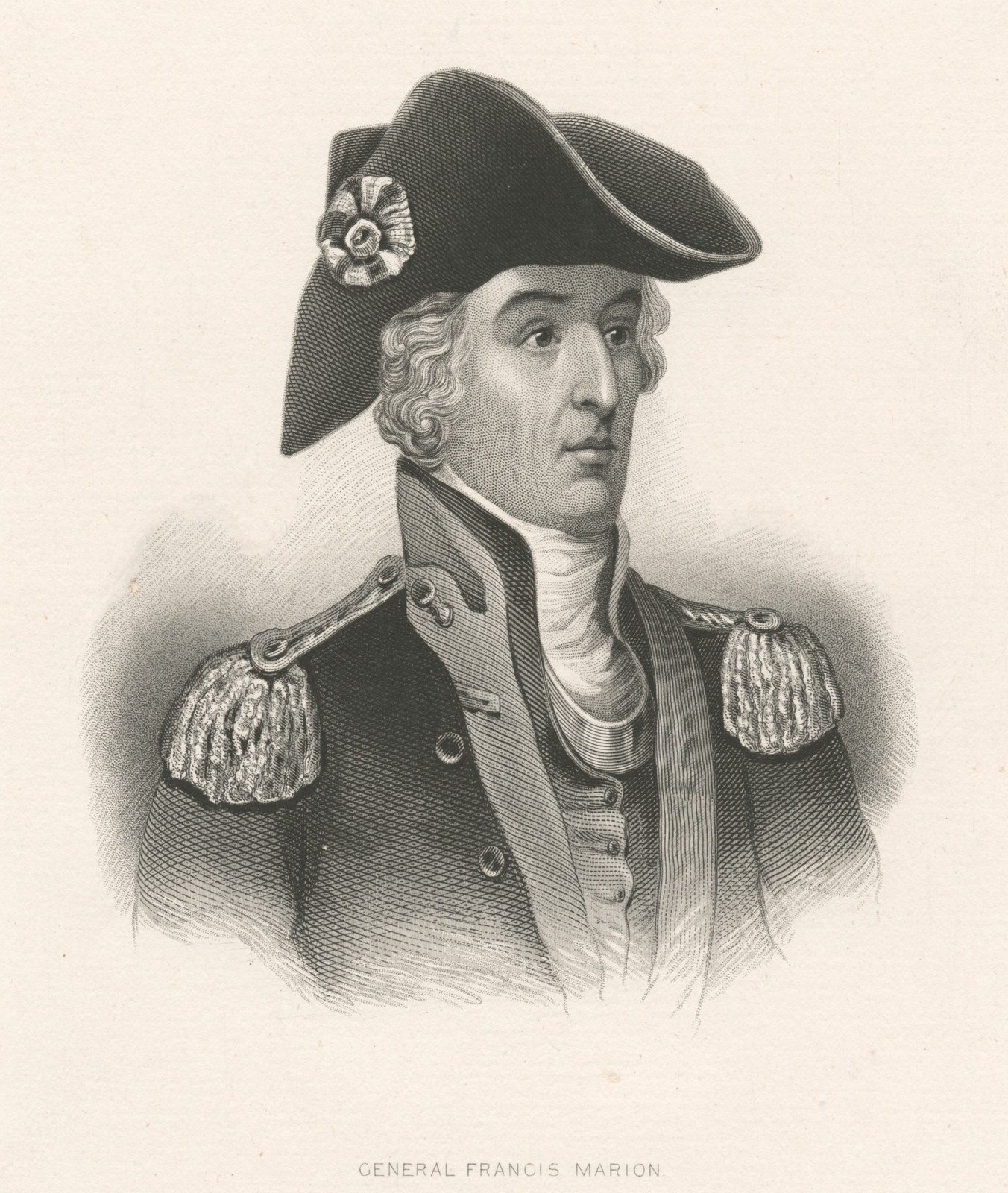
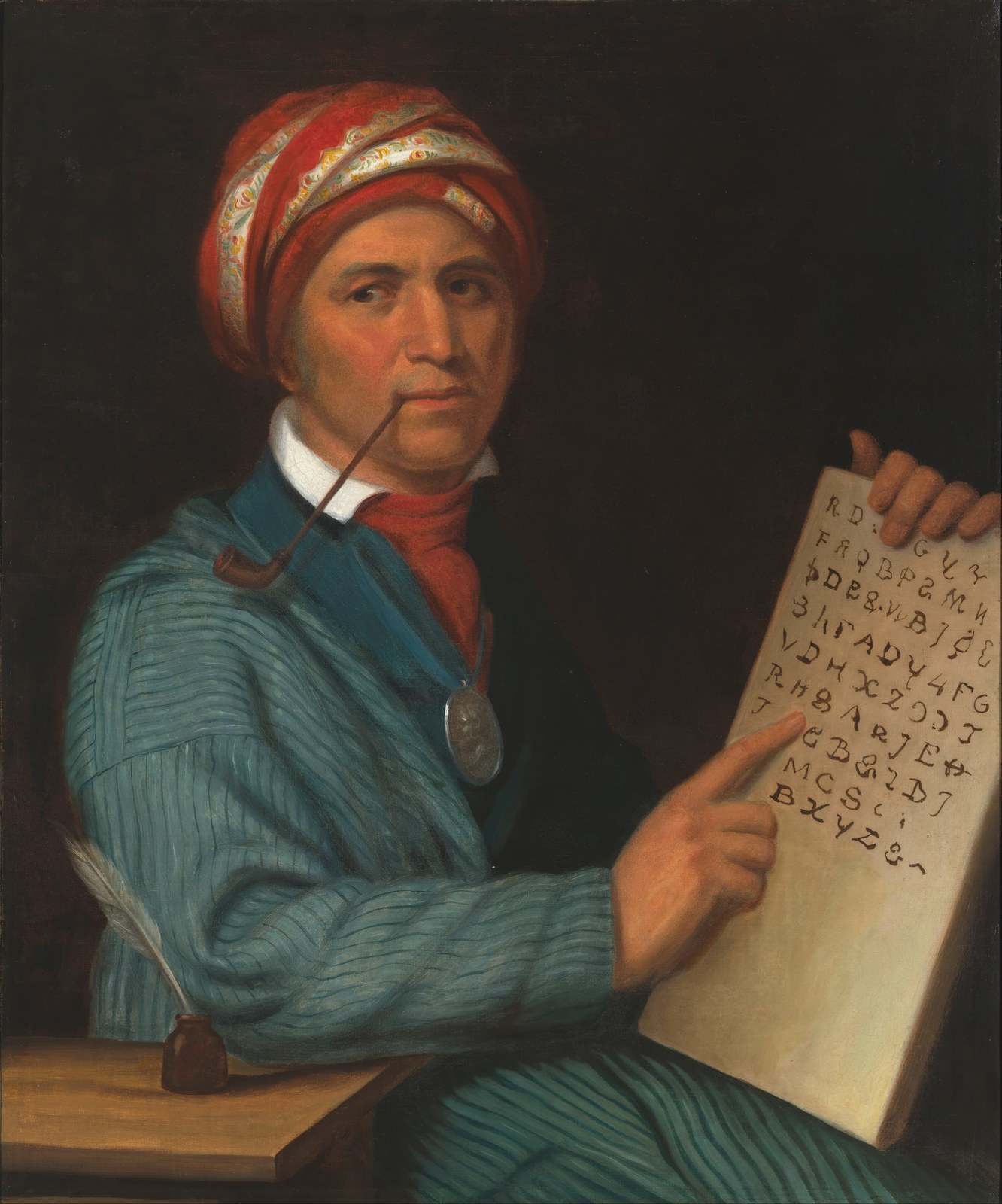
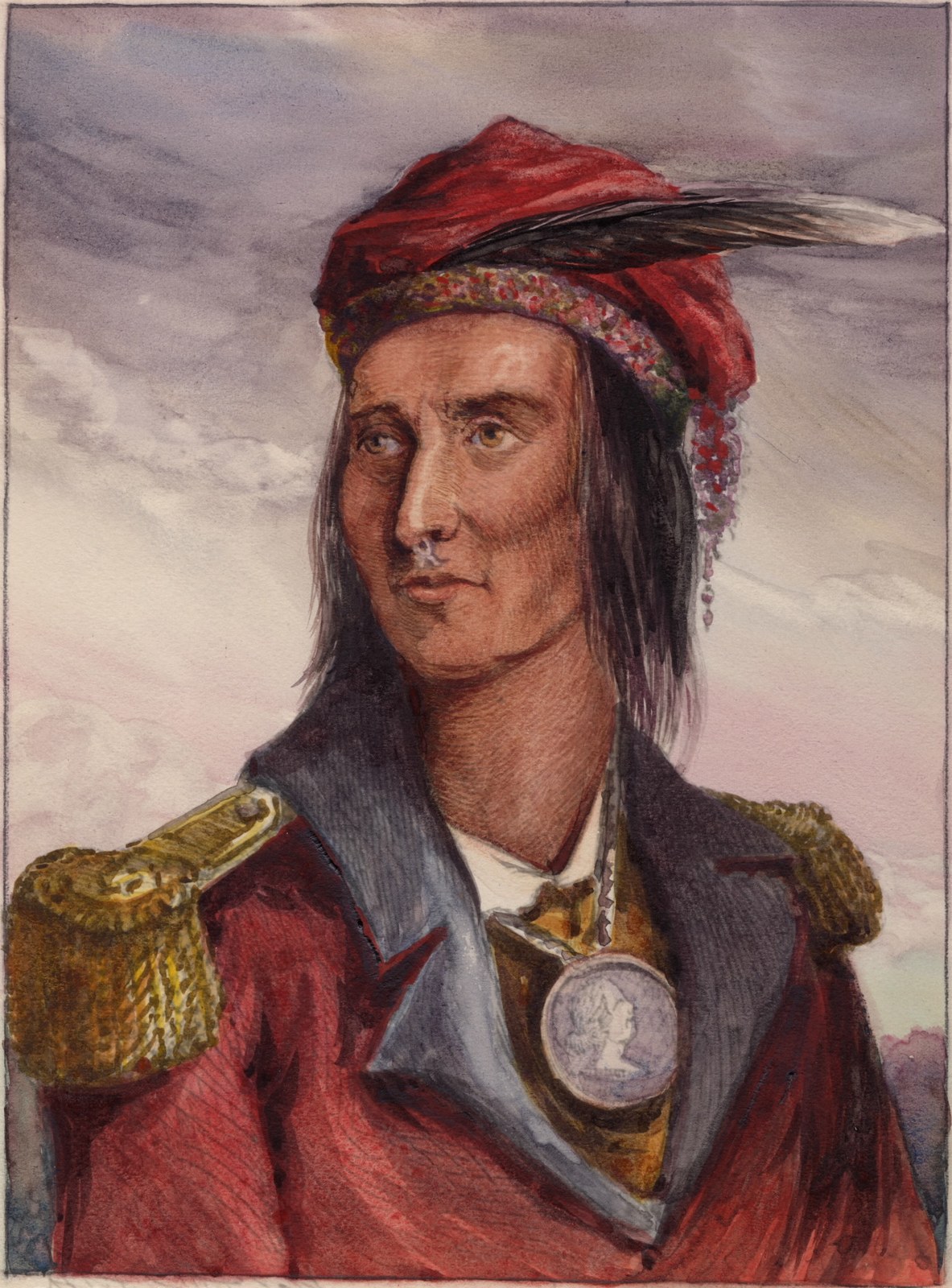
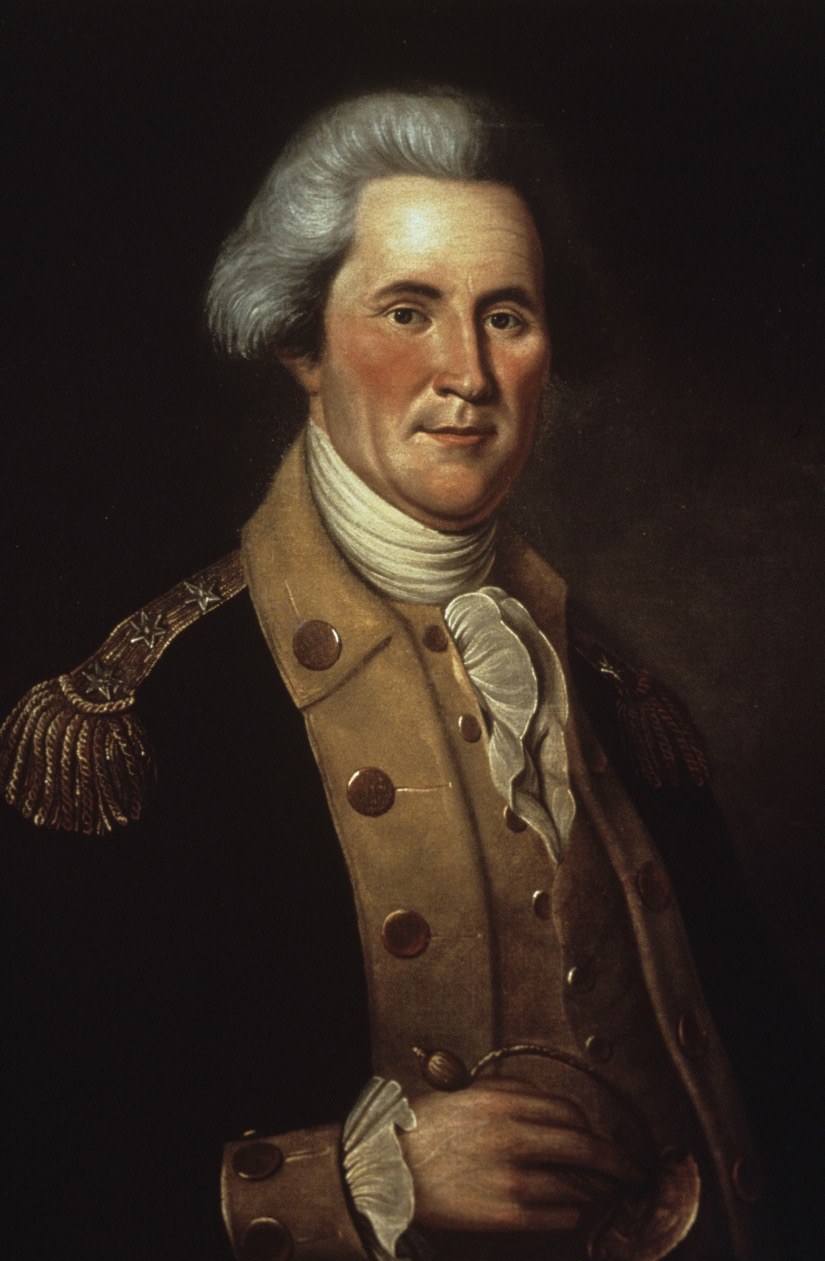
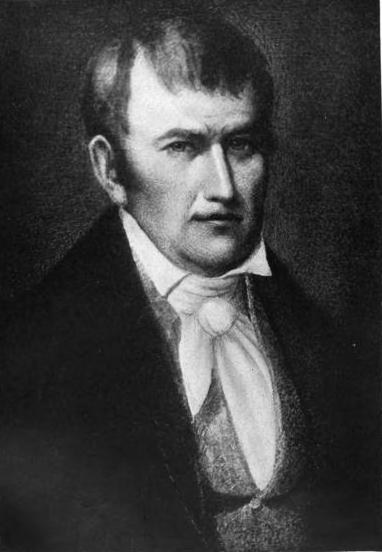
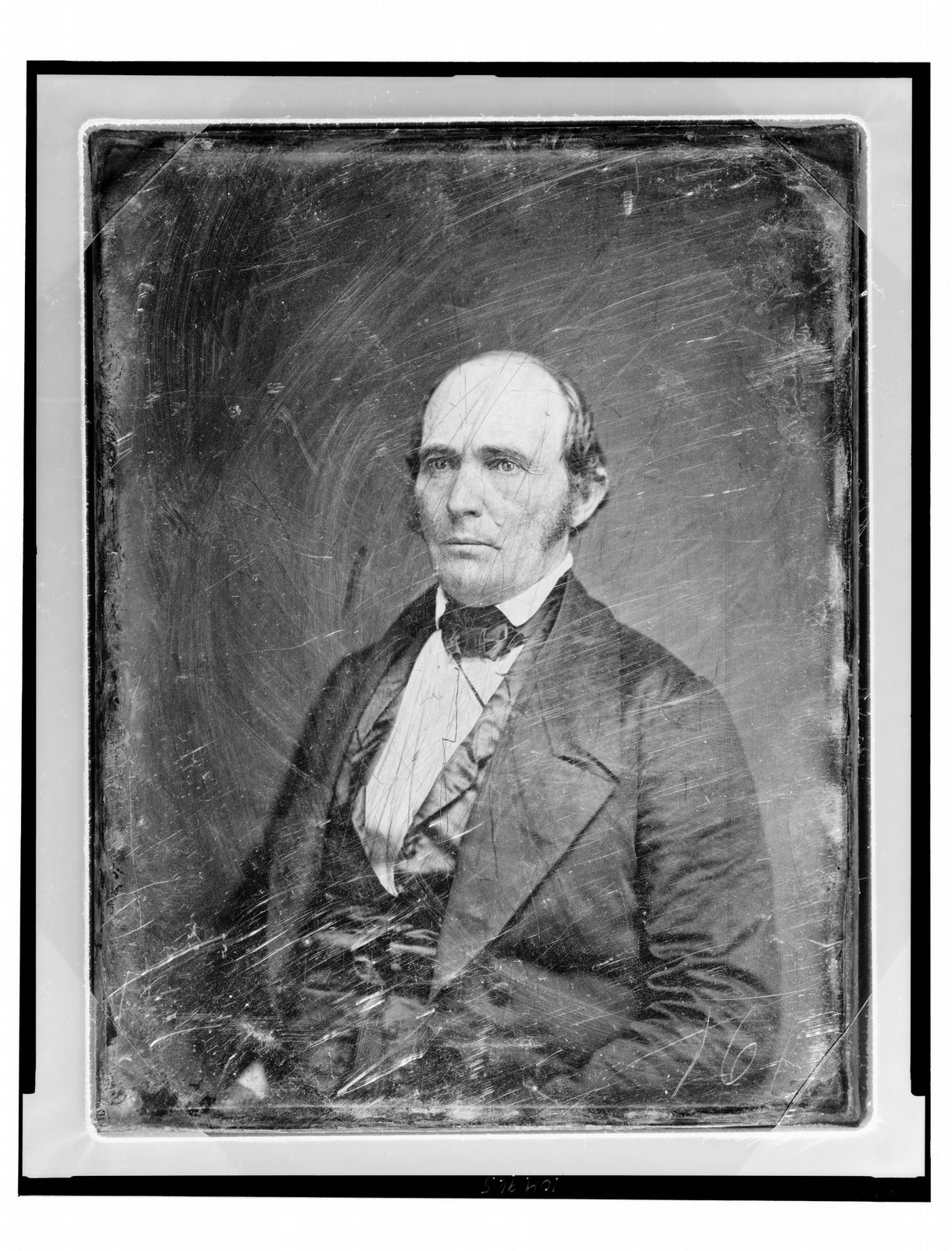
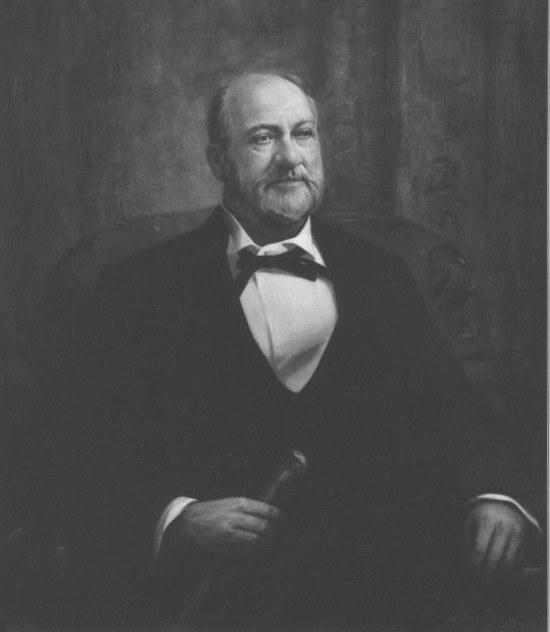
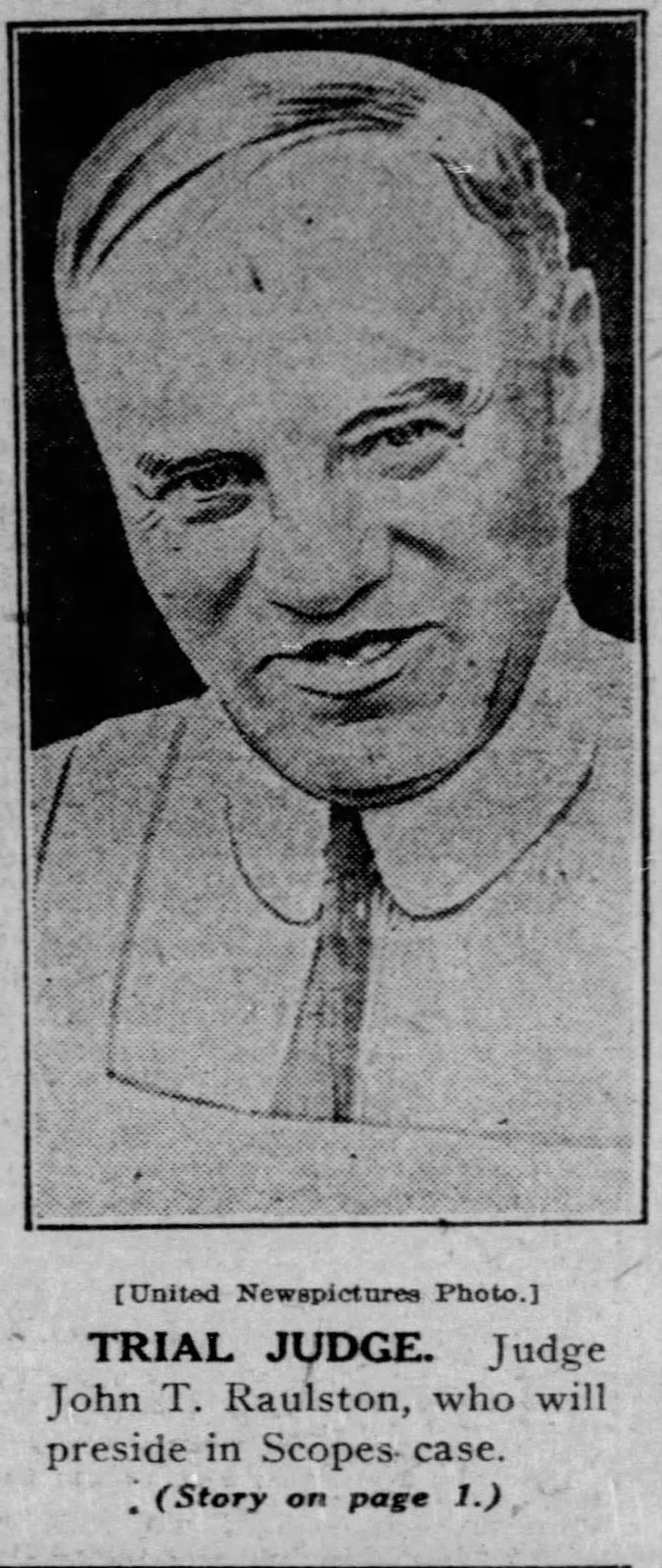
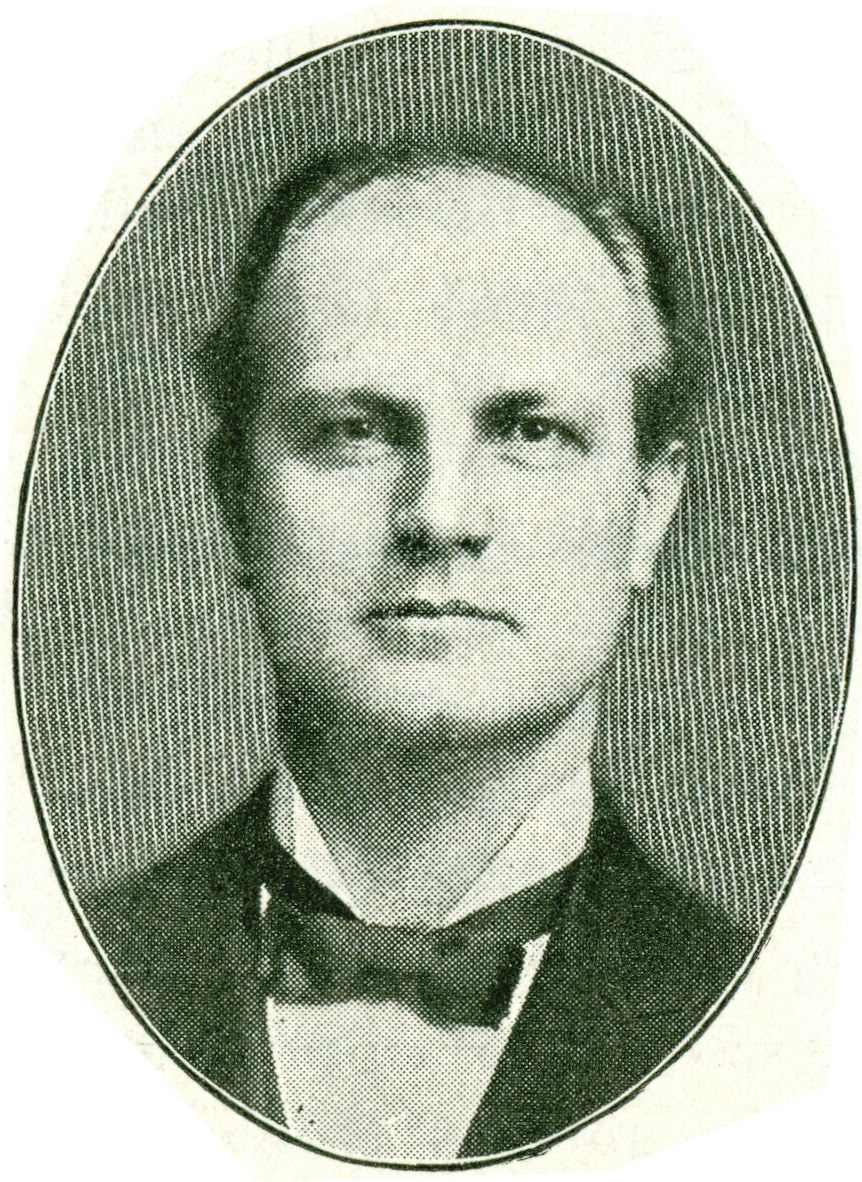
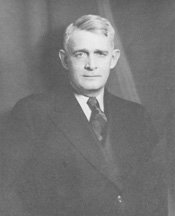
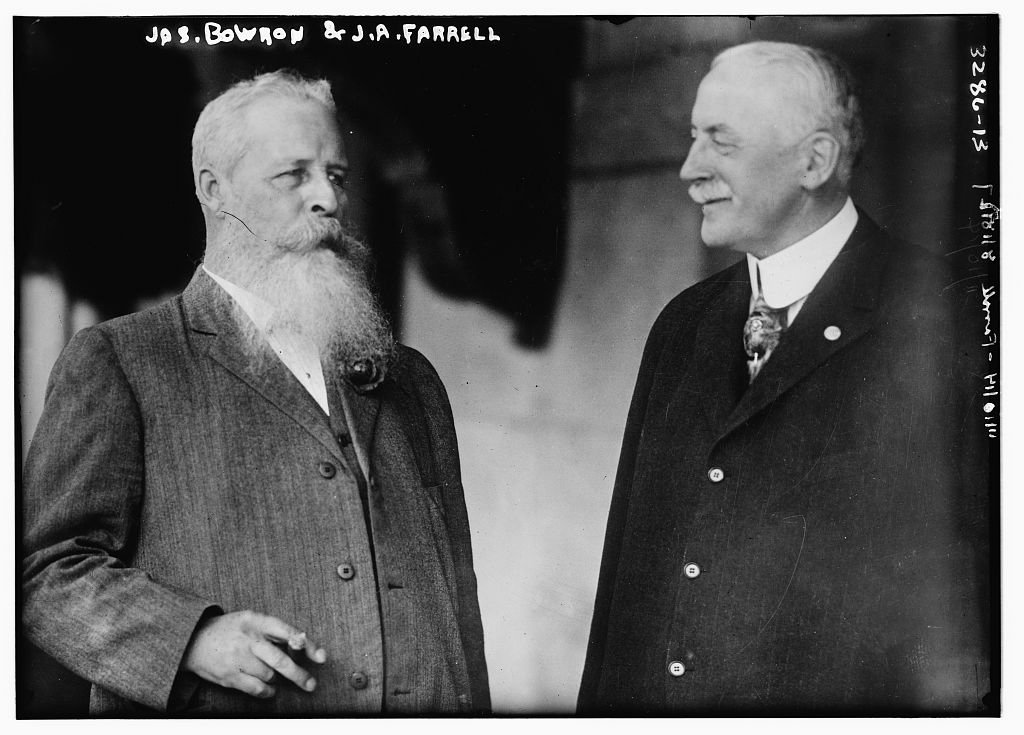
John Sexton (b. 1843): Confederate sergeant and courier, later Marion County sheriff in 1886. Community photo, courtesy of Ronnie Bostain.Francis Marion (1732–1795): Revolutionary War hero and county namesakeSequoyah (c. 1770–1843): Cherokee leader and creator of the syllabaryTecumseh (1768–1813): the Shawnee confederation-builder who spent roughly two years riding with the Chickamaugas out of Running Water TownJohn Sevier (1745–1815): frontier commander in the Chickamauga Wars and first governor of Tennessee, painted by Charles Willson Peale c. 1792James Robertson (1742–1814): founder and defender of the Cumberland settlements, after the portrait by Washington Bogart CooperHopkins Turney (1797–1857): U.S. Congressman and Senator from Marion CountyPeter Turney (1827–1903): Confederate colonel, Chief Justice of Tennessee, and Governor of Tennessee (1893–1897), born in JasperJudge John T. Raulston (1868–1956): Judge in the Scopes TrialJames B. Frazier (1856–1937): Governor and U.S. Senator from TennesseeTom Stewart (1892–1972): U.S. Senator and Scopes Trial prosecutor, educated at the Pryor Institute in JasperFoster V. Brown (1852–1937): U.S. Congressman who practiced law in JasperSam D. McReynolds (1872–1939): U.S. Congressman representing Marion County's 3rd DistrictJames Bowron (1844–1928, left) with James A. Farrell: British industrialist who launched Marion County's coal and iron eraJobyna Ralston (1899–1967): Silent-film actress from South PittsburgJacob Saylors (b. 2000): Jasper-born NFL player, Marion County High School #8 retired
Culture & Heritage
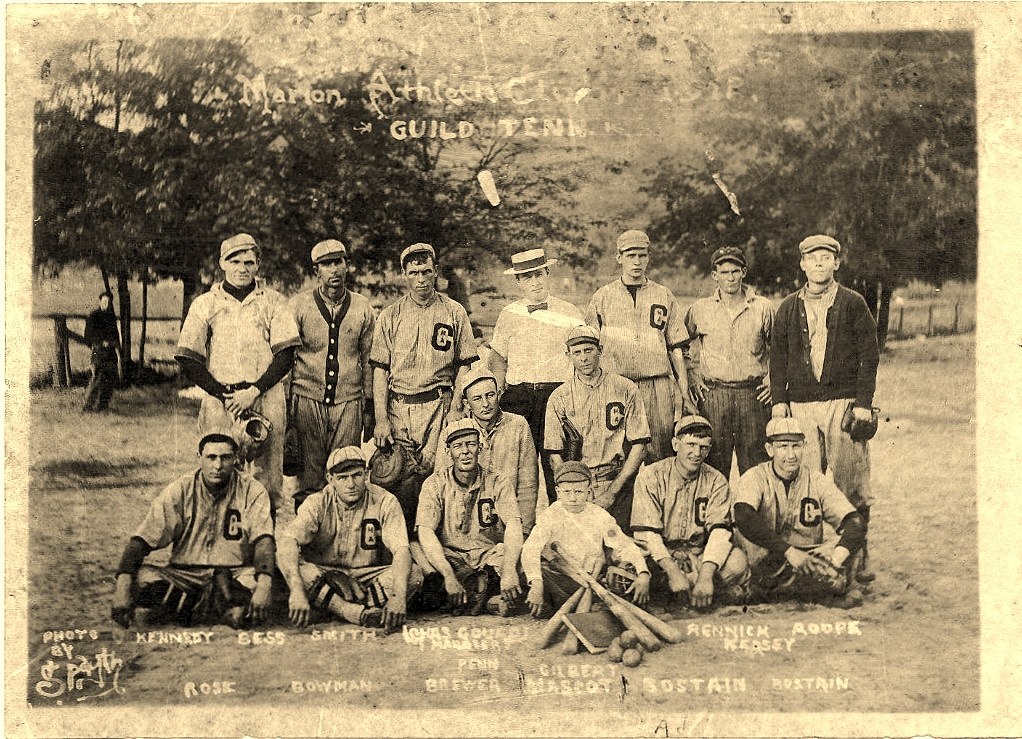
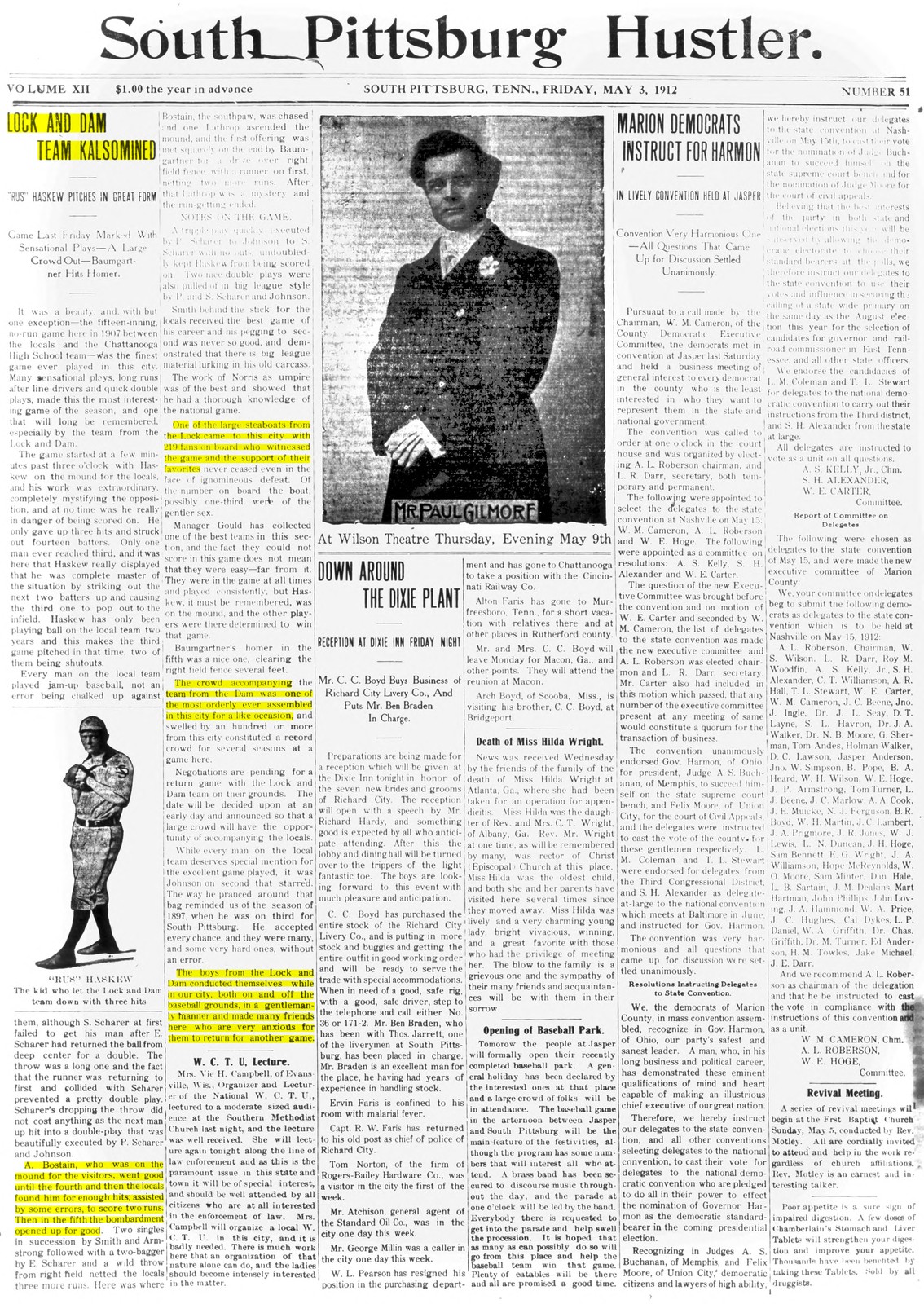
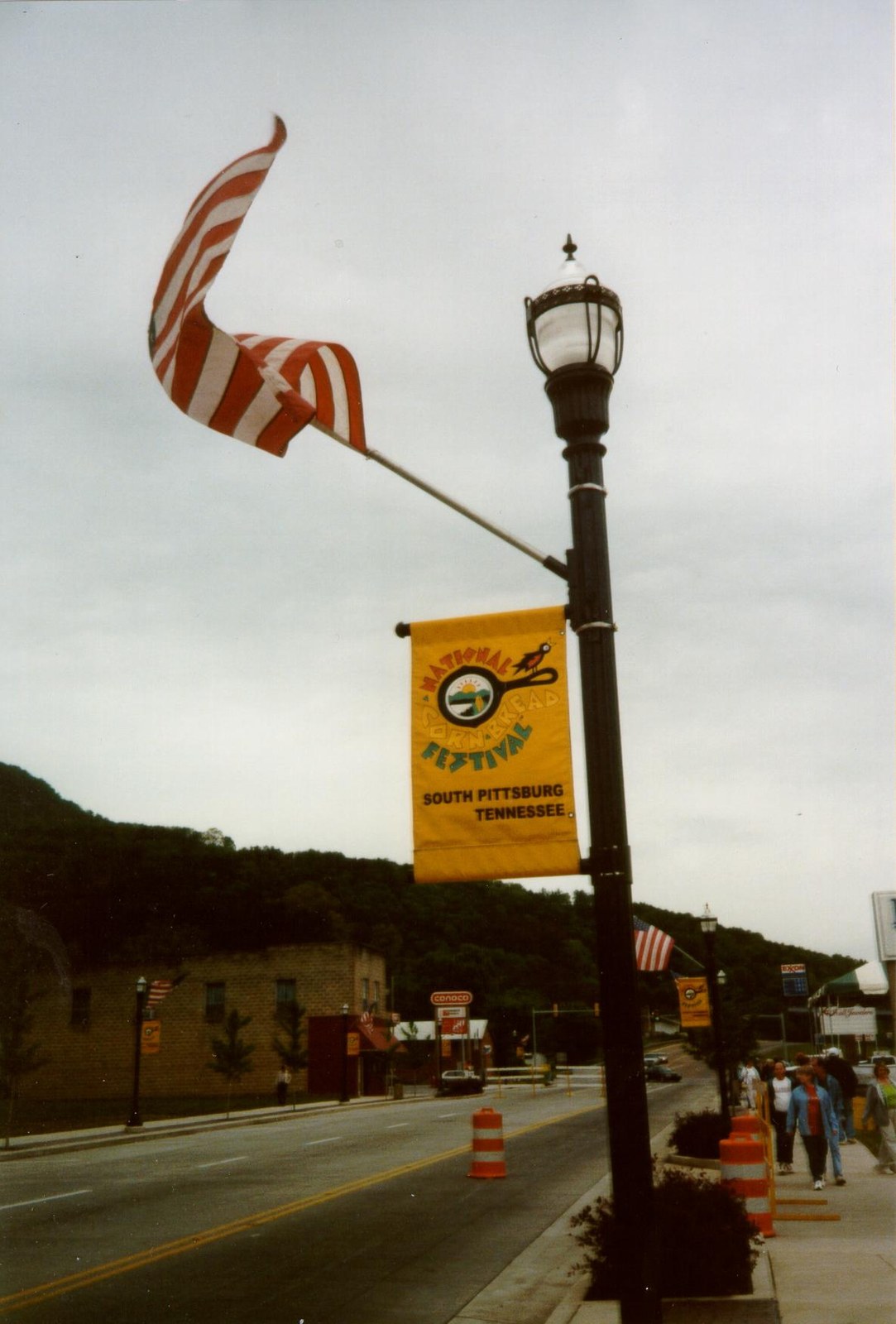
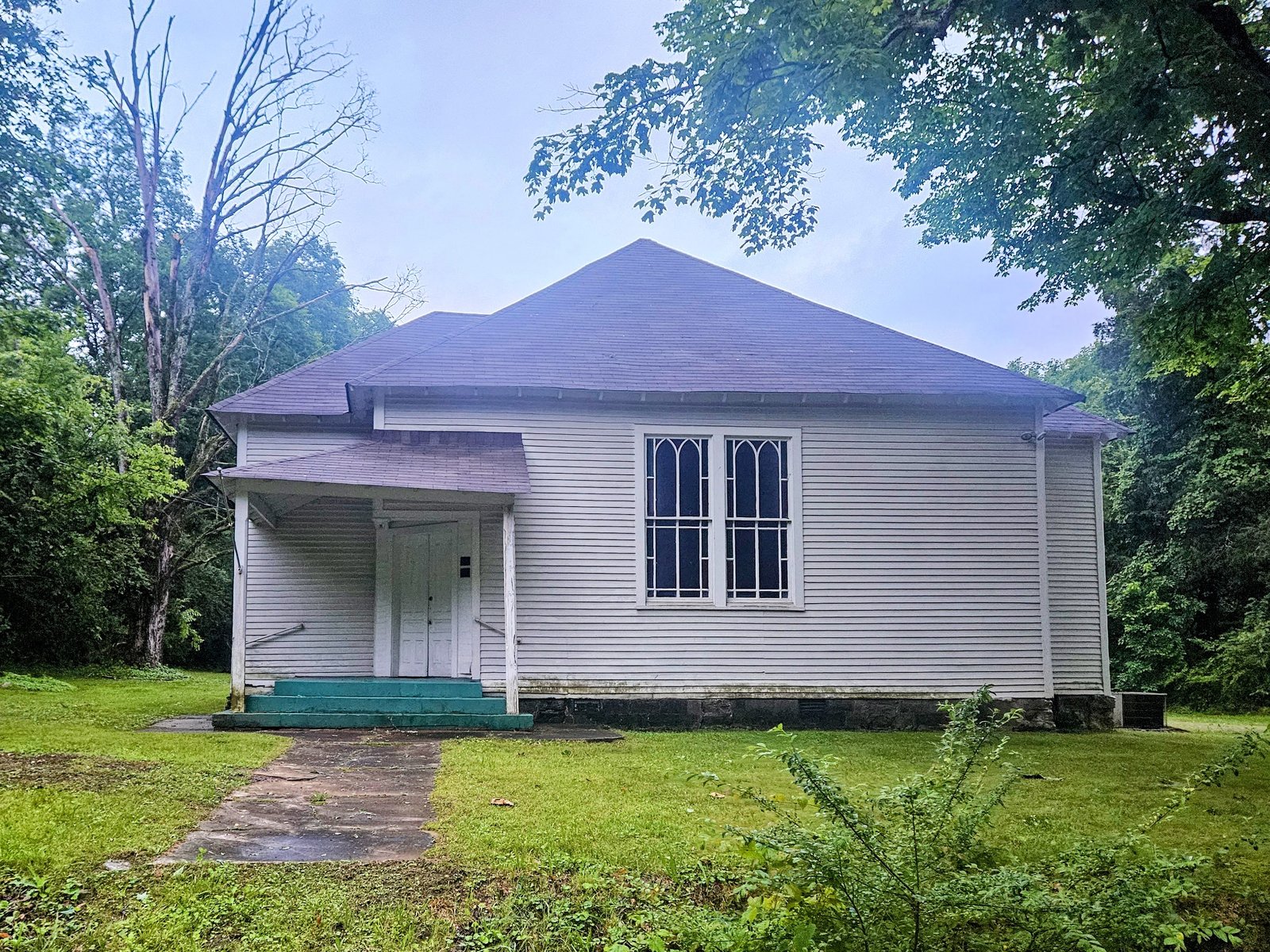
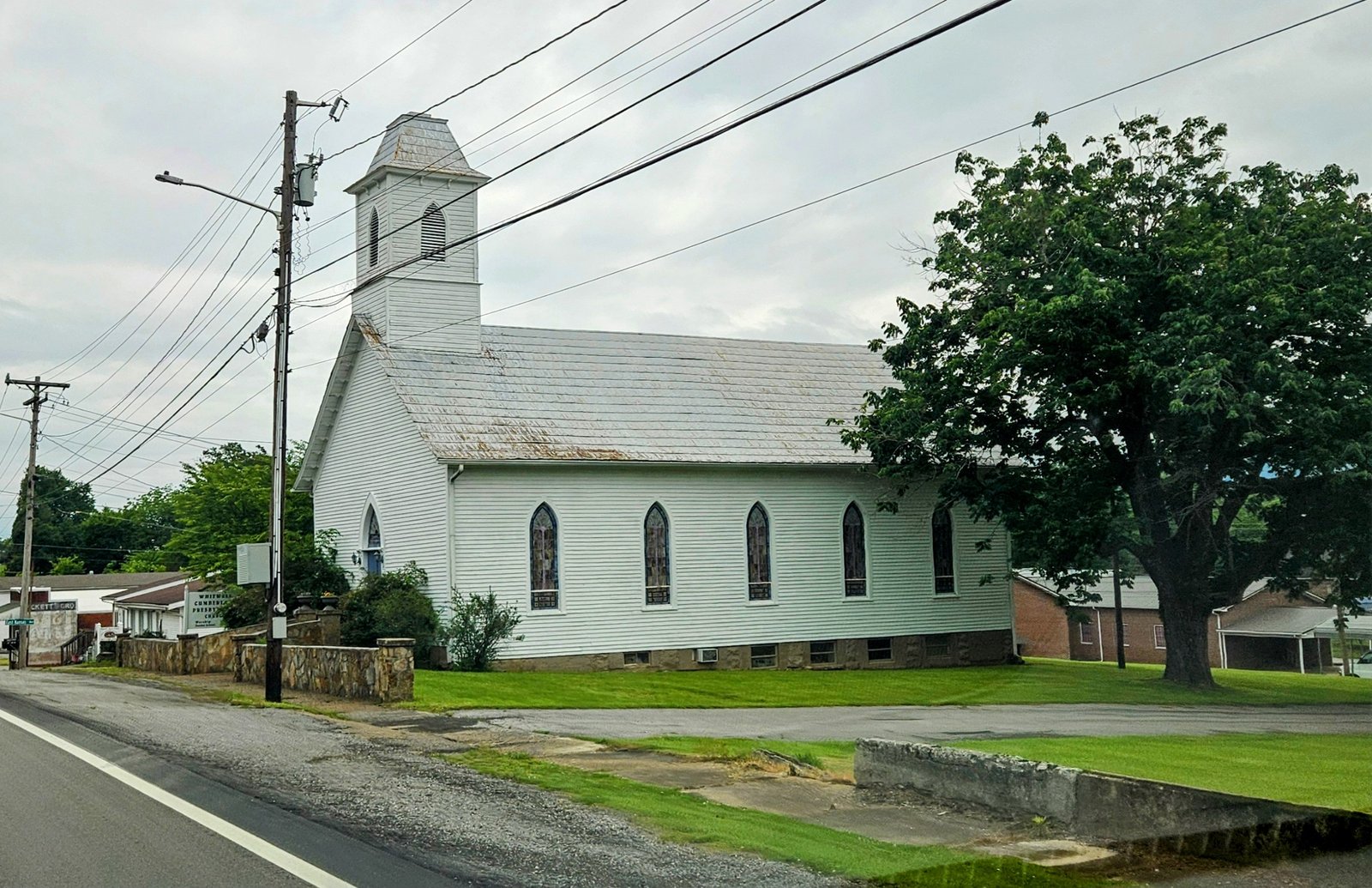
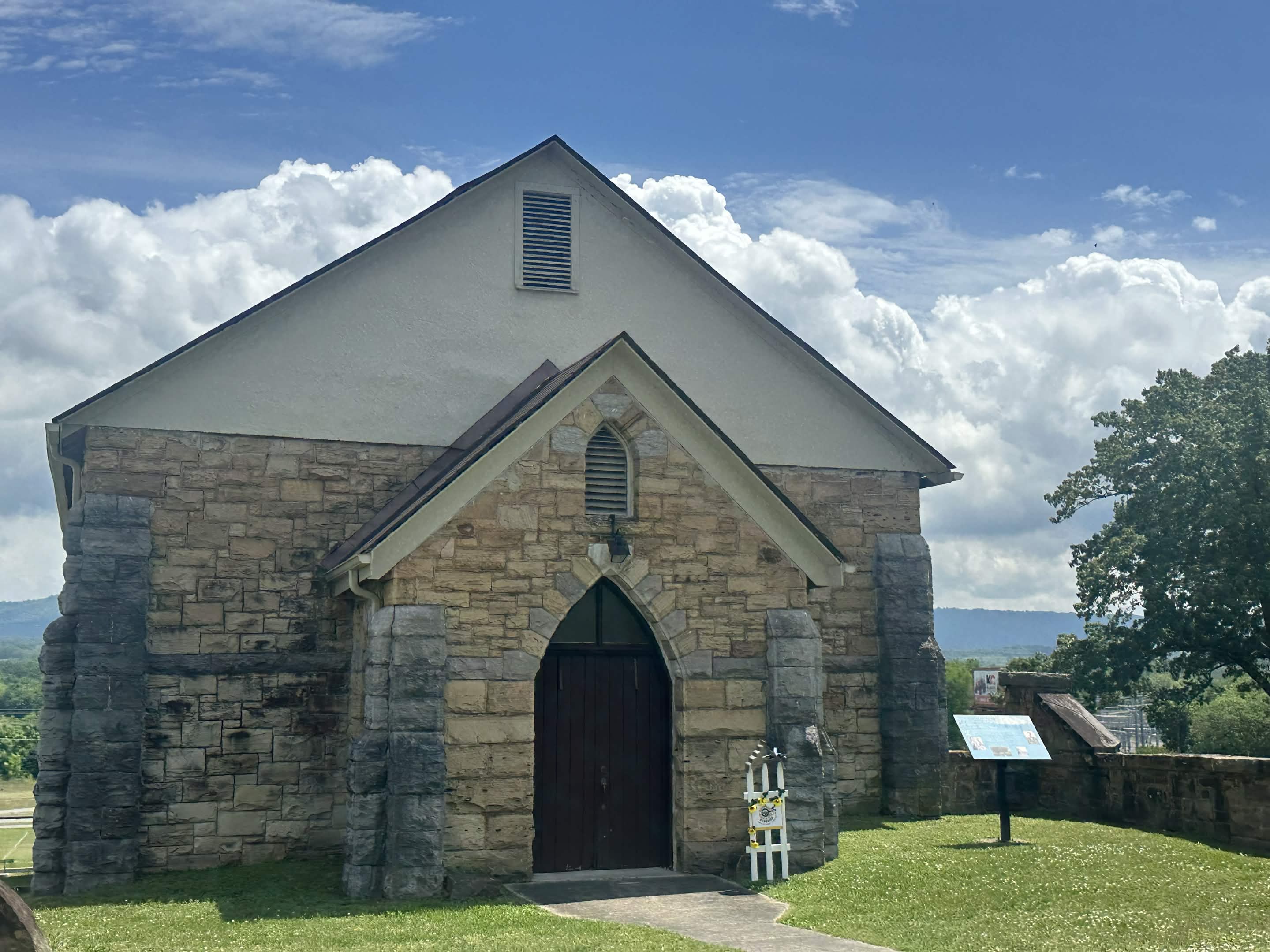
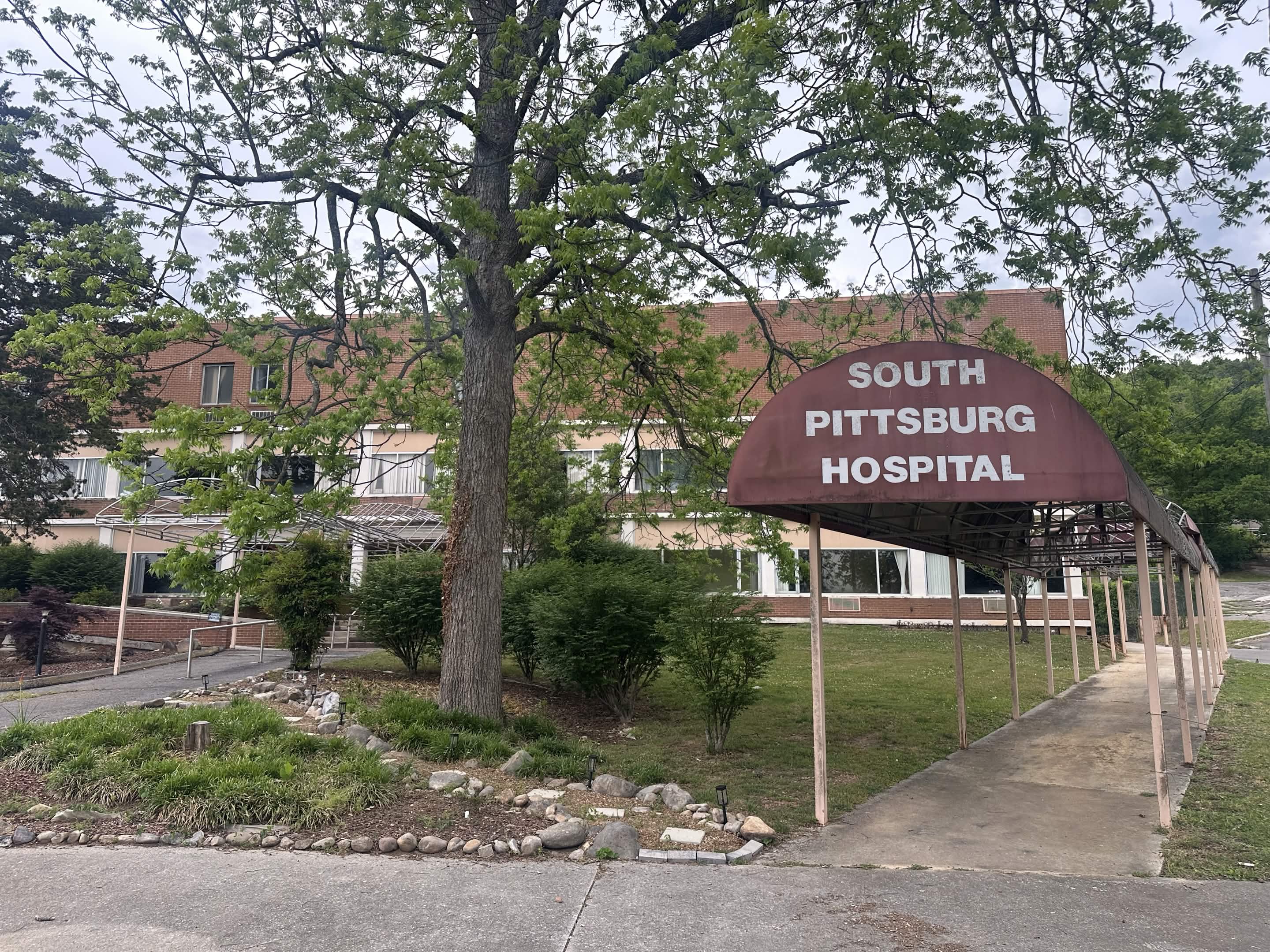
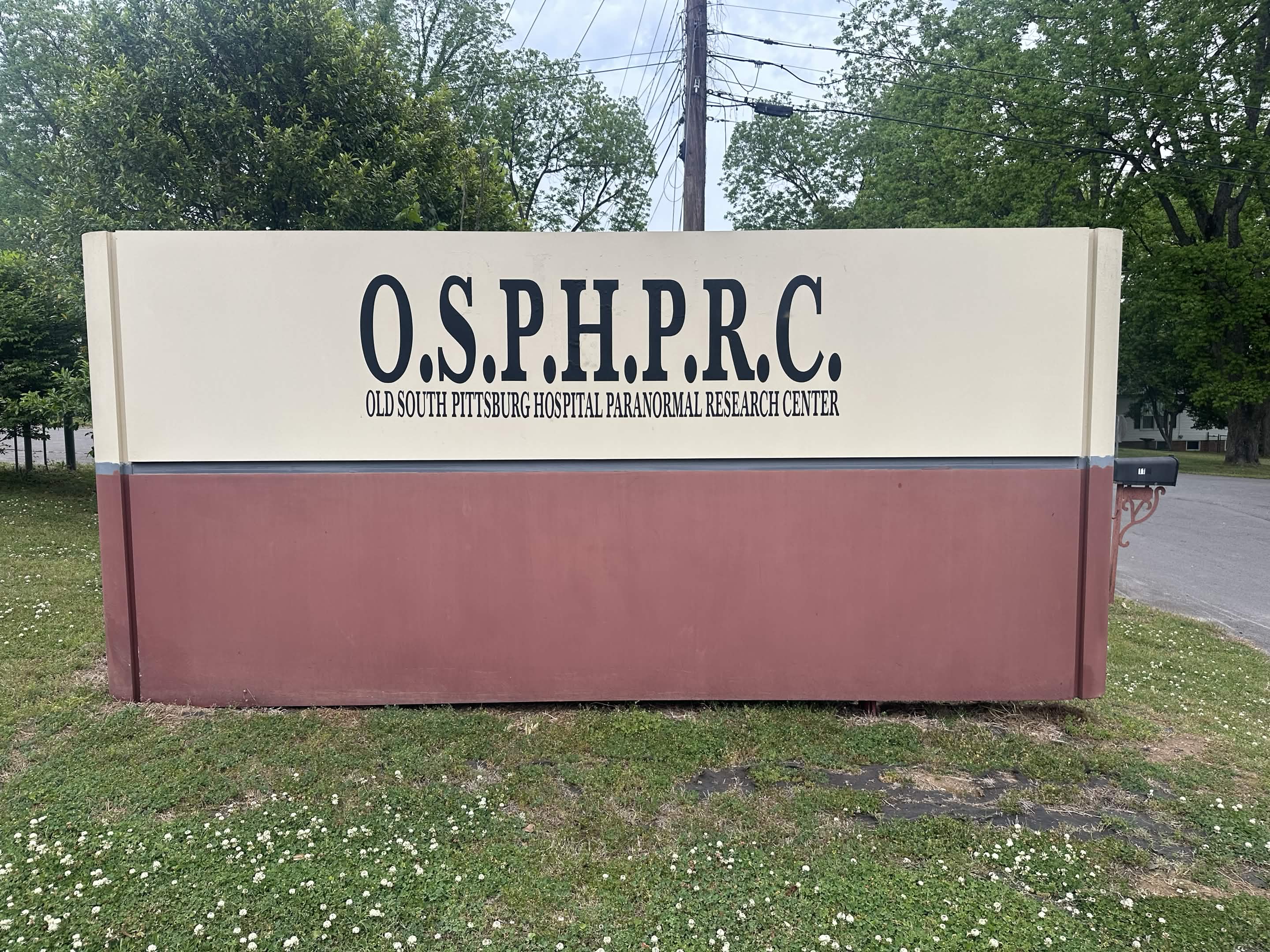
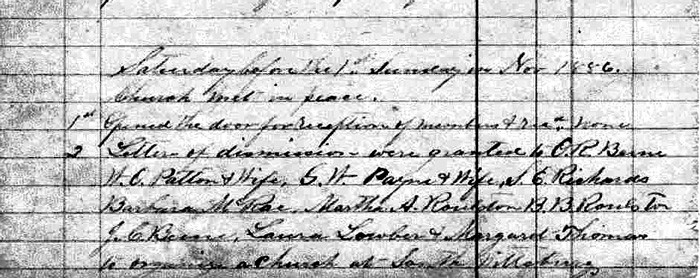
The Marion Athletic Club at Guild, 1912. The Hales Bar construction village's ball club, known in the press as the Lock and Dam team. Community photo, courtesy of Ronnie Bostain.The South Pittsburg Hustler, May 3, 1912. The front page carries the Lock and Dam game account and the county Democratic convention. Community contribution, courtesy of Ronnie Bostain.Lodge Cast Iron Skillet: American manufacturing icon since 1896National Cornbread Festival: Celebrating Southern and Appalachian culinary traditionEbenezer Cumberland Presbyterian Church (ca. 1914), near JasperWhitwell Cumberland Presbyterian Church (ca. 1892), Gothic RevivalChapel on the Hill (1888 Primitive Baptist), restored sandstone meeting house at Elm Avenue and Eighth Street, South PittsburgOld South Pittsburg Hospital (1959 to 1998), 1100 Holly Avenue, South PittsburgOSPHPRC monument sign at the entrance to the Old South Pittsburg Hospital Paranormal Research CenterSouth Pittsburg Primitive Baptist Church minutes, 1886, recording the founding congregation of what became the Chapel on the Hill. Courtesy of the South Pittsburg Historic Preservation Society.Marion County Map: Geographic boundaries and communities
Education
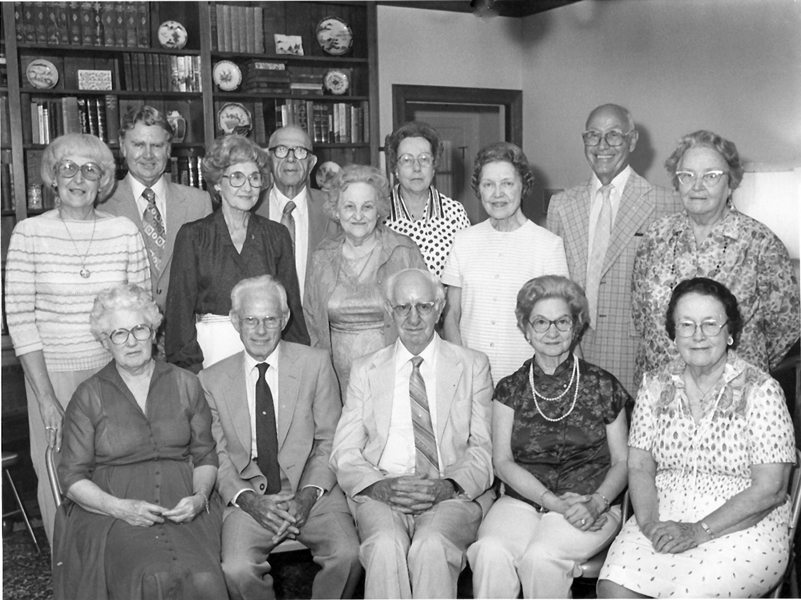
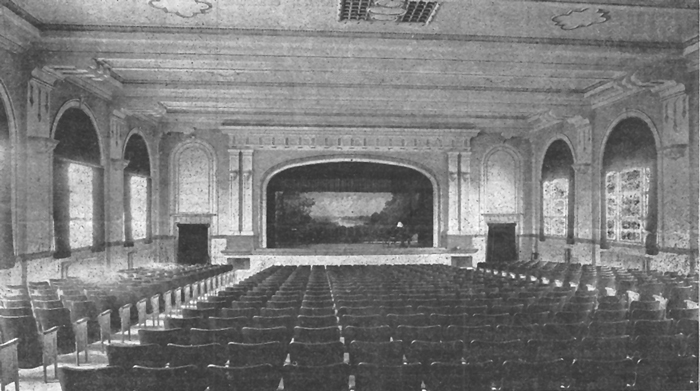
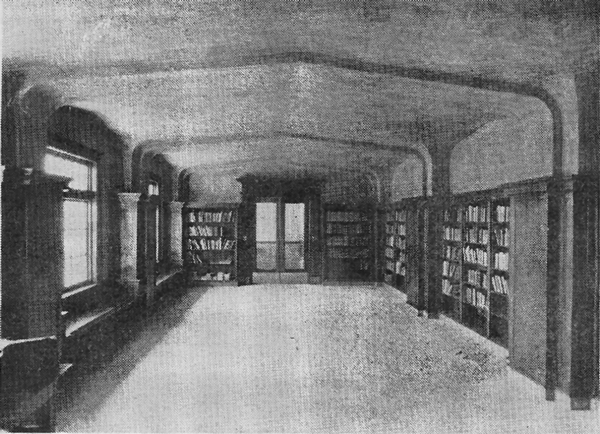
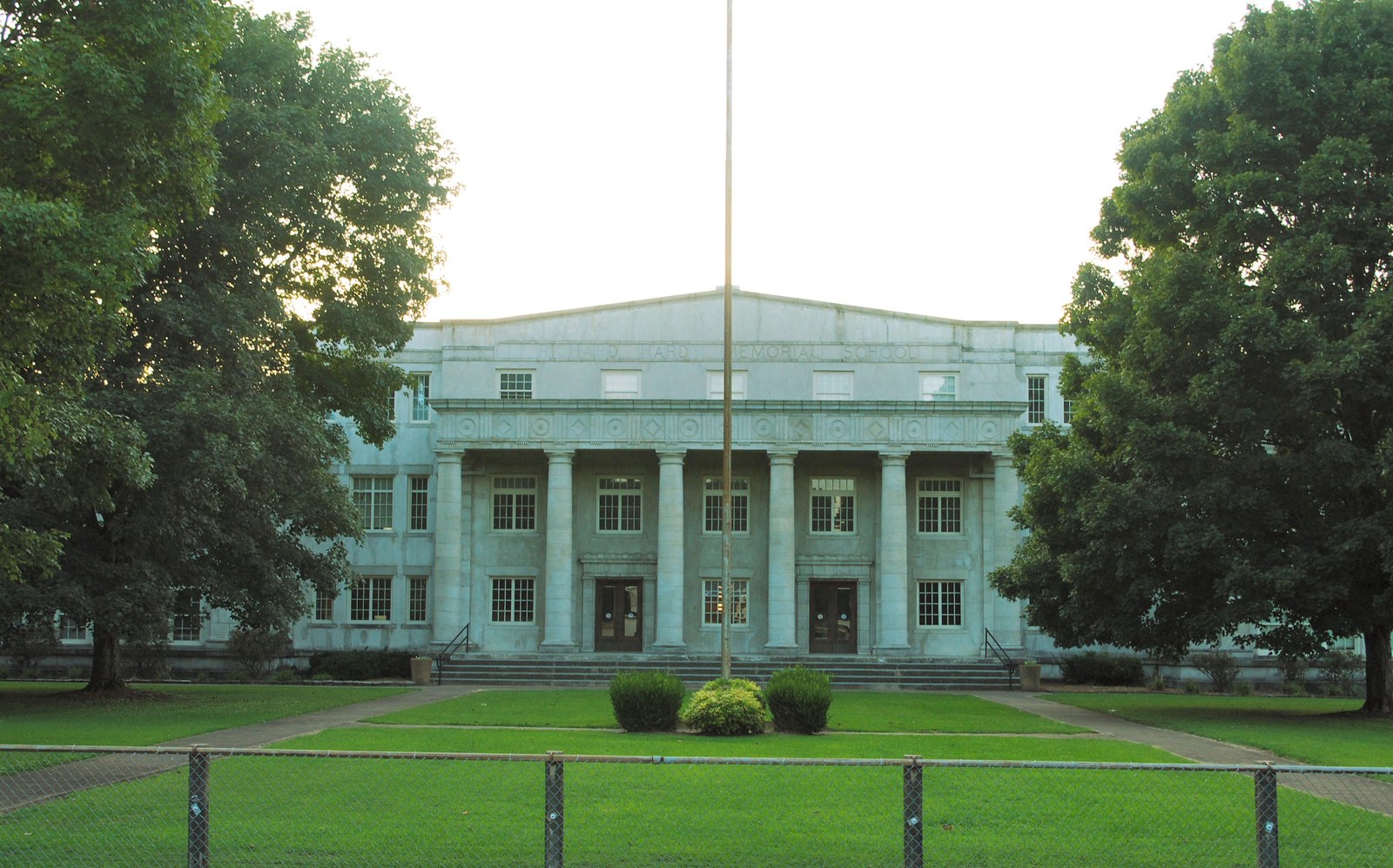
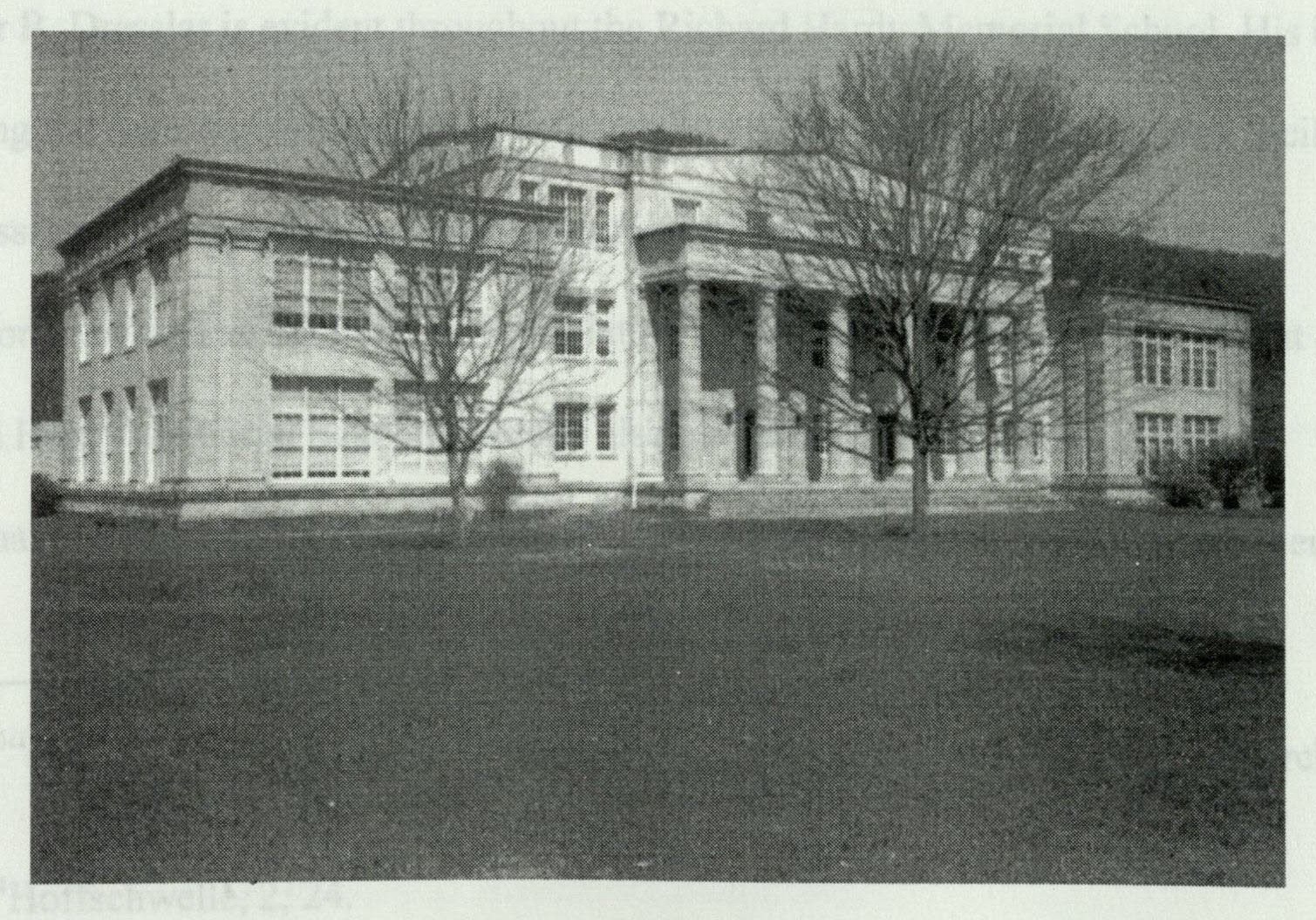
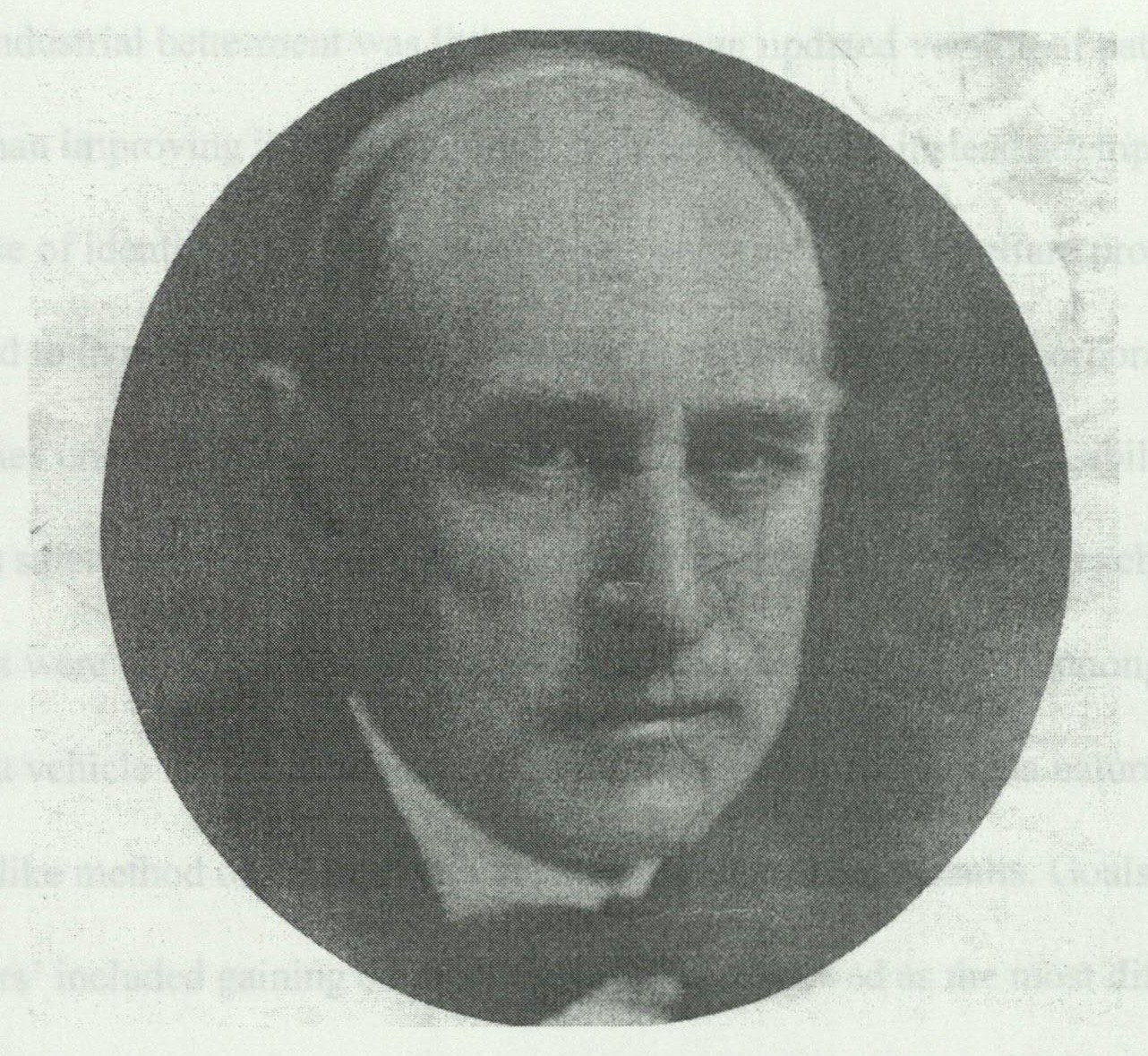
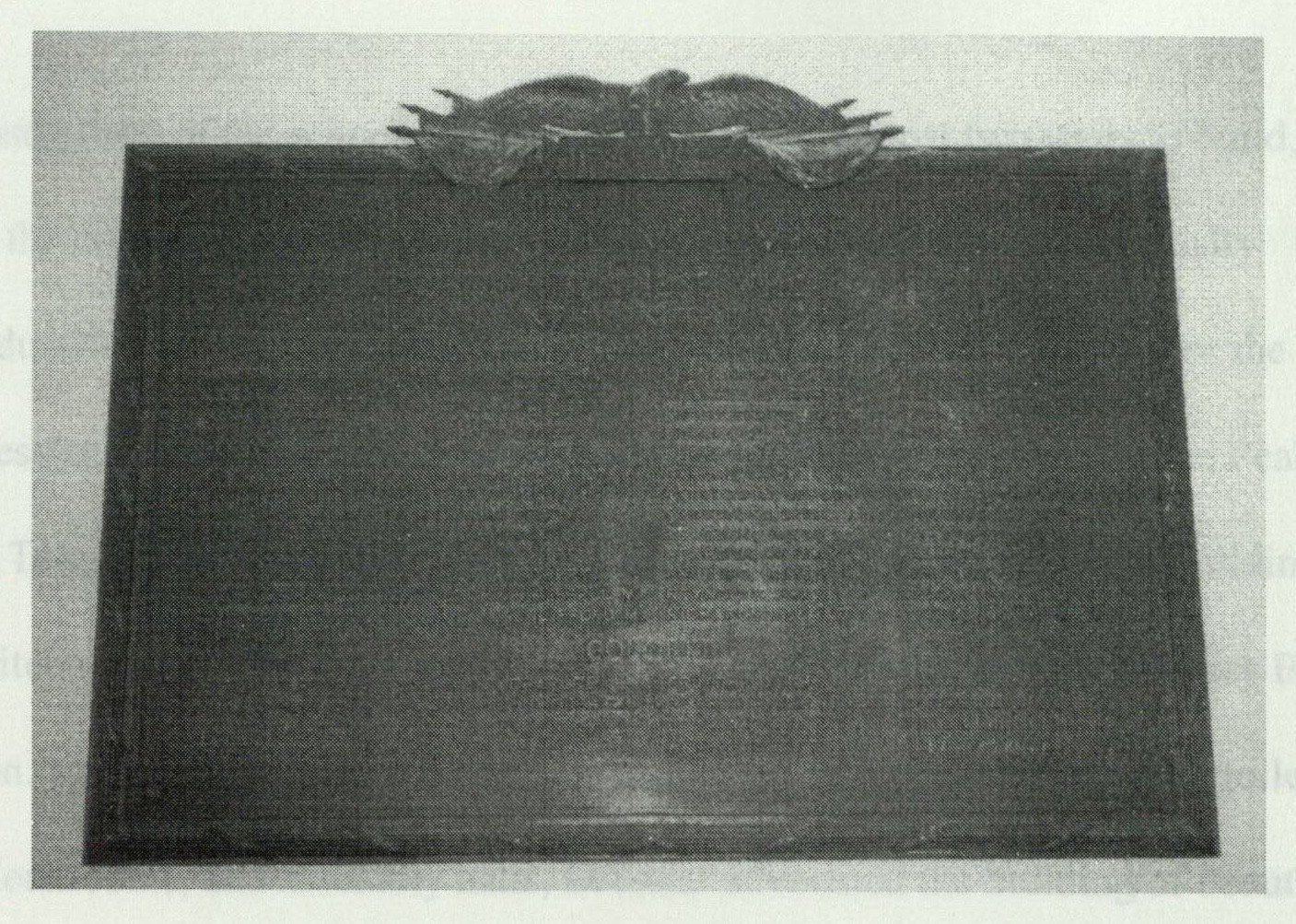
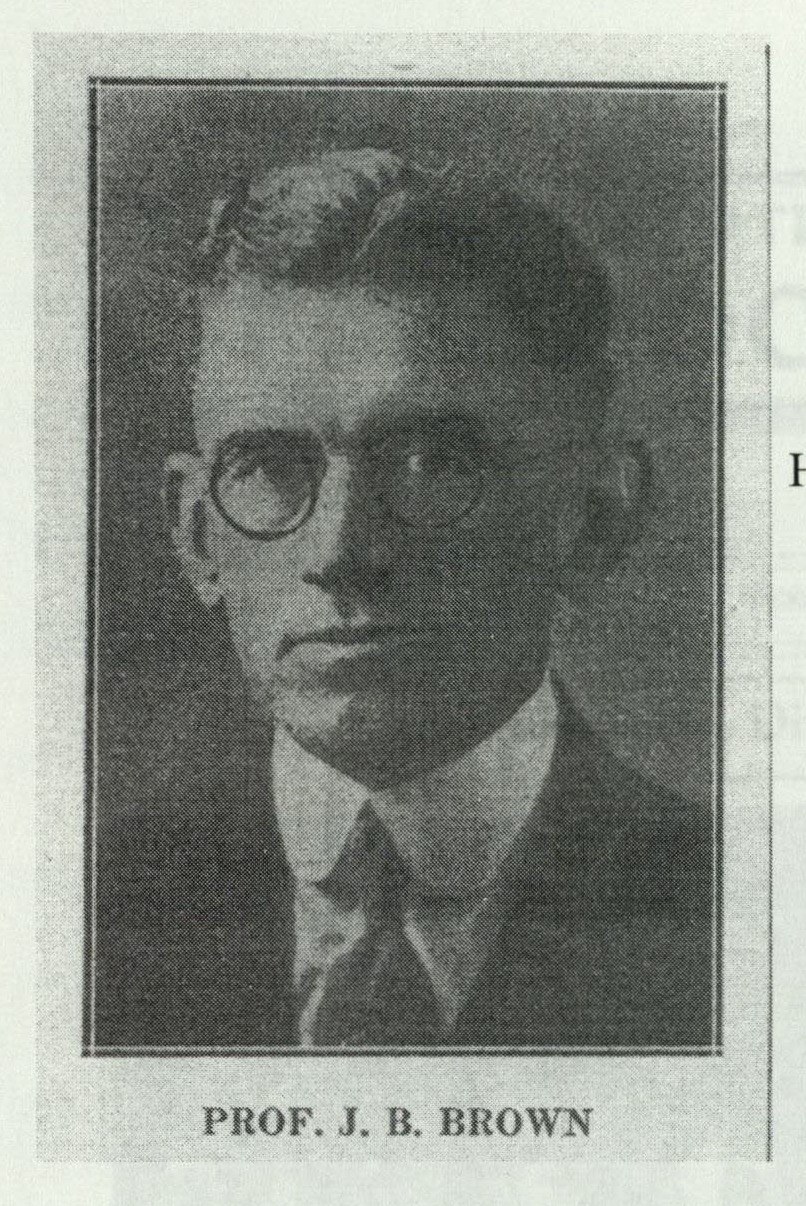
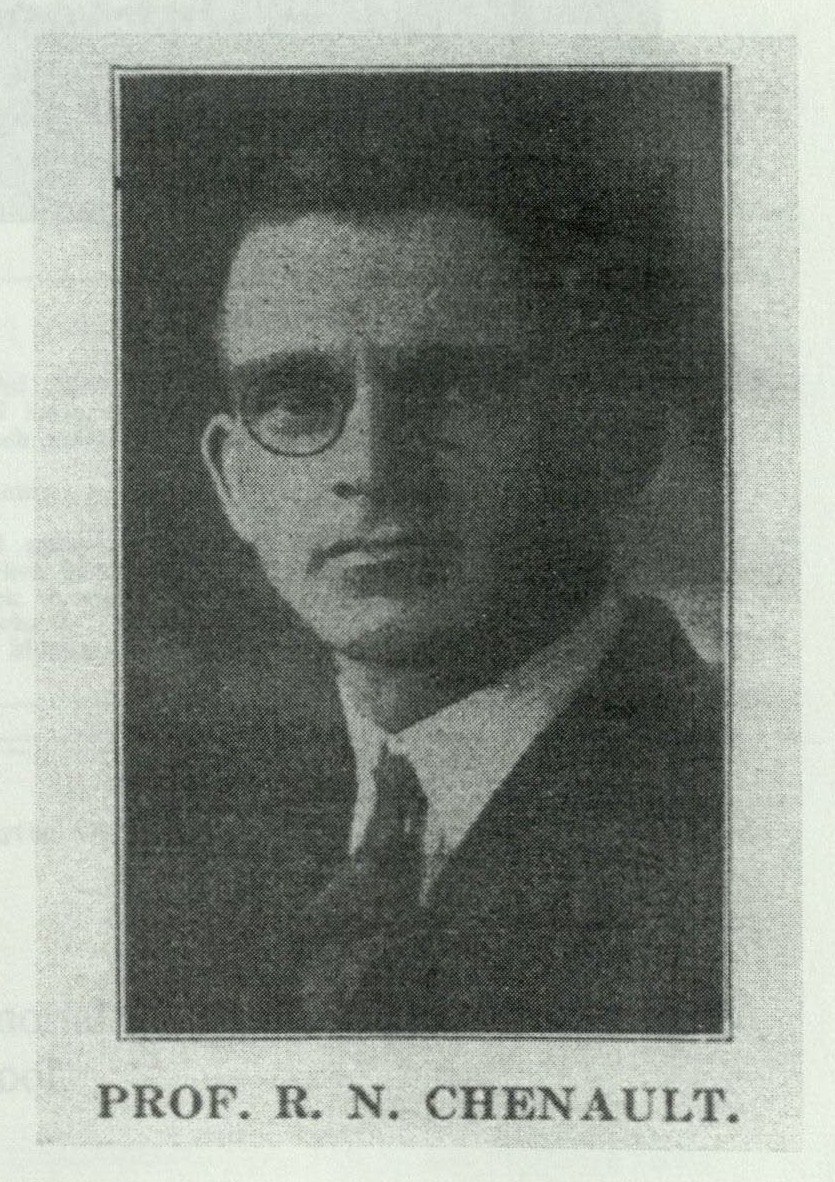
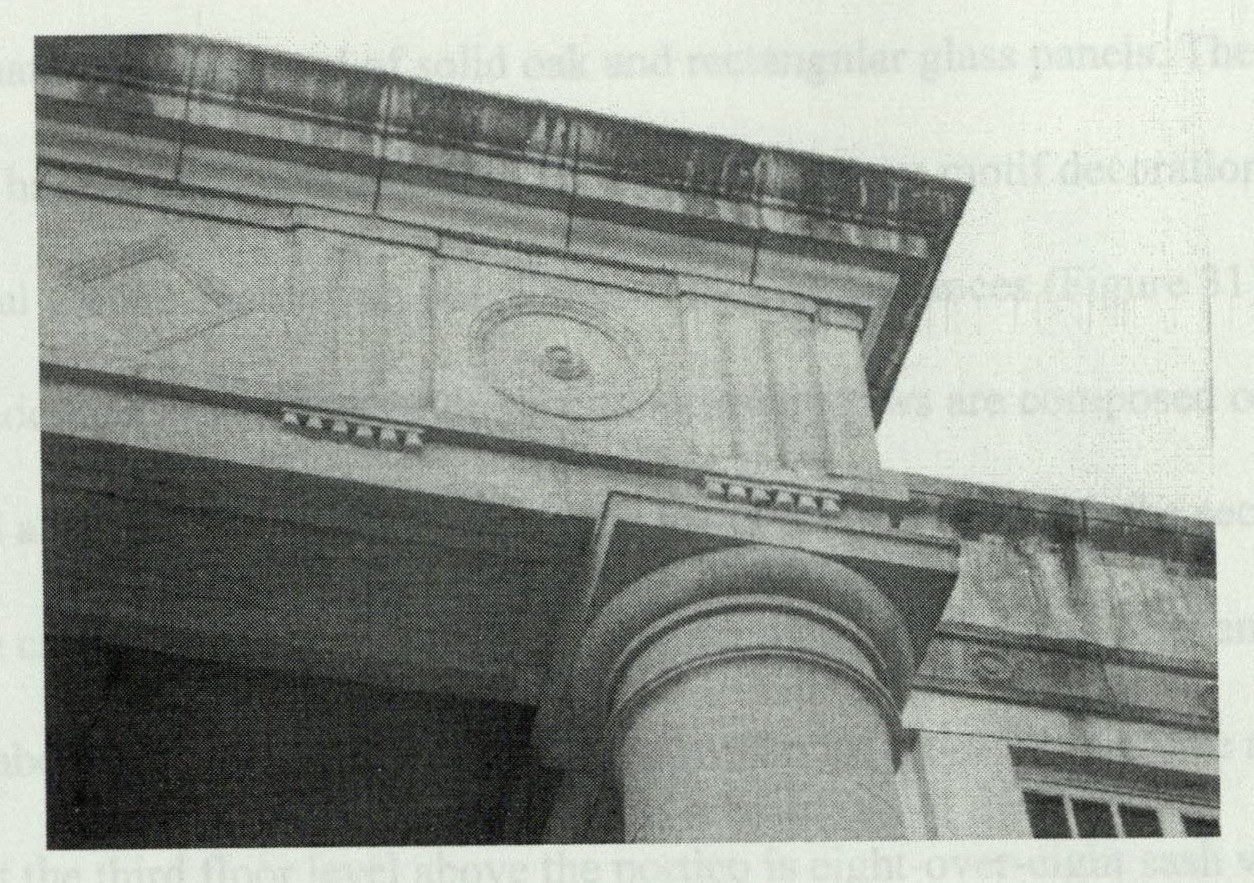
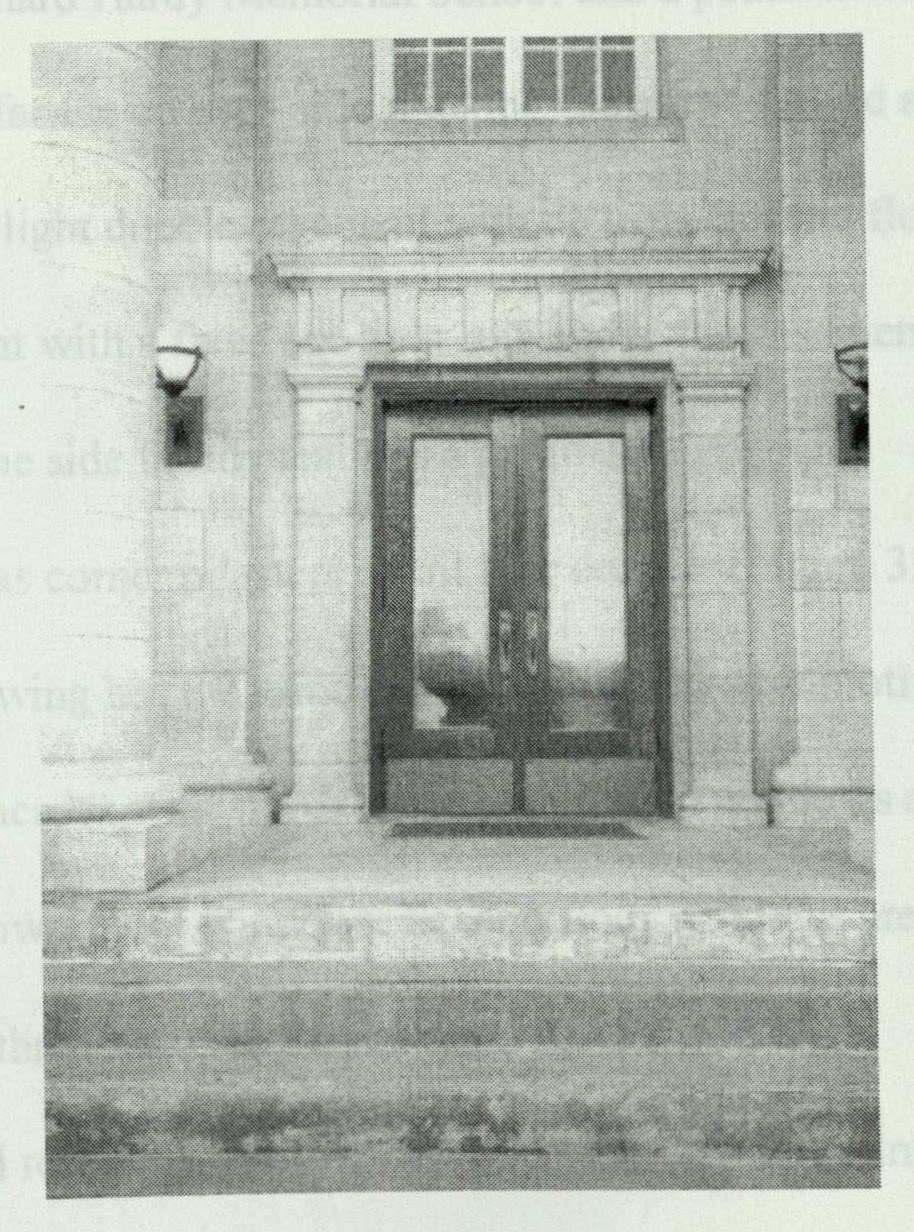
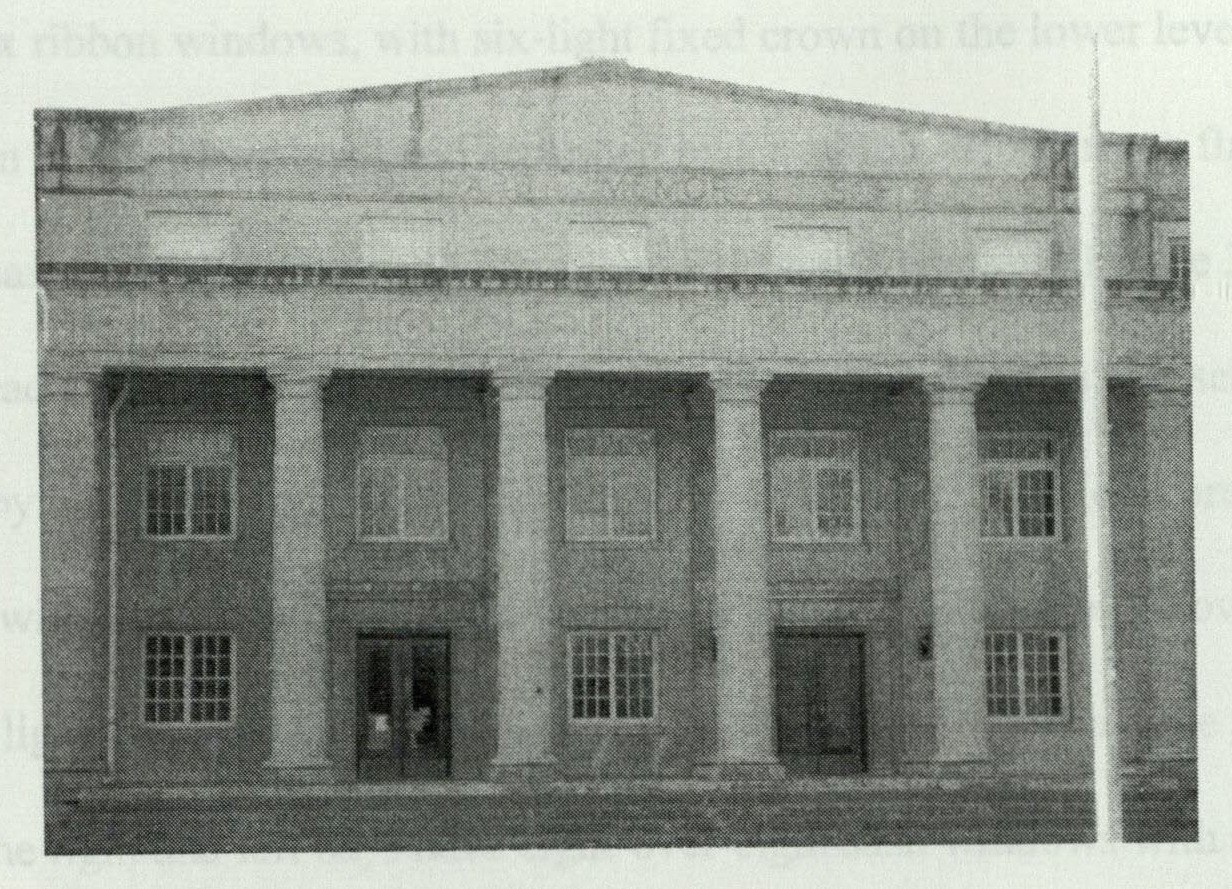
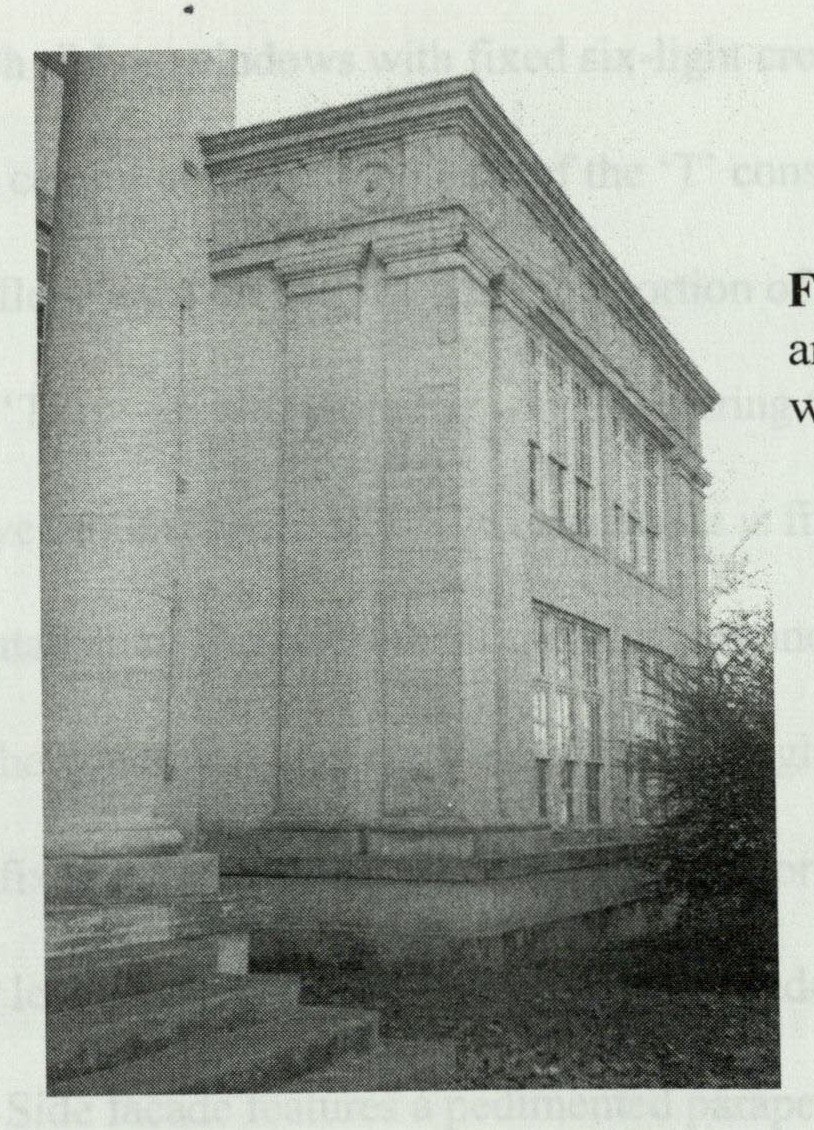
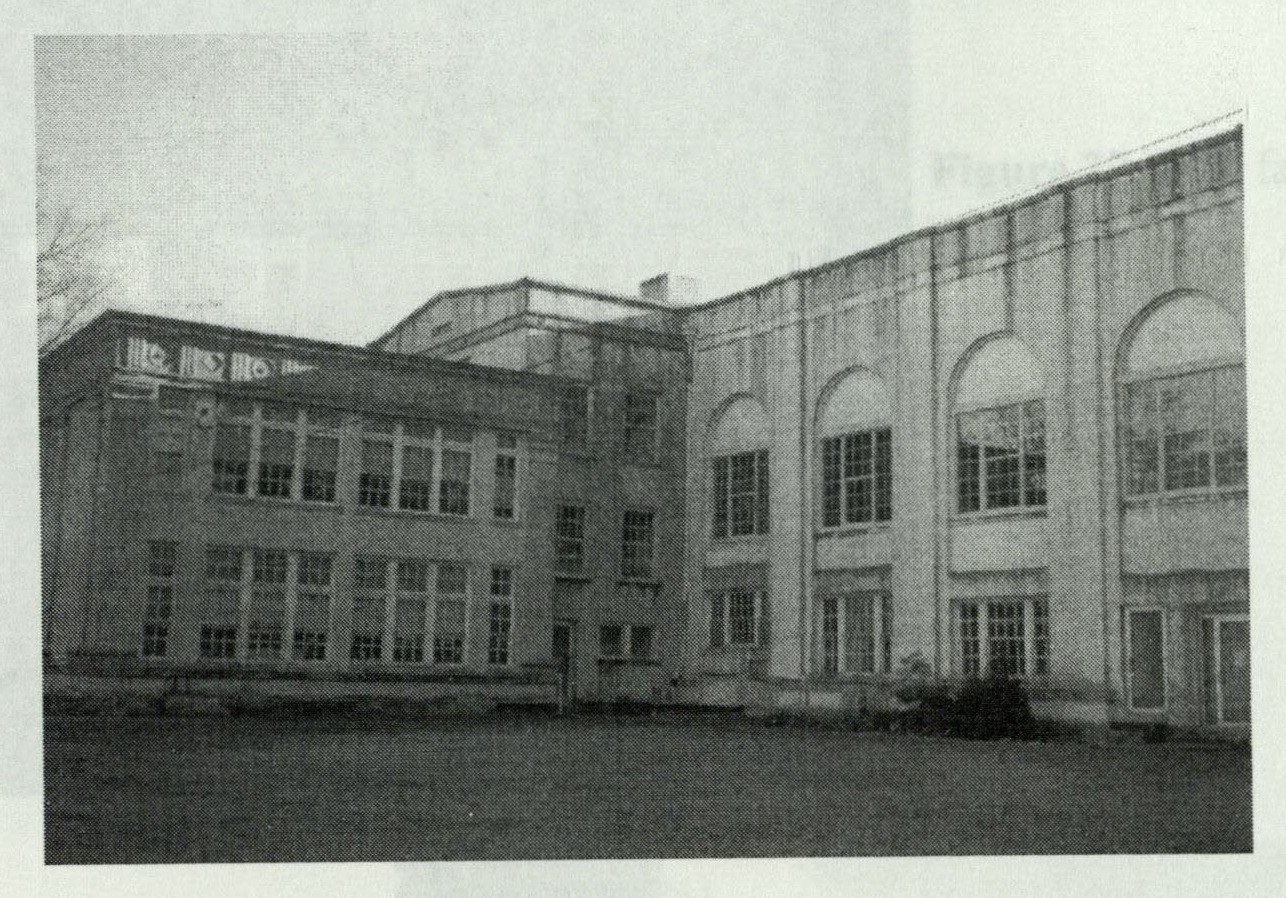
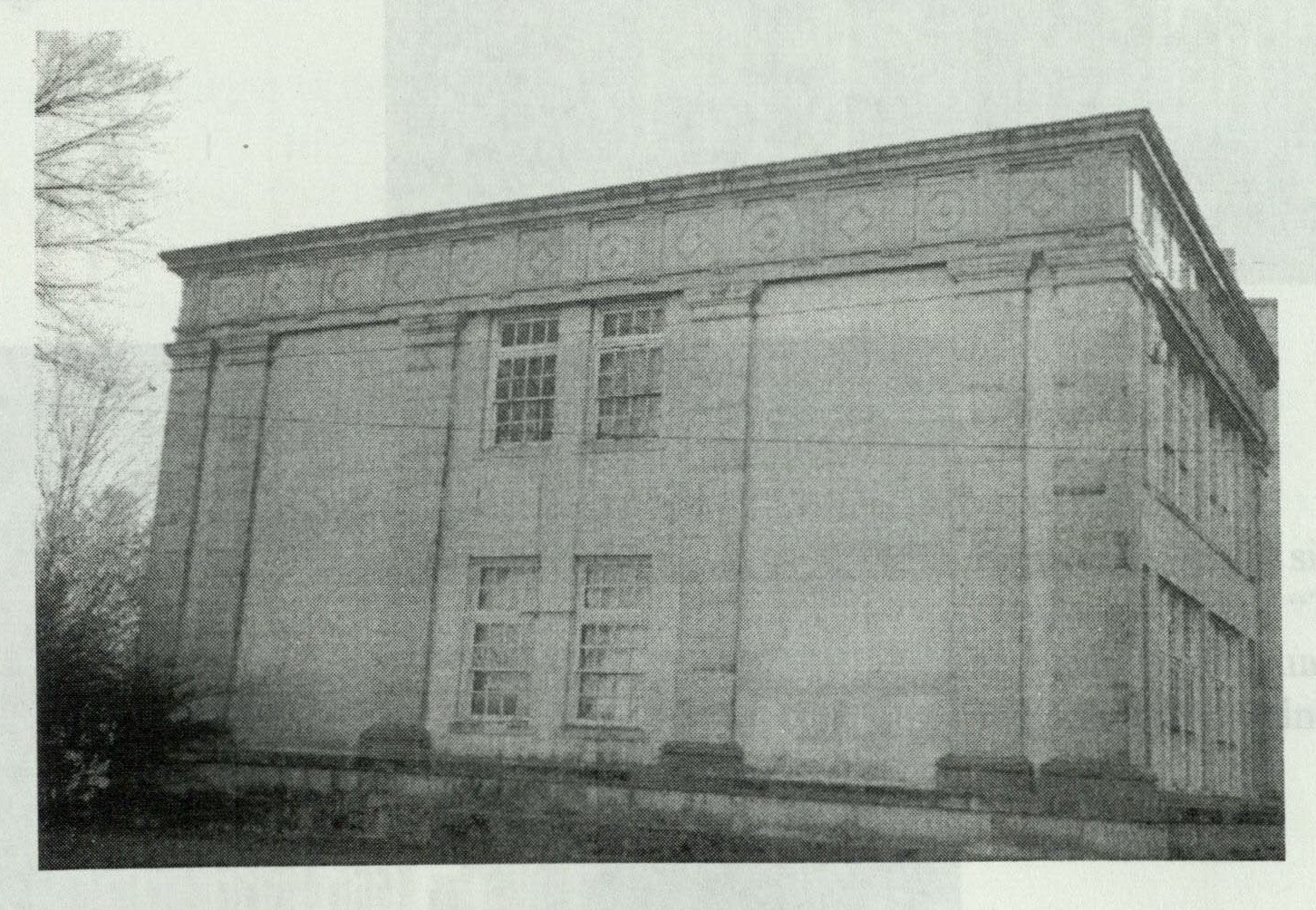
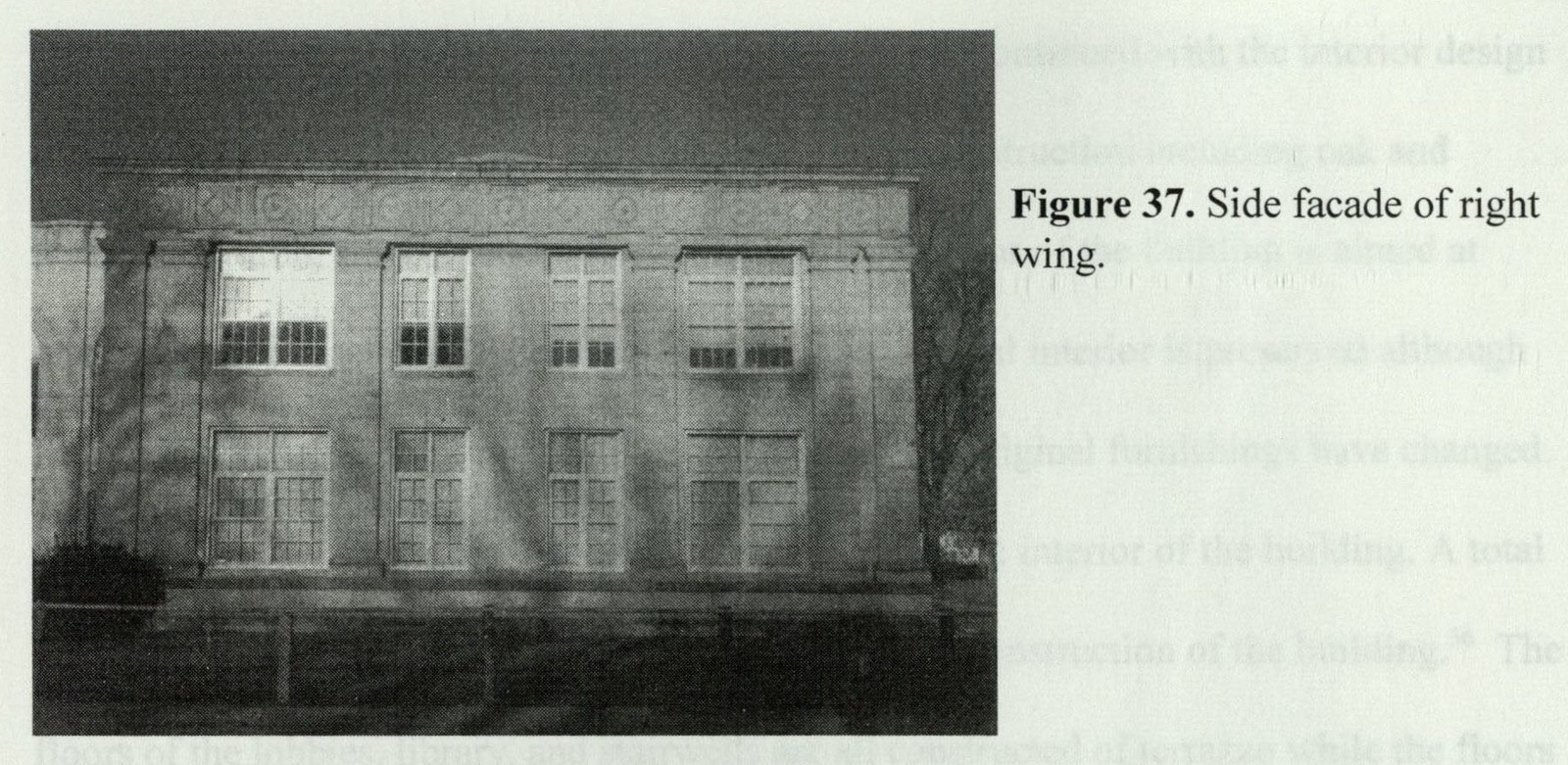
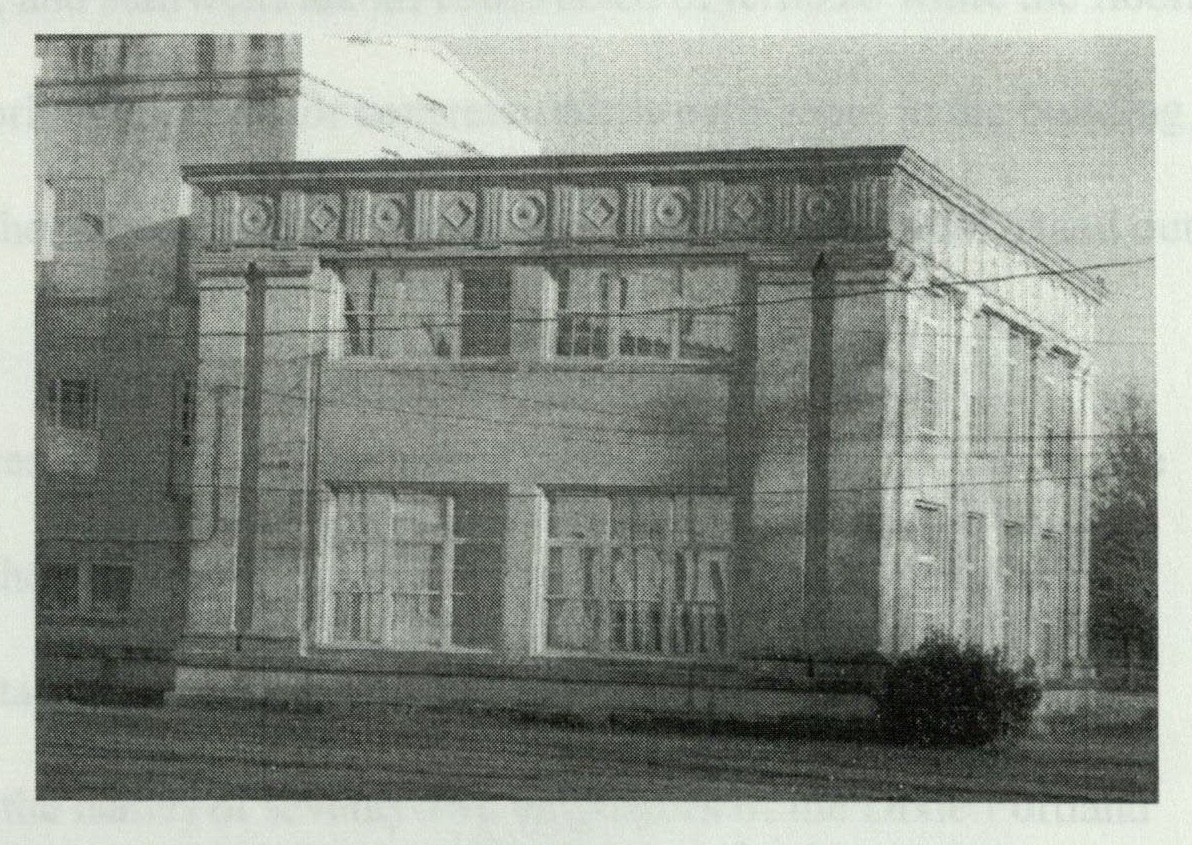
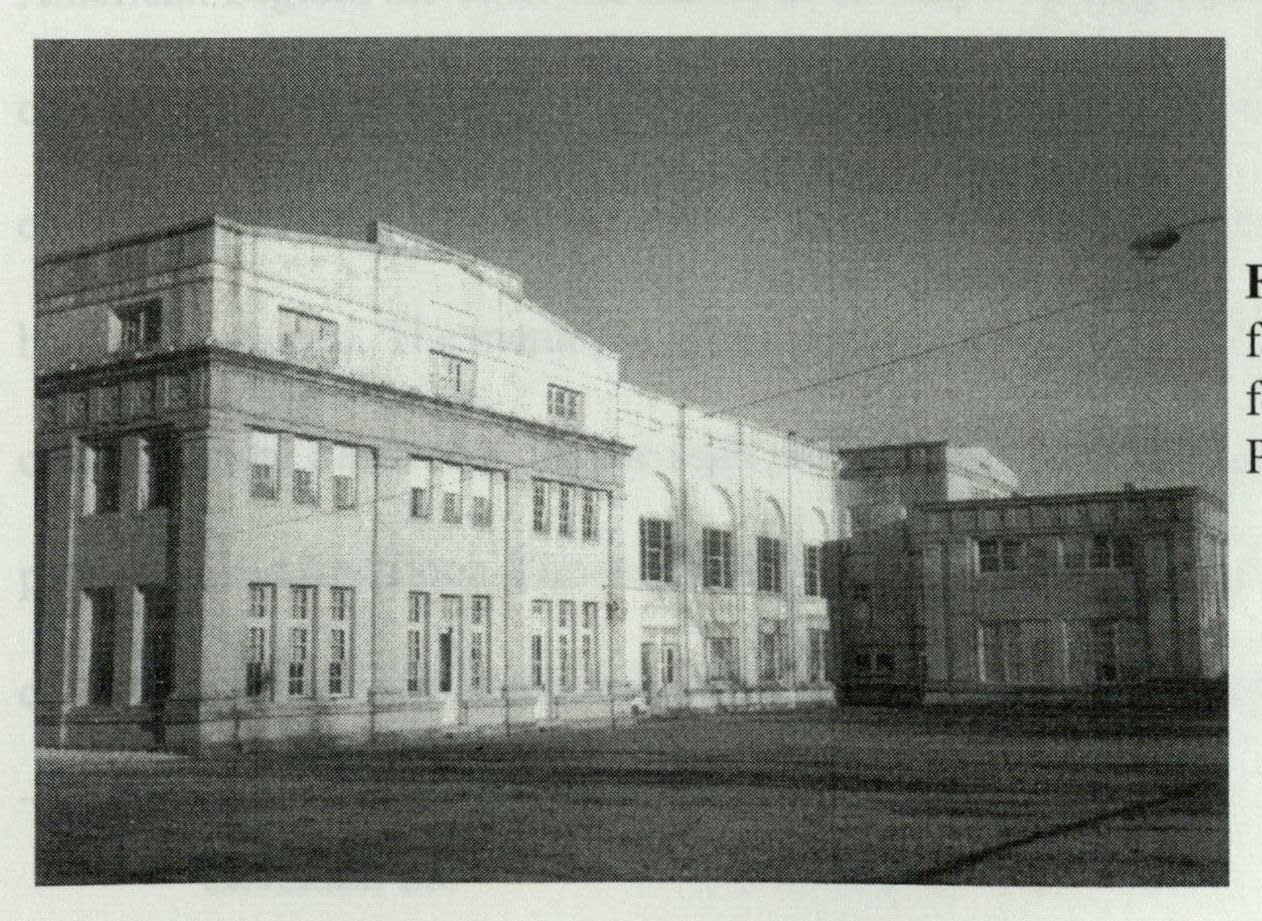
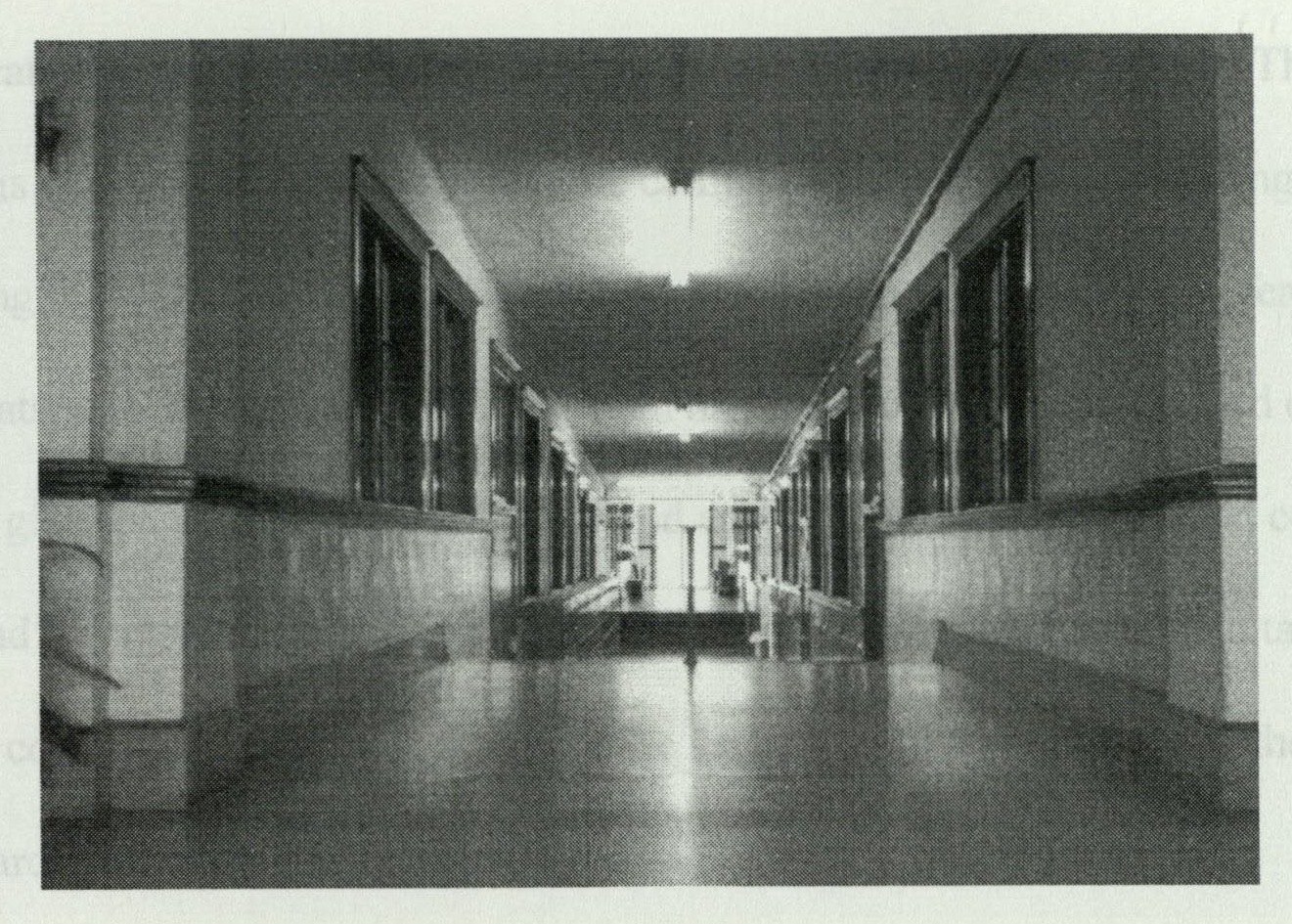
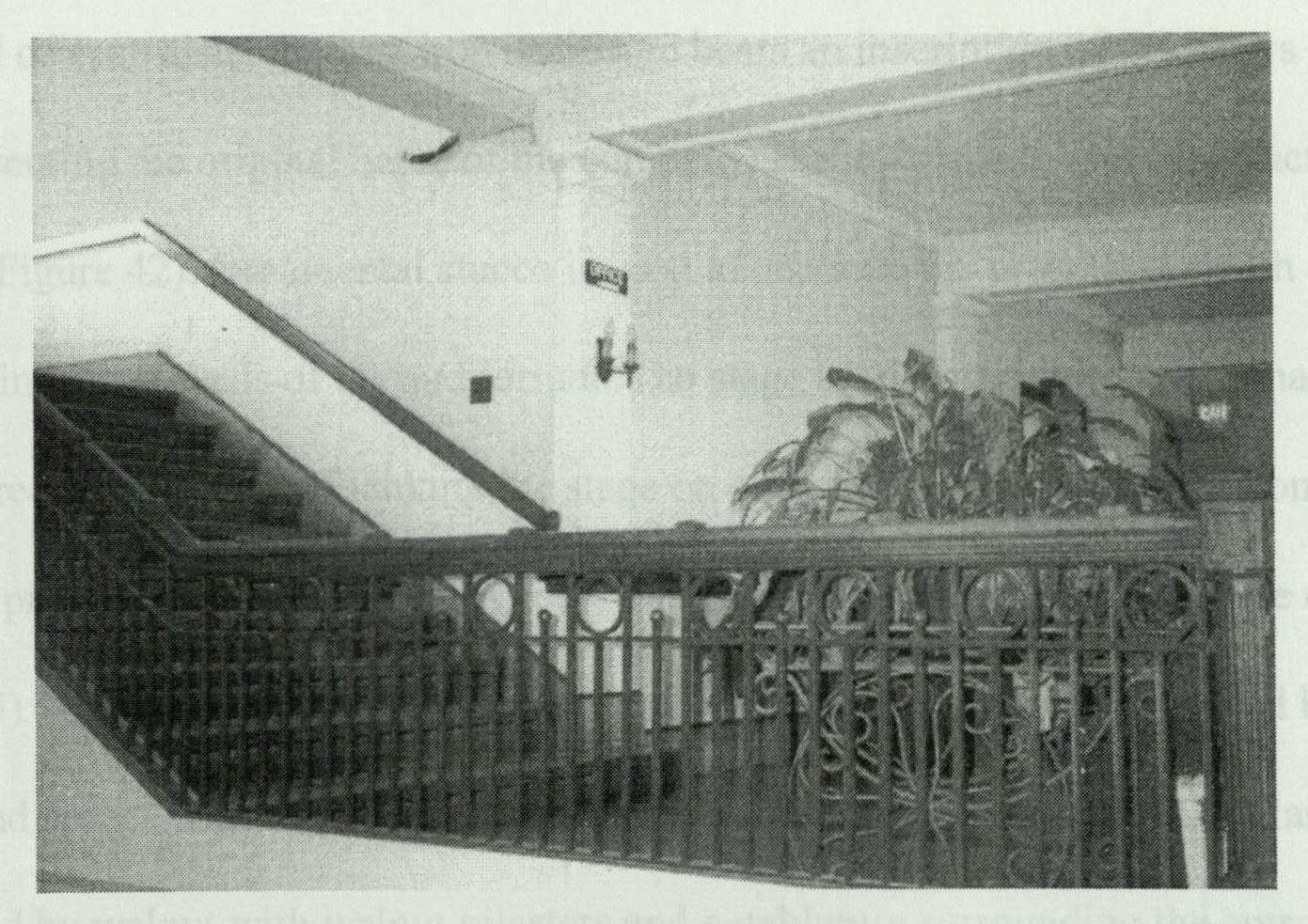
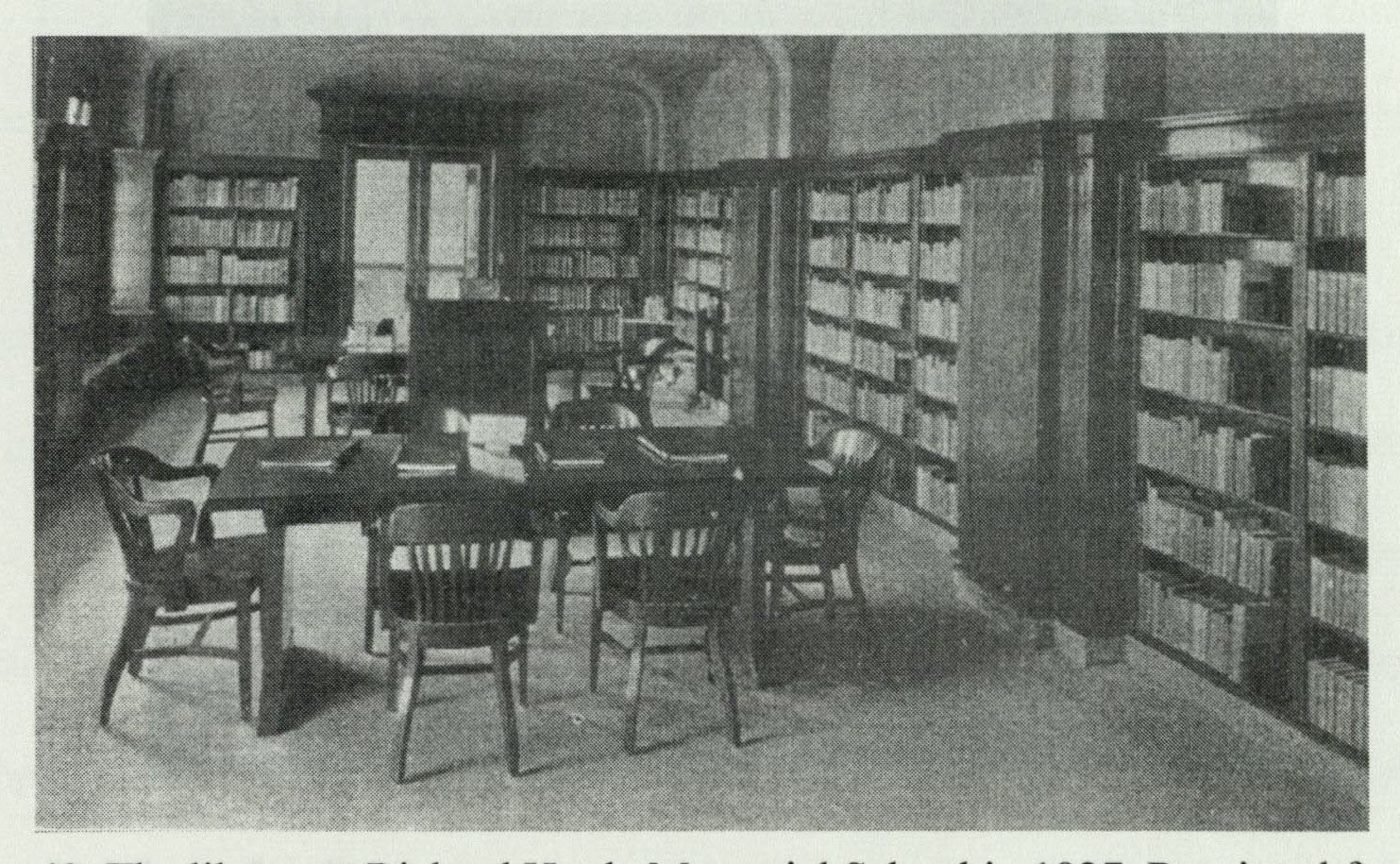
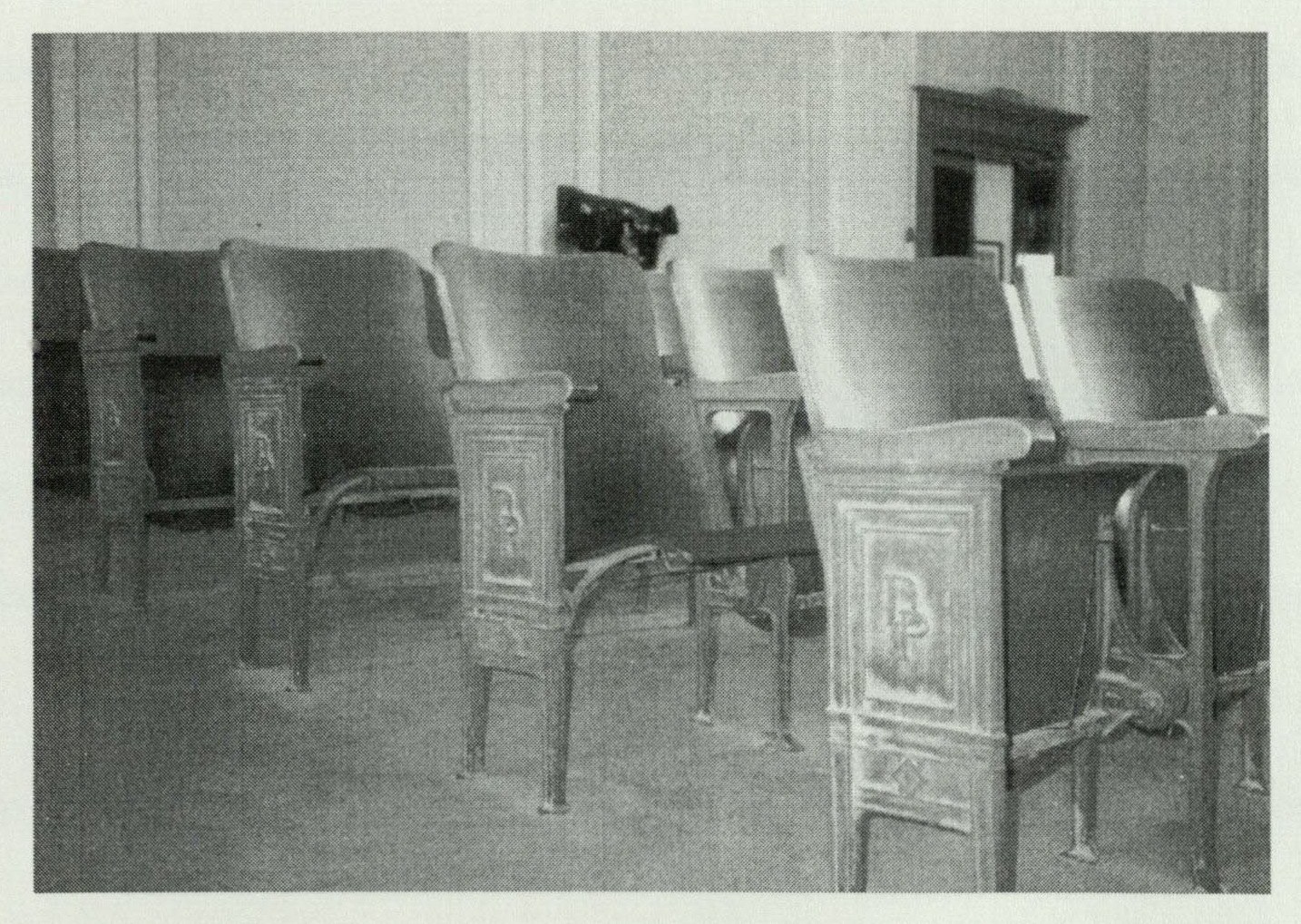
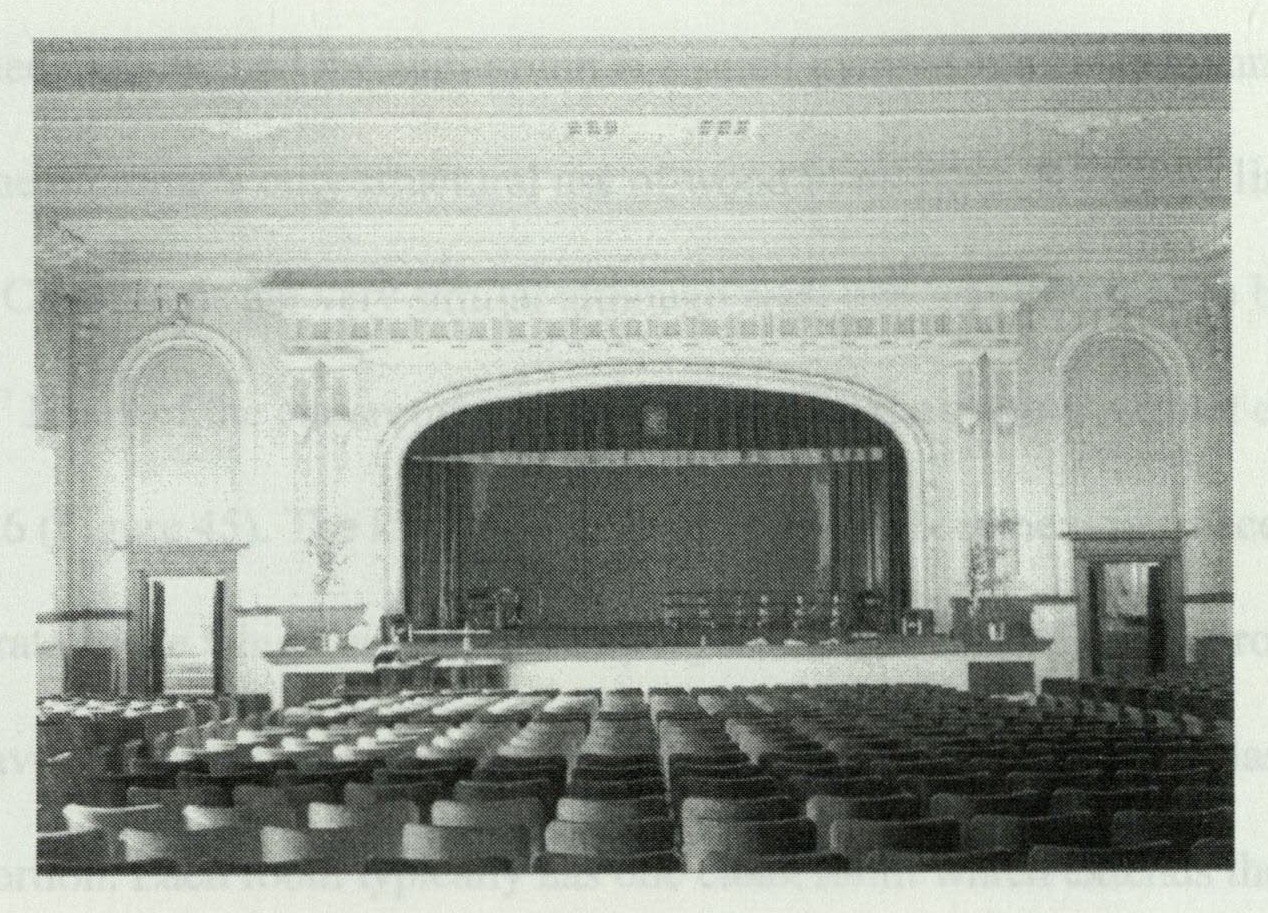
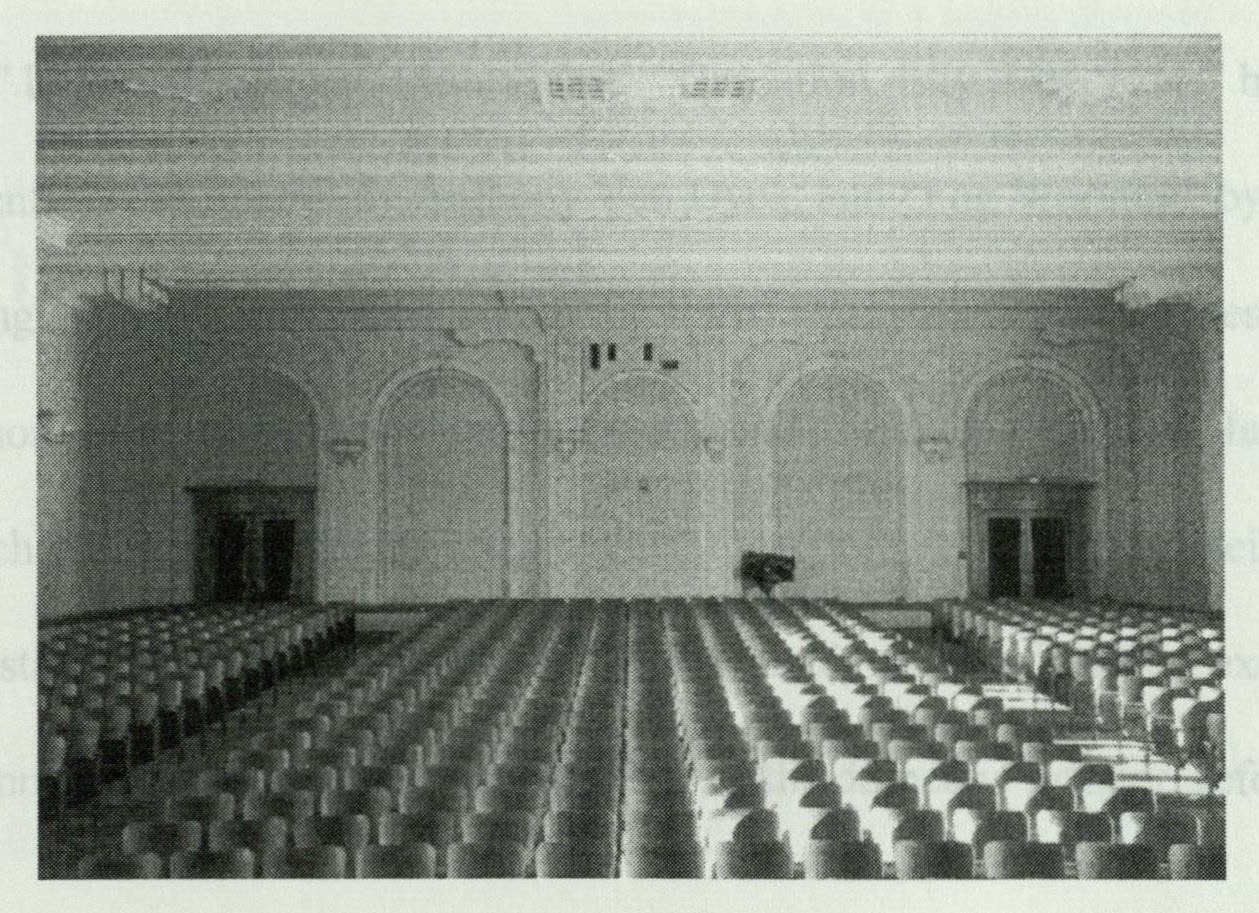
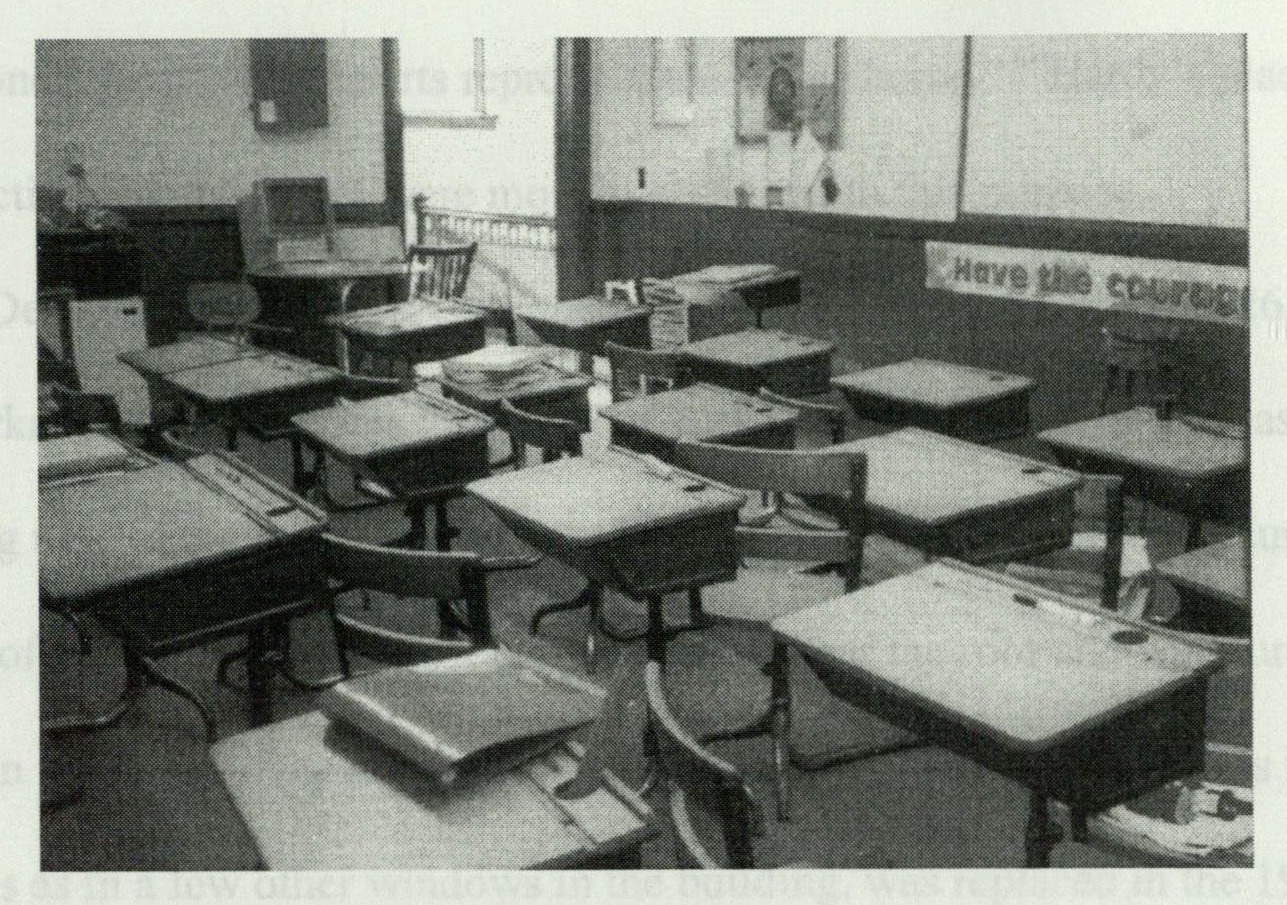
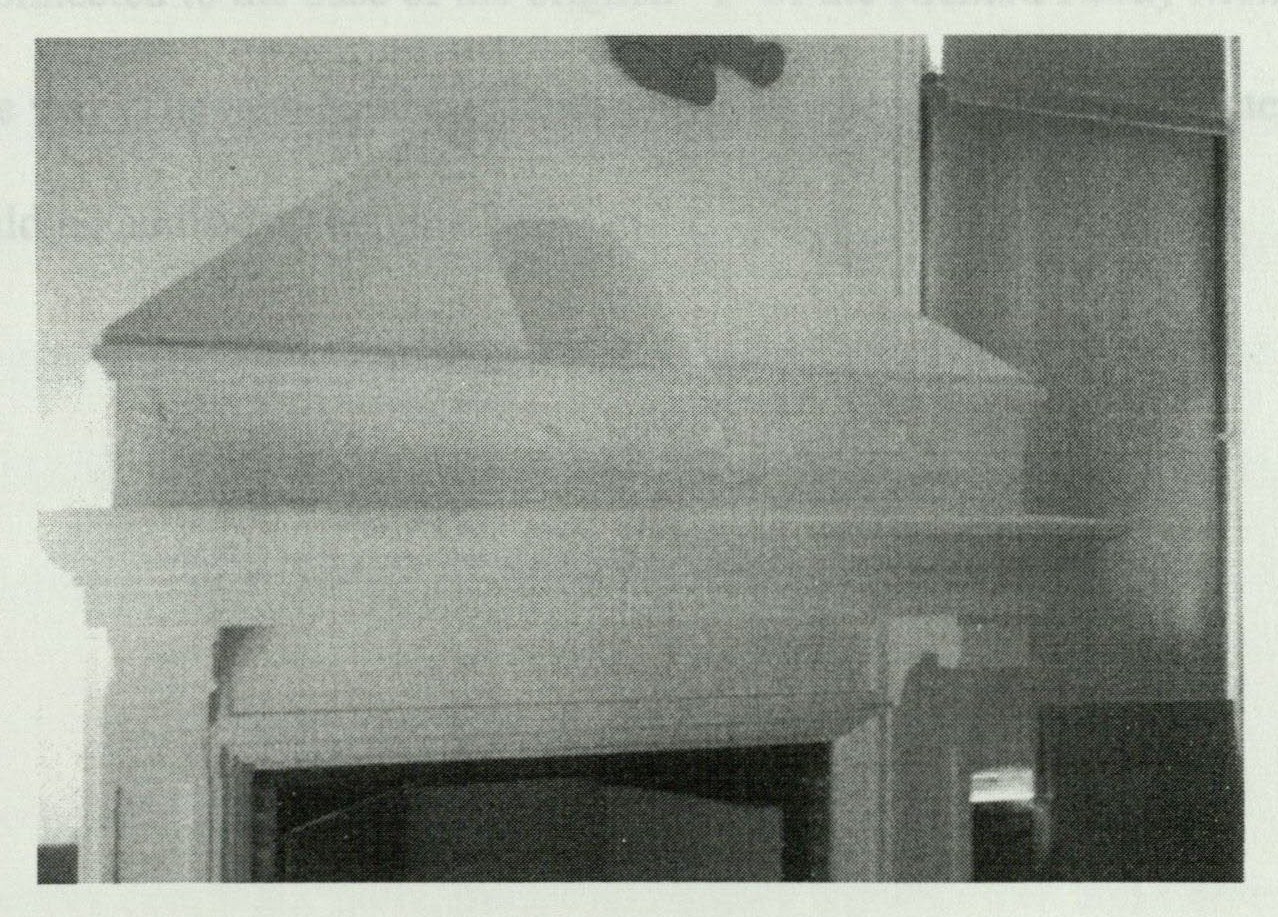
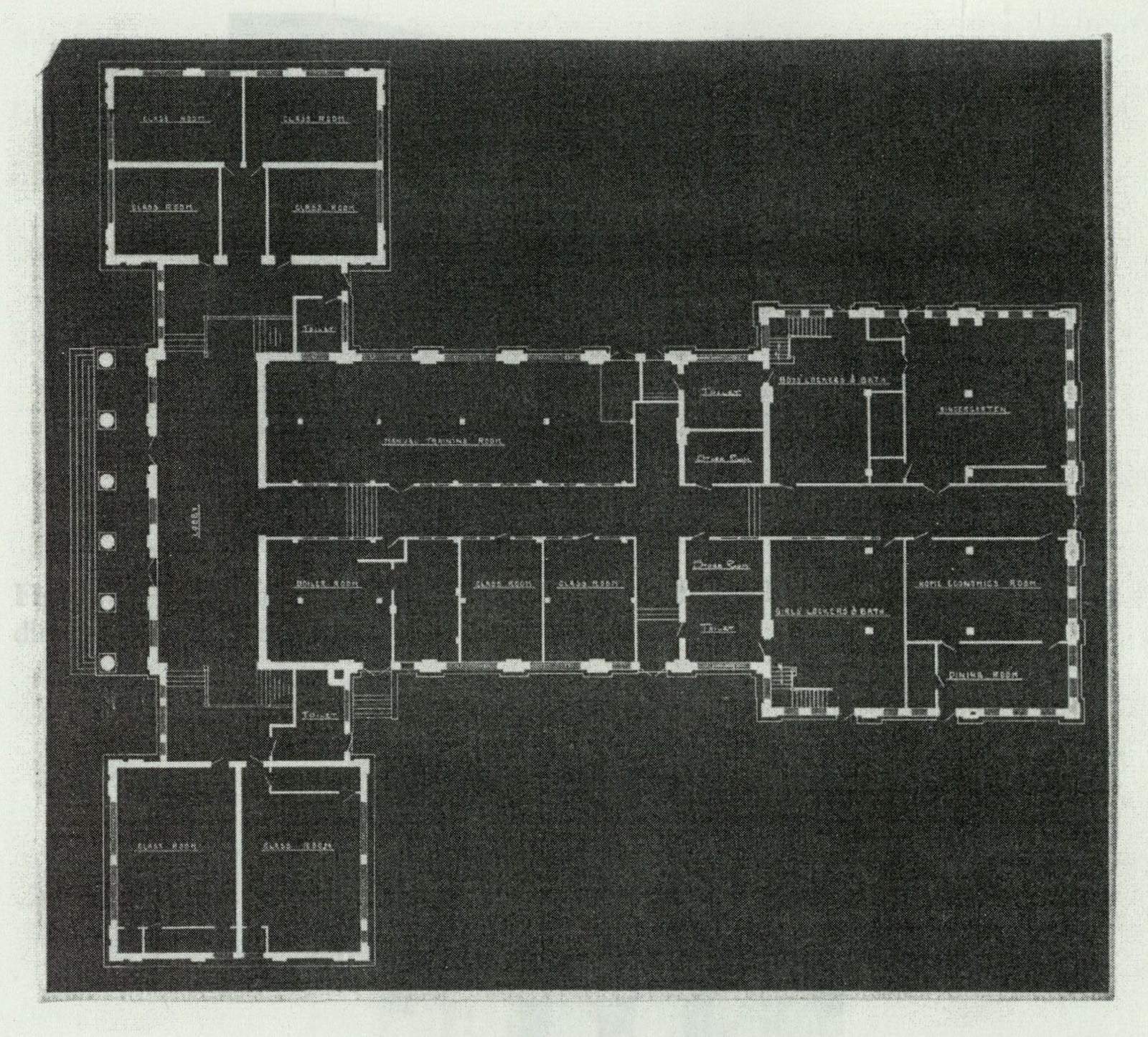
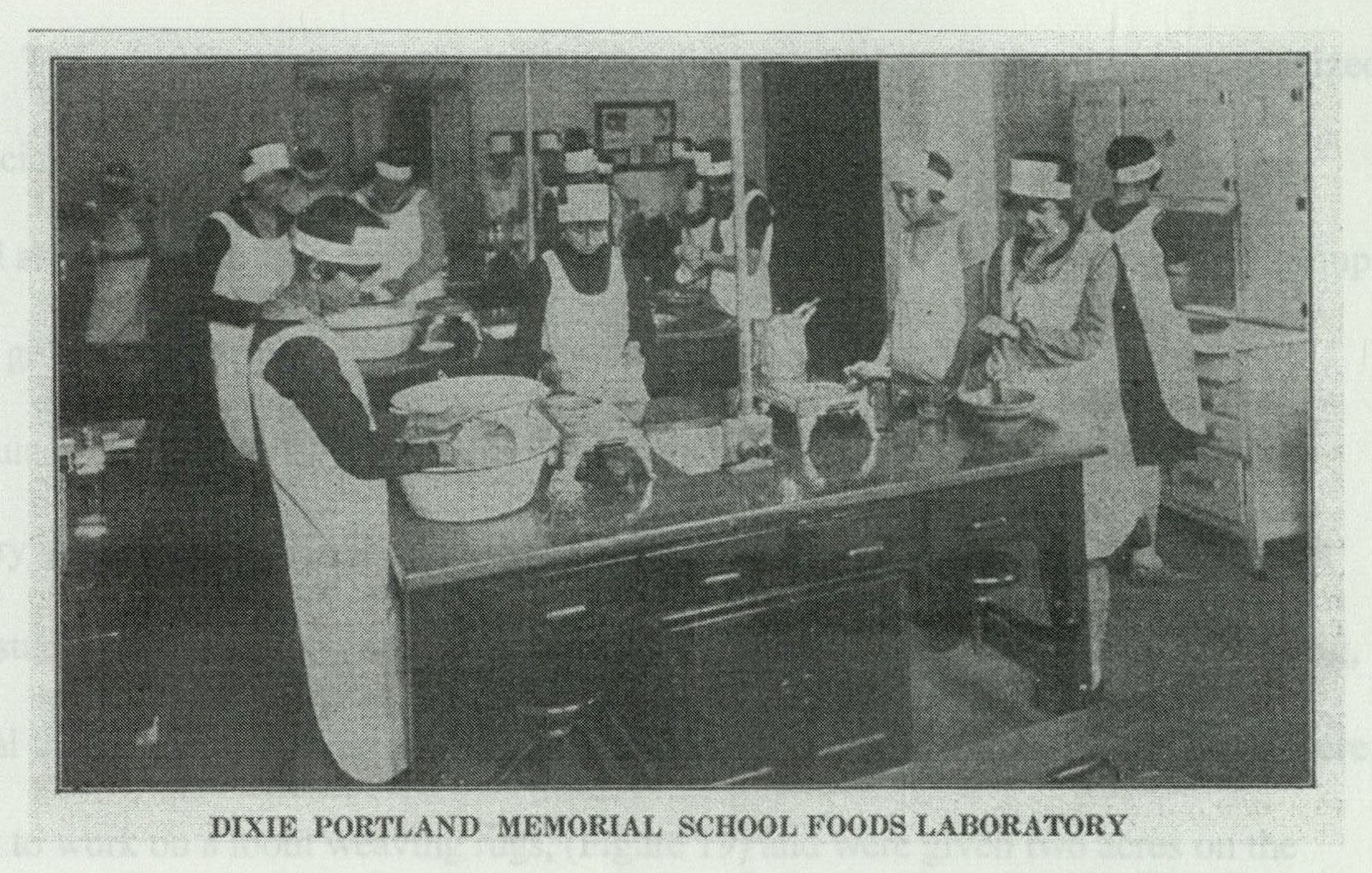
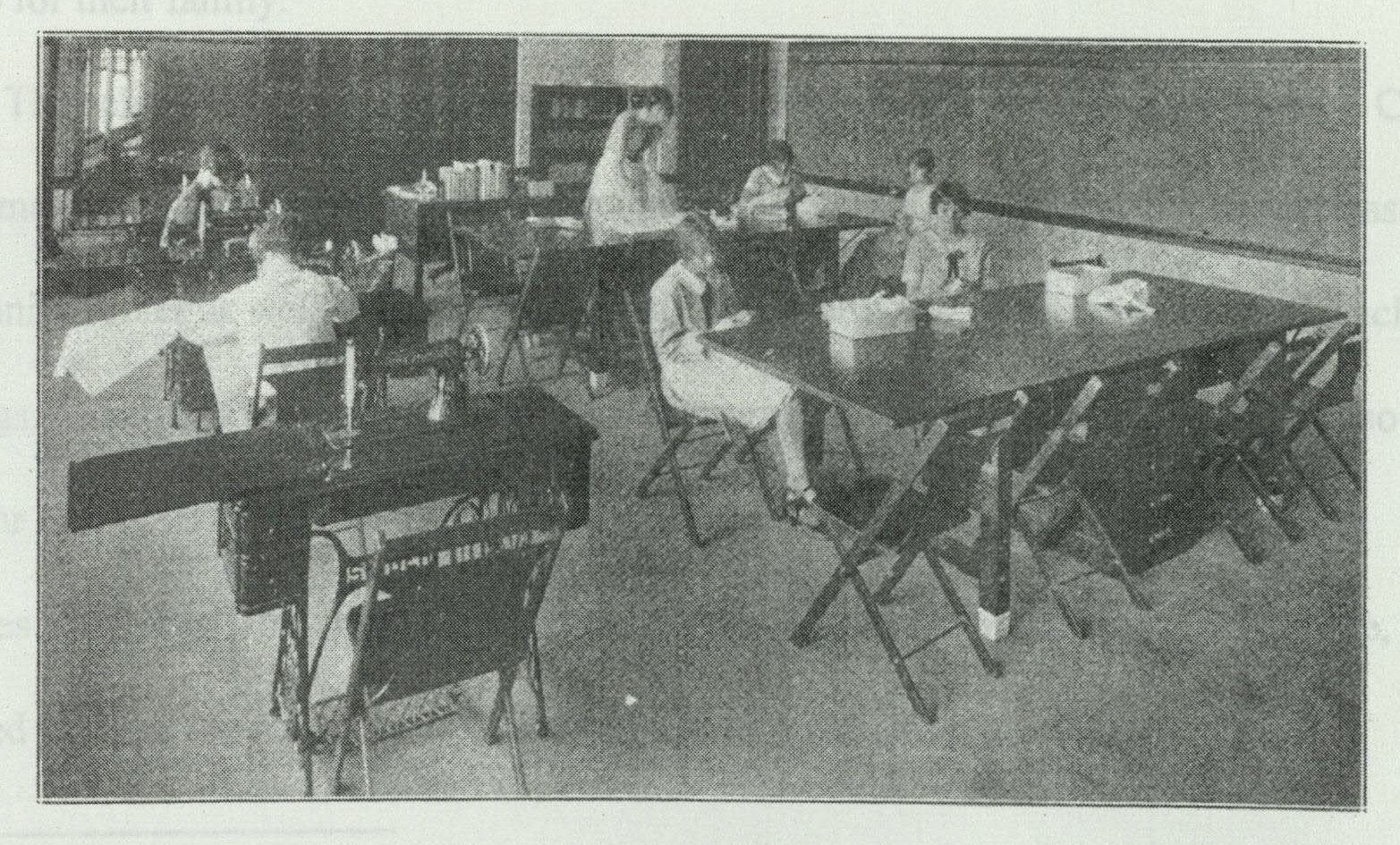
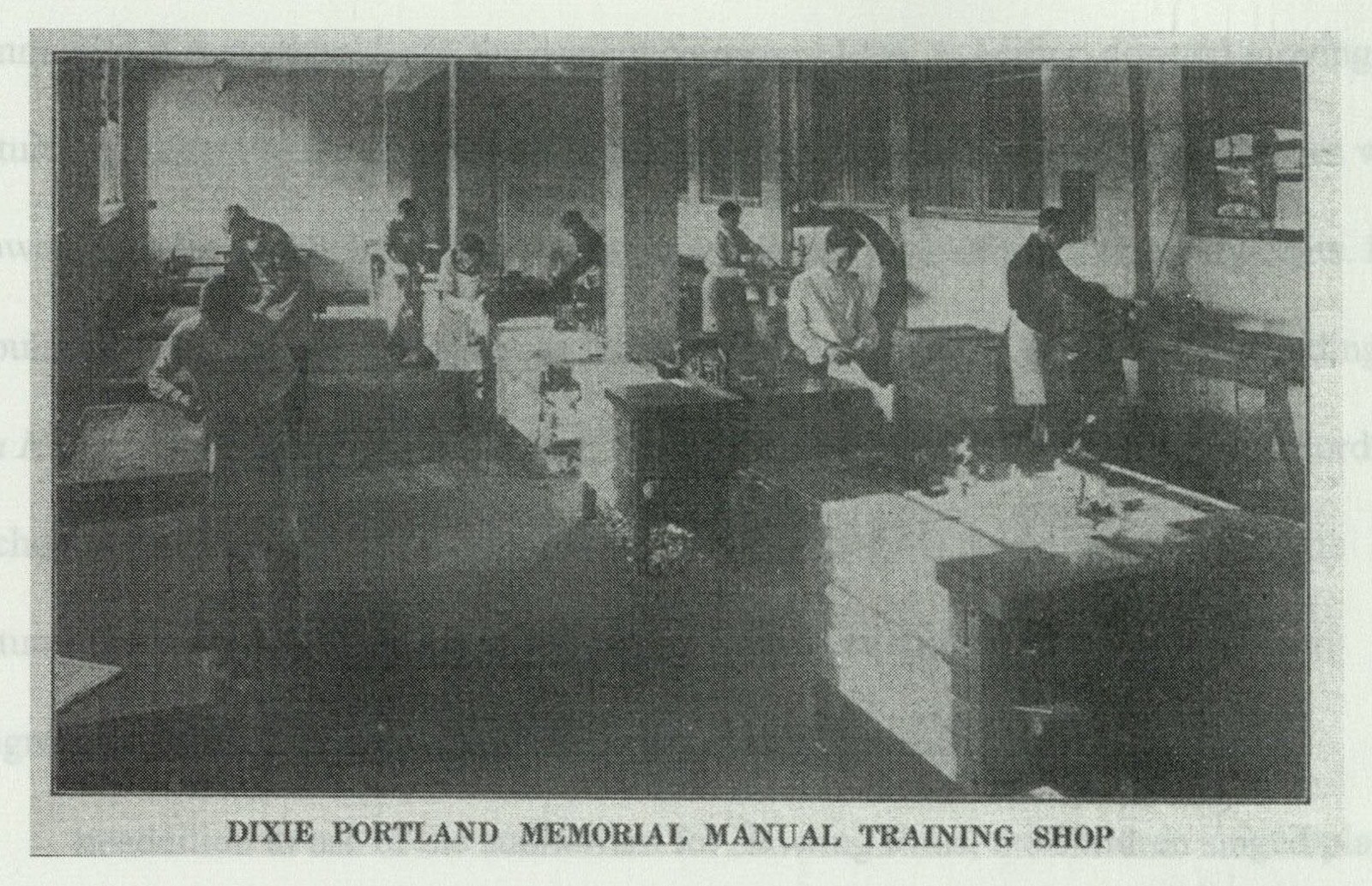
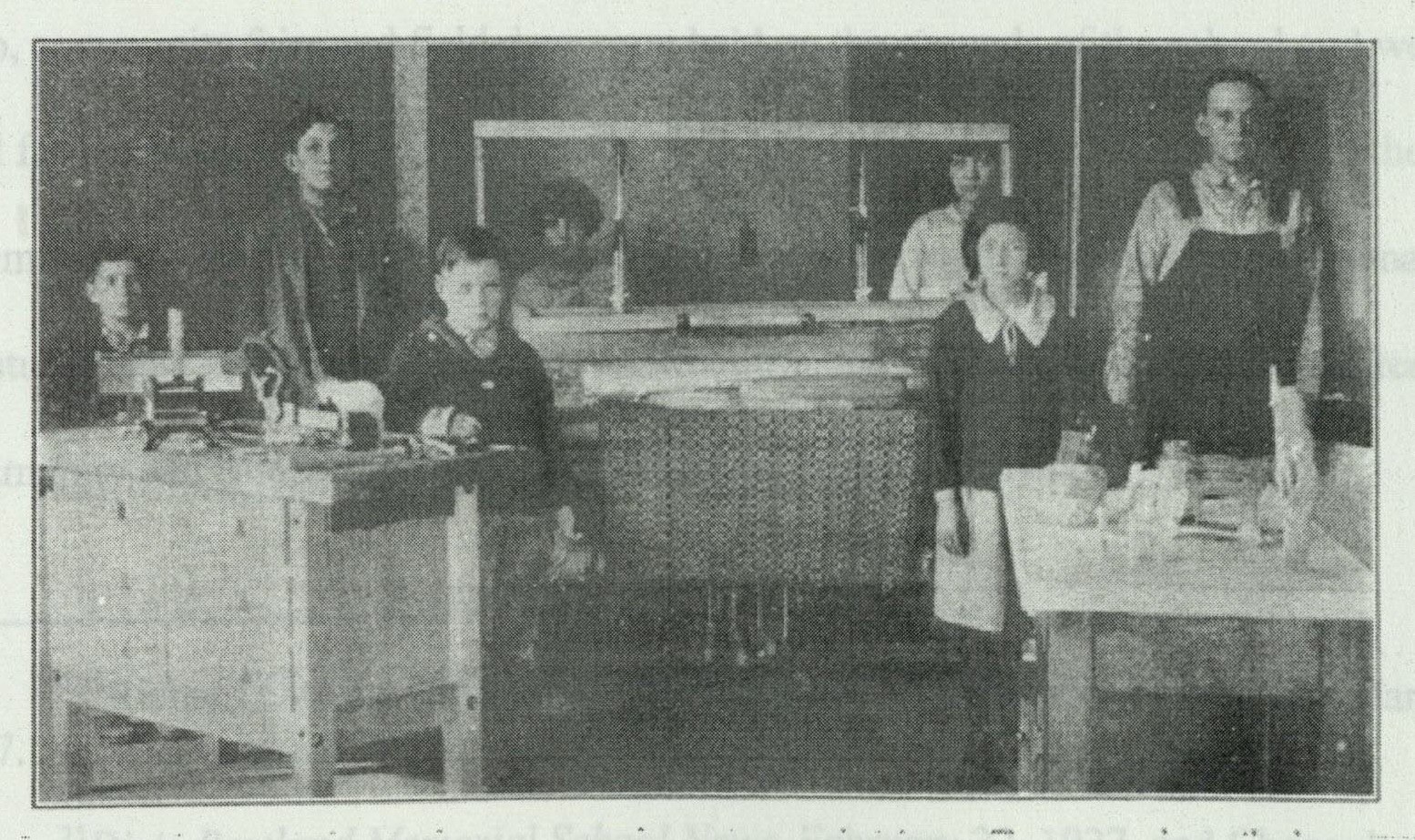
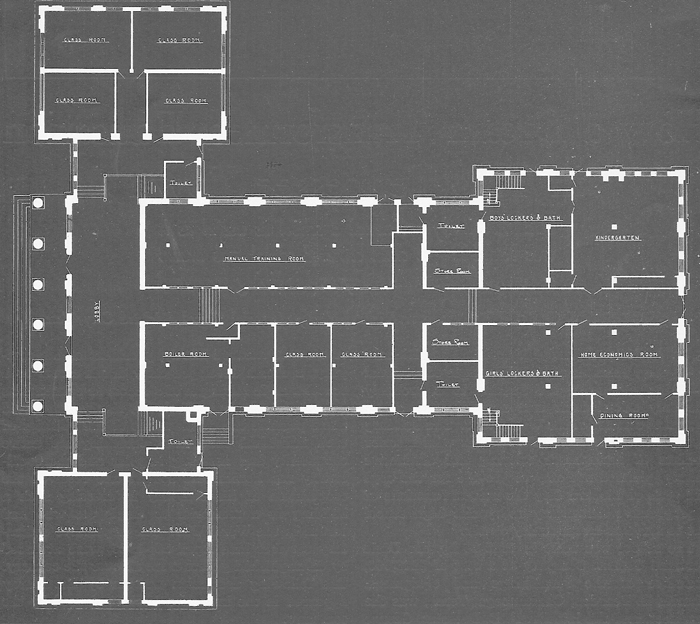
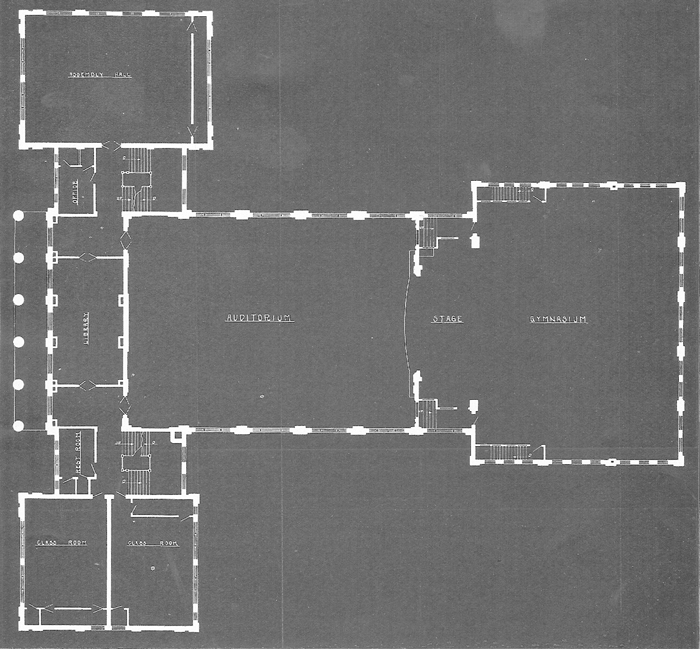
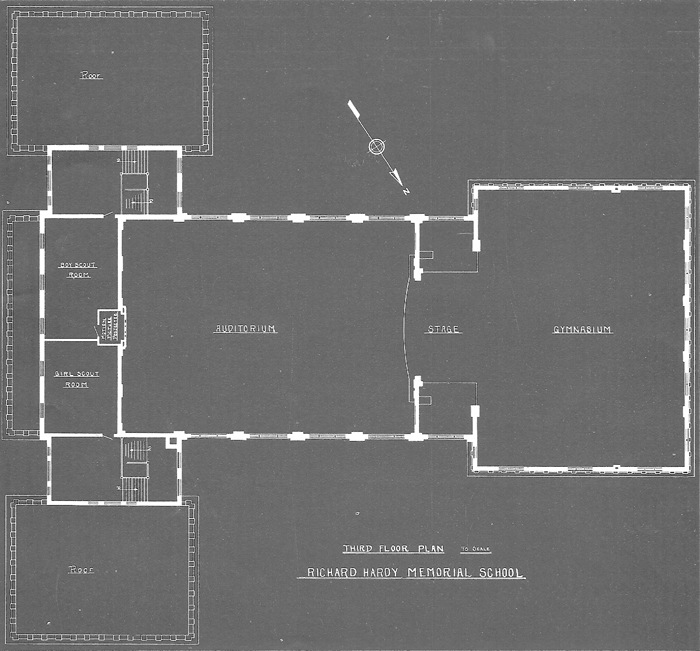
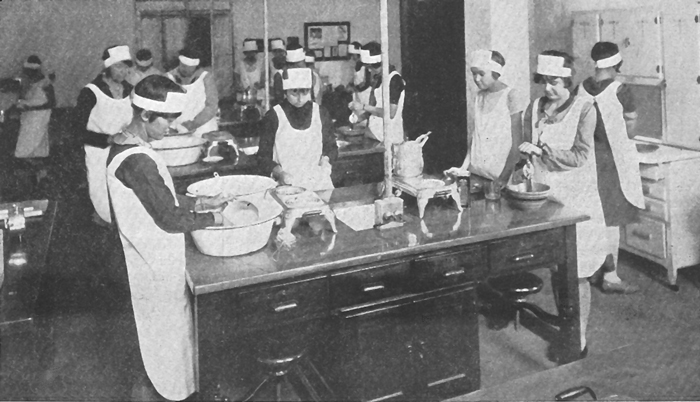
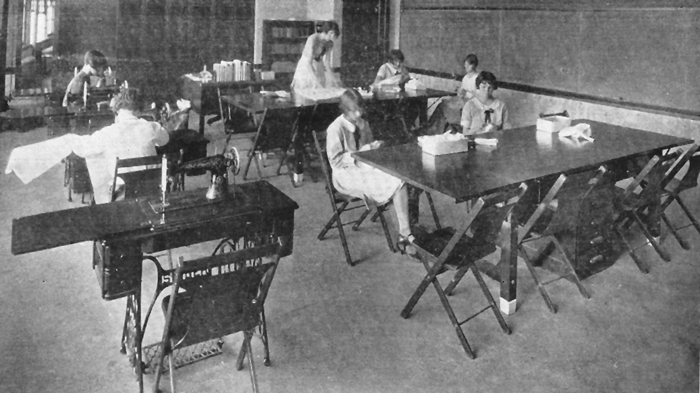
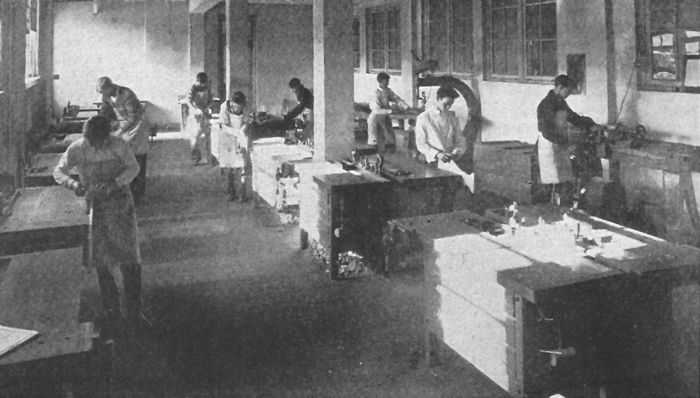
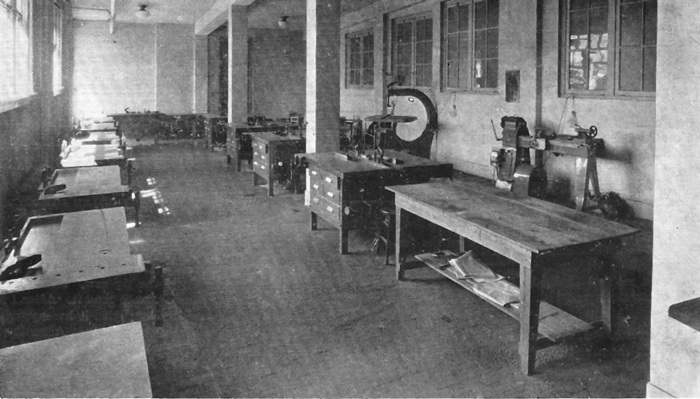
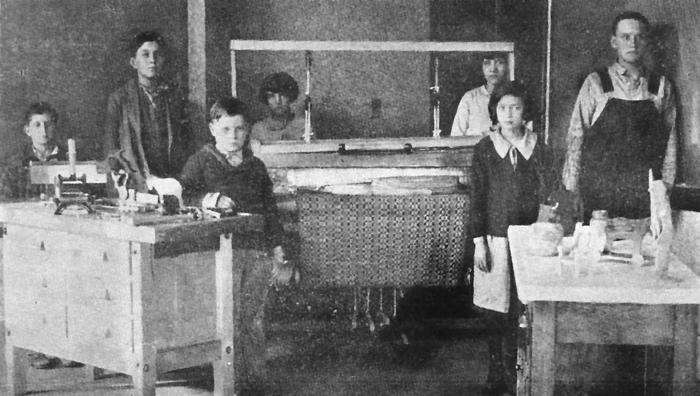
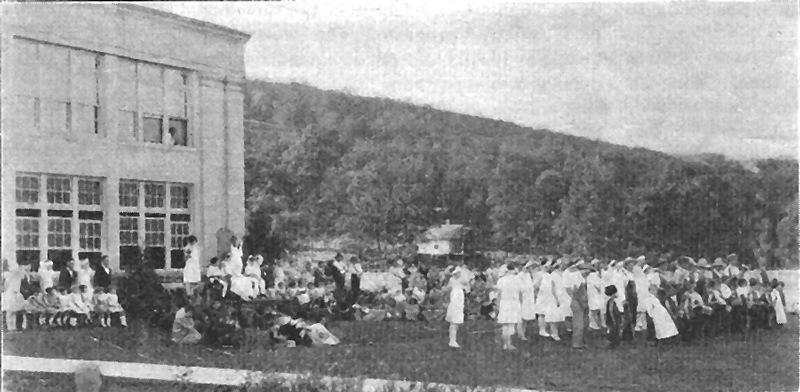
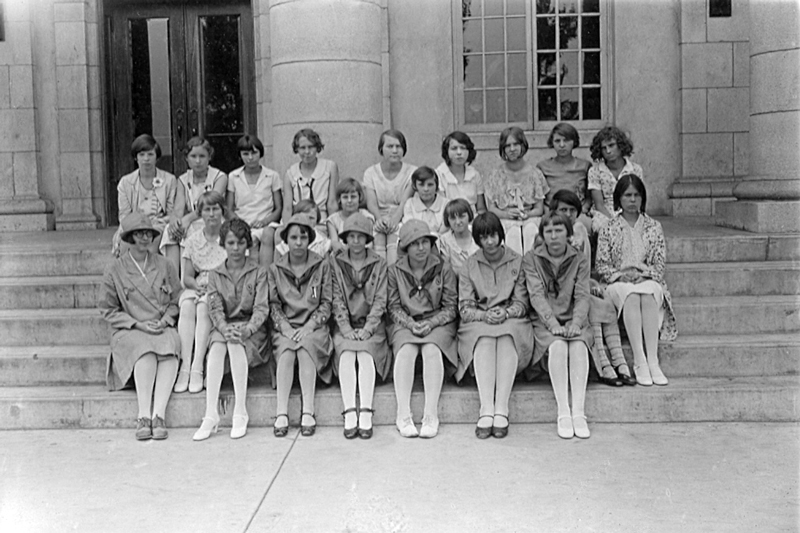
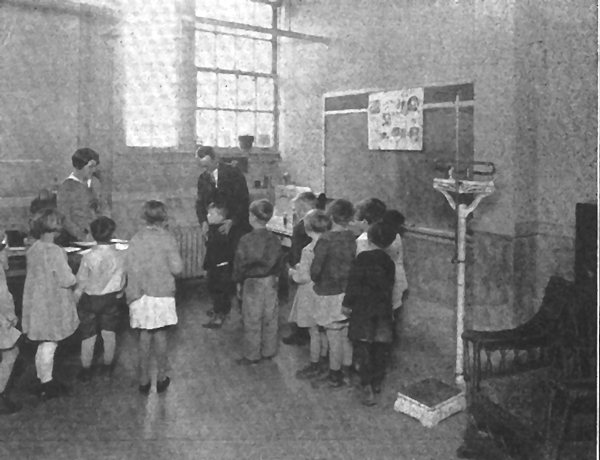
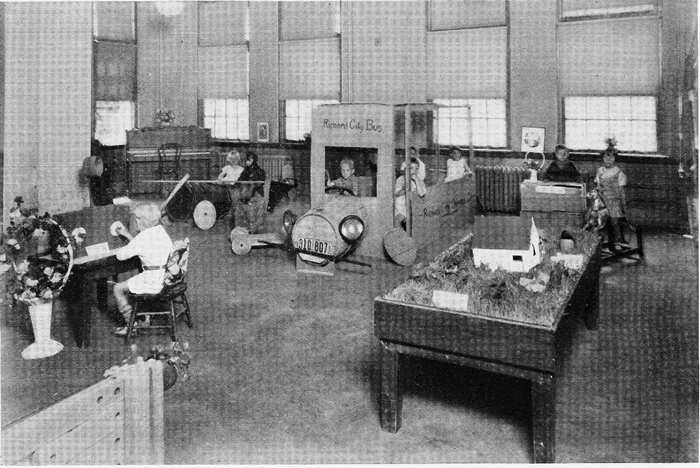
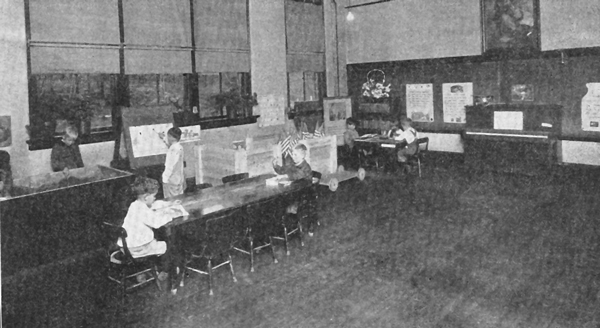
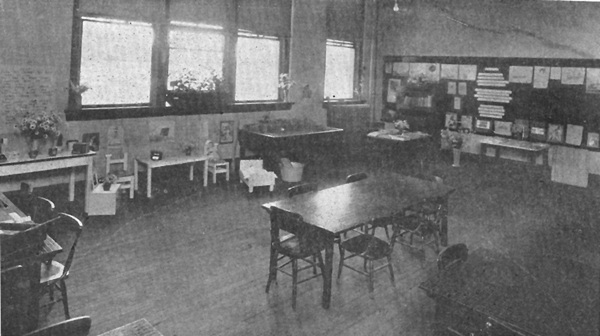
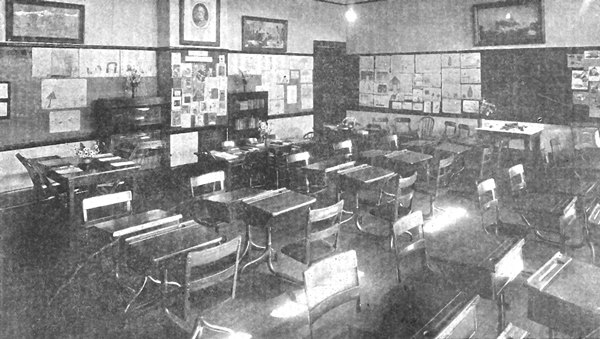
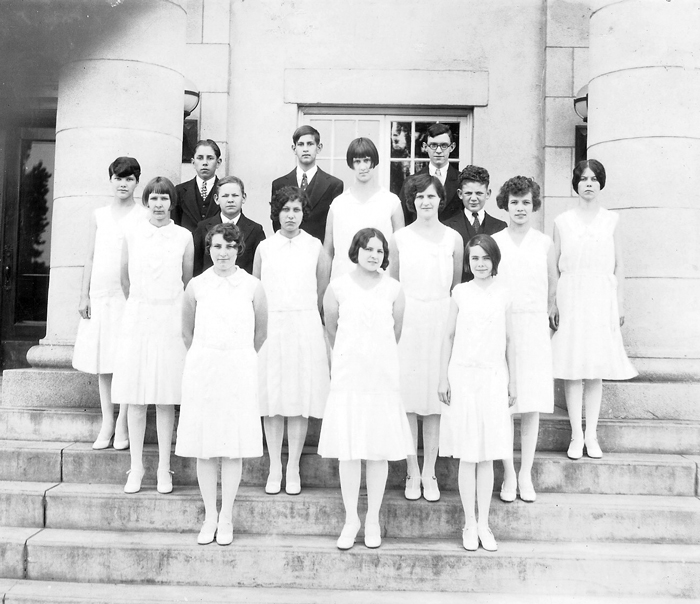
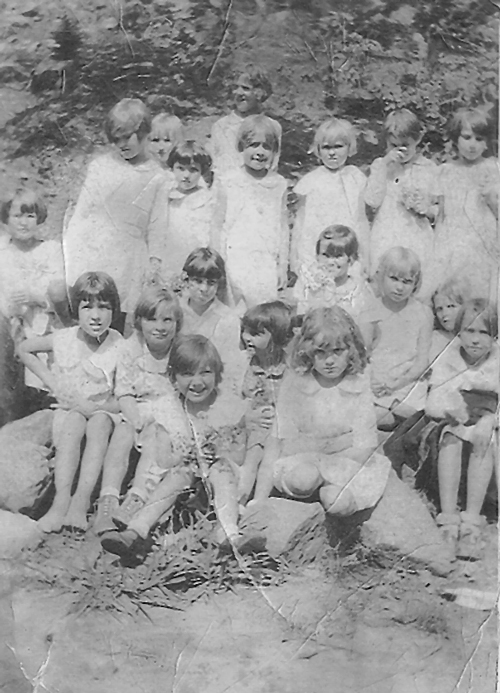
Richard Hardy Memorial School, Richard City. Photo: Brian Stansberry, 2015 (Wikimedia Commons, CC BY 3.0).William Reuben Lehr with his Richard Hardy Memorial School honorary high school diploma, awarded under Tennessee's veteran honorary diploma program on Father's Day, 2013. Lehr left RHMS at 15 to enlist for the Korean War as a mortar gunner. Family photograph, contributed by his daughter Cathy.Richard Hardy Memorial School front facade with Doric portico. Source: Wilkerson 2003 thesis.Orville Richard Hardy (1868 to 1927), Dixie Portland Cement president and school namesake. Source: Wilkerson 2003 thesis.Bronze tablet in the memorial lobby listing 72 Richard City residents who served in World War I. Source: Wilkerson 2003 thesis.Dixie Portland Memorial School News, May 20, 1927. Source: Wilkerson 2003 thesis.Professor John B. Brown, first superintendent of the Dixie Portland Memorial School. Source: Wilkerson 2003 thesis.Professor Robert N. Chenault, second superintendent of the school. Source: Wilkerson 2003 thesis.Detail of the portico entablature featuring alternating diamond and bulls-eye motif. Source: Wilkerson 2003 thesis.Left entrance with solid oak double doors and a globe lantern. Source: Wilkerson 2003 thesis.Pedimented parapet above the portico entrance with bulls-eye frieze and carved building name. Source: Wilkerson 2003 thesis.Double corner pilasters at the corner of a wing, rising through two stories. Source: Wilkerson 2003 thesis.Rear facade of the left wing. Source: Wilkerson 2003 thesis.Side facade of the left wing. Source: Wilkerson 2003 thesis.Side facade of the right wing. Source: Wilkerson 2003 thesis.Rear facade of the right wing. Source: Wilkerson 2003 thesis.Palladian style windows at the base of the T plan, the auditorium wing. Source: Wilkerson 2003 thesis.First floor corridor viewed from the memorial lobby entrance, with terrazzo floor and globe lanterns. Source: Wilkerson 2003 thesis.Stairwell with cast iron rails and solid oak handrails. Source: Wilkerson 2003 thesis.The school library, c. 1927. Source: Wilkerson 2003 thesis.Auditorium theater seats with cast iron aisle enclosures embossed with D and P for Dixie Portland. Source: Wilkerson 2003 thesis.Auditorium stage with ornamental stucco proscenium. Source: Wilkerson 2003 thesis.View from the stage toward the rear of the auditorium, showing walnut seats and balcony. Source: Wilkerson 2003 thesis.Original 1926 walnut student desks, still in use. Source: Wilkerson 2003 thesis.Cement and cast iron fireplace in the kindergarten room with a nursery-figure frieze. Source: Wilkerson 2003 thesis.Richard Hardy Memorial School first floor plan, from a 1931 article. Source: Wilkerson 2003 thesis.Foods laboratory at the Dixie Portland Memorial School. Source: Wilkerson 2003 thesis.Sewing laboratory at the Dixie Portland Memorial School. Source: Wilkerson 2003 thesis.Manual training shop at the Dixie Portland Memorial School. Source: Wilkerson 2003 thesis.Special class at the loom, Dixie Portland Memorial School. Source: Wilkerson 2003 thesis.Richard Hardy Memorial School, first floor plan. Courtesy of Richard Hardy Memorial School, via RootsWeb/TNGenWeb Marion County.Richard Hardy Memorial School, second floor plan. Courtesy of Richard Hardy Memorial School, via RootsWeb/TNGenWeb Marion County.Richard Hardy Memorial School, third floor plan. Courtesy of Richard Hardy Memorial School, via RootsWeb/TNGenWeb Marion County.Foods laboratory at the Dixie Portland Memorial School. Courtesy of Richard Hardy Memorial School, via RootsWeb/TNGenWeb Marion County.Dixie Portland Home Economics kitchen. Courtesy of Richard Hardy Memorial School, via RootsWeb/TNGenWeb Marion County.Manual training shop at Dixie Portland Memorial School. Courtesy of Richard Hardy Memorial School, via RootsWeb/TNGenWeb Marion County.Manual training shop, second view. Courtesy of Richard Hardy Memorial School, via RootsWeb/TNGenWeb Marion County.Special class of Dixie Portland Memorial School at work. Courtesy of Richard Hardy Memorial School, via RootsWeb/TNGenWeb Marion County.Dixie Portland Memorial School library, second view. Courtesy of Richard Hardy Memorial School, via RootsWeb/TNGenWeb Marion County.Literary Club, May 20, 1927. Teacher: Miss Jeannette Michael. Courtesy of Richard Hardy Memorial School, via RootsWeb/TNGenWeb Marion County.Musical display at Richard Hardy Memorial. Mrs. Robert Crisp with her piano pupils. Courtesy of Richard Hardy Memorial School, via RootsWeb/TNGenWeb Marion County.Health Pageant, Richard Hardy Memorial School, June 1930. Courtesy of Richard Hardy Memorial School, via RootsWeb/TNGenWeb Marion County.Unknown group, possibly Girl Scouts. Courtesy of Richard Hardy Memorial School, via RootsWeb/TNGenWeb Marion County.Physical examinations at Dixie Portland Memorial School. Courtesy of Richard Hardy Memorial School, via RootsWeb/TNGenWeb Marion County.Kindergarten class at Richard Hardy Memorial School. Courtesy of Richard Hardy Memorial School, via RootsWeb/TNGenWeb Marion County.Kindergarten class with Miss A. Murdock and students identified by name. Courtesy of Richard Hardy Memorial School, via RootsWeb/TNGenWeb Marion County.First grade classroom. Courtesy of Richard Hardy Memorial School, via RootsWeb/TNGenWeb Marion County.Second grade classroom. Courtesy of Richard Hardy Memorial School, via RootsWeb/TNGenWeb Marion County.Third grade classroom. Courtesy of Richard Hardy Memorial School, via RootsWeb/TNGenWeb Marion County.9th Grade Graduates, May 1928 (second photograph). Courtesy of Richard Hardy Memorial School, via RootsWeb/TNGenWeb Marion County.10th Grade Graduates, May 1930. Courtesy of Richard Hardy Memorial School, via RootsWeb/TNGenWeb Marion County.Second grade class, year unknown. Courtesy of Richard Hardy Memorial School, via RootsWeb/TNGenWeb Marion County.American Education Week observance, 7th and 8th grade. Courtesy of Richard Hardy Memorial School, via RootsWeb/TNGenWeb Marion County.Richard Hardy Memorial School class of 1927 reunion, 1982. Courtesy of Richard Hardy Memorial School, via RootsWeb/TNGenWeb Marion County.Unidentified photograph. Courtesy of Richard Hardy Memorial School, via RootsWeb/TNGenWeb Marion County.Unidentified photograph. Courtesy of Richard Hardy Memorial School, via RootsWeb/TNGenWeb Marion County.
Flora
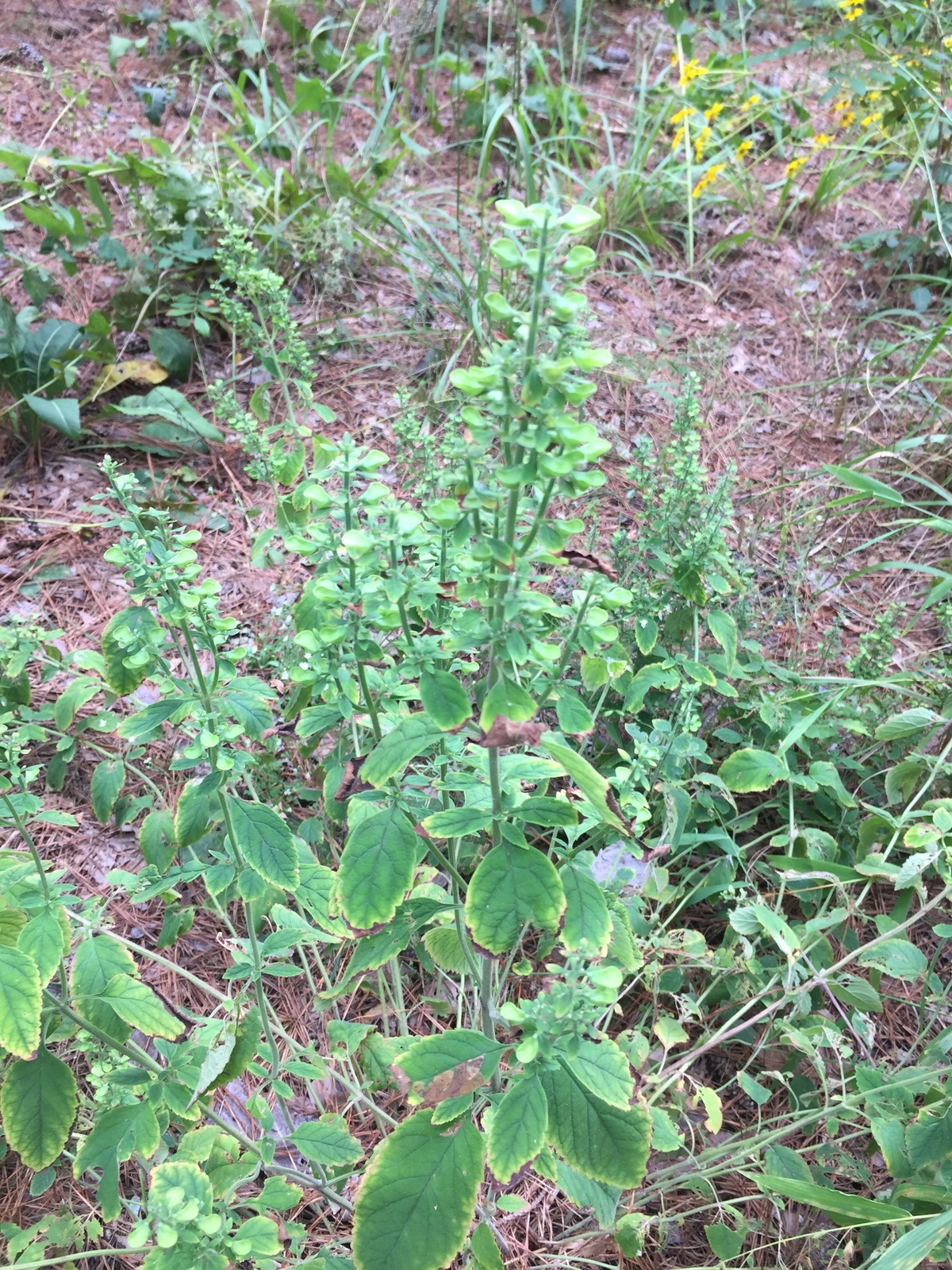
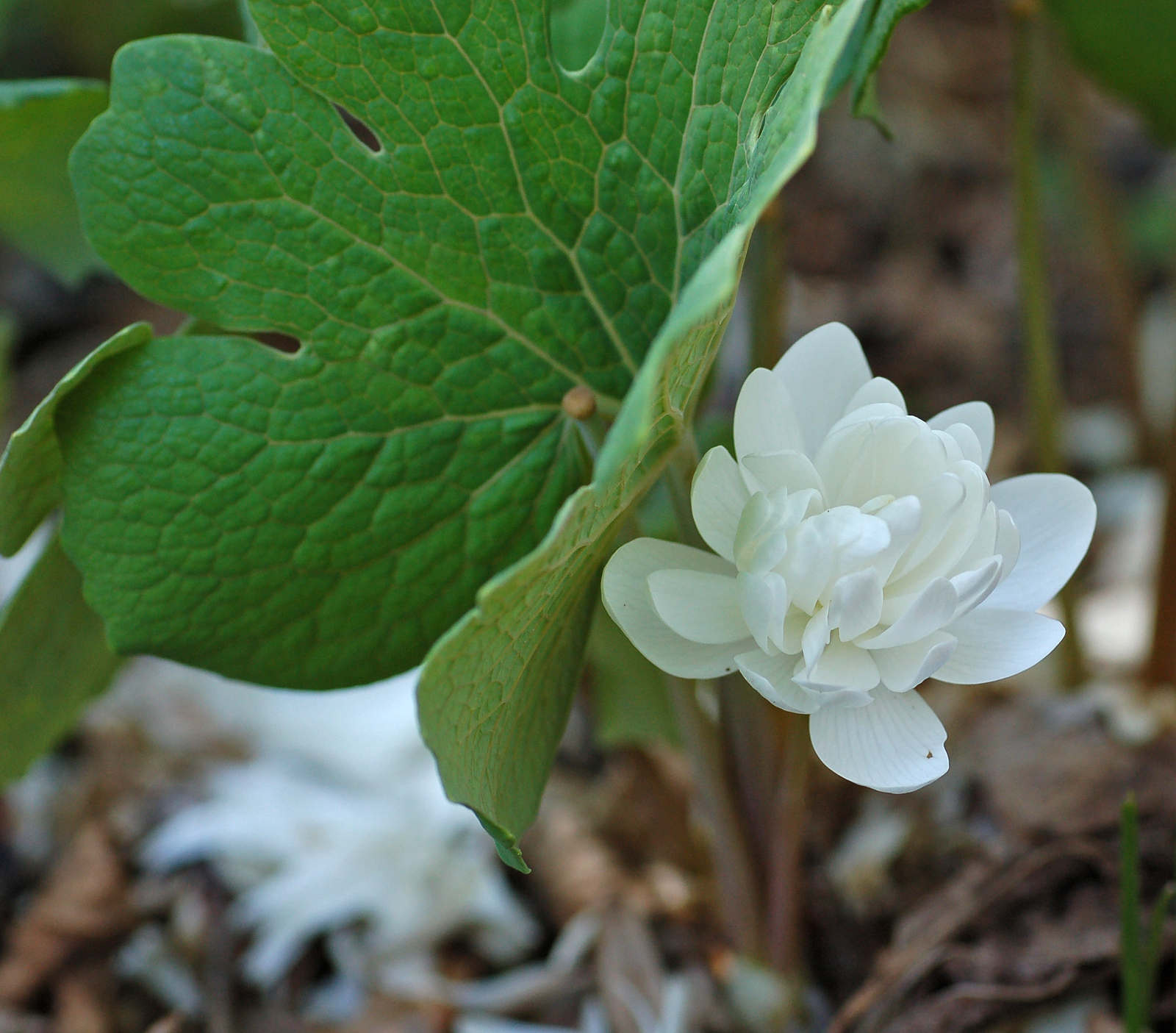
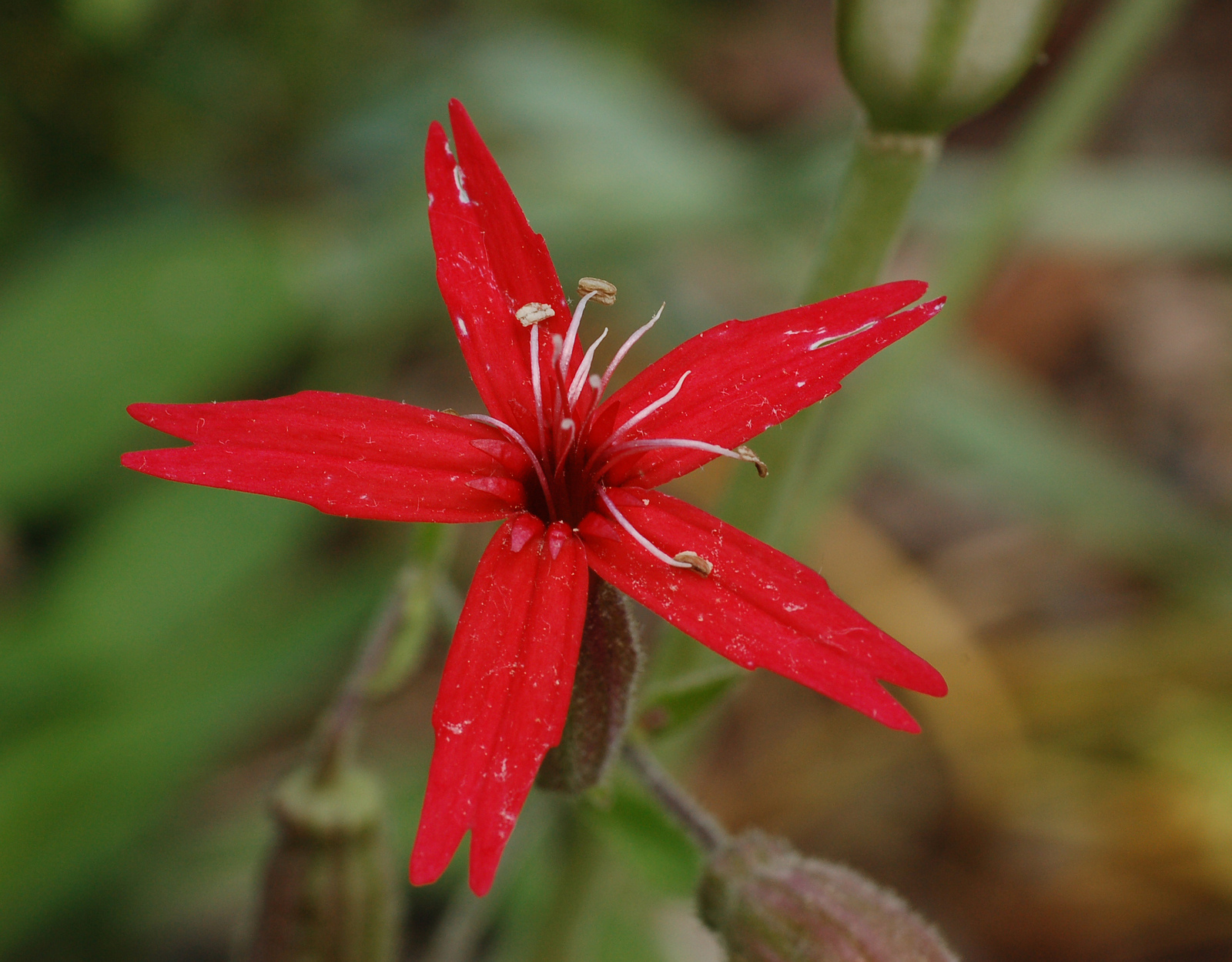
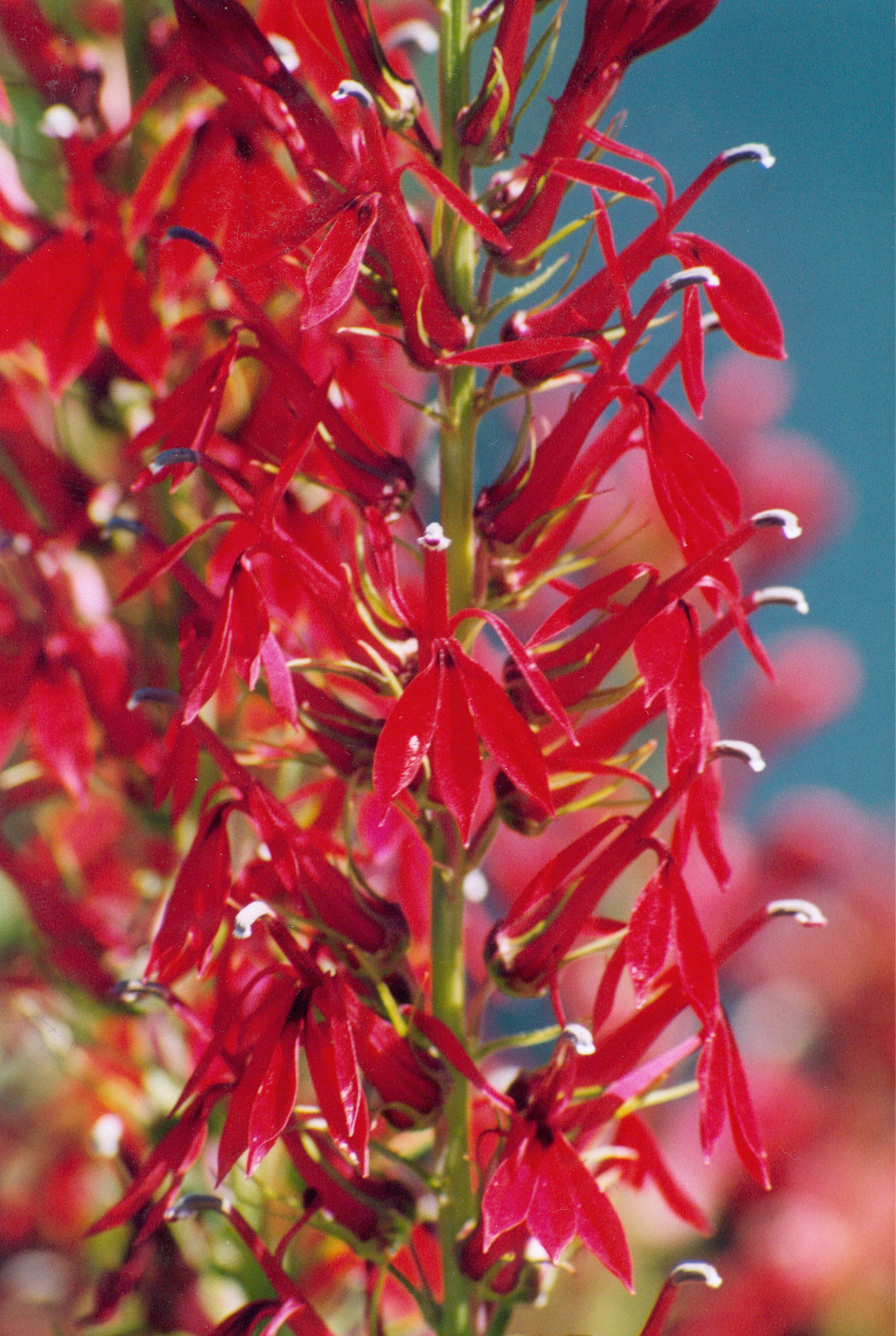
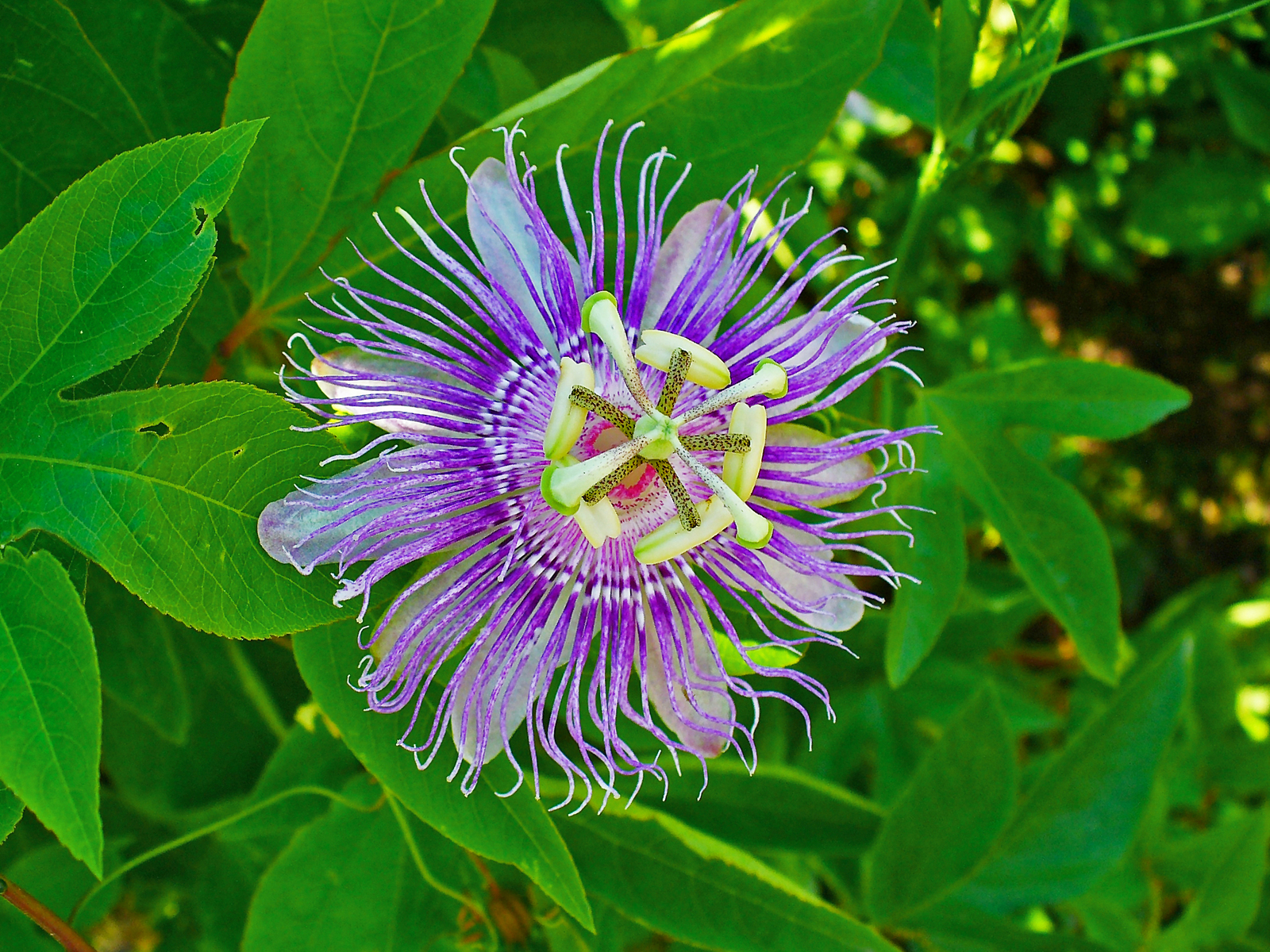
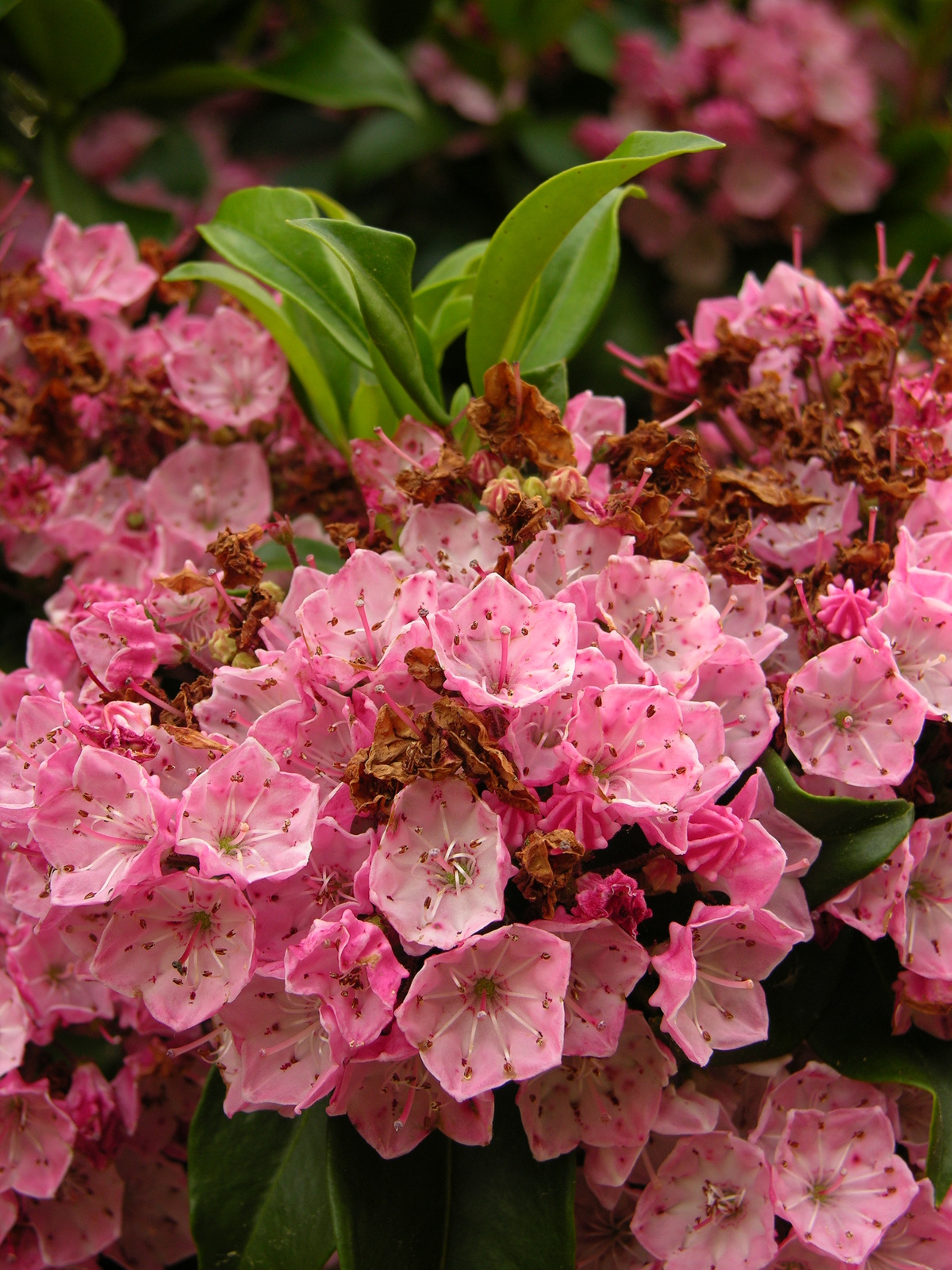
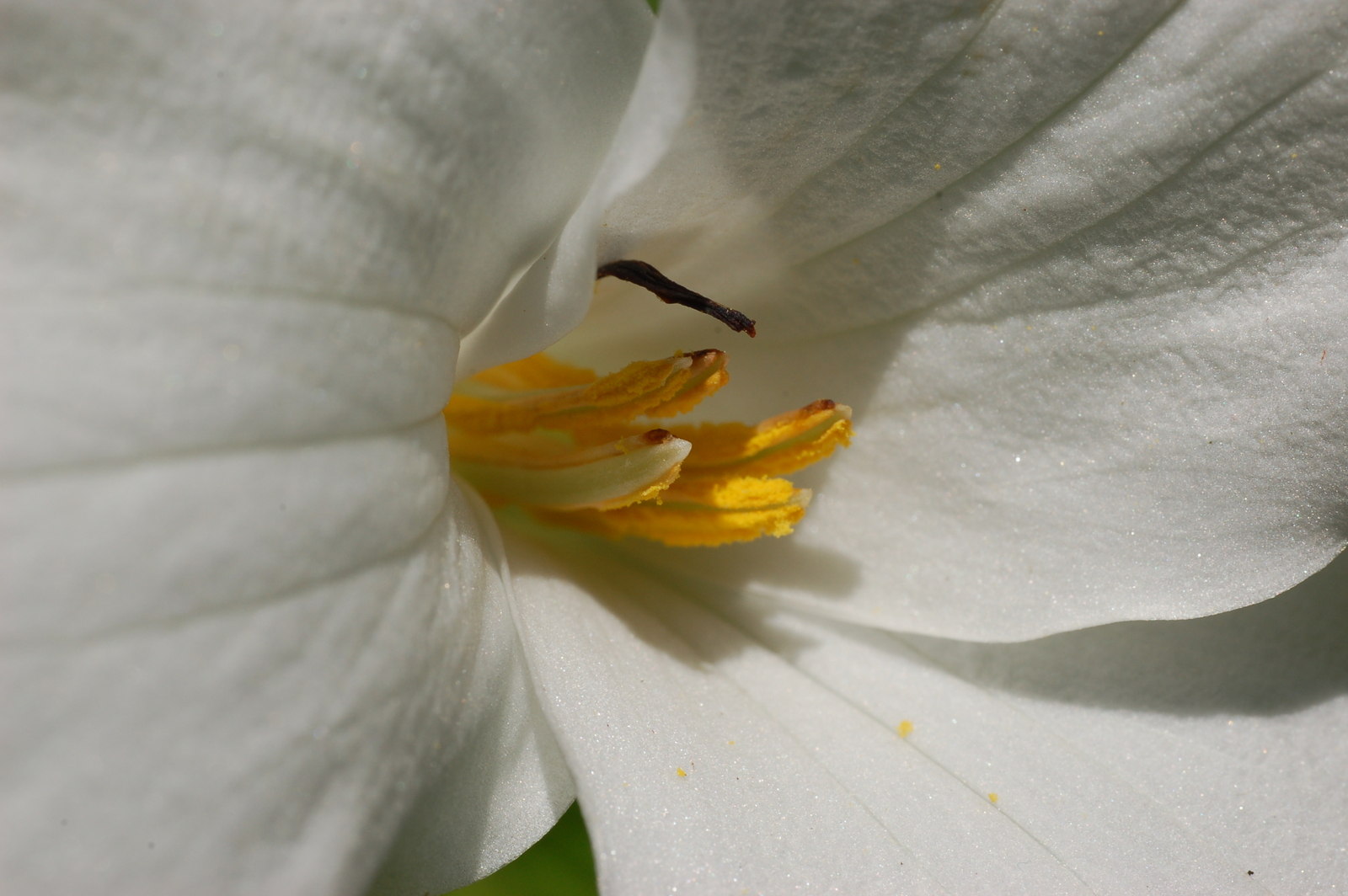
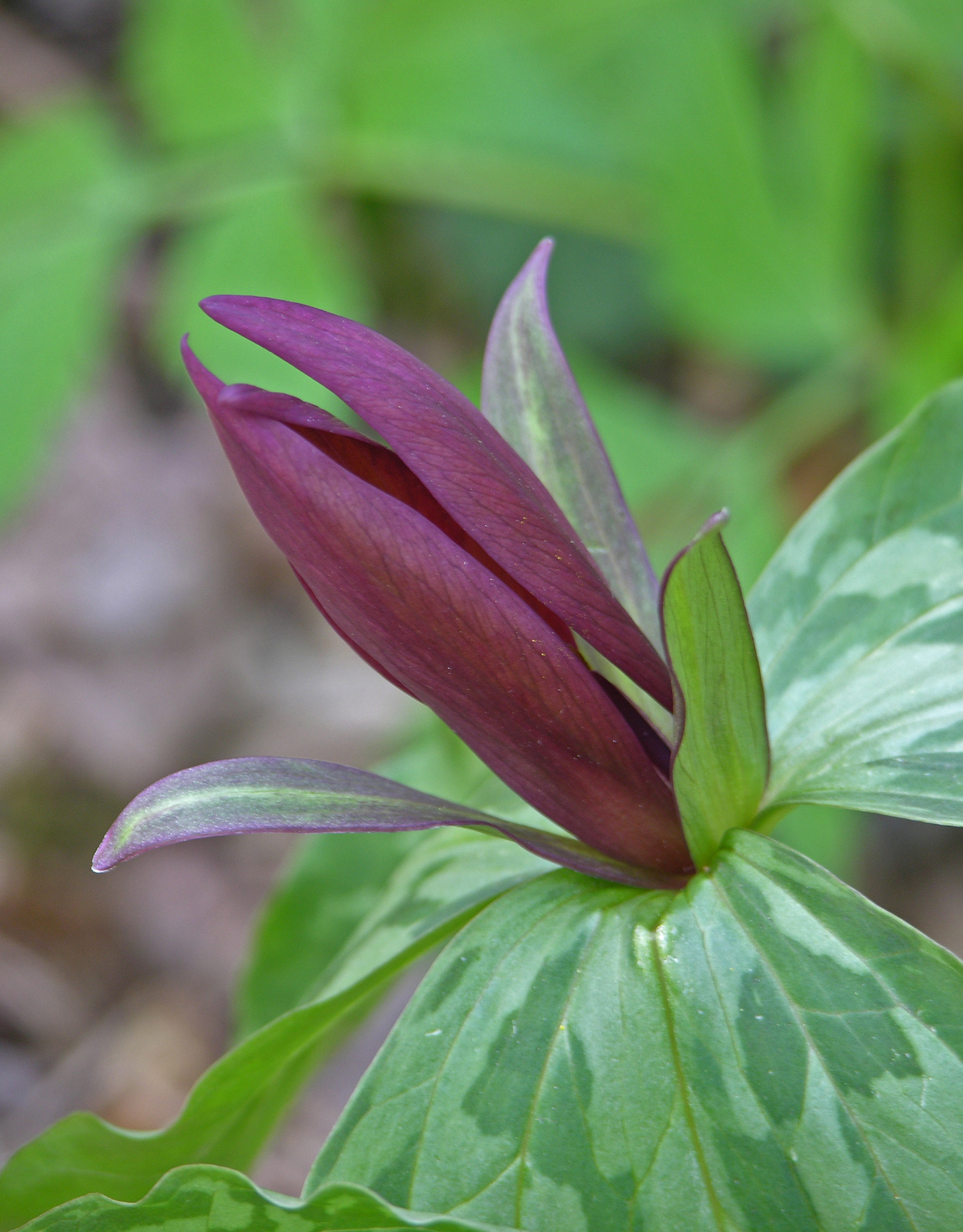
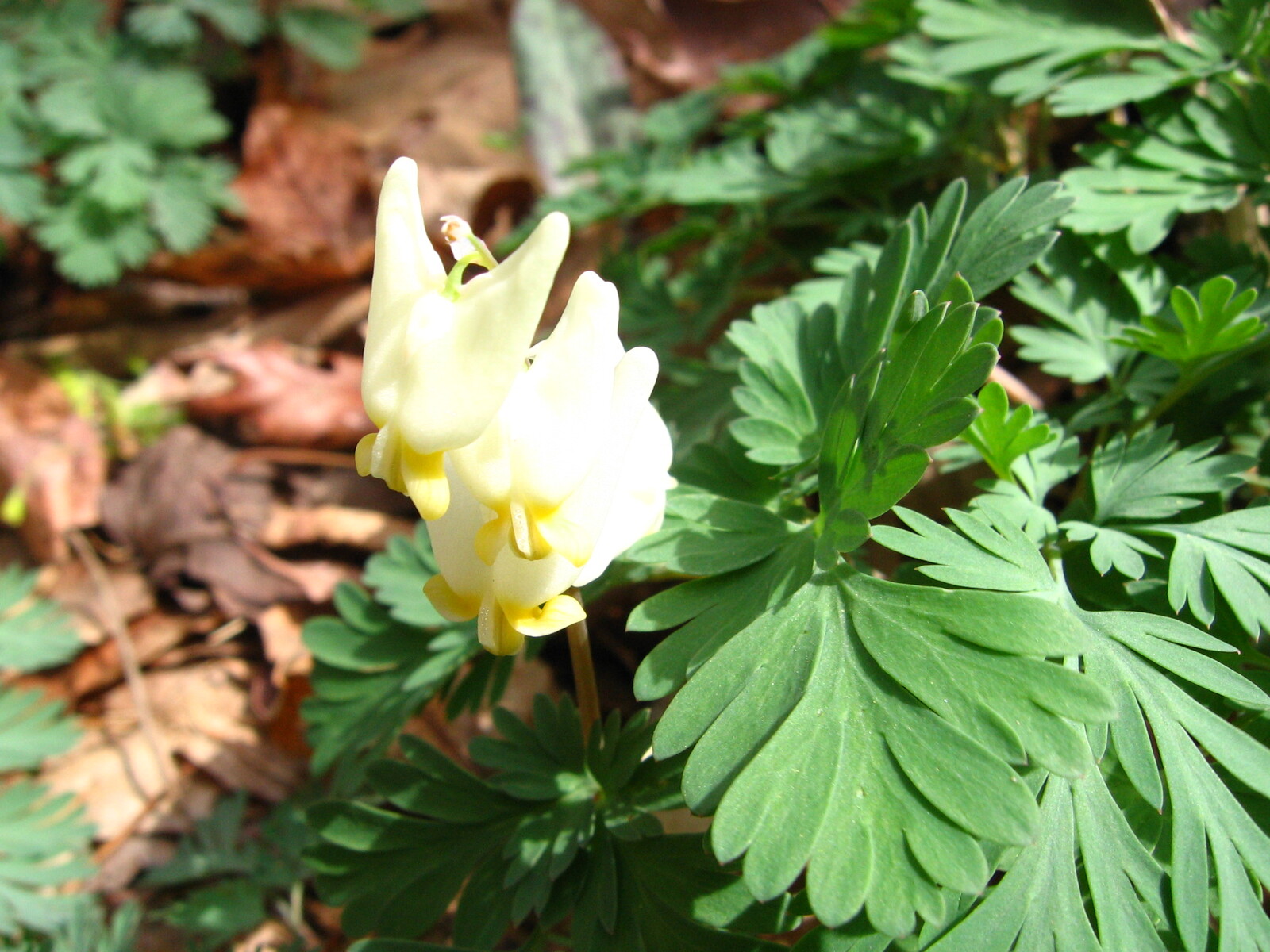
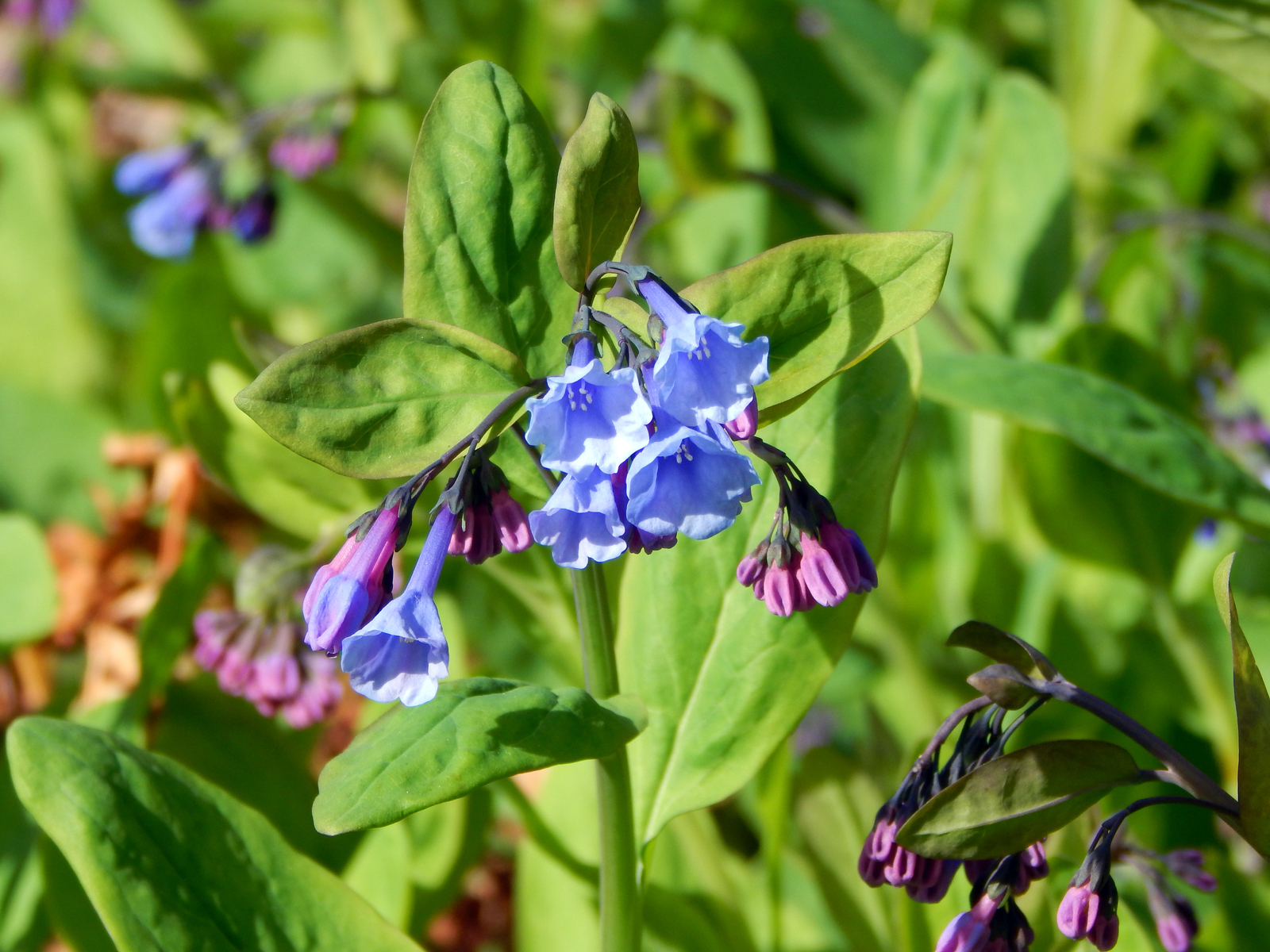
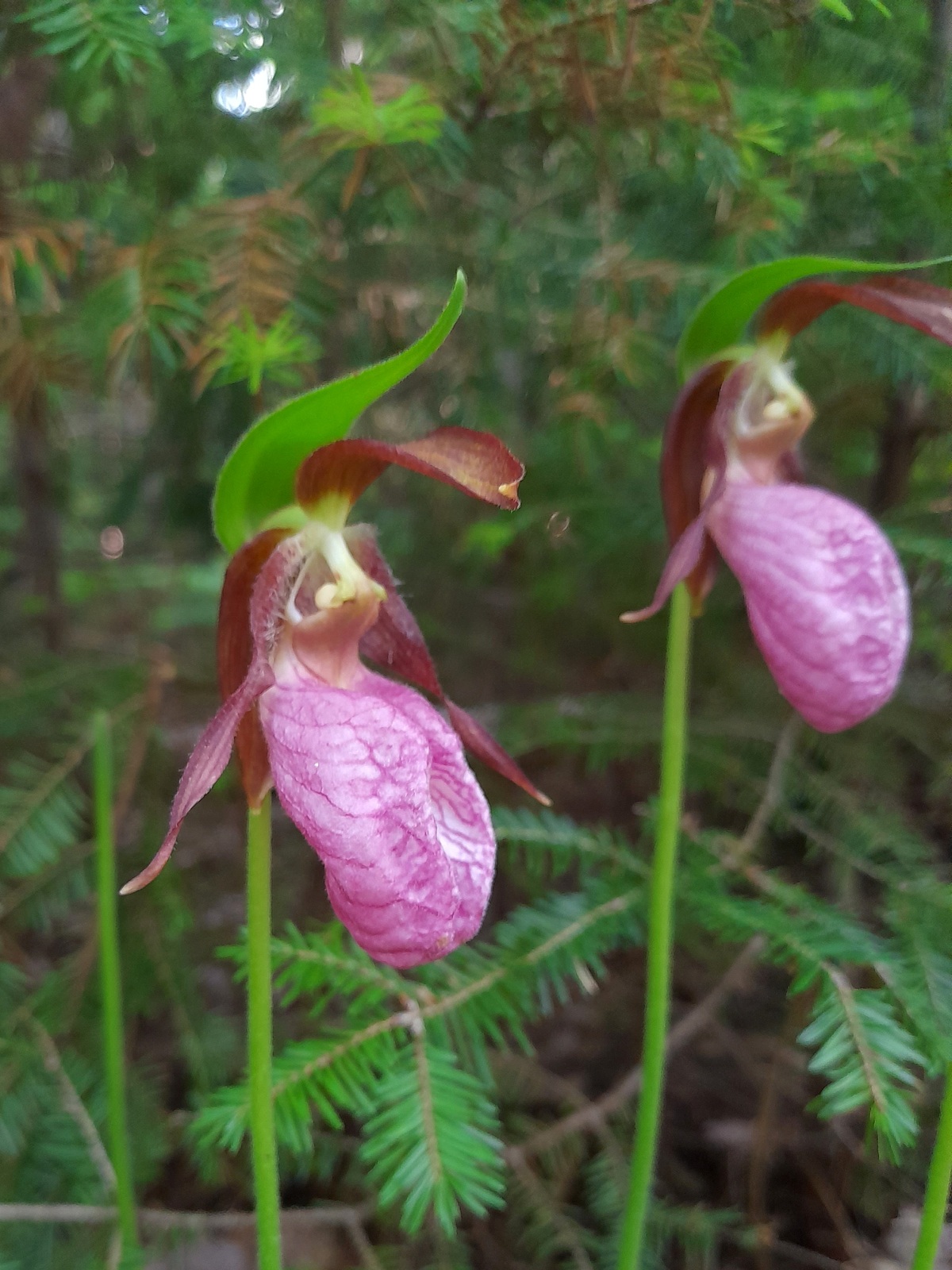
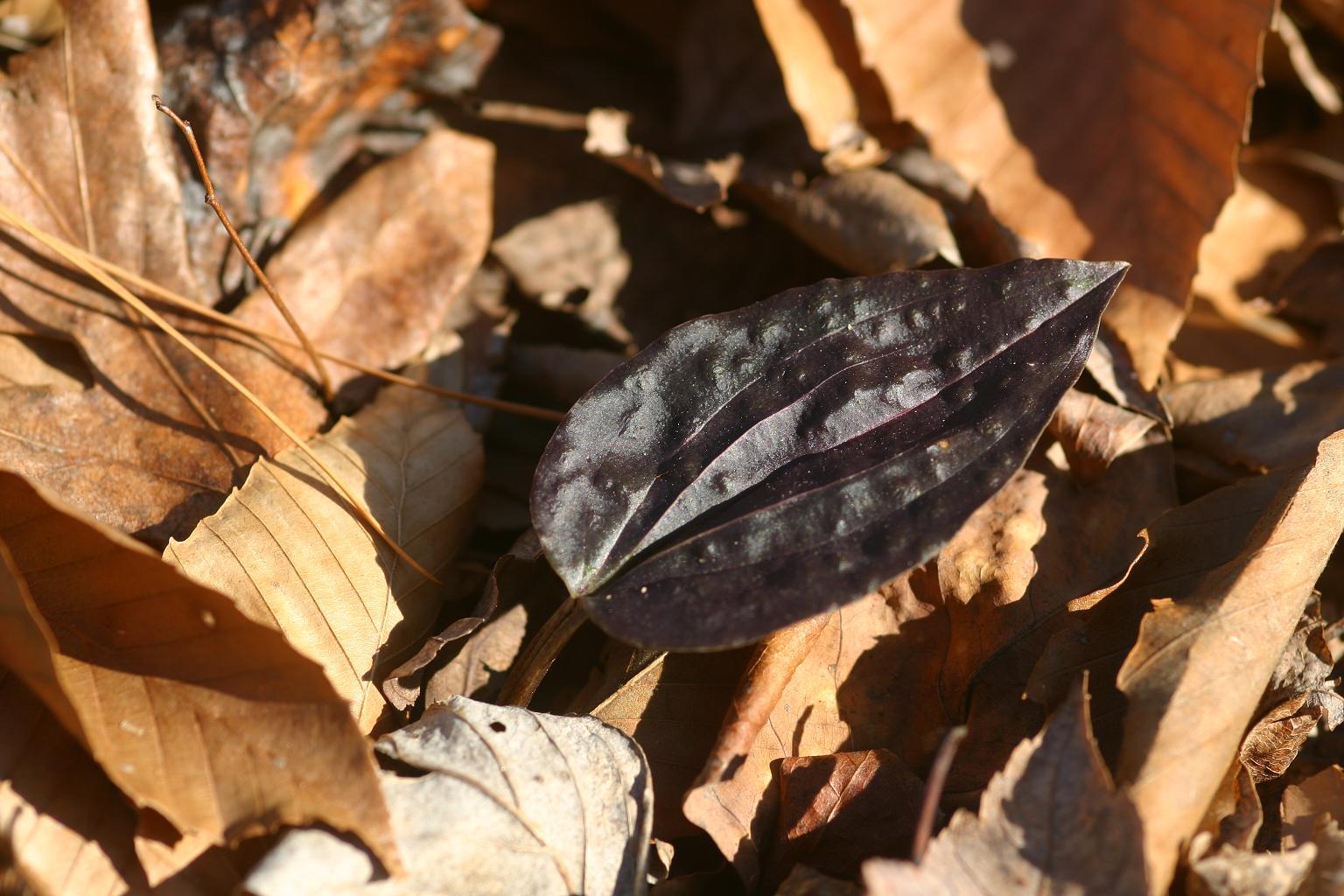
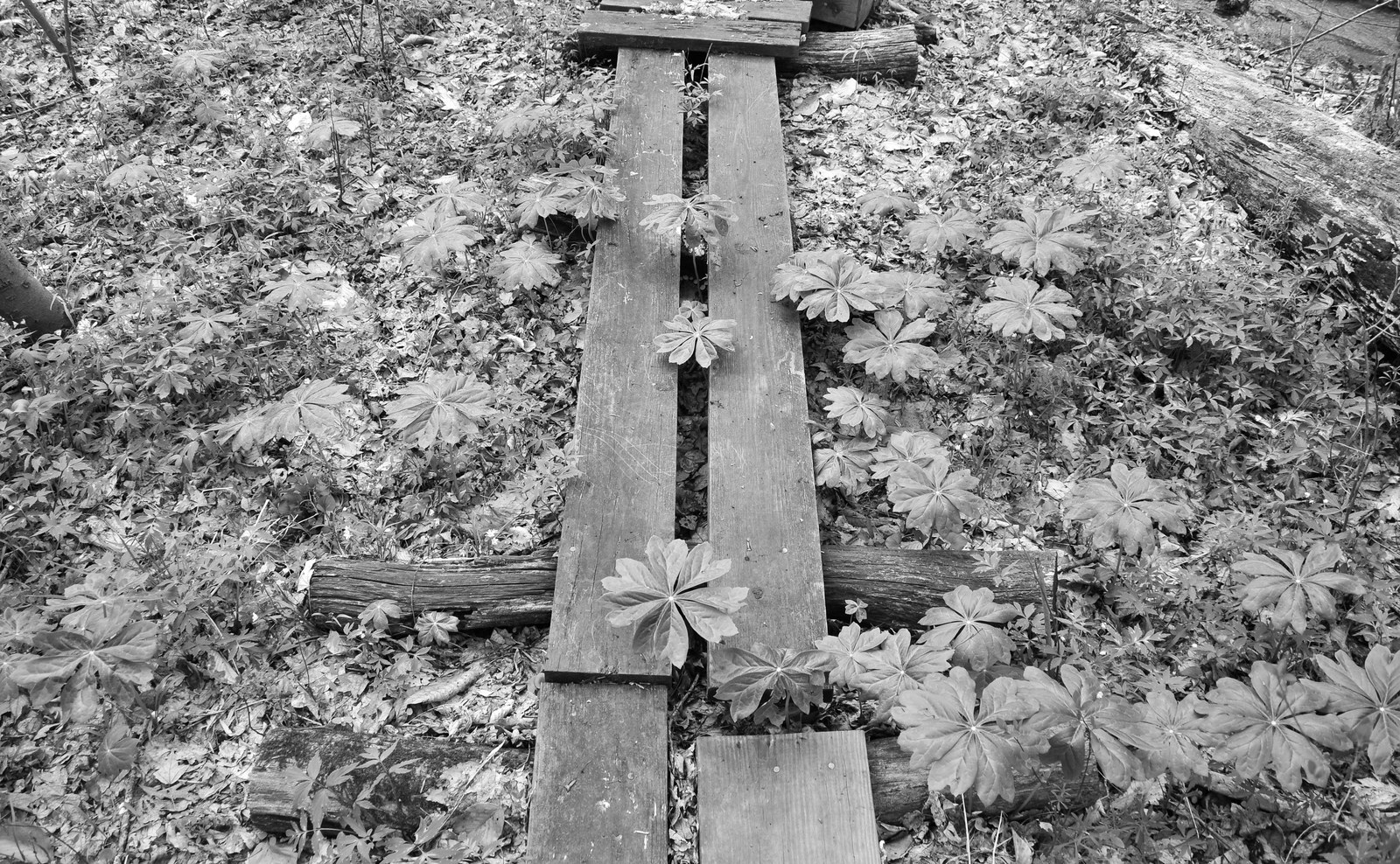
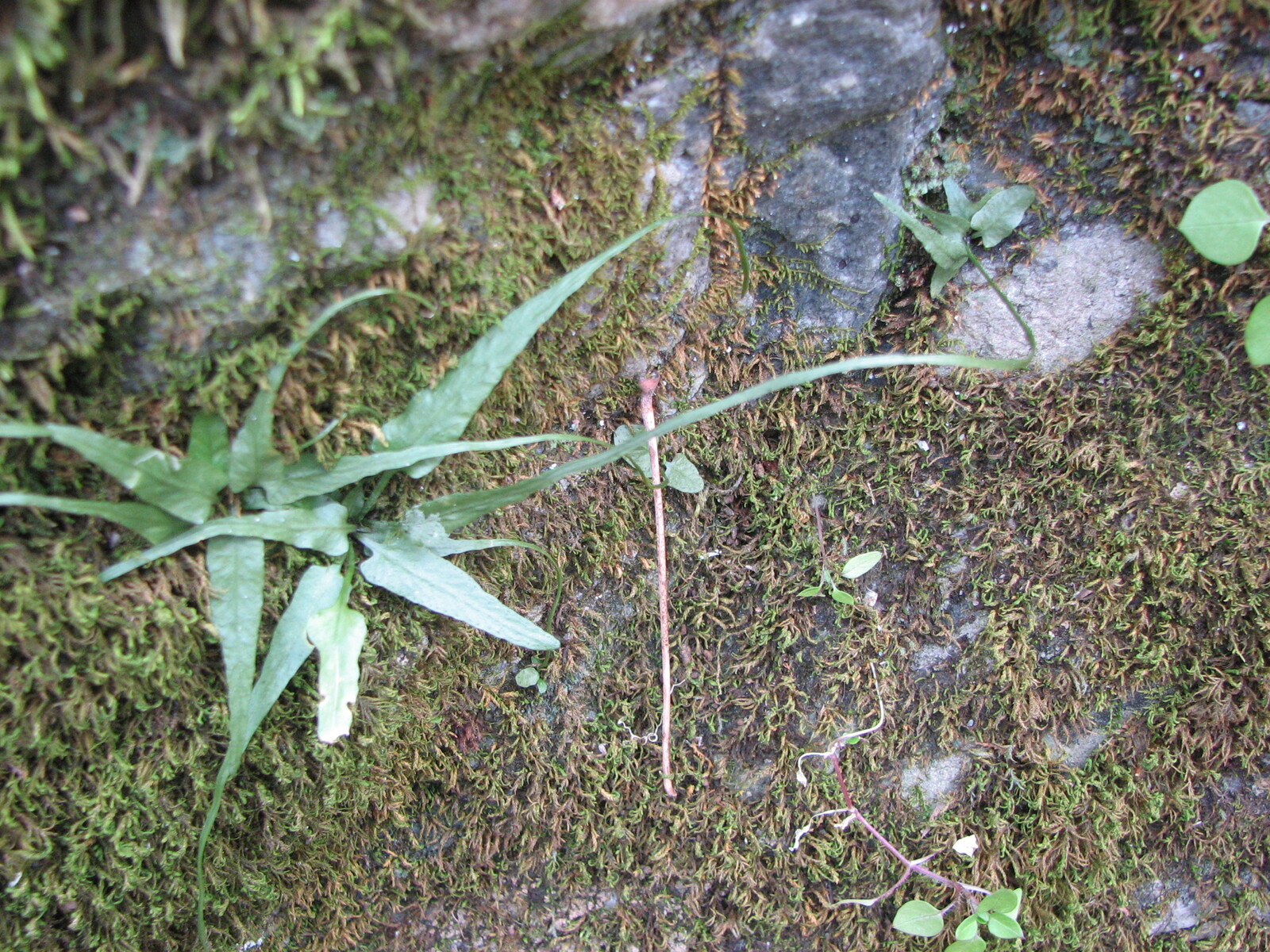
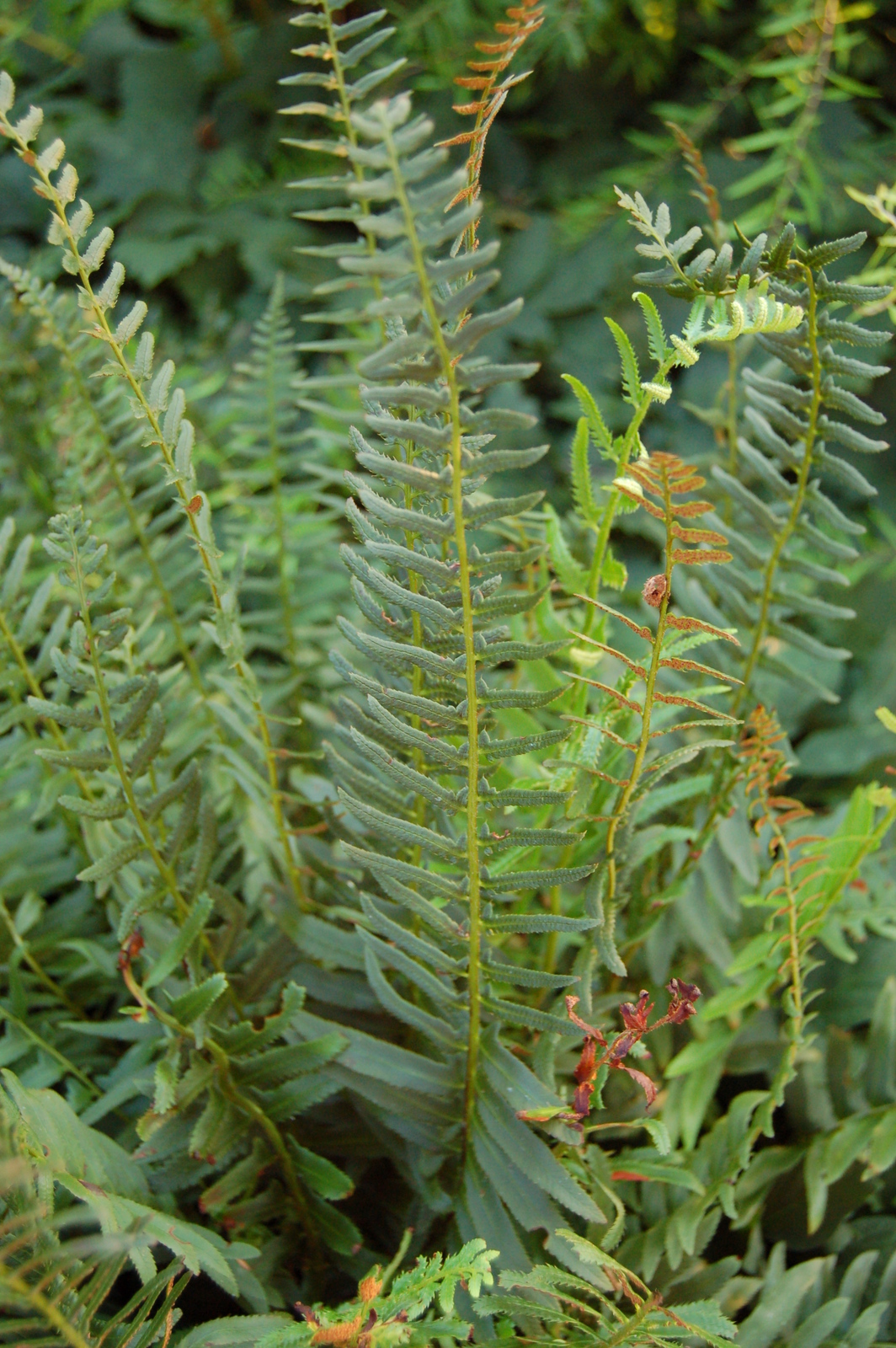
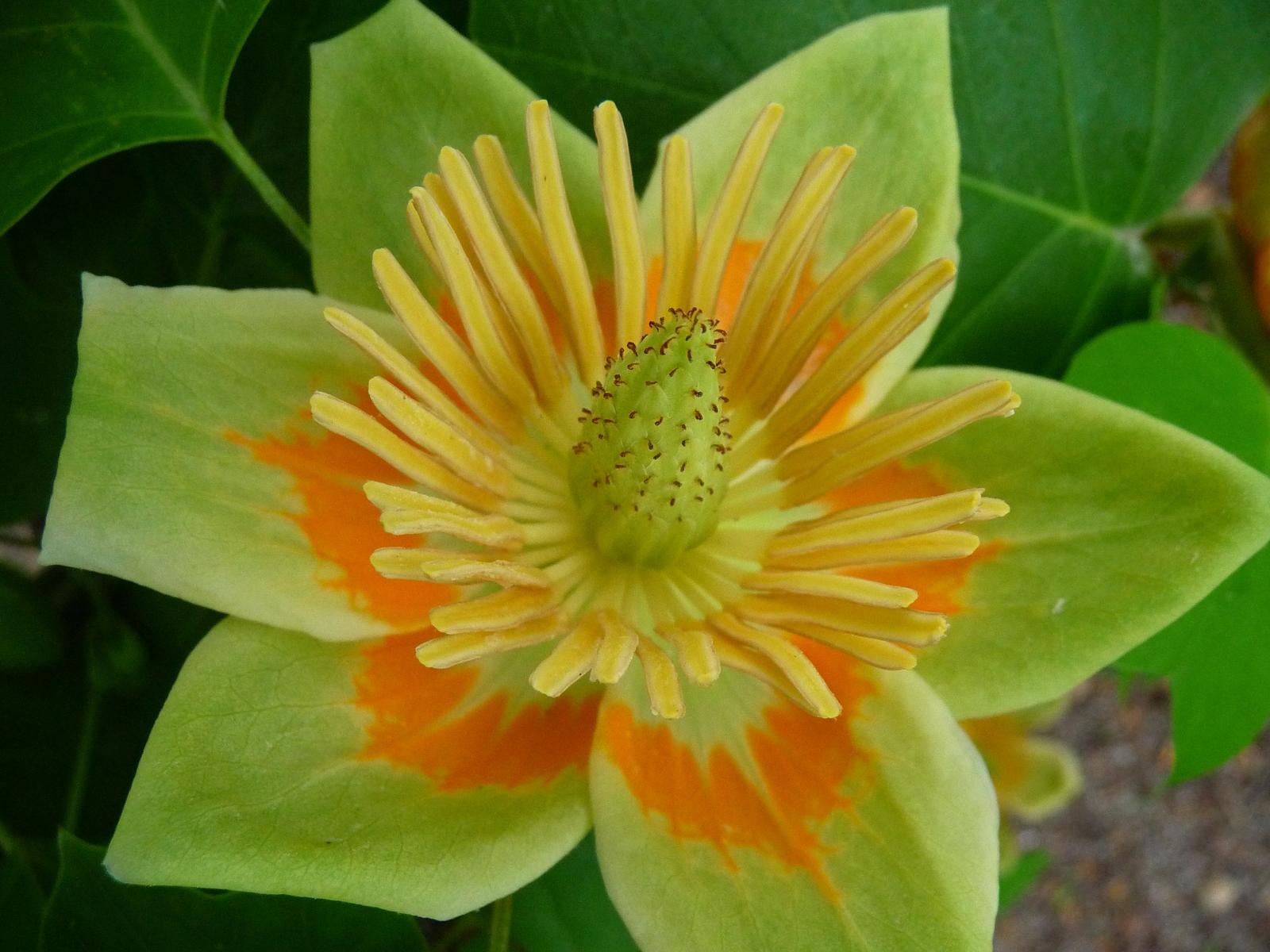
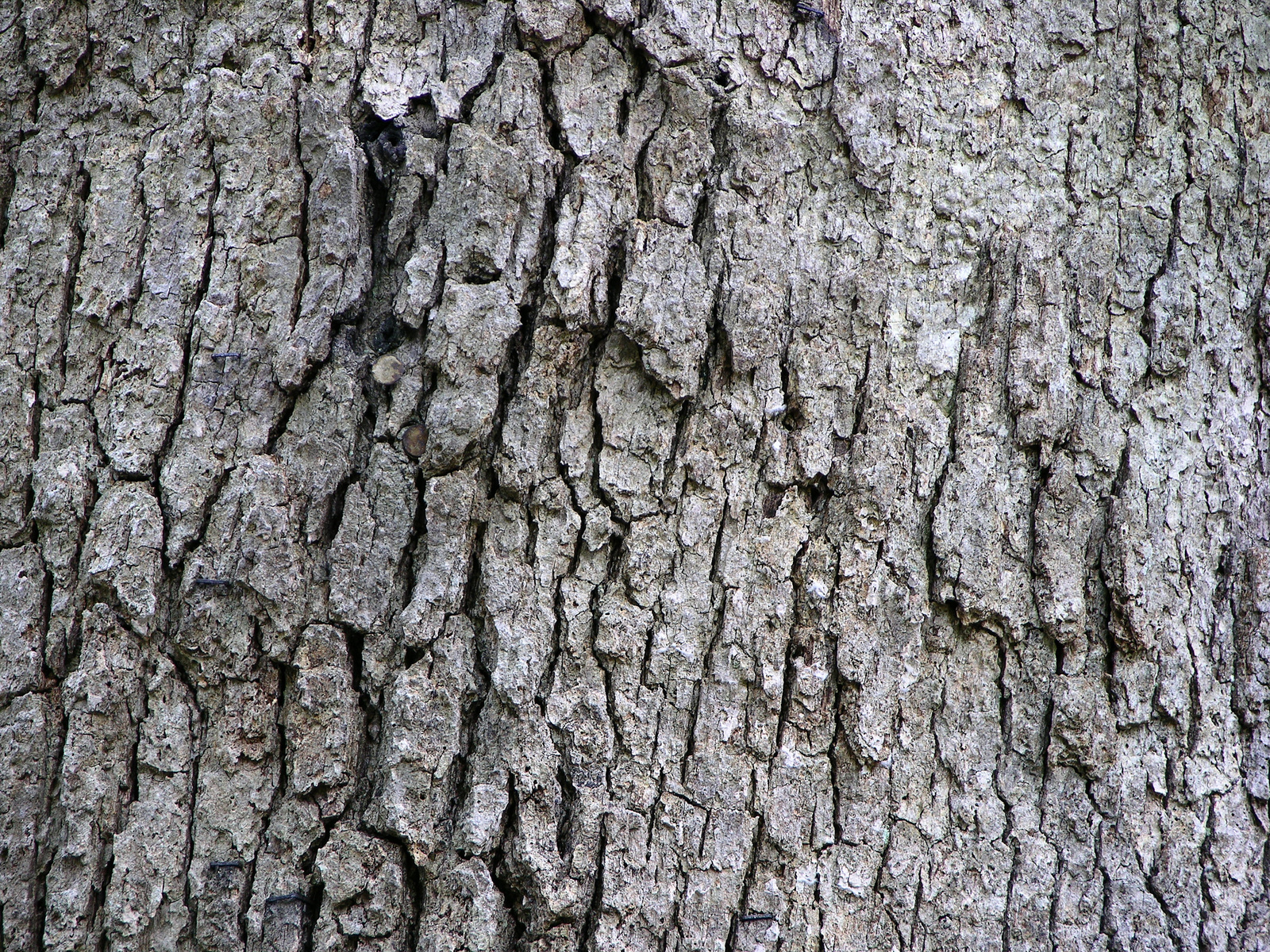
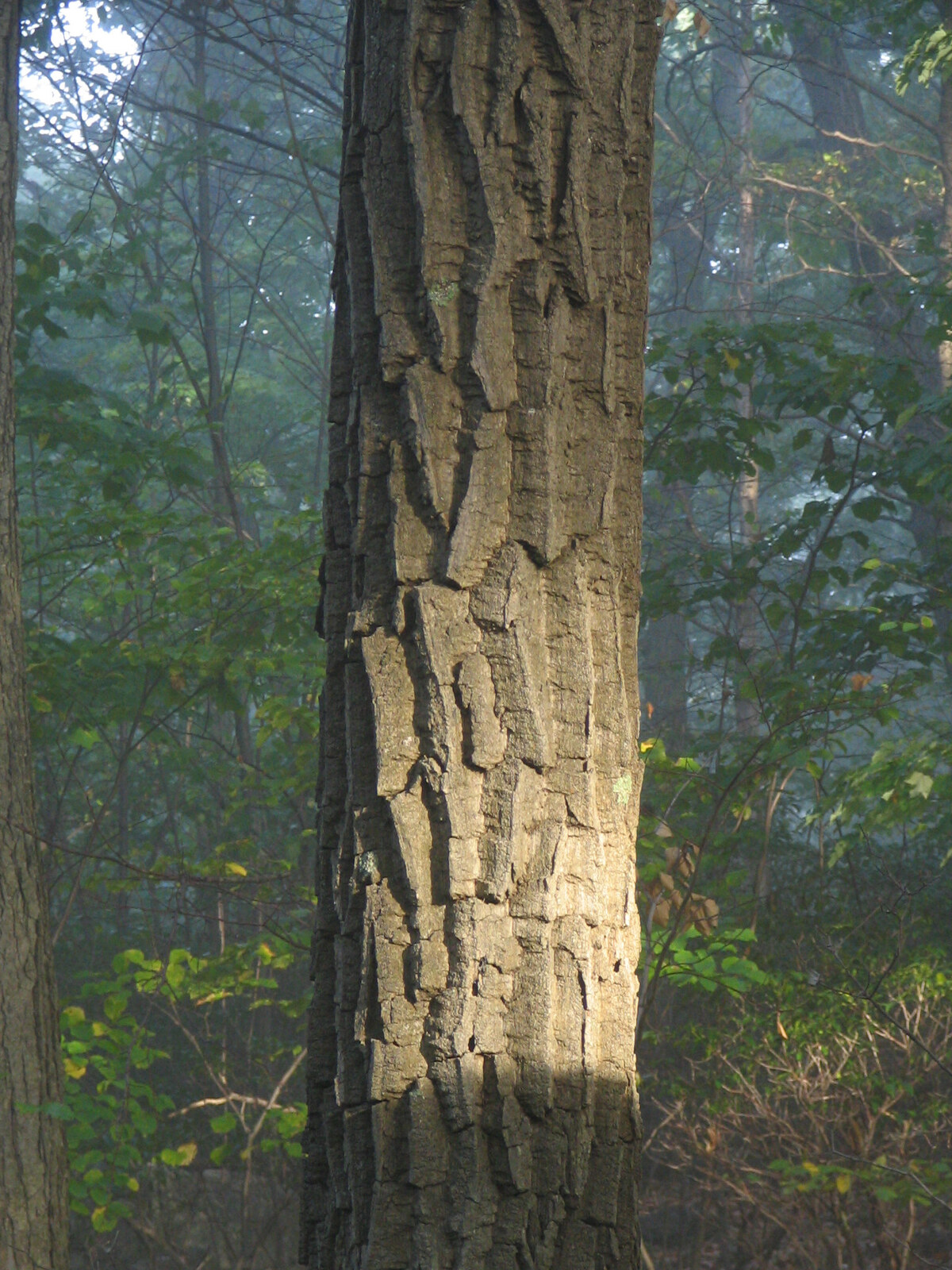
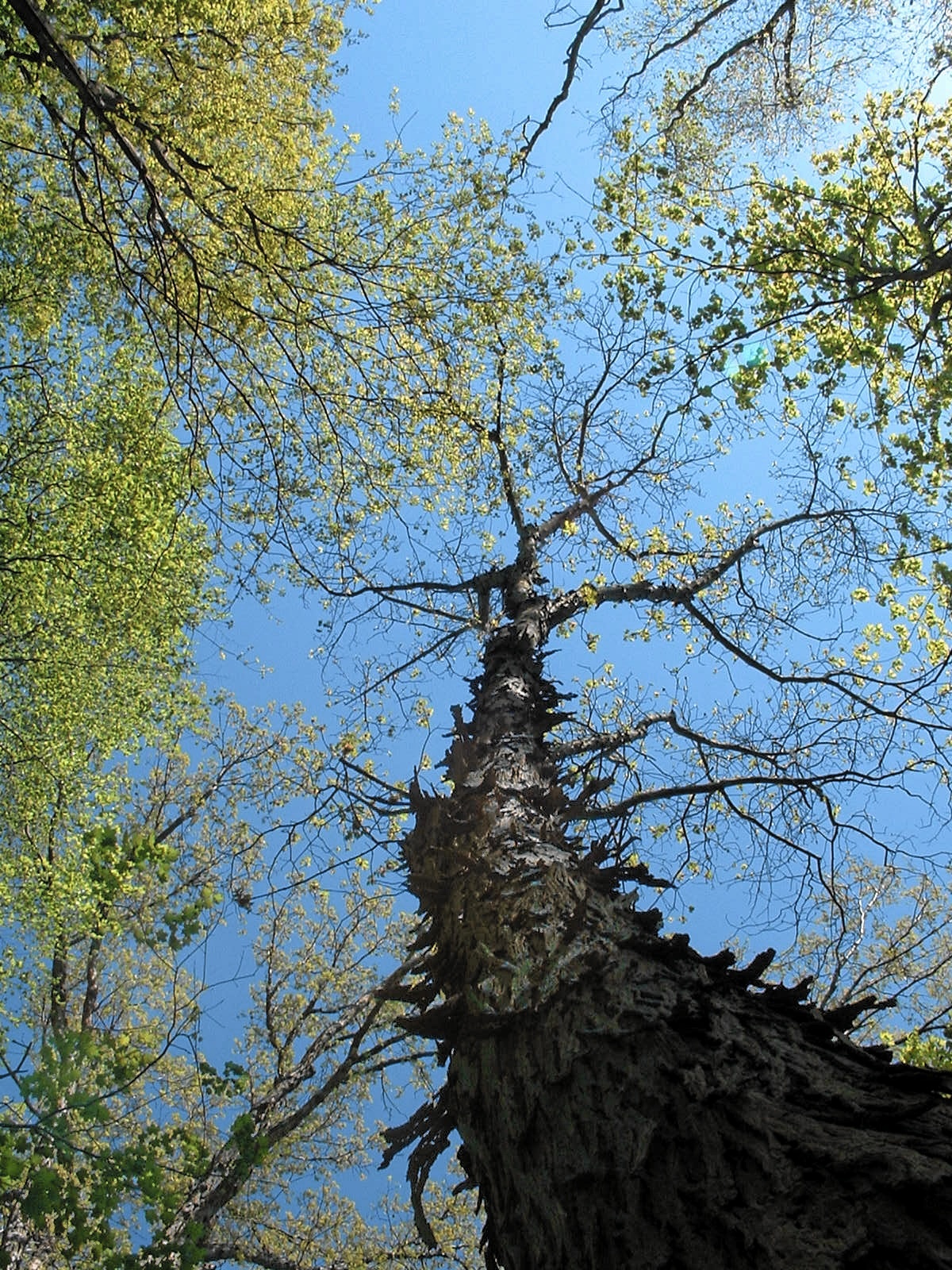
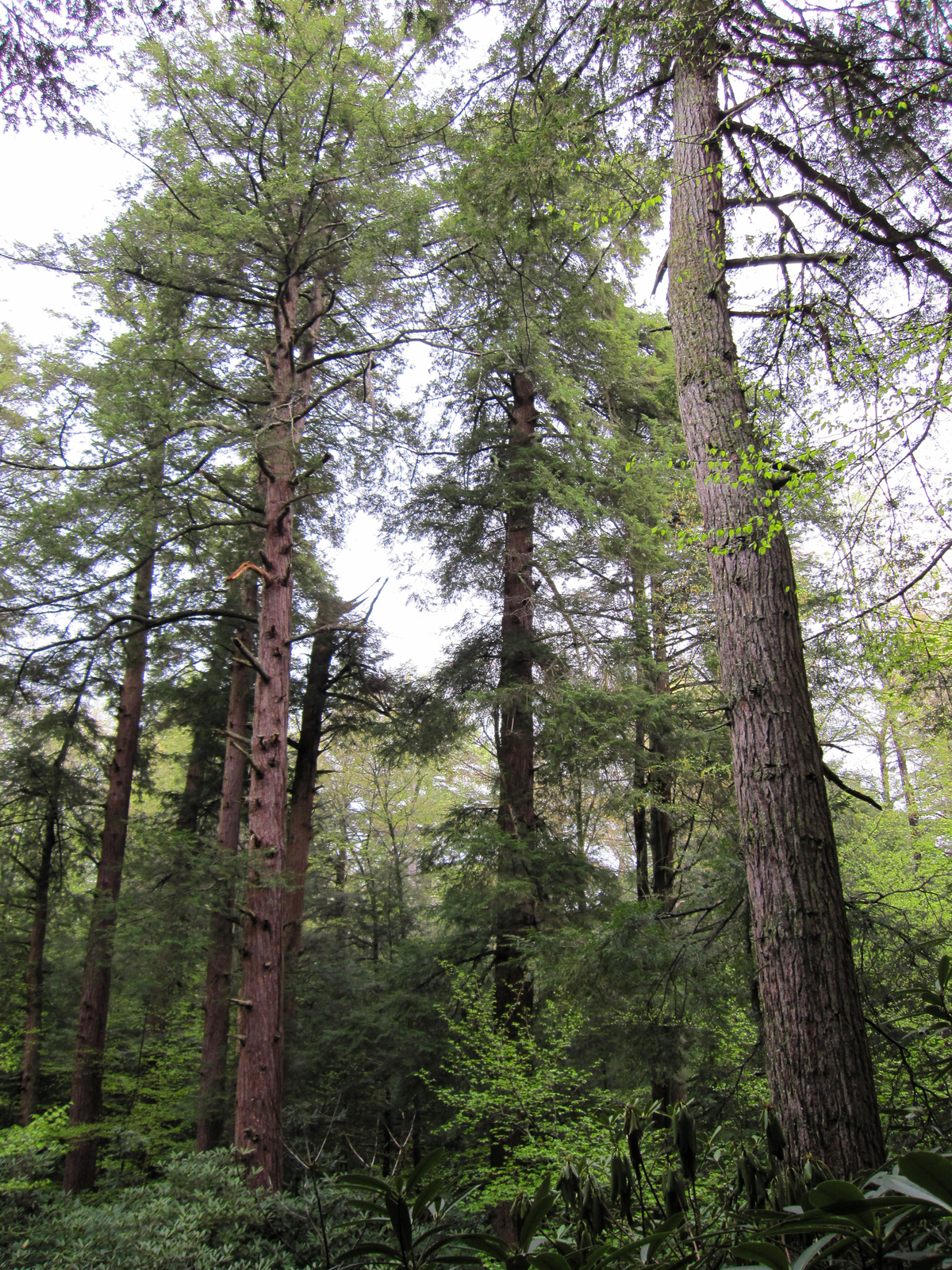
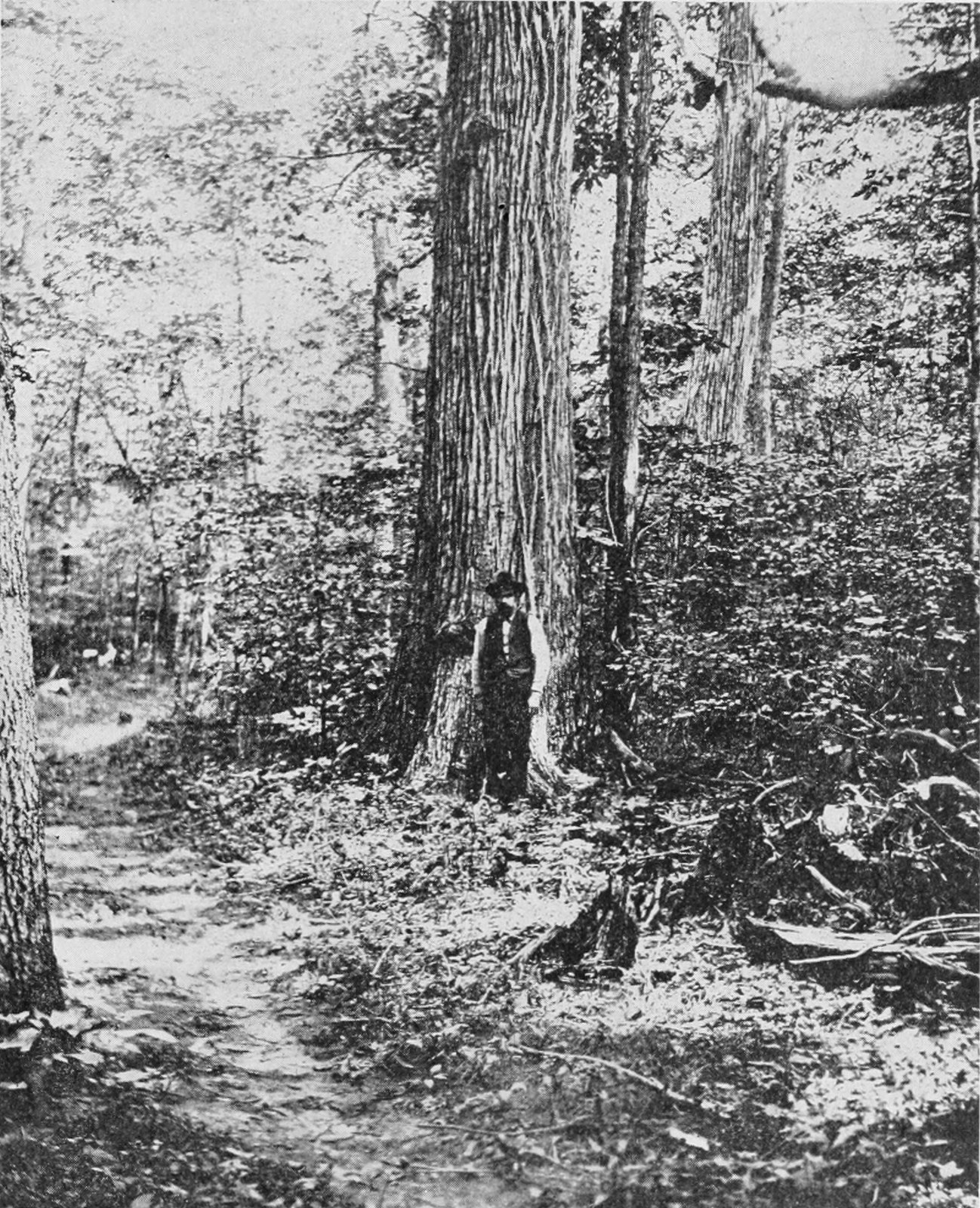
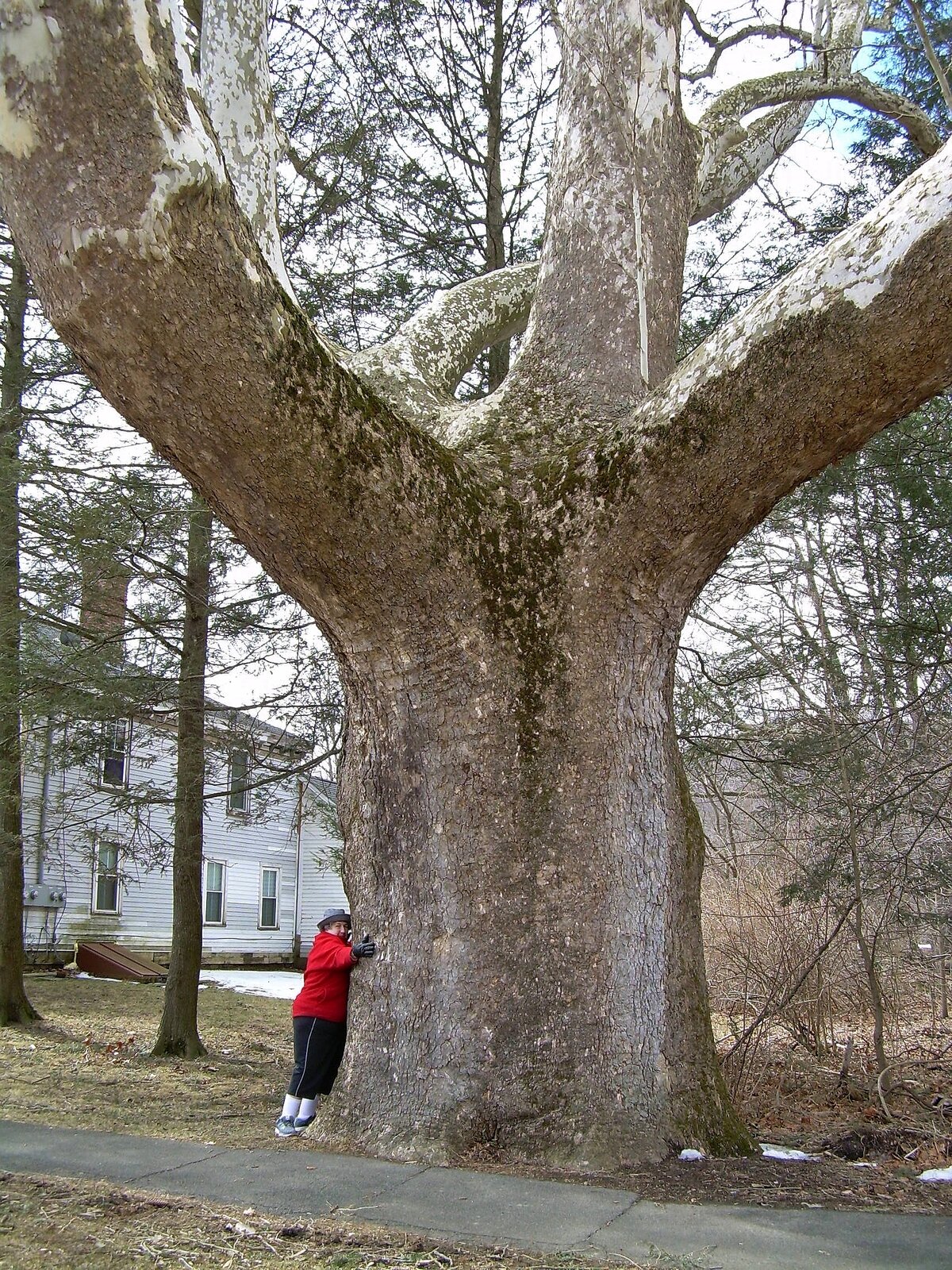
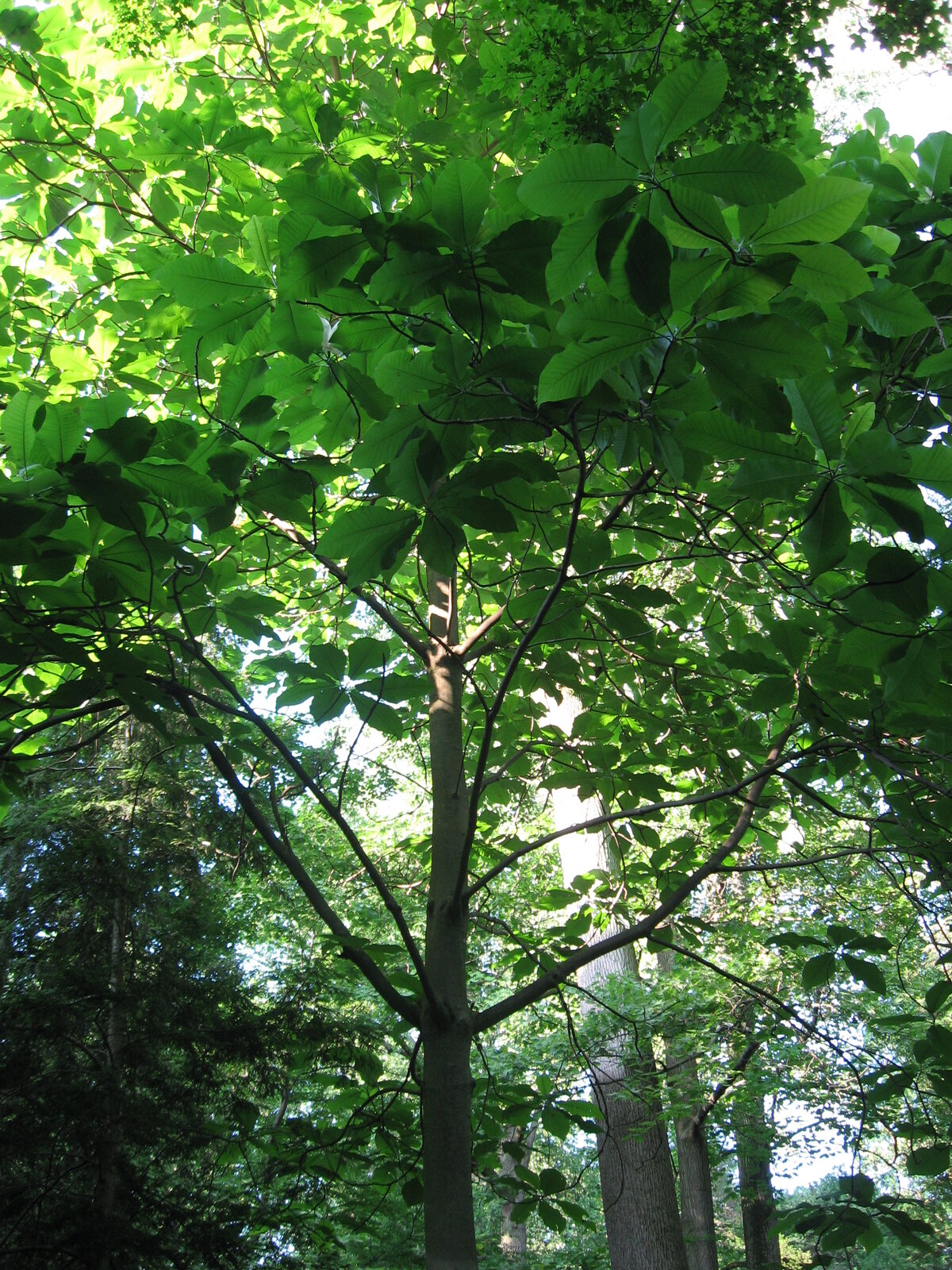
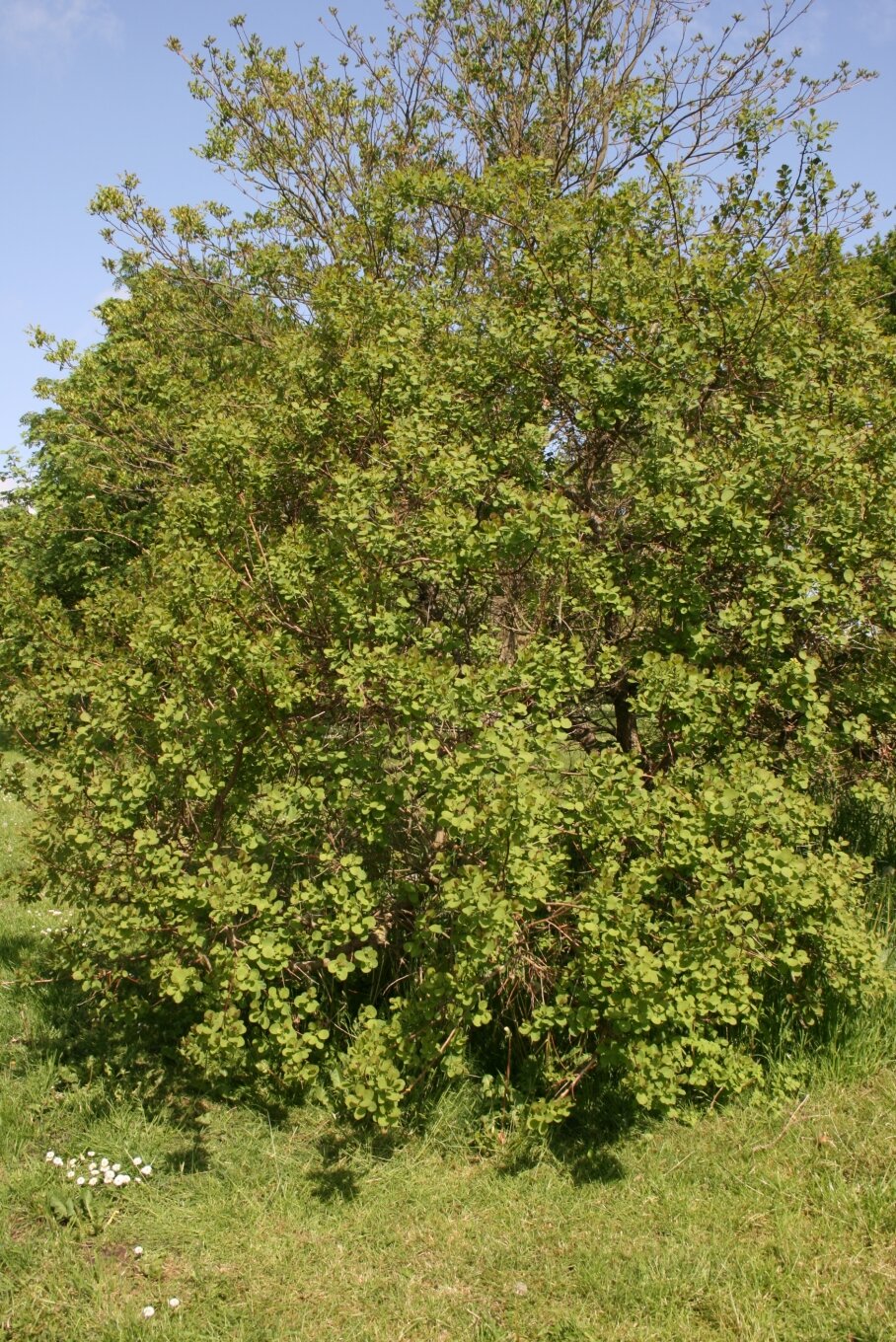
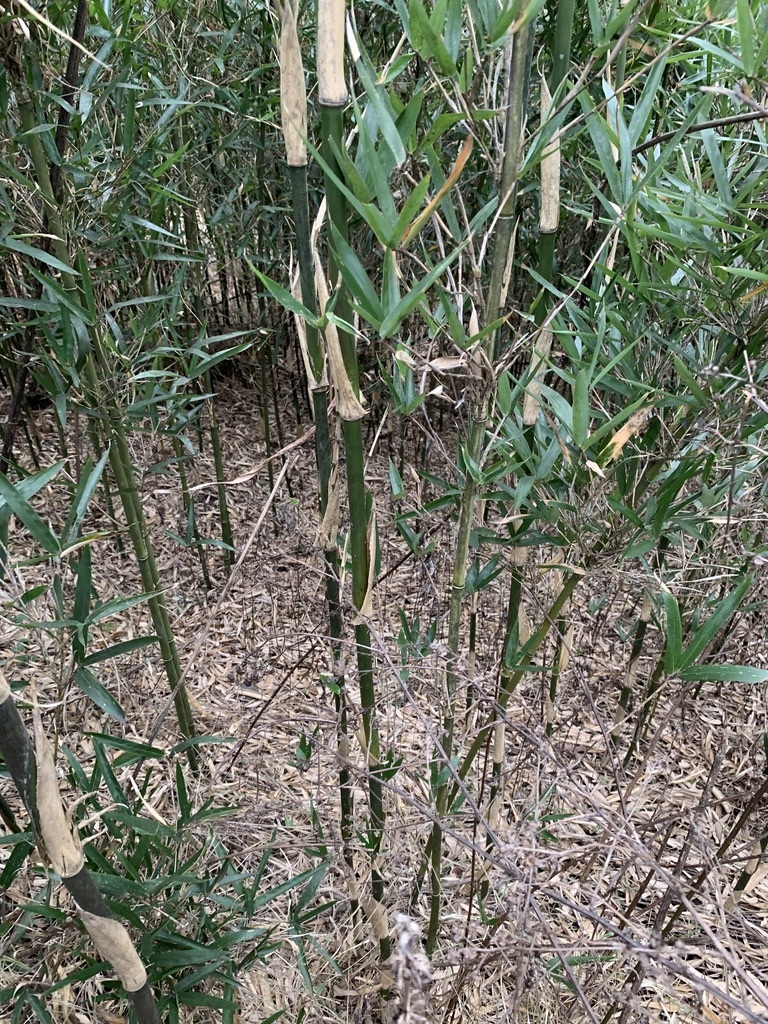
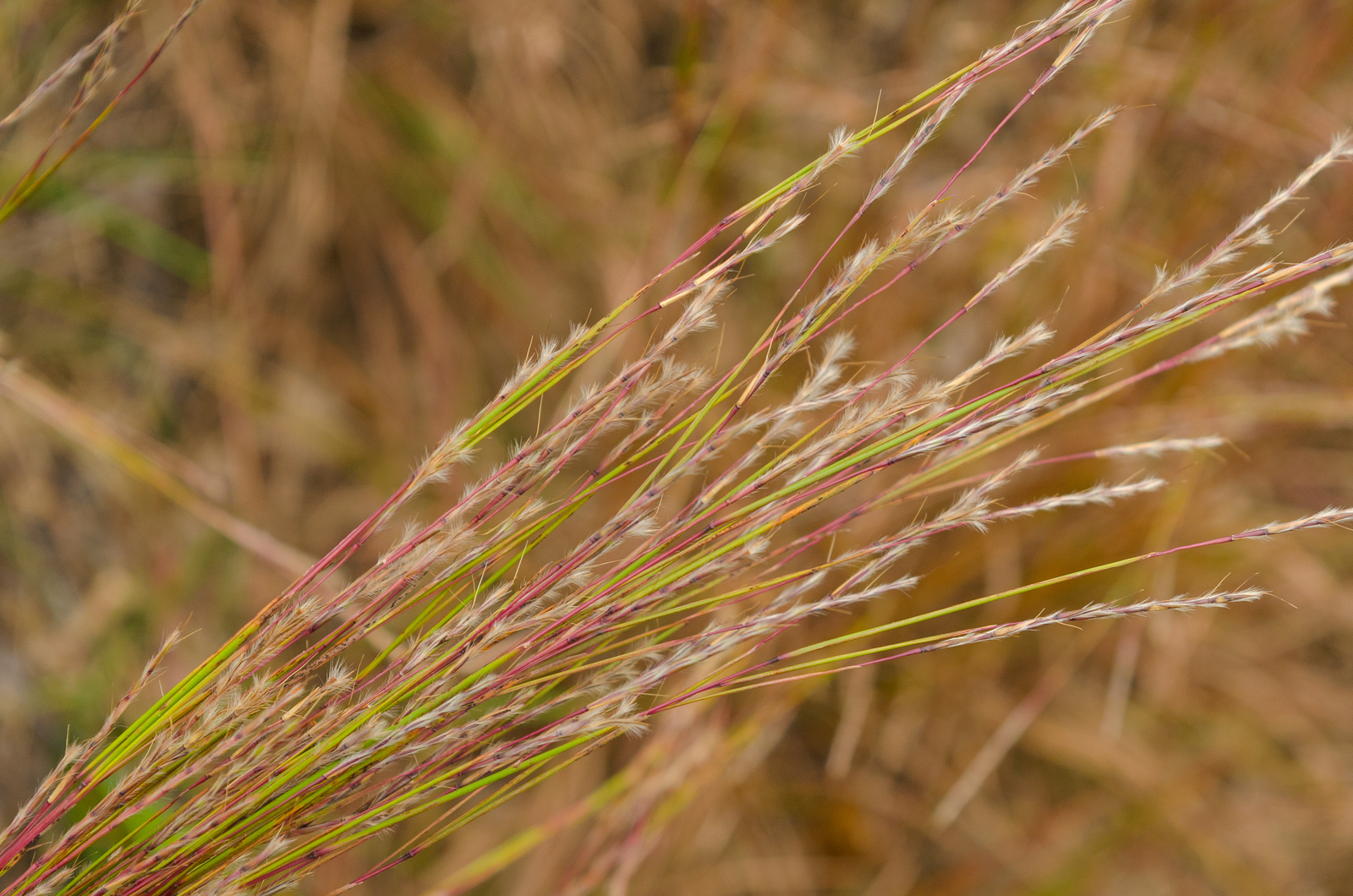
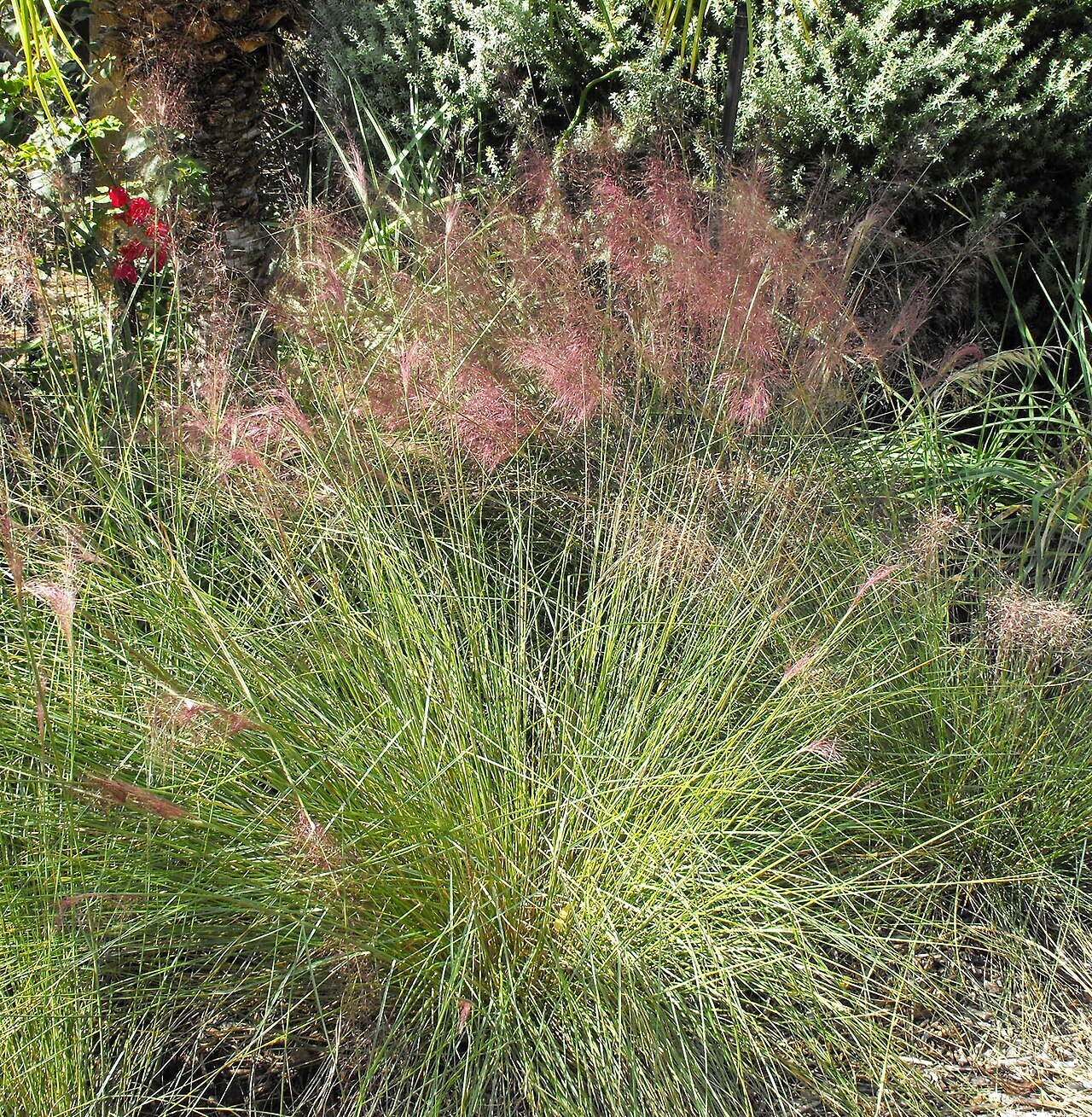
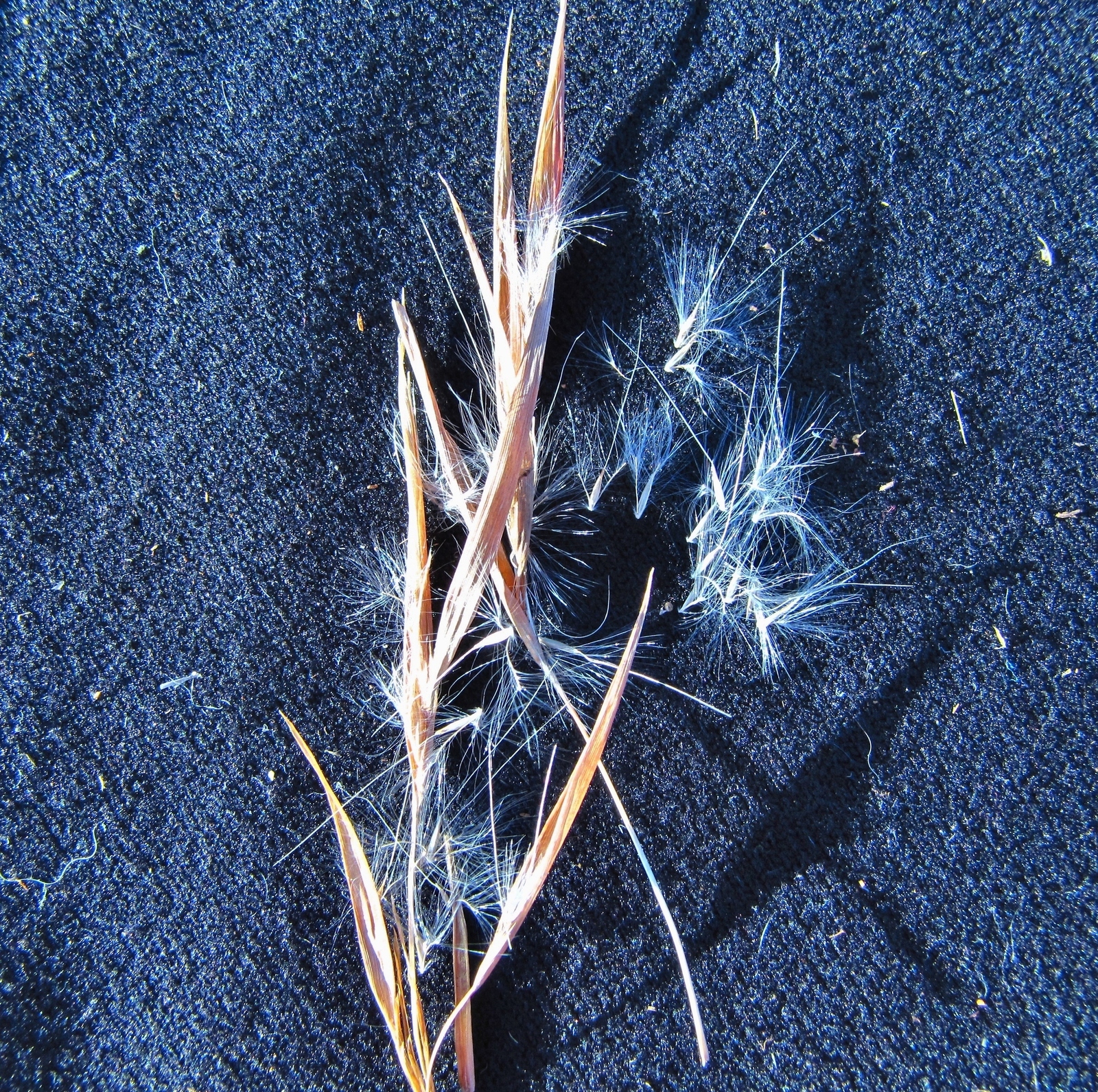
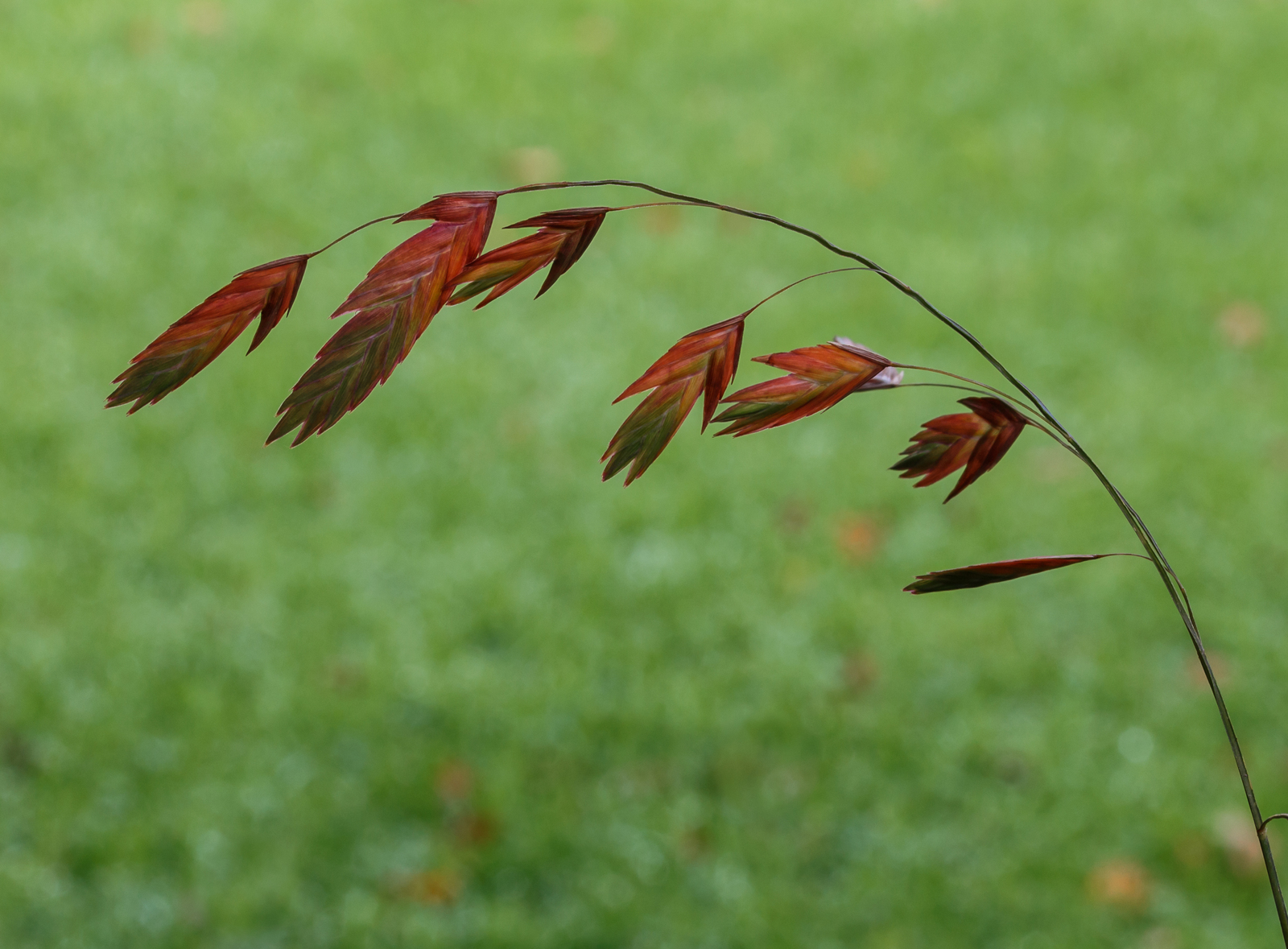
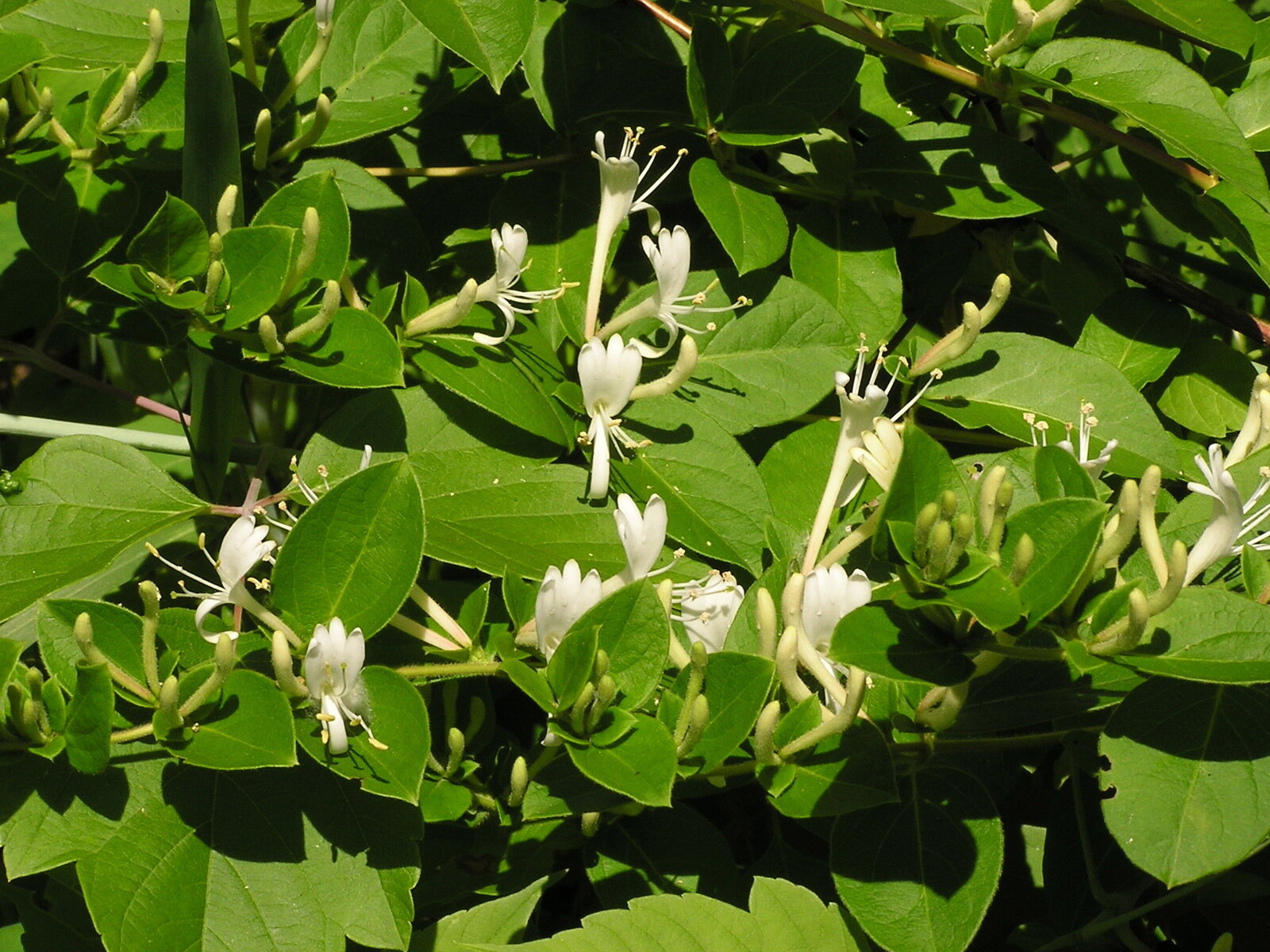
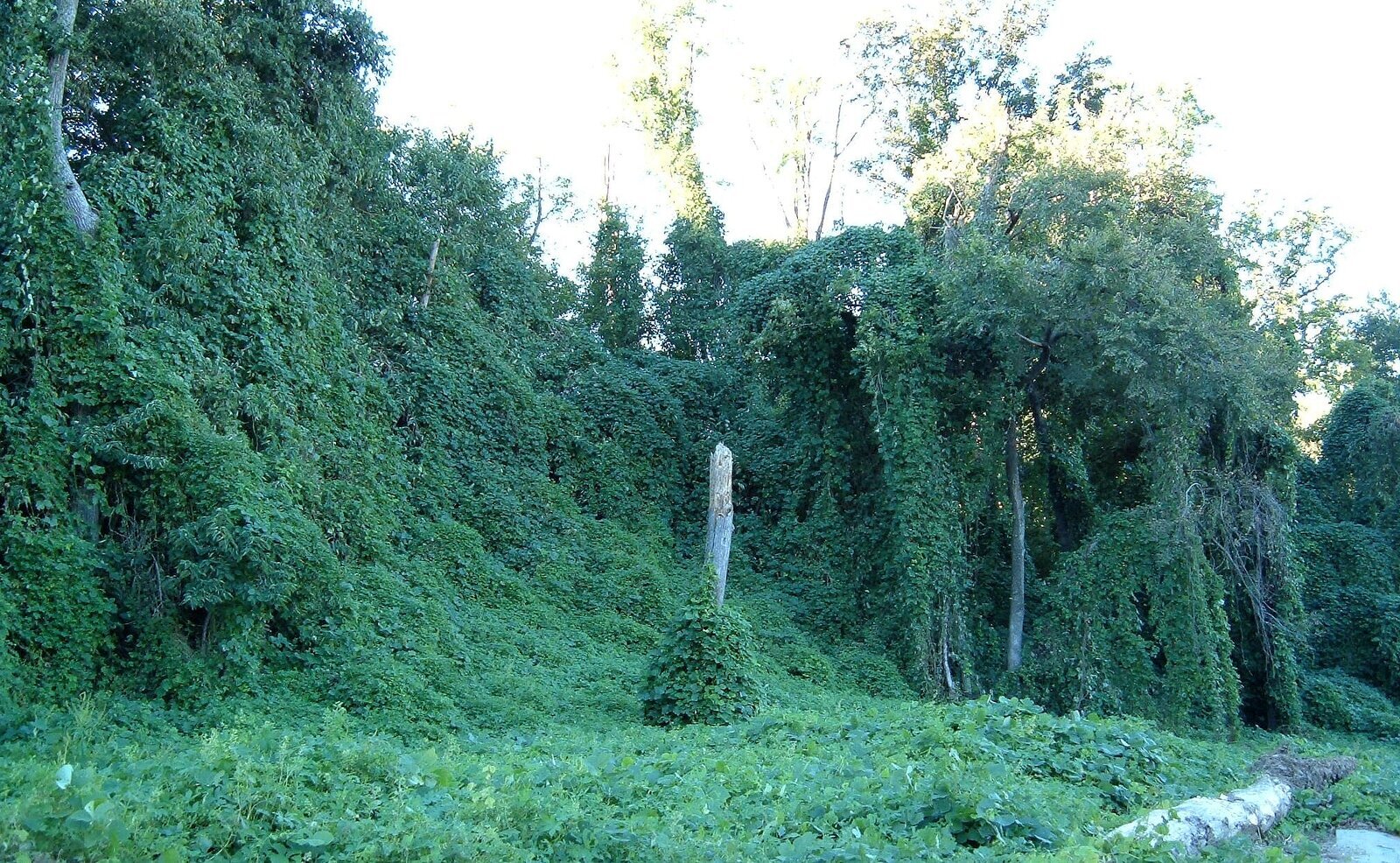
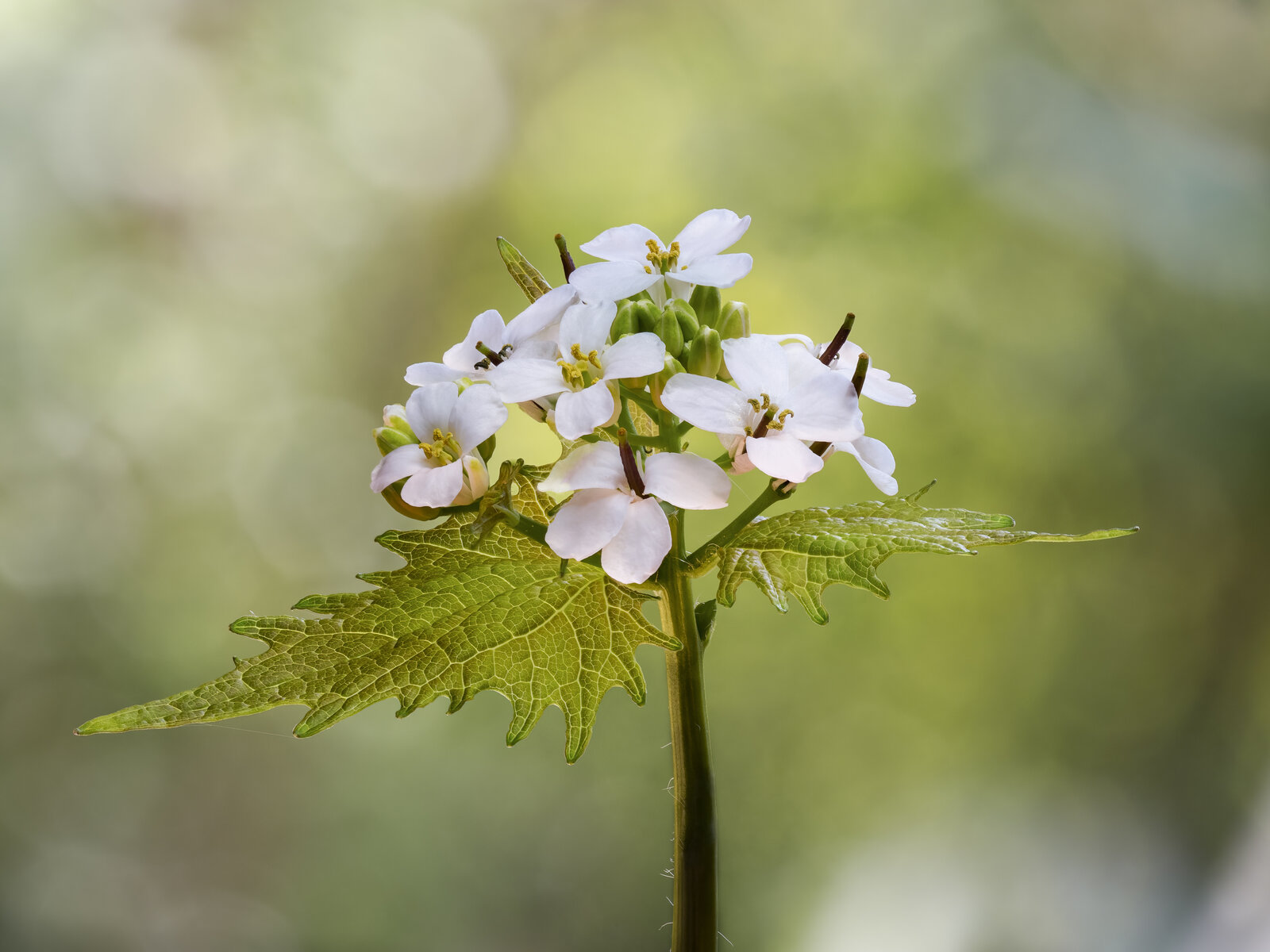
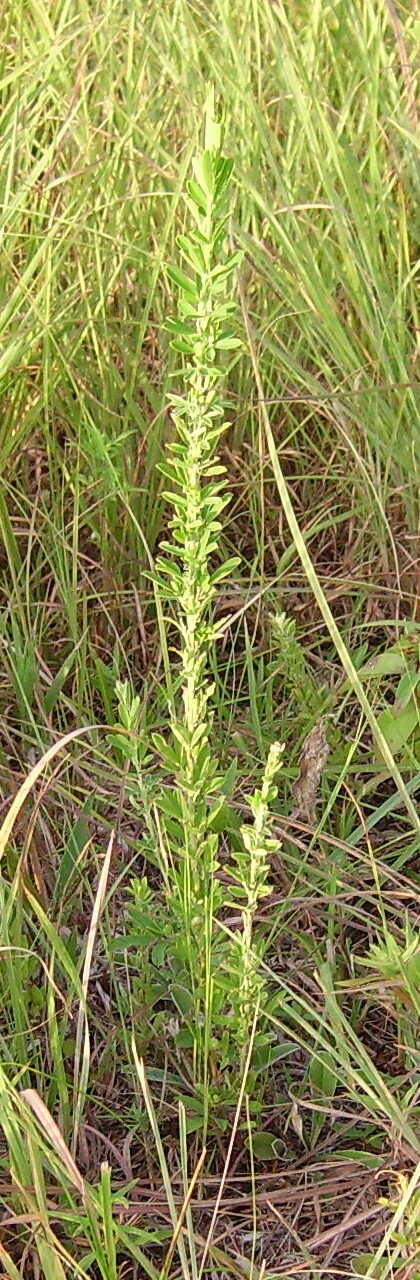
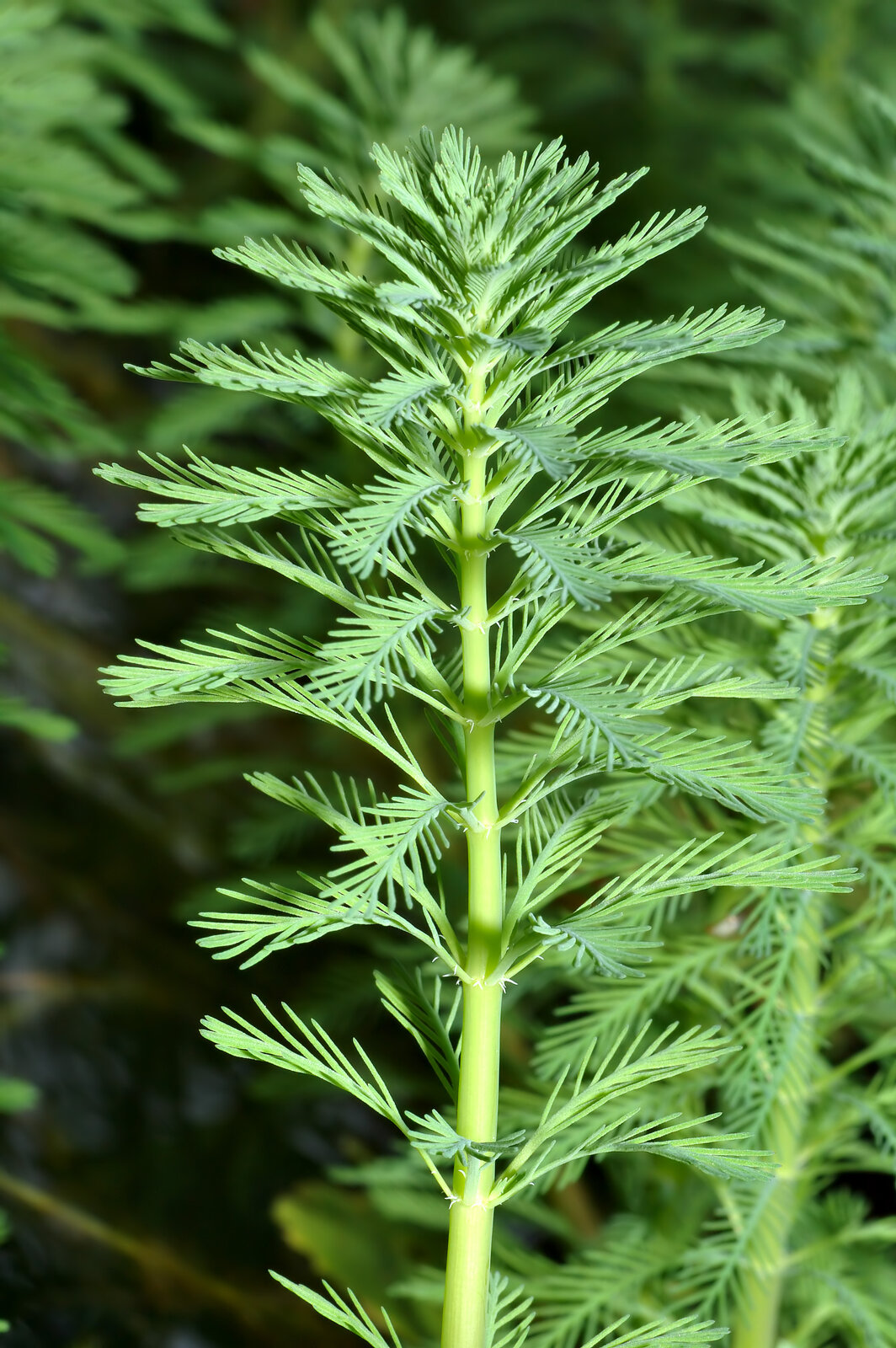
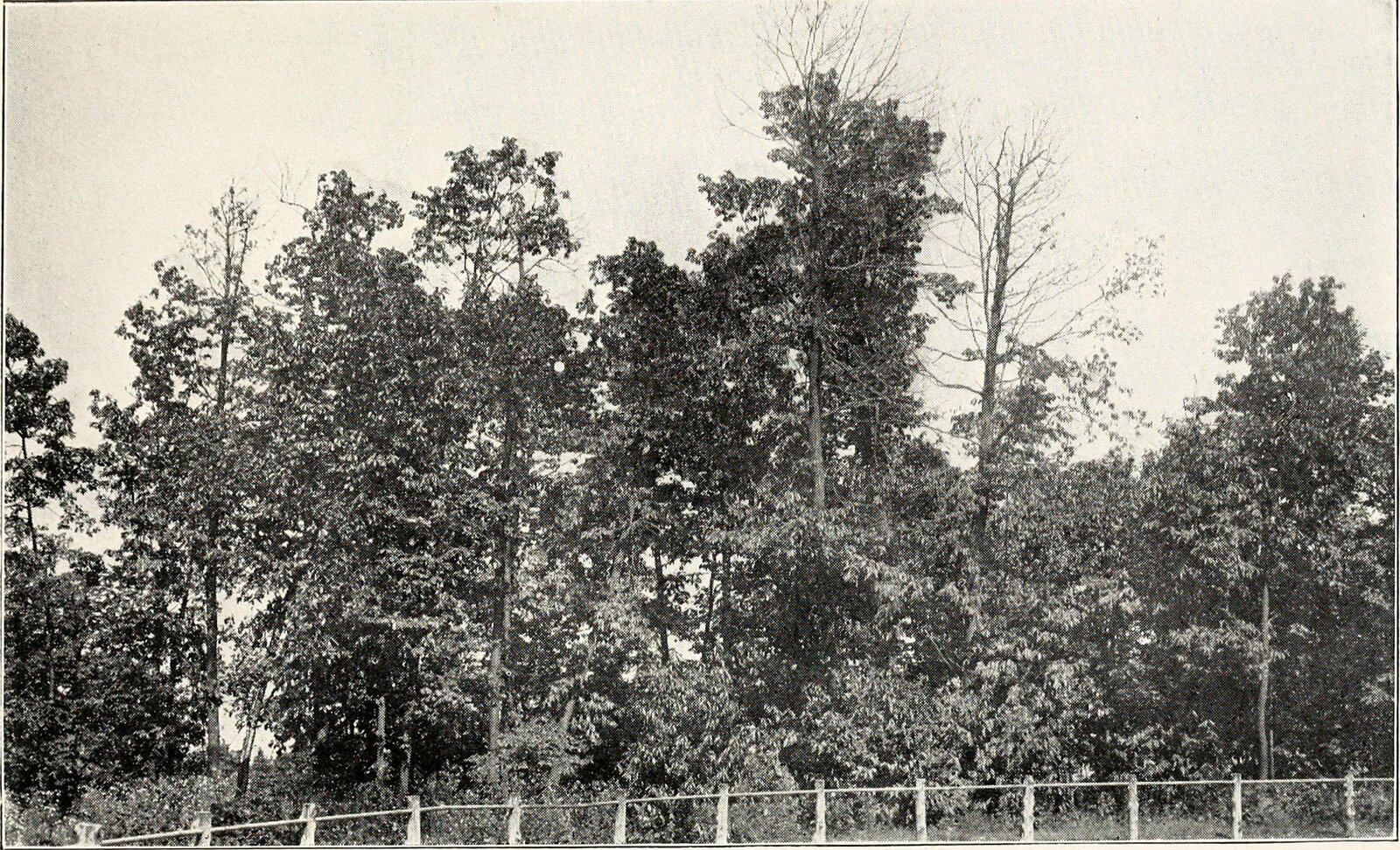
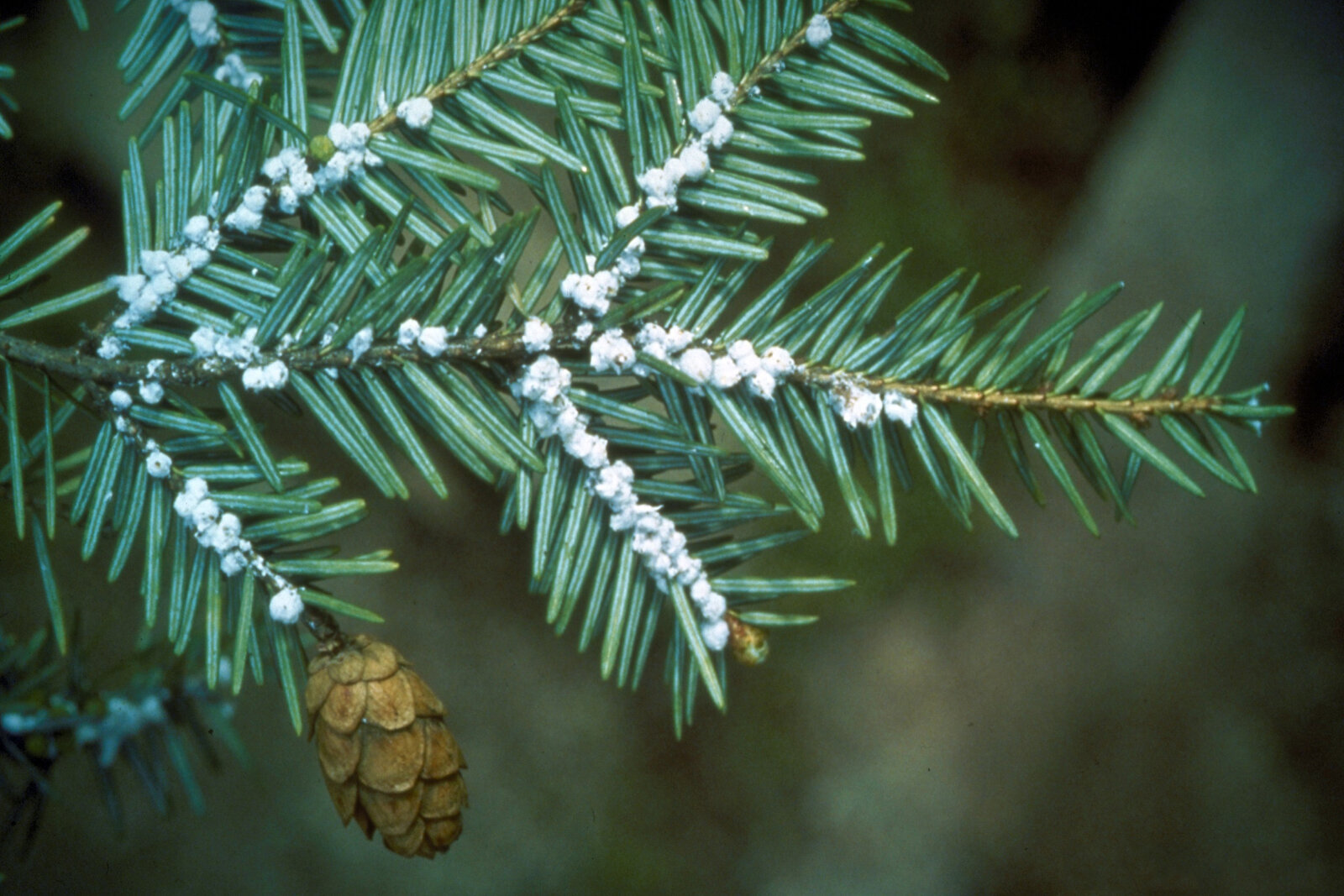
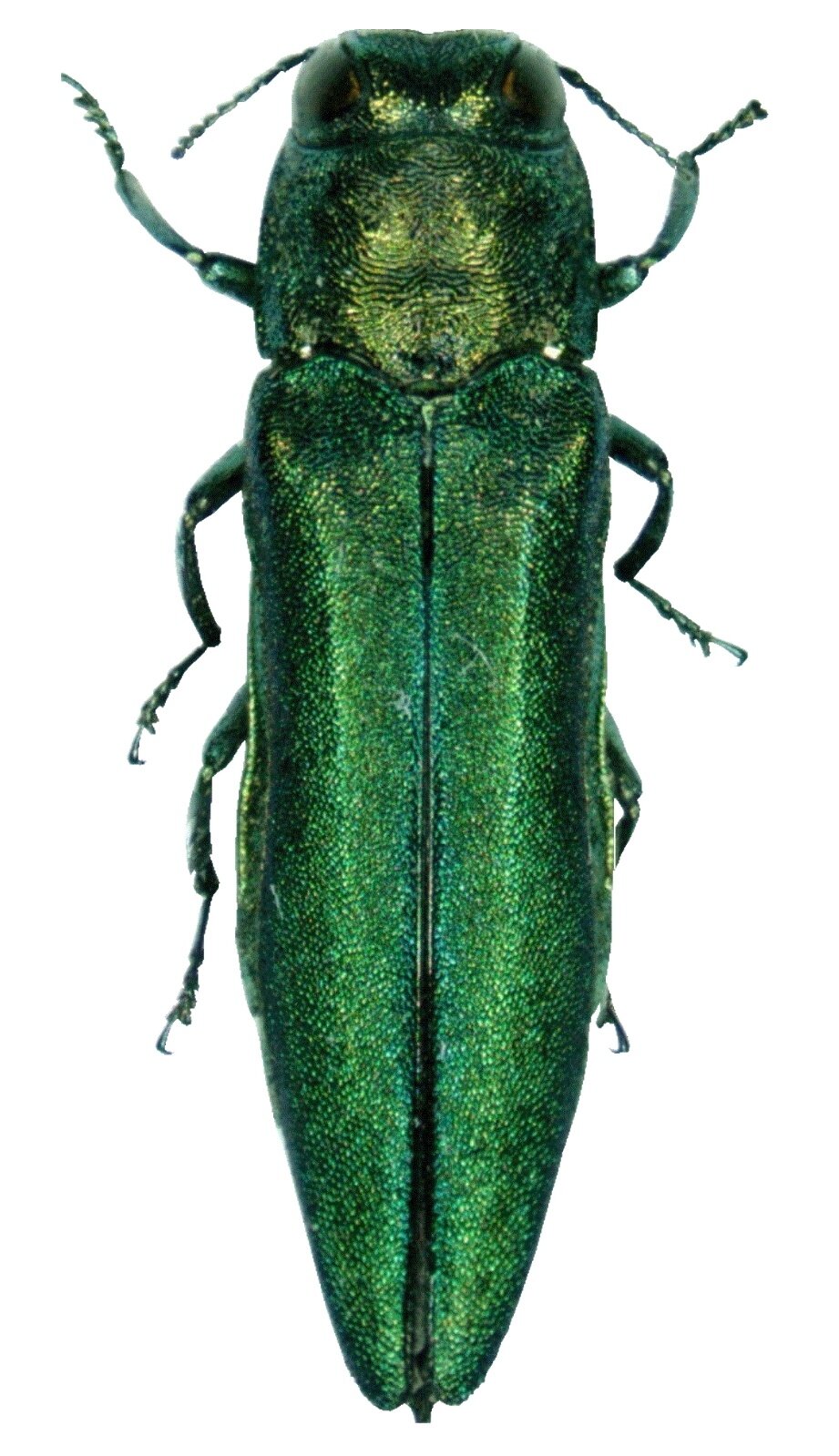
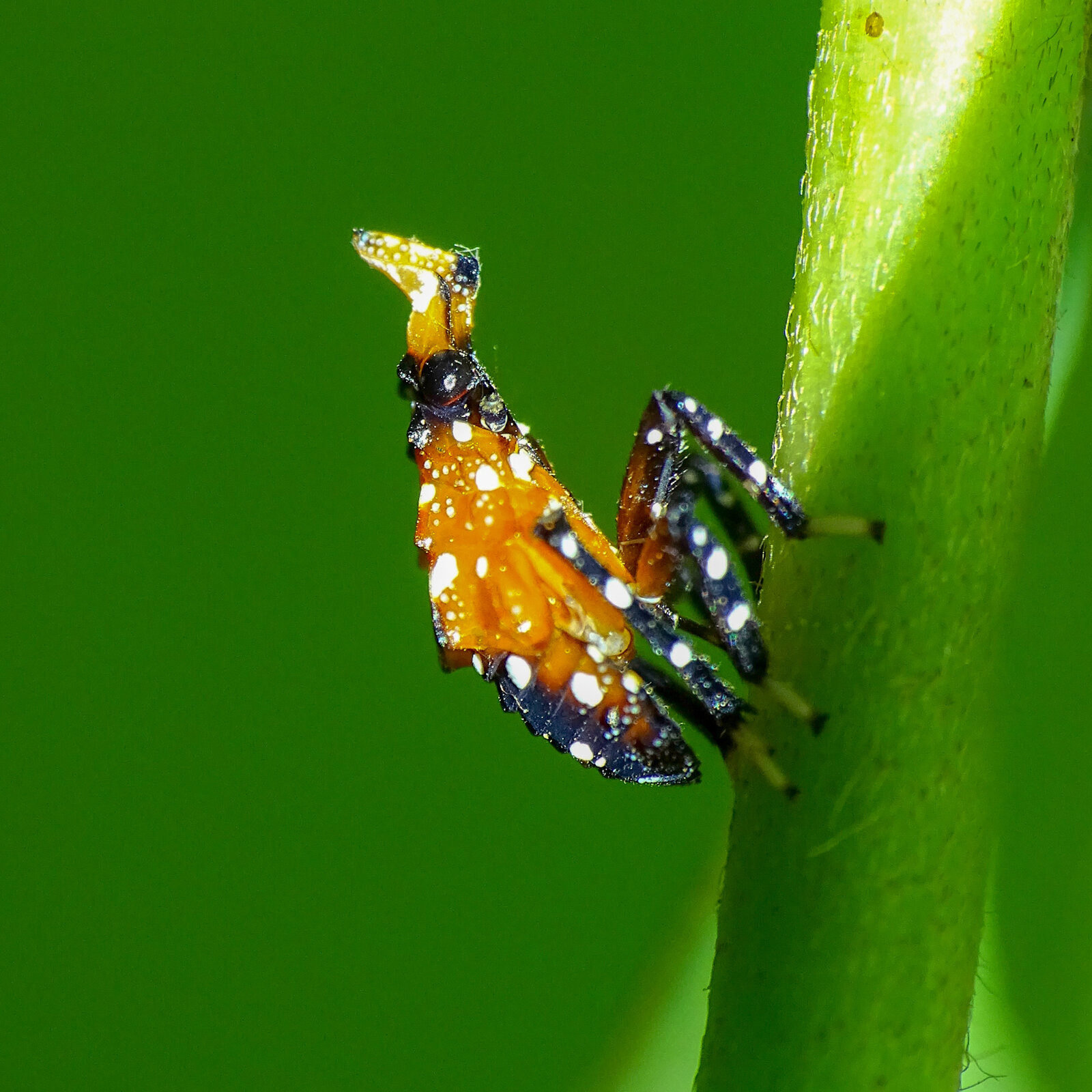
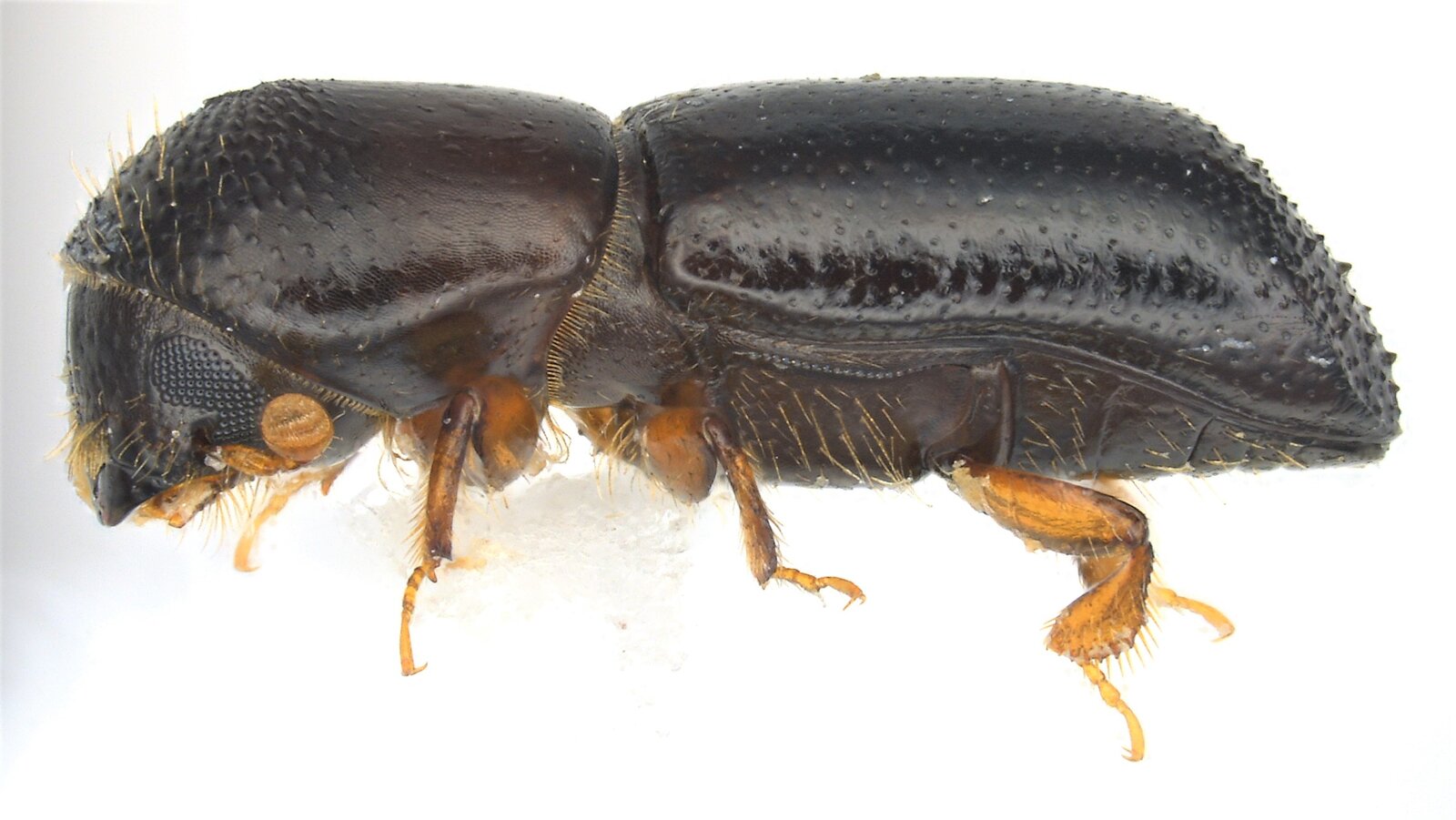
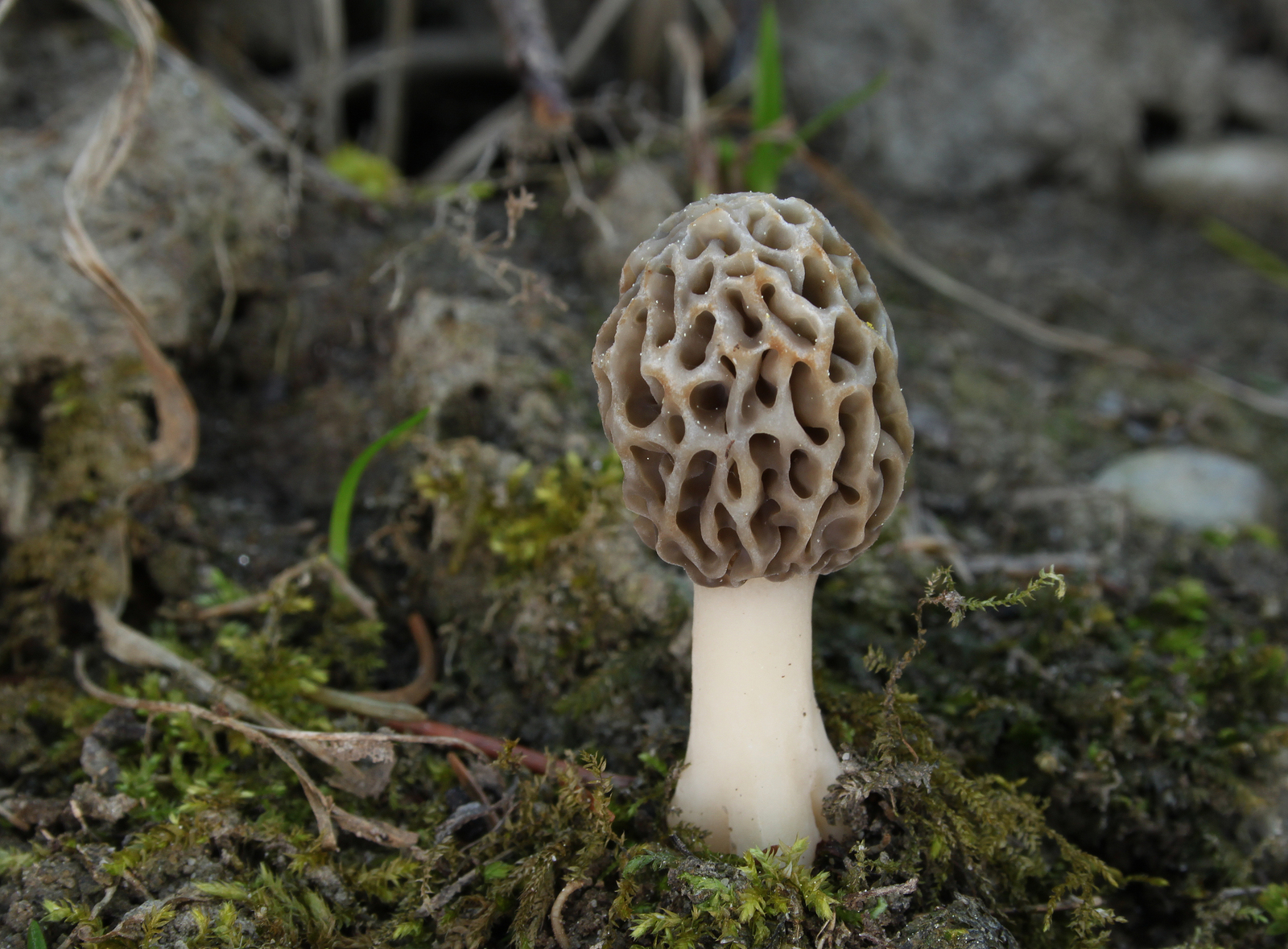
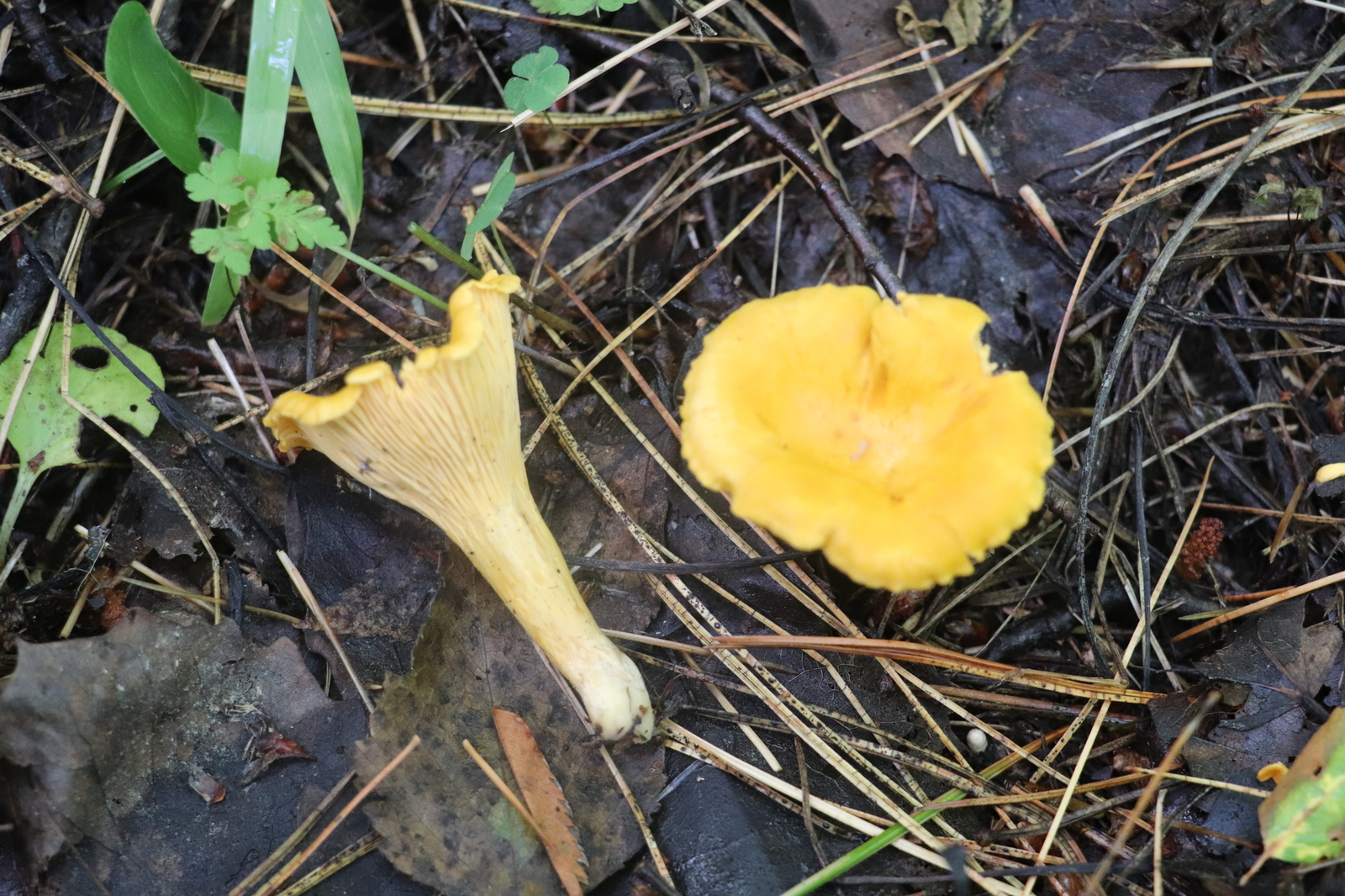
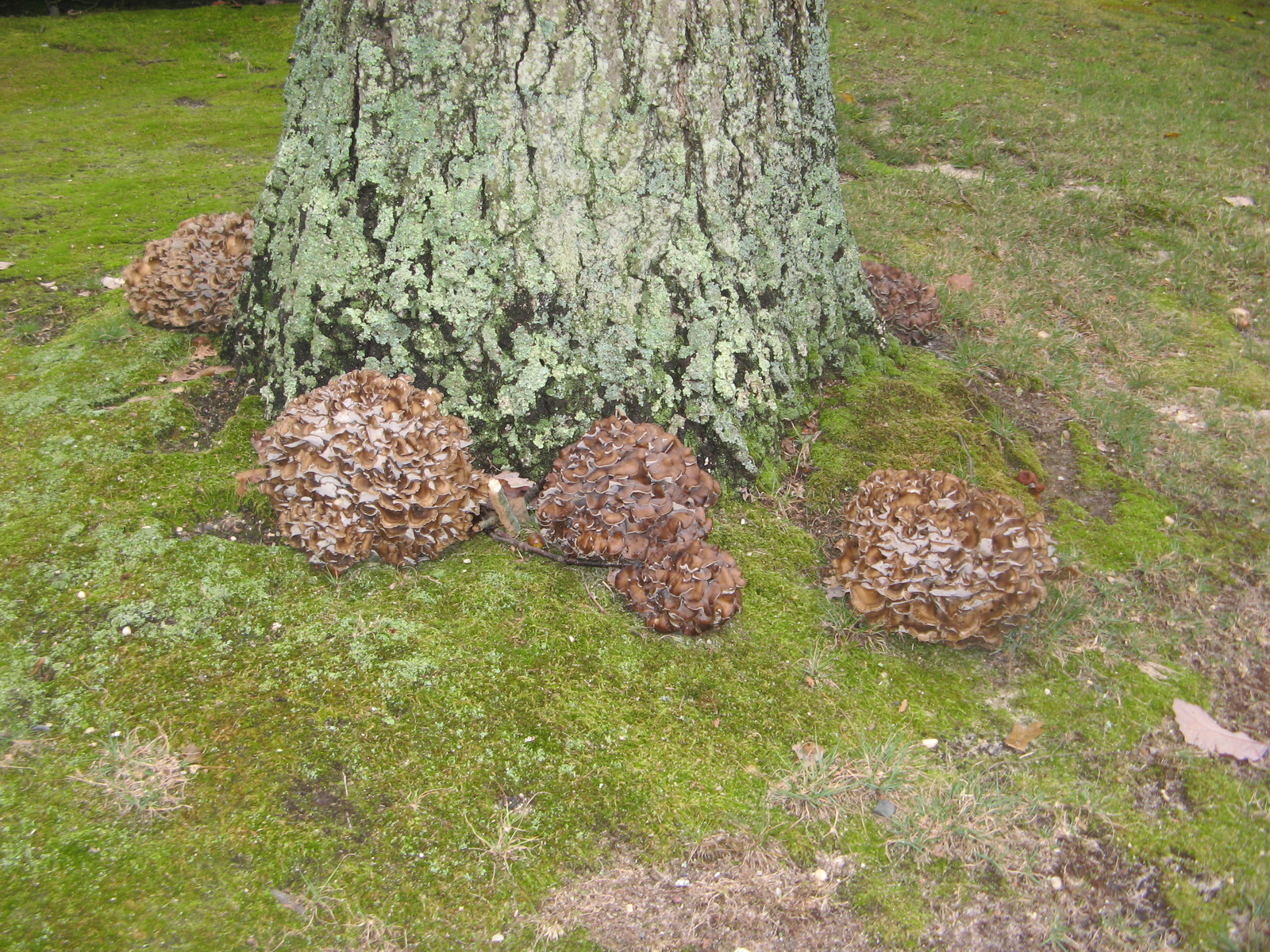
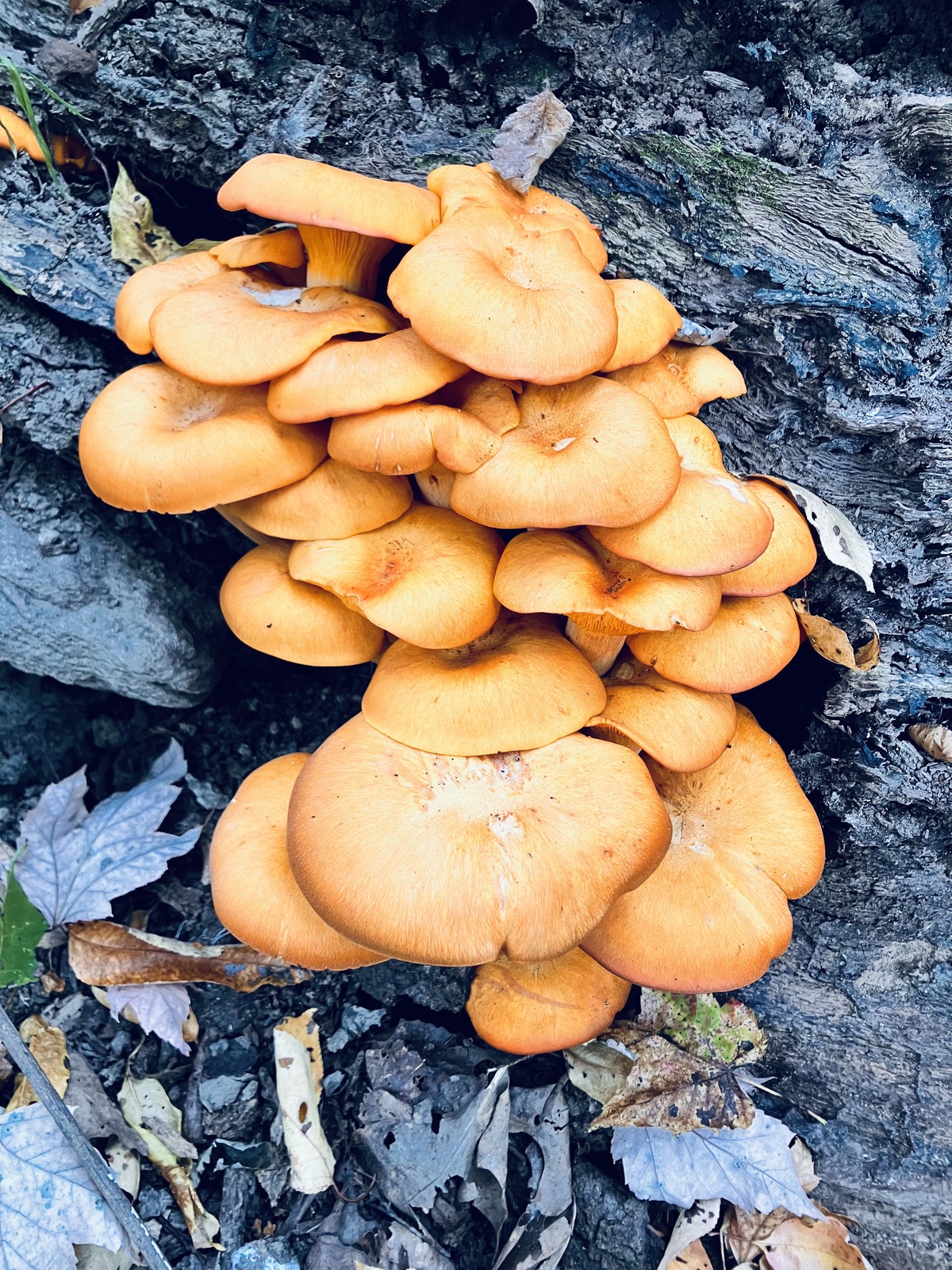
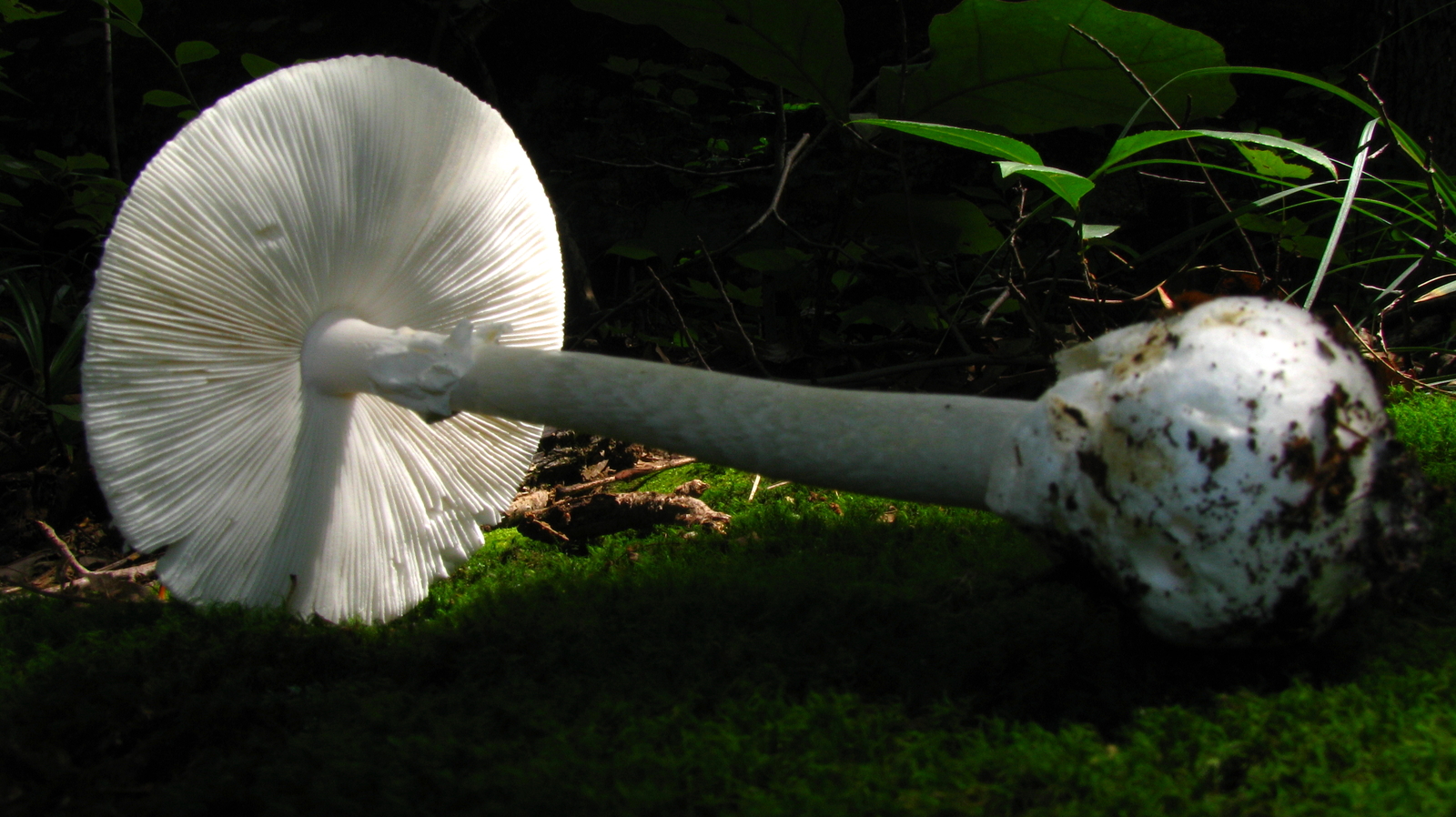
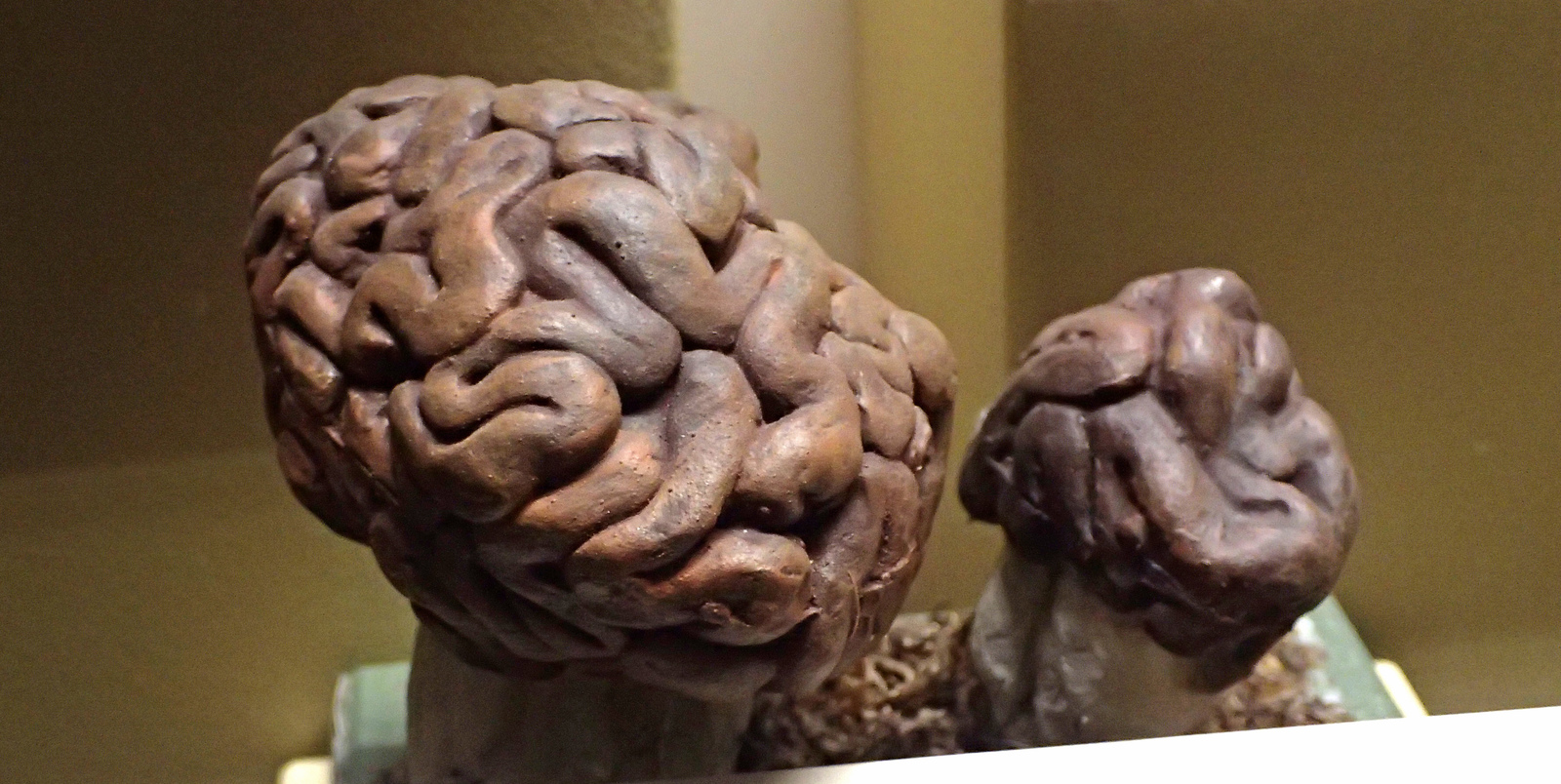
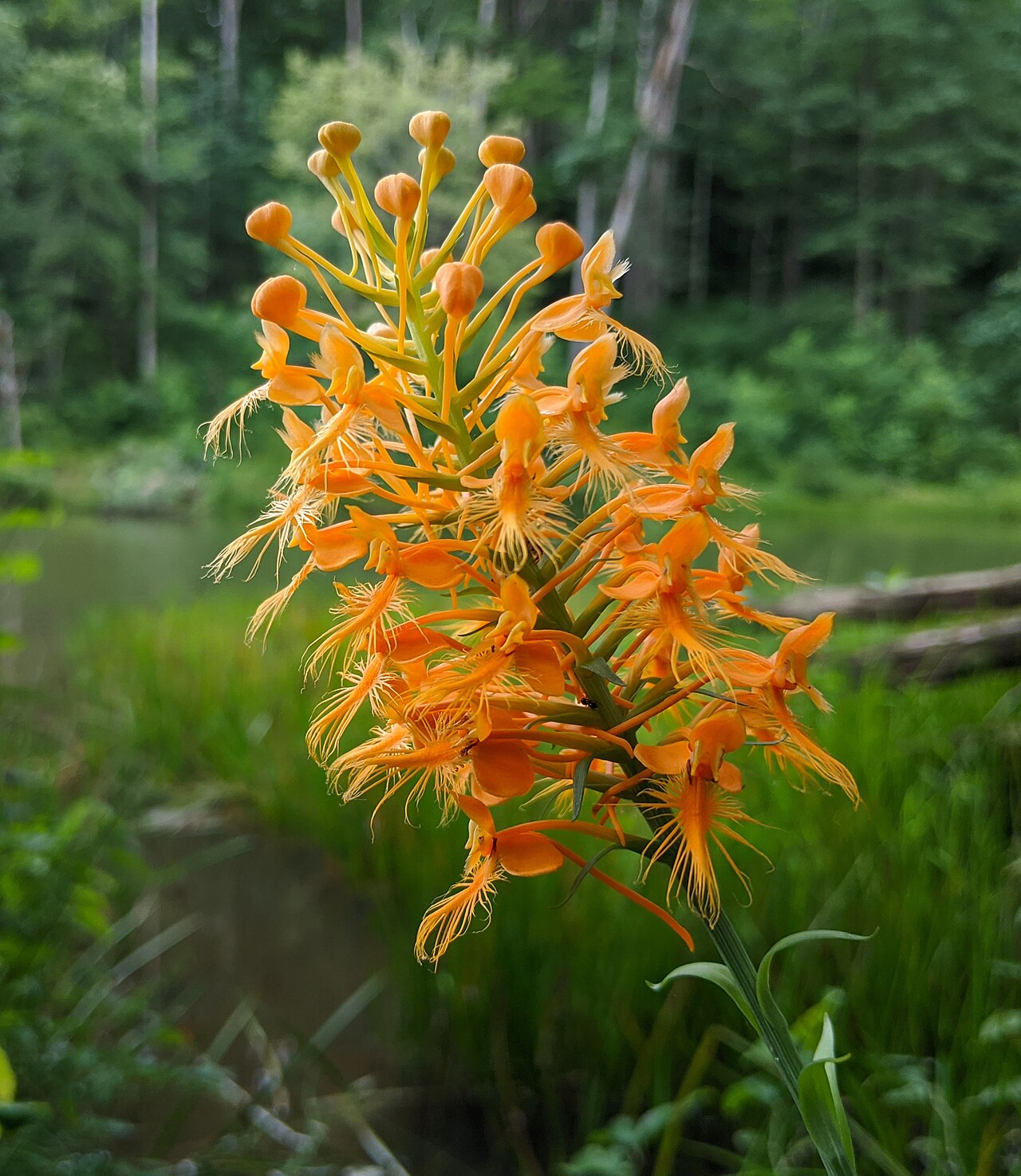
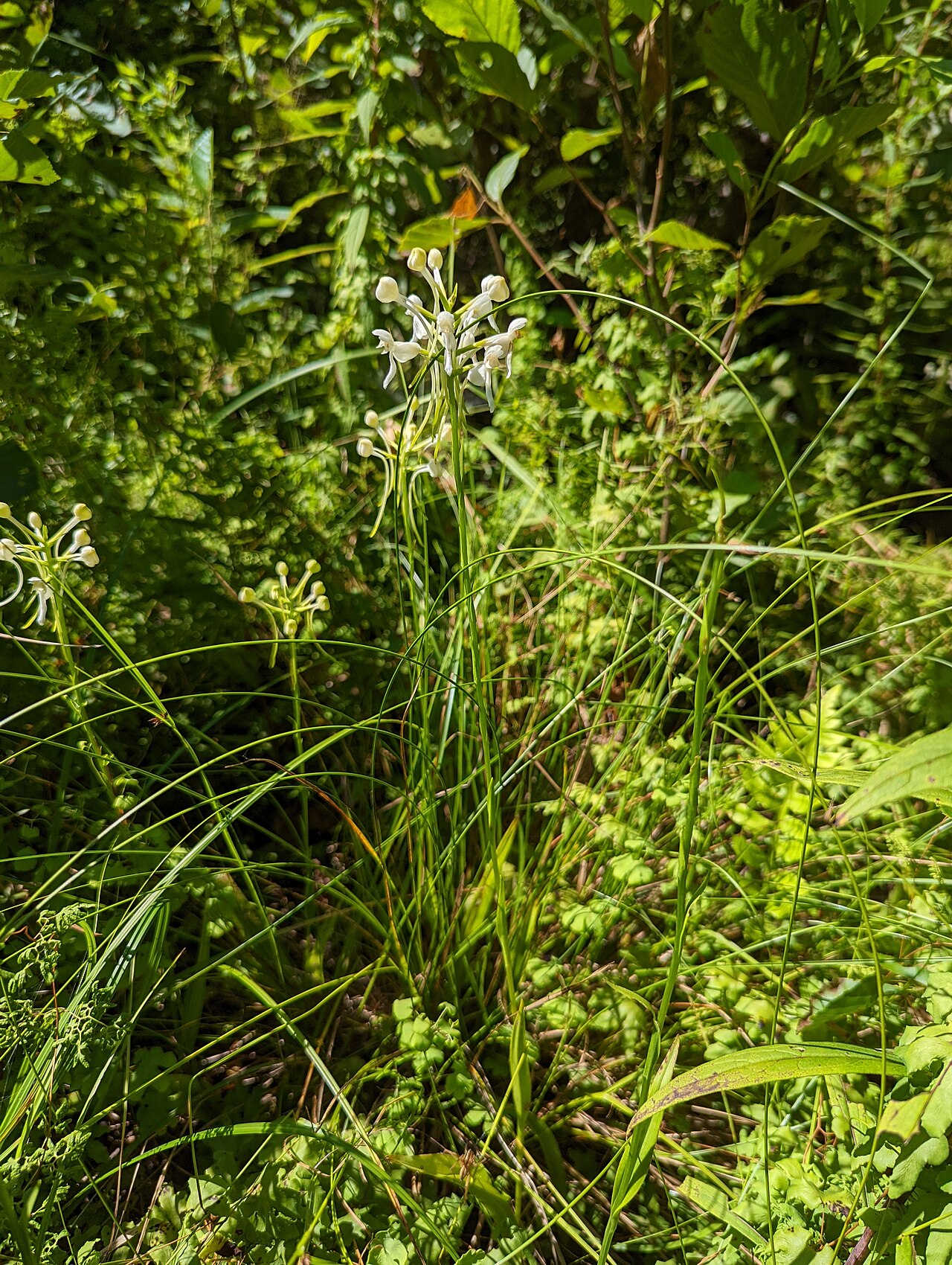
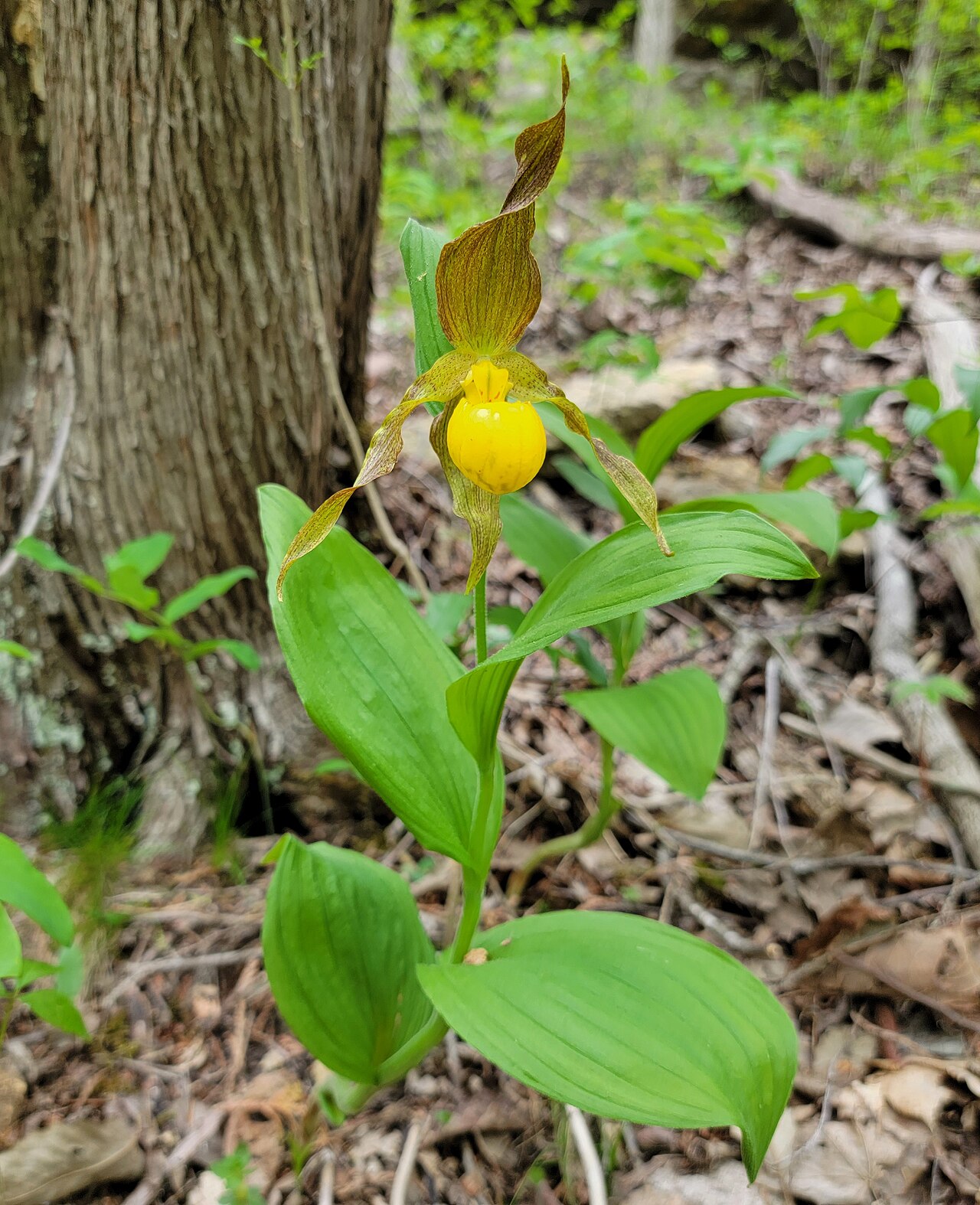
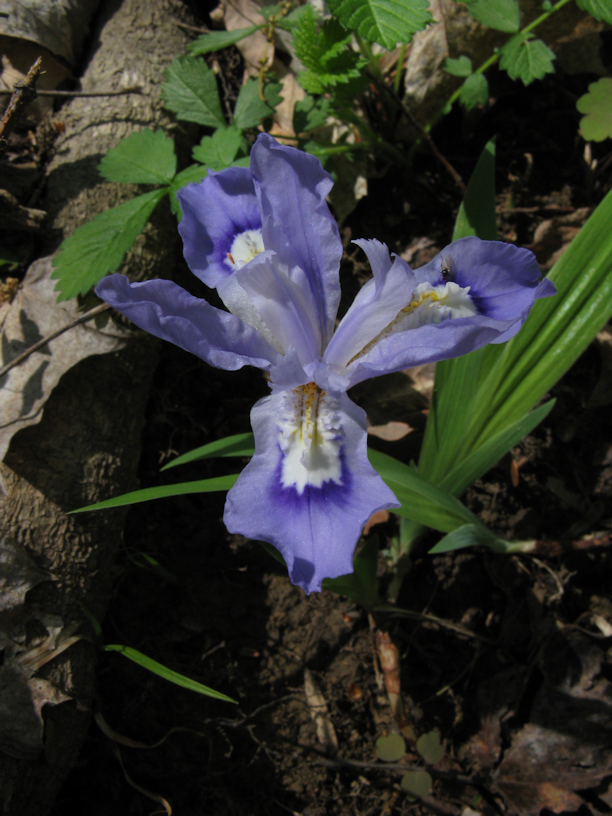
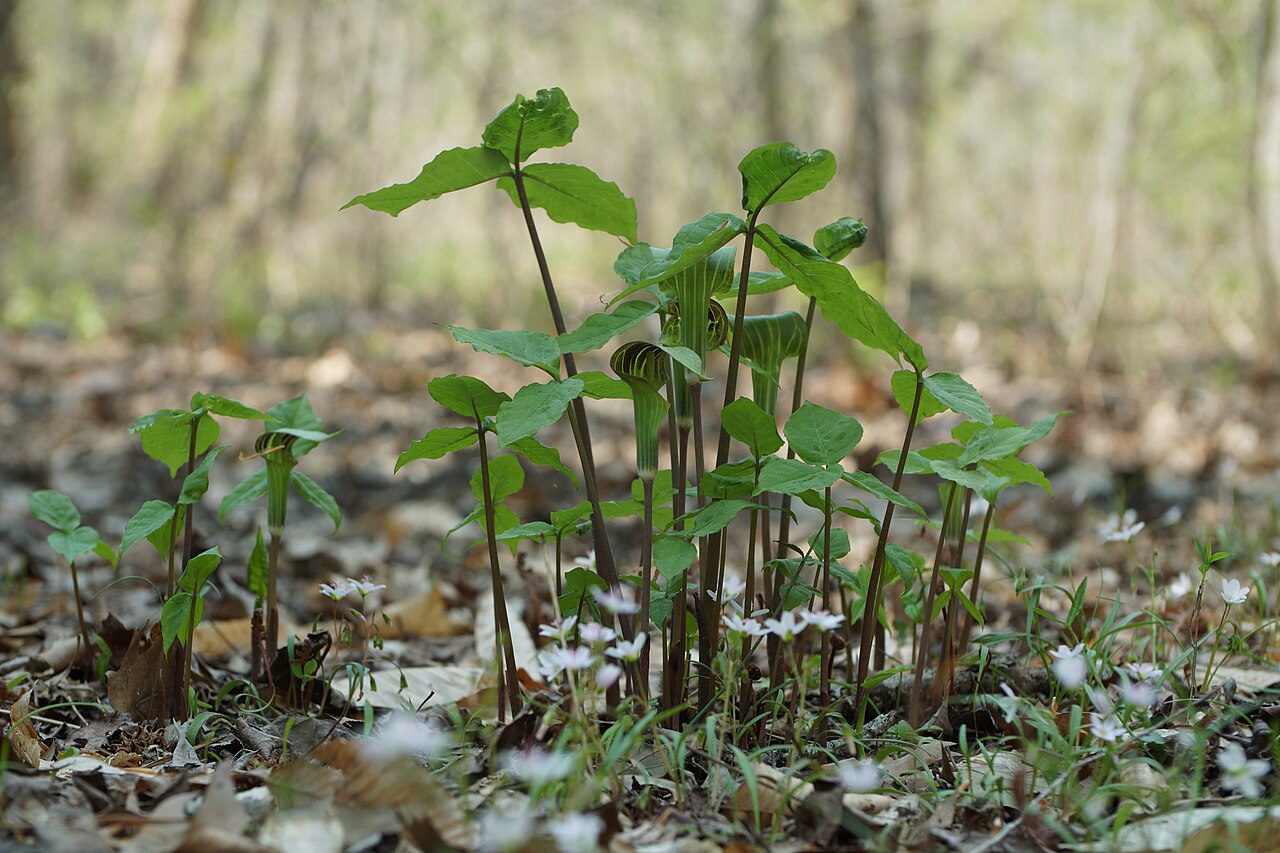
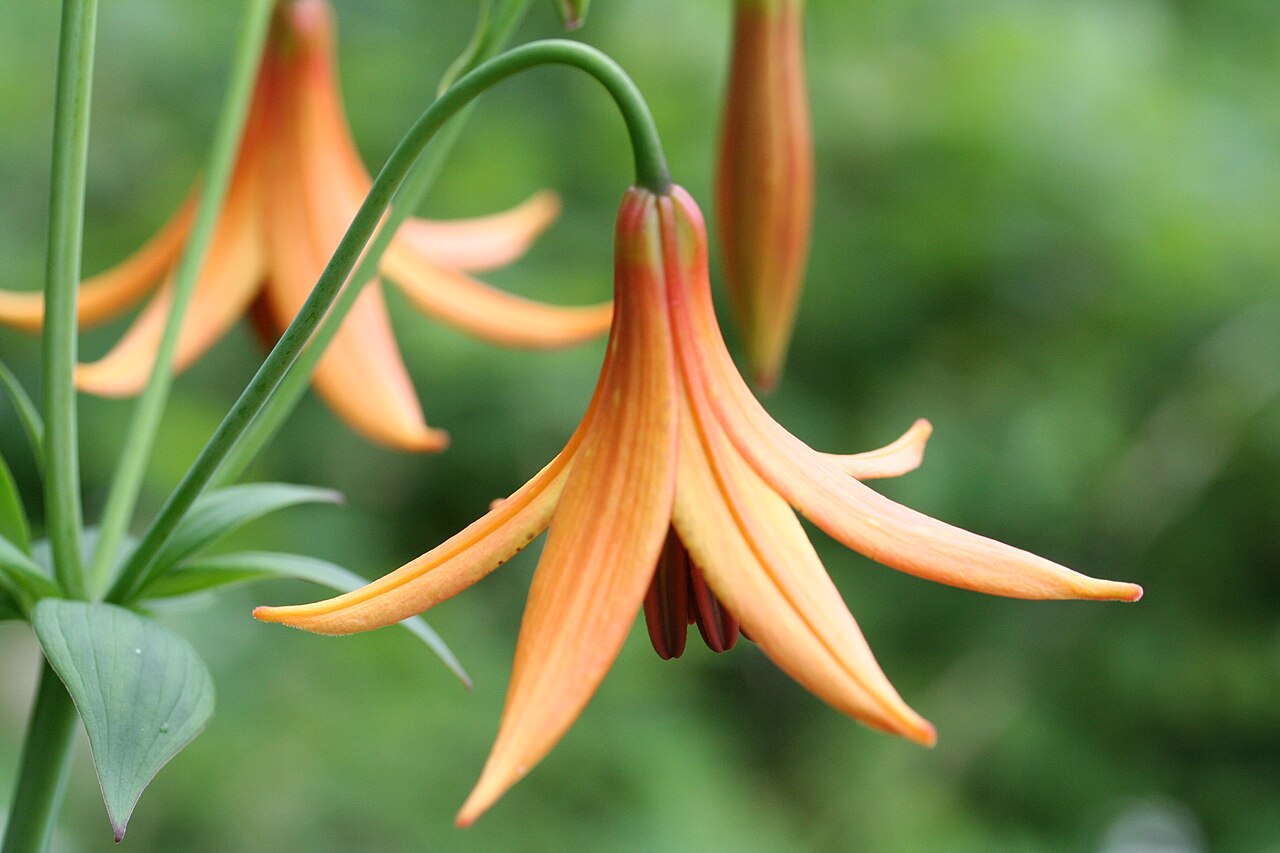
Large-flowered skullcap (Scutellaria montana): federally threatened plant of the Tennessee River GorgeBloodroot (Sanguinaria canadensis): an early spring ephemeral of cove forestsFire pink (Silene virginica): scarlet hummingbird-pollinated wildflower of plateau rocky woodsCardinal flower (Lobelia cardinalis): streamside wildflower of late summerPassionflower (Passiflora incarnata): Tennessee's state wildflowerMountain laurel (Kalmia latifolia): a heath of the sandstone rim and plateau bluffsLarge-flowered trillium (Trillium grandiflorum): a spring wildflower of rich mesic woodsSweet Betsy trillium (Trillium cuneatum): a mottled-leaf trillium of Tennessee cove forestsDutchman's breeches (Dicentra cucullaria): a delicate spring ephemeral of rich covesVirginia bluebells (Mertensia virginica): an early spring ephemeral of moist bottomlandsPink lady's slipper (Cypripedium acaule): an acid-soil orchid of plateau pine-oak woodsCranefly orchid (Tipularia discolor): a wintergreen orchid of deciduous forestsMayapple (Podophyllum peltatum): umbrella-leafed perennial of forest floorsWalking fern (Asplenium rhizophyllum): grows on shaded limestone outcrops, propagating at leaf tipsChristmas fern (Polystichum acrostichoides): an evergreen fern of woodland slopesTulip poplar (Liriodendron tulipifera): Tennessee's state tree, dominant in Marion County cove forestsWhite oak (Quercus alba): canopy dominant of Marion County ridgesChestnut oak (Quercus montana): dominant on dry sandstone-capped ridgetopsShagbark hickory (Carya ovata): unmistakable plates of peeling barkEastern hemlock (Tsuga canadensis): a conifer of shaded gorge slopes, threatened by hemlock woolly adelgidAmerican chestnut (Castanea dentata): once dominant in Marion County forests, reduced to stump sprouts by chestnut blightAmerican sycamore (Platanus occidentalis): camouflage-mottled bark and the largest hardwood diameter in the eastern U.S., lining the Sequatchie River and Tennessee River bottomsBigleaf magnolia (Magnolia macrophylla): the largest leaves and flowers of any temperate North American tree, scattered through Marion's covesAmerican smoketree (Cotinus obovatus): a Tennessee special-concern species of limestone bluffs, with feathery pinkish seed plumes that give the tree its nameSourwood (Oxydendrum arboreum): the source of sourwood honey, a cottage industry in Marion County for generations; brilliant red fall foliageRiver cane (Arundinaria gigantea): North America's only native bamboo, now the subject of TRGT restorationLittle bluestem (Schizachyrium scoparium): the most widespread native warm-season grass on the Cumberland Plateau, turning copper-bronze in autumnHairawn muhly (Muhlenbergia capillaris): billowing pink-purple seed clouds in October on dry, rocky plateau sitesBroomsedge (Andropogon virginicus): the signature grass of abandoned Marion County pastures, turning whole hillsides tawny copper through winterRiver oats (Chasmanthium latifolium): flat, dangling oat-like seed heads on arching stems along streams and rich bottomland woodsJapanese honeysuckle (Lonicera japonica): a fragrant invasive vine blanketing forest edgesKudzu (Pueraria montana): invasive vine that transforms Southern roadsidesGarlic mustard (Alliaria petiolata): a severe-threat biennial invading forest understoriesChinese bush-clover (Lespedeza cuneata): a former erosion-control planting now a severe-threat invader of roadsides and old fieldsParrot feather (Myriophyllum aquaticum): an aquatic invasive that forms dense mats in ponds and slow streamsChestnut blight (Cryphonectria parasitica): the fungal pathogen that eliminated the American chestnut as a canopy treeHemlock woolly adelgid (Adelges tsugae): cottony egg sacs on eastern hemlock, an active threat in Marion County gorgesEmerald ash borer (Agrilus planipennis): the invasive beetle devastating North American ash speciesSpotted lanternfly (Lycorma delicatula): a plant-sap feeder confirmed in Tennessee in 2024Laurel wilt (Raffaelea lauricola): a fungal disease threatening sassafras and spicebush across the SoutheastMorel (Morchella esculenta): April fruiting under tulip poplar and elmChanterelle (Cantharellus sp.): summer fruiting under oak and beechHen of the woods (Grifola frondosa): a shelf fungus found in overlapping clusters at the base of oaks in autumnJack o'lantern (Omphalotus olearius): a toxic look-alike of chanterelles that glows faintly in the darkDestroying angel (Amanita bisporigera): deadly toxic white amanita of Eastern hardwood forestsFalse morel (Gyromitra sp.): brain-shaped lookalike of true morels, contains toxinsYellow fringed orchid (Platanthera ciliaris): among the showiest native orchids, with deeply fringed orange-yellow flowersWhite fringeless orchid (Platanthera integrilabia): federally endangered bog orchid of Cumberland Plateau seepsYellow lady's slipper (Cypripedium parviflorum): a rare orchid of limestone-influenced cove floorsDwarf crested iris (Iris cristata): a low-growing native iris of shaded stream banksJack-in-the-pulpit (Arisaema triphyllum): a woodland arum that changes sex year to yearCanada lily (Lilium canadense): a rare native lily of moist meadows and stream margins
Fauna
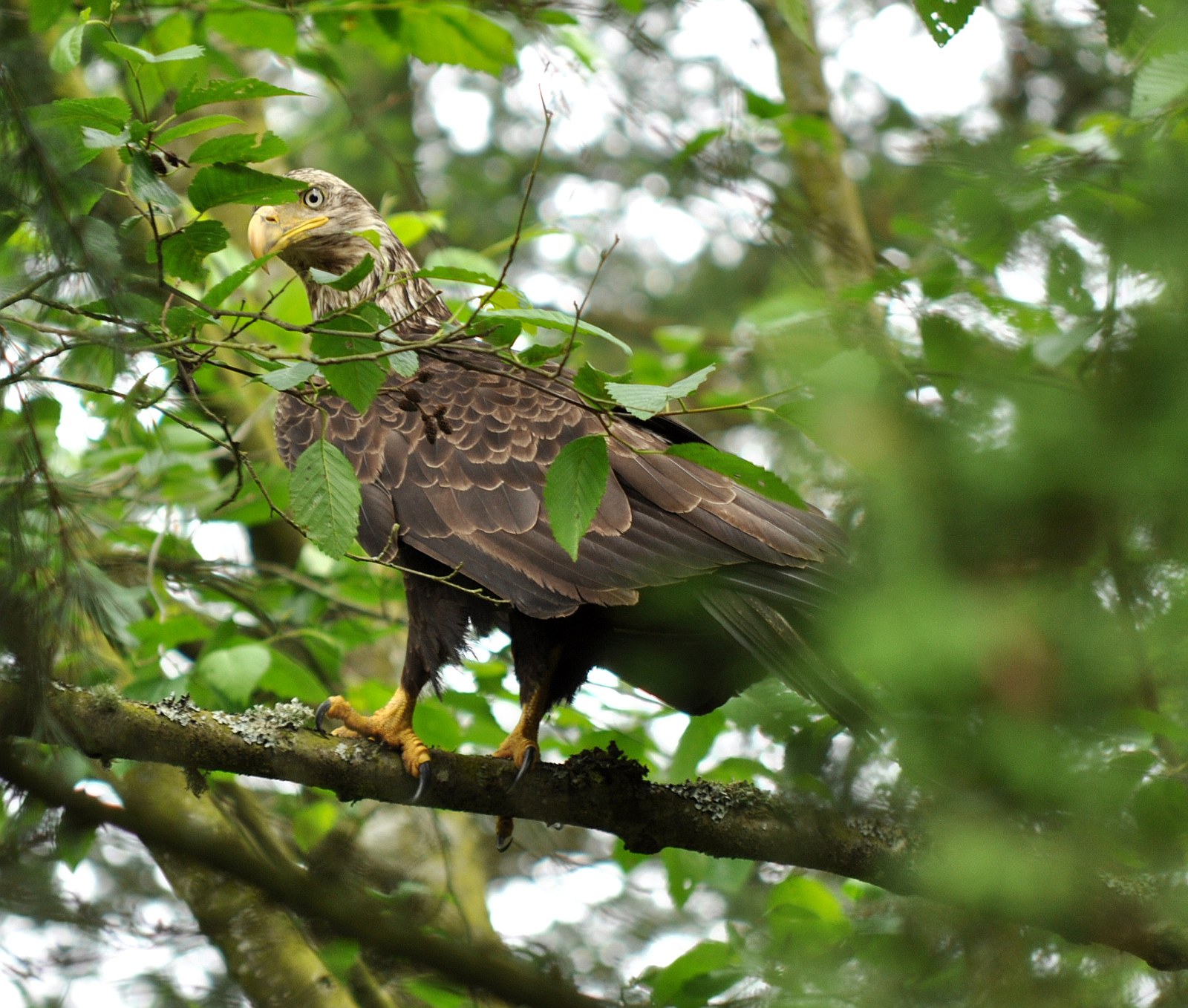
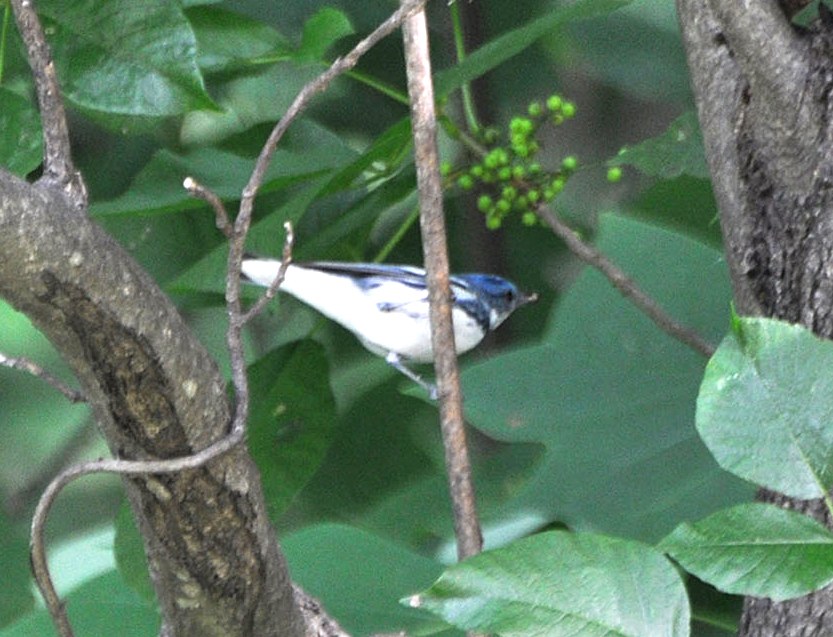
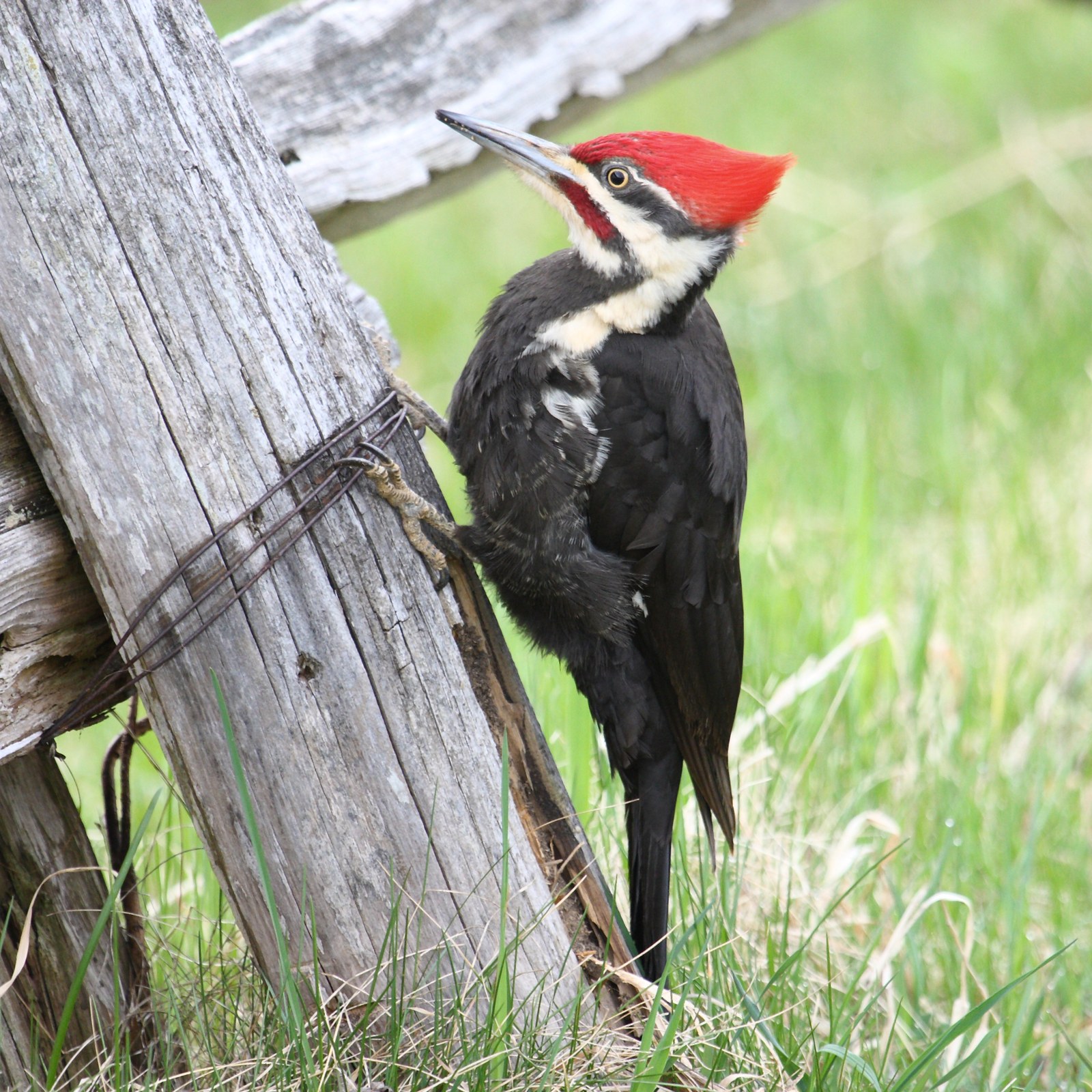
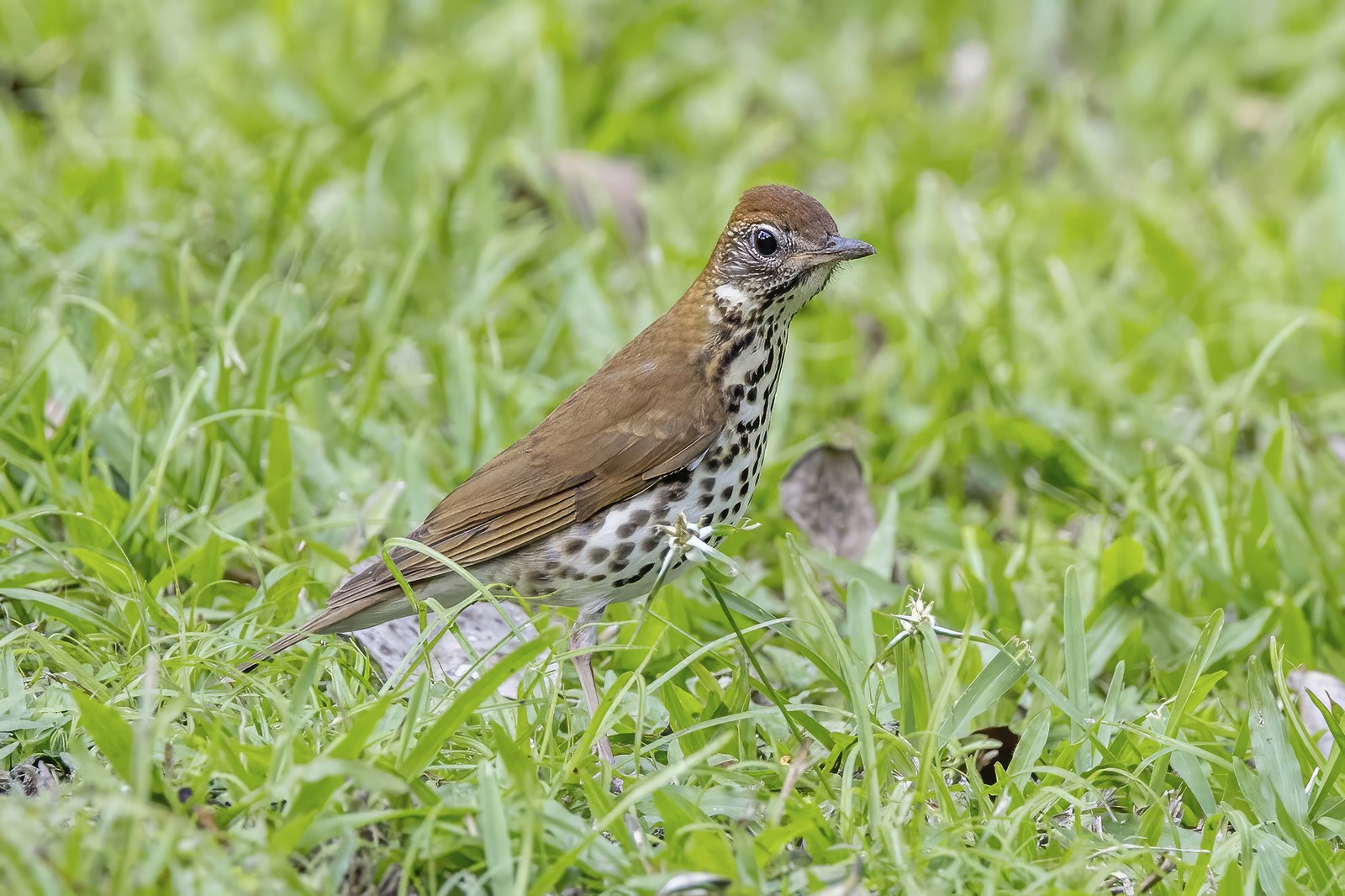
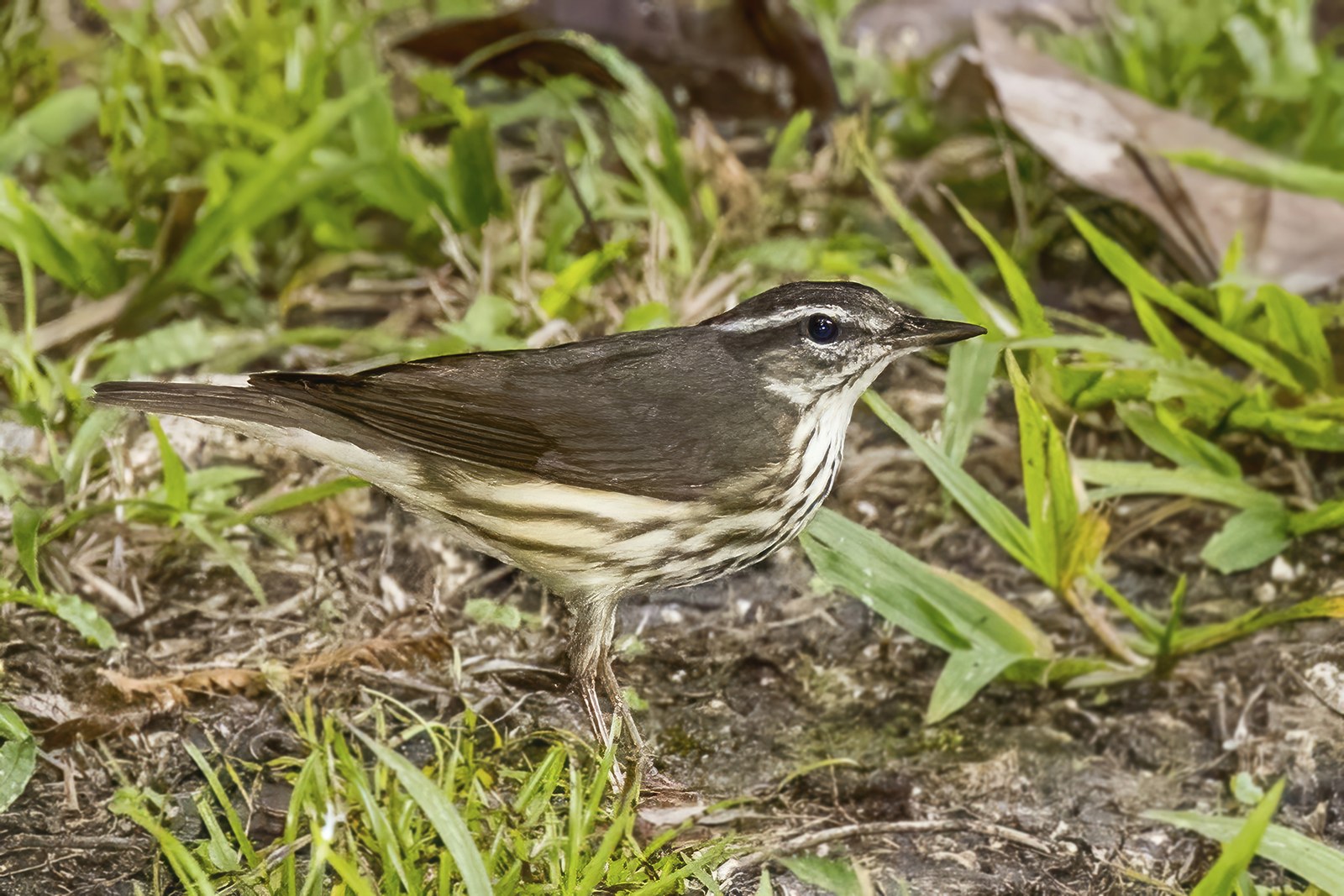
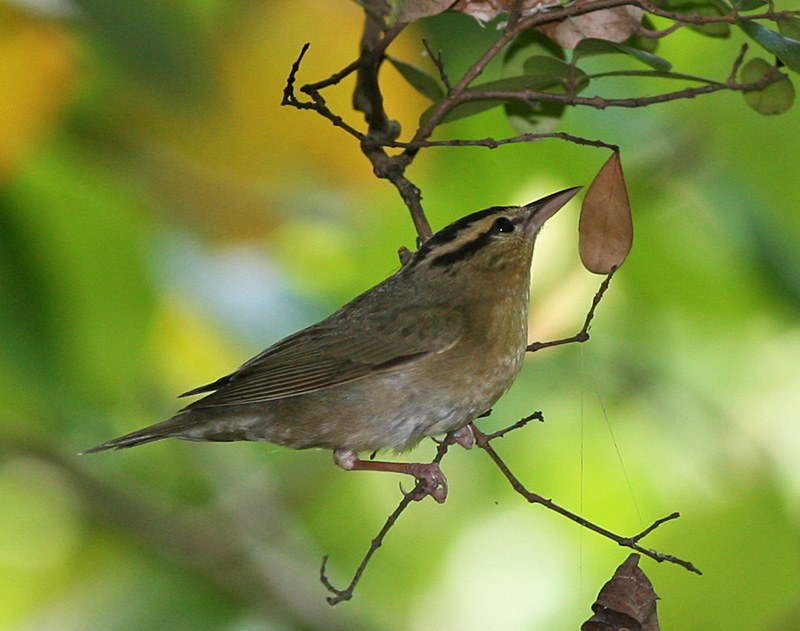
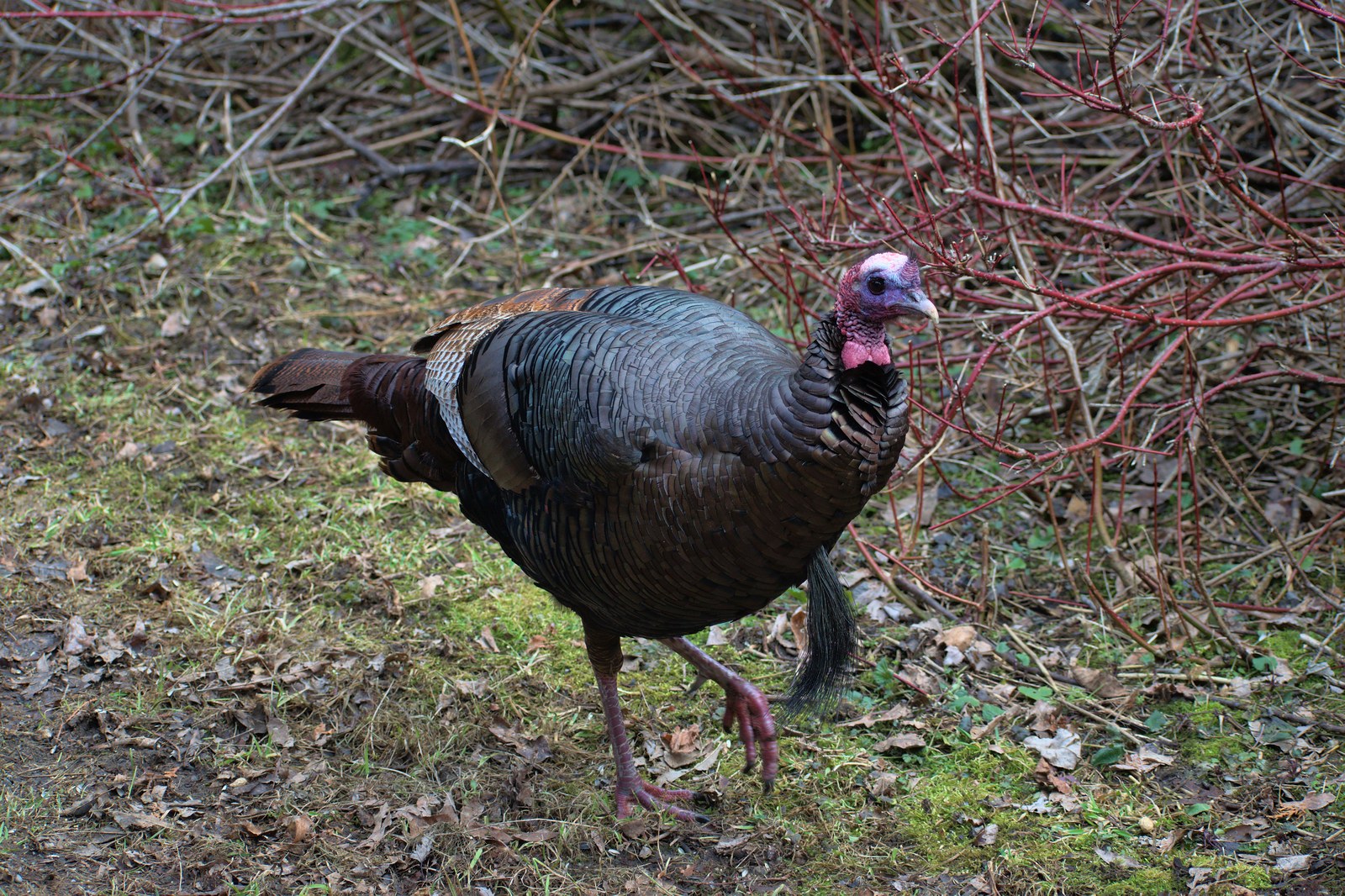
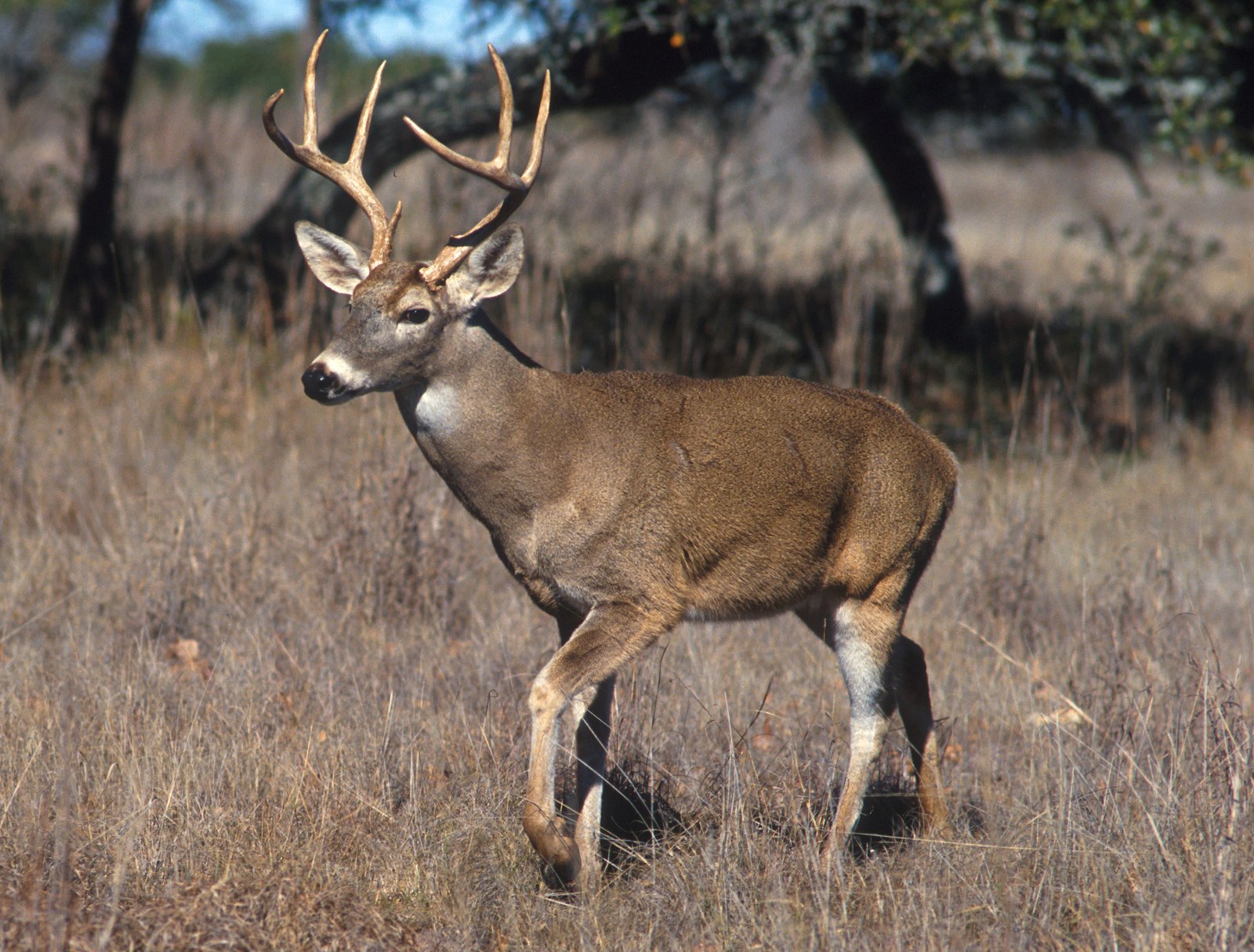
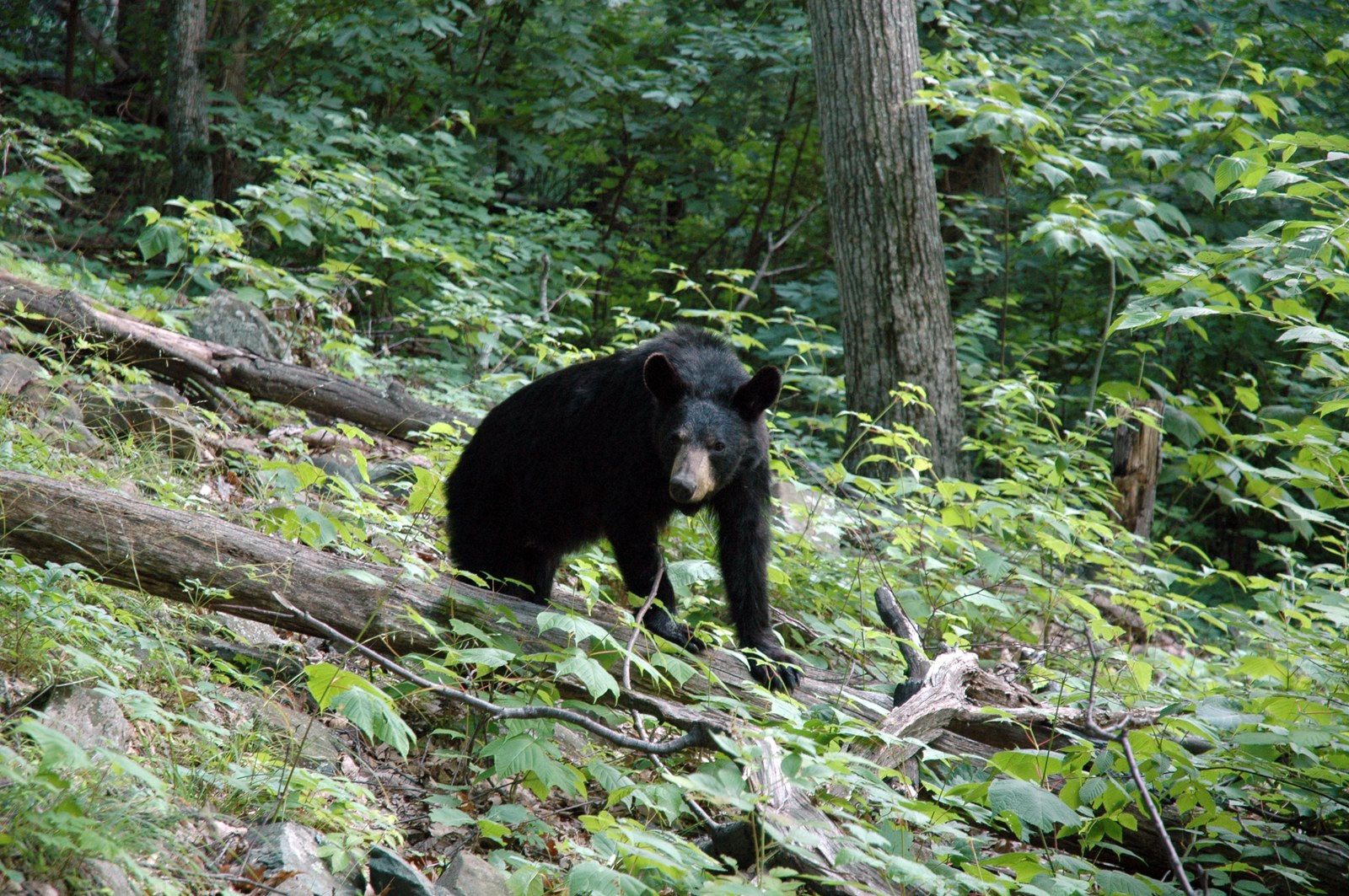
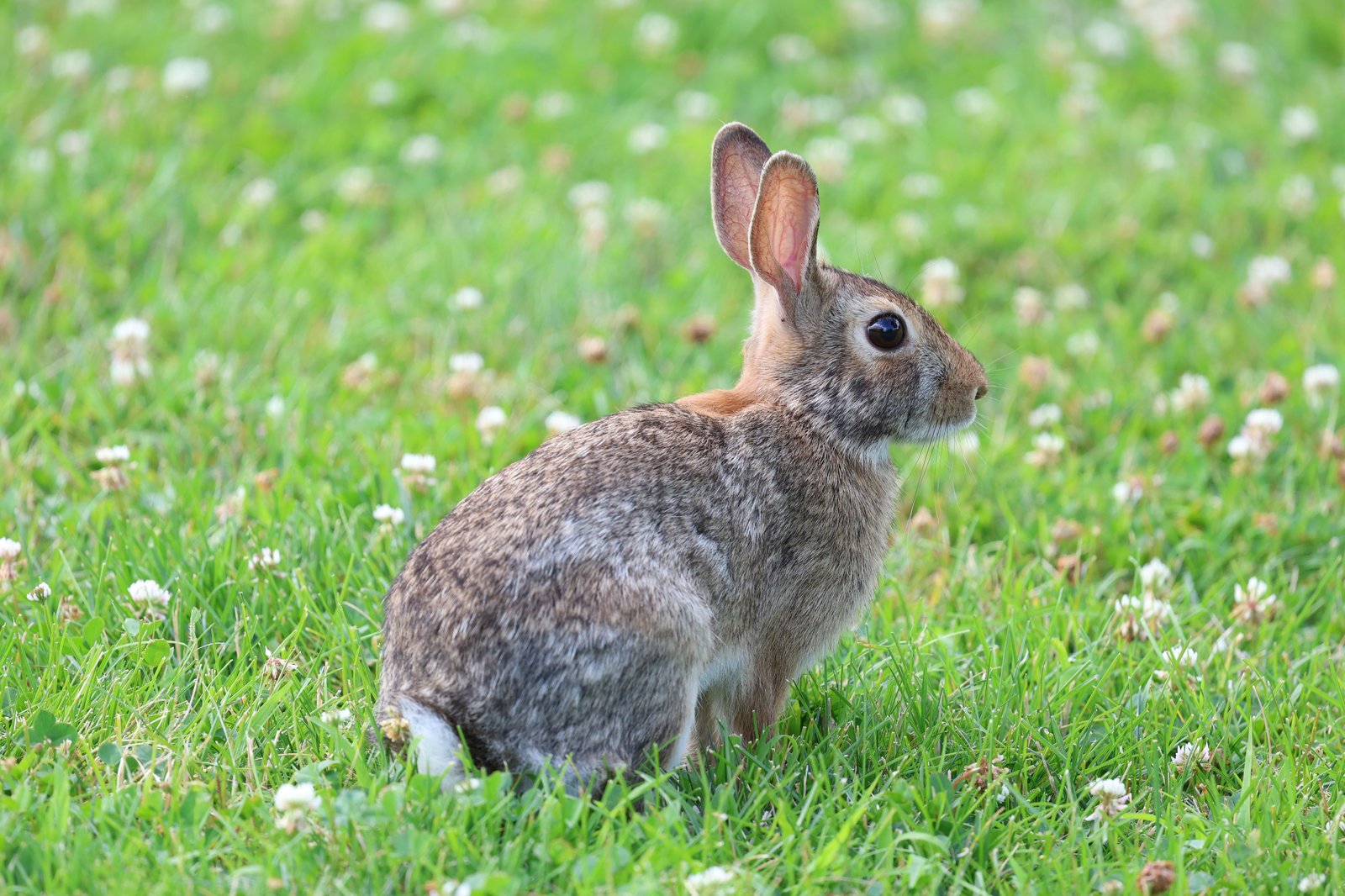
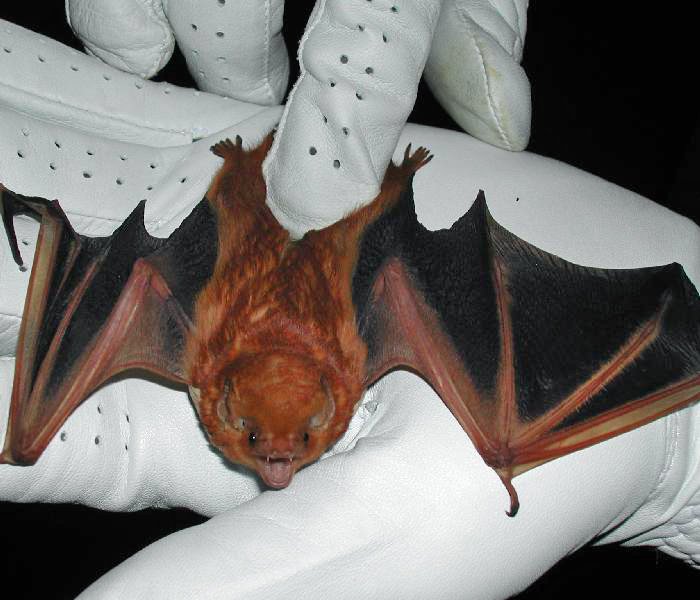
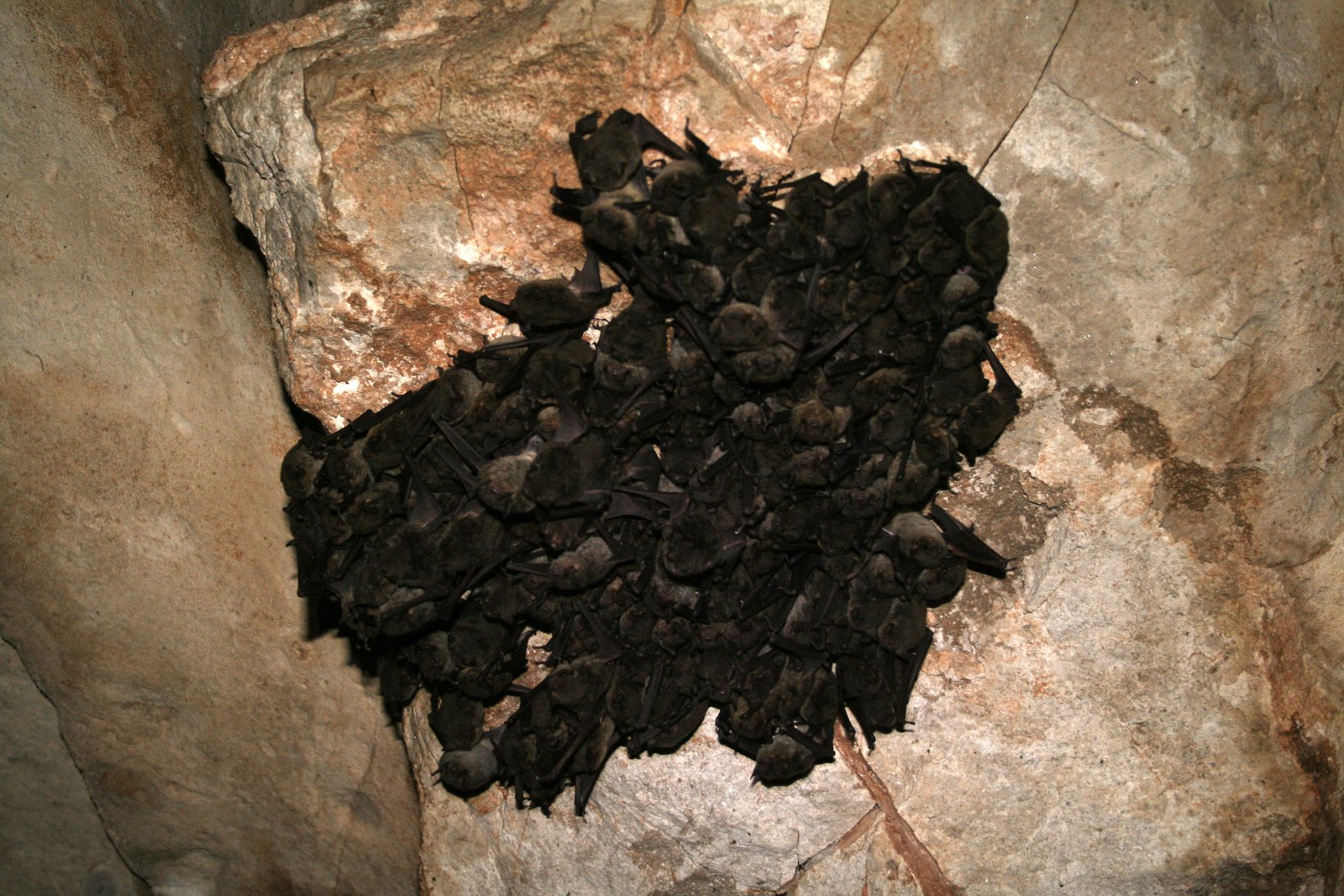
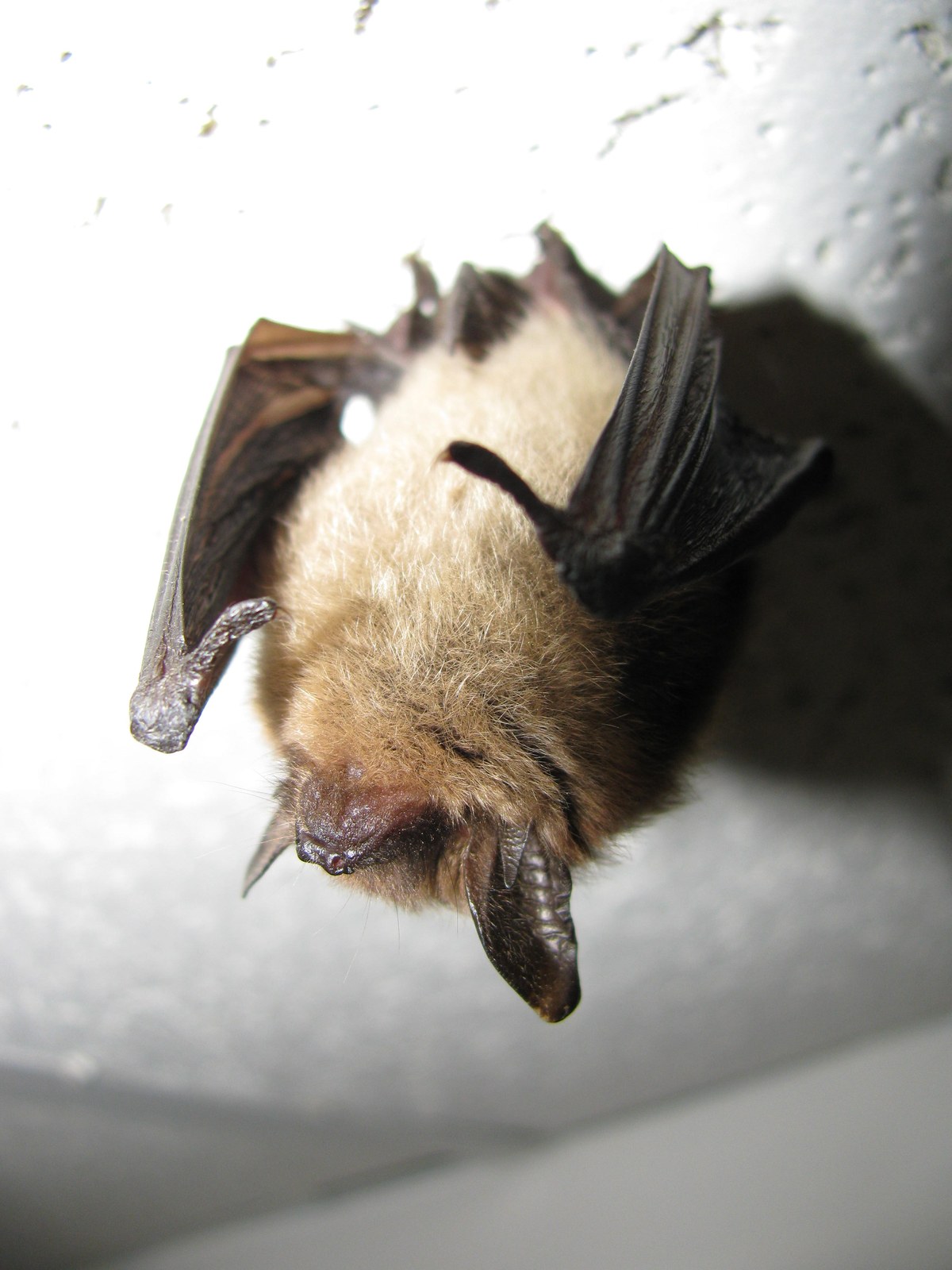
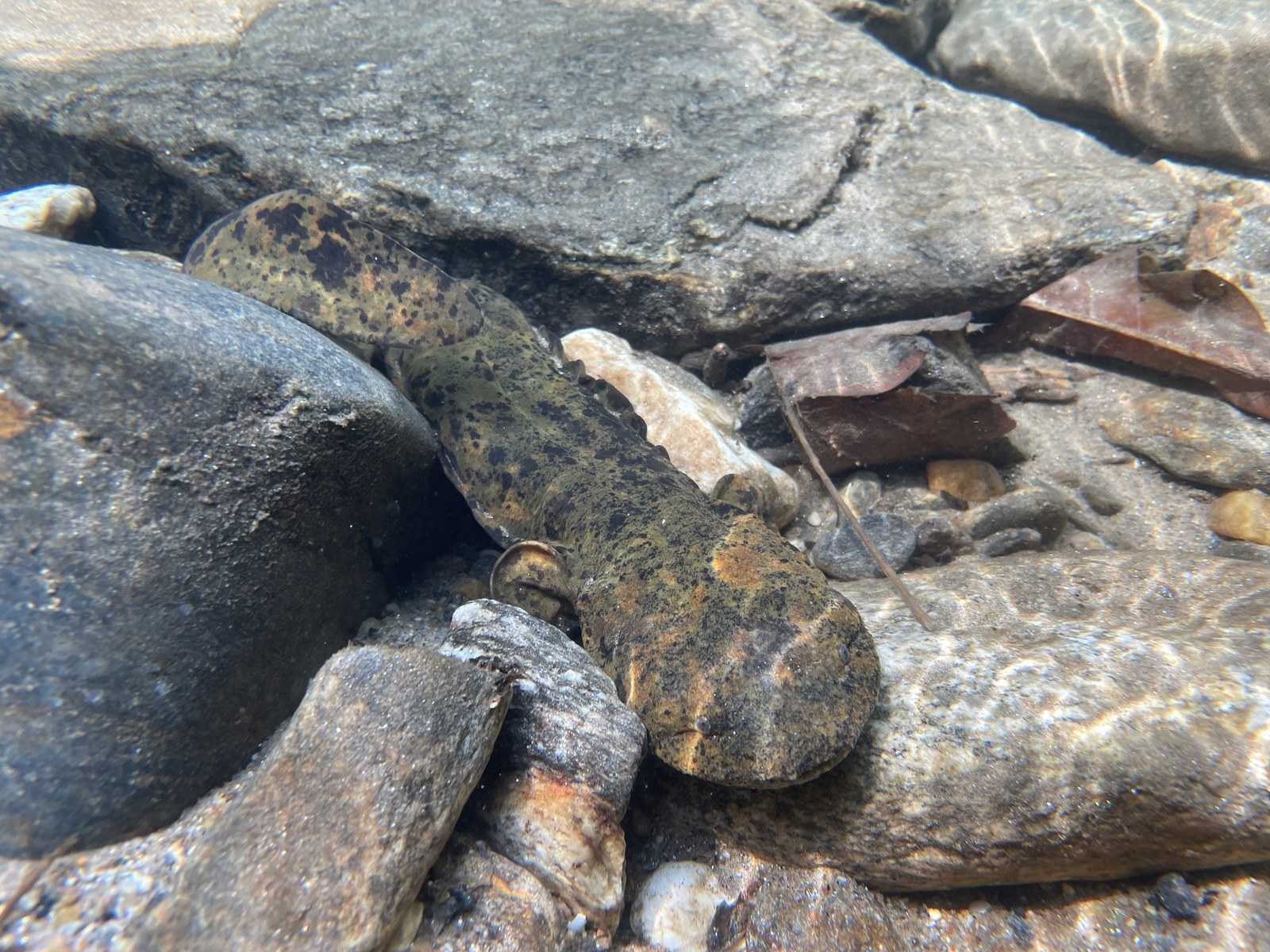
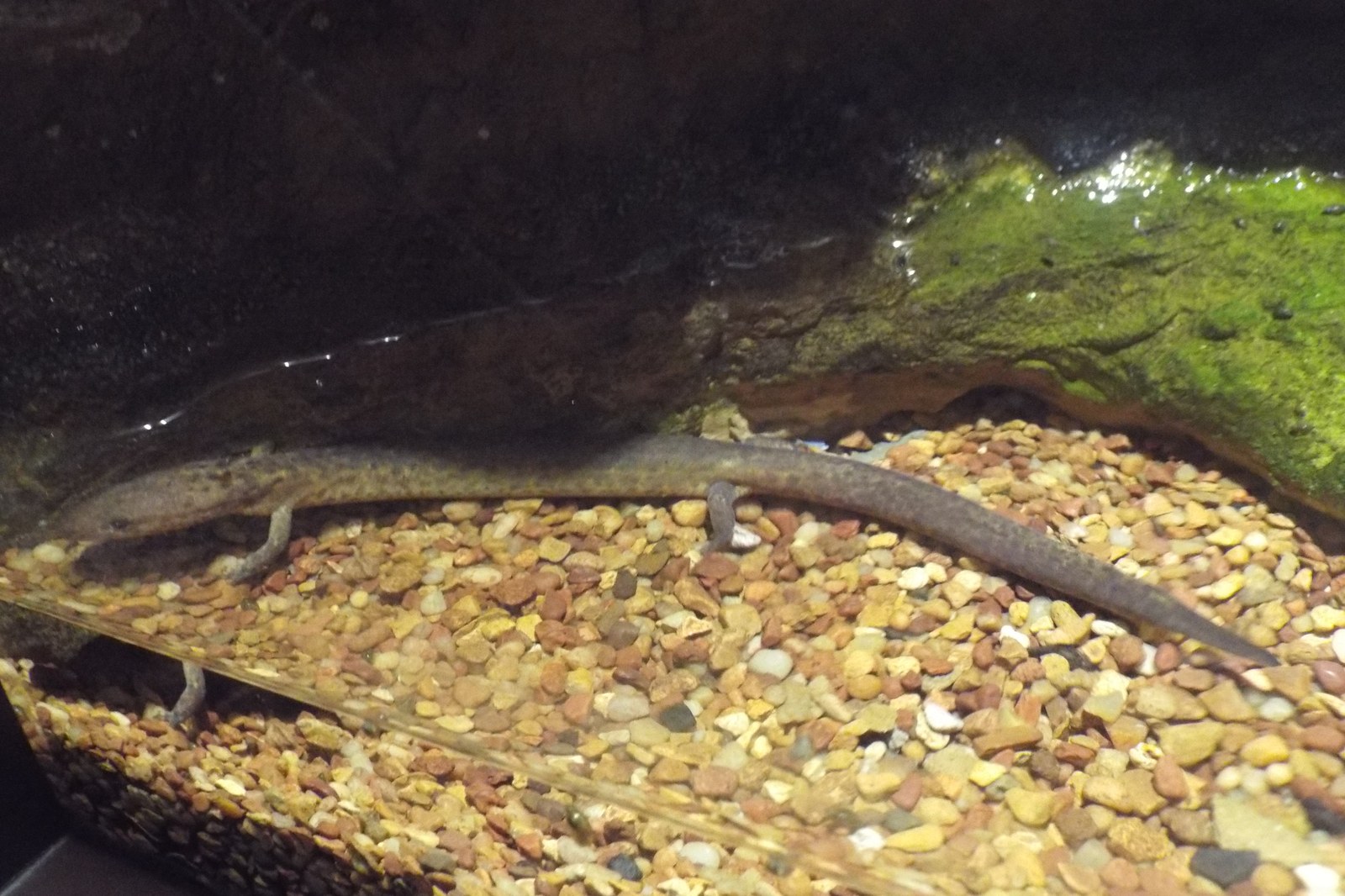
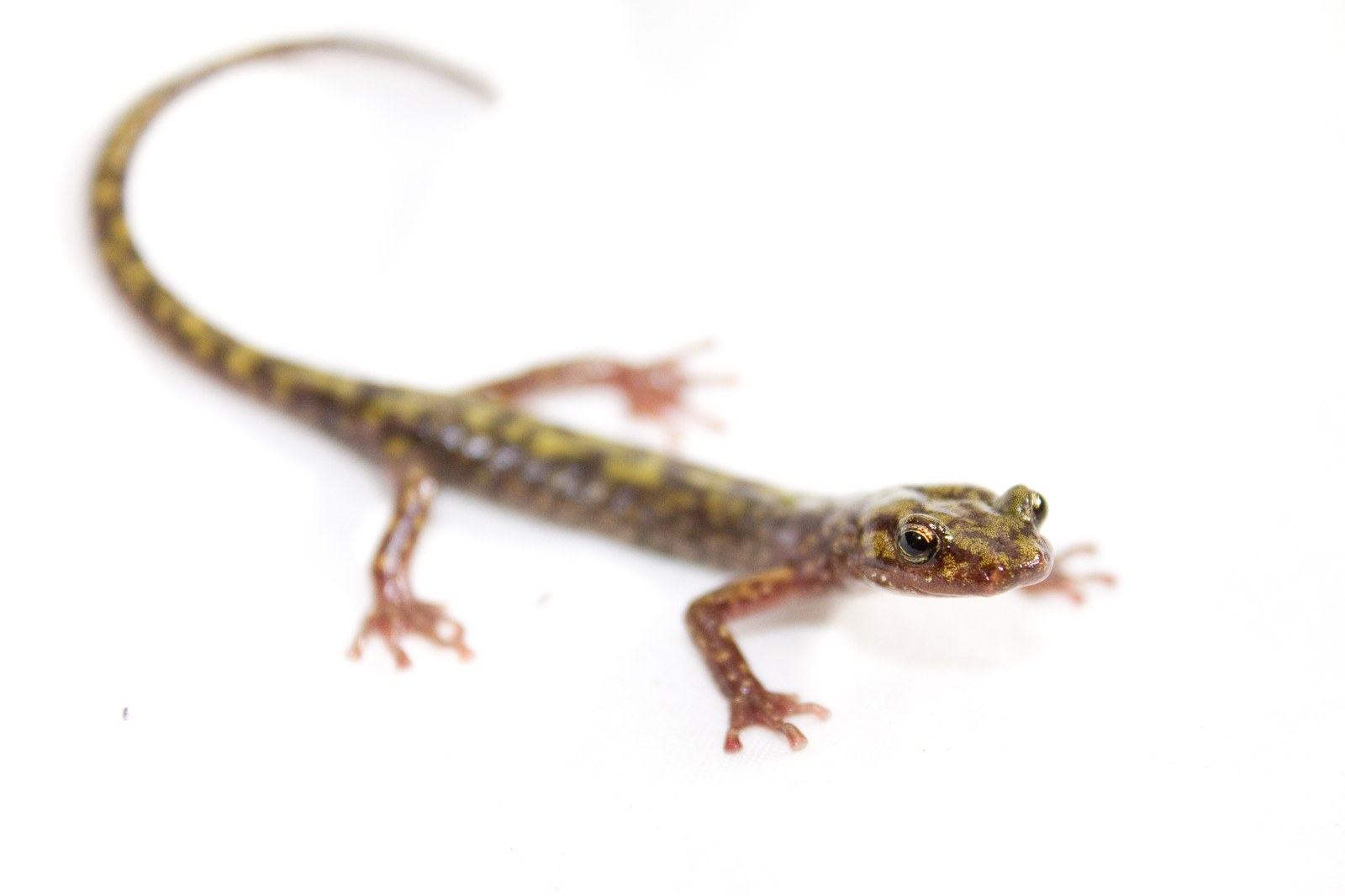
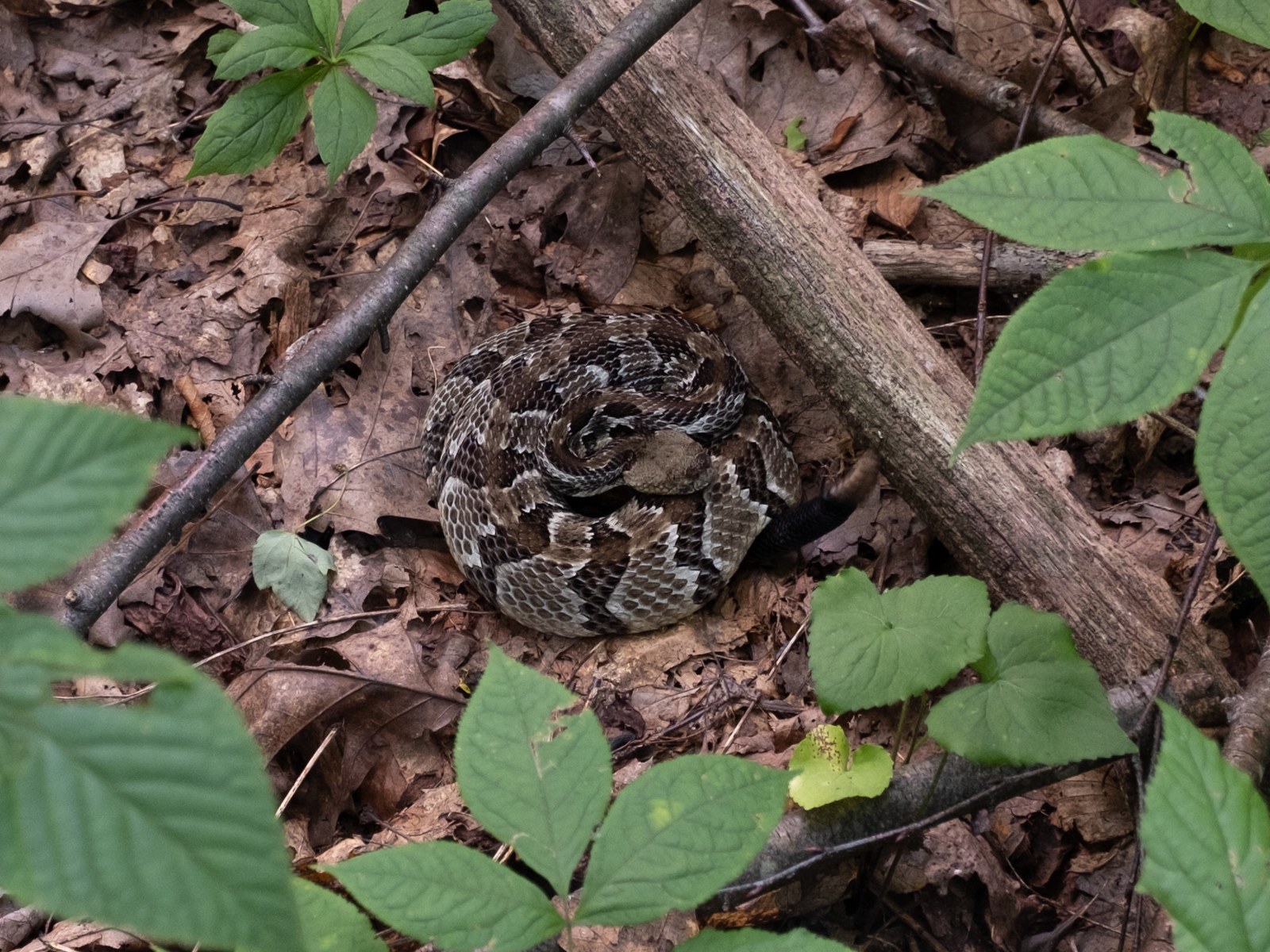
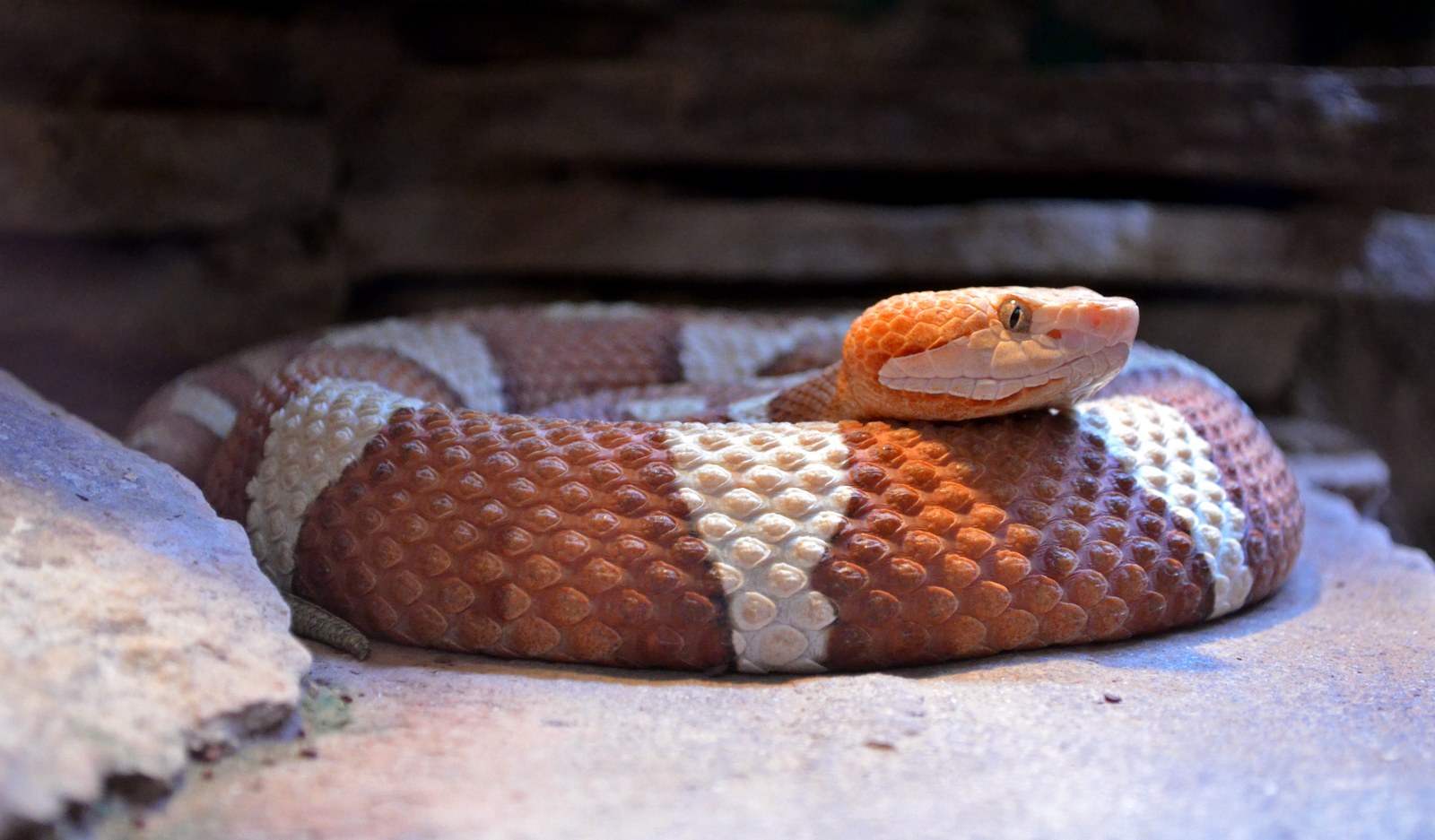
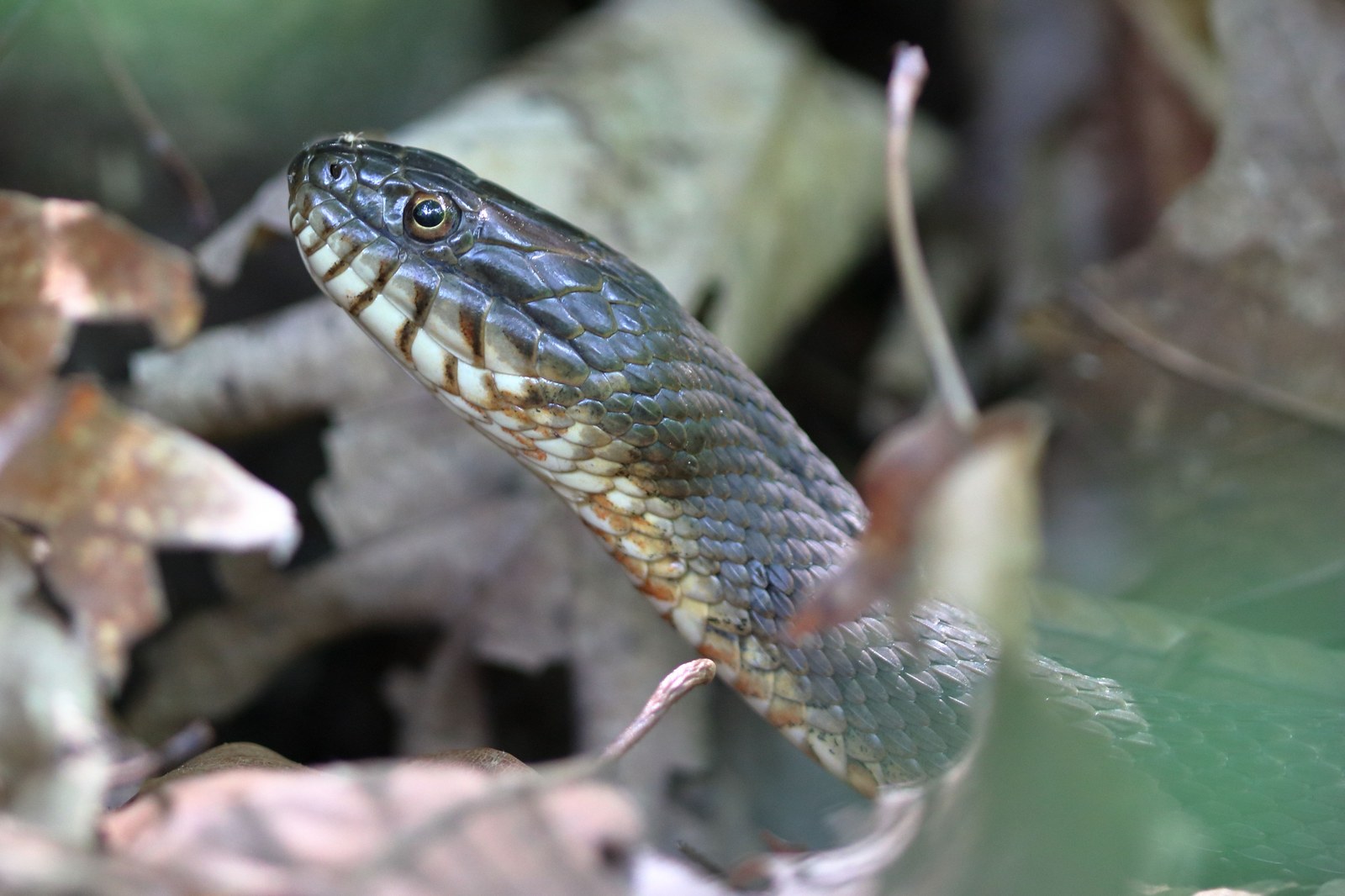
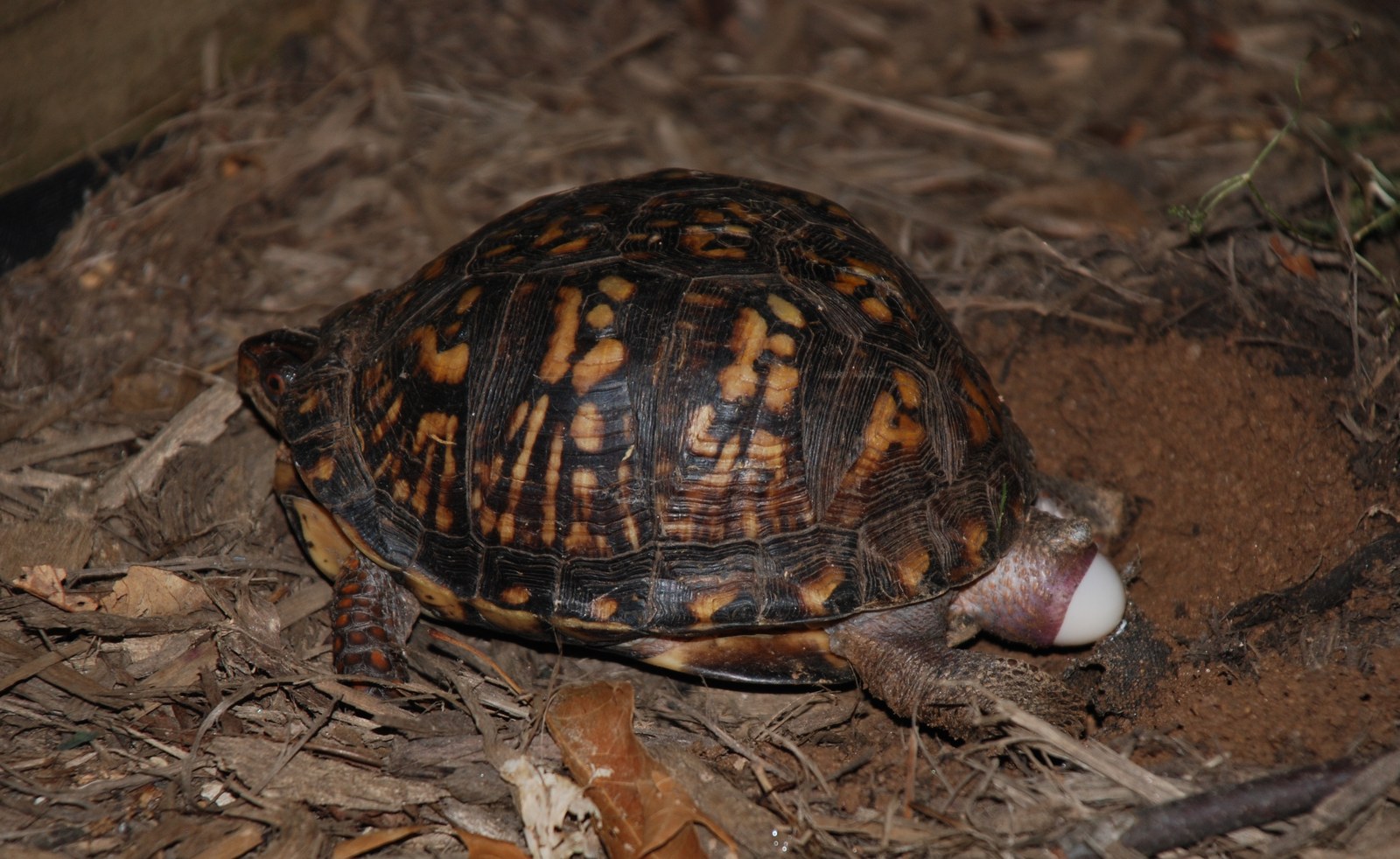
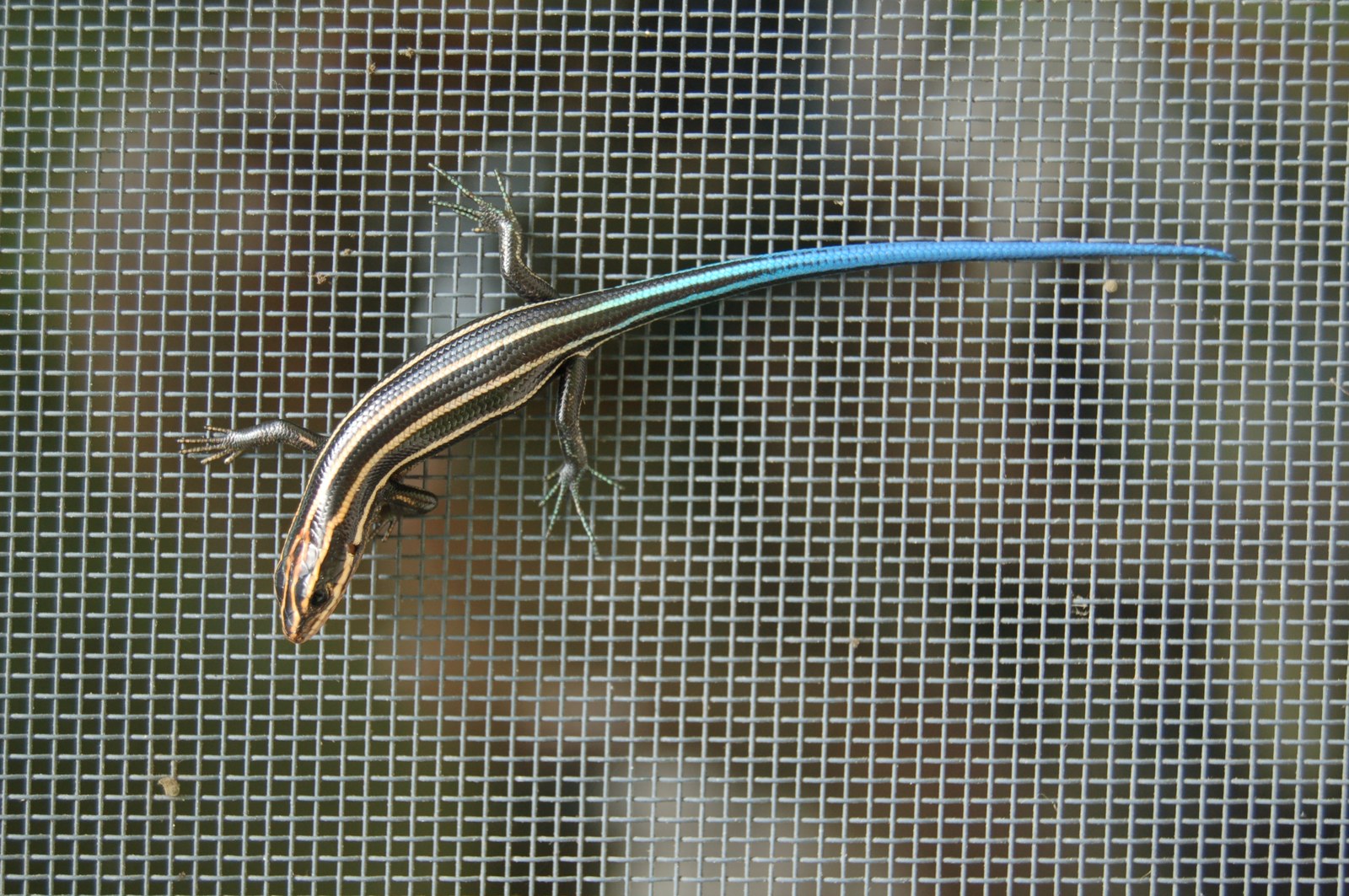
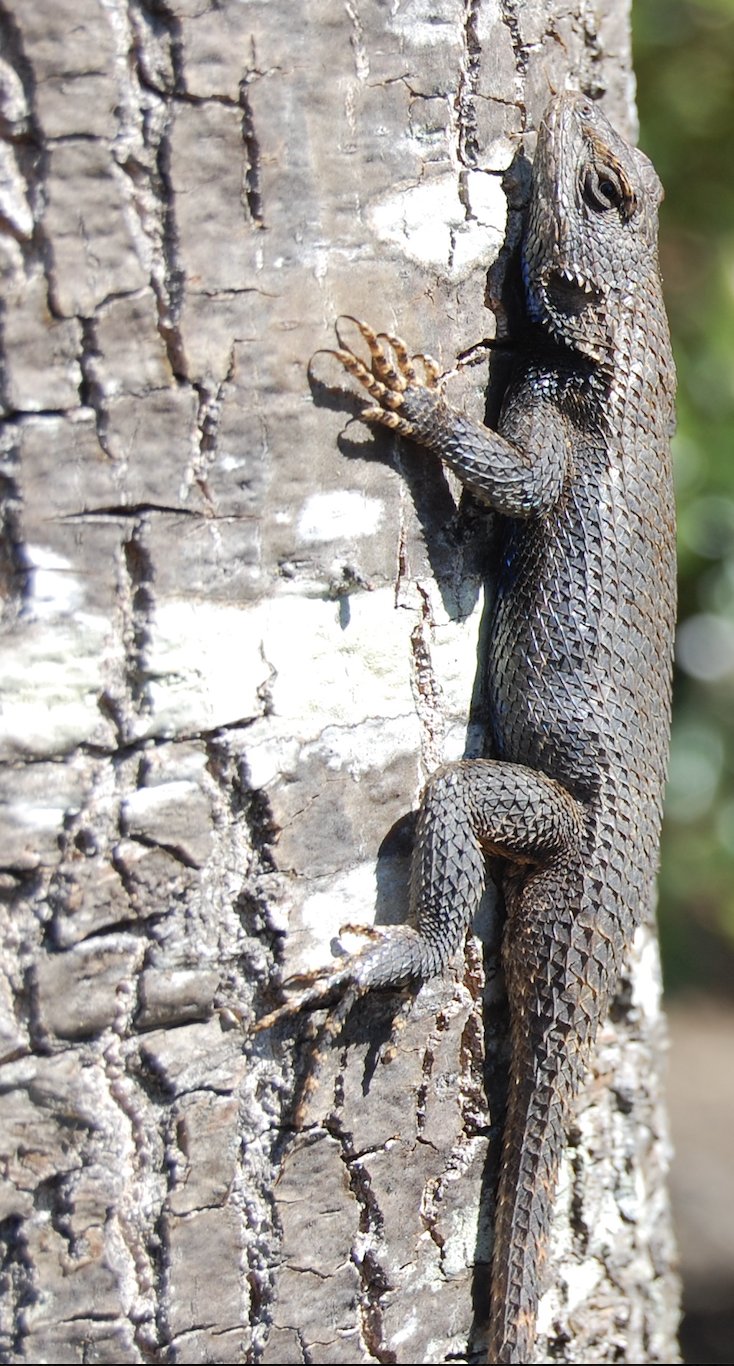
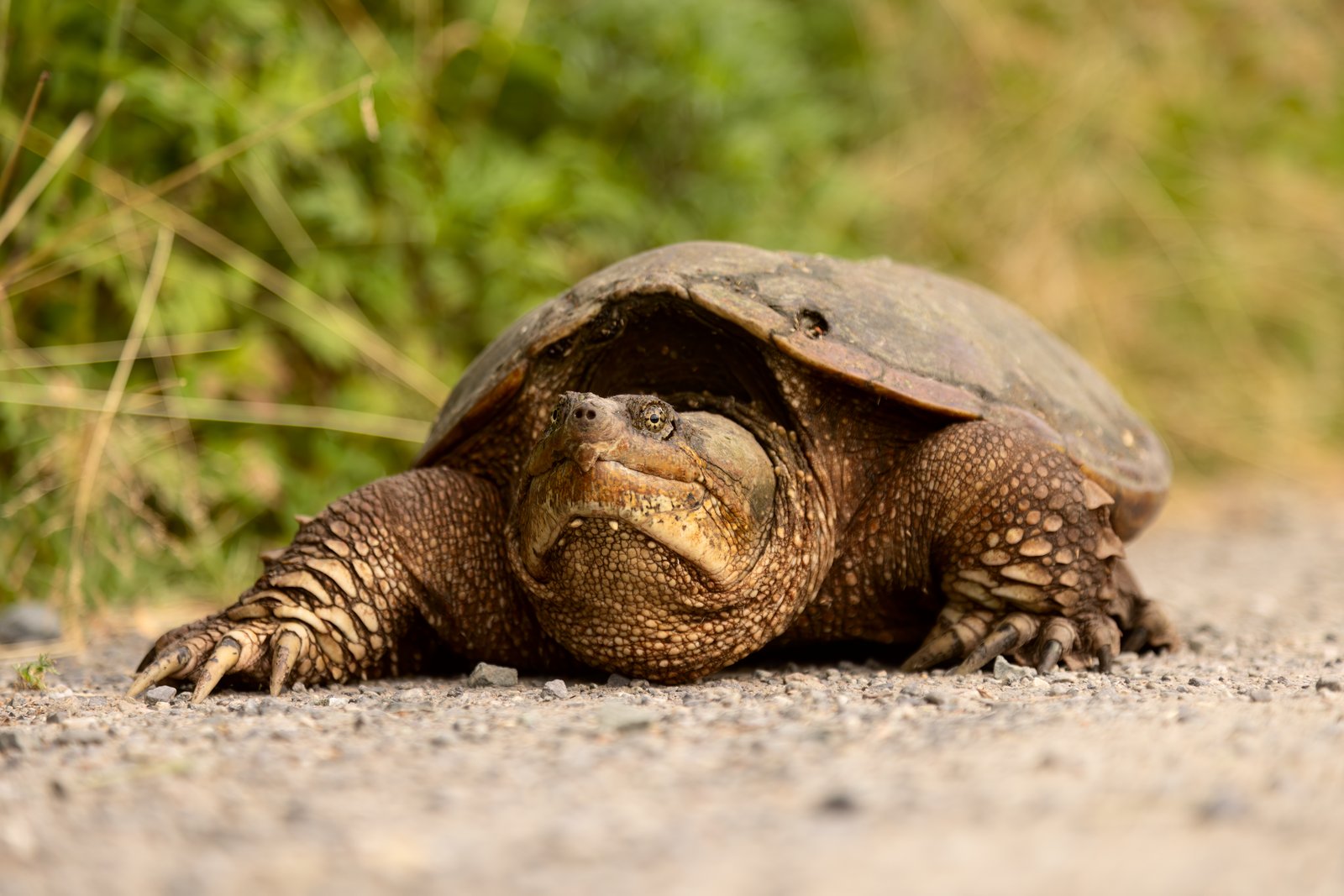
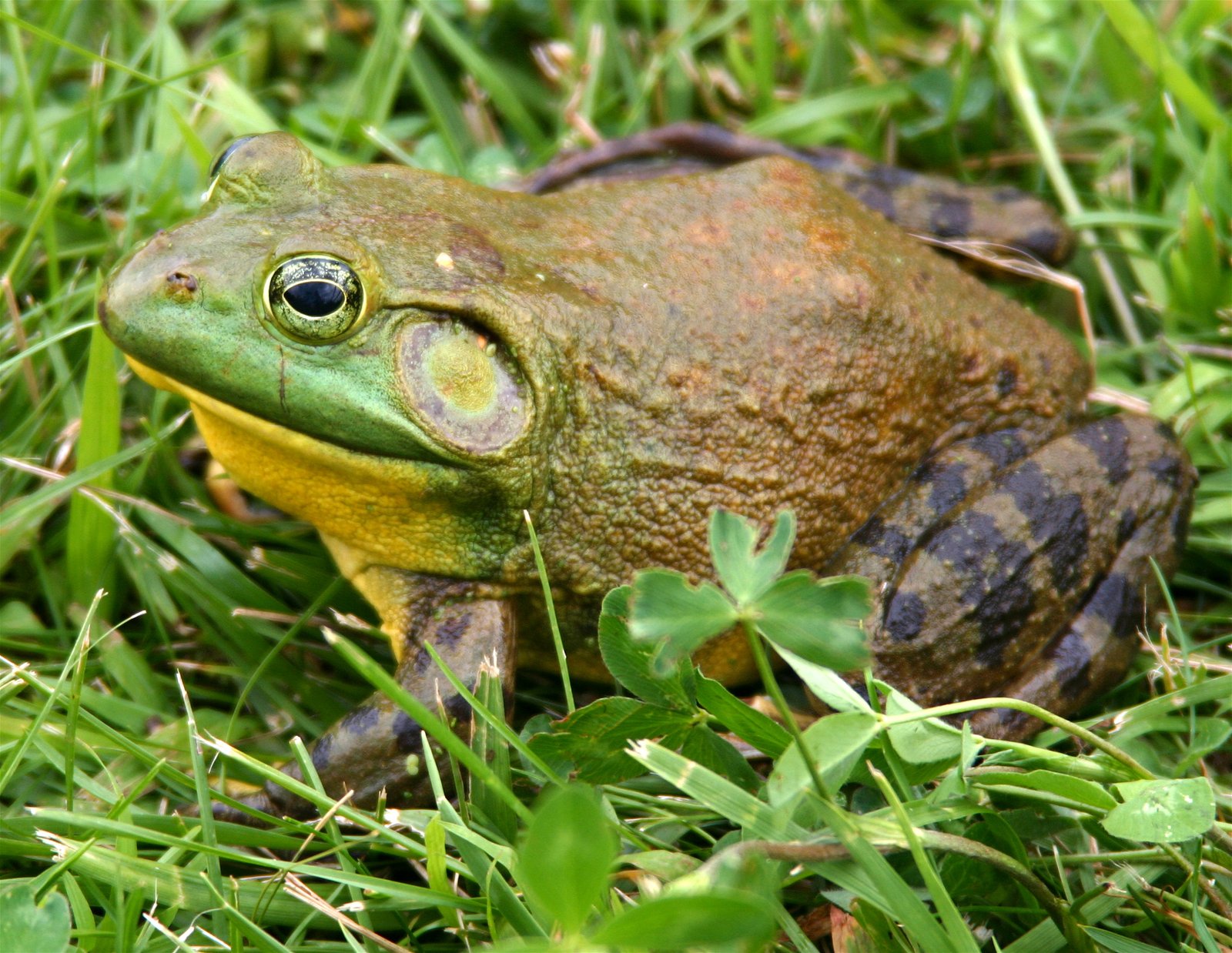
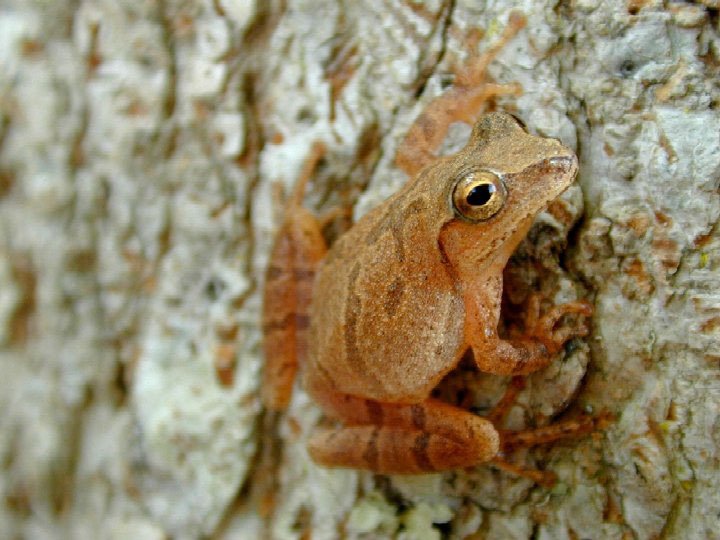
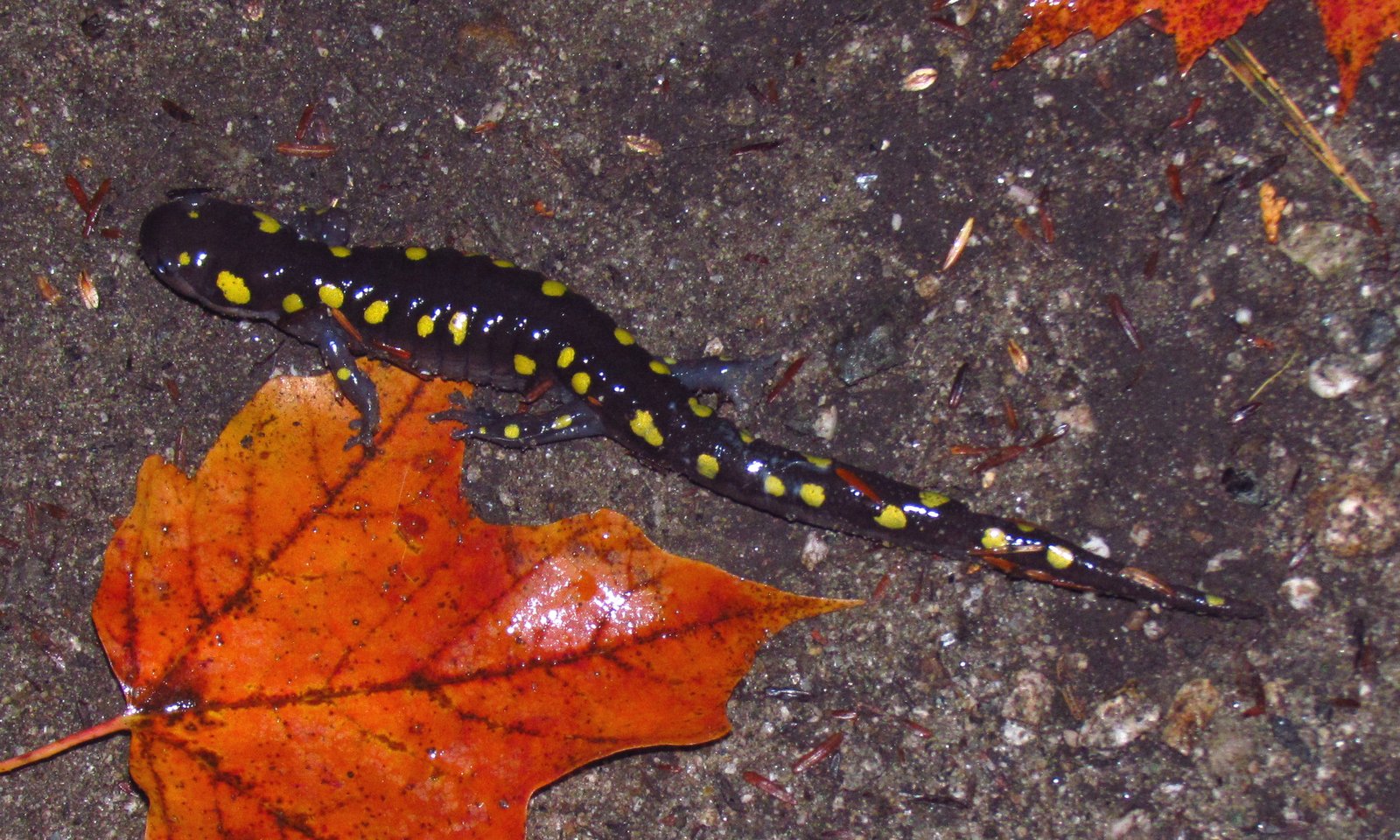
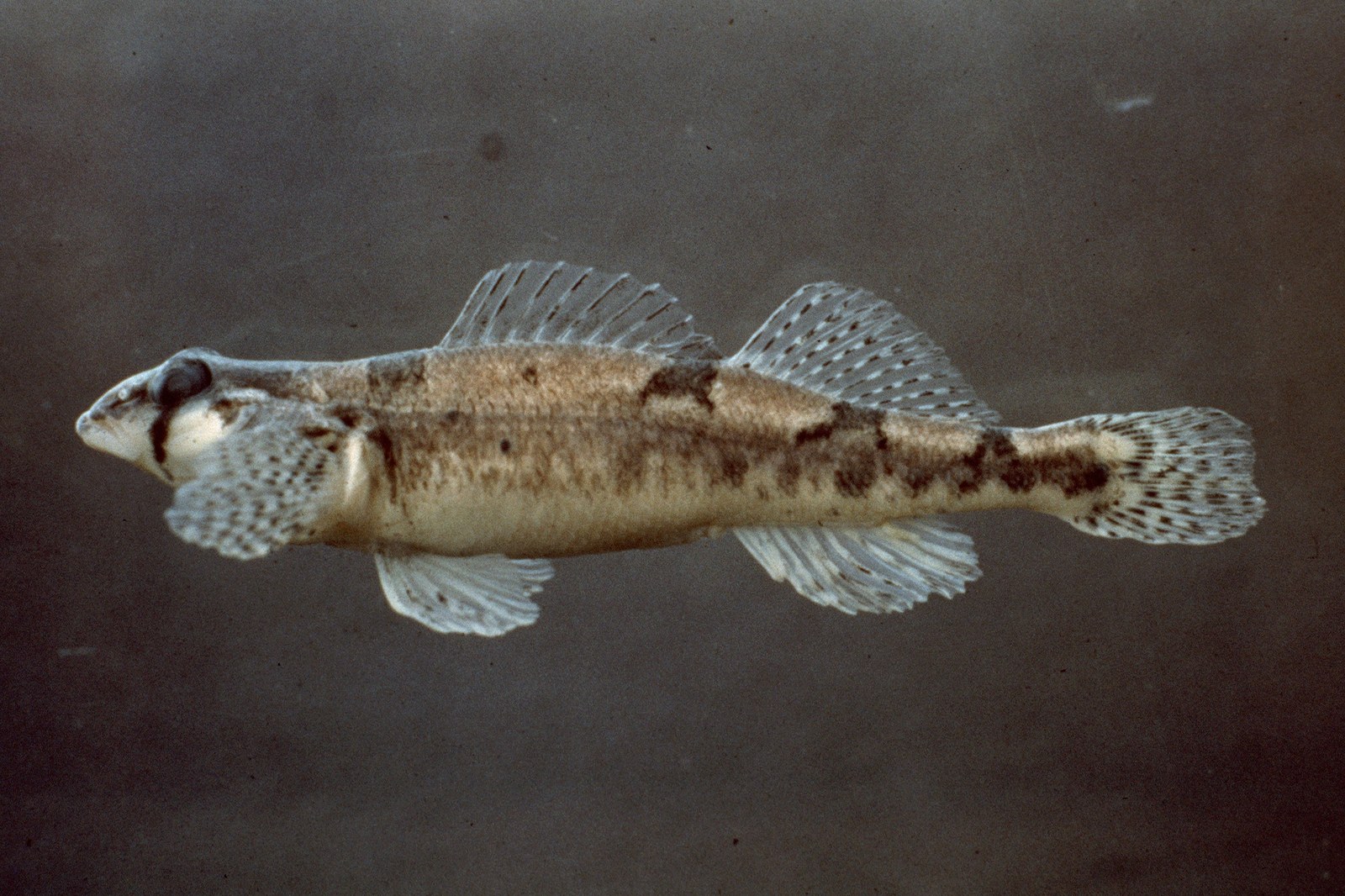
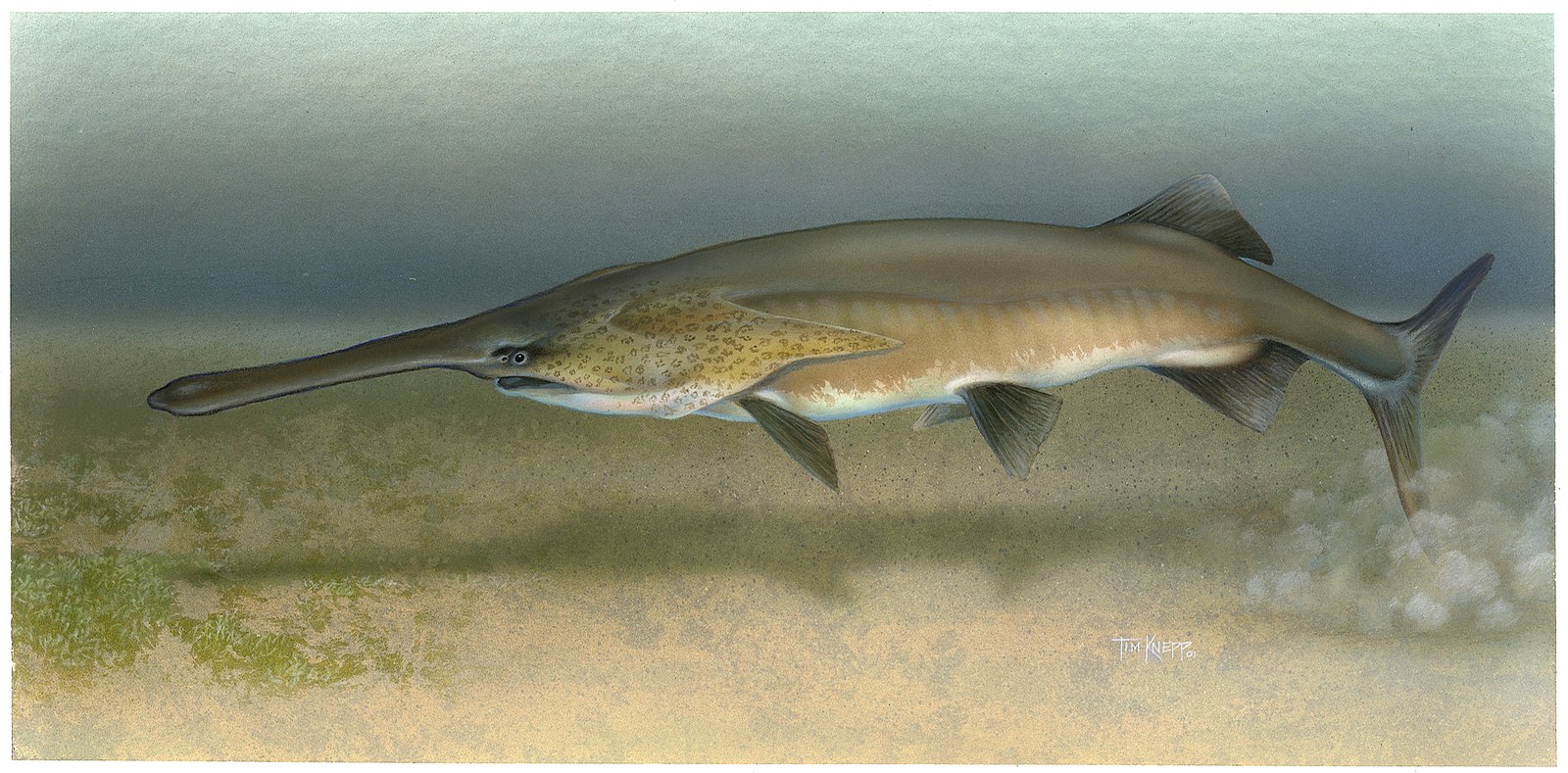
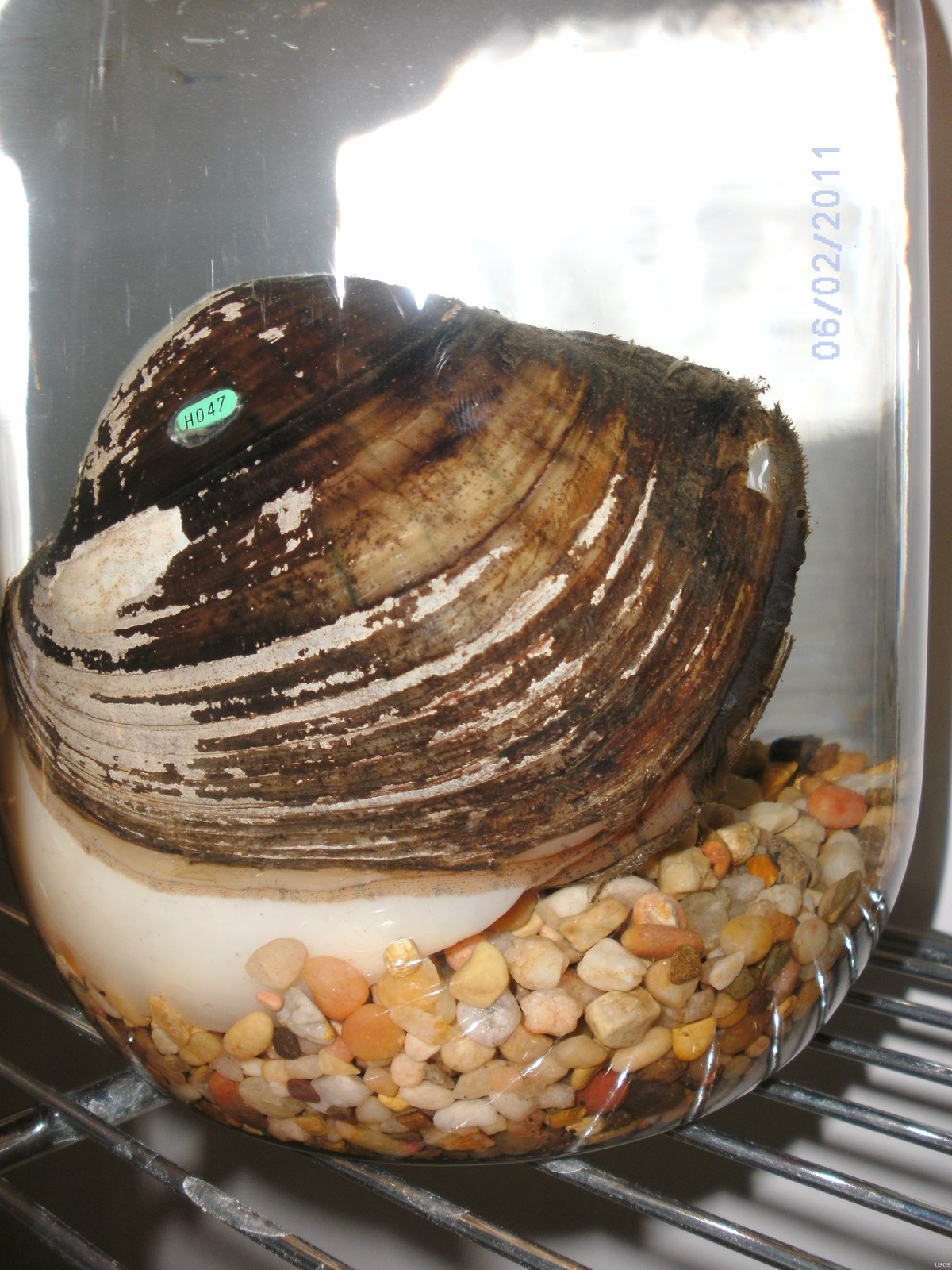
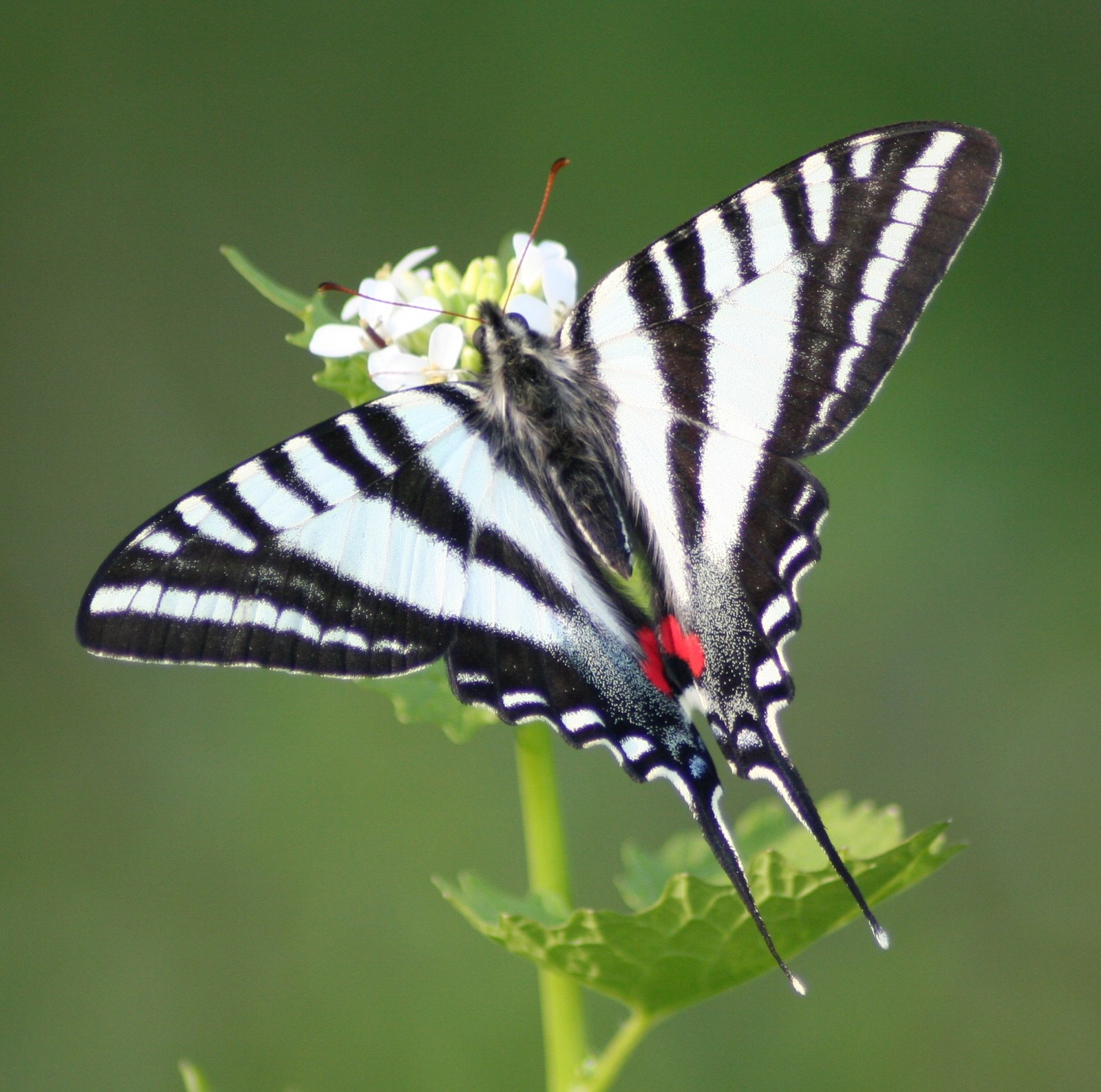
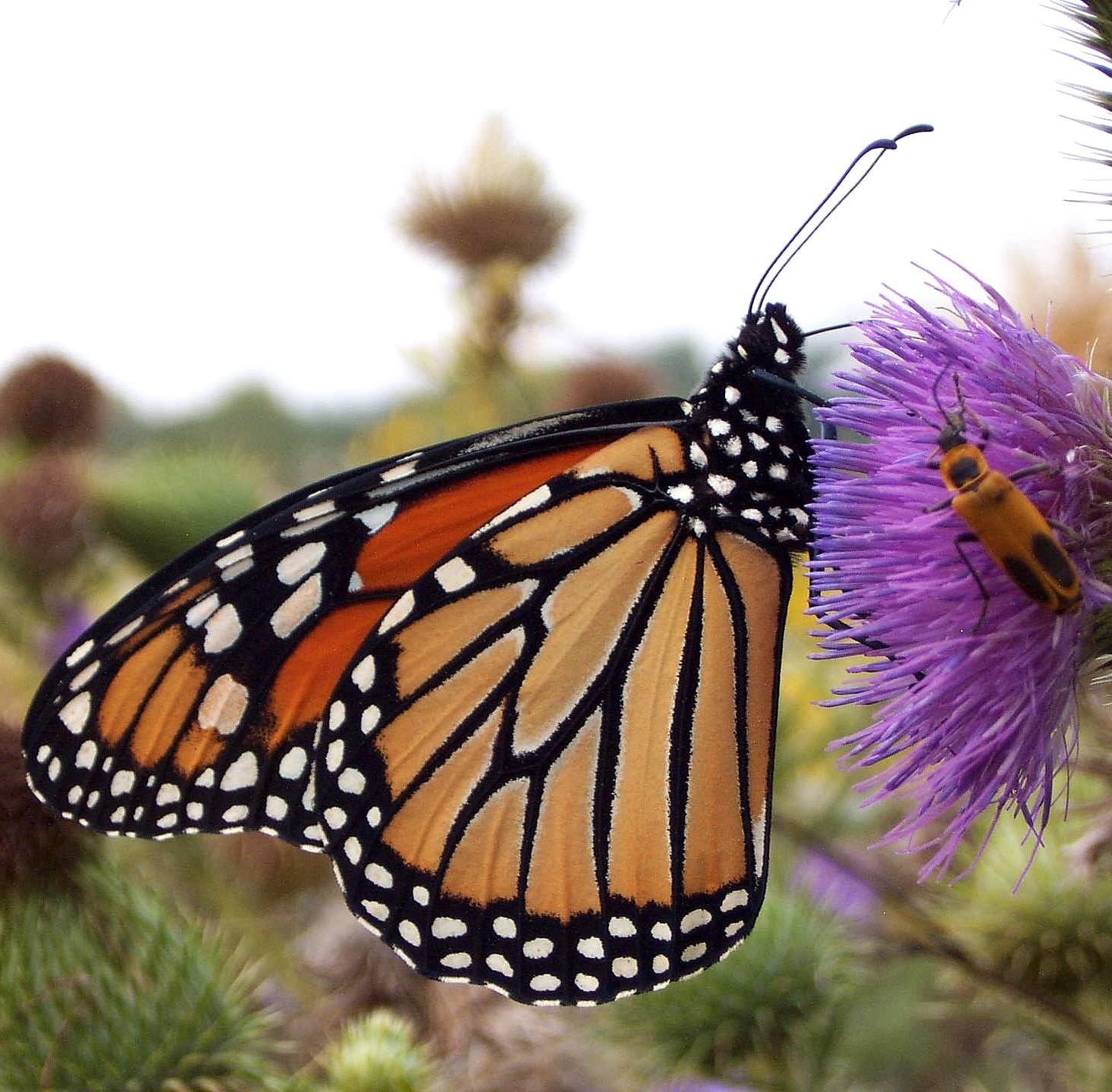
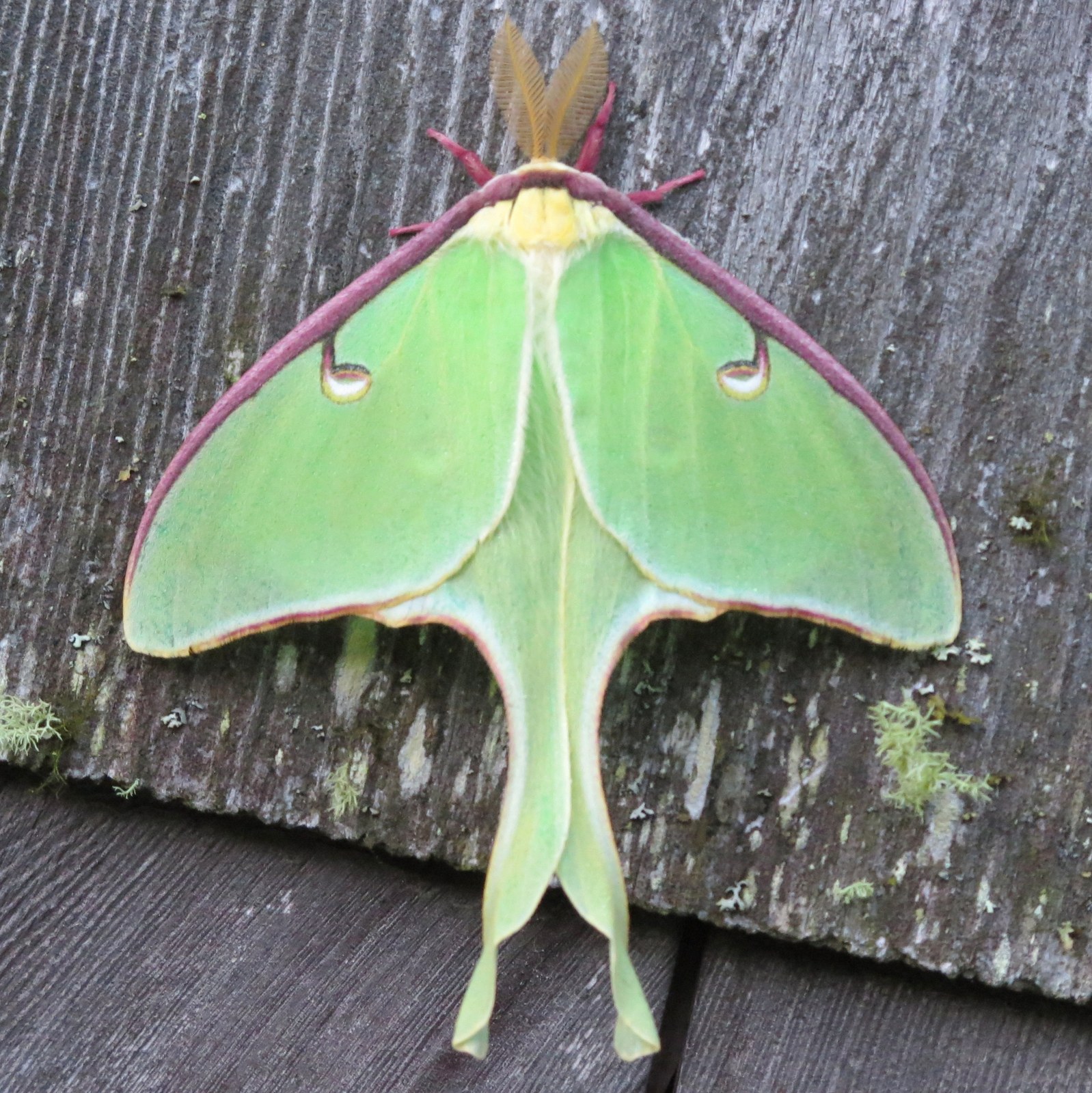
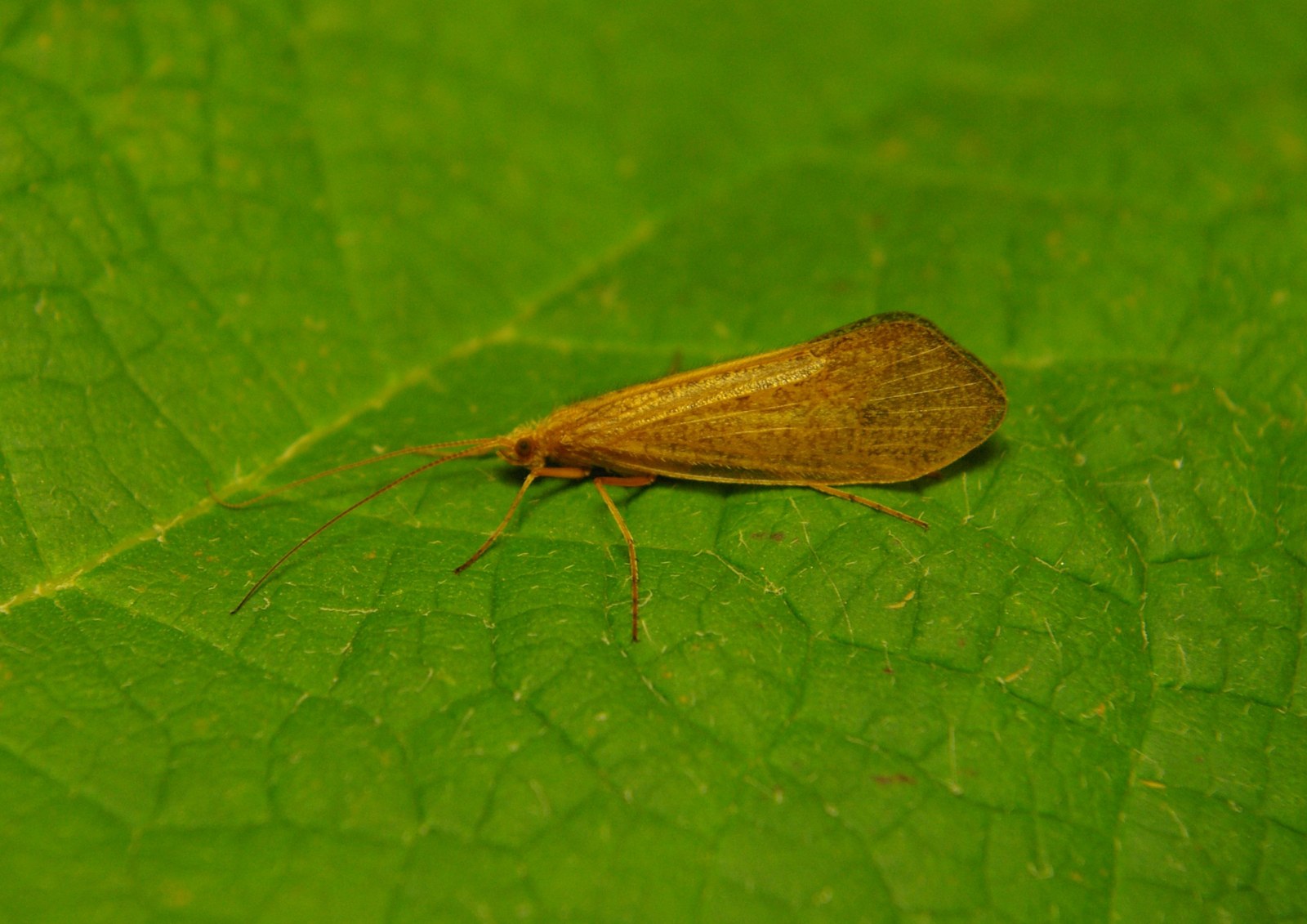
Bald eagle (Haliaeetus leucocephalus): now nesting on Nickajack Lake after 20th-century absenceCerulean warbler (Setophaga cerulea): globally declining canopy songbird of the Tennessee River GorgePileated woodpecker (Dryocopus pileatus): crow-sized woodpecker of mature forestsWood thrush (Hylocichla mustelina): declining forest songbird with a flute-like songLouisiana waterthrush (Parkesia motacilla): a streamside warbler of rocky headwater creeksWorm-eating warbler (Helmitheros vermivorum): forages in dead leaf clusters on steep wooded slopesEastern wild turkey (Meleagris gallopavo): restored to Marion County forests after near-extirpationWhite-tailed deer (Odocoileus virginianus): recovered from near-extirpation a century agoAmerican black bear (Ursus americanus): increasingly reported in the plateau forests of Marion CountyRiver otter (Lontra canadensis): reintroduced; now established on the Tennessee and Sequatchie RiversEastern cottontail (Sylvilagus floridanus): common in fields, clearings, and forest edgesEastern red bat (Lasiurus borealis): a solitary foliage-roosting bat of Marion County forestsGray bat (Myotis grisescens): federally endangered cave bat; Nickajack Cave was a historic colonyIndiana bat (Myotis sodalis): federally endangered bat that hibernates in Marion County cavesNorthern long-eared bat (Myotis septentrionalis): federally endangered, declining from white-nose syndromeEastern hellbender (Cryptobranchus alleganiensis): largest salamander in North America; proposed endangered in 2024Tennessee cave salamander (Gyrinophilus palleucus): a neotenic cave-dwelling salamander, state-listedGreen salamander (Aneides aeneus): a rock-crevice specialist of the Cumberland Plateau escarpmentTimber rattlesnake (Crotalus horridus): resident of plateau ridges and rocky talus slopesCopperhead (Agkistrodon contortrix): the most common venomous snake in Marion CountyNorthern water snake (Nerodia sipedon): a nonvenomous snake of river and lake margins, often mistaken for a cottonmouthEastern box turtle (Terrapene carolina): a long-lived terrestrial turtle of forests and meadowsFive-lined skink (Plestiodon fasciatus): a common lizard of woodland edges, juveniles with bright blue tailsEastern fence lizard (Sceloporus undulatus): a sandstone- and stone-wall sunner; males flash a bright blue throat and bellyCommon snapping turtle (Chelydra serpentina): the heavy-bodied apex turtle of every Marion pond and sloughAmerican bullfrog (Lithobates catesbeianus): the “jug-o-rum” bass voice of Marion's summer pond edgesSpring peeper (Pseudacris crucifer): a tiny treefrog whose late-winter chorus carries a quarter mileSpotted salamander (Ambystoma maculatum): the black-and-yellow mole salamander that migrates to vernal pools on the first warm rainy nights of late winterSnail darter (Percina tanasi): once believed extinct, central to the Tellico Dam controversy and now found in streams including the SequatchieLake sturgeon (Acipenser fulvescens): an ancient fish being restored to the Tennessee River systemPaddlefish (Polyodon spathula): a prehistoric filter-feeder of the Tennessee RiverFreshwater mussel: the Tennessee River watershed is a global hotspot for mussel diversity, with many species endangeredZebra swallowtail (Eurytides marcellus): caterpillars feed only on pawpawMonarch butterfly (Danaus plexippus): passes through Marion County on its annual migrationLuna moth (Actias luna): silk moth with pale green wings and long hindwing tailsSequatchie caddisfly (Glyphopsyche sequatchie): endemic to four Marion County spring-fed streams, type locality at Sequatchie Cave State Natural Area
Photo Credits & Sources
Kurz & Allison lithographs, Library of Congress
Mathew Brady photographs (Tennessee River Gorge), Library of Congress
Tennessee Valley Authority (TVA) historical photographs, TVA Archives
.jpg)
.jpg)
.jpg)







.jpg)
.jpg)
.jpg)
.jpg)
.jpg)