Last updated: June 7, 2026
- Construction: 1925 to 1926
- Opened: 1926, as the Dixie Portland Memorial School
- Dedicated: April 26 to 28, 1926
- Renamed: 1927, after Richard Hardy's death
- Construction cost: $243,000, paid by Dixie Portland Cement
- Architect: Charles E. Bearden, Chattanooga
- Consulting education advisor: Dr. Fletcher B. Dresslar, George Peabody College for Teachers
- Address: 1620 Hamilton Avenue, South Pittsburg, TN 37380
- Grades: PreK to 12
- District: Richard City Special School District (independent of Marion County Schools)
- NRHP listed: 1982
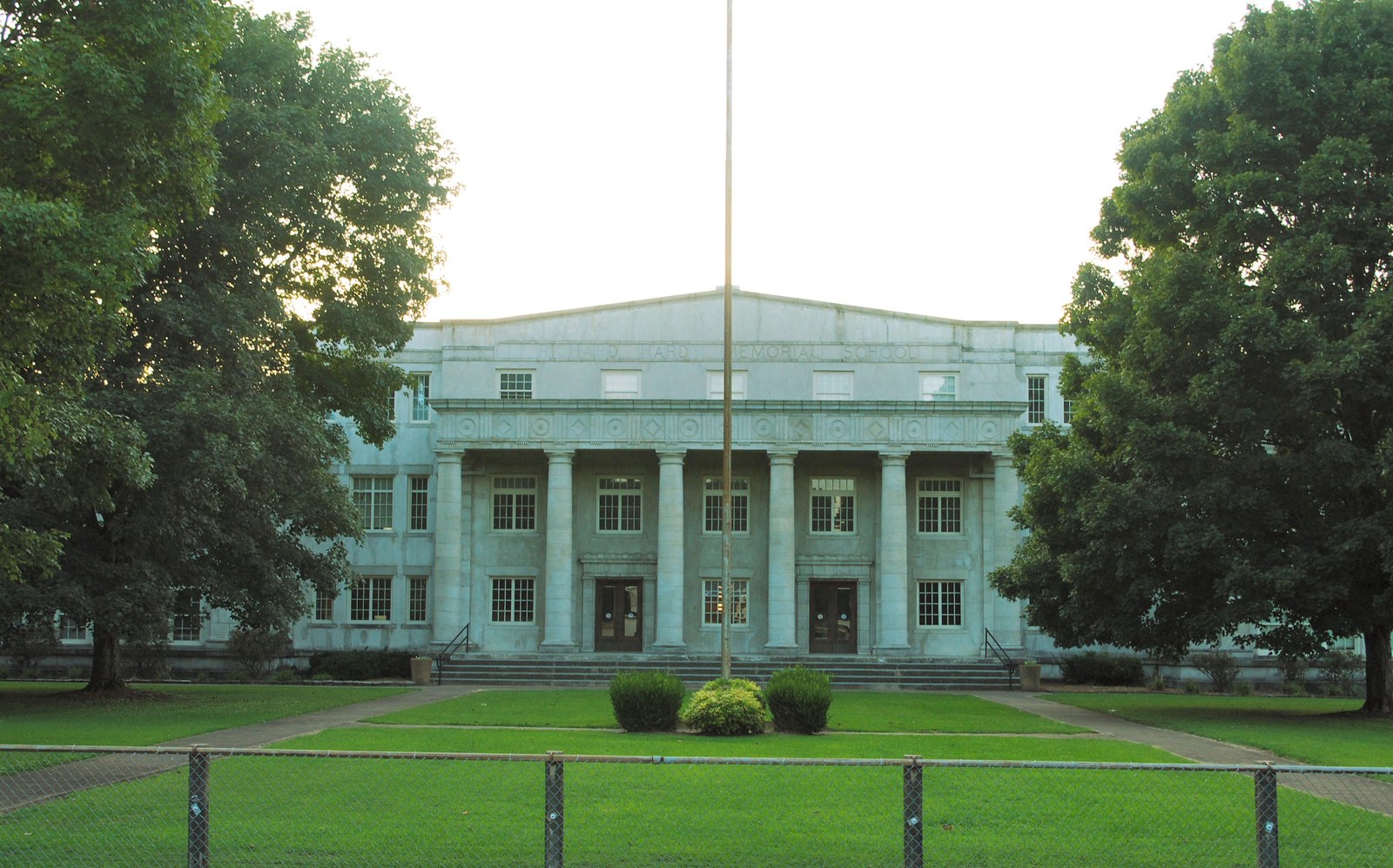
Richard Hardy Memorial School is the only school in the Richard City Special School District, a public district that operates independently from Marion County Schools. It was built in 1925 and 1926 largely from the Dixie Portland Cement Company's own product, as a memorial to company employees who served in World War I, and remains in operation today as one of a small number of Tennessee public schools to serve students from PreK through grade 12 on a single campus.
Richard Hardy's model-school idea
Per the school's own history of its namesake, Orville Richard Hardy was born in 1868 in Pentwater, Michigan, graduated from the University of Michigan in 1891, and served as Superintendent of Schools in Escanaba and then Ishpeming, Michigan. It was in those roles that he developed his idea of a “model school” that would, in his words, “make possible the development of the abilities of each individual child, thus enriching the entire community and assuring happier and more efficiently run homes.” Hardy later worked as a traveling representative for the Prang Educational Company and as a director of the New York Life Insurance Company before joining Dixie Portland Cement as president. After two decades building out the plant and company town, Hardy proposed the school as the most ambitious piece of the Richard City project, and as a formal memorial to the Dixie Portland employees who had served in the First World War.
Designing the building, 1924 to 1925
Hardy worked with Dr. Fletcher B. Dresslar, professor of schoolhouse architecture at the George Peabody College for Teachers in Nashville and a longtime consultant to the U.S. Bureau of Education, whose 1910 American Schoolhouses bulletin had set national standards for lighting, heating, ventilation, flooring, drinking water, toilets, cloakrooms, and assembly halls in public schools. Dresslar's advocacy of beauty in school architecture, alongside his technical standards, shaped the plan.
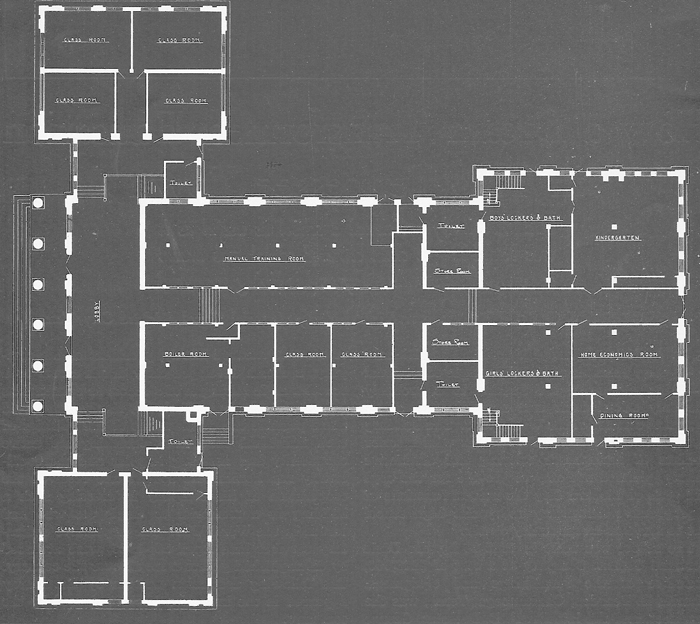
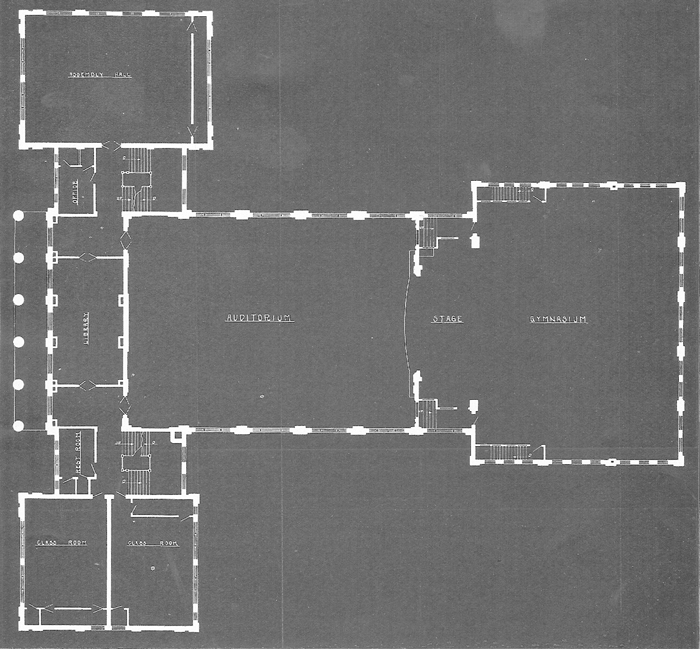
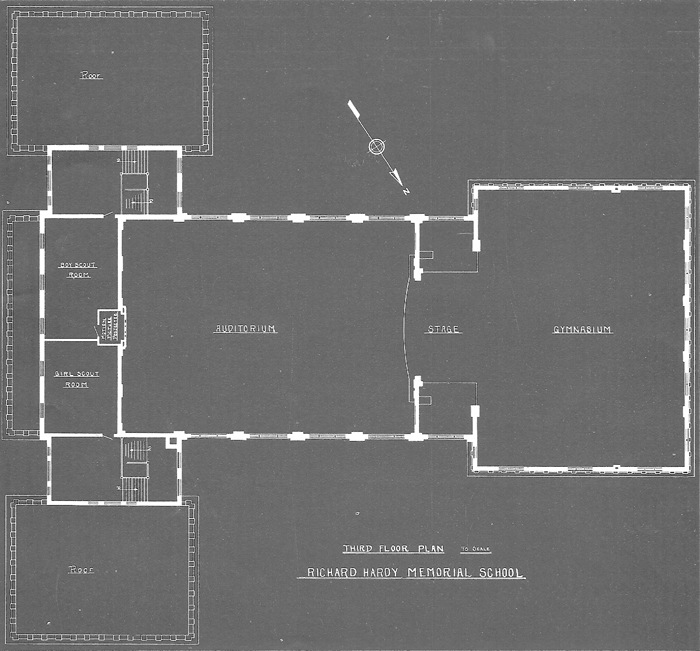
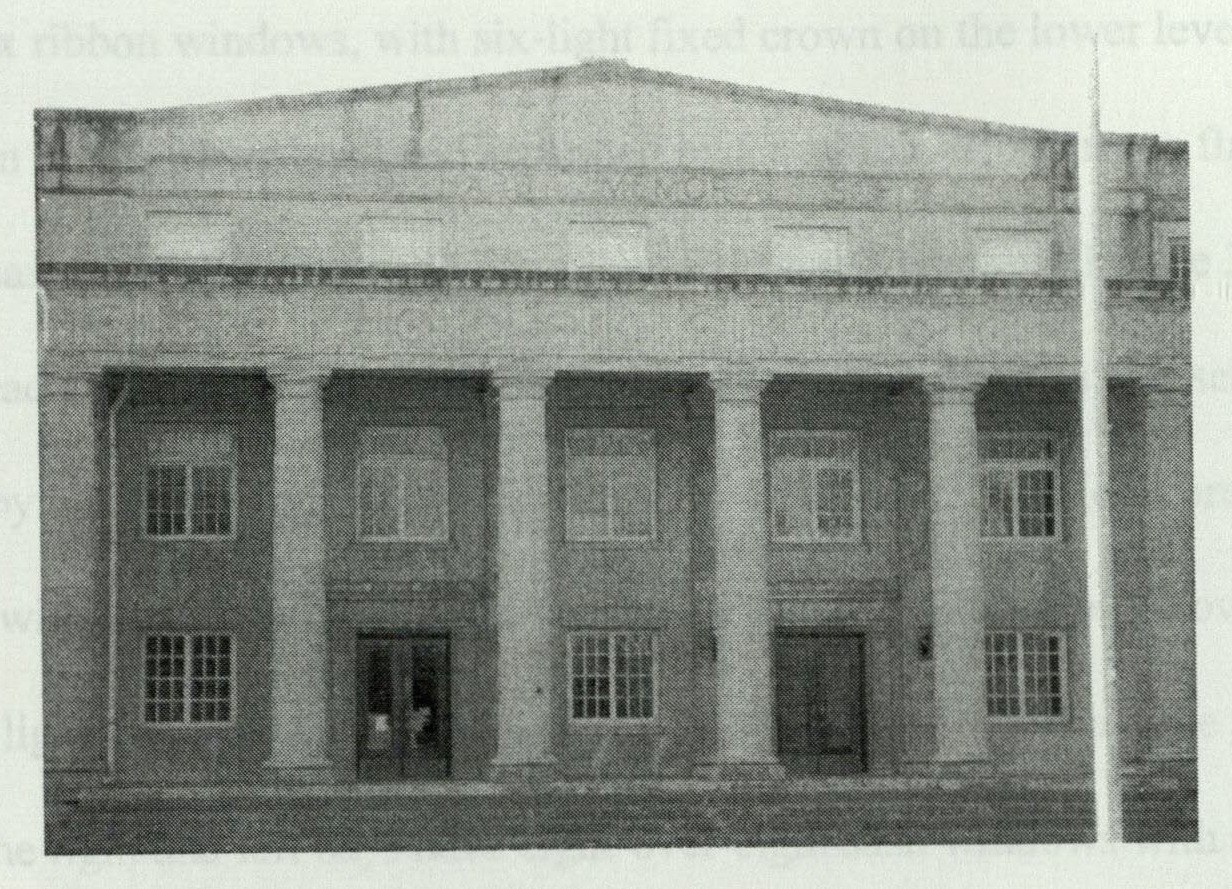
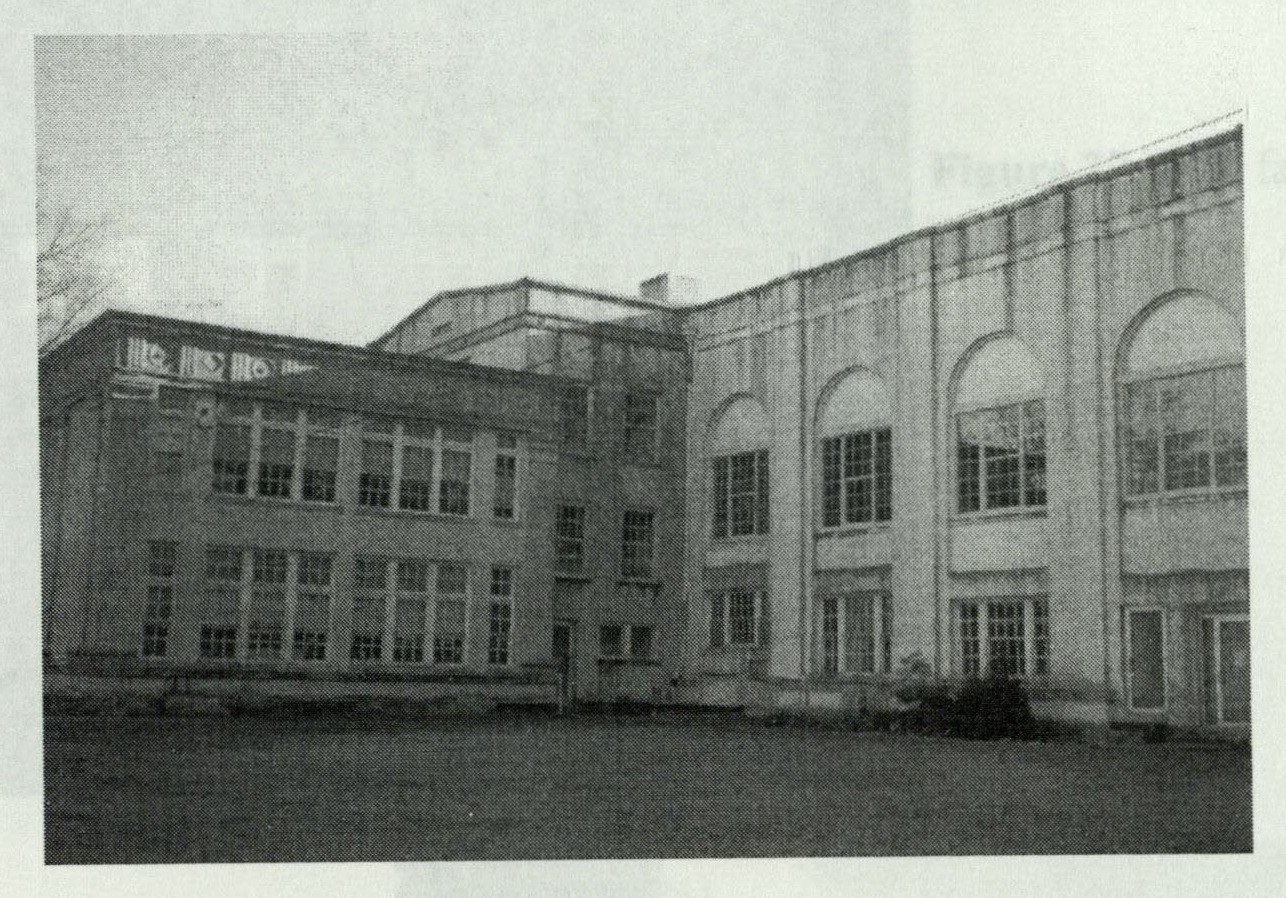
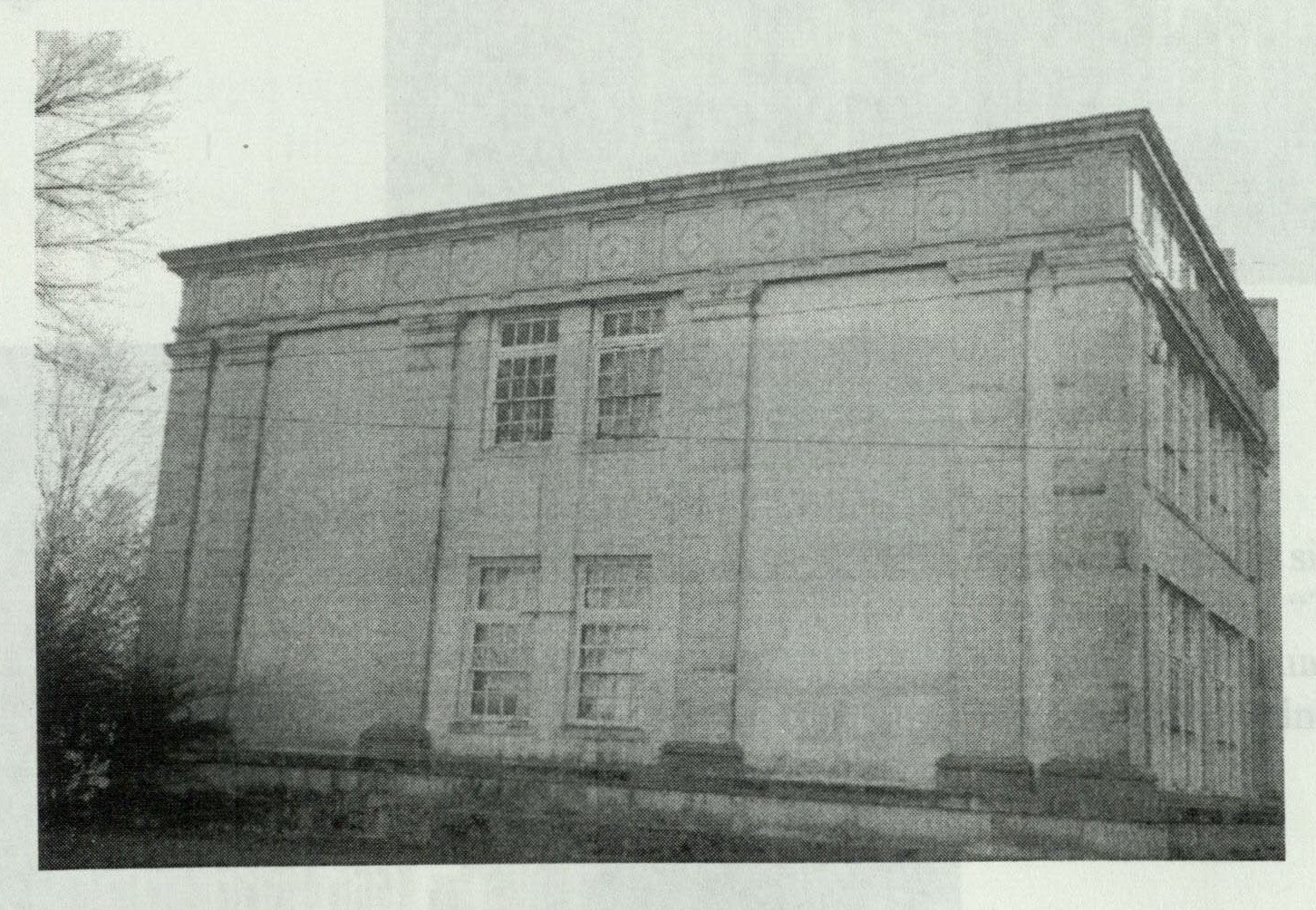
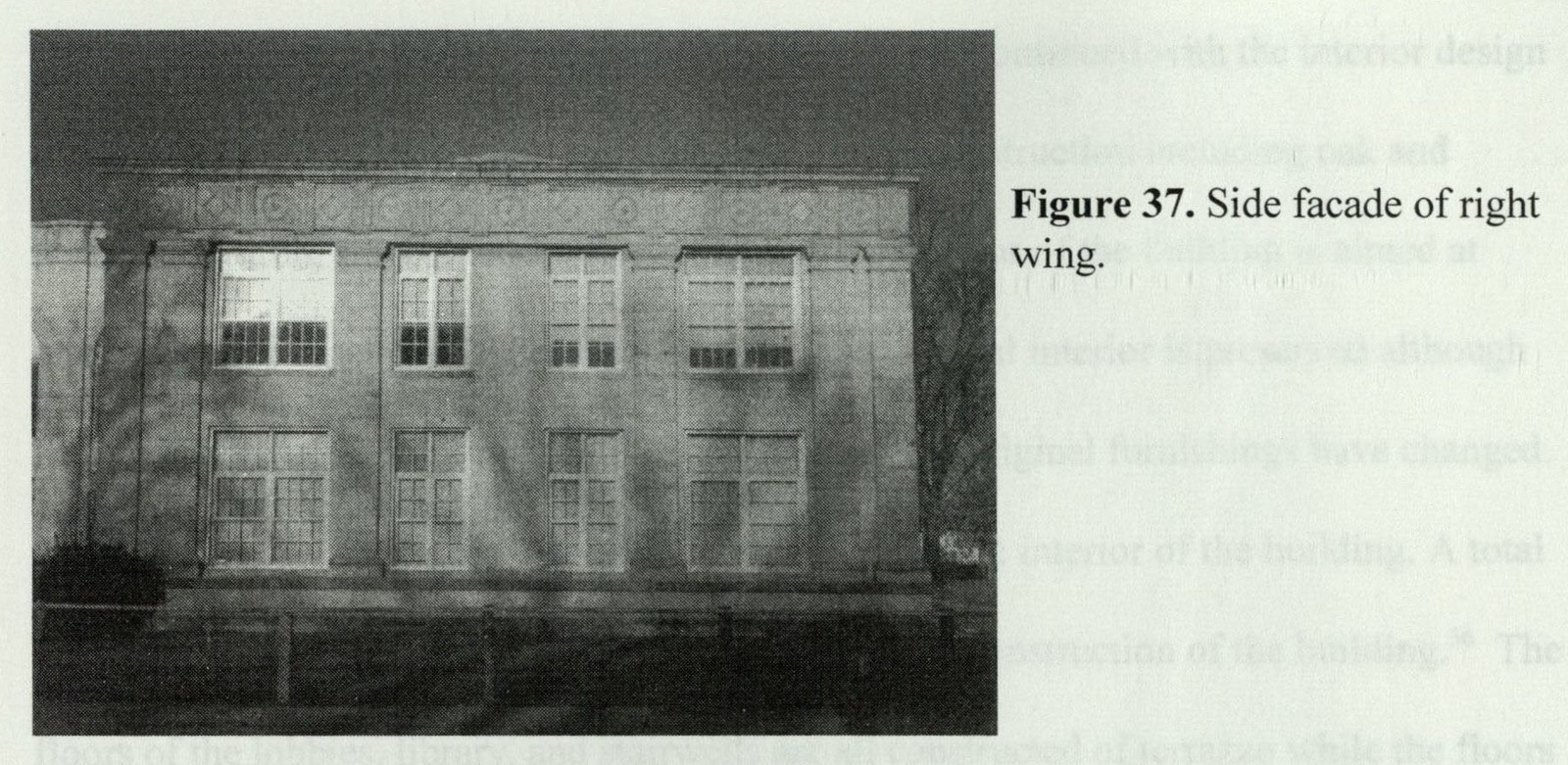
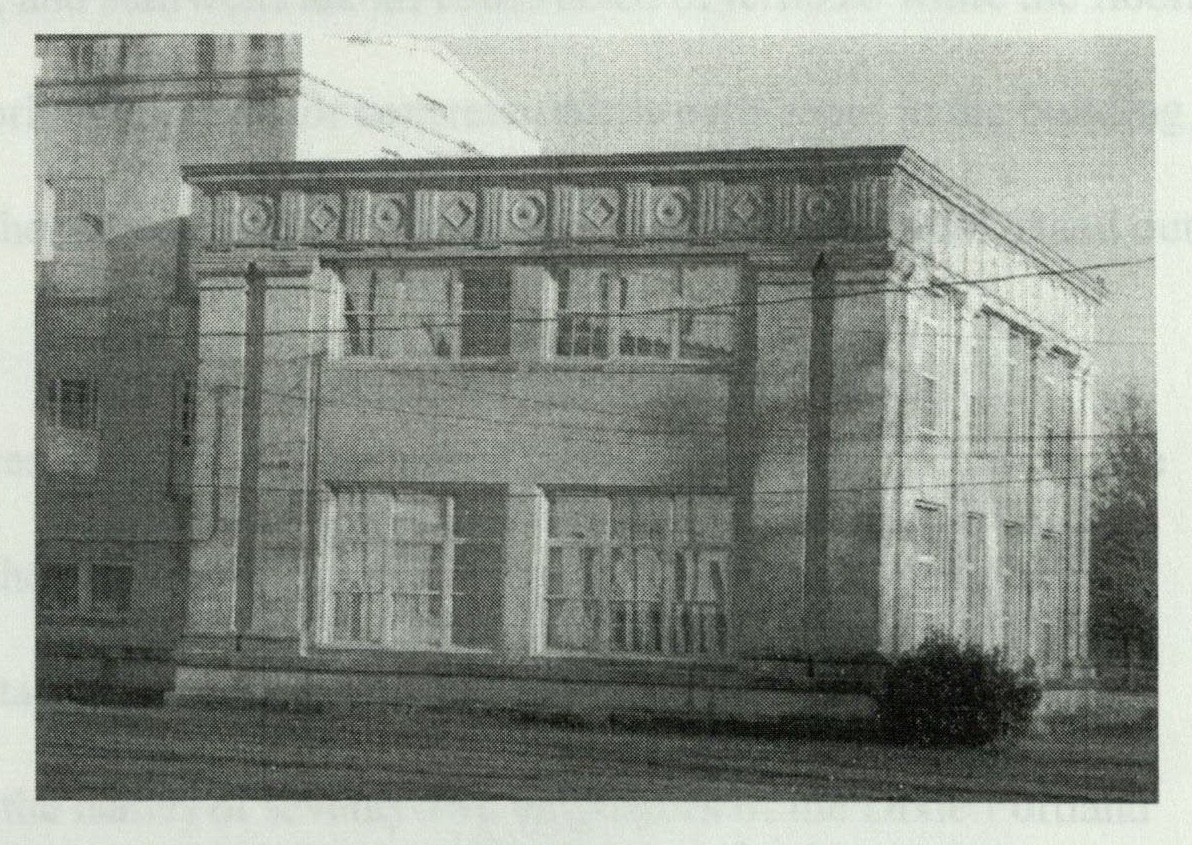
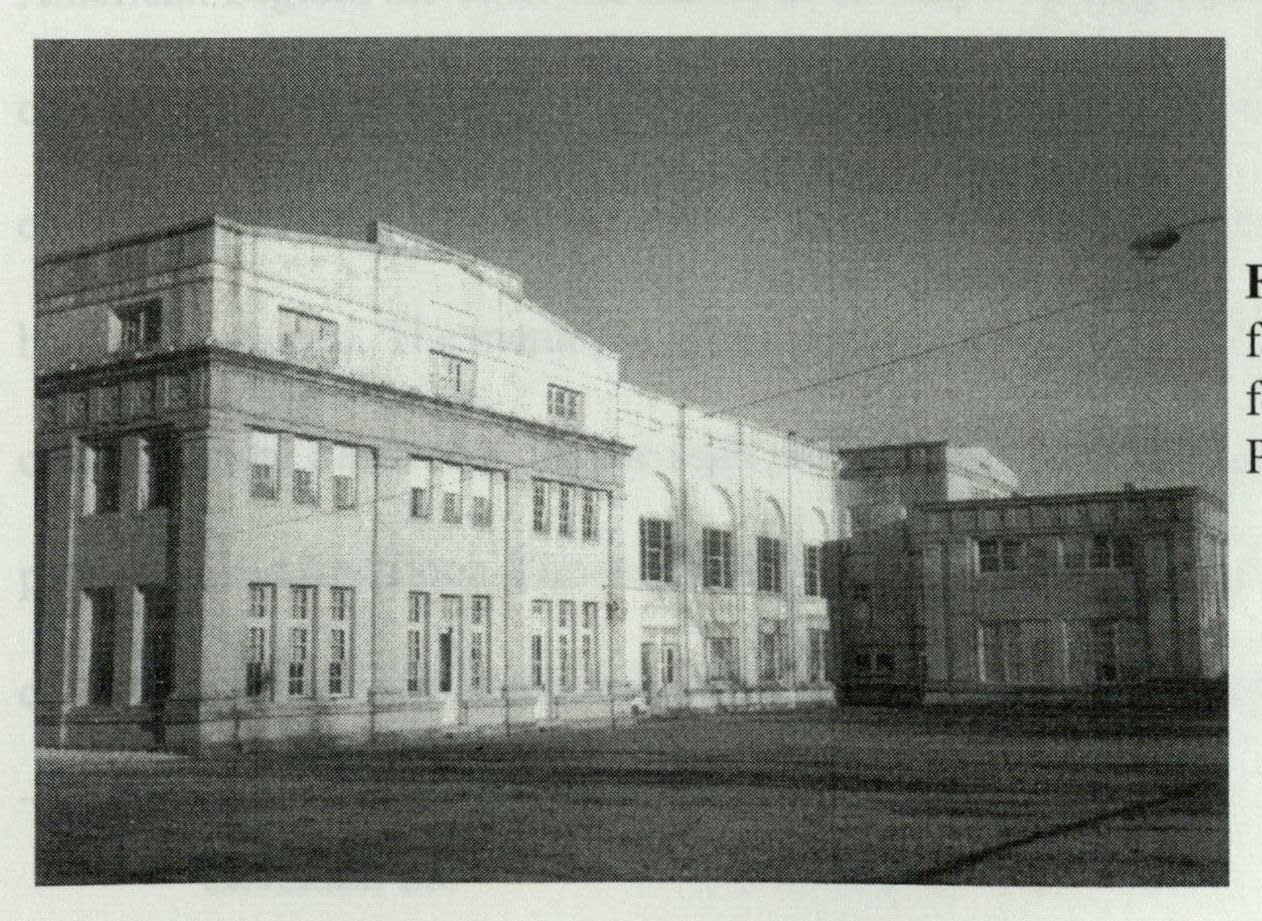
The architect was Charles E. Bearden of Chattanooga. Bearden chose a Classical Revival design, as classified in the school's 1982 National Register nomination, featuring a six-column Doric portico, a T-shaped plan, a three-story central section, and two-story wings. Construction took almost two years.
Construction and dedication, 1925 to 1926
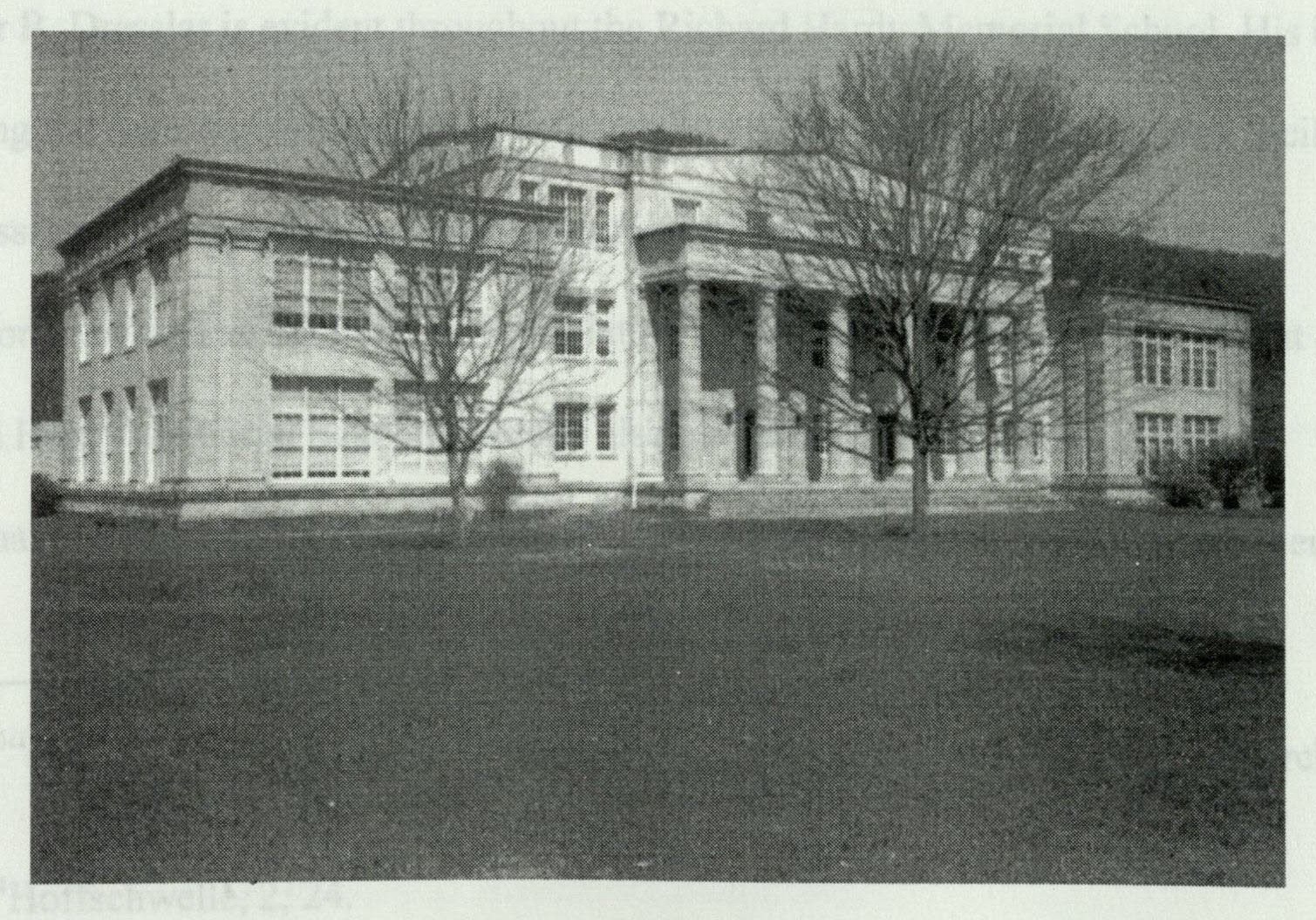
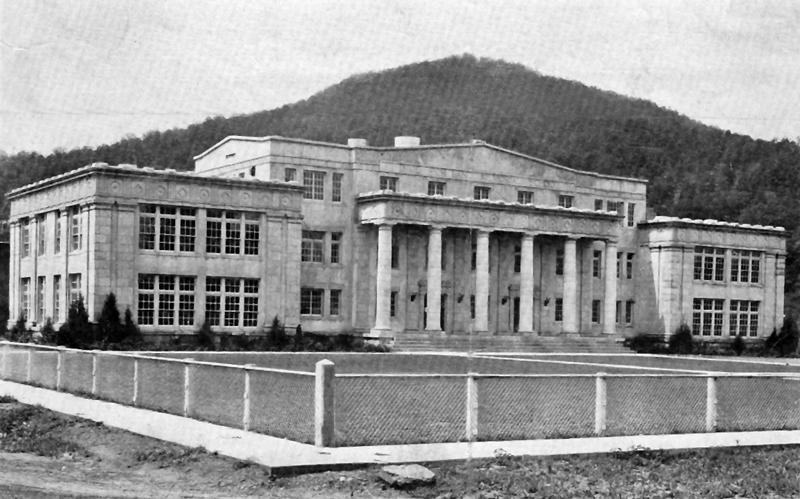
Walls were built of hollow concrete tile; floors and roof were reinforced concrete. Portico, libraries, and lobbies were finished in terrazzo, and interior walls were California stucco. The building was designed for fireproof construction; the only structural wood in it was the gymnasium floor and the student desks. A trained landscape gardener laid out the grounds, with extensive lawns, flower beds, and shrubbery.
Total cost to Dixie Portland was $243,000.
The school was dedicated over three days, April 26 to 28, 1926. Per Robert N. Chenault's November 1931 account in The Nation's Schools (listed in the Sources section below), the dignitaries included Colonel John R. McQuigg, National Commander of the American Legion; Charles F. D. Belden, president of the American Library Association; and Dr. Harcourt A. Morgan, president of the University of Tennessee. The building opened with approximately 300 students and 15 teachers.
The Hardy connection
Richard Hardy served as Mayor of Chattanooga from October 1923 to April 1926, elected by the city commission to fill the unexpired term of Alexander W. Chambliss after Chambliss was appointed to the Tennessee Supreme Court. In 1926 Hardy declined to seek another term and moved to New York as Chairman of the Board of the new Pennsylvania-Dixie Cement Corporation, a $45 million combination headquartered in New York City that merged Dixie Portland with several other cement companies.
Hardy died of heart disease in New York City on August 14, 1927, at age 59, and was buried at Forest Hills Cemetery in Chattanooga. The Dixie Portland Memorial School was renamed Richard Hardy Memorial School in his honor that same year.
A segregated school
Richard Hardy Memorial opened in a company town segregated by Tennessee law. Nearly half of the Dixie Portland workers recorded as heads of household or single men in the 1910 U.S. Census of Marion County were Black Tennesseans, and the company built a separate neighborhood and a separate school for Black families behind the plant. The cement campus on Hamilton Avenue was the white school; a note in the company's own Dixie Portland Memorial School News in March 1927 refers to “two schools in Richard City (colored and white)” entering a writing contest. The Black families who worked the plant lived in their own part of the company town, and their children attended that separate school rather than the campus Richard Hardy planned.
Governance and directors
From the beginning the school was run as an independent public school district under a three-person board, with a 30-cent school tax covering part of the budget and Dixie Portland covering the balance. The company also supplied maintenance workers and any necessary materials. Dixie Portland published the Dixie Portland Memorial School News (1925 to 1927), distributed to each home in the community by a Boy Scout troop.
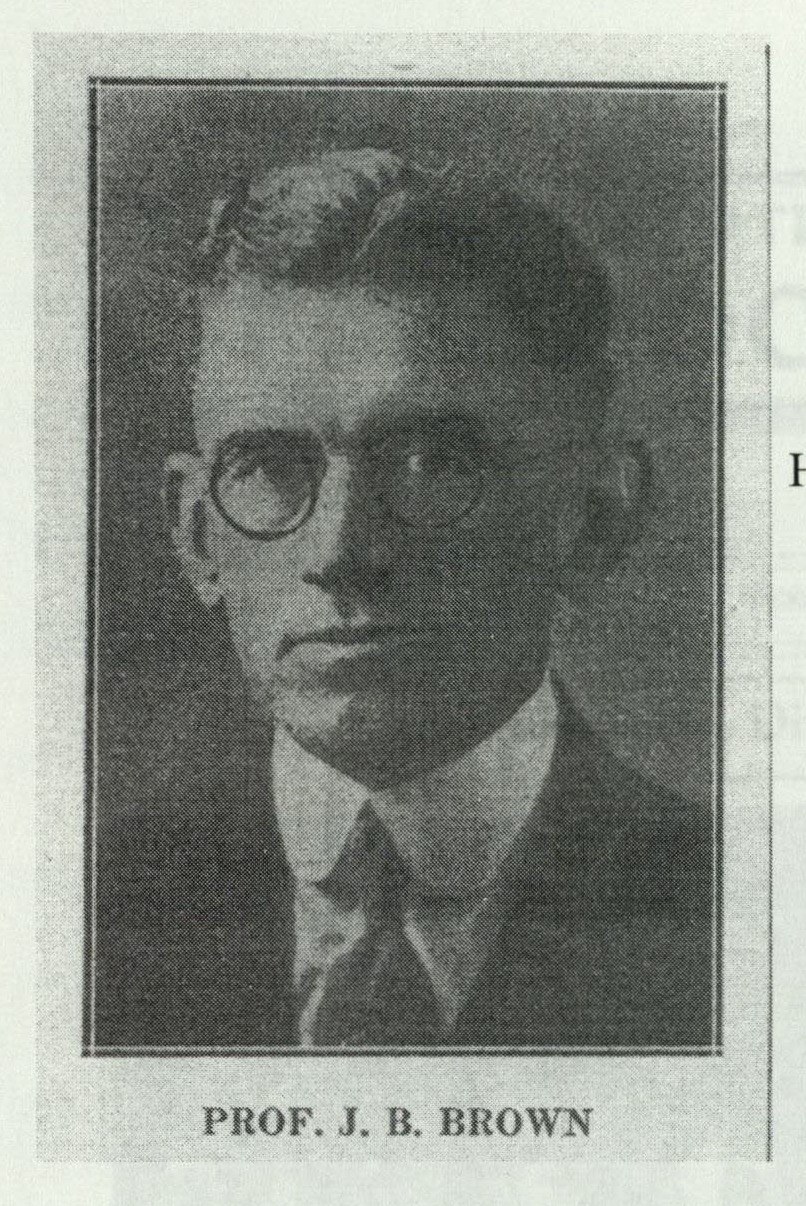
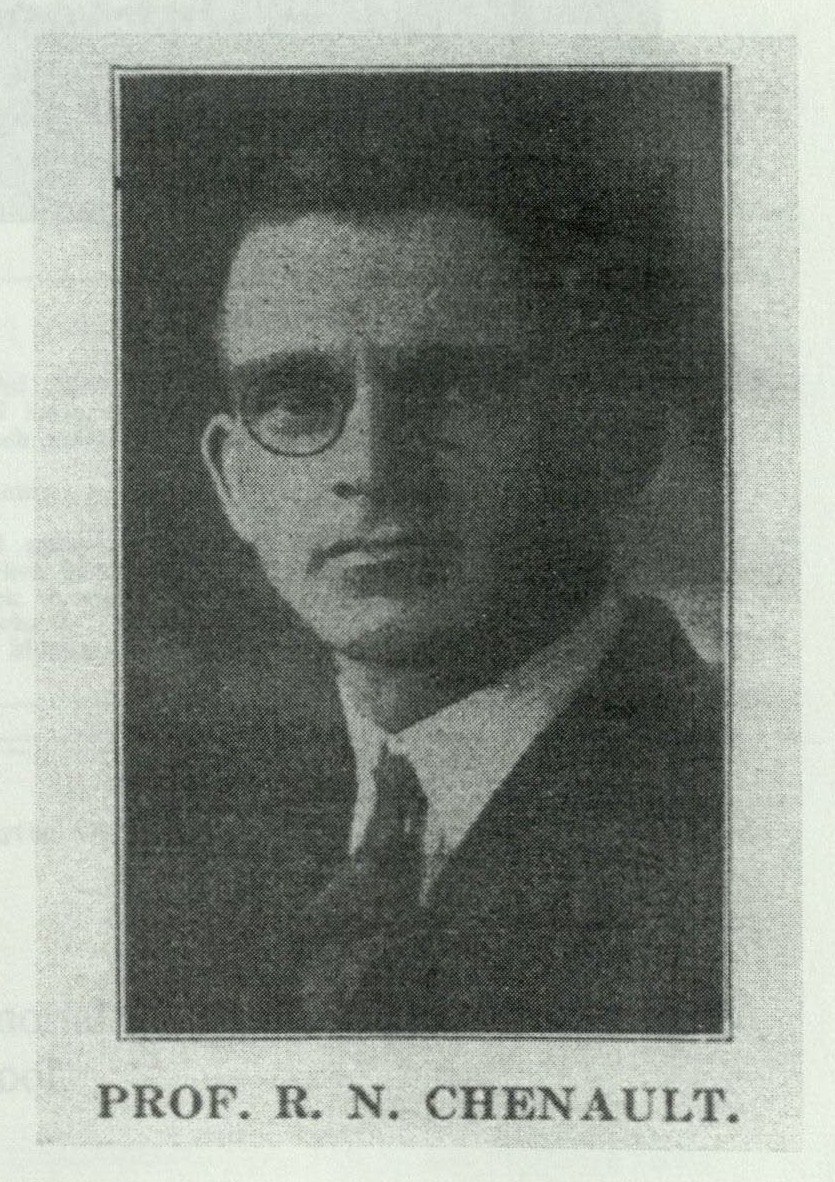
The first director was John B. Brown, a Hamilton County native who had served as Tennessee's state rural school inspector from 1914 to 1921 and then as State Superintendent of Schools; he resigned in 1926. The second director, from 1926 forward, was Robert N. Chenault, former principal of Trousdale County High School, who in 1931 profiled the school at length in The Nation's Schools. The Richard City Deptford Board of Education governed the special school district; early board members included W. H. Klein as chairman, J. T. McCabe as secretary, and Elwood Shaw as a member.
Founding faculty, 1926 to 1927
.jpg)
The 1926 to 1927 faculty numbered sixteen: Director R. N. Chenault, secretary Mattie Lou Witt, and fourteen teachers spanning kindergarten through high school. W. W. Stout taught manual training, C. P. Archer taught history and mathematics (and led the school's 4-H Garden Club), Pauline Pressley taught physical education, Lucy Brock taught home economics, Lylyan Russell taught music, and Emma Becton taught English. The elementary grades were covered by Jewel Love (first grade), Buelah Coleman (second grade), Alena Bond (third grade), Maud Andress (fourth grade), and Emma Sexton (fifth grade), with Luella Smiley serving double duty as librarian and sixth-grade teacher. Aileen Murdock taught kindergarten, and Mae Grace Douglas ran the special class.
Curriculum and practical classes
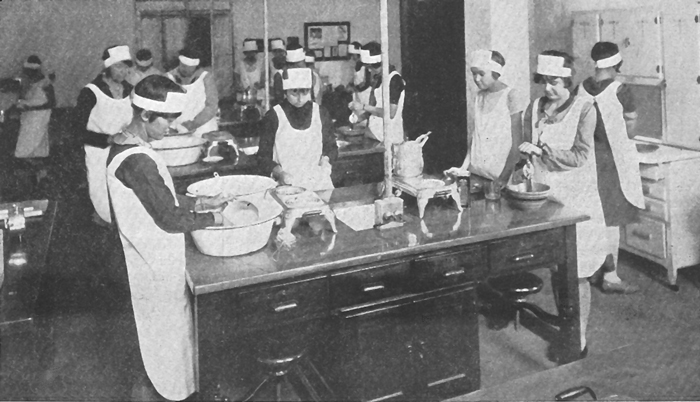
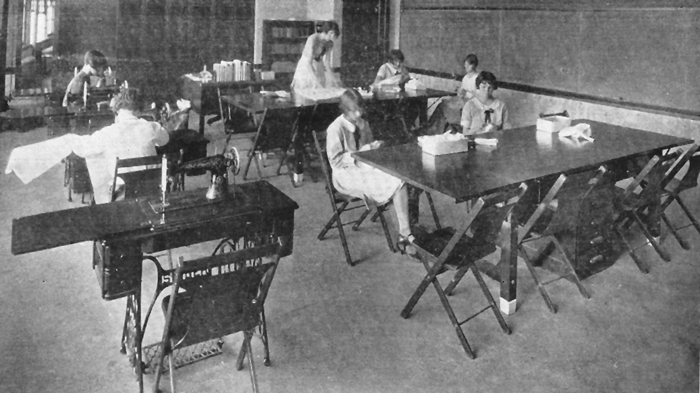
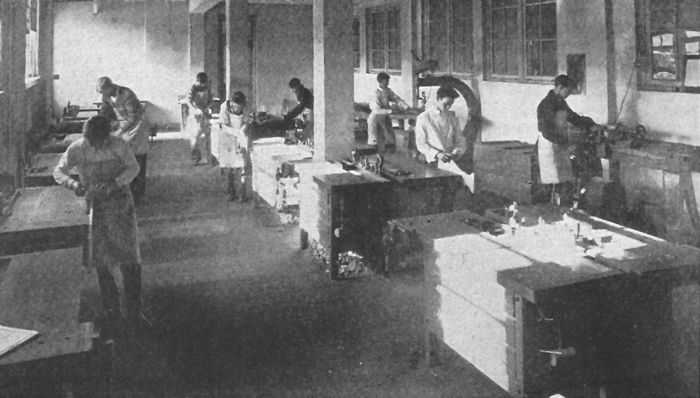
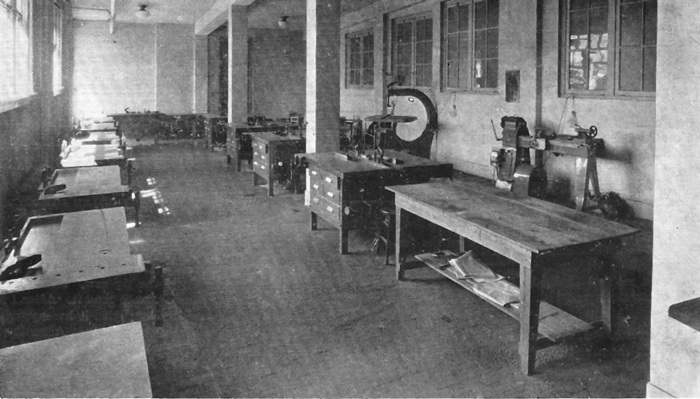
The curriculum originally covered kindergarten through grade 12 and was unusually broad for a Tennessee public school of the 1920s. The upper grades were eventually discontinued, and would not return until the 1995 campus expansion. Home economics and manual training were part of the core program: foods classes met twice a week in 8th grade, sewing and home construction classes served the girls, and a manual training shop with jig saw, lathe, and woodworking tools served the boys.
Vocational and domestic facilities
The special class
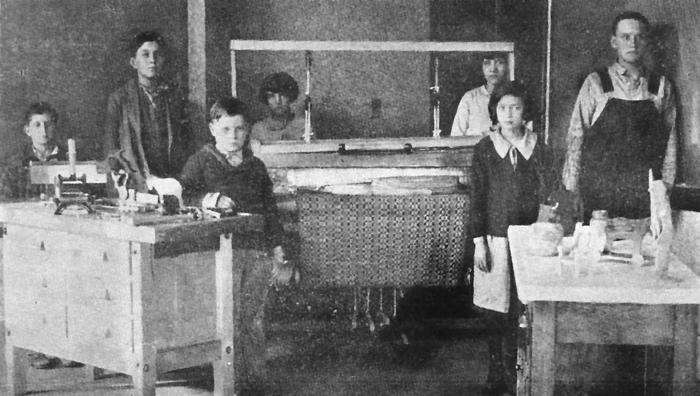
A “special class” of about 26 students in 1927, for children whose needs were not met by a large-group setting, covered health, citizenship, manual training, domestic science, gardening, and academics; the students wove rugs on a loom and cultivated two acres on plant grounds whose produce they kept. Mae Grace Douglas, identified in the 1926 to 1927 faculty roster, ran the special class.
Extracurricular activities and student organizations
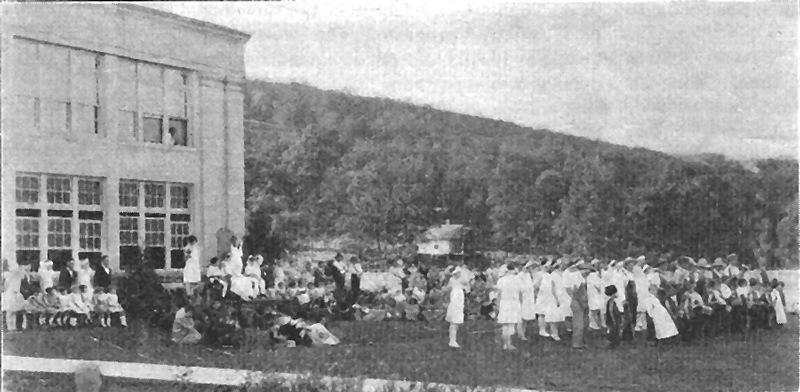
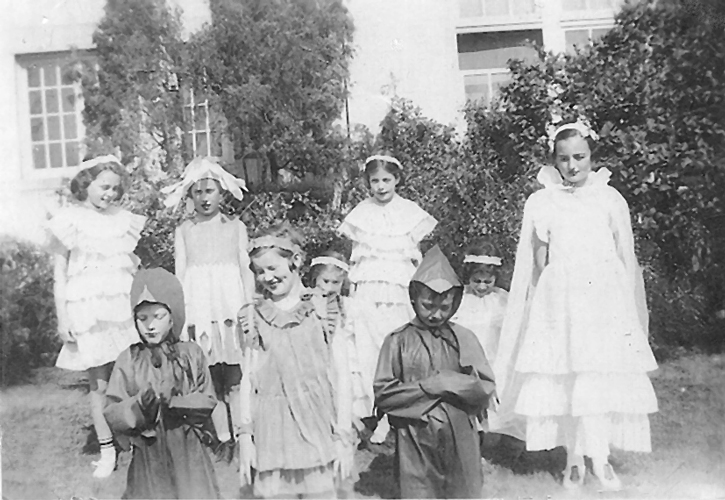
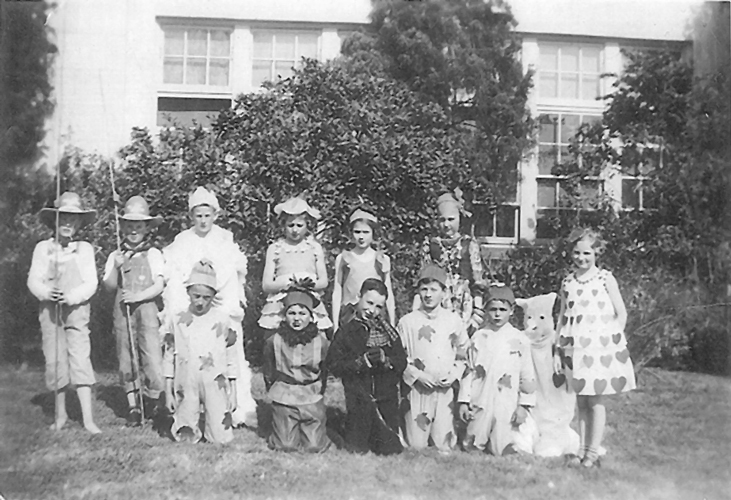
Literary societies, a 4-H Garden Club, a Junior Red Cross chapter, Boy and Girl Scout troops, and girls' and boys' athletic clubs rounded out school life. The school also marked civic occasions: a June 1930 Health Pageant showcased student health education, and the school observed American Education Week with demonstrations by the 7th and 8th graders.
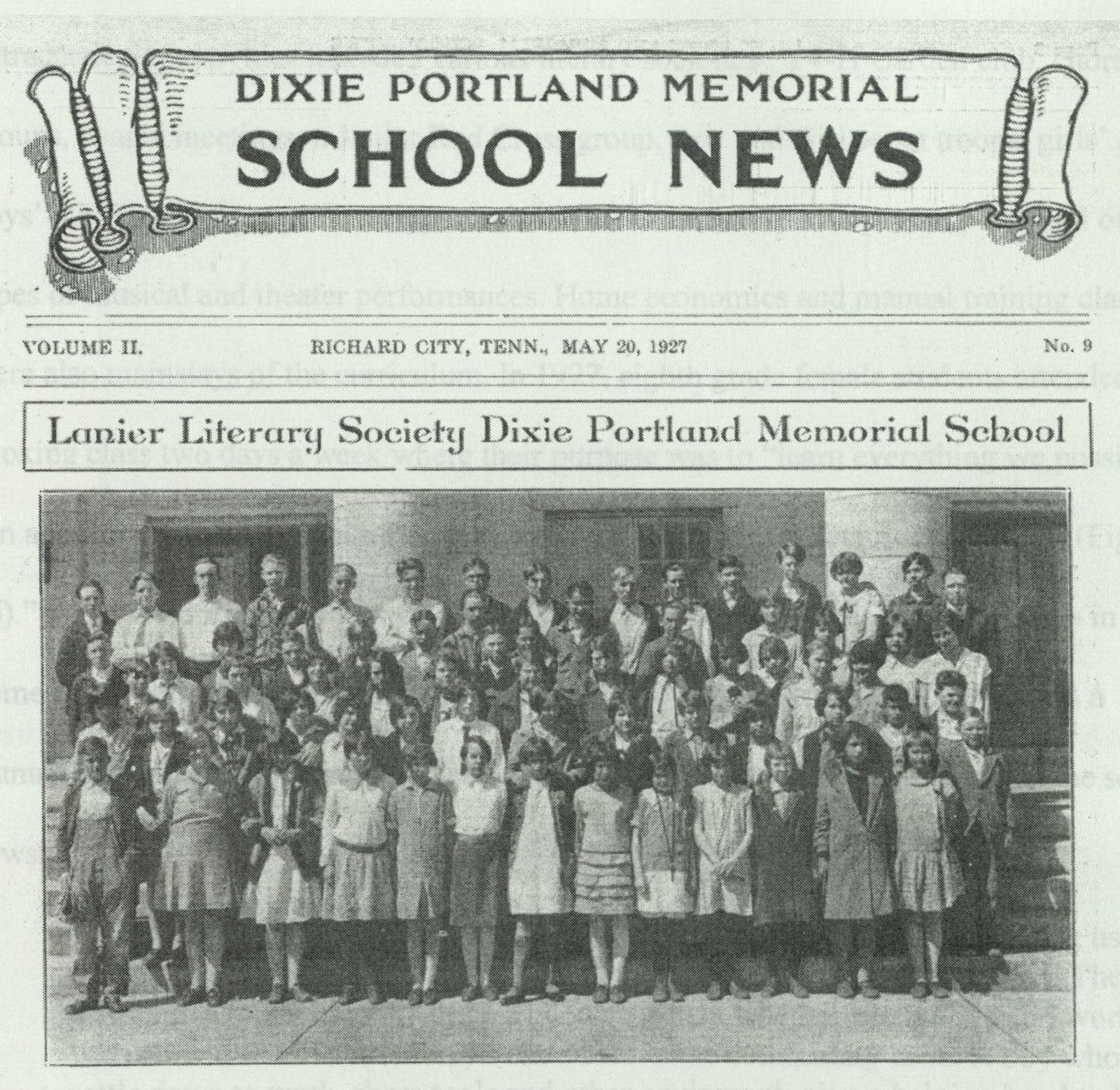
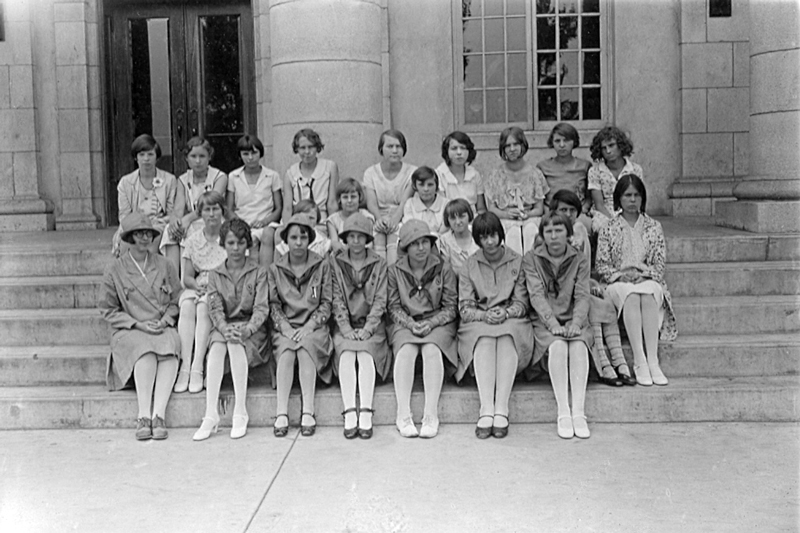
The Lanier Literary Society appeared in the Dixie Portland Memorial School News on May 20, 1927. A separate literary club was active the same year, with Miss Jeannette Michael identified as its teacher. The Wilkerson thesis also names Emersonian and Tennysonian literary societies as part of school life. Mrs. Robert Crisp taught piano; a photograph from the collection shows her with some of her piano pupils in a musical display at the school. The 4-H Garden Club of Richard City was led by Carl P. Archer, the school's history and mathematics teacher. The school's connection to the Penn-Dixie cement plant extended to community occasions: in one documented parade, pupils and teachers marched from the school to the plant to view a new safety trophy, with Girl Scouts and Brownies leading the procession.
.jpg)
.jpg)
.jpg)
The building as a community venue
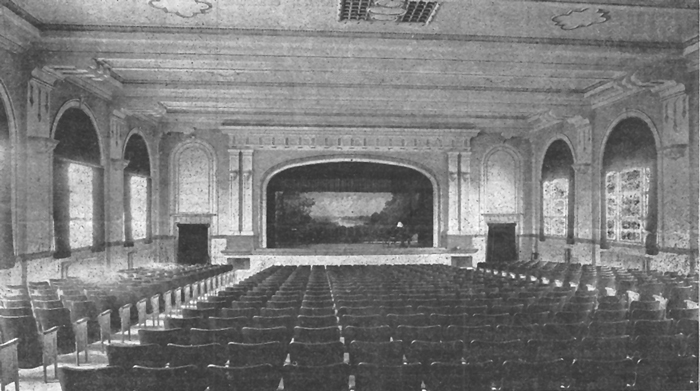
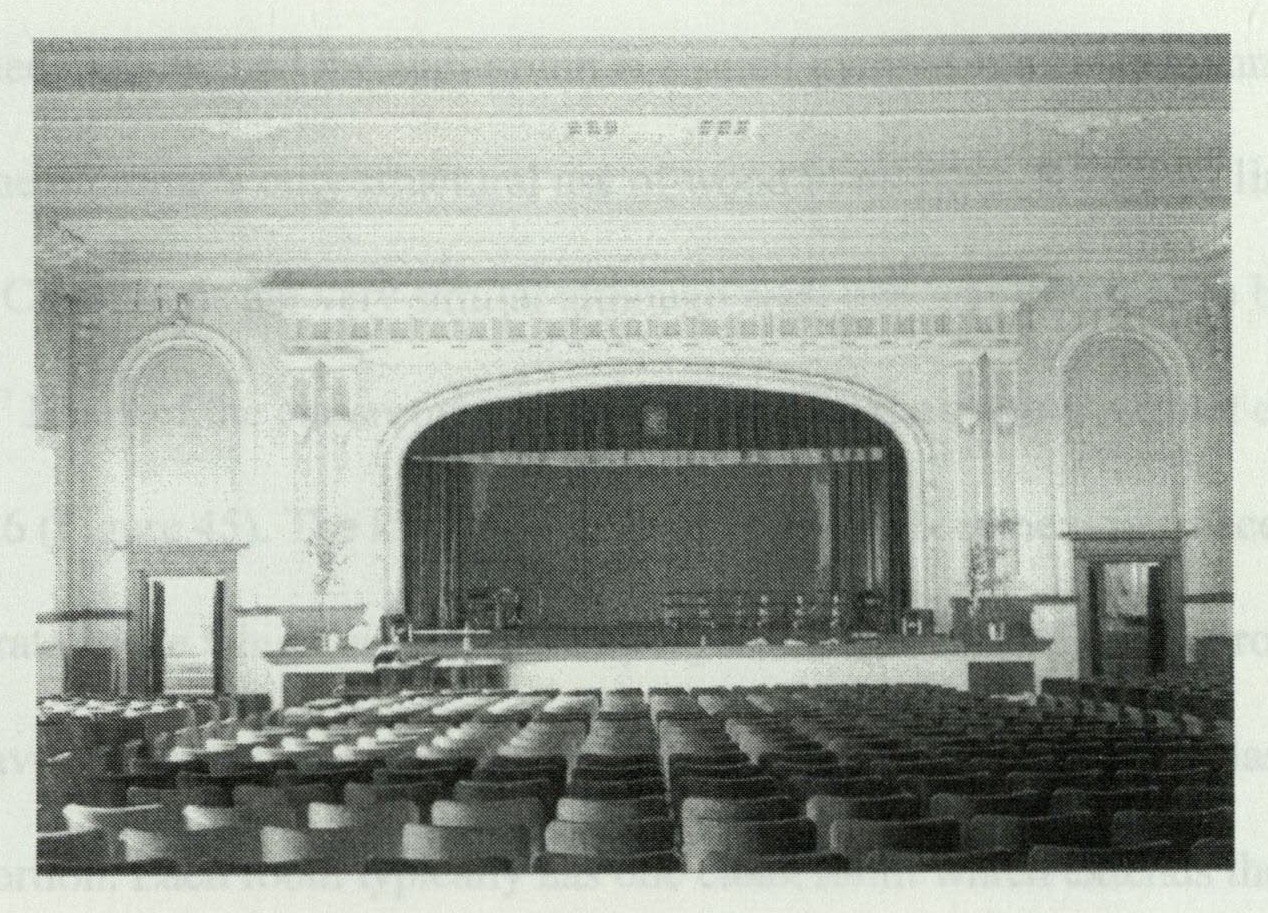
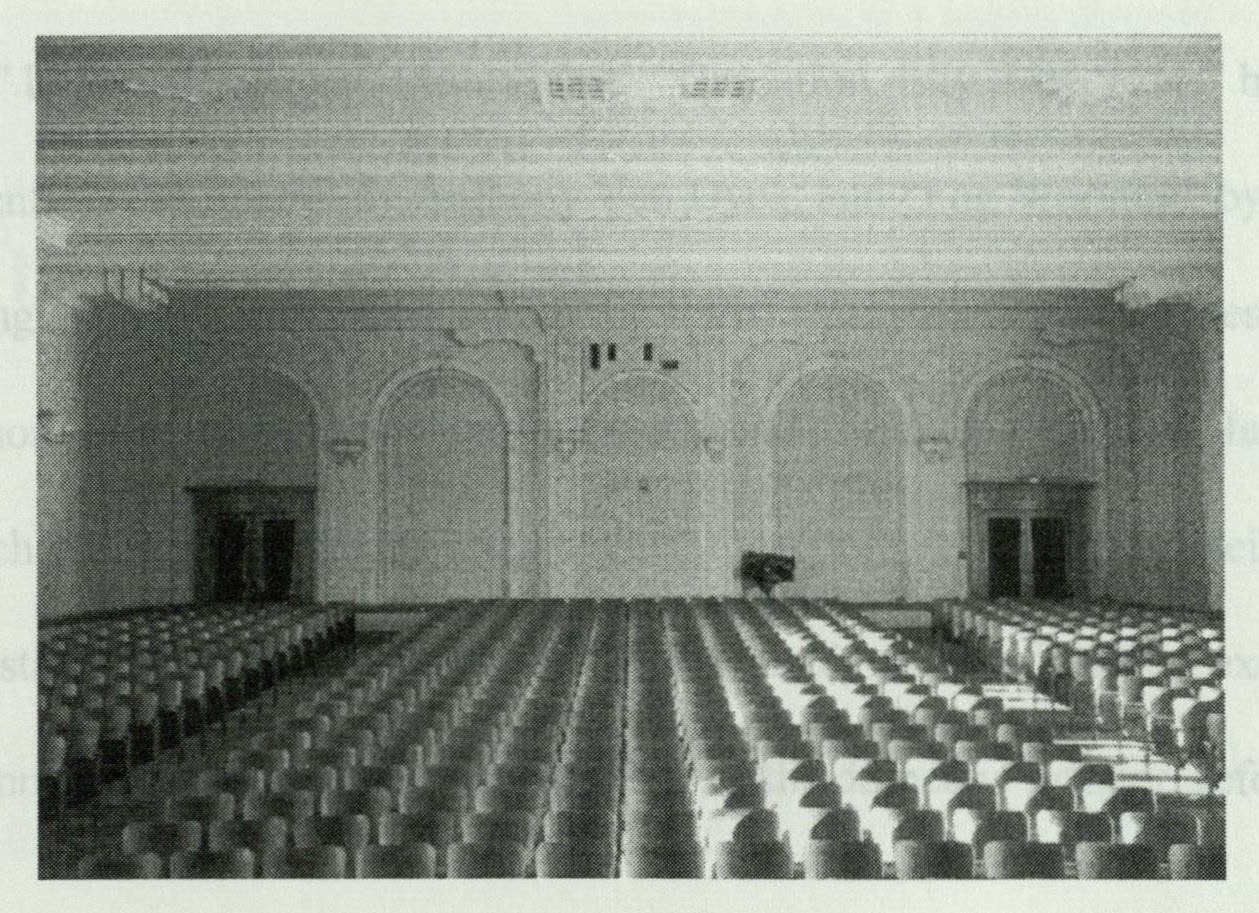
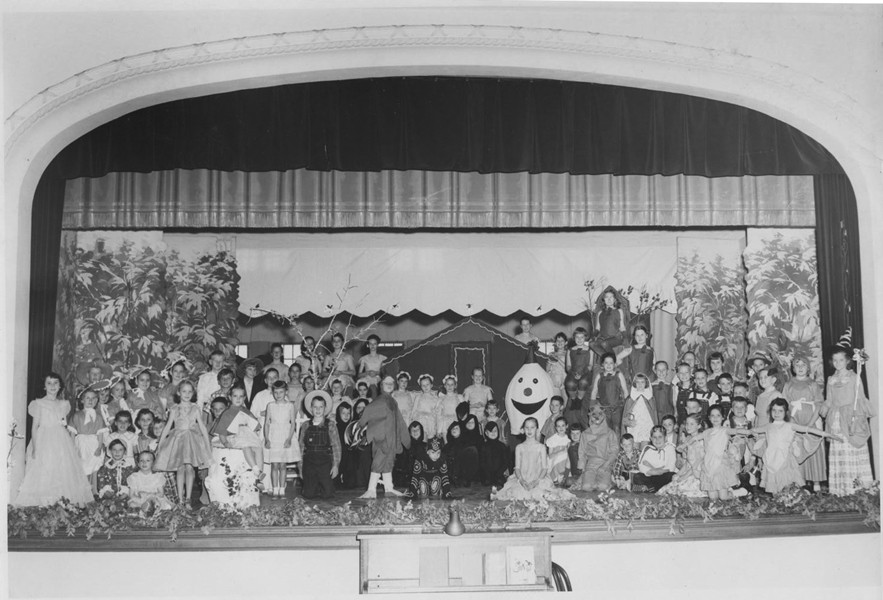
The 625-seat auditorium above the memorial lobby served as a community theater as well as a school space. Penn-Dixie stockholder John A. Miller donated moving-picture equipment to the school in late 1926, and from January 1927 onward movies were screened on Friday evenings at ten cents for children and twenty for adults: The Sea Hawk, Peter Pan, The Dark Angel, and The Courtship of Miles Standish ran that first season. The auditorium also hosted student plays, musical performances, Parent-Teacher Association meetings, singing conventions, field days, and community fairs. By 1931 the school library held 4,200 circulating volumes, used regularly by community members as well as students.
Plan and exterior architectural features
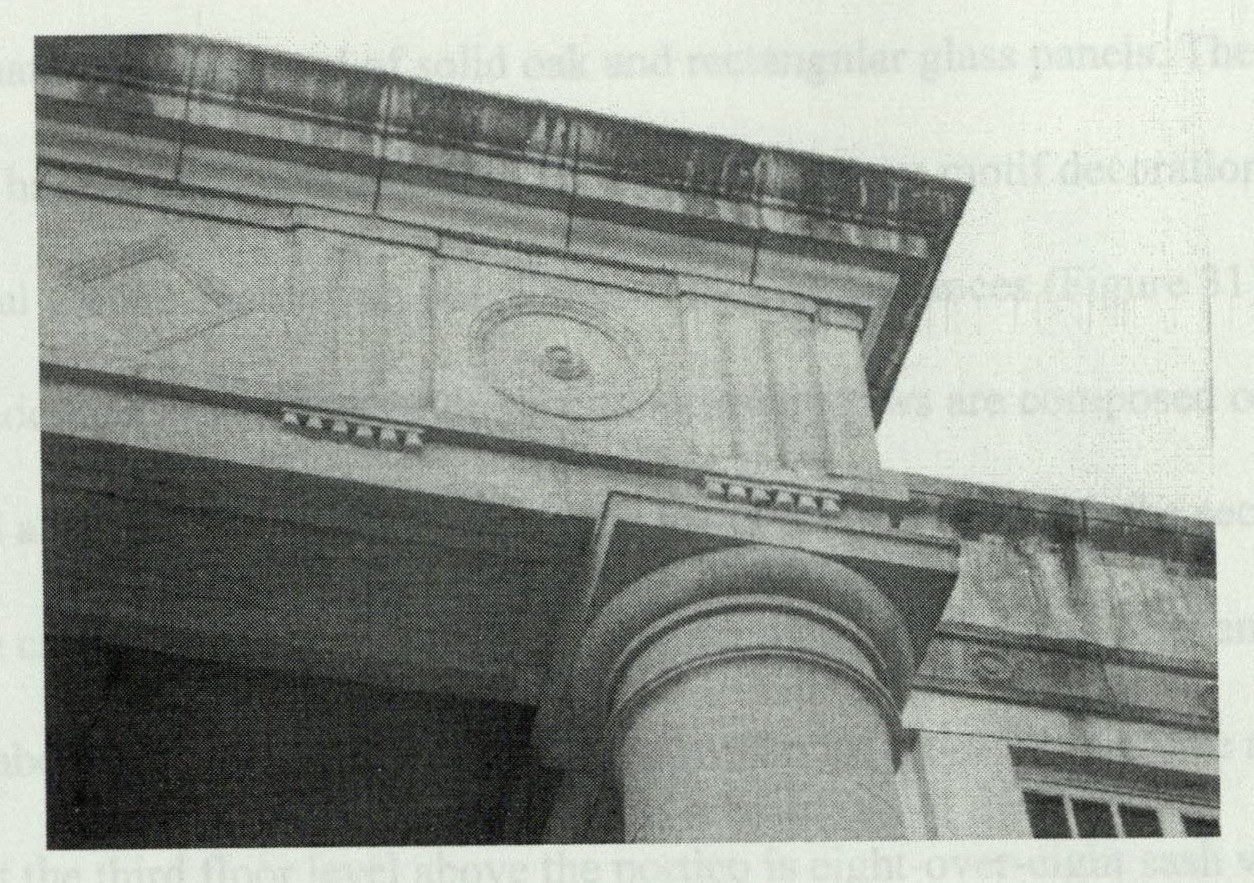
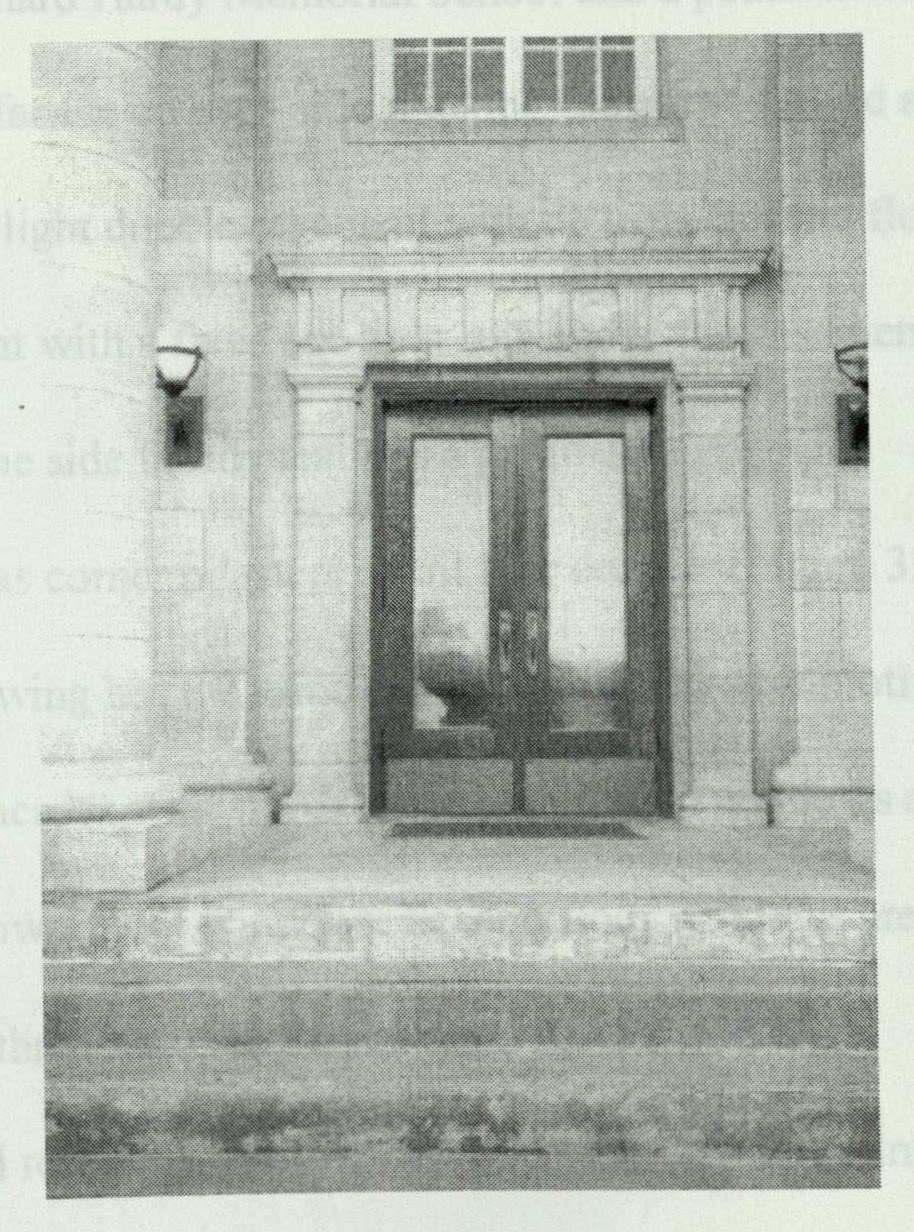
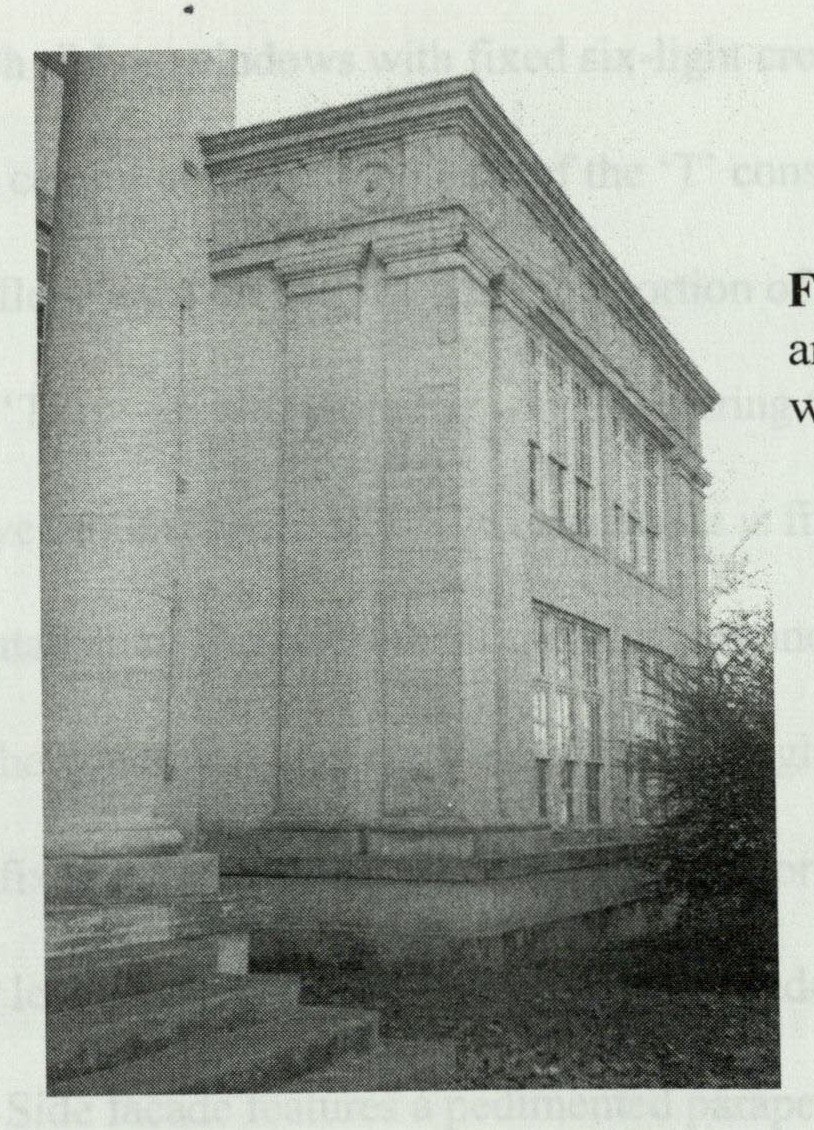
The two-story portico has six Doric columns and an ornate entablature with an alternating diamond and bulls-eye motif; the pedimented parapet bears the carved inscription Richard Hardy Memorial School. Two main entrances have solid oak double doors with rectangular glass panels and the original globe lanterns. Twelve-light double casement and sash ribbon windows run the facade, with four Palladian windows along the second-floor central bay lighting the auditorium. Each wing has double corner pilasters.
Floor plans
Portico, pediment, and entrances
Wings and rear facades
Interior spaces
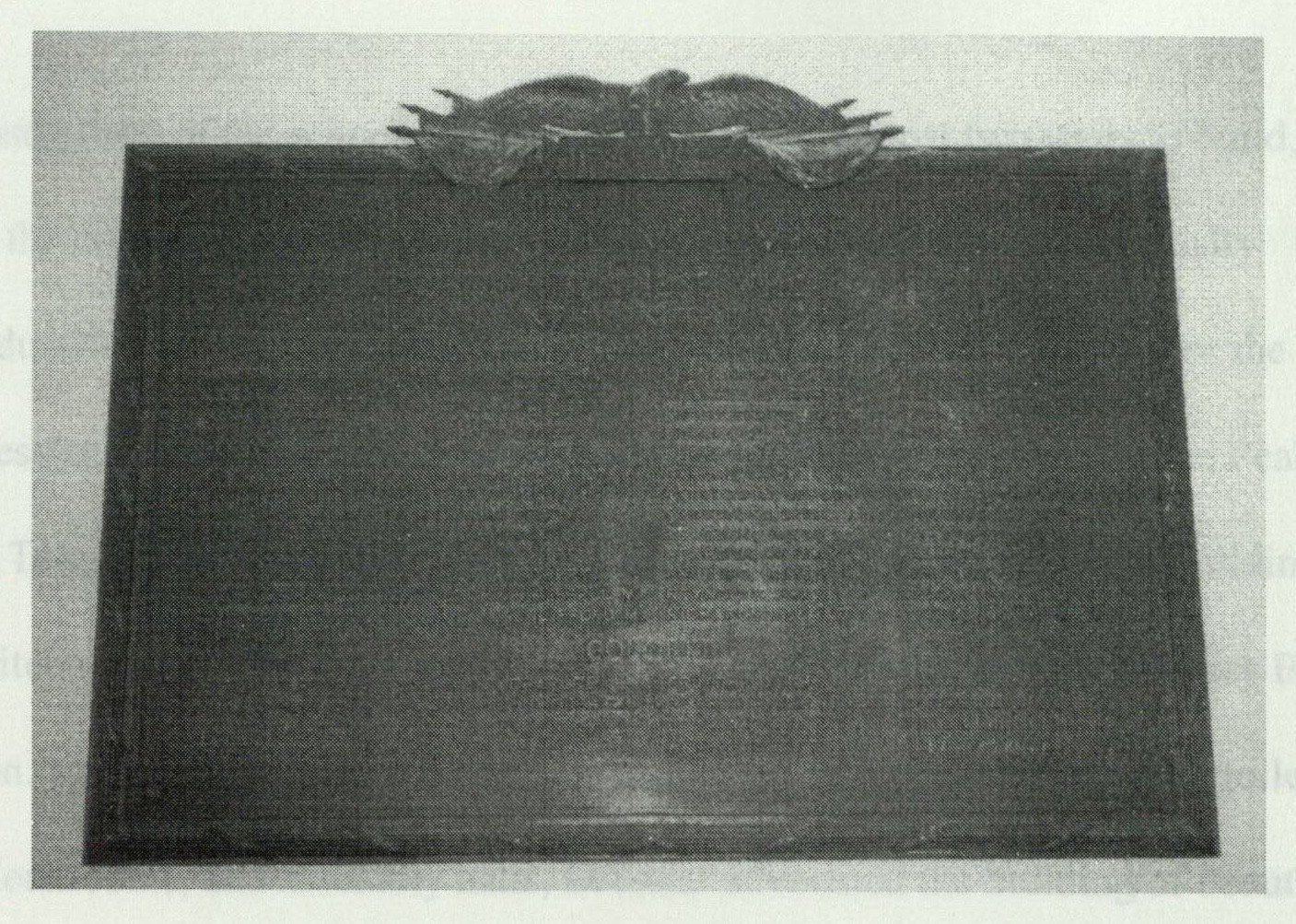
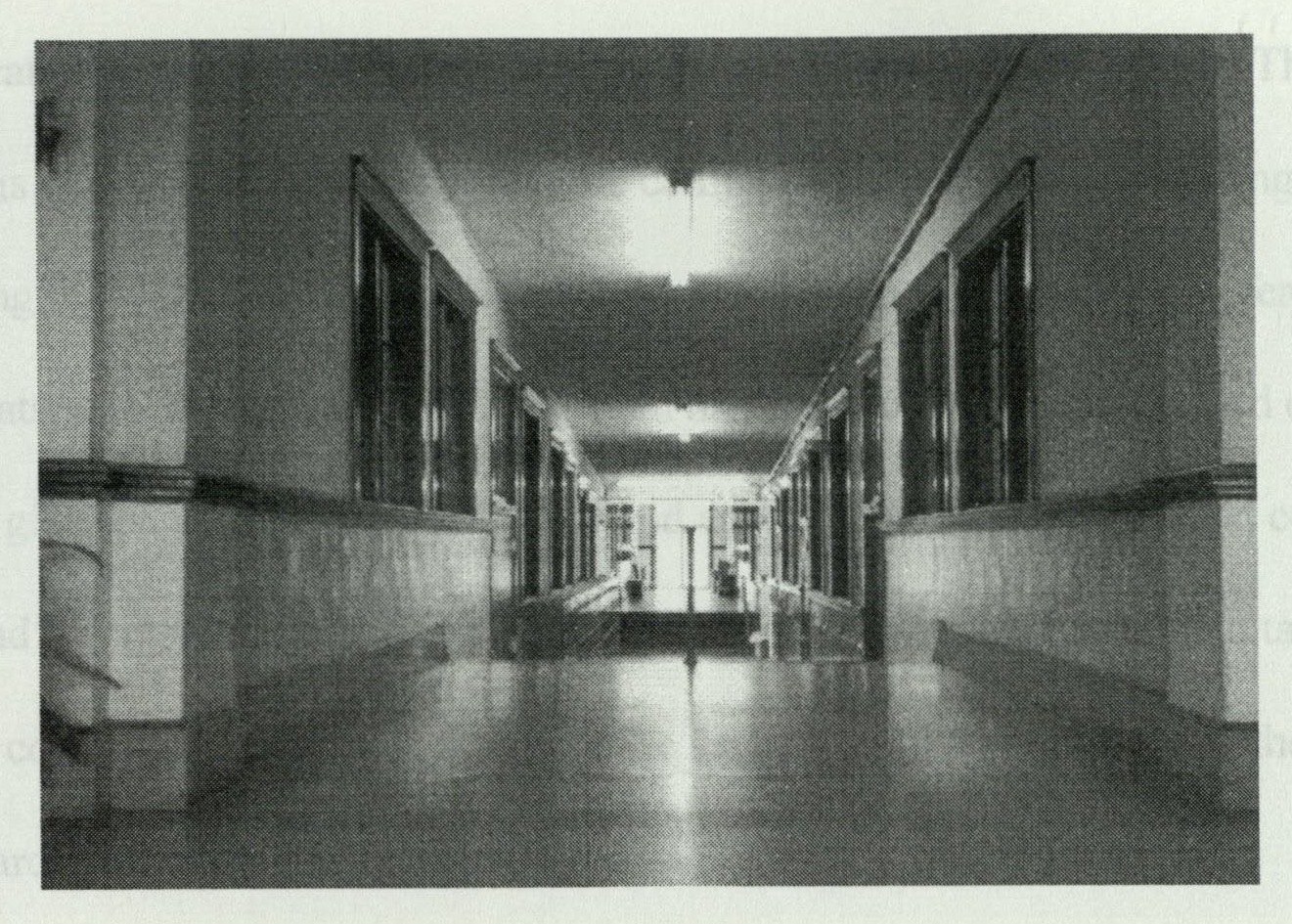
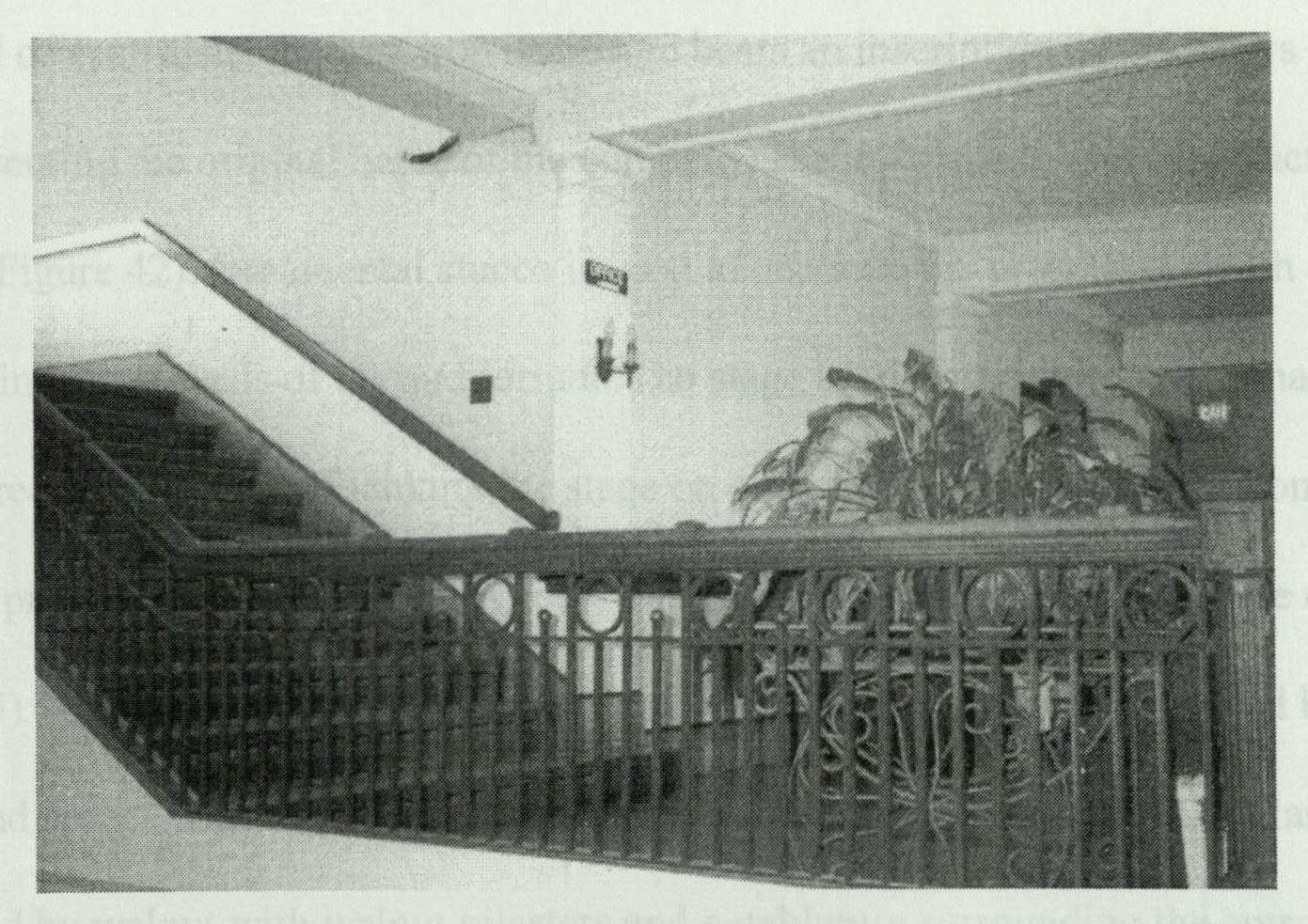
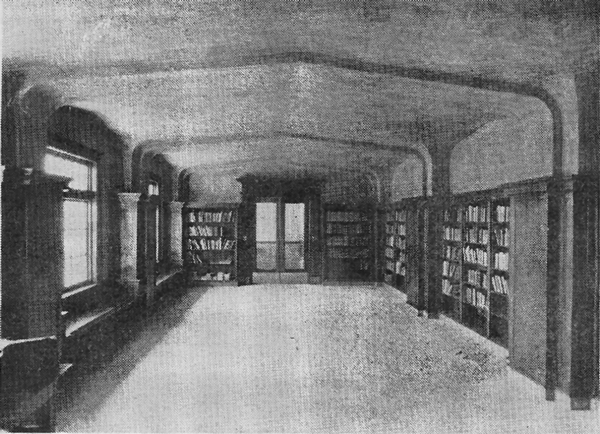
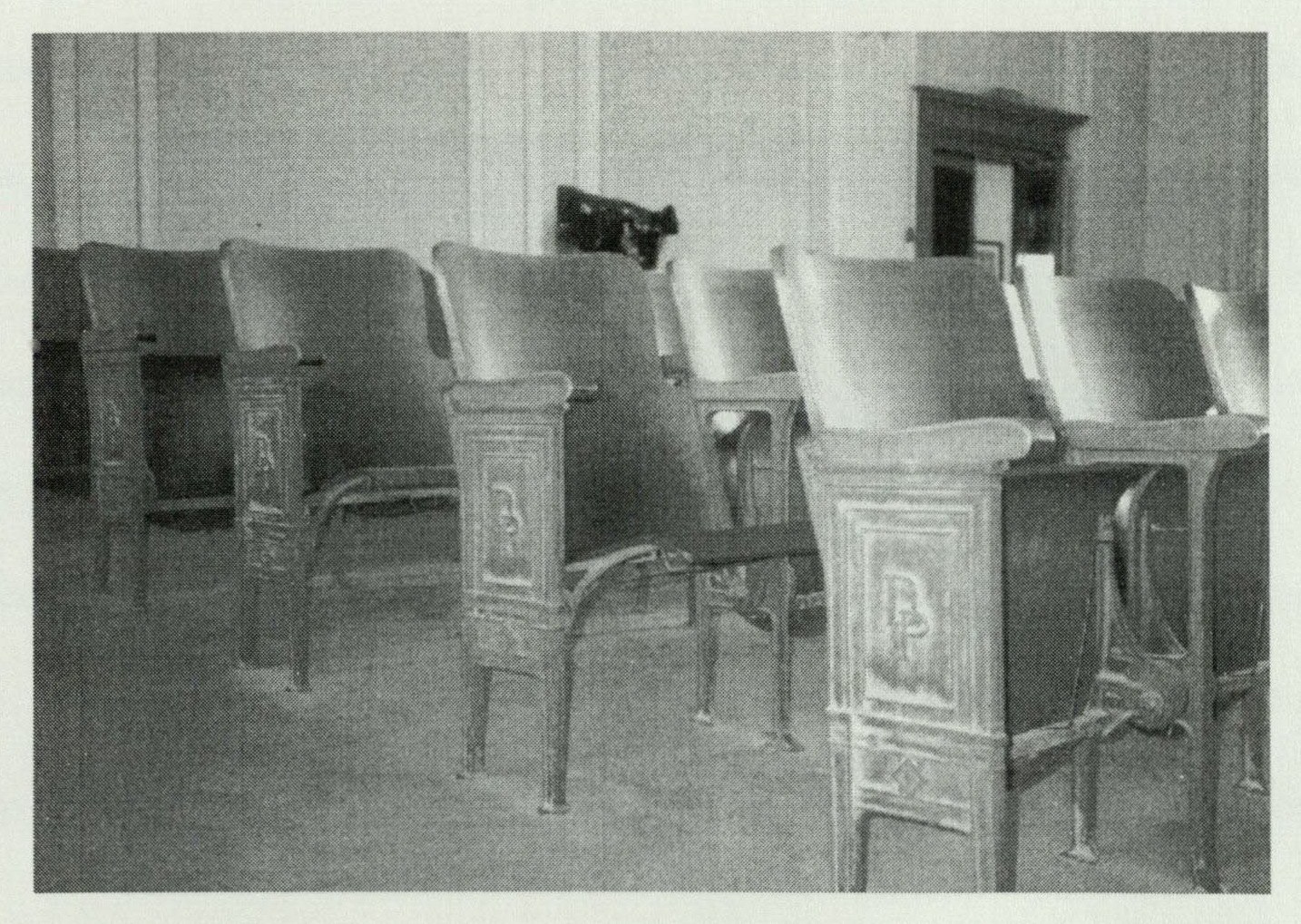
Three interior spaces stand out. The memorial lobby has a terrazzo floor, plaster walls, stuccoed ceiling beams, and two bronze tablets: one with the American Legion preamble, the other listing 72 Dixie Portland employees who served in World War I. The library, on the second floor above the lobby, has an arched ceiling, terrazzo floor, walnut shelving, paneling, and window seats, with original walnut tables and chairs. The auditorium has walnut seating, cast iron aisle enclosures embossed with the letters D and P for Dixie Portland, and an ornamental stucco proscenium and ceiling. As of Wilkerson's 2003 fieldwork, the original wall lanterns in the lobby were still functional, some of the original books selected by Hardy remained on the library shelves, the auditorium's multicolored theater lights still worked, and the original movie projector was still in the third-floor projection room.
Lobby, stairwell, and library
.jpg)
Auditorium
Classrooms and kindergarten
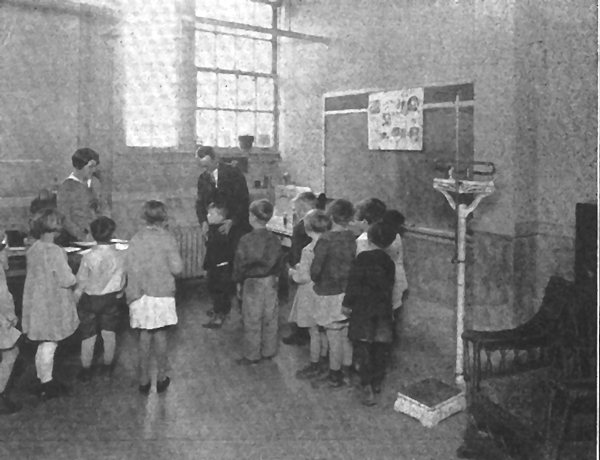
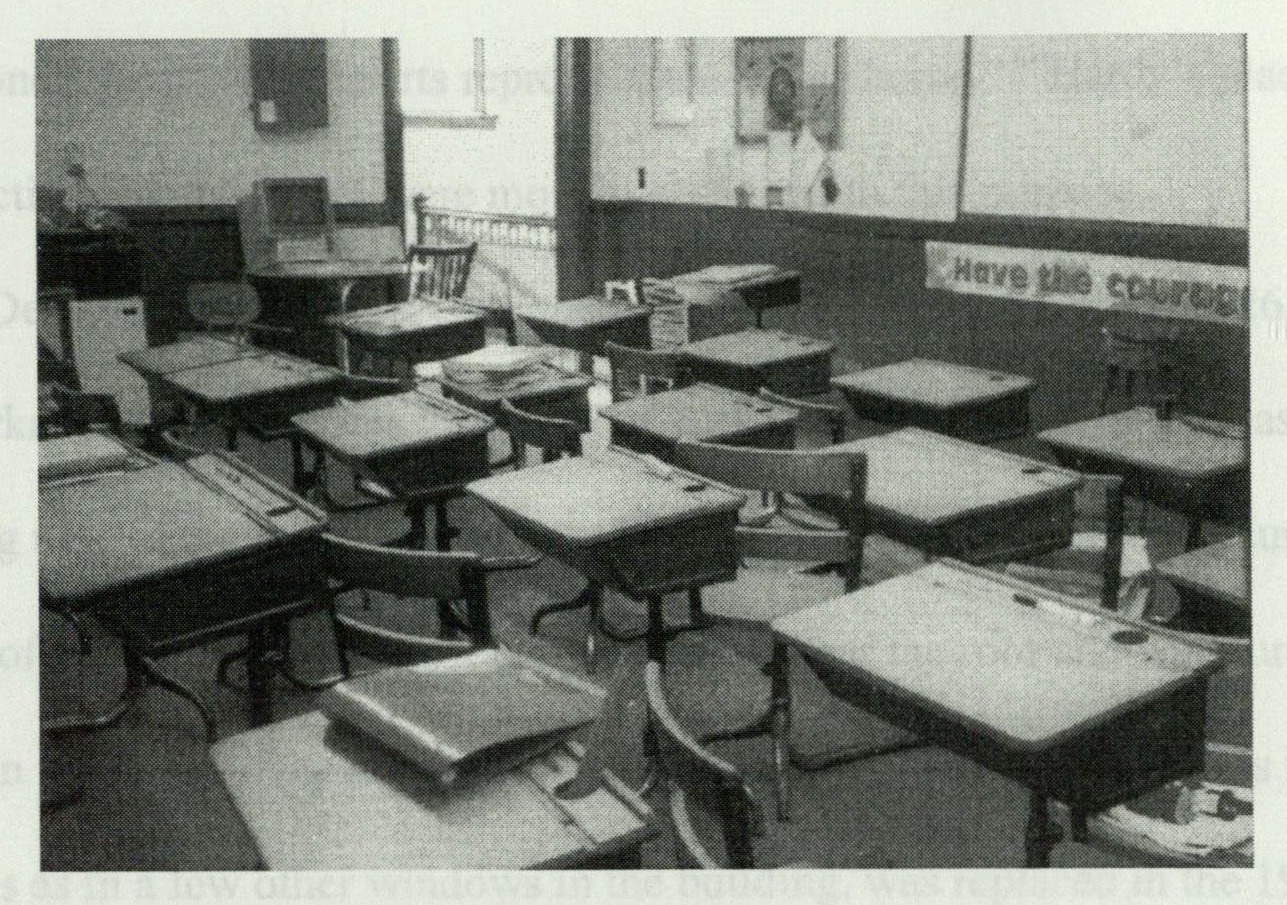
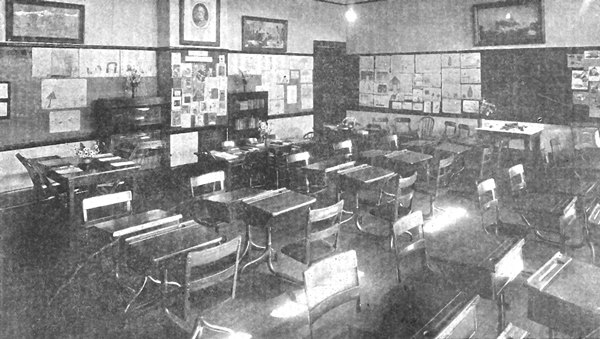
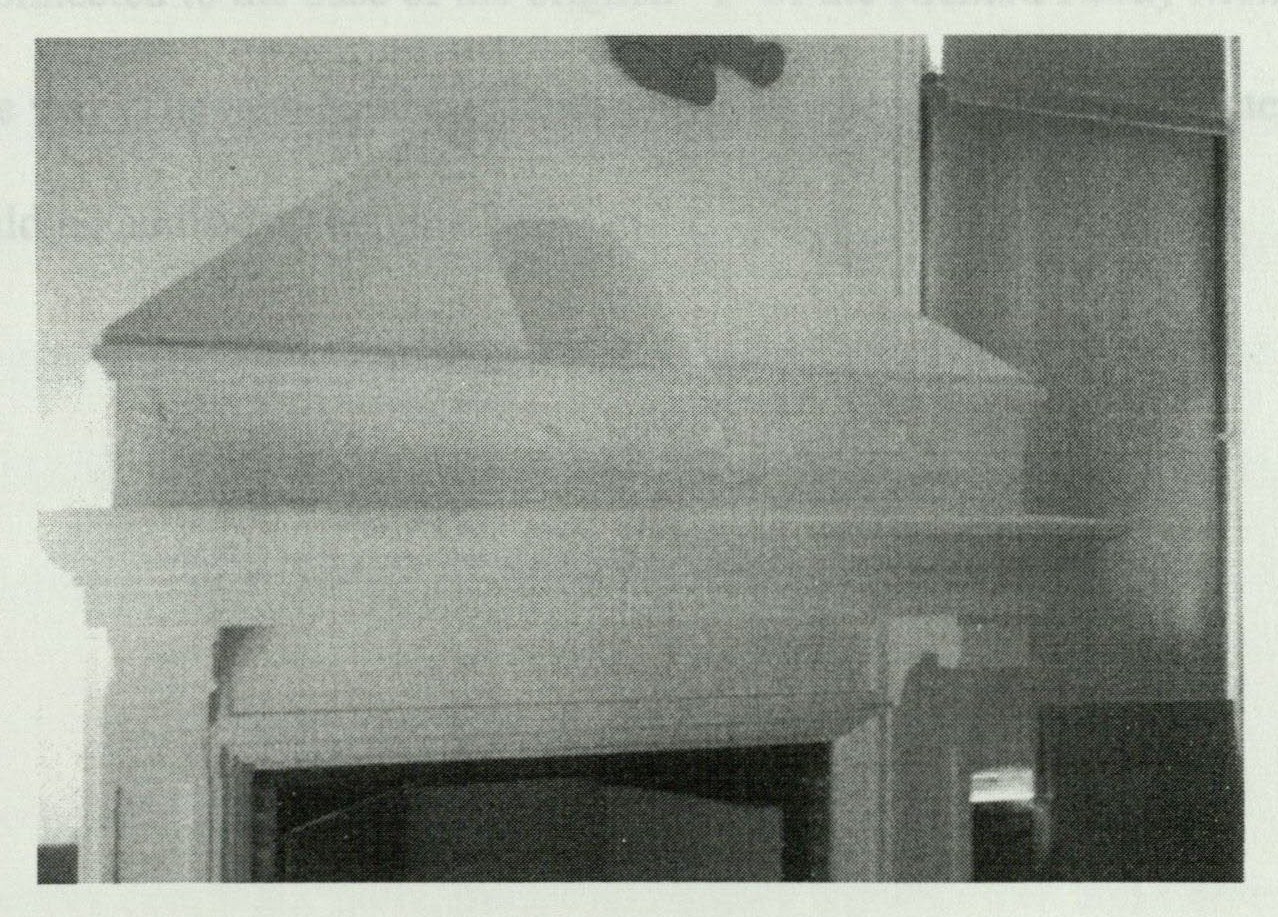
The kindergarten room has a cement-and-cast-iron fireplace with a nursery-figure frieze. As of Wilkerson's 2003 fieldwork, many classrooms were still using the original 1926 walnut desks, slate blackboards were largely retained, and a picture collection of 24 oil-tinted reproductions that Hardy selected for the classrooms was still hanging, including Gainsborough's The Blue Boy, Corot's Dance of the Nymphs, Sargent's Carnation, Lily, Lily, Rose, Van Dyck's Baby Stuart, and Homer's Fog Warning.
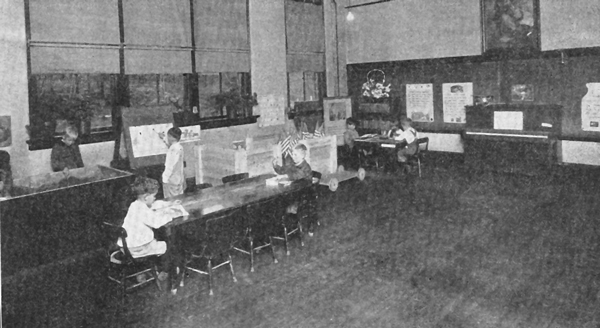
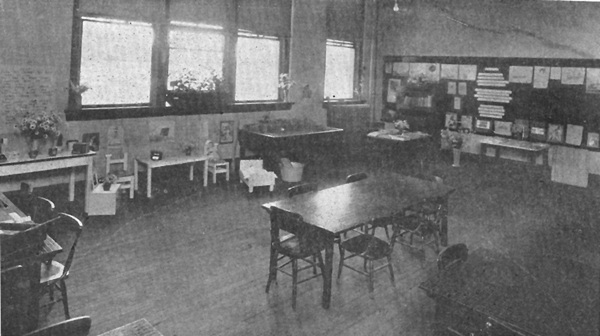
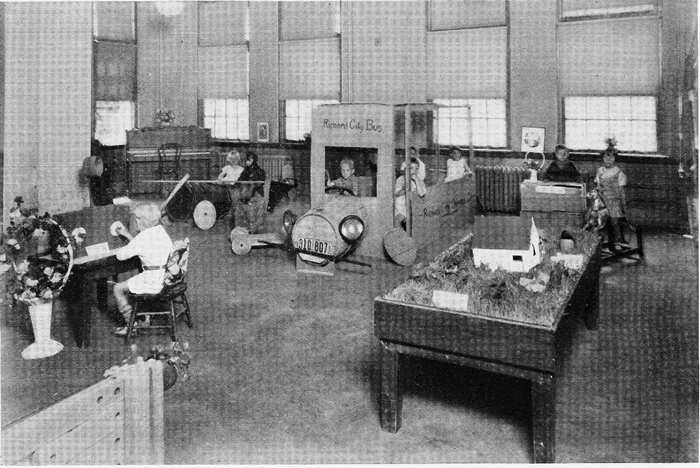
Period photographs show the first-, second-, and third-grade classrooms in their original arrangement, with slate boards, globe lanterns, and walnut desks. The kindergarten operated under Aileen Murdock, who appears in both the 1926 to 1927 faculty portrait and a captioned kindergarten class photograph. Students identified in that kindergarten class include Katherine Killian, Imogene Brown, Arthur Turner, Irene Cook, Mary Ruth Davis, Hugh Burnett, Eva Louis Davis, Joe Preston Dickerson, Virgil Robertson, and Jammie Pearl O'Leary.
.jpg)
Class portraits and graduating classes
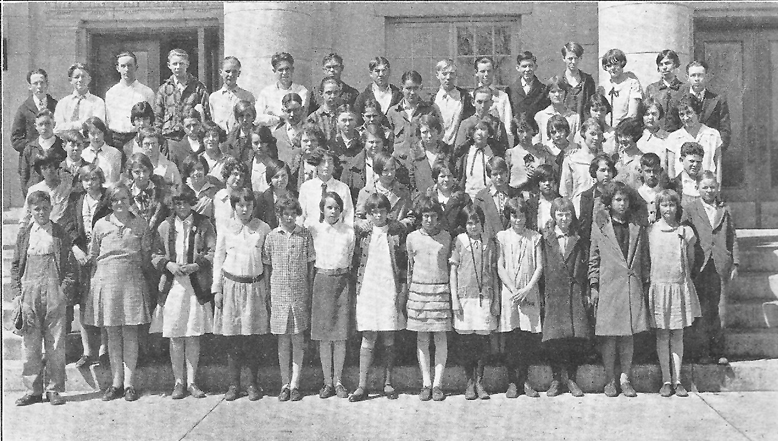
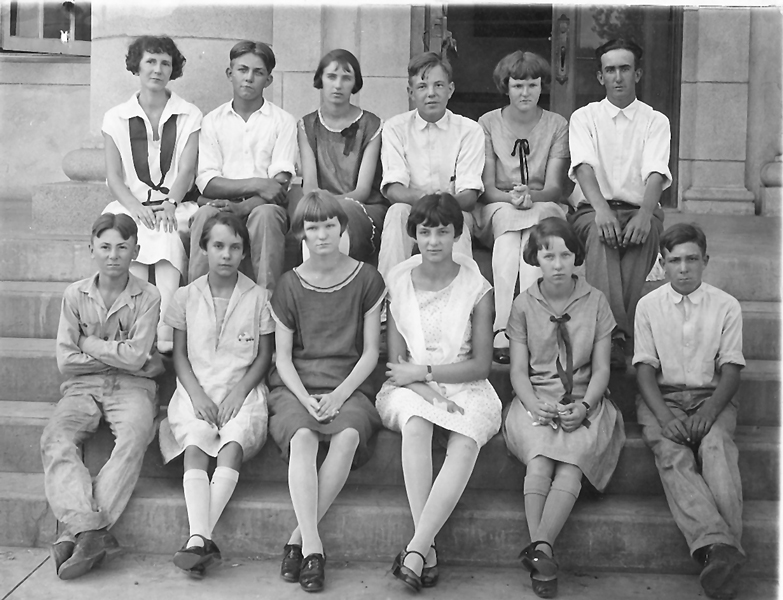
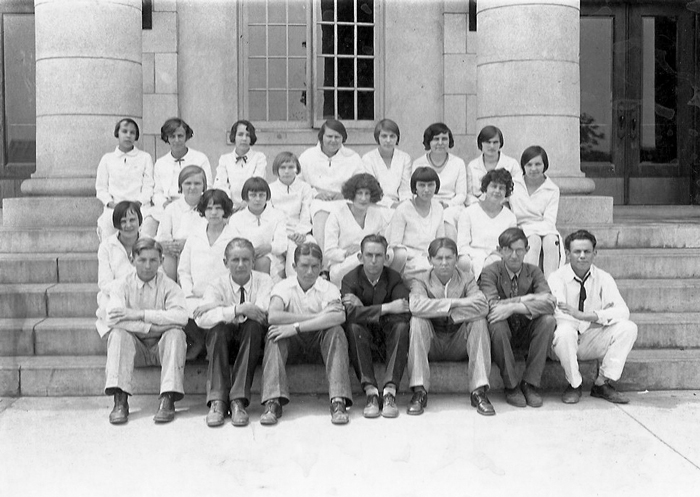
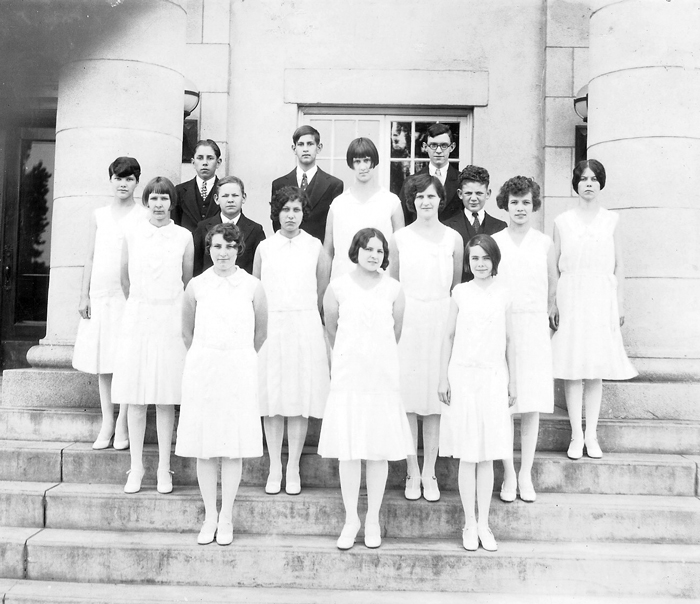
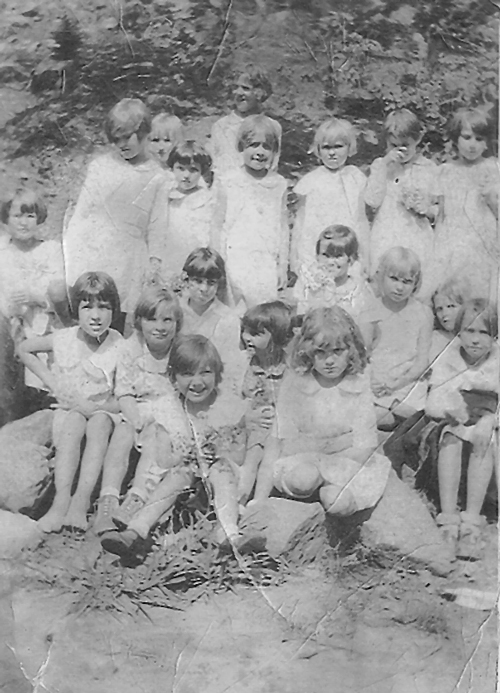
Photographs from the late 1920s through the mid-twentieth century document the school's student body at various stages. Two separate photographs capture the 9th Grade Graduates of May 1928, and a third records the 10th Grade Graduates of May 1930. Other class photographs from the collection show a second-grade class (date unknown) and an American Education Week observance by the 7th and 8th graders. The American Education Week photograph identifies more than two dozen students and three teachers: Miss Frances Stroup, Miss Mary Fergason, and Mrs. Rice Coffey, with Mrs. Harr Kelly at the piano.
.jpg)
.jpg)
National Register listing, 1982; company handoff, 1985
In 1982, the building was listed on the National Register of Historic Places under a nomination prepared by R. Paul Cross for the Tennessee Historical Commission. On June 3, 1985, Dixie Cement, Inc., the Moore McCormack Resources subsidiary that had owned the plant and school since 1981, deeded the building and roughly eight acres of grounds to the Richard City Special School District for a purchase price of one dollar.
Building additions, 1995 to 2006
A decade after the 1985 handoff, the Richard City Special School District began expanding the campus beyond the original 1926 building in stages. In 1995, the school added a second, freestanding building beside the parking lot, restoring the high school grades. As the school approached its 75th anniversary in 2001, a renovation program in the 1926 Historic Building updated the electrical wiring and plumbing and added a central heating and air-conditioning system. In 2006, a third building was constructed behind the campus, with a new gymnasium, a new cafeteria, and additional classrooms on an upper level.
The three buildings divide the school's functions. The 1926 Historic Building continues to house the elementary grades, Special Education offices, the auditorium, a small gym, and the teachers' lounge. The 1995 Middle Building, beside the parking lot, houses the middle school, the main office, the library, a computer lab, and the maintenance office. The 2006 Back Building houses the high school, the cafeteria, the main gymnasium, locker rooms, a weight room, and the Athletic Director's office.
An honorary diploma for William Reuben Lehr
In 2010, the Tennessee General Assembly passed Public Chapter 736, which amended Tennessee Code Annotated section 49-2-119 to direct the State Department of Education to issue an honorary high school diploma to any veteran with an honorable discharge who left a Tennessee high school before graduating to serve in World War I, World War II, the Korean War, or the Vietnam War. The veteran does not need to be a current Tennessee resident when the request is made, and a surviving spouse or immediate family member may apply on a deceased veteran's behalf. Applications run through the Tennessee Department of Veterans Services and the local school district that the veteran left.
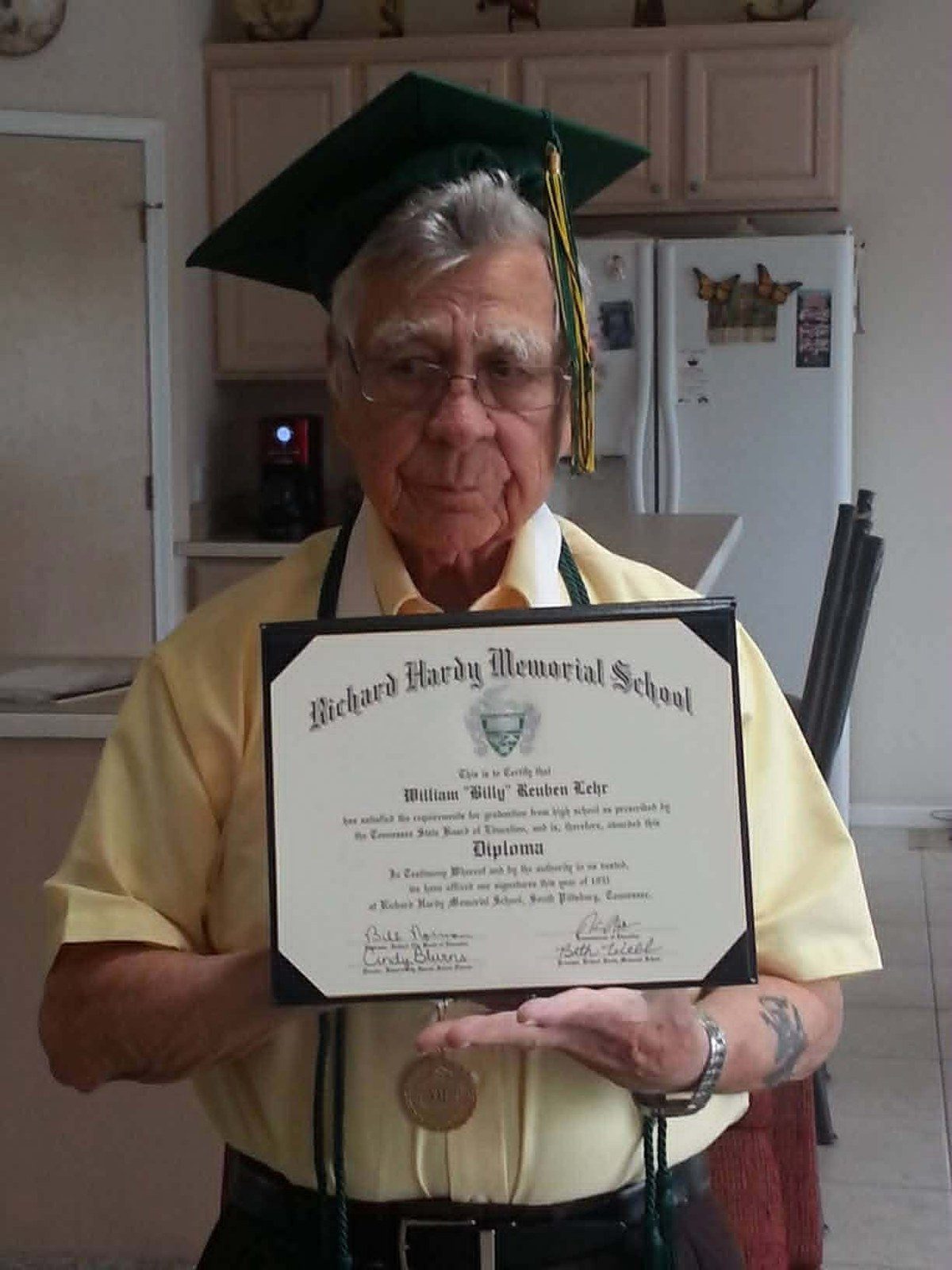
In June 2013, Richard Hardy Memorial School awarded an honorary diploma under this program to William Reuben Lehr, a South Pittsburg veteran who had left RHMS at age 15 to enlist for the Korean War, where he served as a mortar gunner on the front line. According to his family, Lehr lied about his age to enlist; he and his five brothers all attended Richard Hardy. The diploma, with cap and tassels, was presented to him on Father's Day. Cindy Blevins handled the school's end of the application after Lehr's daughter Cathy initiated the request through the state program. A profile of William Reuben Lehr appears on the people page.
Today
Richard Hardy Memorial remains in operation at 1620 Hamilton Avenue in South Pittsburg as one of a small number of Tennessee public schools to serve students from PreK through grade 12 on a single campus. NCES data for the 2024 to 2025 school year reported 183 students.
The school reached its centennial in 2026, a century after the original building opened. The 1926 Historic Building remains in daily educational use: elementary classrooms meet in the rooms Richard Hardy planned, the memorial lobby still carries the bronze tablet naming the 72 Dixie Portland employees who served in World War I, and the building continues to function as the civic heart of the community Hardy and the Dixie Portland Cement Company built around it. The school describes the interior as in near-original condition; exterior maintenance of a National Register building of this age is the standing long-term capital need, funded out of the district's local tax base rather than through Marion County Schools.
Unlike every other public school in Marion County, Richard Hardy Memorial has always operated outside the county system. The Richard City Special School District is one of a small number of standalone special school districts remaining in Tennessee, with its own elected board and funding. South Pittsburg annexed the surrounding Richard City community in the 1980s, but the special school district persisted. The arrangement lets the community keep a fully local public school, but it also means that the upkeep of the 1926 building rests on a small local tax base and on the school's own fundraising rather than on a larger countywide capital budget. The district maintains a website and a Facebook page.
Related
About Richard City (company town) →
About Dixie Portland Cement →
About Richard Hardy →
About South Pittsburg →
About Marion County Schools governance →
About the consolidation debate →
Sources
- Kelly Wilkerson, Richard City, Tennessee: Home, Community, and Paternalism in a Southern Company Town, 1900–1985, M.A. thesis, Middle Tennessee State University, May 2003
- R. Paul Cross, “National Register Nomination for Richard Hardy Memorial School,” NRHP Nomination Form, Tennessee Historical Commission, Nashville, 1982
- Robert N. Chenault, “How a Dream Transformed Education in this Tennessee Town,” The Nation's Schools 8 (November 1931): 33–40
- Fletcher B. Dresslar, American Schoolhouses, U.S. Bureau of Education Bulletin No. 5, 1910 (Washington, D.C.: Government Printing Office, 1911)
- Dedication Services, Dixie Portland Memorial School, 1927, Richard Hardy Memorial School archives, South Pittsburg, Tennessee
- Dixie Portland Memorial School News, Richard City, 1925 to 1927, Richard Hardy Memorial School archives
- South Pittsburg Hustler, 10 March 1927 (“Richard City Has Fine School Building”)
- Mary S. Hoffschwelle, Rebuilding the Rural Southern Community: Reformers, Schools, and Homes in Tennessee, 1900–1930 (Knoxville: University of Tennessee Press, 1998), pp. 24–25, 124–125
- Tennessee Encyclopedia – Richard City
- City of Chattanooga – Past Mayors (Richard Hardy, 1923–1926)
- Richard Hardy Memorial School – About
- Richard Hardy Memorial School – Our Facilities (1995, 2001, and 2006 additions and renovations)
- NCES – Richard Hardy Memorial School
- Ballotpedia – Richard City Special School District
- RootsWeb/TNGenWeb Marion County – Richard Hardy Memorial School Photos (submitted by Karen, 2009)
- Tennessee Department of Veterans Services – Diplomas for Past War Veterans (Public Chapter 736, 2010; TCA § 49-2-119)
- Community contribution from Cathy, daughter of William Reuben Lehr, May 2026 (Lehr's biography, the 2013 RHMS ceremony, and the family photograph of Lehr with his diploma)