Last updated: October 8, 2026
Situated between the Cumberland Plateau and the Tennessee River in southeastern Tennessee, Marion County was established in 1817 from former Cherokee lands and named for Revolutionary War brigadier general Francis Marion. Its county seat is Jasper. Across two centuries the county's story has included Cherokee Lower Towns, Civil War engagements, iron furnaces and coal mines, TVA dams, a silent-film actress from South Pittsburg, and a Holocaust memorial assembled by middle schoolers in Whitwell.
What's New?
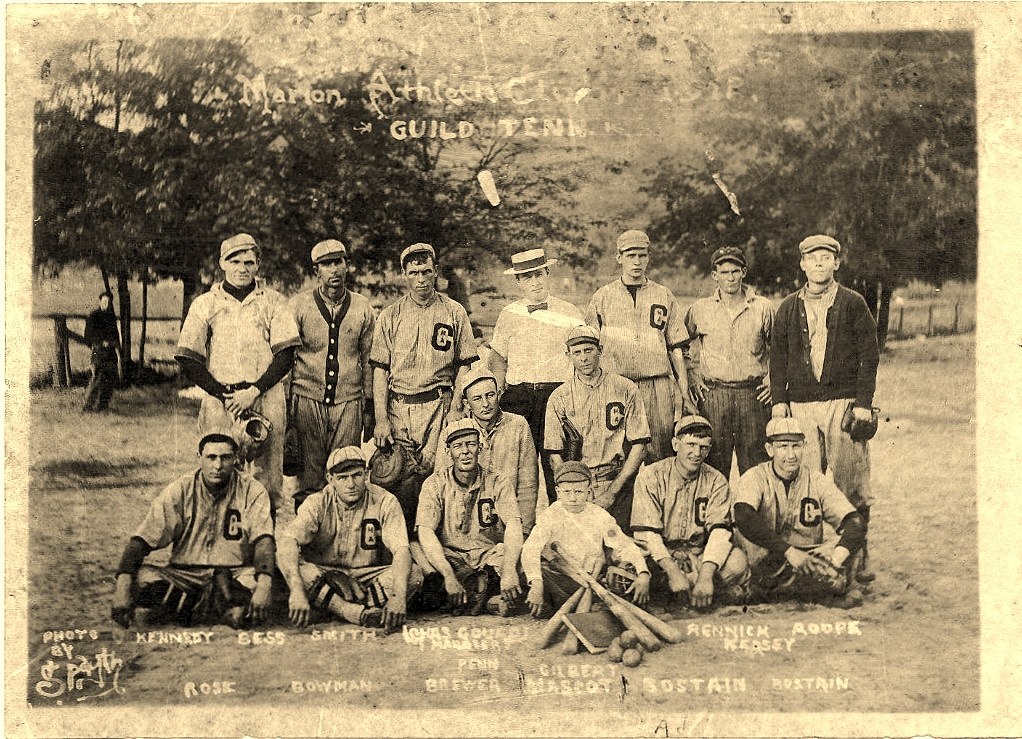
Early Baseball
Before high-school football, the county's teams were company teams: a cement-plant diamond built in 1907, the Hales Bar construction village's club at Guild, and an April 1912 game its supporters reached by steamboat, 219 of them.
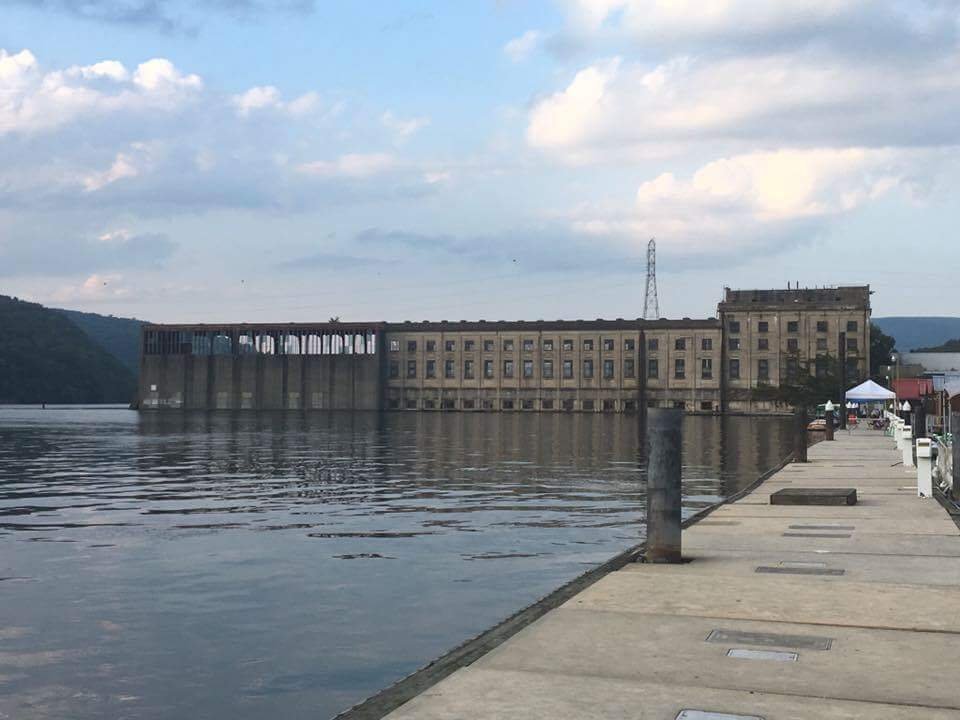
Hale's Bar Village
A new section on life in the construction villages: families raised in company housing at Guild, one family's move from a Whiteside coal mine to the dam, and the ball club the villages fielded.
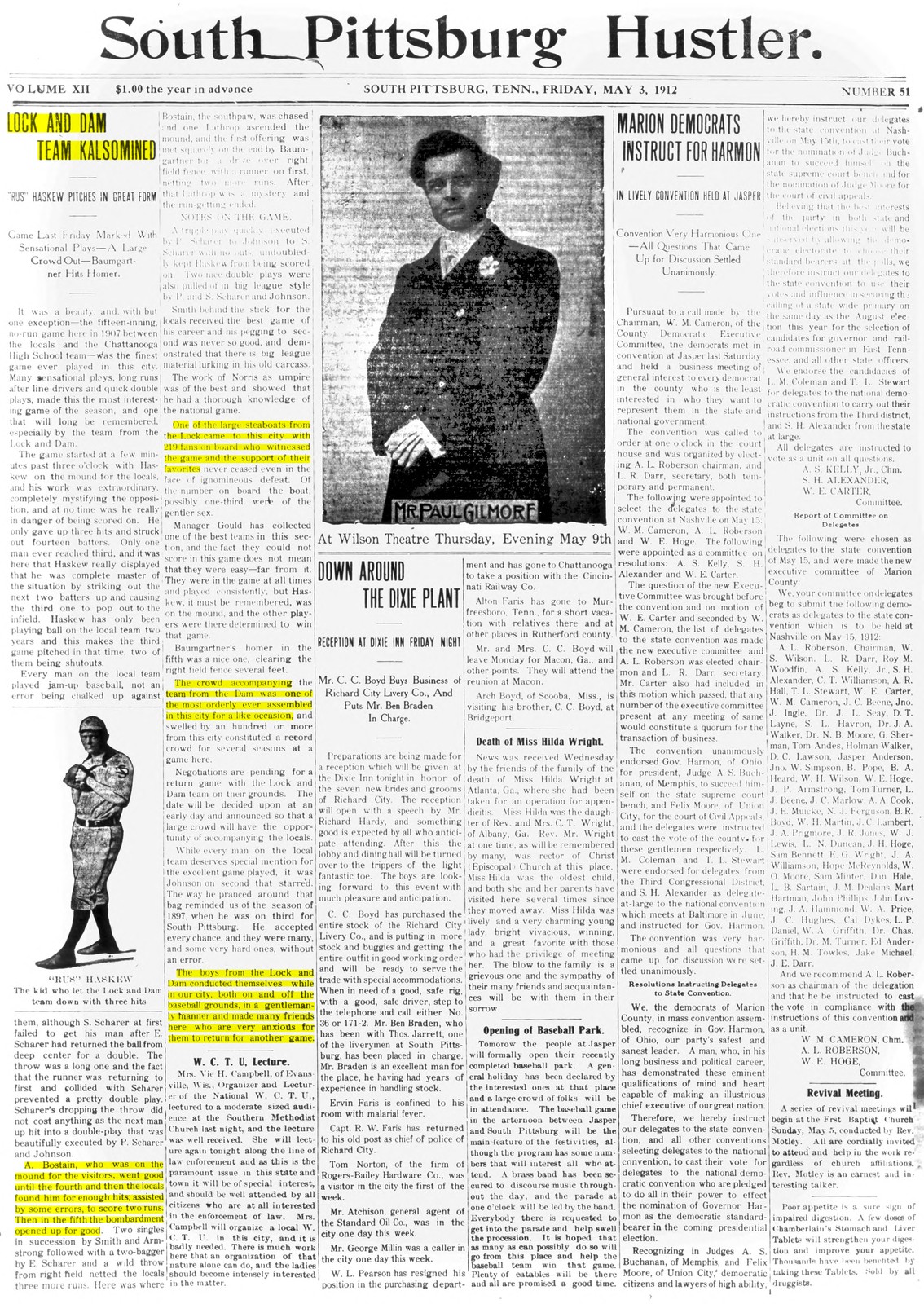
Elections & County Commission
The county Democratic convention of April 1912, reconstructed from the newspaper: the resolutions, the instruction for Judson Harmon, and the full sixty-seven-name delegate roster.
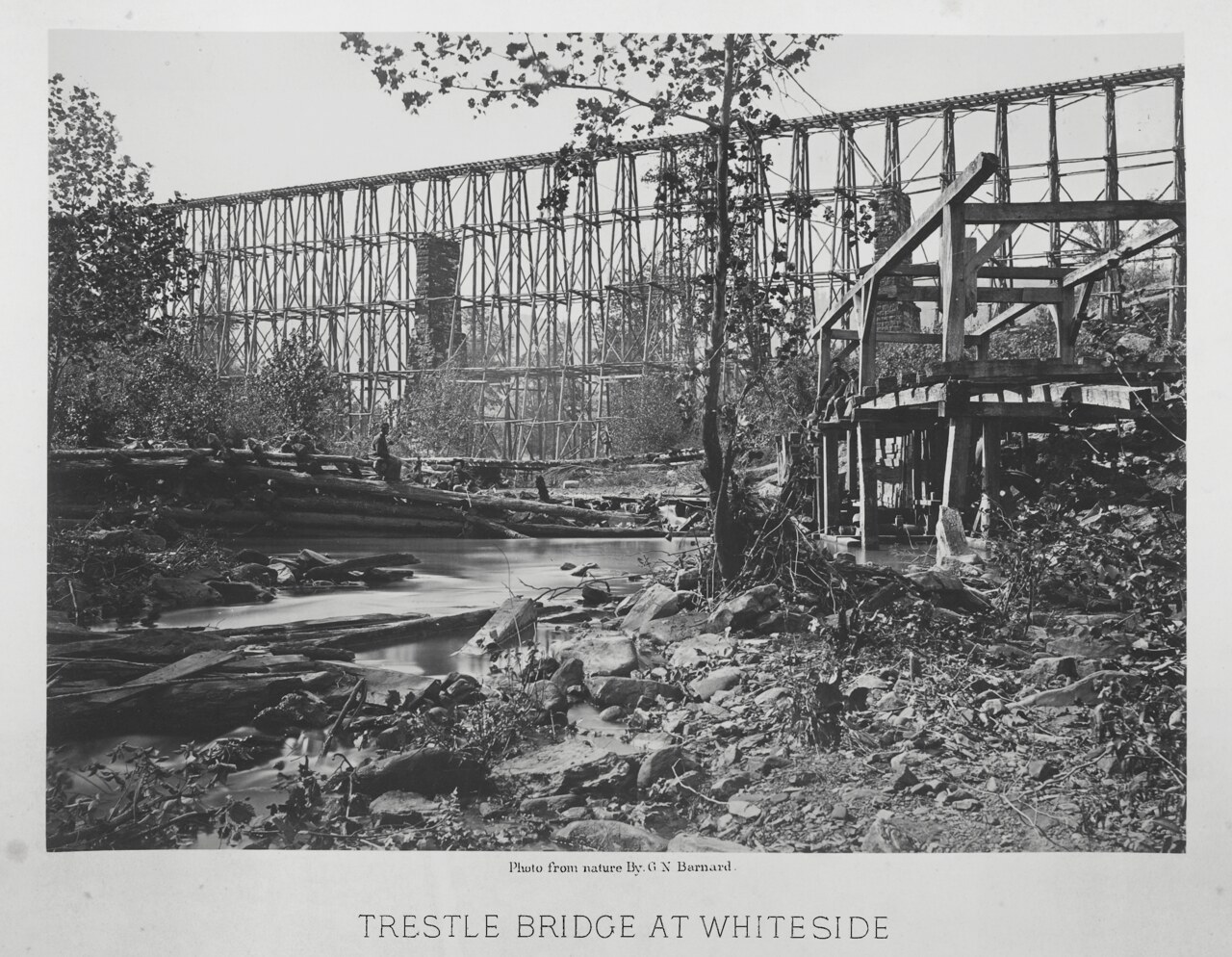
Whiteside
A new section on coal, carpentry, and the turn of the century, following one household from the mines above the gorge to the dam job downstream.
Explore
The sections below cover the county's history, communities, landscape, industries, governance, schools, culture, and the people who shaped the valley from the Cherokee era to the present.
Interactive Timeline
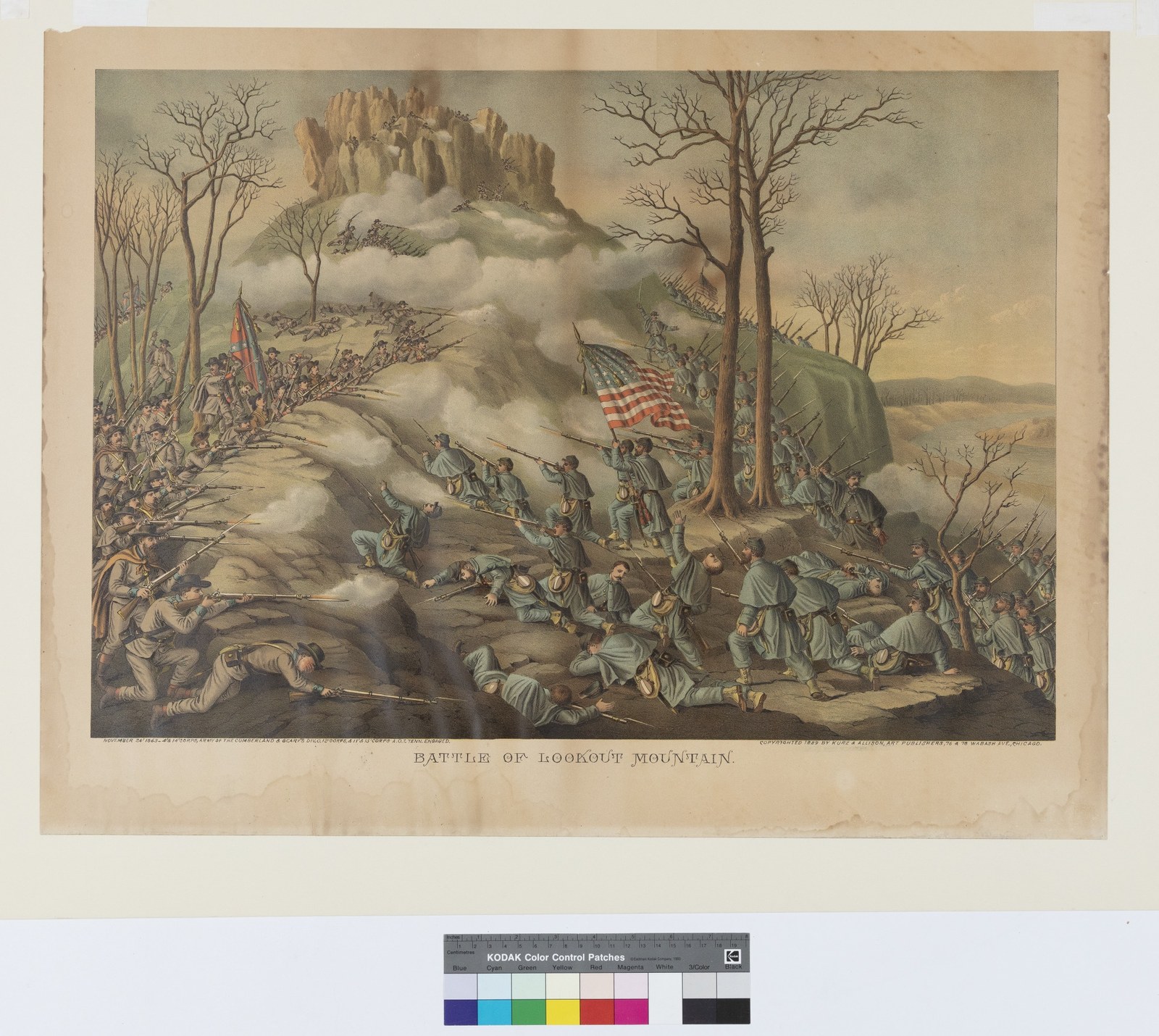
A filterable timeline of events from the Chickamauga era to the 2020 Easter tornadoes, organized by era and category.
History
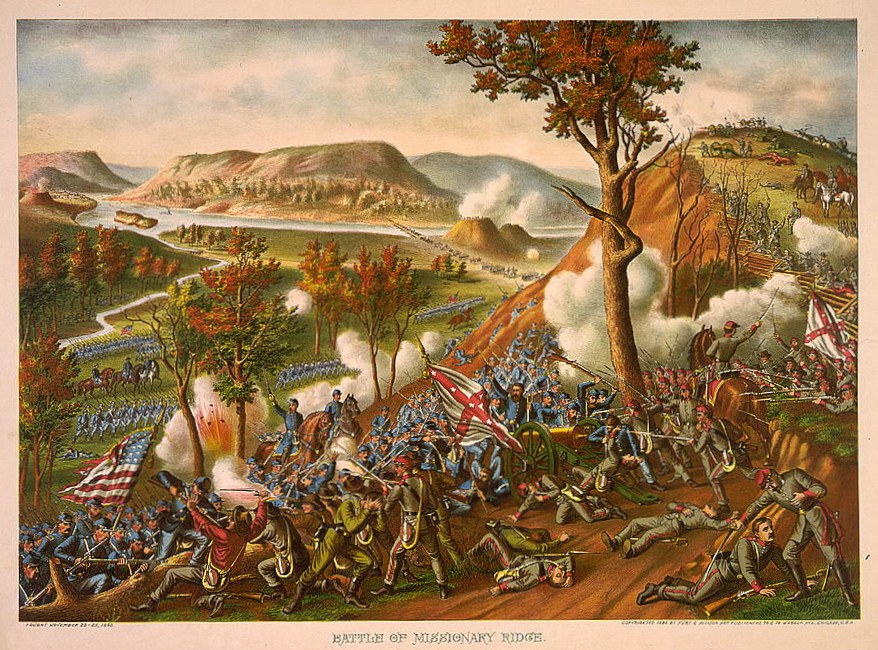
From the Cherokee Lower Towns and the Chickamauga Wars through the Civil War, the British-capital industrial boom, the TVA era, and into the present.
Communities
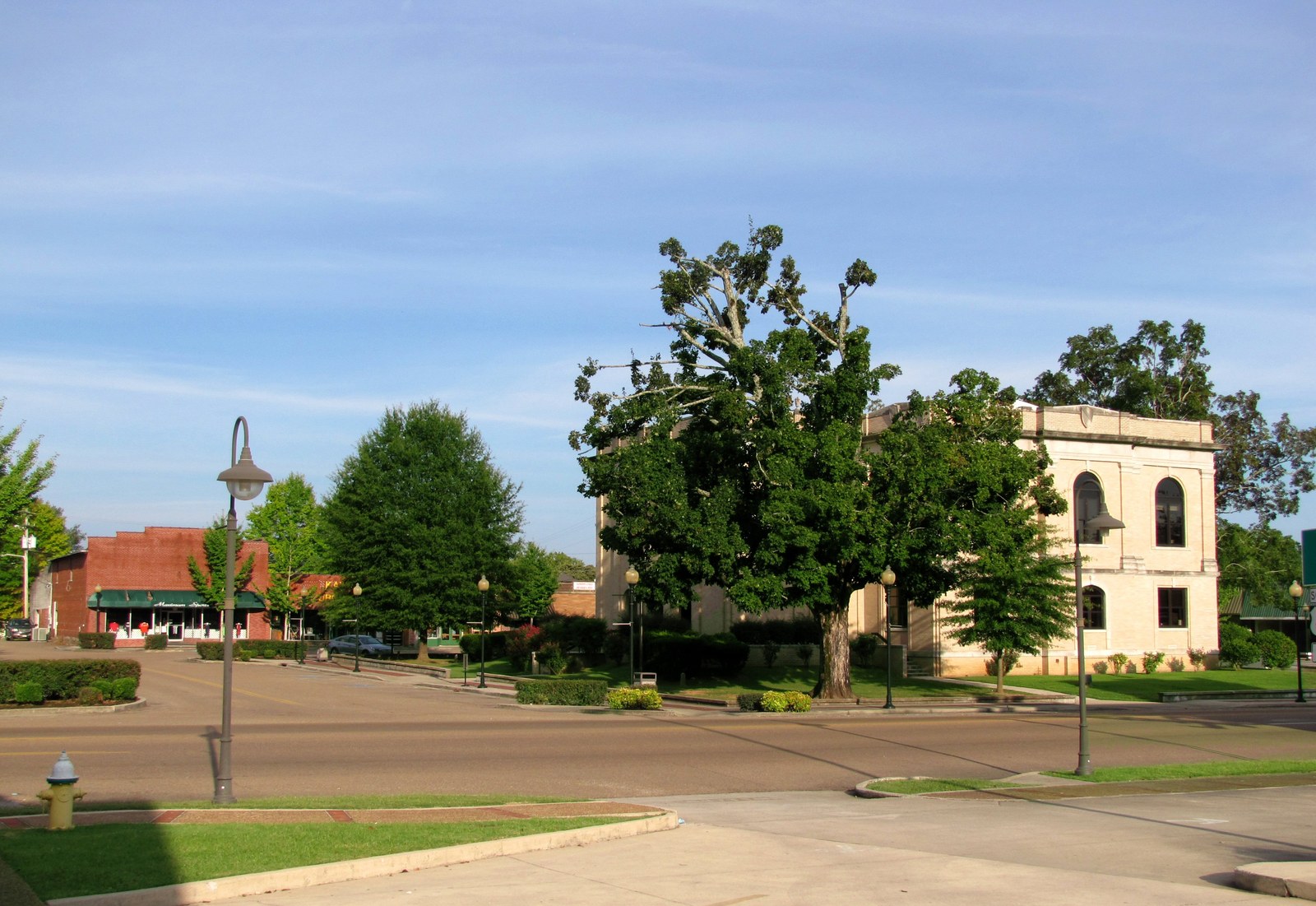
Jasper, South Pittsburg, Whitwell, Monteagle, and the smaller named places, present and historical, across the county.
Industry & Economy
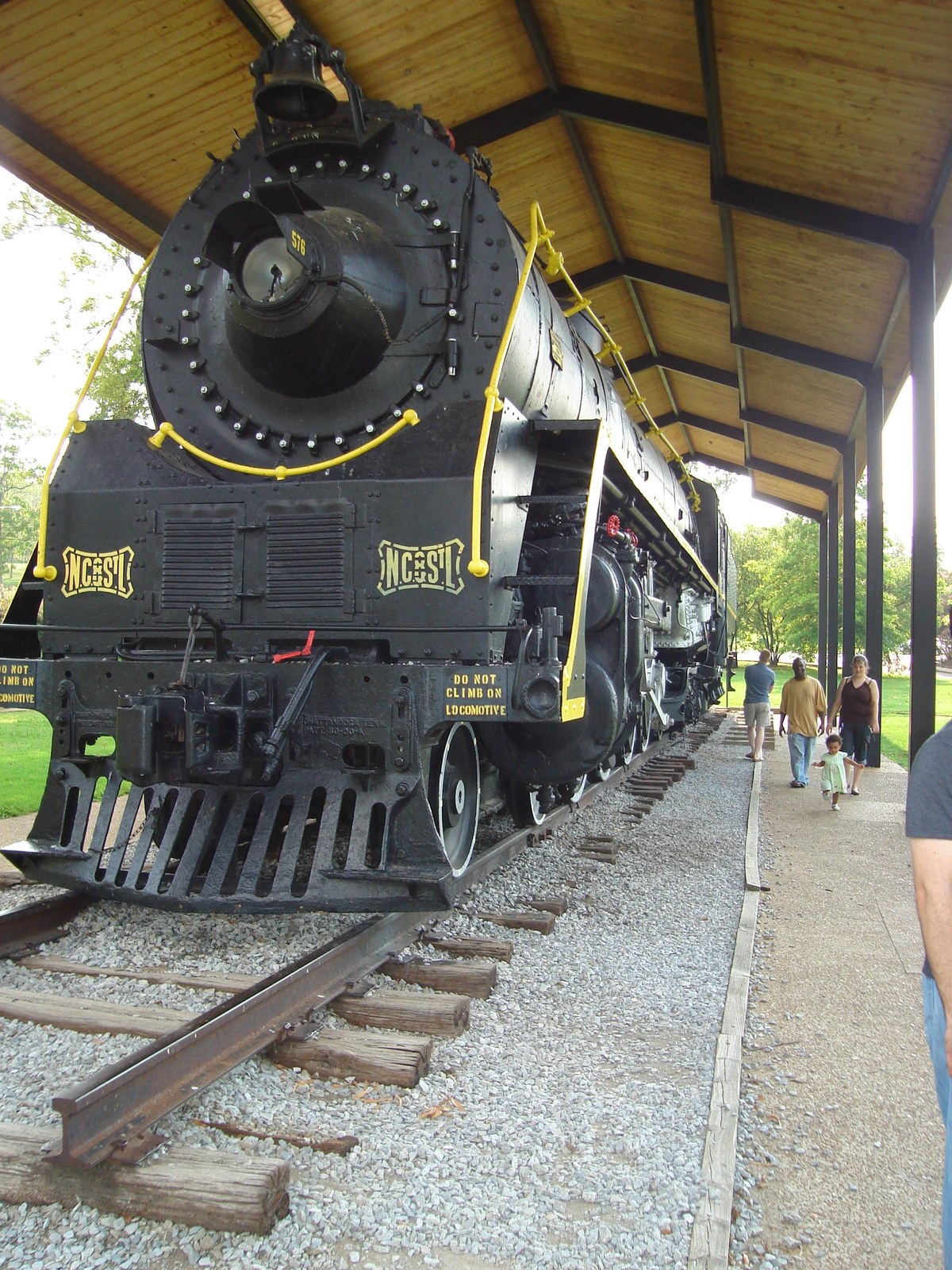
Coal mines, coke ovens, the NC&StL Railway, Hales Bar Dam, Lodge Cast Iron, Dixie Portland Cement, and the I-24 corridor that reshaped the valley.
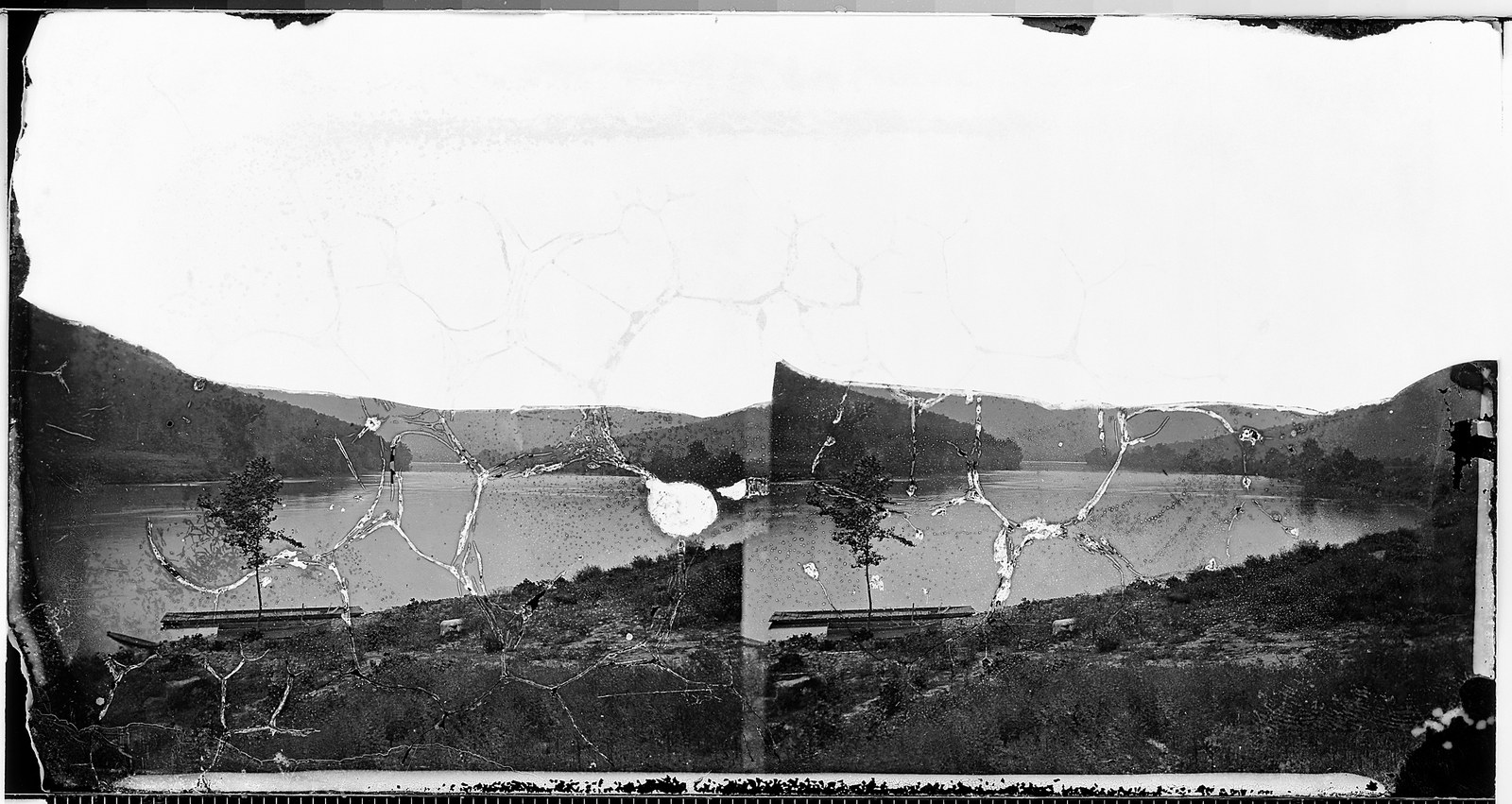
Geography & Nature
The Sequatchie Valley, the Tennessee River Gorge, Cumberland Plateau geology and caves, Nickajack Cave, Foster Falls and other plateau-edge waterfalls, the Cumberland Trail, and Prentice Cooper State Forest.
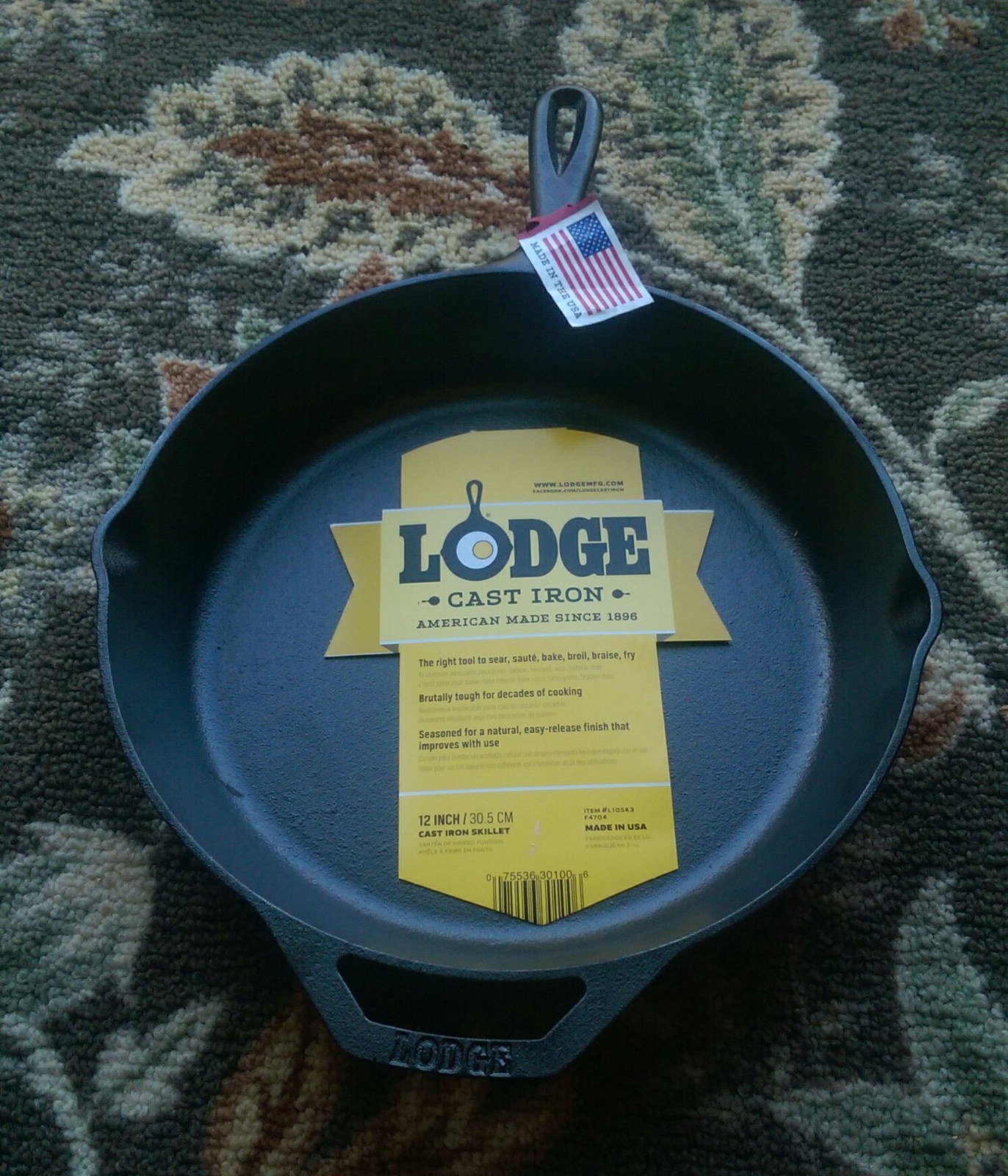
Culture & Traditions
The National Cornbread Festival, Lodge Cast Iron, the Paper Clips Project, and Appalachian folk traditions of the Sequatchie Valley.
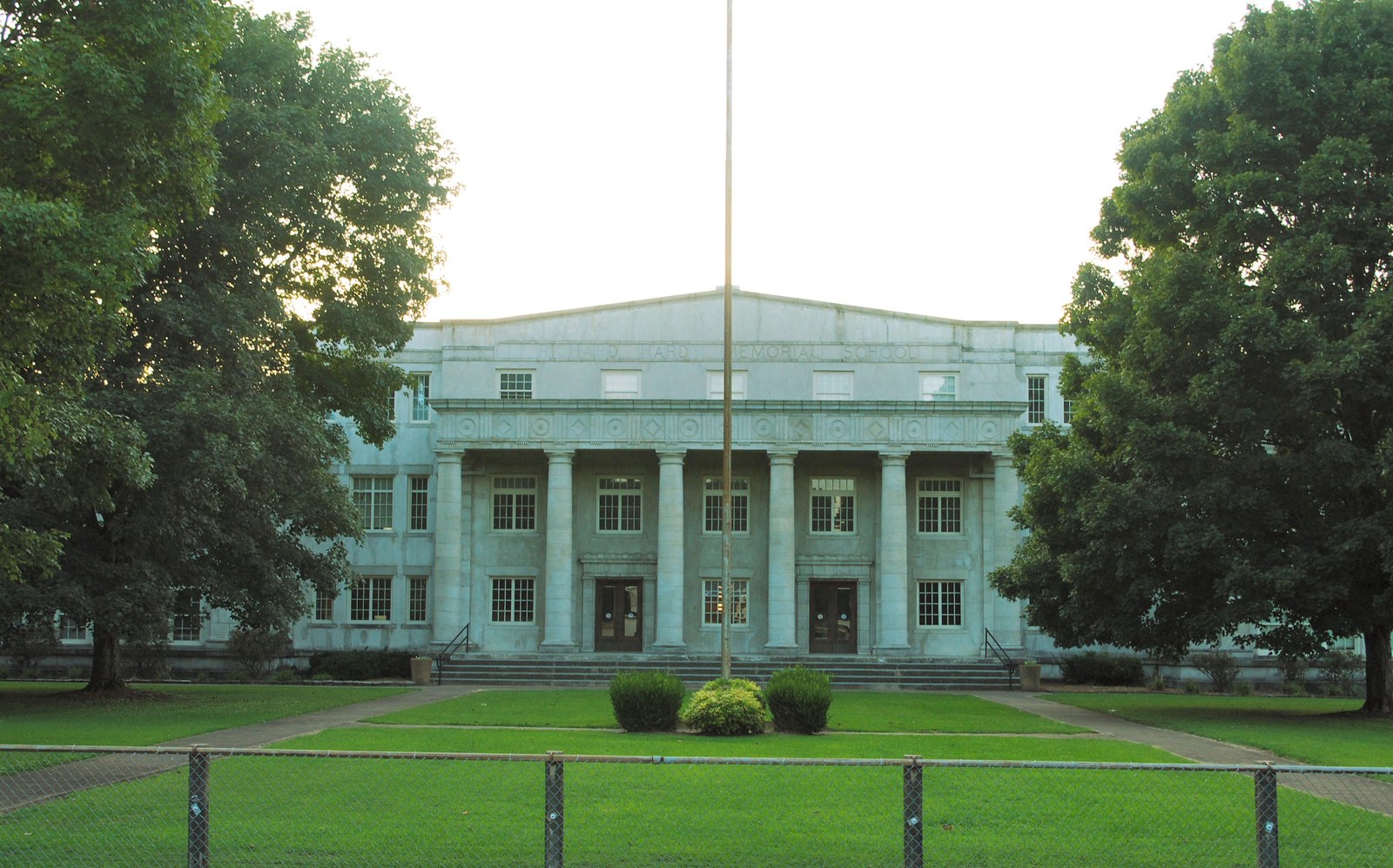
Education
Antebellum academies, the Rosenwald-funded McReynolds High School, the Richard Hardy Memorial, and three modern high schools across the county.

Notable Figures
Cherokee leaders, Civil War officers, two governors, a Scopes Trial judge, a silent-film actress, and the industrialists who built the valley's economy.
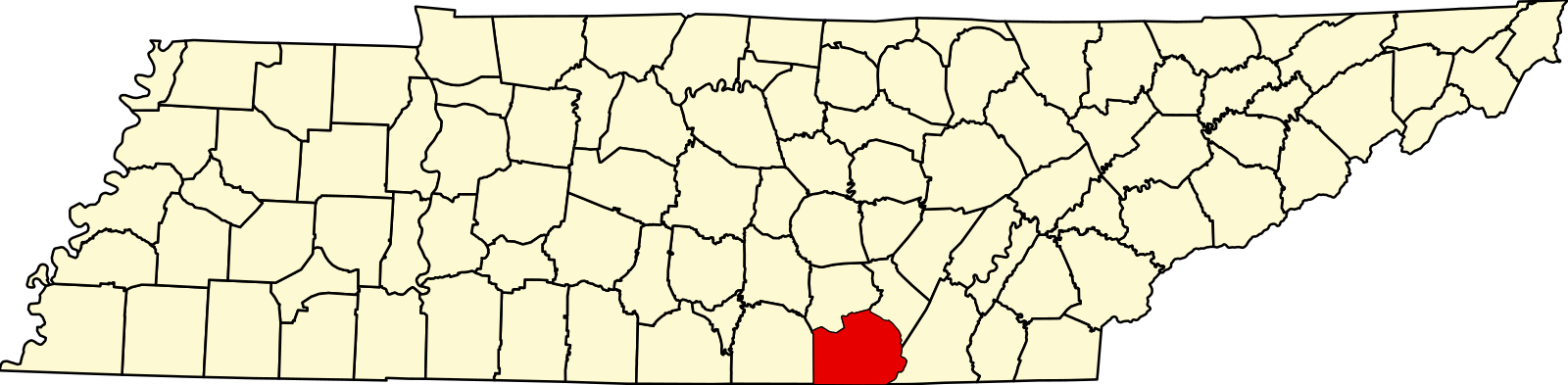
Demographics
Population, race, income, and employment data for Marion County from the 1820 census through the 2020 count of 28,837.
Government
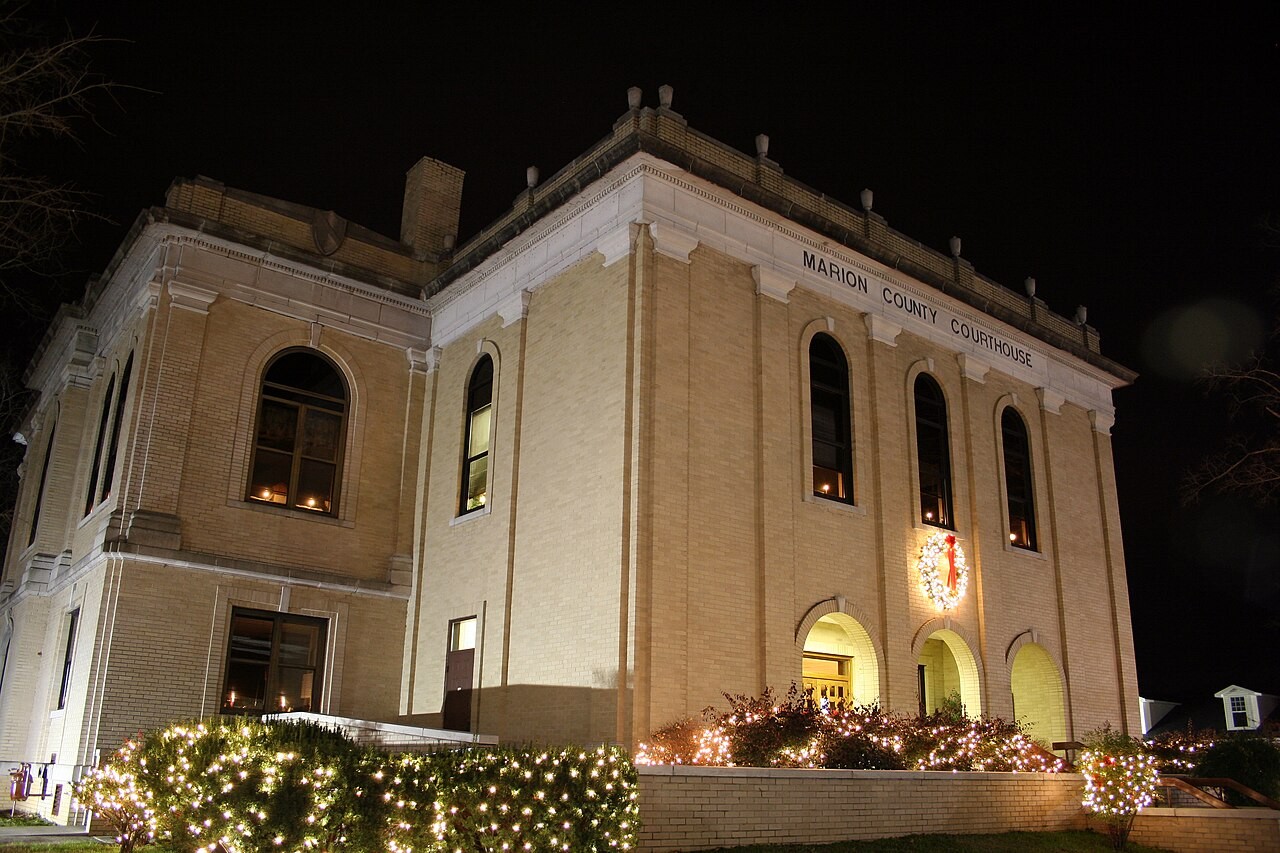
The courthouse, the sheriff, the county commission, and six incorporated town governments: two centuries of governance from 1820 to the present.