Last updated: April 28, 2026
- Type: Water-powered grist mill, wool carding mill, and former blacksmith shop
- Founded: 1824, by David Ketner in Ketner's Cove at the base of Suck Creek Mountain
- Founder: David Ketner (c. 1800 to c. 1870s), an orphan who arrived in the Sequatchie Valley in 1824 with two siblings
- Current site purchased: 1868, by Alexander "Pappy" Ketner on the Sequatchie River about a mile and a half east of Victoria
- Frame house and start of brick mill: 1872
- Brick mill completed: 1882
- Wool carding house: Built 1824 in Ketner's Cove, relocated to the river site in the early 1880s, in continuous operation until 1930
- National Register of Historic Places: Listed November 23, 1977 (NRHP #77001279)
- Country Fair launched: 1977, on the third weekend of October each year
- Last Ketner-family operator: Clyde Ketner (David's grandson), who continued daily corn-meal production until his death in 1992
- Address: 658 Ketner Mill Lane, with a Whitwell mailing address but situated approximately 1.5 miles east of Victoria on the east bank of the Sequatchie River
- Fair status: Cancelled 2024 after the property was listed for sale; returned in October 2025 as the 47th Annual Ketner's Mill Country Fair on October 4 to 5
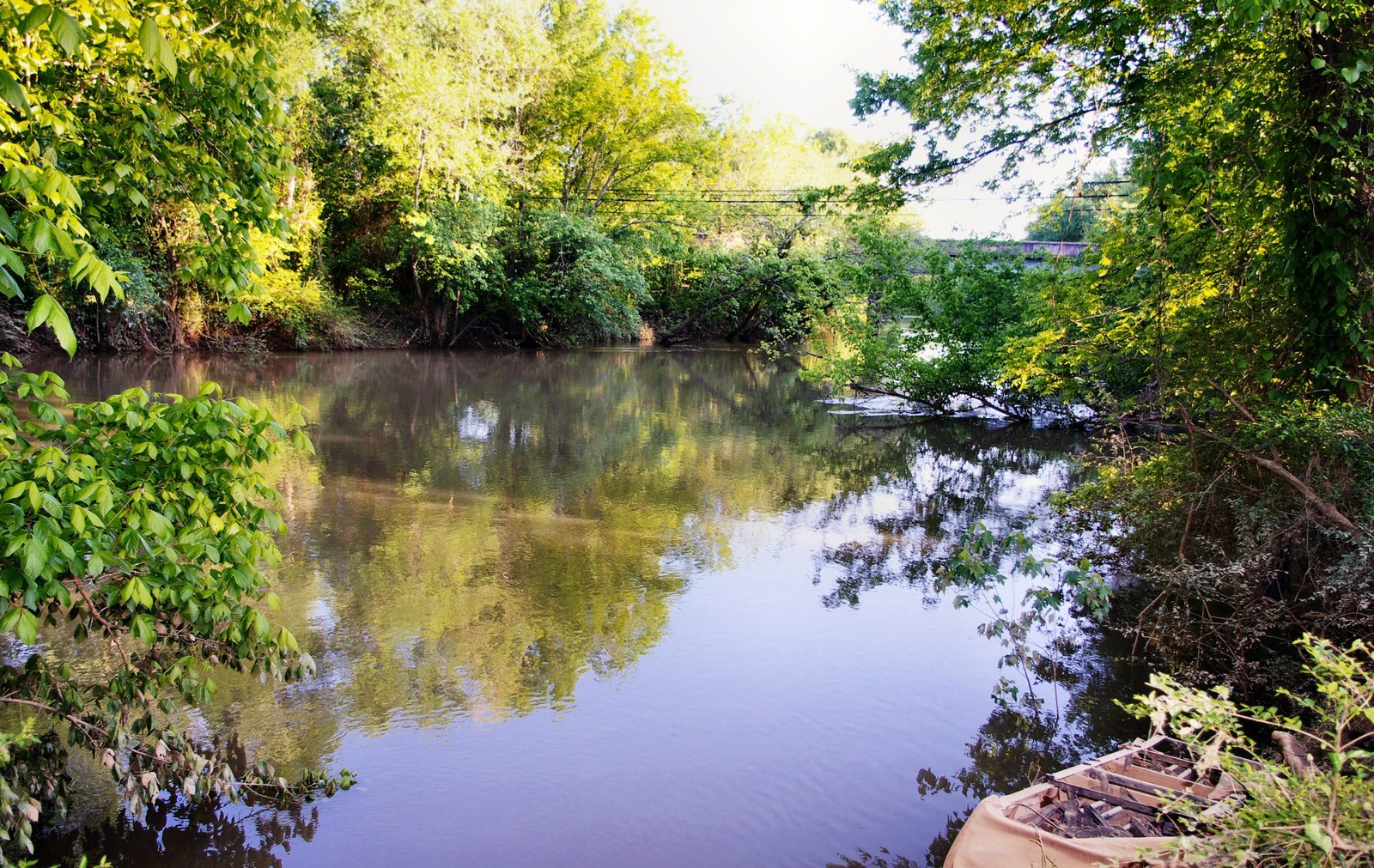
Ketner's Mill is the oldest continuously operating water-powered mill in Marion County and one of the few remaining working wool carding mills in the United States. The operation began in 1824 when David Ketner, an orphan, arrived in the Sequatchie Valley with two siblings, settled at the base of Suck Creek Mountain in the cove that still bears the family's name, and built a grist mill, blacksmith shop, and wool carding house there on a small spring-fed stream. In 1868 his son Alexander "Pappy" Ketner purchased a separate, more accessible site on the river itself about a mile and a half east of Victoria, and over the next fourteen years the family relocated the operation, completing the brick mill that still stands in 1882. The mill was added to the National Register of Historic Places in 1977 and has been the centerpiece of an annual heritage country fair every year since, with one cancellation in 2024 when the family put the mill up for sale.
David Ketner in Ketner's Cove (1824 onward)
David Ketner arrived in the Sequatchie Valley in 1824, an orphan accompanied by two siblings. He was among the earliest settler families on the Marion-Sequatchie Valley stretch and one of a small handful of named 1820s arrivals whose subsequent footprint on the county is still visible today. The cove he selected at the base of Suck Creek Mountain, on the Walden Ridge side of the lower valley, took its name from his settlement and is still called Ketner's Cove in topographical references and on USGS maps. Its narrow flat-bottom floor and reliable spring fed by the limestone slopes of Suck Creek Mountain gave Ketner a constant water source for a small mill operation.
On that water source he built a grist mill for grinding corn and wheat into meal and flour, an on-site blacksmith shop, and a wool carding house. The wool carding house, also dating to 1824, is the oldest physical structure in the Ketner operation that survives today; it remained in continuous use into the early 20th century and operated as a working carding mill until 1930. For the early settlers of the lower Sequatchie Valley, an on-the-ground combination of these three trades was decisive: corn was the principal grain crop and required local milling for daily consumption, sheep flocks supported a small regional wool economy that depended on carding before spinning, and the blacksmith covered farm-tool repair and shoeing for the same households the mill was feeding. David Ketner's cove operation served the area's farming households for most of the 19th century, several decades before any railroad reached the valley.
Alexander "Pappy" Ketner and the Sequatchie River site (1868 to 1882)
David Ketner's son Alexander Ketner, known affectionately as "Pappy" in the family records preserved by the modern operation, carried the milling business into its second generation. In 1868, Alexander purchased a separate site on the Sequatchie River itself, about a mile and a half east of Victoria, where a ford and later a bridge crossed the river. The new site offered a stronger and more reliable head of water than the cove, an easier route in and out for ox-cart and later wagon traffic, and access to the river's broader market reach. The address today, 658 Ketner Mill Lane, falls within the modern Whitwell mailing area, but the mill itself is on the Marion County side of the Sequatchie River near the upstream end of the older valley settlement at Victoria.
Construction of the new operation took about fourteen years. In 1872, Alexander built the frame Ketner family house and began work on the brick mill that would replace the cove operation. The brick mill itself was completed in 1882. The structure that stands on the site today is essentially the 1882 building: a multi-story brick mill with the original water-power equipment, the wool carding house, the family residence, and supporting outbuildings, joined by a wooden walk between the two principal buildings. In the early 1880s, when the brick mill came online, the family relocated the wool carding mill from Ketner's Cove down to the river site as well, where it was restored to working order and continued operation until 1930. The relocation completed the consolidation of the Ketner operation onto a single river parcel and ended the family's working presence at the original cove site.
Three generations of family operation (1824 to 1992)
The mill operated continuously under direct Ketner family management from 1824 through the mid-20th century. After Alexander's death in the early 1900s, the operation passed to his children and grandchildren, who continued running the mill on the same model: a public corn-meal grinding service for valley farmers paying in product, supplemented by wholesale sales of the distinctive Ketner cornmeal to Chattanooga and Sequatchie Valley retail markets. Wool carding tapered off through the 1910s and 1920s as the regional sheep economy declined and as commercial wool processing moved out of the rural South; the wool carding equipment was kept in working order even after regular operation ended in 1930.
Clyde Ketner, a descendant of founder David Ketner, was the last Ketner-family operator to keep daily production running. Clyde sustained the corn-meal operation through the second half of the 20th century, well after most water-powered community mills in the southern United States had closed under competition from industrial milling. He continued grinding cornmeal for retail sale and for visitors to the country fair until his death in 1992, by which point the mill had passed 168 continuous years of operation under three generations of his family.
Restoration and the country fair (1974 to 1977)
A 1974 Ketner family reunion at the mill set in motion a three-year restoration project led by Alexander Ketner's descendants and a circle of Marion County civic leaders. The effort was anchored by Frank W. McDonald and Clyde Ketner, who wanted to preserve the mill as a working site, document the family arc, and introduce the operation to a new generation of Marion County residents and visitors. Restoration work focused on the brick mill structure, the water wheel and head race, the grinding equipment, and the wool carding house; the family residence and the frame outbuildings were stabilized and made accessible without being modernized.
The restoration completed in 1977. The mill was added to the National Register of Historic Places on September 22 of that year. The same fall, McDonald and the family launched the first Ketner's Mill Country Fair as a celebration of the restoration and as the financial engine that would underwrite ongoing maintenance. The fair has been held every year since on the third weekend of October, drawing thousands of visitors over two days.
The fair leans into traditional crafts and heritage demonstrations rather than the cook-off-driven competitive format of the Cornbread Festival. Vendor booths emphasize folk and traditional crafts (pottery, woodworking, textiles, basketry, blacksmithing, soap-making), with heritage food stands that include funnel cakes, kettle corn, country ham biscuits, and the mill's own freshly ground cornmeal sold by the bag. Live music runs across both days from regional bluegrass, Americana, and old-time bands. Net proceeds historically have funded the mill's preservation maintenance and the replacement parts for the water wheel and grinding equipment. The fair has grown into one of the largest craft-and-folk-art gatherings in southeast Tennessee and a fixture of the Marion County autumn calendar.
The 2024 cancellation and the 2025 return
In March 2024, Frank McDonald Jr. announced that the family had decided to put Ketner's Mill on the market at an asking price of $2.5 million and that, with the sale pending, there would be no Ketner's Mill Country Fair in October 2024. The announcement was the first interruption in the fair's running since the launch event in 1977. The 2024 cancellation reverberated through the Marion County autumn-craft economy: regional craft vendors who had built their fall income around the fair and the Whitwell local-business cluster around the mill site lost a regular two-day weekend of foot traffic, and the National Register listing was put forward as part of the listing's marketing.
The fair returned in October 2025 as the 47th Annual Ketner's Mill Country Fair, held October 4 to 5, with vendor registration reopened over the spring and summer. The mill was still listed at the time, but the fair returned under the same family-and-volunteer organizational structure that had carried it for nearly fifty years, with the implication that the fair's running rights and the mill's operating-museum status would carry forward under whichever new owner the listing eventually produced. The 2025 fair drew the same broad regional craft-vendor field and the same audience as the pre-pandemic and pre-listing editions.
Architectural and operational detail
The mill complex consists of two principal buildings joined by a wooden walk: the 1882 brick grist mill, built three stories tall on a cut-stone foundation directly above the river's east bank, and the relocated 1824 wool carding house, a frame structure on a cut-stone base. The brick mill carries an overshot water wheel fed by a head race that runs from a low diversion dam upstream of the building site; the dam, partially rebuilt during the 1970s restoration, is a recurrent landmark in regional photography of the river. Inside, the original Ketner-era grinding equipment, the wooden hoppers, the millstones, and the line-shaft drive train all remain in place and in working order.
The wool carding house preserves period carding equipment that Ketner descendants restored after relocating the structure from the cove. The combination of the working grist mill and the working carding mill on a single site is what gave the operation its claim to being one of only three working wool carding mills in the United States; the carding equipment is run for demonstration during the fair and on special tours, although the commercial carding service ended in 1930.
The mill in Marion County's broader story
Ketner's Mill is the longest-running pre-industrial enterprise documented in Marion County. It predates the iron-and-coal industrial boom of the 1850s and 1880s by a generation, ran continuously through the rise and fall of the Sequatchie Valley coal-and-coke economy, the Civil War, the railroad era, the 20th-century industrial diversification, and into the modern preservation era. The mill is the most visible public-access landmark on the upper Sequatchie River within Marion County and one of the few sites in the county where 19th-century industrial-scale water-powered manufacturing can be seen in working condition.
Three generations of Ketner family members are profiled on the people of Marion County page: David Ketner, the 1824 founder; Alexander "Pappy" Ketner, the 1868-1882 builder of the river site; and Frank W. McDonald, the 1974-1977 restoration leader and founder of the country fair; Clyde Ketner, the last Ketner-family operator, who ran daily corn-meal production at the river site through the second half of the 20th century and kept the mill working into the country-fair era.
Visiting
Ketner's Mill remains private property. The family welcomes visitors to walk the grounds during daylight hours throughout the year and opens the buildings more fully for the annual country fair and occasional special events. The mill sits on the Sequatchie River, a short drive east of Victoria along Ketner Mill Road, and gives the river stretch its most recognizable public access point. The river here is a destination for smallmouth bass and longear sunfish fishing; the nearby Sequatchie Valley Scenic Byway draws regional touring traffic that pairs the mill stop with downstream visits to Jasper and the Tennessee River gorge.
Related
About Victoria →
About Whitwell →
About the Sequatchie Valley →
About the Sequatchie River →
Folklore and local history (Nonie Webb's The Story of Ketner's Mill, 1987) →
National Cornbread Festival (the county's other large heritage festival) →
Profile of David Ketner →
Profile of Alexander "Pappy" Ketner →
Profile of Frank W. McDonald →
Sources
- Ketner's Mill — History (official site)
- Ketner's Mill — The Mill (the brick grist mill, wool carding house, and architectural detail)
- Ketner's Mill — About the Fair (the annual third-weekend-of-October country fair)
- National Register of Historic Places Listings in Marion County, Tennessee (Ketner's Mill, NRHP #77001279, listed November 23, 1977)
- Marion County Tennessee Tourism — Ketner's Mill
- Chattanooga Times Free Press — Ketner's Mill holds 40th Country Fair (October 23, 2017)
- SValleyNow.com — Ketner's Mill for Sale; No Country Fair for 2024 (March 22, 2024)
- Ketner's Mill Facebook — "Mark your calendars! The beloved Ketner's Mill Fair is back October 4-5, 2025"
- Library of Congress, Historic American Buildings Survey / Historic American Engineering Record — Ketner Mill, East bank of Sequatchie River, Victoria, Marion County, TN (HABS/HAER record TN0241)