Last updated: April 22, 2026
- Construction: October 17, 1905 to November 11, 1913
- Decommissioned: December 14, 1967; dismantling completed September 1968
- Builder: Chattanooga and Tennessee River Power Company (later Tennessee Electric Power Company, or TEPCO)
- Replaced by: Nickajack Dam, 1967
- Cost: Estimated $3 million initially; final cost $10 million
- Dimensions: 113 feet high, 2,315 feet long
- Lock: 60 feet by 260 feet, with 41-foot lift (world's highest at time of construction)
- Generating capacity: 99,700 kilowatts (after 1949 improvements)
- NRHP: Powerhouse listed November 25, 2008
Hales Bar Dam was the first significant hydroelectric dam on the Tennessee River and one of the earliest non-federal hydroelectric projects in the country. It was built in Marion County about six miles downstream of the future Nickajack Dam site, and began generating power in 1913. It operated for just over half a century before being replaced by TVA's Nickajack Dam in 1967.
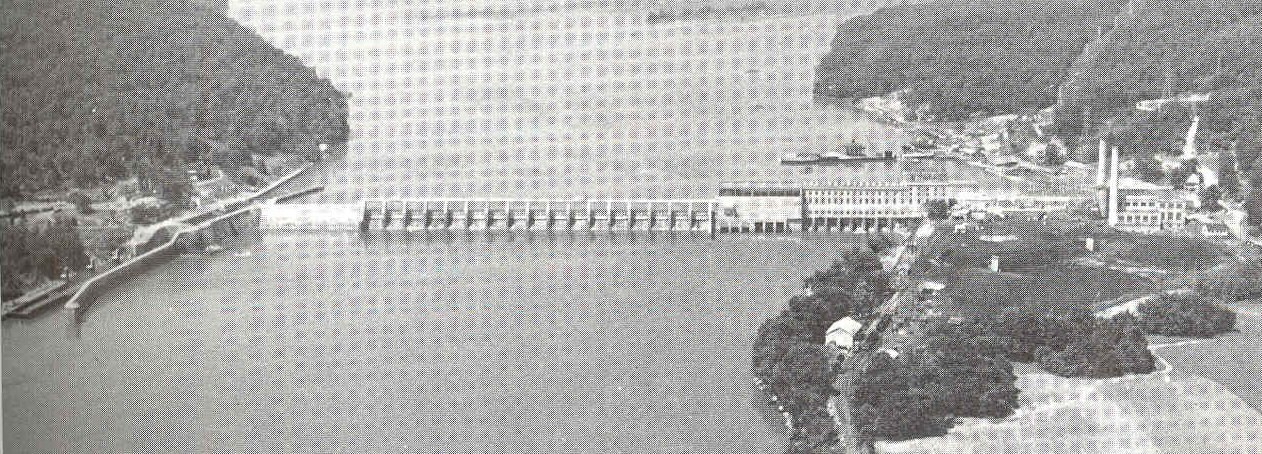
Origins: Jo Conn Guild and the power company
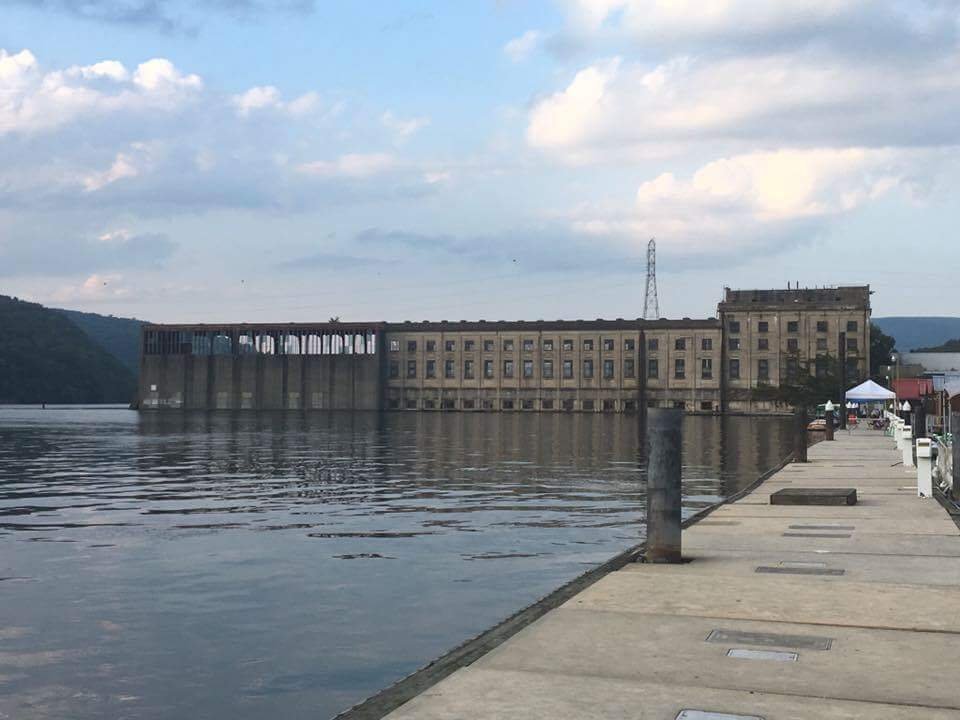
The idea of a dam at Hales Bar originated with Josephus Conn Guild, a Chattanooga engineer who promoted a privately funded lock and dam to improve navigation on the Tennessee River and supply electricity to Chattanooga's growing industries. The stretch of river here was notoriously dangerous, including the rapids known as “The Suck” and its nearby hazards.
Guild organized the Chattanooga and Tennessee River Power Company in 1904, with funding from Charles E. James, a Chattanooga entrepreneur, and Anthony Brady, a New York financier. Construction began on October 17, 1905, with William J. Oliver and Company as contractor and John Bogart as architect.
Two self-contained communities, Guild (now Haletown) and Ladd, were built to house the thousands of construction workers, on the north and south banks of the river respectively, and connected by a narrow access tunnel under the dam itself. Over the dam's eight-year construction, the project employed more than 5,000 workers, rotating three shifts around the clock. Read more about the Hale's Bar construction village →
The villages were settled enough to sustain something like ordinary town life. Some workers brought families and raised children in company housing, and by 1912 Guild was fielding a baseball team that traveled downriver under the name the press gave it, the Lock and Dam team, carrying 219 supporters to an April game at South Pittsburg by steamboat. Read more about early baseball in Marion County →
The initial operation on November 13, 1913, was described as “the greatest celebration that Chattanooga has ever known.”
Engineering challenges
The dam was built on fractured Bangor Limestone, a karstic formation riddled with solution channels, crevices, and underground voids. Engineers had prioritized the site's topographic advantages for navigation and power generation over comprehensive geological assessment, presuming the limestone's soundness without detailed subsurface exploration.
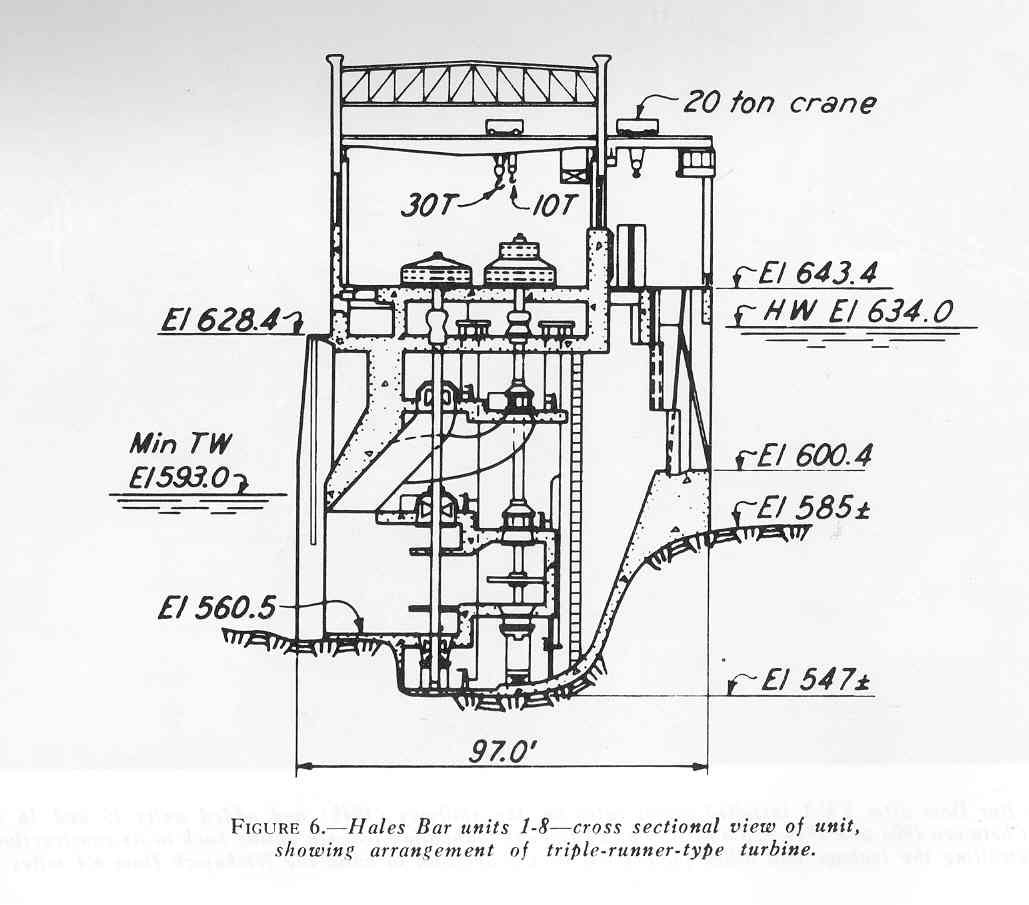
During construction, workers encountered severe water infiltration through the foundation. Engineers employed pressure grouting and concrete caissons, the first use of either technique in a major dam construction project. Despite these innovative measures, the problems proved impossible to fully resolve. A total of 109 workers died during the eight years of construction.
Even after the dam began operations, leaks appeared almost immediately, foreshadowing the chronic foundation problems that would define the structure's entire lifespan.
Chronic leakage and decades of remediation
Leakage through the karst foundation was Hales Bar's defining weakness from its first day of operation. In 1919, engineers attempted to minimize leakage by pumping hot asphalt into the dam's foundation.
By 1931, a study showed the dam was leaking at a rate of 1,000 cubic feet per second. After TVA acquired the dam in 1939, engineers halted the worst leakage by 1943 through extensive foundation repairs. But the fix was not permanent. By the late 1950s, leakage had increased to 2,000 cubic feet per second. A 1960 dye test revealed interconnected leakage channels running beneath the entire structure.
The dam became an engineering cautionary tale about building large structures on karst geology.
Tennessee Electric Power Company and the TVA fight
The Chattanooga and Tennessee River Power Company merged with several other utilities in the 1920s to form the Tennessee Electric Power Company (TEPCO), the largest private electrical utility in Tennessee.
Jo Conn Guild's son, Jo Conn Guild Jr. (1887 to 1969), became TEPCO's president in 1933, the same year President Roosevelt created the Tennessee Valley Authority. Guild became one of TVA's fiercest opponents. TEPCO joined other private utilities in challenging the agency's constitutionality, with attorney Wendell Willkie (later the 1940 Republican presidential nominee) representing the companies.
In January 1939, the U.S. Supreme Court dismissed the utilities' challenge, ruling that the companies lacked standing. On August 15, 1939, TEPCO sold its power assets, including Hales Bar Dam, to TVA for $78 million.
Replacement by Nickajack Dam
Congress authorized a replacement dam in January 1963. TVA chose a site about 6.4 miles downstream with more stable geology.
Hales Bar's operations ceased on December 14, 1967, when Nickajack Dam went into service. Two generators and switchyard components were transferred from Hales Bar to Nickajack. Dismantling of Hales Bar was completed by September 1968. The central portion of the dam was removed so the Nickajack reservoir could pass through the old site unimpeded. Read more about Nickajack →
Legacy
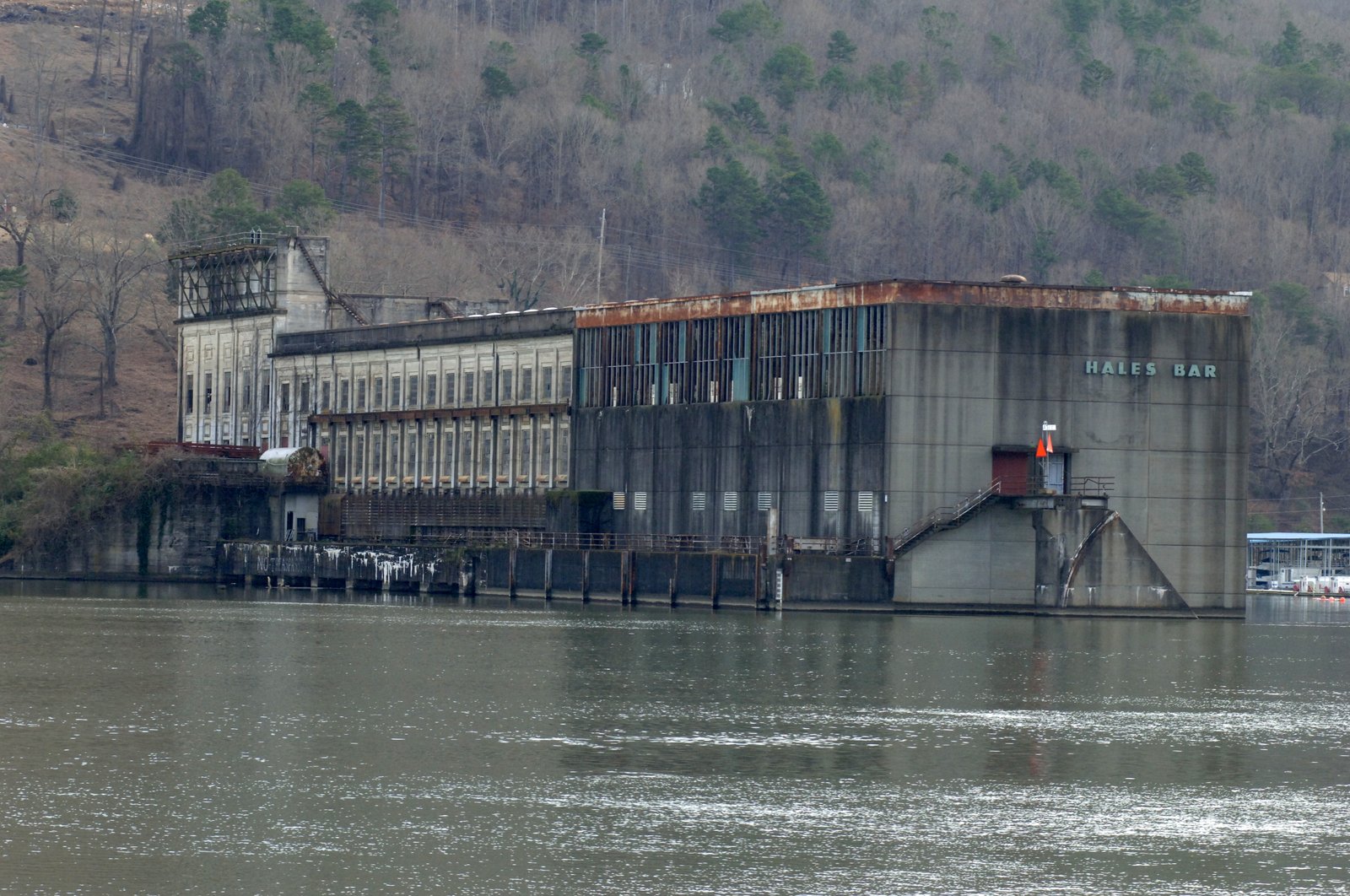
The Hales Bar Dam powerhouse was listed on the National Register of Historic Places on November 25, 2008. The powerhouse building survives on the north bank and today operates as a private event venue and marina (Hales Bar Marina). The former lock walls and north and south abutments remain visible along the riverbanks.
Hales Bar is cited in dam-safety literature as one of the earliest and most instructive examples of the risks of building on karst foundations. The dam's history, from its innovative construction techniques (pressure grouting and concrete caissons were first used here) to its chronic leakage and eventual replacement, remains a standard reference in engineering education.
Related
About Nickajack Lake, Cave & Dam →
About “The Suck” rapids →
About the Tennessee River Gorge →
Sources
- Wikipedia — Hales Bar Dam
- Wikipedia — Tennessee Electric Power Company
- Tennessee Encyclopedia — Marion County
- Wikipedia — Jo Conn Guild
- Association of State Dam Safety Officials — Hales Bar Dam: Many Firsts and Many Lessons
- Chattanooga Times Free Press — Local History: With completion of Hale's Bar Dam