Last updated: April 23, 2026
Marion County's food traditions sit where the Sequatchie Valley's corn-belt and cattle farming meet the Cumberland Plateau's homestead pattern of small gardens, cured pork, sorghum, and wild game. Cornbread, pot likker, country ham, game, chow-chow, sorghum molasses, and a heavy reliance on cast-iron cookware are the regional baseline. The National Cornbread Festival in South Pittsburg, the Lodge cast-iron foundry, and the Sequatchie Cove Creamery are the county's three best-known commercial food landmarks, but the deeper tradition is a home-kitchen one documented in oral history, church cookbooks, and the working landscape itself. This page surveys what the tradition looks like and where Marion County's food culture sits within the broader Appalachian foodways.
Cornbread and cast iron
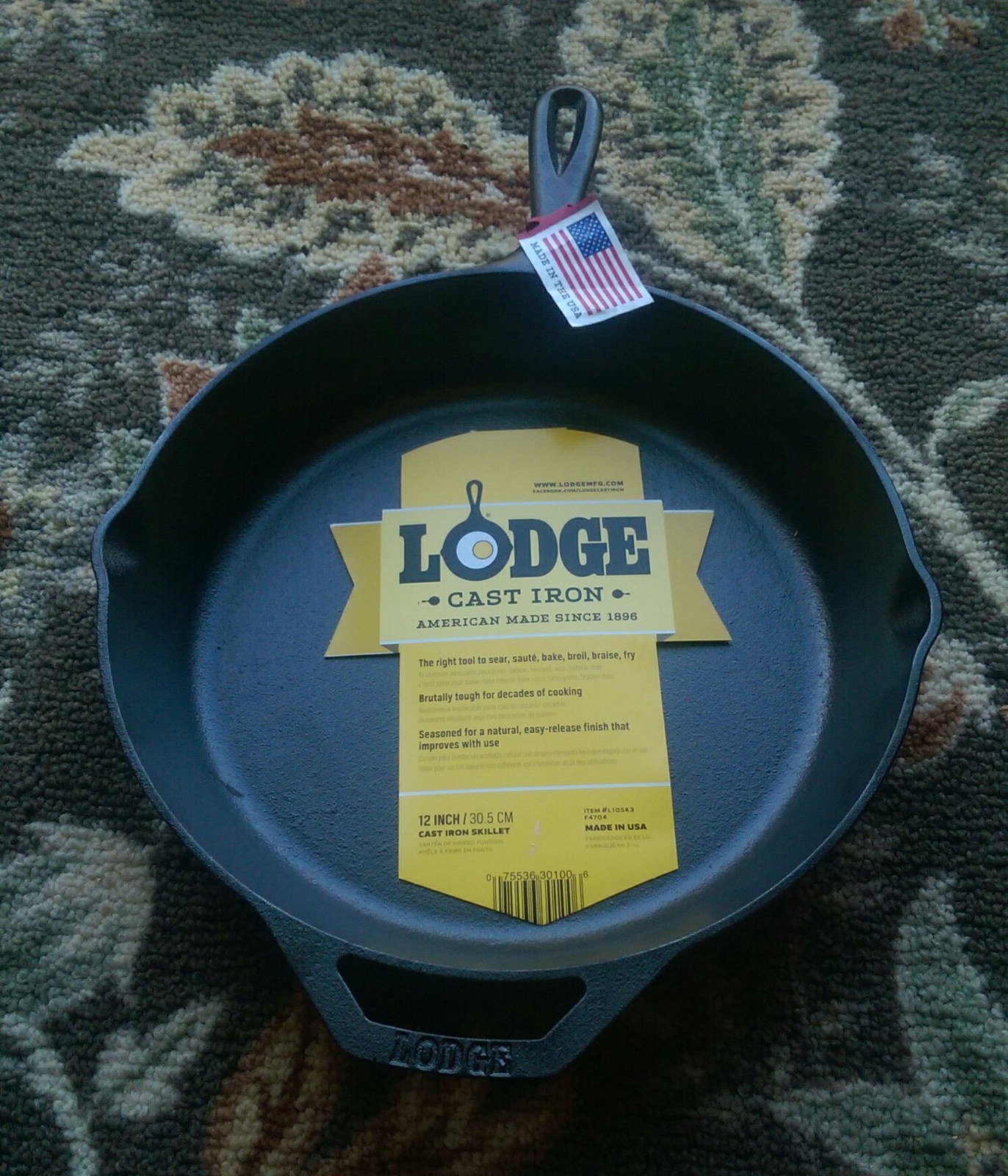
The Sequatchie Valley grew corn long before Anglo-American settlement, and corn has been the foundation of the county's food culture through every economic era. Skillet cornbread cooked in a well-seasoned cast-iron pan, at high heat, with a thin crisp outside and a dense inside, is the Marion County default. The pairing with Lodge Cast Iron is not incidental: Lodge has been pouring skillets in South Pittsburg since 1896, and the National Cornbread Festival has been held in South Pittsburg each April since 1997 around that pairing. Recipe variants range from plain buttermilk to the heavy bacon-fat version cooked from the drippings, and regional disputes over the appropriate amount of sugar (local preference: little or none) are a fixture of every county cookout.
Pot likker, greens, and beans
A pot of turnip greens, collards, or mustard greens slow-cooked with smoked pork and onion produces pot likker, the nutrient-dense broth that has been staple subsistence food on the plateau since the earliest settlement. Served with cornbread crumbled in, pot likker carried Marion County families through the Depression and the lean years of the coal-mining towns. Pinto beans, field peas, and half-runners cooked with fatback or ham hock occupy the same slot on the weekly rotation. The Southern Foodways Alliance has documented the broader regional pattern; Marion County's specific variants track the wider southern Appalachian tradition without strong local distinctions.
Cured pork and hog killings
Hog raising and cured pork defined the protein calendar across much of rural Marion County through the first half of the 20th century. November and December hog killings converted the fall-finished hogs into country ham, bacon, shoulder, sausage, and cracklings. The smokehouse, a small outbuilding for curing and storage, was standard equipment at the plateau farmstead level into the 1950s and 1960s. Commercial meat packers, state-regulated slaughter, and refrigeration displaced most household curing by the late 20th century, but country ham and cured bacon remain on menus from the Jim Oliver's Smoke House Sunday buffet to small restaurants throughout the valley.
Sorghum and the sweetener line
Sugar was a cash purchase in 19th- and early-20th-century Marion County, and household sweetening came from sorghum molasses. Fall sorghum boils, in which a community mill crushed cane to extract juice that was then cooked down in a long copper or iron pan, were regular events in plateau communities. The finished product, thicker and less sweet than cane molasses, was spread on biscuits, mixed into gingerbread, and used in baked beans. Local sorghum production has persisted at the hobby and small-farm scale on the Cumberland Plateau and is documented in the broader Tennessee Folklife program.
Wild game, river fish, and foraged foods
The Cumberland Plateau, the Sequatchie Valley, and the Tennessee River Gorge support substantial populations of white-tailed deer, wild turkey, squirrel, rabbit, and black bear, and Marion County's hunting and fishing traditions remain active. Venison in a cast- iron skillet, squirrel and dumplings, and fried catfish from the Tennessee River are common home preparations. Foraged foods include morels in the spring, wild ramps on cool north slopes, pawpaws along creek bottoms in early fall, persimmons after frost, and black walnuts once the green hulls blacken and drop. The Sequatchie Cove Farm and other modern diversified farms have begun reintroducing some of these foods into commercial production, but the broader tradition is domestic and seasonal rather than market-driven.
Garden and cellar
Canning, pickling, and preserving were fundamental household activities in Marion County through the middle of the 20th century and remain common in rural households. Chow-chow (chopped cabbage, peppers, and onions in a vinegar and mustard-seed brine), pickled beans and corn, bread-and-butter pickles, chowchow-topped pinto beans, apple butter, peach butter, green-tomato pickle, and jars of canned tomatoes, green beans, and squash all filled the pantry shelves of plateau and valley households. Many of these traditions are carried forward through 4-H programs and church-dinner covered-dish events. The Marion County Fair, when it was held in Jasper, judged home-canning entries alongside its other homemade-goods competitions.
Sequatchie Cove Creamery
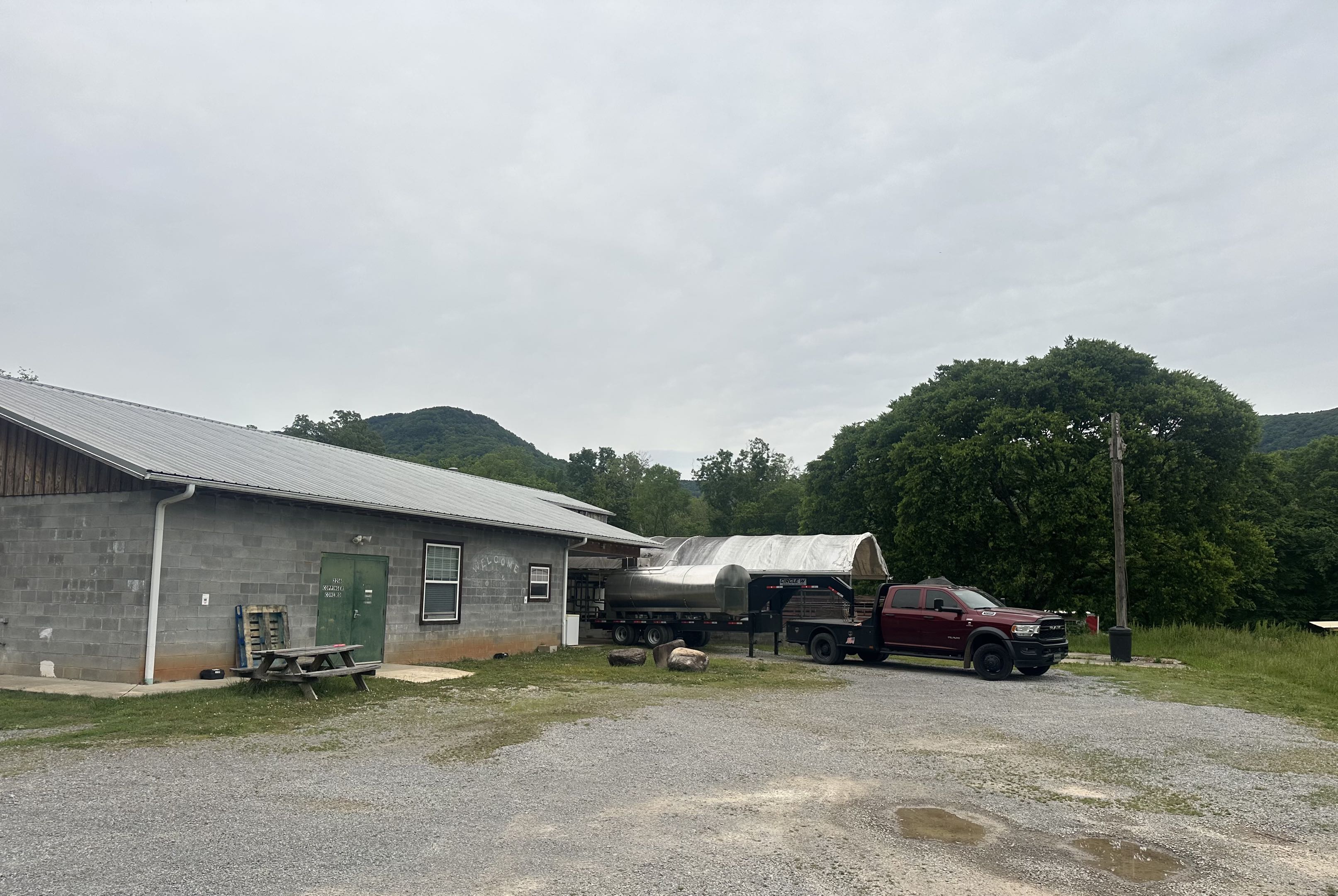
The most visible contemporary commercial Marion County food producer is the Sequatchie Cove Creamery, founded in 2010 by Nathan and Padgett Arnold at 2216 Coppinger Cove Road as a sister operation to the Sequatchie Cove Farm, a 300-acre diversified farm on Dixon Cove Road along the Little Sequatchie River. The Arnolds trained in traditional cheesemaking in the French Alps, in Vermont, in Canada, and in Wisconsin between 2005 and 2006, then took their design back to the cove. The lineup includes the raw-milk, Savoie-inspired Cumberland tomme, which won first-in-category at the 2012 American Cheese Society competition; the ash-lined washed-rind Coppinger, named for the Cumberland Plateau cove it is made in; the fig-leaf-wrapped Shakerag Blue, cured with leaves soaked in Chattanooga Whiskey; and Walden, a quick-pasteurized 30-day cheese launched in 2019. The creamery ran its own single-herd Jersey dairy for its first decade and sold the herd in 2021, switching to sourcing milk from neighboring grass-fed dairies in the region. The parent farm also produces grass-fed beef, pork, lamb, organic vegetables, and pastured eggs, and is a regular presence at the Main Street Farmers Market in Chattanooga.
Church suppers and covered-dish traditions
Dinner-on-the-grounds at Sweeten's Cove Primitive Baptist, Ebenezer Cumberland Presbyterian, McKendree Methodist, and dozens of smaller churches throughout the county remains the most common public expression of Marion County foodways. The covered-dish tradition concentrates the county's home cooking in one place one day a year: fried chicken, country ham, cornbread, pot-likker greens, pinto beans, sweet potato casserole, chicken and dressing, banana pudding, chess pie, coconut cake, and blackberry cobbler. Church cookbooks compiled for fundraising preserve the recipes that would otherwise exist only in family hands; the Marion County cookbook literature is substantial.
Chain-restaurant displacement and what remains
The Interstate 24 corridor at Kimball, Jasper, and Monteagle has filled with national chains over the past thirty years, and Marion County's commercial food scene now looks much like any other county on a southeastern interstate: Dairy Queen, McDonald's, Arby's, Cracker Barrel, Hardee's, a string of fast food along U.S. 72 and U.S. 41. The independent sit-down restaurants that define regional food culture are fewer than they were in the 1960s and 1970s. The post-fire Smoke House Patio Grill in Monteagle, the National Cornbread Festival each April, and the Sequatchie Cove Farm stand are three of the remaining anchors where Marion County's food identity is more visible than the generic interstate-commerce pattern.
Related
National Cornbread Festival →
Lodge Cast Iron →
Jim Oliver's Smoke House →
Moonshine and Prohibition →